Contact
- +91-9868179608
- joydeep@ibca.world
- IBCA Secretariat H.N. 1/13 First Floor, Shanti Niketan, New Delhi-110021, India
© Copyright 2025 by IA-meetings

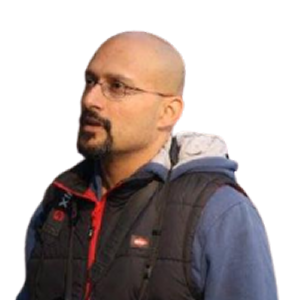
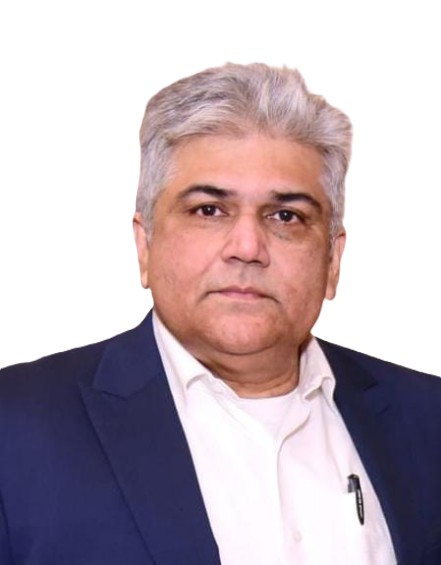

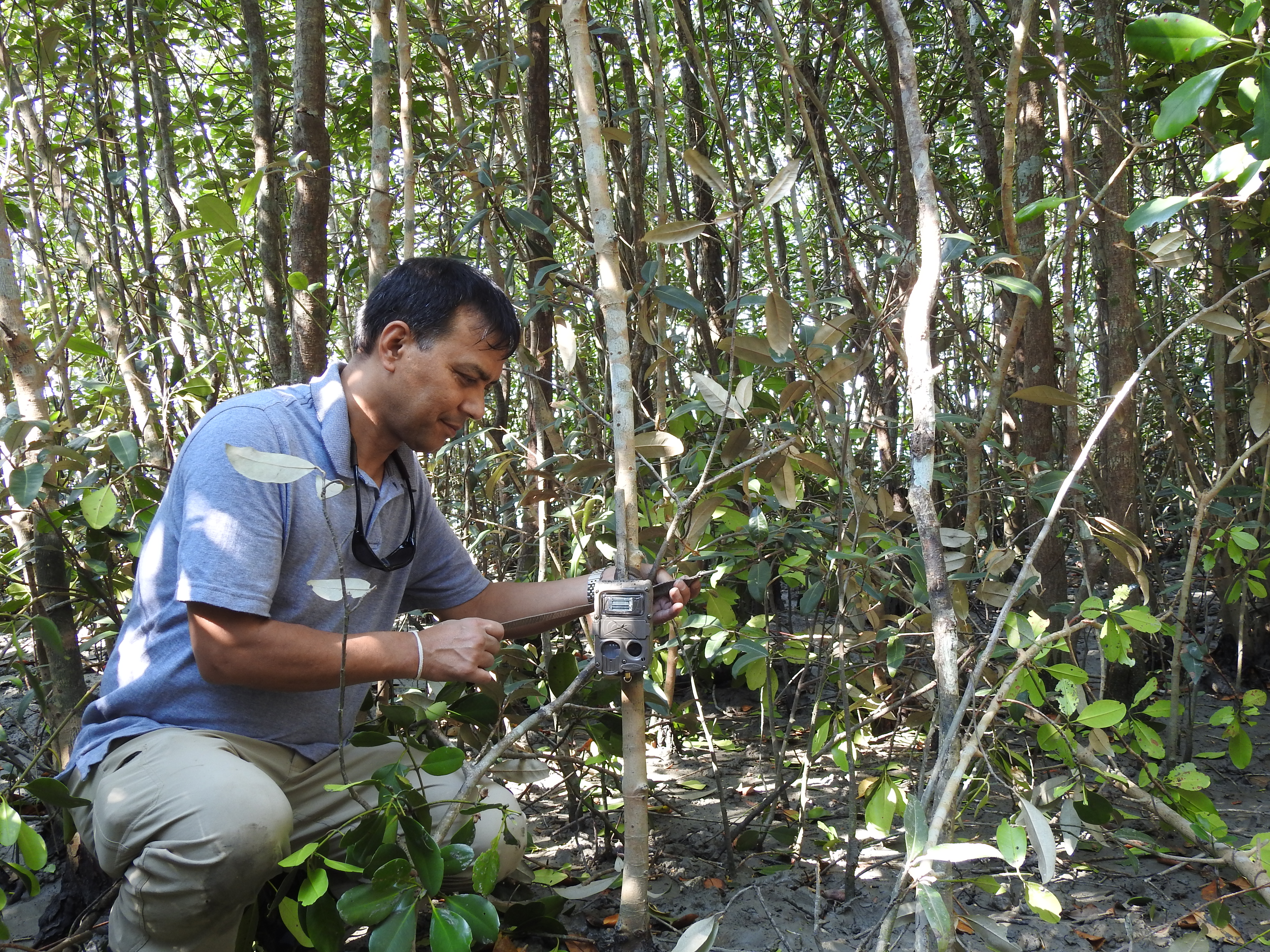

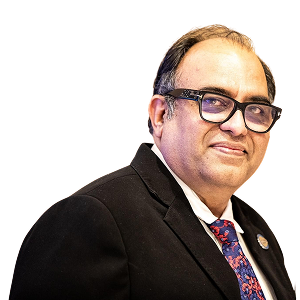
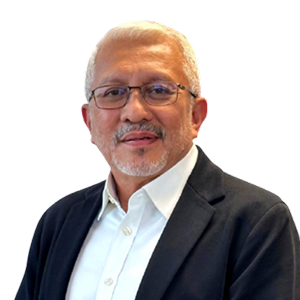
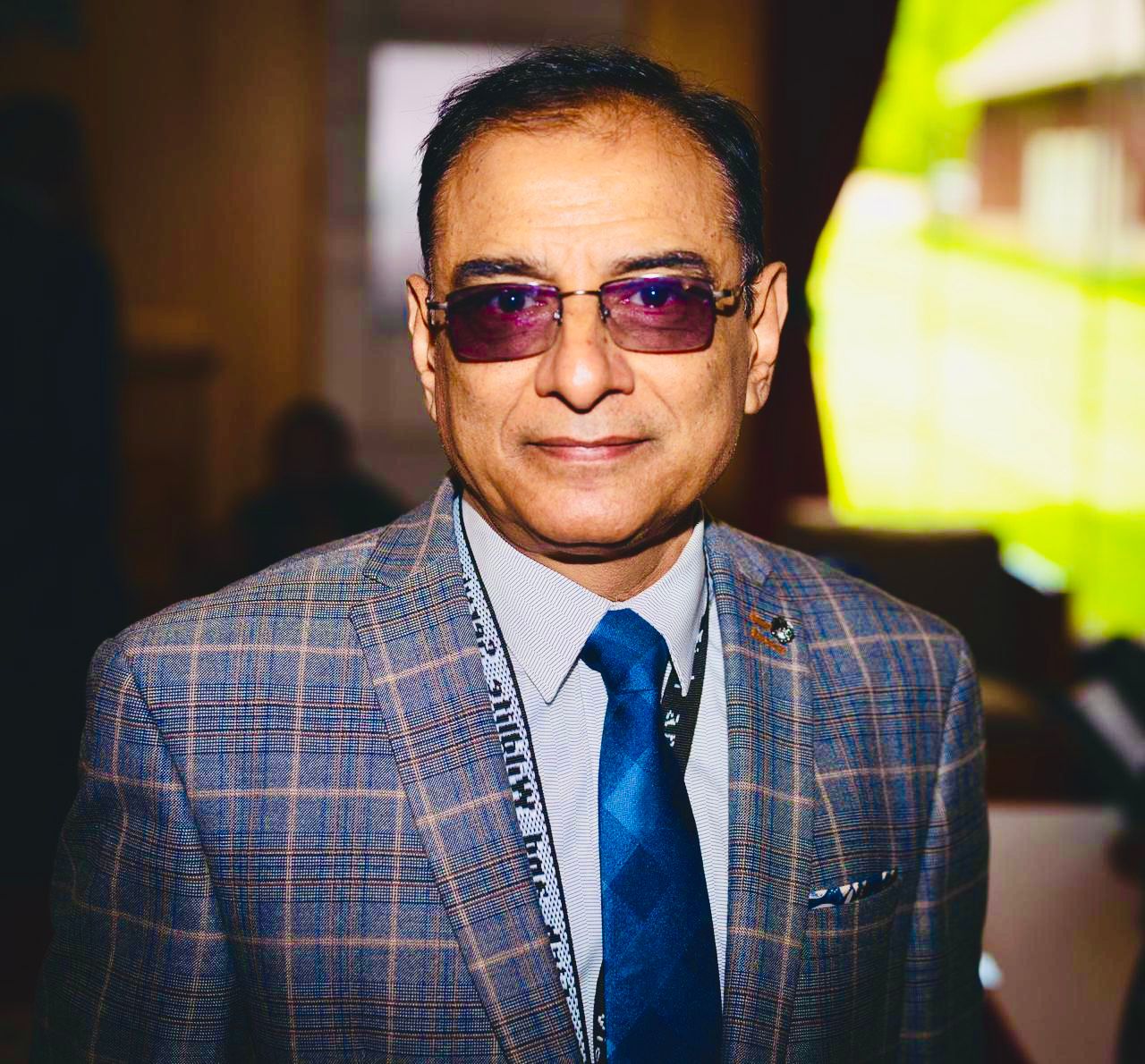
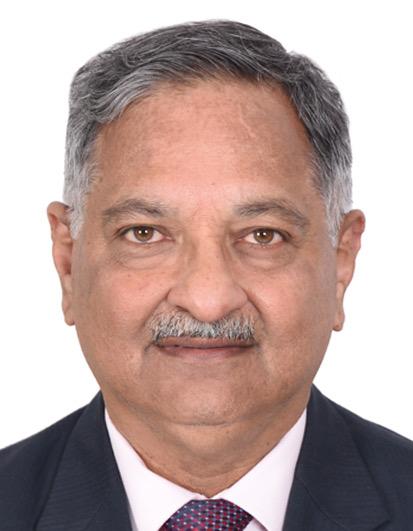

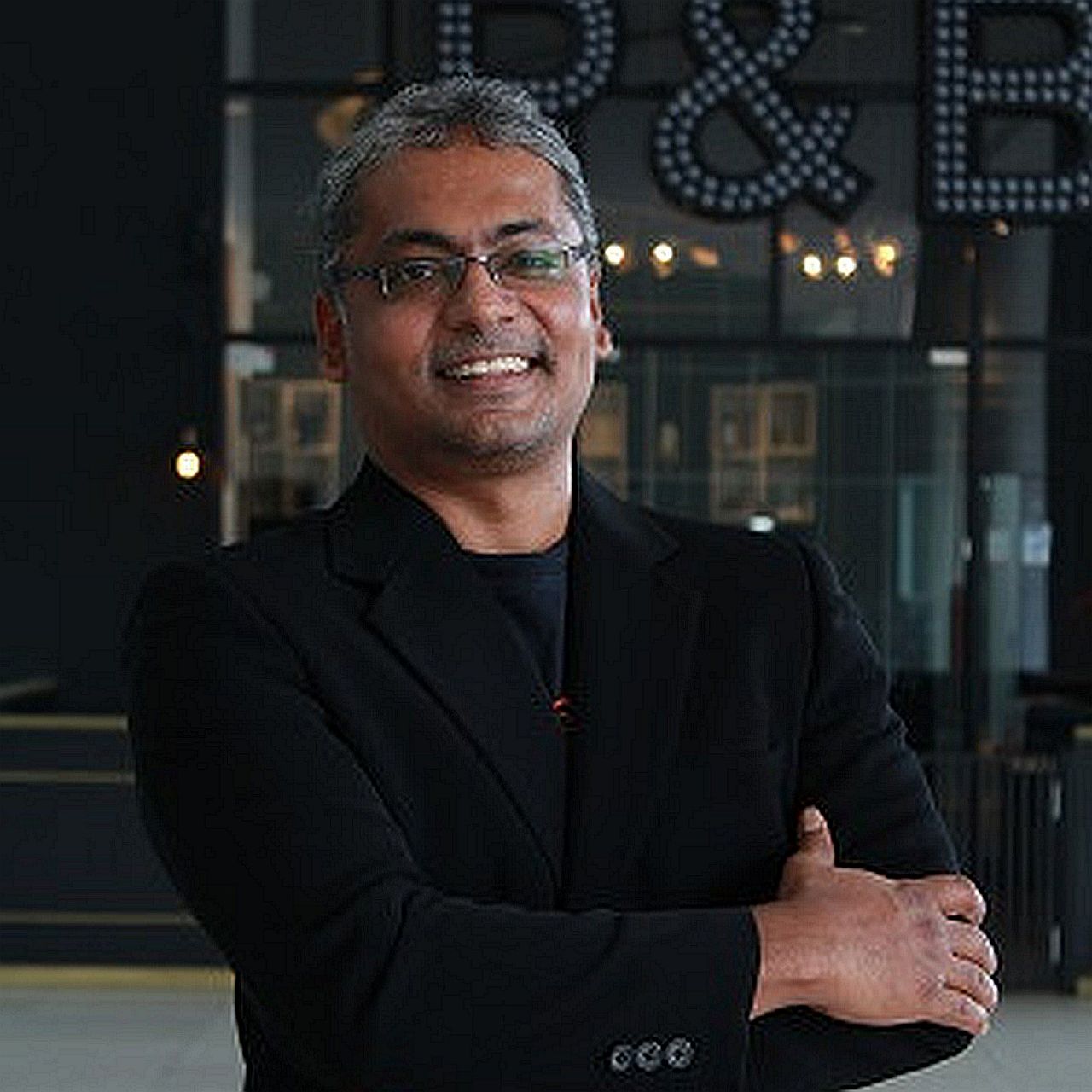
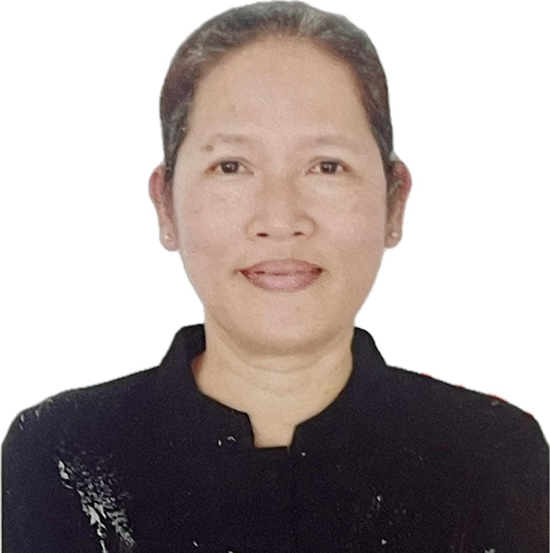
Position: Regional Coordinator-CA|TS, IBCA
(Under partial secondment from WWF-India for two days a week)
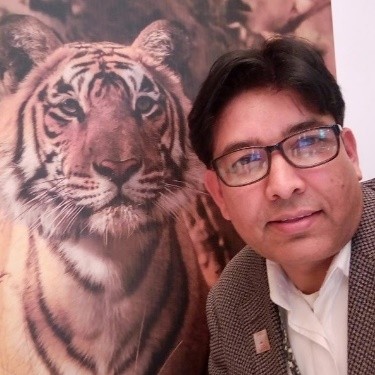
Dr. Bose is Regional Coordinator-CA|TS & Associate Director, Wildlife & Habitats Division, WWF-India based at secretariat in New Delhi, India. For WWF-India, he leads the Protection and Enforcement support pillar and provides programmatic support to the Wildlife & Habitats Division. Also, being part of WWF network’s Tiger Alive (TA) initiative, he coordinates the Conservation Assured Tiger Standards (CA|TS) regionally over the Tiger Range countries and is the CA|TS focal point for WWF.
His main areas of expertise and interest include Protected Area Management assessments, Wildlife crime control specially regarding Protected & Conservation Area (PCA) capacity building including frontline forest department staff welfare, infrastructure and equipment support, training & orientation programs; Program development; Strategic planning, Monitoring and Evaluation.
Dr. Bose holds a M.Sc. degree in Zoology, with specialization in Animal Ecology & Wildlife Biology and PhD in Zoology (primatology) with 30 years’ experience in wildlife conservation and research. He has undergone training in wildlife management by the Smithsonian Institution, USA.
Starting his career in 1995 as Junior Research Fellow (JRF) with the Indo-US Primate Project (a collaborative project of the MoEF, Govt. of India and US Fish and Wildlife Service), he then worked with Wildlife Trust of India (WTI), managing the Policy, Enforcement, Law and Training (P.E.L.T.) program. Simultaneously, he served as Technical Officer of Global Tiger Forum (GTF) and was also on WTI’s international partner, International Fund for Animal Welfare (IFAW)’s global tiger strategy team. He joined WWF-India in 2009.
He was part of core team (WWF, Global Tiger Forum (GTF), National Tiger Conservation Authority (NTCA), Govt. of India) in planning and conducting Conservation Assured Tiger Standards (CA|TS) assessments of 27 Tiger Reserves and getting 23 Tiger Reserves CA|TS Approved. He co-authored NTCA’s “Protocol for Security Audits of Tiger Reserves” and was also part of core team planning, coordinating and implementing first ever NTCA mandated Security Audit of Tiger Reserves using the Protocol. As Technical Officer of GTF, he led compilation of the first edition of “Action Tiger: Tiger Action Plans of 12 Tiger Range Countries”.
Position: Secretary General, SAWEN
Dr. Krishna Prasad Acharya is the first Secretary General of the South Asia Wildlife Enforcement Network (SAWEN), where he leads regional cooperation on combating illegal wildlife trade, strengthening enforcement coordination, and improving responses to wildlife crime across South Asia.
With more than three decades of professional experience, Dr. Acharya has held several senior leadership positions within the Government of Nepal, including Director General of the Department of National Parks and Wildlife Conservation, Director General of the Department of Forests, and Secretary at the Ministry of Agriculture and Livestock Development. In these roles, he played a central role in shaping national policies on biodiversity conservation, protected area management, community forestry, and transboundary conservation initiatives. He also led Nepal’s first nationally recognized Zero Poaching of Rhinoceros achievement.
Dr. Acharya has extensive experience working at the interface of conservation science, policy, and enforcement. He has served as Nepal’s focal point for international processes including CITES, IUCN, CBD, and UNESCO Natural World Heritage, and has coordinated closely with national enforcement agencies, conservation partners, and regional networks.
He holds a PhD in Biology from the University of Hamburg, an MSc in Forest Science from the University of Edinburgh, and has published widely on wildlife conservation, illegal wildlife trade, human wildlife conflict, and forest governance. As Secretary General of SAWEN, he is focused on strengthening institutional cooperation, enhancing regional trust, and building a more coordinated and effective response to wildlife crime in South Asia.
Position: Senior researcher, Pacific Geographical Institute of the Far Eastern Branch of Russian Academy of Science, Vladivostok, Russia
Dr. Darman (1956) has devoted 50 years of his life to creating a system of protected areas and preserving wildlife in the Amur-Heilong Ecoregion. After receiving a diploma in wildlife biology in 1978, Yury began his career in the Khingansky Nature Reserve, working his way up from technician to Deputy Director of Science. Then he worked for 11 years at the Amur Scientific Center of the Russian Academy of Sciences, developing a system of protected areas in the Amurskaya province.
In 2000-2016, Yury expanded his activities to the entire Amur-Heilong Ecoregion as director of the Amur branch of WWF Russia. Under his leadership, a network of new protected areas with an area of 20,000 km2 was created to preserve the Amur tiger and the Far Eastern leopard. He was one of the main actors in the creation of the famous Bikin National Park and the Land of the Leopard National Park. After leaving WWF, he continued to cooperate with the United Directorate of the Land of the Leopard, including temporarily serving as Deputy Director of Science. Since 2024, he has been working part-time as a senior researcher at the Pacific Geographical Institute of the Russian Academy of Sciences.
For many years, Dr. Darman has been cooperating with China in the field of biodiversity conservation in the Amur-Heilong ecoregion, including the creation of the Sino-Russian Transboundary National Park “Land of Big Cats”. Yury has experience in assessing the Sikhote-Alin Biosphere Nature Reserve and the Land of the Leopard National Park for compliance with CA|TS standards. Dr. Darman is one of the co-authors of Conservation Strategies for the Amur tiger and the Far Eastern Leopard in Russia. He is the author and co-author of 312 scientific papers, including 81 devoted to the Amur tiger, the Far Eastern leopard, their prey and habitats.
In 2012, the IUCN WCPA recognized his contribution to the creation of protected areas with the Fred Packard Award. In 2013, he became an Honorary Ecologist of the Russian Federation. In 2016, the Secretariat of the Convention on Biodiversity awarded him the Midori Prize. Yury is a member of the IUCN Cat Specialist Group of the Species Survival Commission, an Honorary member of the Chinese Feline Research Center (Harbin) and an Honorary member of the Global Tiger Forum.
Position: Country Director, WCS (Malaysia)
Dr. Mark Rayan Darmaraj joined WCS in January 2021 as the Country Director of the Wildlife Conservation Society (WCS) Malaysia Program. He completed his PhD in Biodiversity Management in 2012 at Durrell Institute of Conservation and Ecology (DICE), University of Kent, UK and received the Thomas Huxley Prize award from the Zoological Society of London for the best PhD thesis in the UK for the year 2013 and the Fiona Alexander Prize award in 2014 for being an outstanding PhD student from DICE. He was the first and thus far the only Malaysian with a PhD on tiger ecology and is a member of the IUCN’s Species Survival Commission - Cat Specialist Group for Malaysia. He has over 25 years of experience in wildlife conservation and has published articles and journals on different species from large mammals to small carnivores and continues to garner media attention as part of advocacy efforts to prioritize Malaysian wildlife conservation. His conservation journey started when he was first involved in carrying out research on various fauna for a local university for several years before joining WWF Malaysia as a field biologist in 2004.
Whilst in WWF, he developed and implemented several conservation strategies for almost two decades in which contributed to the protection of critical habitats and species, as well as the establishment of the national Wildlife Crime Bureau and Tiger Task Force amongst others. He was also involved in providing input for the criteria when CA|TS was first conceptualized particularly in relation to its application in Malaysia. He now leads multiple conservation programmes for WCS in Peninsular Malaysia and Borneo with a focus on species such as tigers, elephants, orangutans and corals that involves the cross-cutting thematics of protected area management, indigenous and local community engagement, counter wildlife trafficking, sustainable forest management, conservation financing, and policy advocacy amongst others to ensure wildlife thrive in safe, protected and connected landscapes for the long-term benefits of humans and nature.
Position: Conservation Program Director, National Trust for Nature Conservation, Nepal
Dr. Pokheral is the Conservation Program Director at the National Trust for Nature Conservation (NTNC) and heads of the Department of Protected Areas, Ecosystem and Conservation Economy of NTNC.
Dr Pokheral holds a MSc degree in Zoology with specialization in Ecology from Tribhuvan University, Nepal and Masters in Natural Resource Management and Sustainable Agriculture (MNRNSA) from Life Science University, Norway and PhD in Evolution and Environment Biology from the University of Ferrara, Italy (2013), focused on tiger and leopard conservation in Nepal’s western lowlands. Dr. Pokheral has received various awards and fellowships including, the International Visitor Leadership Program, US, Department of State, “Nepal Bidhya Bhusan- Ka” by the President of the Government of Nepal, “The Highest Award” of Outstanding Performance in First UNEP Eco-Peace Leadership Program, South Korea and "Krishna Chandra Regmi Award" by Tribhuvan University, Nepal.
Dr. Pokheral, a published author in reputed international scientific journals, possesses over two-and-half decades-long field experience working with wildlife, biodiversity monitoring, and integrated conservation development, including long-term research on big cats and their prey in Tarai region, and in ex-situ conservation. He is well acquainted with the ecological and geographical settings of key species such as rhino, tiger, elephant, etc., their habitats in Terai Arch Landscape as well as experiences from the mountains landscape of Annapurna Conservation Area. His general research interest includes interaction with predator-prey relations, their ecology, human-wildlife interaction, and conservation biology of large carnivores, locally and internationally.
Position: Conservation biologist and Deputy Chief Forestry Officer, Department of Forests and Park Services (DoFPS), Bhutan
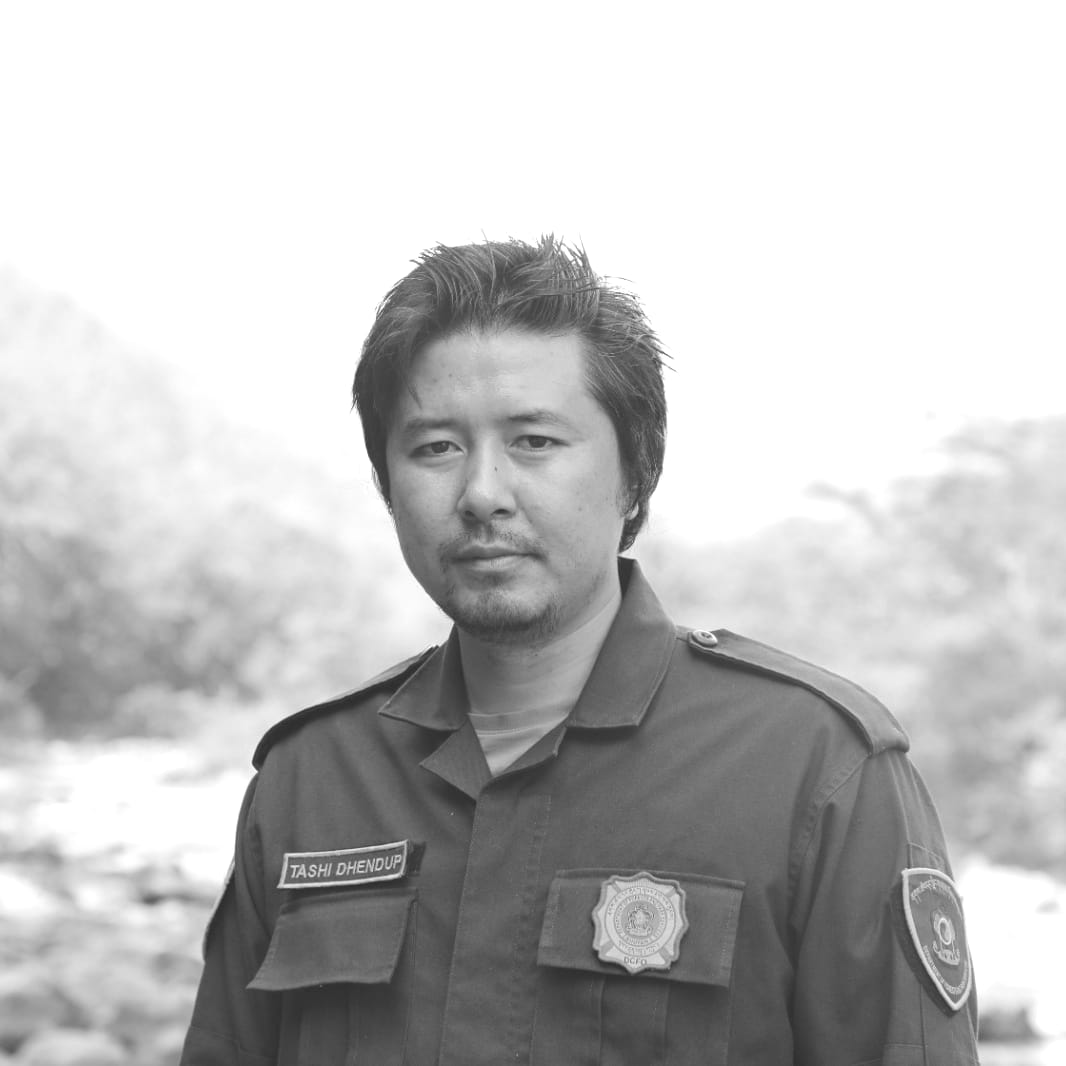
Mr. Dhendup is currently on leave from active duty while pursuing doctoral training. With more than 12 years of experience in Bhutan’s forestry and conservation sector, he specialises in biodiversity monitoring, species conservation, and applied ecological research. His work sits at the interface of science, policy, and community engagement, with a focus on conserving threatened species and ecosystems across the Eastern Himalayas.
He has authored and contributed to more than 50 research and popular articles, national reports, species action plans, and book chapters. He has been an invited member of the IUCN SSC Cat Specialist Group since 2017 and has served on IUCN Red List assessment teams for the snow leopard, manul, Chinese pangolin, leopard cat, and Asiatic golden cat. He is also a member of the Clouded Leopard Working Group and the Manul Working Group, and a National Geographic Explorer.
As the former Head of the Bhutan Tiger Centre (2023–2024), he supported research, conservation planning, and national tiger conservation strategies in Bhutan, and served as the national focal point for the Global Tiger Forum. He has led and contributed to multiple national-scale initiatives, including Bhutan’s National Snow Leopard and Red Panda surveys, and has led the development of national conservation action plans for flagship species such as the tiger, snow leopard, and Asiatic black bear. He also served as the national coordinator for CA|TS implementation in Bhutan, supporting the accreditation of two new sites and initiating renewal processes for two previously accredited sites. In addition, he has designed and implemented applied projects to reduce human–wildlife conflict nationwide.
Tashi holds a bachelor’s degree in forestry from G.B. Pant University of Agriculture and Technology, India (2012), and an MSc in Wildlife Biology from the University of Montana, USA (2019). He is currently completing his PhD at The University of Queensland, Australia.
Position: Director, The Corbett Foundation (TCF)
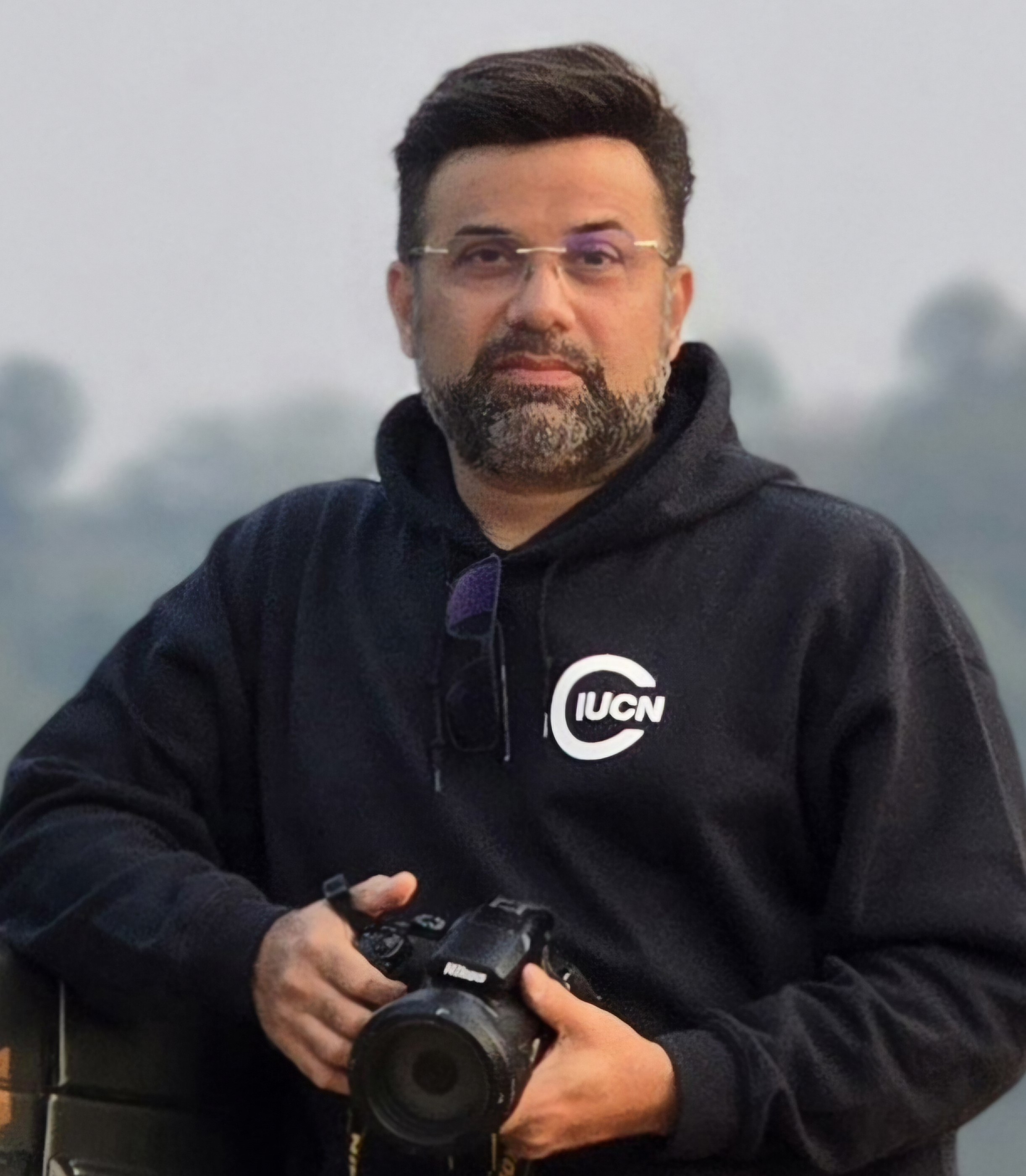
Kedar Gore is a seasoned conservation professional with over 28 years of experience in wildlife conservation, human–wildlife coexistence, protected area management support, landscape-scale biodiversity conservation programmes, ecological restoration, community engagement at the grassroots level, conservation education, policy and advocacy, research, capacity building, and strategic project development. Kedar has worked with WWF-India, The Energy and Resources Institute (TERI) in the past and has been serving as the Director of The Corbett Foundation since 2009.
Kedar holds a Master of Science degree in Zoology (University of Mumbai), a Post Graduate Diploma in Management and a Diploma in Conservation Biology. He has undergone training at the Wageningen University on Wetlands Management in the Netherlands, on Environmental Protection in the USA (US Department of State), and in Conservation Education and Interpretation at the Wildlife Institute of India.
Kedar is an active member of IUCN Commission on Education and Communication, the Species Survival Commission (Bustard Specialist Group), and the World Commission on Protected Areas (WCPA). Kedar also serves as a Member of BNHS Governing Council (2022-2026) and is a Member of the Executive Body of the Indian National Committee of IUCN. Since 2026, he is the Country Focal Point for IUCN WCPA in India.
Kedar has authored over 100 research and popular articles, blogs, book chapters to educate people on conservation issues. He has co-authored and co-edited the books – Great Indian Bustard: A Life History and Saving India’s Wilderness: Challenges and Solutions, respectively. Kedar has been honoured with IUCN CEC Excellence Award, South & Southeast Asia in 2019; Sanctuary Wildlife Service Award in 2023, Most Impactful Social Innovators Leader award by World CSR Congress in 2024 and the Legend Award at the Wildlife Tourism Conclave and Awards 2025.
LinkedIn | Facebook | Twitter
Email: gore.kedar@gmail.com
WhatsApp mobile number: +91 9820231239
Position: Head of Programme and Partnerships at the Global Tiger Forum (GTF)
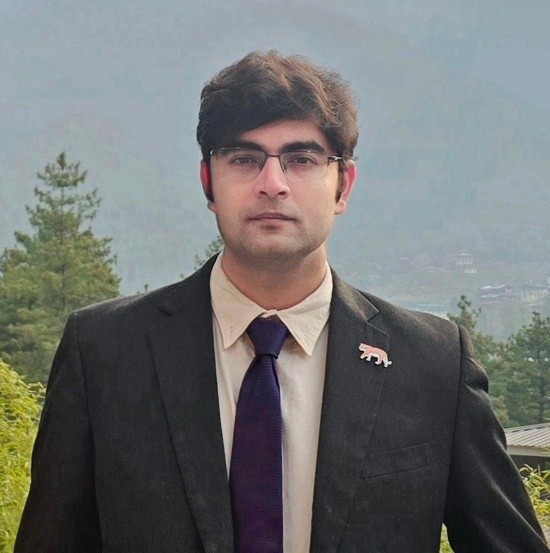
He is a distinguished leader in conservation and sustainable development, with a career spanning forest, urban, and rural sectors. As Head of Programme and Partnerships at the Global Tiger Forum (GTF) — he has driven innovative programmes focused on ecological integrity, green investments, and sustainable resource mobilization models across key tiger range habitats. Mr. Kapoor has developed and led conservation and landscape scale development programmes across several countries, while firming up strong national and multi-country partnerships with varied stakeholders, including Government, business and industry, multi-lateral agencies, academic and research institutes, civil society organizations focusing on securing the ecological integrity of landscapes, strengthening green investments, and establishing sustainable business models. Working in the development and conservation sector, he has served as a subject expert in ecological conservation and urban planning domain across various national/multi-lateral committees and working groups.
He has also advanced habitat protection, conservation analytics, training and capacity building, species recovery/conservation projects, human-wildlife conflict mitigation, rural livelihoods, state of the art landscape level planning, smart green infrastructure, and the application of cutting-edge technology. His collaborative approach is further reflected in the coordination of the U.S. Tigers University Consortium, uniting four leading U.S. universities, and his involvement in the Global Tiger Initiative Council, involving 20 snow leopard and tiger range countries.
Beyond conservation, Mr. Kapoor has also served as a technical expert on the High-Level Committee on Urban Planning for the Government of India, where he shaped landscape scale development strategies for cities near protected areas, developed sustainability KPIs, and fostered green financing mechanisms such as green bonds. He has contributed to India’s first green municipal bond in Ghaziabad, supported the establishment of Southeast Asia’s first tiger reserve, and works to engage varied sectors to support conservation priorities. Mr. Kapoor has undertaken distinctive projects with organizations such as WWF, and is a highly regarded speaker who serves as a committee member on several significant matters. He has authored numerous technical reports and publications and holds a gold medal Master’s in biodiversity and conservation, a postgraduate degree in management, and professional credentials from institutions including the National Parks Institute (University of California) and the George Mason-Smithsonian School of Conservation.
Position: Country Director, Panthera (Thailand)
Ms. Kritsana Kaewplang is Country Director of Panthera, Thailand since 2019. Before that she had served as Country Manager, ZSL, Thailand; Project Manager, Conserving Habitats for Globally Important Flora and Fauna in Production Landscapes project, UNDP / GEF; Project Manager, Sustainable Markets, WWF Thailand; Assistant Manager, Wildlife Trade Campaign Project, WWF Thailand; Director, Bird Conservation Society of Thailand, Project Manager, Khao Yai Conservation Project /Wildlife Trade Campaign, WCS/Wild Aid and various other positions earlier.
She has a Bachelor degree on Social Work from Thammasat University, Thailand. Additionally, in 1996, she did a Certificate Course on Community Forest, the Regional Community Forestry Training Center –Asia –Pacific (RECOFTC), Kasetsart University. Between July 2010 and July 2011, she was an Asian Public Intellectual Fellow (Research topic: “Communication, Education and Public Awareness for Forest and Wildlife Conservation in Indonesia, Peninsular Malaysia, the Philippines and Japan)
Position: Asian Development Bank International Biodiversity Expert and Affiliate Faculty at the Warner College of Natural Resources, Colorado State University, USA.
Dr Vinod B Mathur joined the Indian Forest Service in 1983. He obtained his doctoral degree from the University of Oxford, United Kingdom, in 1991. After serving for 33 years at the prestigious Wildlife Institute of India, including as the Dean and subsequently as the Director, Dr. Mathur was appointed as the Chairperson of the National Biodiversity Authority of India for a 3-year term. Dr Mathur served as the Regional Vice-Chair of the IUCN-World Commission on Protected Areas (WCPA-South Asia) from 2011 to 2021.Dr.Mathur has been actively contributing to biodiversity research-policy interface issues and has been the Regional Vice-Chair (Asia-Pacific Region) of the United Nations Intergovernmental Platform on Biodiversity and Ecosystem Services (UN-IPBES) Multi-disciplinary Expert Panel (MEP) (2014-2018). He has been the UN IPBES Bureau Member (2019-2023) and also the UN Convention on Biodiversity (CBD) Bureau Member (2019-2022).
His areas of interest include international biodiversity negotiations, wildlife and protected area management, environmental impact assessments, performance auditing, and green infrastructure development. He is leading India’s initiatives on Management Effectiveness Evaluations of Protected Areas including the network of Tiger Reserves in the country.
Position: Program Coordinator/Programme Officer, IUCN SSC Cat Specialist Group, Gland, Switzerland
Independent IEC Chair
Experienced conservation leader with over 30 years in wildlife management, project design, grant-making, and international programme coordination. Proven expertise in large-scale species conservation (tigers, lions, leopards, cheetahs, invasive mammals), donor engagement, and multi-stakeholder collaboration. Published author with 70+ publications and recognised international policy contributor. Presently is working as Senior Programme Officer, IUCN Cat Specialist Group & KORA (Global). He is leading global cat conservation portfolios, aligning science with policy, developing lion, leopard, and Central Asia projects. He is a former Regional Coordinator, Cheetah Conservation Initiative (Africa).
Before this assignment, he worked as Coordinator, Integrated Tiger Habitat Conservation Programme, IUCN (Asia) establishing and managing €48m grant-making programme and developing 18 projects in 7 countries.
He also built donor, government, NGO, and community partnerships for landscape-scale tiger conservation.
Earlier, as Ecologist, Animal Health and Veterinary Laboratories Agency (UK & International), he led invasive species management projects across Europe, Asia, and Pacific while also managing research teams, field operations, and invasive species audits for governments.
Dr. Roy holds a PhD in Ecology & Management of the Small Indian Mongoose from Bristol University, UK 2001, MSc, Environmental Technology/Ecological Management – Imperial College, 1994, and BSc (Hons), Biology – Imperial College, 1993.
Position: Director (Program) - IBCA
Mr. Dasgupta is an Indian Forest Service Officer with more than 32 years of work experience in the state of West Bengal and at Republic of India in forest and wildlife management. He has proven proficiency in policy related matters pertaining to forests, wildlife and biodiversity conservation in the country. He held very senior post of Inspector General and Additional Director General of Forest in the Ministry of Environment, Forest, and Climate Change, Govt. of India. Mr. Dasgupta retired from Government service as the Principal Chief Conservator of Forests and Head of Forest Force of West Bengal, the highest ranking forest official in the state. He functioned as country head of Wildlife being the Director Wildlife Preservation of India and Ex-Officio Director Wildlife Crime Control Bureau of India. He also held the position of the CITES Management Authority of India, Whaling Commissioner of India and Focal point of India for UN Conventions like Convention on Migratory Species and World Heritage Convention. He has valuable experience in dealing with multiple UN Conventions and Treaties as national focal points. He acted as Chairman of the Standing Committee of Convention on the Conservation of Migratory Species of Wild Animals.
Position: Leader, Tigers Alive Initiative, WWF International
Since the age of 5, Stuart wanted to be a naturalist. A lifelong conservationist and vocal advocate for nature, he has lived and worked in Asia for 20 years starting his international career as a ranger trainer in Wolong Panda Reserve in China in 1991. Following this two-year posting he started working for WWF in 1993 at Bach Ma National Park, Vietnam and then moved to WWF-UK and worked on wildlife trade and finally headed up the WWF-UK Wildlife Programme.
In 2004, he moved to Indonesia to lead WWF’s Heart of Borneo Initiative which brokered an agreement between the governments of Brunei, Indonesia, and Malaysia to sign a historic Declaration for the conservation of the Heart of Borneo - covering 240,000 sq km area of rainforest in early 2007.
In 2008, he moved to Laos to take up the position of Conservation Director for WWF Greater Mekong which covered Cambodia, Laos, Thailand, and Vietnam. During this time he led a campaign against the construction of Mekong mainstream dams and gave a TED talk on the subject in Singapore. In May 2013, he was appointed as the Director for WWF-Greater Mekong and led the first WWF delegation to Myanmar, and signed an MOU to establish WWF’s program in 2014. In 2015, his remit was expanded to all WWF International-managed offices in Asia.
In 2019, Stuart was appointed to lead WWF’s Tigers Alive Initiative to support the goal of doubling the number of tigers in the wild by 2022. Stuart established the Tiger Conservation Coalition (TCC) in 2020, which now includes all the major international tiger conservation organizations and has become a credible and active force in tiger conservation. Stuart is the chair of the TCC which co-organized (with the government of Bhutan) the Sustainable Finance for Tiger Landscapes Conference (April 2024). Stuart is currently based in Malaysia.
As a spokesperson for WWF, he has given over 500 television and radio interviews. His hobby and personal quest is to see all 40 species of wild cat and he has currently seen 34 species.
Hosted by: WWF-Malaysia, Kuala Lumpur
Cell: +60 179913635
Email: schapman@wwf-tigers.org
LinkedIn: Stuart Chapman
Position: Vice President, Asia Programs, International Crane Foundation & Research Associate, Smithsonian National Zoo and Conservation Institute
Dr. Mahendra Shrestha is a conservation biologist with vast experience in managing protected areas, wildlife population monitoring and research, landscape conservation, community-based conservation, policy making, and local conservation leadership development. While with the Government of Nepal for nearly 2 decades, he took varieties of responsibilities including Chief Warden managing national parks, drafting policies like the buffer zone regulations for community engagement, Terai Arc Landscape conservation strategy, Tiger Action Plan, and also as a researcher on various endangered large mammals. His research study on tiger and ungulate distribution and connectivity in the lowlands of Nepal contributed to designing the Terai Arc Landscape.
At the Save The Tiger Fund of the National Fish and Wildlife Foundation in Washington, DC, he provided strategic support to all the tiger range countries in their tiger conservation and supported identification of priority landscapes for long term tiger conservation. As an advisor to the World Bank’s Global Tiger Initiative (GTI), he was instrumental in highlighting the conservation practice, local leadership development and engagement of tiger range countries. The GTI subsequently led to the Tiger Summit in St. Petersburg, Russia in 2010 that brought the political and international commitment to recovery of tigers in the wild.
Later, he led the capacity building component of the Global Tiger Recovery Program at the Smithsonian Institution that enhanced local leadership development and knowledge sharing in tiger range countries and strengthened cross sector coordination. His works helped build an extensive alliance among the key players in tiger range countries like the governments, multilateral and bilateral development agencies, donors, and NGOs, and local communities for synergy in tiger conservation and mainstreaming conservation into development. This collective effort brought about the necessary policy changes, funding support, and local capacity development leading to the first ever increase in tiger population in many countries, some doubling the tiger population – a target set at the Tiger Summit.
He strongly believes in building a foundation of protected area management by enhancing the capacity of conservation practitioners, local community and policy makers through in-country institutional set up to address emerging threats to conservation. Currently, he serves as the Vice President for Asia-Pacific at the International Crane Foundation helping secure habitat for 9 species of cranes in the various flyways across Asia and Australia. He continues to serve as a Research Associate at the Smithsonian Institution.
Position: Dean of the Faculty of Wildlife Sciences at the Wildlife Institute of India (WII), Dehradun—an autonomous institute under the Ministry of Environment, Forest & Climate Change (MoEF&CC).
Dr. Badola leads academic programs and teaches ecological economics and human dimensions of natural resource management. Her research focuses on diverse aspects of wildlife management, including community participation in biodiversity conservation, human–wildlife conflict mitigation, ecosystem services valuation, and livelihood development. With 36 research projects worth approximately ₹350 crore, her work spans ecosystems across India, ranging from riverine systems to the Trans-Himalayas. She also provides consultancy to government and international organizations and has led large-scale projects on ecosystem and species management, with a strong emphasis on stakeholder engagement and bridging science, policy, and community participation.
Dr. Badola currently coordinates the Ganga Biodiversity Conservation Initiative under the Namami Gange Programme. This pioneering project integrates science, policy, and community participation to conserve rivers and wetlands in the Ganga basin. She conceptualized the Ganga Prahari, a cadre of trained community volunteers dedicated to conserving aquatic species and restoring riverine ecosystems, and founded the Jalaj livelihood models linking biodiversity conservation with sustainable livelihoods, especially for women and marginalized groups.
An accomplished scholar, Dr. Badola has published over 100 peer-reviewed articles, several books, and book chapters. She has been instrumental in developing institutional frameworks for wildlife conservation in India and has collaborated internationally with organizations such as IUCN, ICIMOD, and IPBES to advance global conservation efforts.
Position: Asia Regional Coordinator, Protected, Conserved and Heritage Areas Asia Protected Areas Partnership (APAP), IUCN-ARO CBD Sub-regional TSC Centre, Asia Regional Office, IUCN (International Union for Conservation of Nature), Bangkok, Thailand
M.K.S. Pasha is the Asia Regional Coordinator for Protected, Conserved, and Heritage Areas at the IUCN Asia Regional Office in Bangkok, Thailand. With more than 30 years of professional experience in wildlife conservation and sustainable natural resource management, he has been a driving force in advancing biodiversity governance, sustainability, and area-based conservation across Asia. His career reflects a consistent commitment to strengthening the resilience of ecosystems, safeguarding biodiversity, and ensuring that conservation supports both people and nature.
Before joining IUCN, Pasha led the South Asia programme of TRAFFIC, working closely with governments, enforcement agencies, and regional partners on wildlife trade policy and anti-poaching strategies. He was instrumental in the establishment of the South Asia Wildlife Enforcement Network (SAWEN), a critical platform for strengthening cross-border collaboration on illegal wildlife trade.
He later spent a decade with WWF as the CA|TS (Conservation Assured | Tiger Standards) Manager, leading the development and global implementation of CA|TS and contributing as a core member of the Conservation Assured team to the creation of new standards for jaguars and river dolphins. At IUCN, Pasha coordinates the Asia Protected Areas Partnership (APAP) and the CBD Sub-regional Technical Support Centre for South Asia. He has also been closely associated with the IUCN Green List of Protected and Conserved Areas for more than a decade, advancing equitable governance and quality standards for area-based conservation.
His role extends to strengthening World Heritage conservation across Asia, supporting nominations, monitoring, and capacity development to safeguard sites of Outstanding Universal Value. An expert on wildlife trade mitigation, policy, and capacity building, Pasha has trained over 10,000 frontline staff across 150 protected and conserved areas in Asia on governance, sustainability, and area-based management practices. His leadership has shaped large-scale landscape and seascape initiatives, advanced biodiversity conservation, and promoted innovative, inclusive, and sustainable approaches that bridge local communities, governments, and international partners.
Position: CEO of Malaysia Forest Fund (MFF)
Shah Redza Hussein is an economist turned conservationist. He has been involved in nature conservation and environmental protection for almost 30 years. He left the corporate sector in 1997 to join WWF Malaysia to contribute directly to nature conservation. Other notable positions held include Executive Director of the Malaysian Nature Society (MNS), the oldest and largest member-based nature NGO in the country, and Special Project Director in Malaysia with Earth And Sea Observation System (EASOS), a UK Space Agency project partner specialized in utilizing satellite and technology in monitoring, protecting, and disaster forecasting of our natural environment.
Shah Redza was the Director of the Perak State Parks Corporation (PSPC), mandated to manage Protected Areas in the State of Perak including Royal Belum State Park, Pulau Sembilan State Park, Kinta Nature Park, and Kinta Valley National Geopark. Later, he became CEO of Enggang Management Services Sdn. Bhd., focusing on establishing new Protected Areas, biodiversity protection, and programs for community-based conservation, including the Al Sultan Abdullah Royal Tiger Reserve.
He is currently the CEO of the Malaysia Forest Fund (MFF), developing instruments like Forest Conservation Certification (FCC) and Forest Carbon Offset (FCO) to fill the financial gap for forest and biodiversity funding. He also contributes to NGOs and SCOs in conservation, environmental protection, indigenous community development, sustainability, social equity, and youth empowerment.
Shah Redza was awarded the 2020 Global Winner of the Dr. Rimington Award for Tiger Conservation by WWF Tiger Alive and serves on the International Executive Committee of Conservation Assured Tiger Standards (CA|TS). He is also a Fellow of the Faculty of Science, University Putra Malaysia, and sits on the board of the Perak State Parks Corporation.
© Copyright 2025 by IA-meetings