 30th August 2026
30th August 2026
30th August 2026
30th August 2026
30th August 2026
 10 August 2026
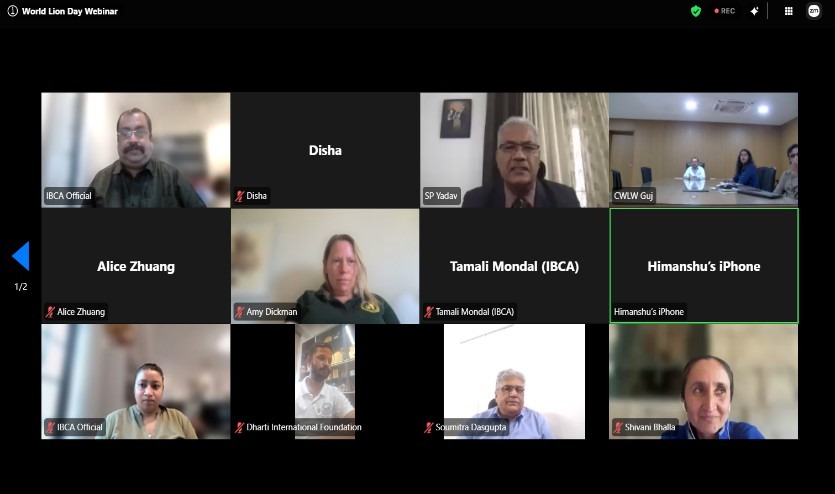
The International Big Cat Alliance (IBCA) hosted a webinar to commemorate World Lion Day 2026, bringing together leading conservation practitioners, policymakers, researchers, and experts from across lion range countries to deliberate on emerging challenges and opportunities for the long-term conservation of lions.
The webinar highlighted the ecological, cultural, and historical significance of lions and emphasized the importance of collaborative, science-based, and community-centered approaches to securing their future.
Director General, International Big Cat Alliance
In his opening remarks, Dr. S. P. Yadav highlighted the ecological, cultural, and historical importance of lions and referred to the remarkable recovery of the Asiatic lion in India as an important example of successful conservation driven by sustained and collective efforts.
He noted that lion populations across their range continue to face significant pressures, including habitat fragmentation, prey depletion, human–wildlife interactions, and climate change.
Addressing these challenges, he emphasized the need for stronger international cooperation, evidence-based management, community participation, effective protected-area governance, capacity building, knowledge and technology exchange, and innovative financing mechanisms.
PCCF (Wildlife) & Chief Wildlife Warden, Government of Gujarat
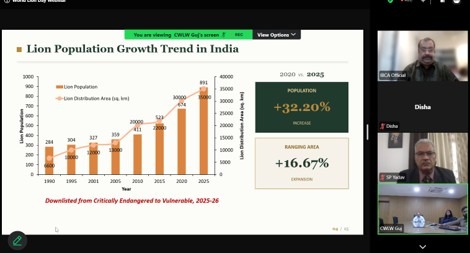
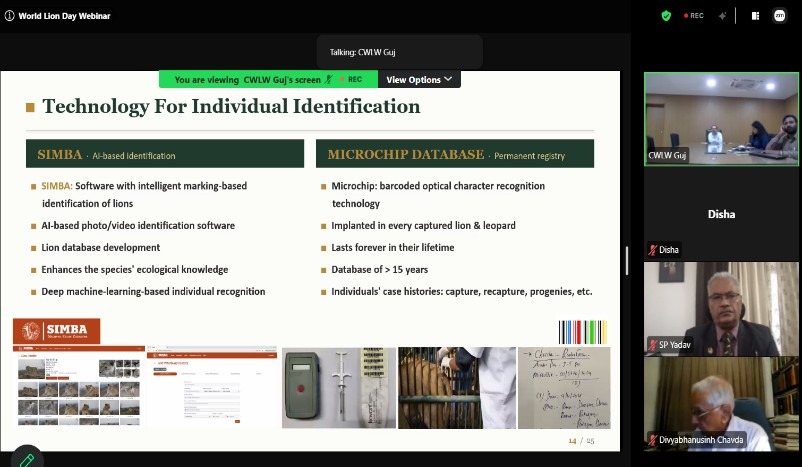
Dr. Jaipal Singh highlighted the remarkable conservation journey of the Asiatic lion, whose population has increased from approximately 40–60 individuals to 891, accompanied by a substantial expansion of its habitat and the establishment of satellite populations.
He outlined Gujarat's integrated approach to lion conservation, encompassing habitat and prey-base management, strengthened protection systems, wildlife healthcare, technology-enabled monitoring, and human–wildlife coexistence.
He also emphasized the critical contribution of local communities and public awareness initiatives and highlighted the long-term Lion@2047 landscape approach for securing the future of the species.
Founder and Executive Director, Ewaso Lions, Kenya
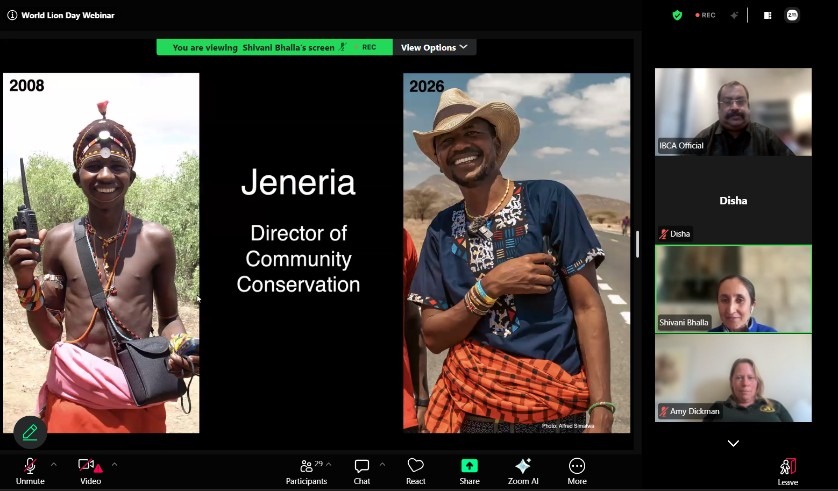
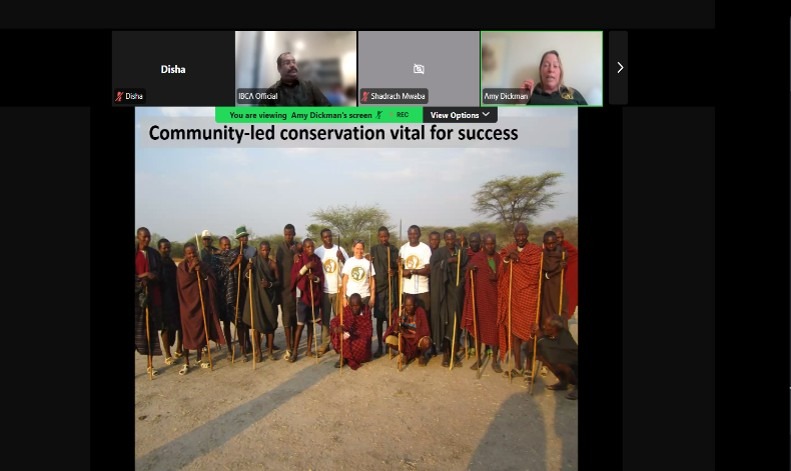
Dr. Shivani Bhalla highlighted the importance of community-led conservation and coexistence among lions, livestock, and local communities in northern Kenya.
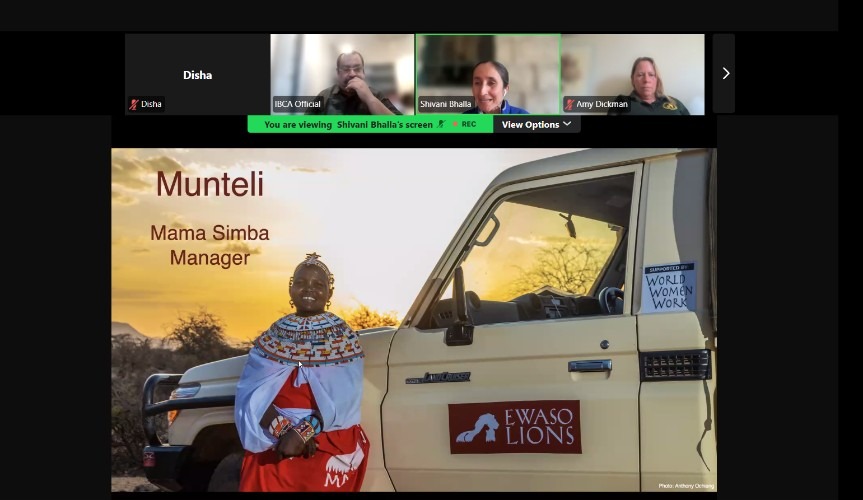
Drawing on the experience of Ewaso Lions, she highlighted initiatives such as Warrior Watch and Mama Simba, which engage local communities in lion monitoring, conflict mitigation, habitat restoration, invasive species management, and livelihood development.
She emphasized that empowering communities as active partners and leaders in conservation can improve lion safety, strengthen habitat stewardship, and support the recovery of lion populations while enhancing the well-being of communities living alongside wildlife.
Director, Wildlife Conservation Research Unit (WildCRU), University of Oxford, UK
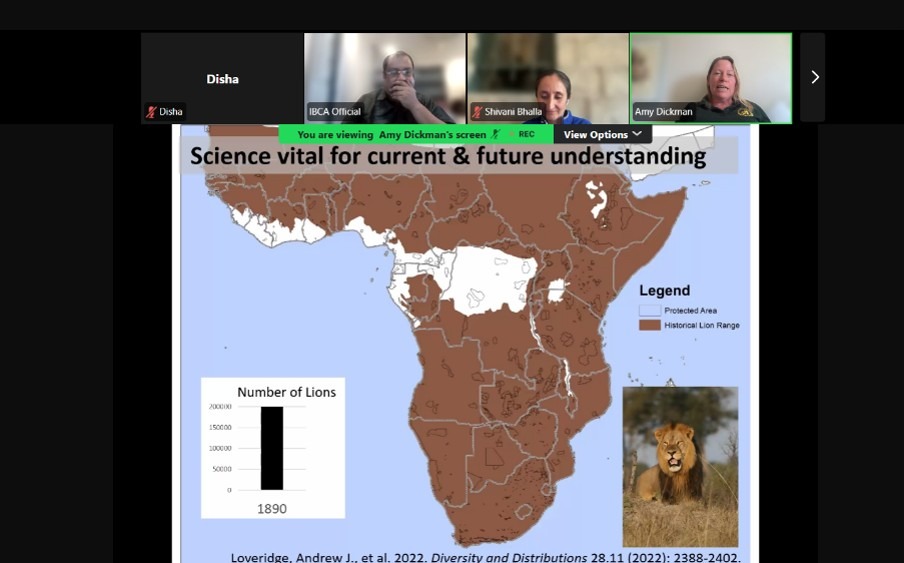
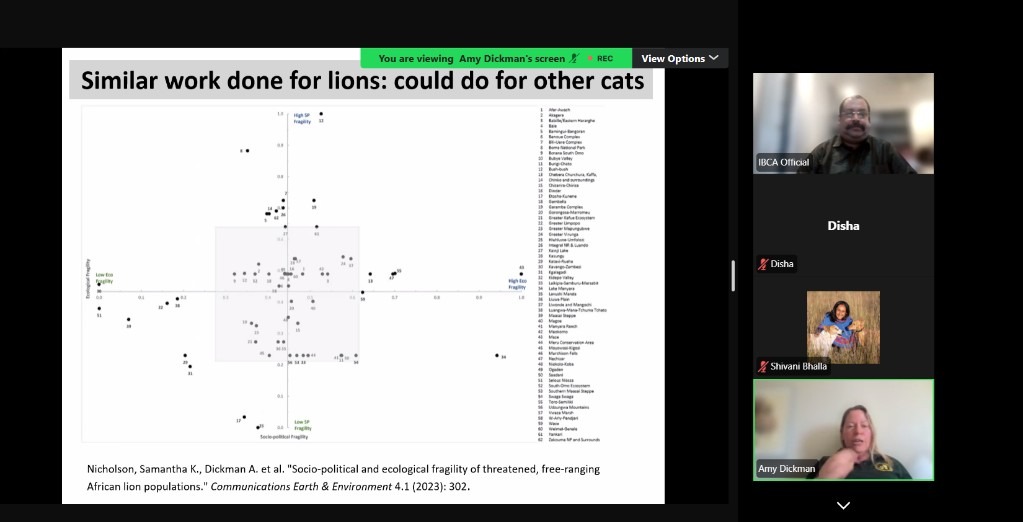
Prof. Amy Dickman emphasized the importance of combining scientific evidence, global partnerships, and community-led approaches to address the continuing decline and fragmentation of lion populations.
She highlighted the need to understand the distinct ecological and socio-political pressures affecting individual lion populations and to develop locally appropriate conservation responses in partnership with communities.
She also discussed innovative approaches, including community camera trapping, conservation agreements, and coexistence-based financing, and underscored the importance of collaboration among communities, conservation organizations, policymakers, financial institutions, and international platforms such as IBCA.
Chief Conservation Officer, WWF International
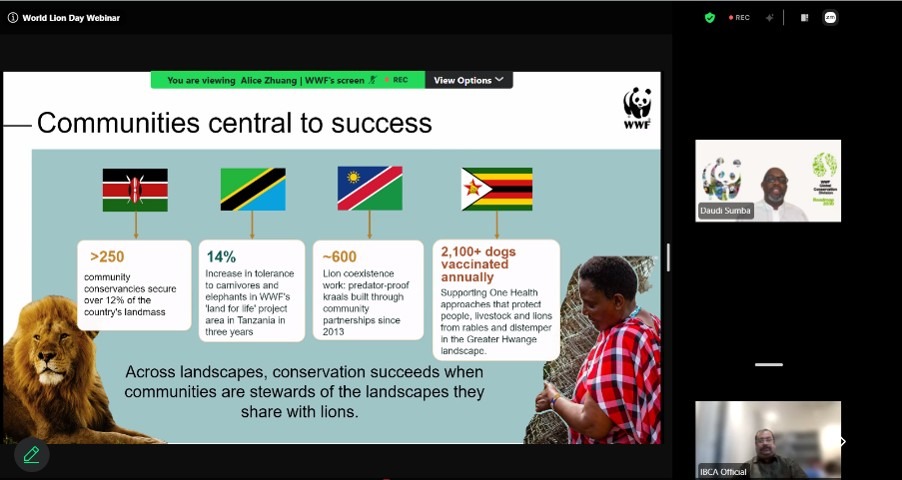
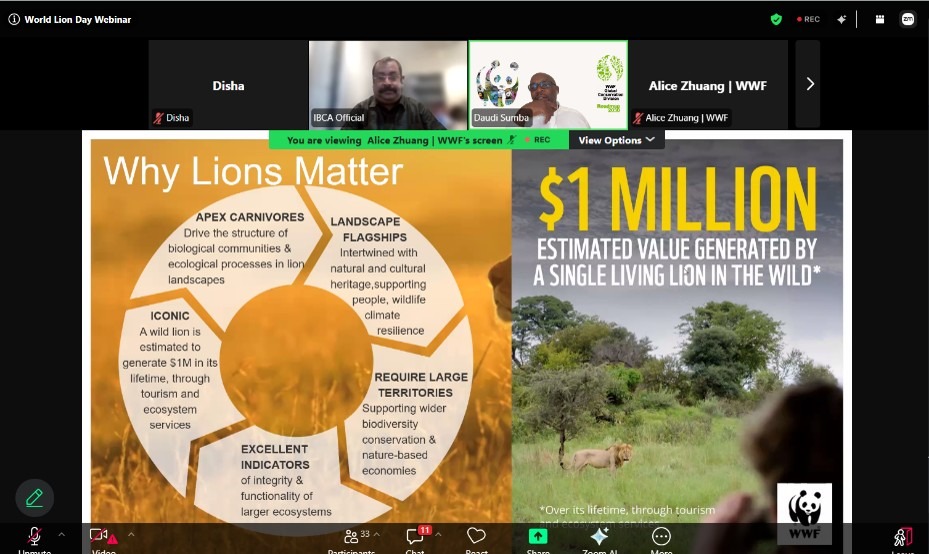
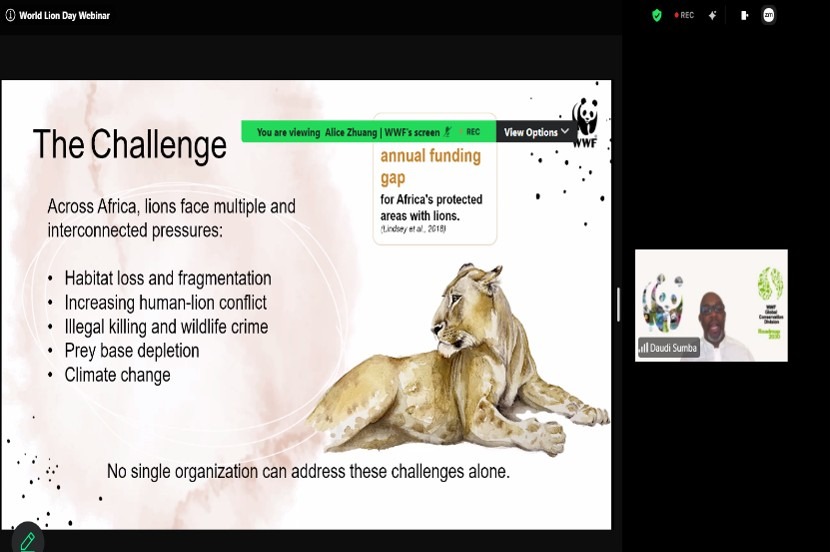
Mr. Daudi Sumba drew attention to the continuing decline of lion populations across Africa and identified habitat loss, human–wildlife conflict, prey depletion, climate change, and inadequate financing for protected-area management as major conservation challenges.
He emphasized the importance of community ownership, coexistence, science-based management, landscape connectivity, and sustained investment.
He also called for integrated landscape approaches and stronger partnerships among governments, communities, researchers, conservation organizations, and the private sector to secure viable lion populations and their habitats.
Former President of the Board of Trustees, WWF-India
Dr. Divyabhanusinh Chavda reflected on the remarkable 125-year conservation history of the Asiatic lion in Gujarat and recognized the sustained efforts of the Government and local communities in supporting its recovery.
He highlighted emerging concerns, including human–lion conflict, disease outbreaks, natural calamities, and the concentration of the entire population within a single geographical region.
He emphasized the importance of establishing a second lion population outside Gujarat to reduce the risk associated with a potential catastrophic event and called for long-term planning to address future population expansion and human–lion coexistence.
Director (Program), International Big Cat Alliance
In his closing remarks, Mr. Soumitra Dasgupta highlighted the broader global decline of lion populations and reiterated the need for strengthened action on habitat protection, coexistence, and threat mitigation.
He emphasized the importance of addressing human–lion conflict, habitat loss, prey depletion, poaching, and climate-related pressures, while drawing attention to the Asiatic lion recovery in Gujarat as an important conservation experience from which lessons can be shared globally.
He called for concerted action involving governments, Indigenous Peoples, local communities, conservation organizations, international institutions, businesses, and individuals to strengthen collaborative efforts for lion conservation.
The webinar provided an important platform for knowledge exchange and global dialogue on lion conservation, reinforcing IBCA's commitment to facilitating international cooperation, sharing conservation experiences, strengthening capacity, and supporting collaborative action for the long-term conservation of lions and their habitats across their range.
 5th June 2026
 May 3, 2026
 December 4, 2025
 29 November, 2025
 October 23, 2025
 29th July, 2025
 June 5, 2025
 May 3, 2025
 October 23, 2024
 August 10, 2024
 June 12, 2024
 May 22, 2024
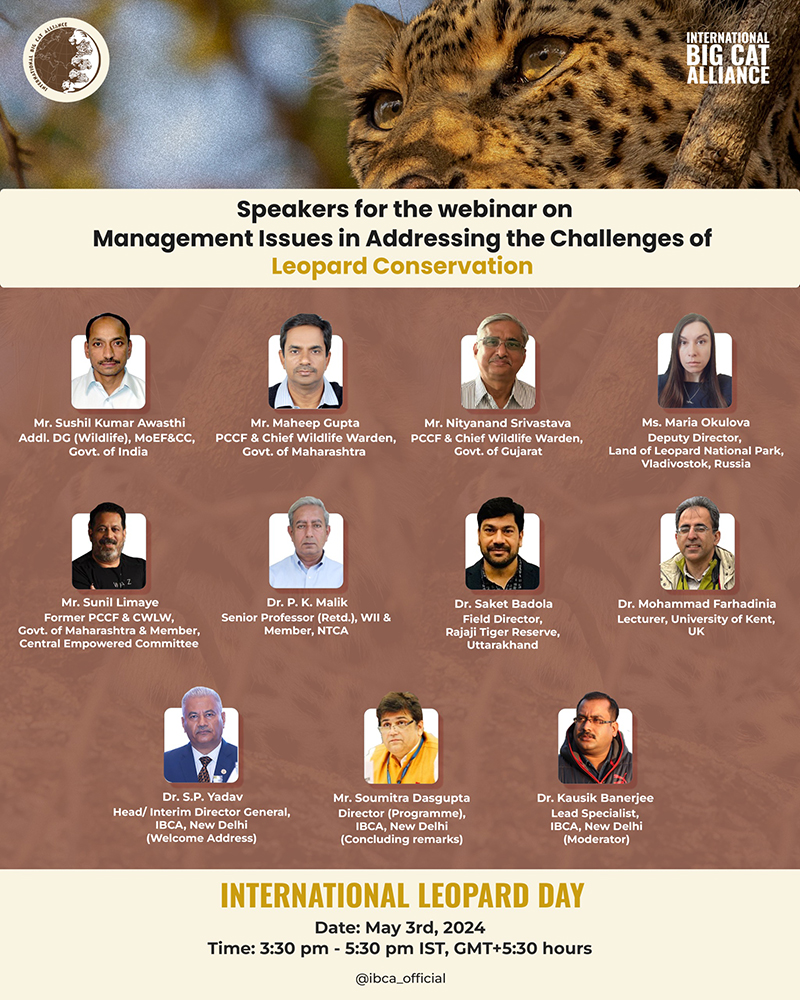 May 3, 2024
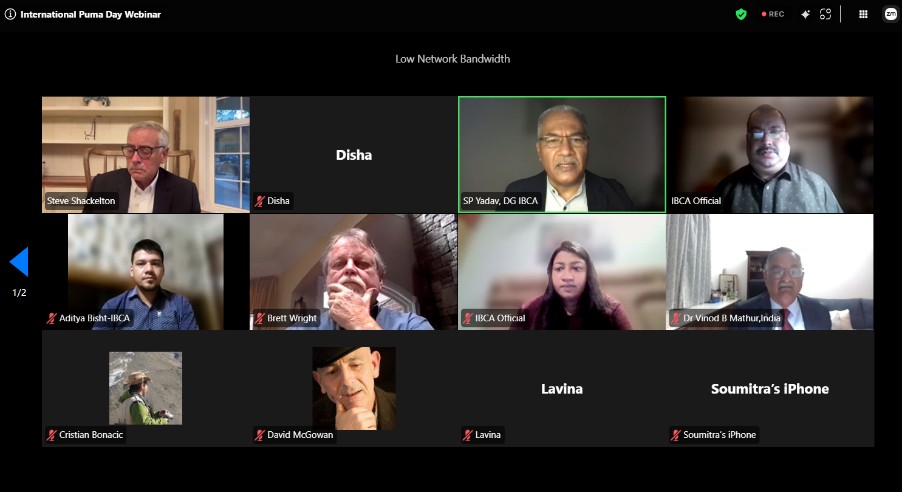
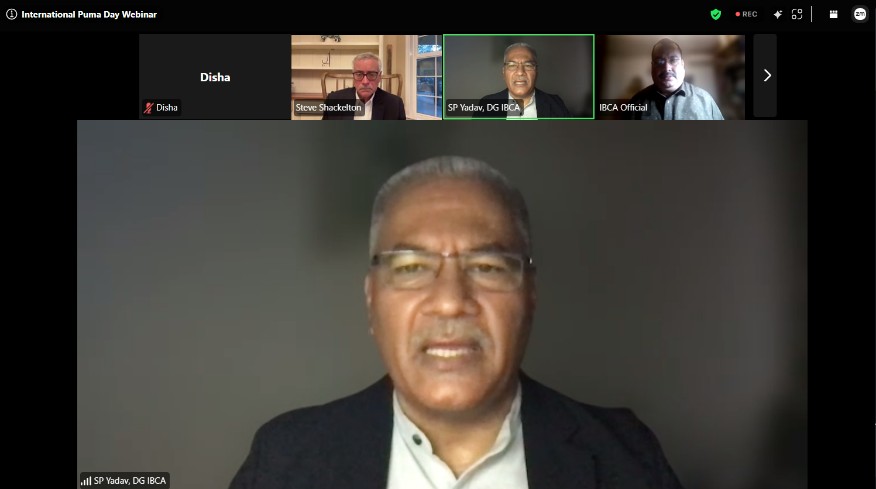
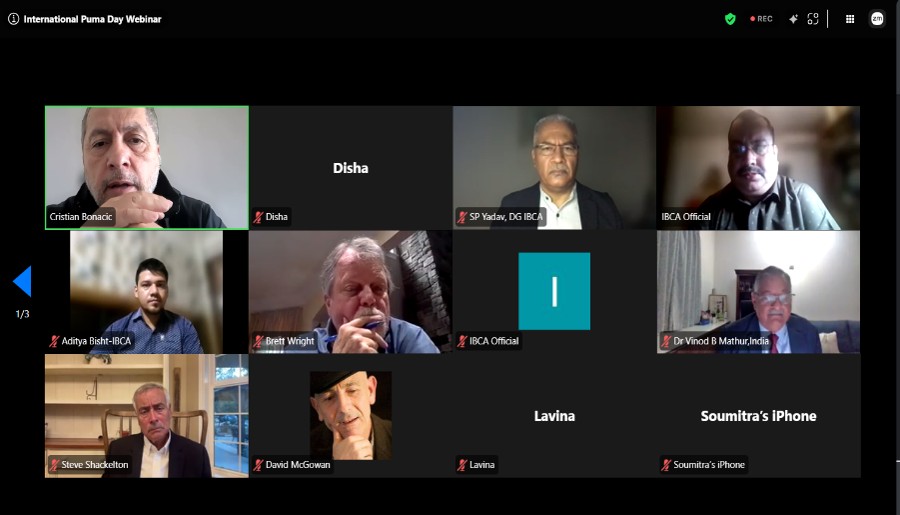
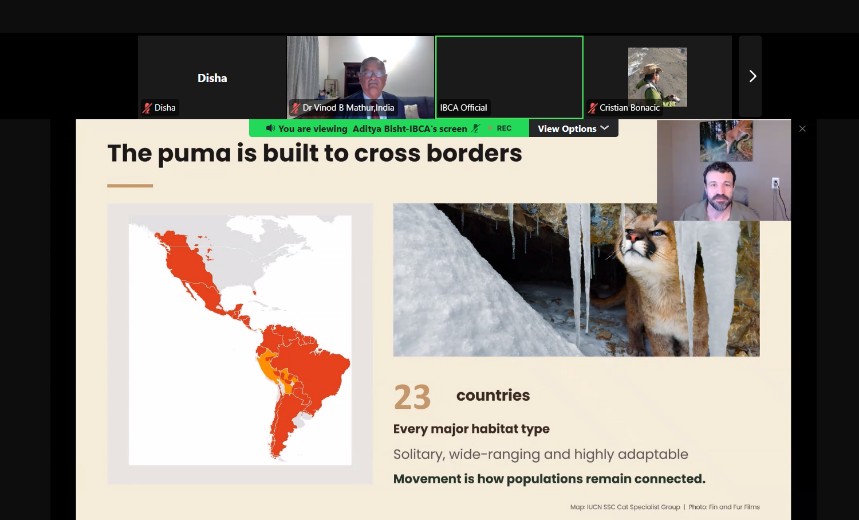
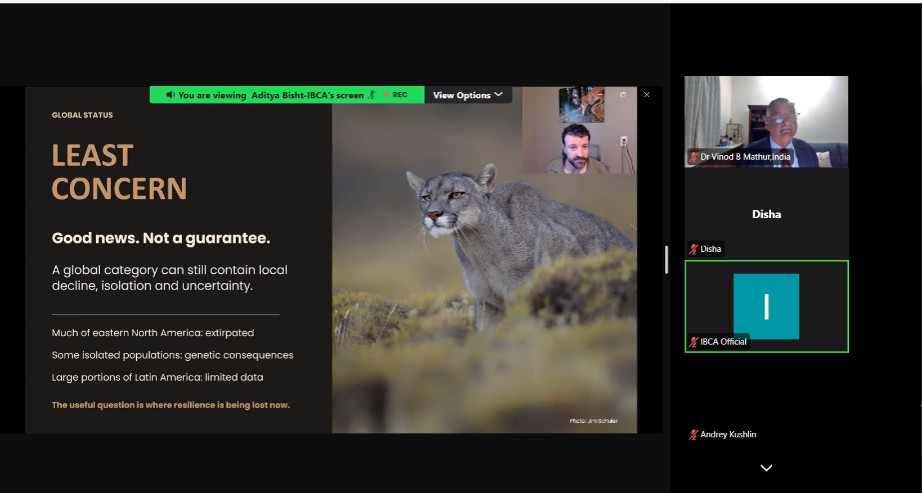
The International Big Cat Alliance (IBCA) hosted the International Puma Day 2026 Webinar, bringing together experts and conservation practitioners to discuss the challenges and opportunities for puma conservation across the Americas.
In his opening remarks, Dr. S.P. Yadav, Director General, IBCA, emphasized the importance of puma conservation for maintaining ecological connectivity, healthy prey populations and resilient landscapes. He highlighted the need for landscape-scale, science-based approaches, international knowledge exchange, capacity building and partnerships, including the proposed Centre of Excellence for Puma Conservation at the University of California, Merced.
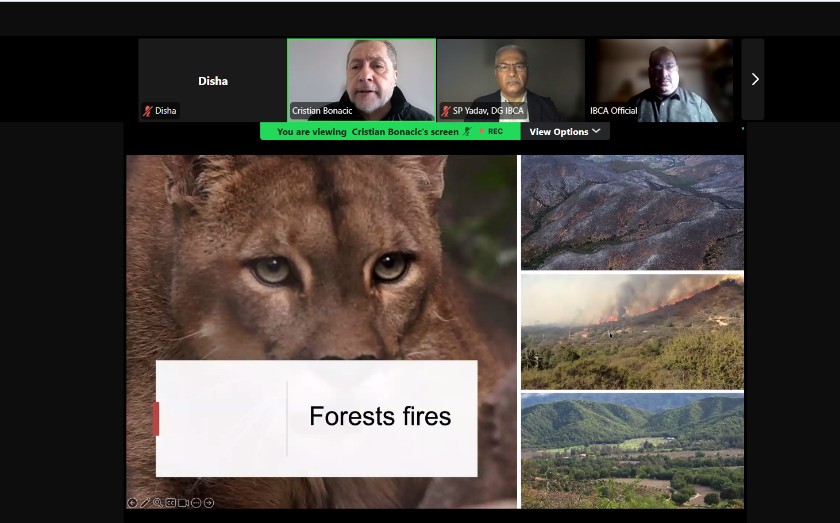
Prof. Cristian Bonacic shared insights from over two decades of puma research in southern Chile, highlighting habitat fragmentation, roads, forest fires, free-ranging dogs, livestock interactions and increasing human activity as key challenges.
Dr. Byron Weckworth, IBCA Lead Specialist and Chief Conservation and Advocacy Officer, Mountain Lion Foundation, USA, stressed the importance of integrating landscape connectivity, science and community-based coexistence to address emerging threats and prevent population declines.
Dr. Steve Shackelton, Director, National Parks Institute, University of California, Merced, presented the proposed Puma Centre for Excellence, which aims to strengthen collaboration among the 23 puma range countries through a shared digital knowledge platform covering science, conservation practices, policy, GIS and educational resources.
Dr. V.B. Mathur, Former Director, Wildlife Institute of India, emphasized the “Puma Without Borders” approach, calling for stronger institutional cooperation, connected landscapes, community-led conservation and evidence-based decision-making.
He also highlighted IBCA’s proposed Big Cat Dashboard as a tool for monitoring threats, population trends and conservation effectiveness.
In his concluding remarks, Mr. Soumitra Dasgupta, Director (Program), IBCA, highlighted major threats including habitat fragmentation, road mortality, human–wildlife conflict, prey depletion and genetic isolation, while emphasizing innovative coexistence measures, habitat connectivity and the proposed Centre of Excellence as important avenues for strengthening puma conservation.




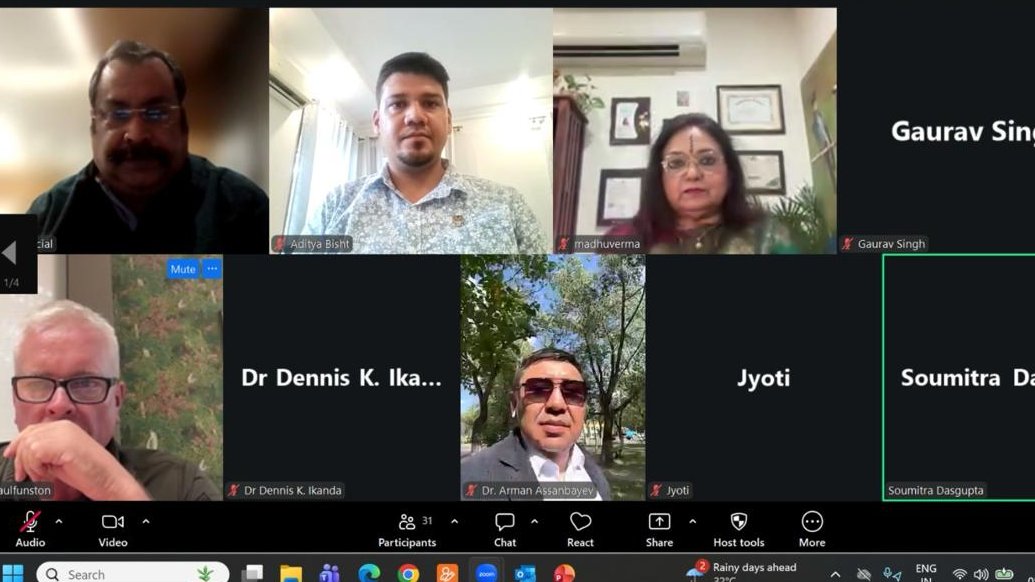
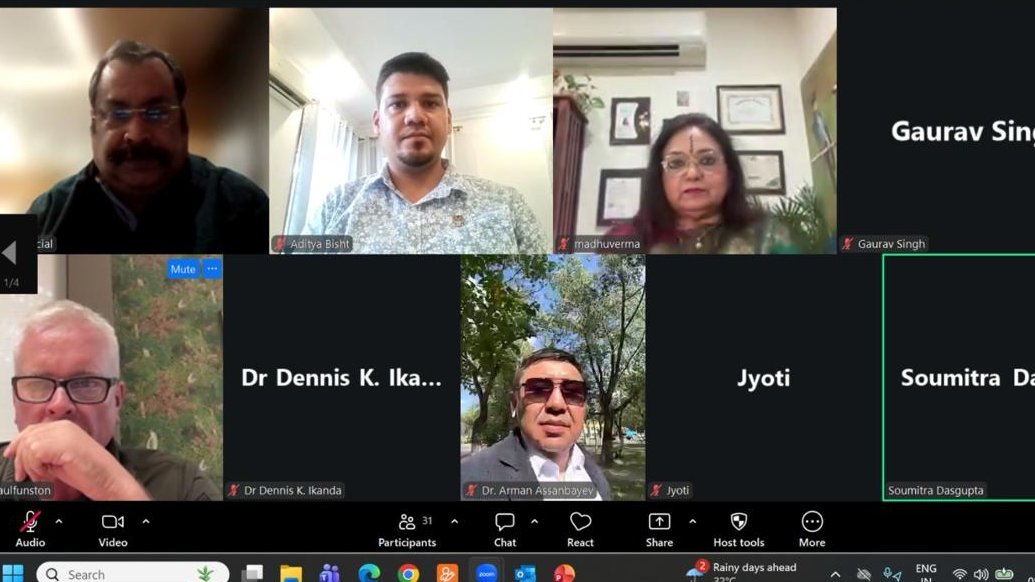
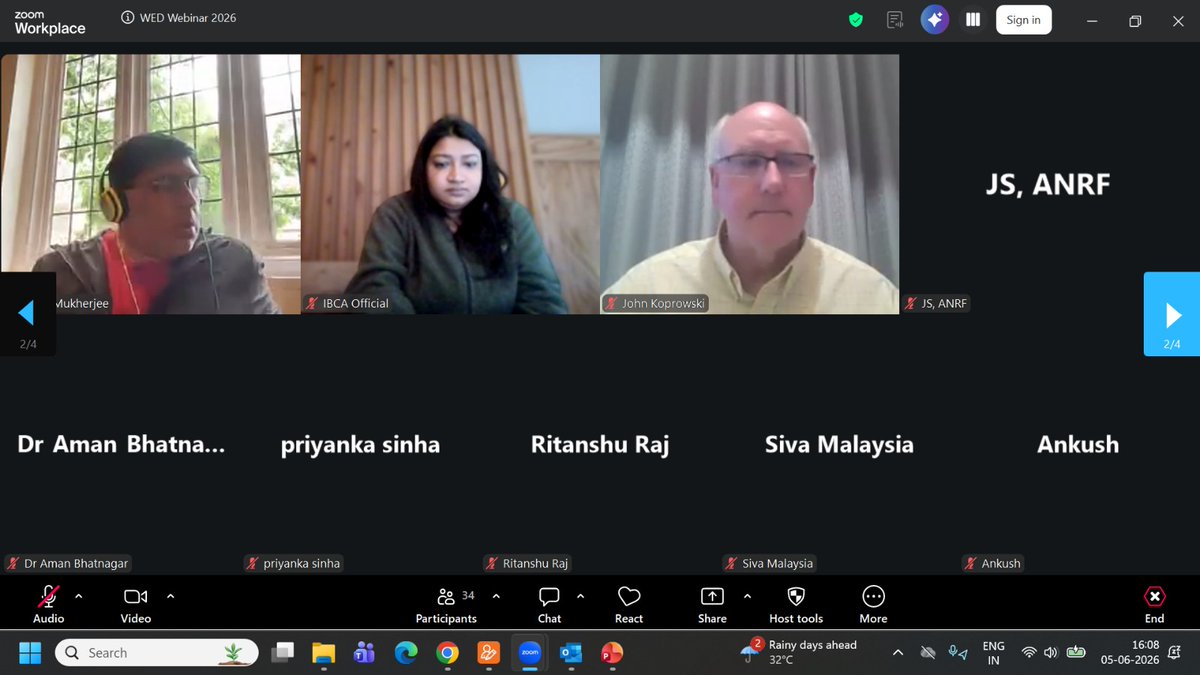
To commemorate World Environment Day 2026, the International Big Cat Alliance (IBCA) organized a webinar bringing together leading conservationists, scientists, and environmental experts to discuss the critical role of nature conservation in addressing climate change and securing a sustainable future. The webinar was organized under the theme “Inspired by Nature for Climate and Our Future.” The webinar commenced with opening remarks by Mr. Soumitra Dasgupta, Director (Program), IBCA, who highlighted the significance of World Environment Day as a global platform for environmental awareness and action. He emphasized the importance of international cooperation, collective action, and community participation in addressing pressing environmental challenges, including climate change, biodiversity loss, and pollution. He further underscored the role of big cat conservation in maintaining healthy ecosystems and supporting climate resilience. The webinar featured distinguished speakers from across the globe. Prof. John Koprowski, Dean and Wyoming Excellence Chair, University of Wyoming, USA, shared inspiring examples of environmental recovery and highlighted the role of big cats as umbrella species that promote landscape-scale conservation. Dr. Yashveer Bhatnagar discussed the ecological significance of snow leopards and emphasized innovative approaches that link biodiversity conservation with climate adaptation and community well-being. Dr. Dennis Ikanda, Chief Research Officer, Tanzania Wildlife Research Institute (TAWIRI), highlighted the importance of conserving lions, leopards, and cheetahs as indicators of healthy ecosystems and stressed the need to protect wildlife corridors and habitats. Dr. Madhu Verma, Senior Economic Advisor and Chief Environmental Economist, IORA, emphasized the economic value of big cat landscapes in providing ecosystem services such as carbon sequestration, water security, and livelihood support. Dr. Paul Funston, Chief Conservation Officer, Vantara, highlighted how conserving large carnivores contributes to ecosystem resilience and helps landscapes adapt to climate-related challenges. The webinar reinforced the message that conserving big cats and their habitats is not only essential for biodiversity conservation but also for climate resilience, sustainable development, and human well-being. The event provided a valuable platform for knowledge exchange and reaffirmed IBCA’s commitment to promoting global cooperation for the conservation of big cats and the ecosystems they inhabit.

The International Big Cat Alliance (IBCA) hosted the International Leopard Day Webinar.
In his opening remarks, Dr.S.P YadavIFS, Director General, International Big Cat Alliance (IBCA), highlighted the importance of global collaboration for leopard conservation.
He noted that while leopards are highly adaptable across diverse habitats, they face growing threats such as habitat loss, human-wildlife conflict, poaching, and declining prey populations.
He emphasized that conservation efforts must go beyond borders, requiring coordinated action, knowledge sharing, and sustained commitment.
He reiterated IBCA’s role in fostering partnerships and strengthening global cooperation for the conservation of big cats.
He also announced that India will host the first IBCASummit on 1st and 2nd June 2026 in Delhi, bringing together global leaders, policymakers, conservationists, and experts to advance big cat conservation, with leopards as a key part of the agenda.
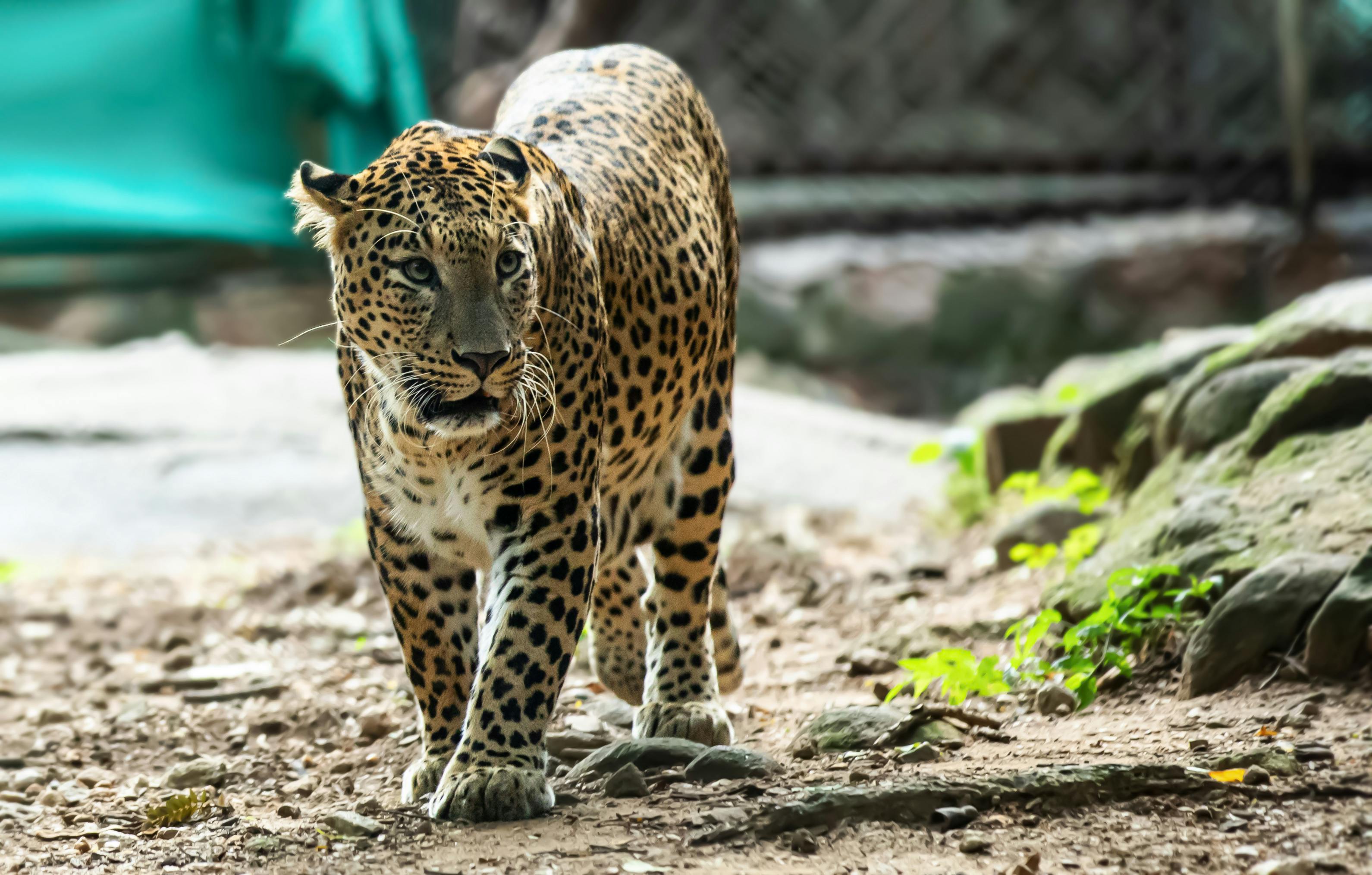

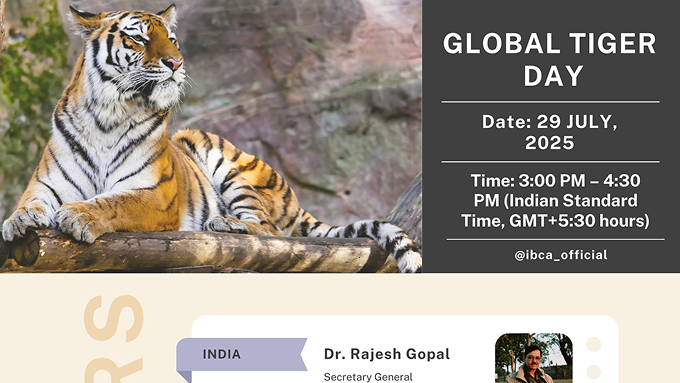
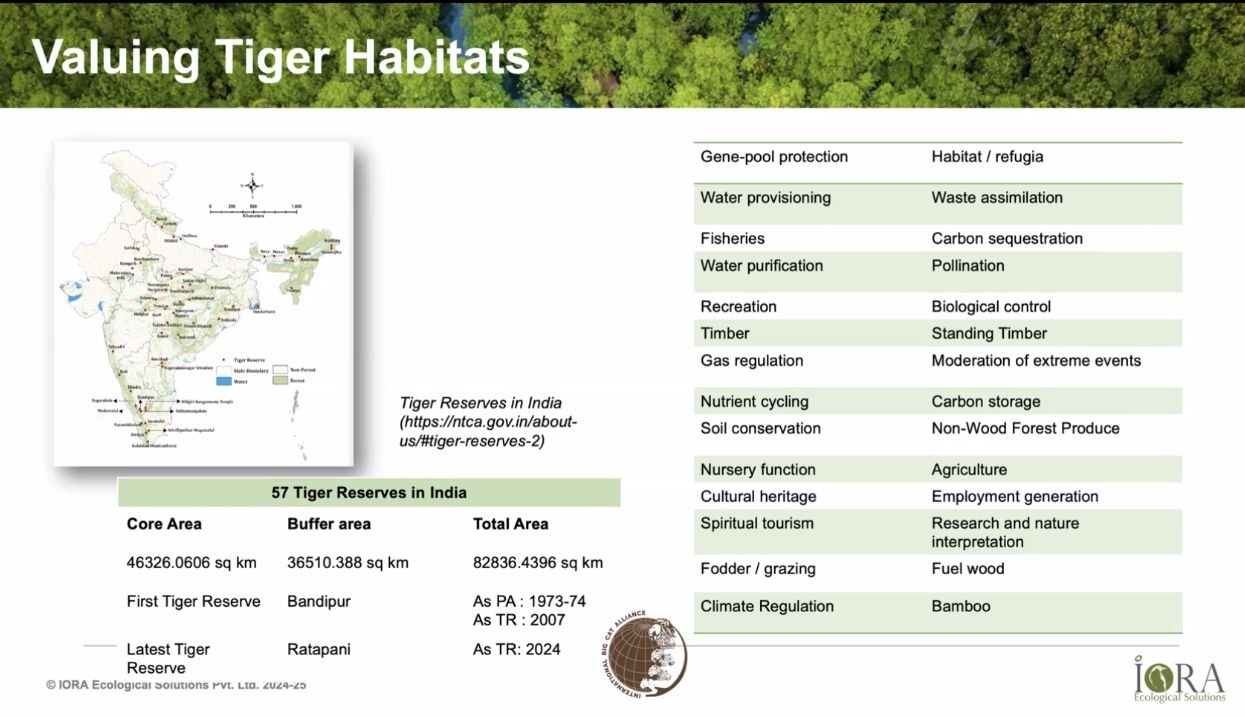
Global Tiger Day webinar hosted by IBCA on 'Securing the Future for Tiger Conservation: Knowledge, Best Practices, and Strategies' brought together experts from around the world. In his welcome address, Dr SP Yadav,Director General of IBCA, highlighted that tiger conservation brings cascading ecological and economic benefits, contributing significantly to climate resilience. He acknowledged positive population trends in countries like India, Nepal, Bhutan, and Russia, while emphasising that IBCA’s role is vital in supporting tiger range countries still facing population decline and critical threats. Dr Rajesh Gopal, Secretary General, United for Tigers, stressed that effective tiger conservation begins with ensuring a healthy prey base, proper habitat conditions, and region-specific strategies. He pointed out that while South Asian countries have made significant progress, Southeast Asia faces severe setbacks, with some nations losing their wild tiger populations entirely. He called for continued international collaboration, guided by platforms like the Global Tiger Recovery Programme and the IBCA, to restore and secure tiger populations globally. Dr Madhu Verma of Iora Ecological Solutions presented a compelling economic valuation of tiger habitats. She revealed that an investment of a single Indian rupee (88.41 dollar) in tiger conservation can yield a return of up to 530 times, as demonstrated in the Sundarbans Tiger Reserve in the state of West Bengal in India. She emphasised the often-unseen value of ecosystem services such as water security, climate regulation, and soil conservation and stressed the need for greater investment and policy recognition of these natural assets.
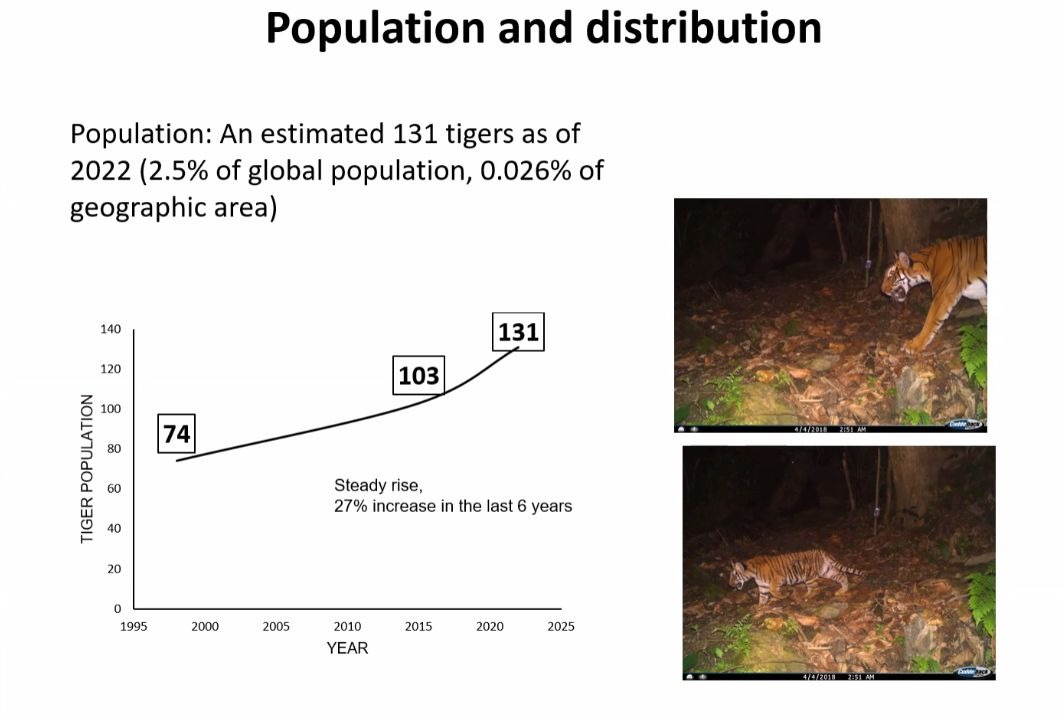
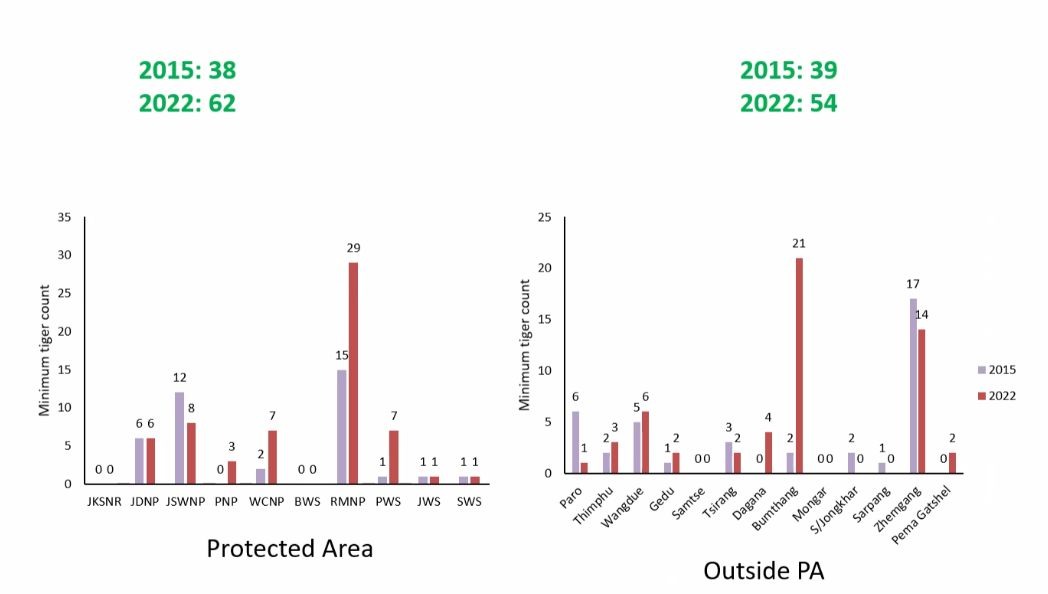
Dr Sivanathan Elagupillay, Tiger Lead Specialist, IBCA, Malaysia, shared the dire situation of the Malayan tiger, now critically endangered with fewer than 200 individuals remaining. He highlighted key threats like poaching and wire snare traps, and discussed Malaysia’s conservation efforts. These include the first national tiger survey, the establishment of ecological corridors, the creation of a national tiger task force, and the designation of the country’s first tiger reserve outside India. Today the national football team’s mascot is a tiger. Mr Ugyen Tshering, Chief Forestry Officer, Bhutan, stated that his country is currently home to 131 wild tigers. These tigers are being recorded at a remarkable range of elevations, from as low as 80 m to as high as 4,400 m, with breeding activity observed across these zones. He highlighted Bhutan’s extensive protected area coverage (52%), the cultural significance of tigers, and ongoing challenges like human-tiger conflict, habitat degradation, and fragmentation. He also introduced the Tiger Action Plan for Bhutan 2024-2033, which outlines strategies for long-term conservation.
Mr Soumitra Dasgupta, Director Program IBCA, while delivering the vote of thanks acknowledged the collective wisdom and commitment shared during the session. The webinar was moderated by Dr Kausik Banerjee, Lead Specialist, IBCA, with the support of Mr. Aditya Bisht, Programme Associate, IBCA.

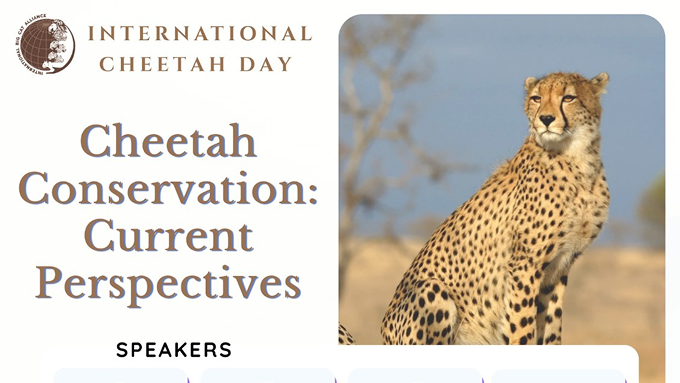
The International Big Cat Alliance (IBCA) organized a webinar to commemorate International Cheetah Day, bringing together distinguished experts, conservation leaders, and partner representatives to reflect on global cheetah conservation efforts and emerging opportunities.
Mr. Soumitra Dasgupta, Director (Program), IBCA, delivered the welcome address and extended a warm greeting to all speakers and participants. He highlighted the significance of International Cheetah Day in strengthening global dialogue on cheetah conservation and broader big cat protection. He also emphasized IBCA’s evolving role as a platform for scientific collaboration, policy support, and shared learning among countries engaged in big cat conservation.
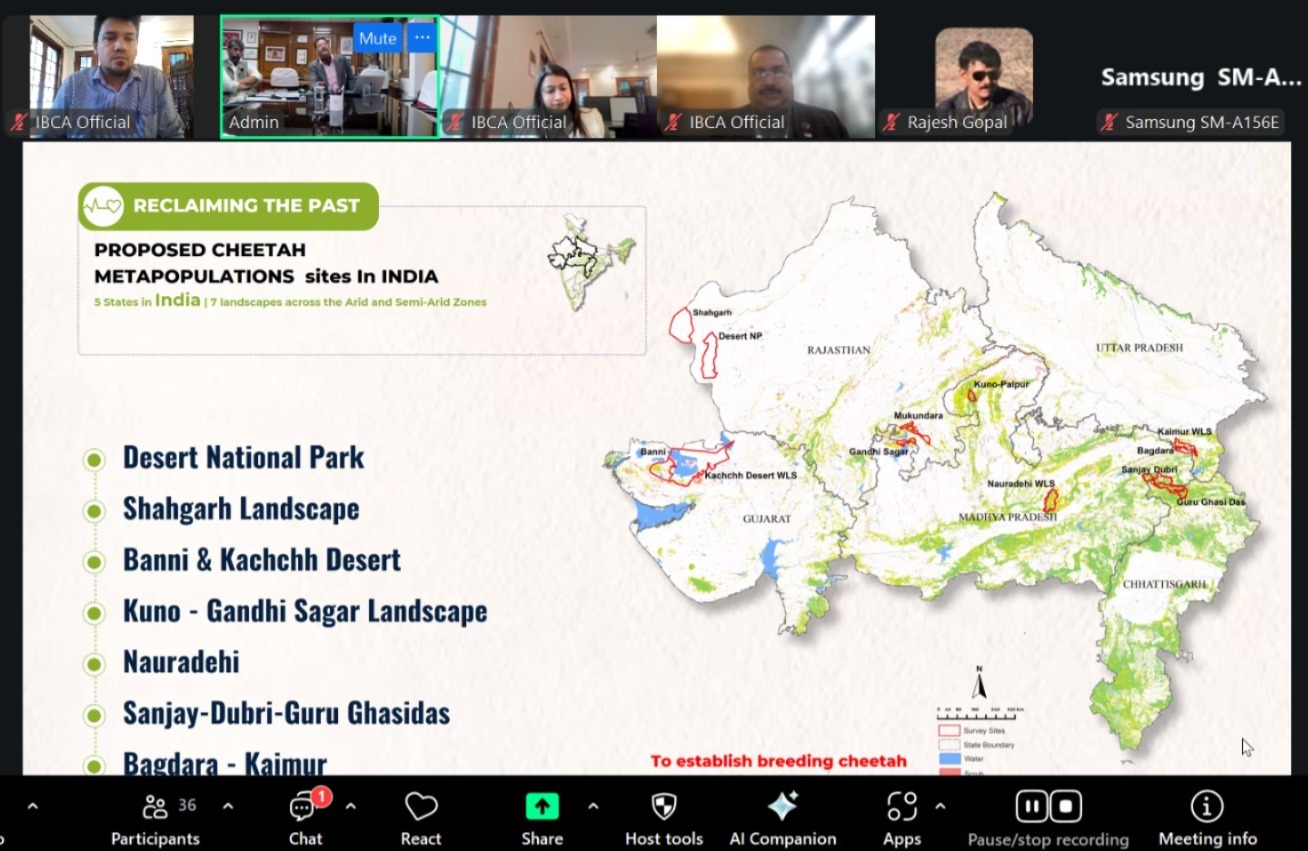
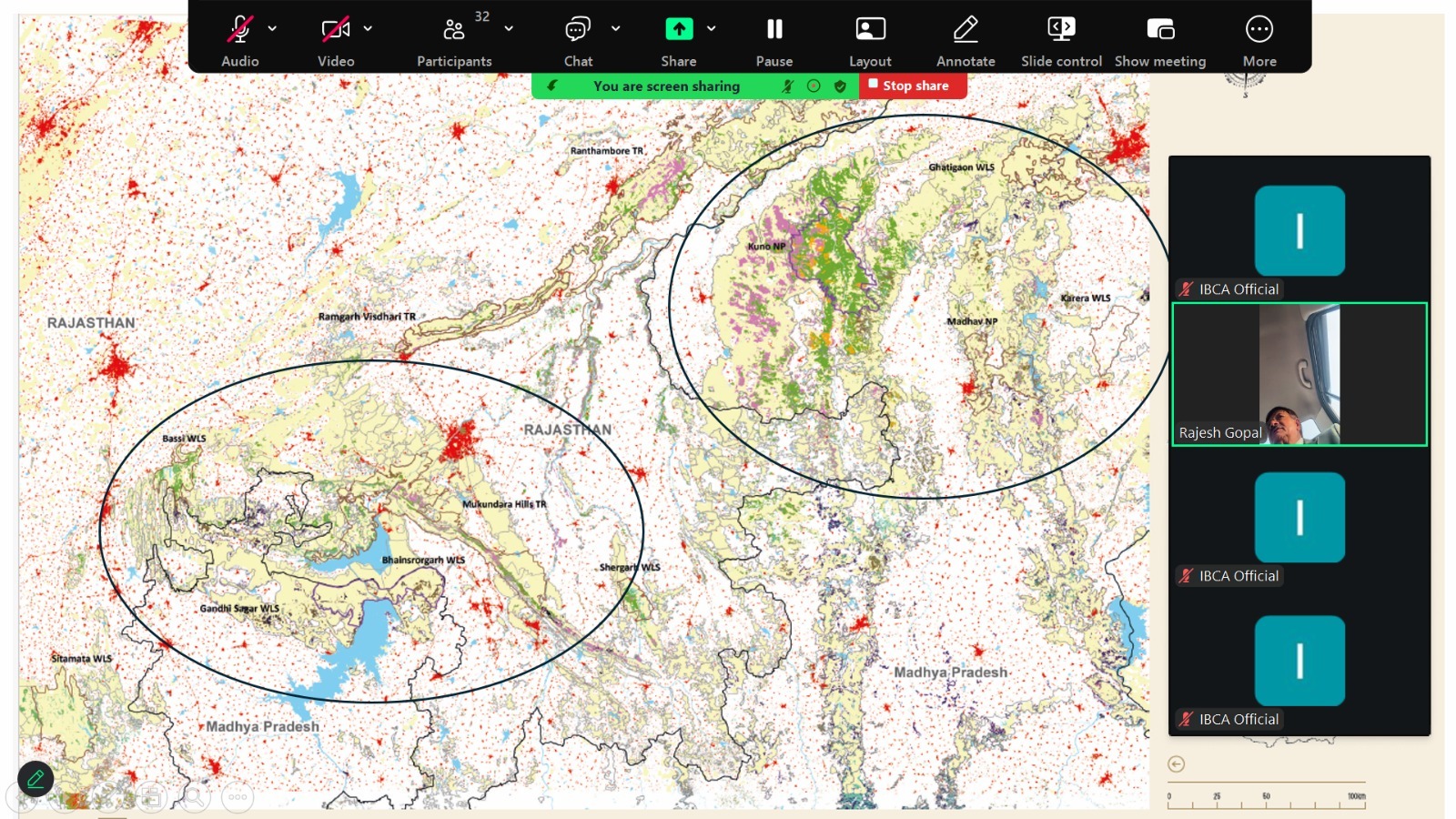
Dr. Rajesh Gopal, Secretary General of the Global Tiger Forum and Chair of India’s Cheetah Project Steering Committee, spoke about India’s cheetah reintroduction programme as a landmark conservation initiative. He recalled the historic arrival of cheetahs in Kuno National Park on 17 September 2022 and noted the encouraging progress of the population despite ecological and geographical challenges. He shared that new potential habitats have been identified in Rajasthan and Madhya Pradesh and stressed the importance of adopting a landscape-level strategy for future expansion. He concluded by underlining the essential role of collaboration among government agencies, sanctuaries, experts, and local communities.
Dr. Gobind Sagar Bhardwaj, Director of the Wildlife Institute of India, explained the cheetah’s role as a flagship species for savanna and open woodland ecosystems. He noted the strong political and legal support for cheetah conservation in India and highlighted the growing potential of ecotourism to benefit local communities. He also provided a summary of India’s cheetah journey, beginning with the reintroduction of eight cheetahs from Namibia in 2022 and twelve cheetahs from South Africa in 2023.
Dr. Laurie Marker, Executive Director of the Cheetah Conservation Fund, shared a recorded message in which she extended her greetings on International Cheetah Day. She recognised the importance of the occasion and celebrated the ongoing dedication of scientists, conservationists, governments, and communities working to secure a sustainable future for the species.
Mr. Maxwell Nyounway, IBCA Focal Point for Liberia, highlighted the ecological importance of cheetahs and the need to enhance public awareness of their conservation. He emphasized that sustained collaboration and collective commitment are vital for ensuring long-term protection and expressed his appreciation for IBCA’s leadership in advancing global big cat conservation.
Dr. Amit Mallik, Director (International Cooperation), IBCA, delivered the vote of thanks. He acknowledged the valuable contributions of all speakers and participants, appreciated the dedication of conservation teams working on the ground, and recognised the continued support of government agencies and partner organisations.
The event concluded with a reaffirmation of commitment to strengthening international cooperation and advancing landscape-level strategies for the conservation of cheetahs and other big cat species.
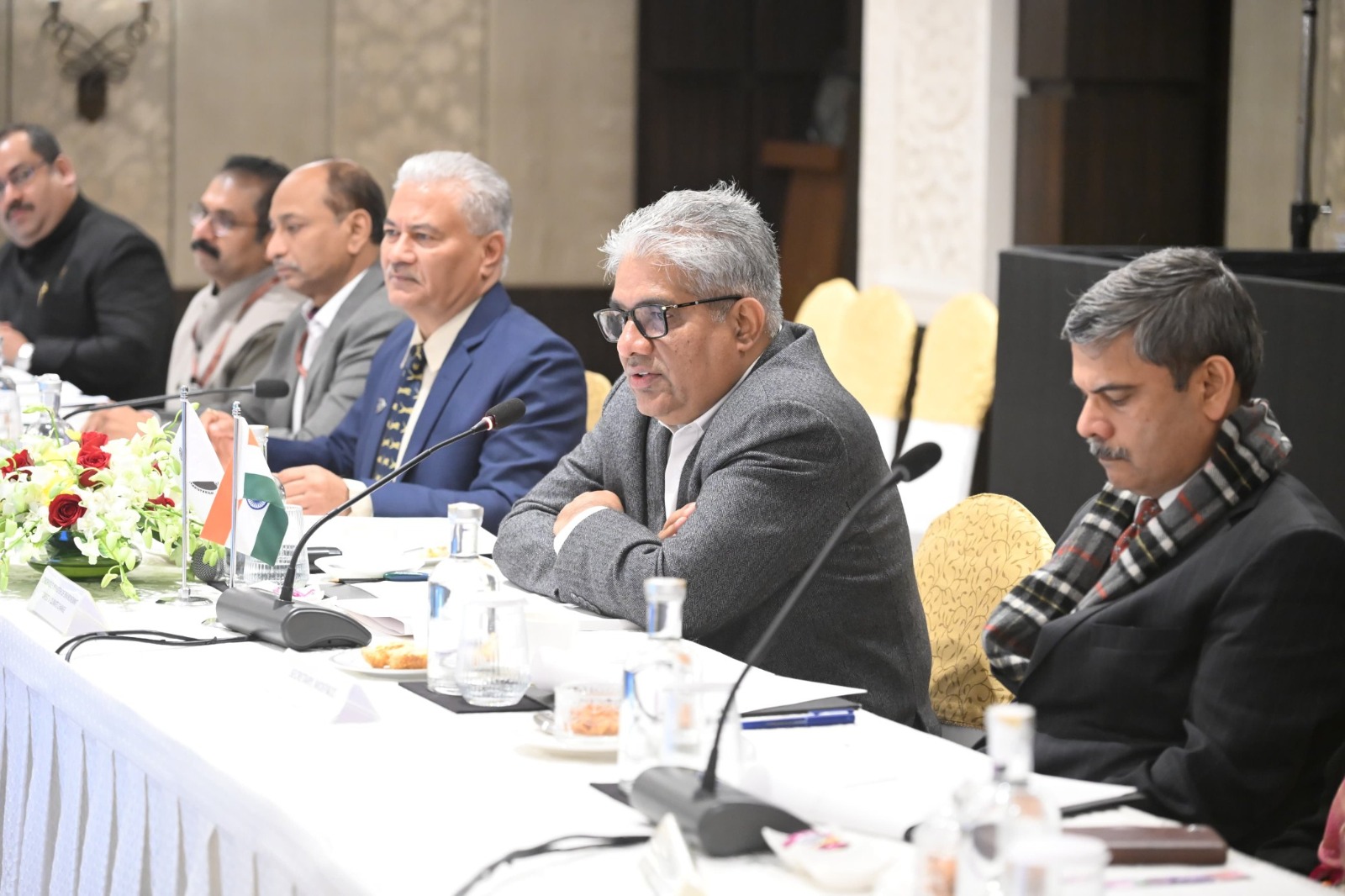
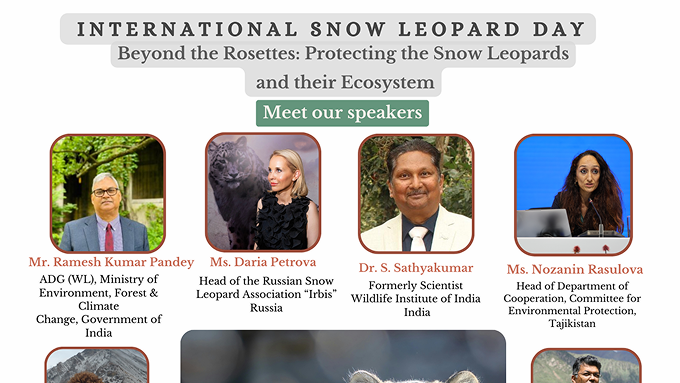
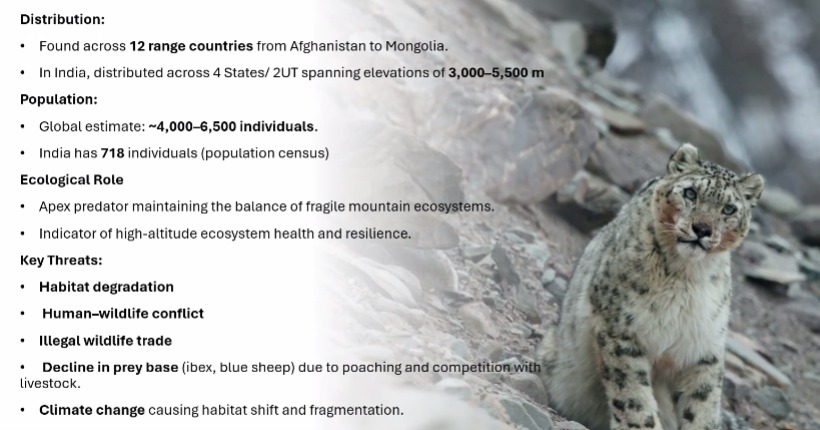
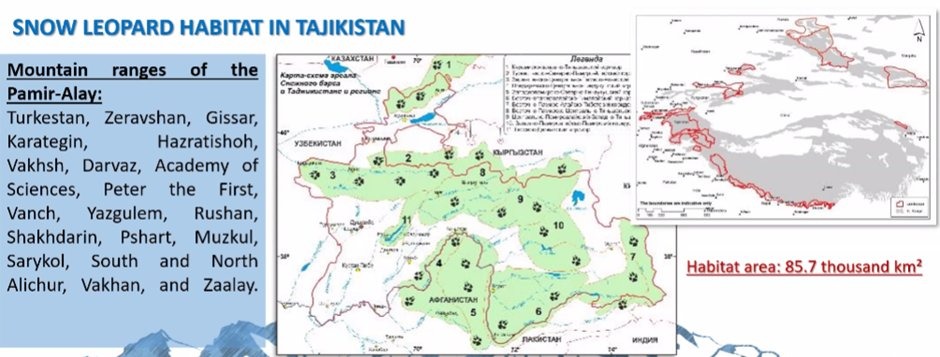
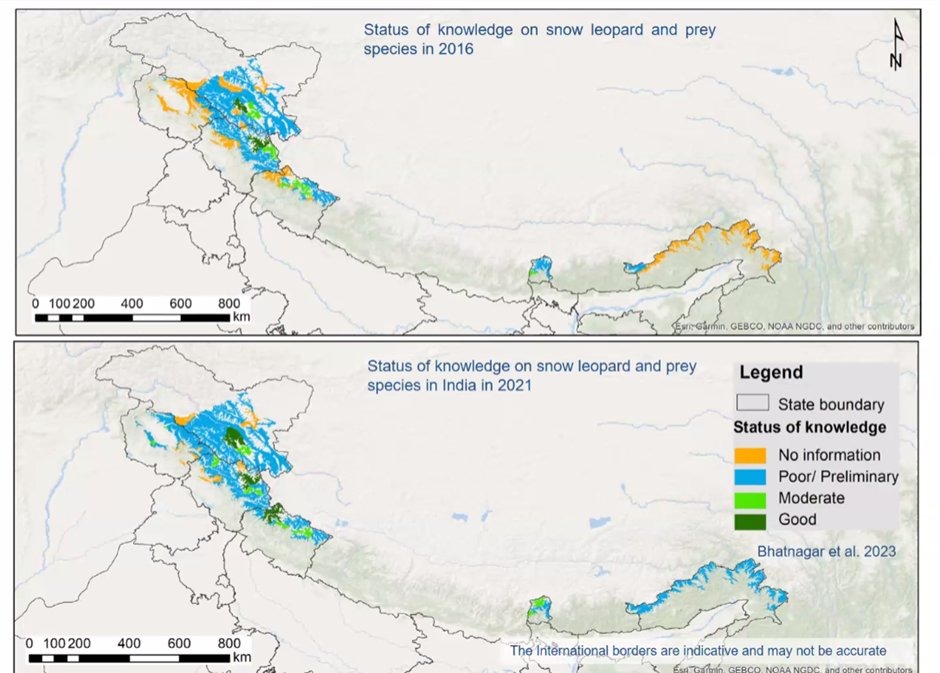
IBCA hosted a special webinar on the occasion of International Snow Leopard Day, bringing together leading experts, government representatives, and conservation practitioners to highlight global efforts for the protection of snow leopards and their fragile high-mountain ecosystems. Delivering the opening remarks, Dr. S. P. Yadav, Director General of IBCA, reaffirmed the Alliance’s commitment—under the guidance of the Government of India and in cooperation with member countries—to strengthening global collaboration, knowledge exchange, and capacity building for all big cat species. He also reiterated IBCA’s continued support for the Global Snow Leopard and Ecosystem Protection Program (GSLEP), recognizing its pioneering leadership across range nations. Addressing the gathering, Mr. Ramesh Pandey, Additional Director General (Wildlife), Ministry of Environment, Forest and Climate Change, highlighted India’s progress under Project Snow Leopard, noting that the species occupies nearly 250,000 sq. km of high-altitude habitat across four Himalayan states. Based on the 2019–2023 national estimation exercise, India now supports a population of over 700 snow leopards, making it the third-largest range country globally. Dr. Ruchi Pant, Head of Climate Adaptation, Natural Resource Management, and Biodiversity at UNDP India, presented achievements from the Secure Himalaya Project, including comprehensive landscape management plans, standard operating procedures for wetland management, advancements in snow leopard assessments, and the establishment of 105 biodiversity management committees across high-altitude landscapes. From Tajikistan, Ms. Nozanin Rasulova, Head of the Department of Cooperation, Committee for Environmental Protection, shared progress in population studies and outlined future priorities such as strengthening cross-border collaboration, unified monitoring methodologies, enhanced smart patrolling, preparation of a regional conservation publication, harmonizing management frameworks, and improving education and capacity building in transboundary corridors. Former Wildlife Institute of India scientist Dr. Sathyakumar provided an overview of India’s transition from approximate estimates to systematic, data-driven assessments through the Snow Leopard Population Assessment of India (SPAI), a process involving local communities, researchers, and frontline staff across six states. Dr. Koustubh Sharma, Director for Science and Conservation at the Snow Leopard Trust in Kyrgyzstan, highlighted key threats to snow leopards—ranging from habitat loss and climate change to human disturbance—and called for collective global action, encouraging participation in initiatives such as “23 for 23,” which invites individuals to dedicate 23 minutes to raising awareness and support for snow leopard conservation.


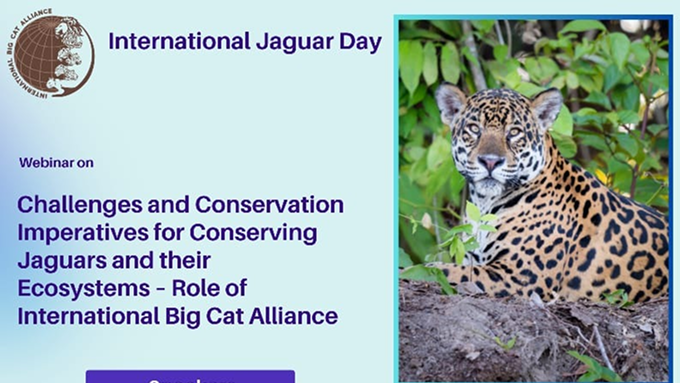
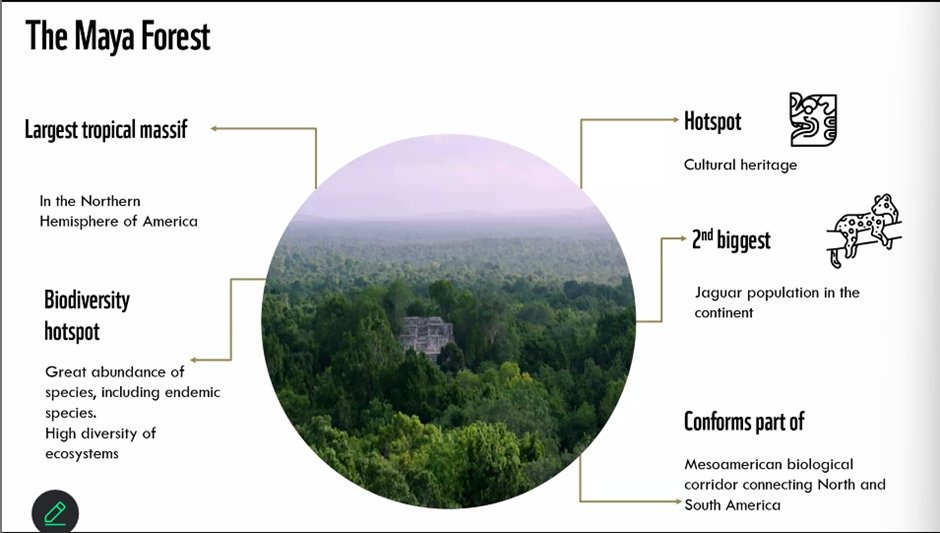
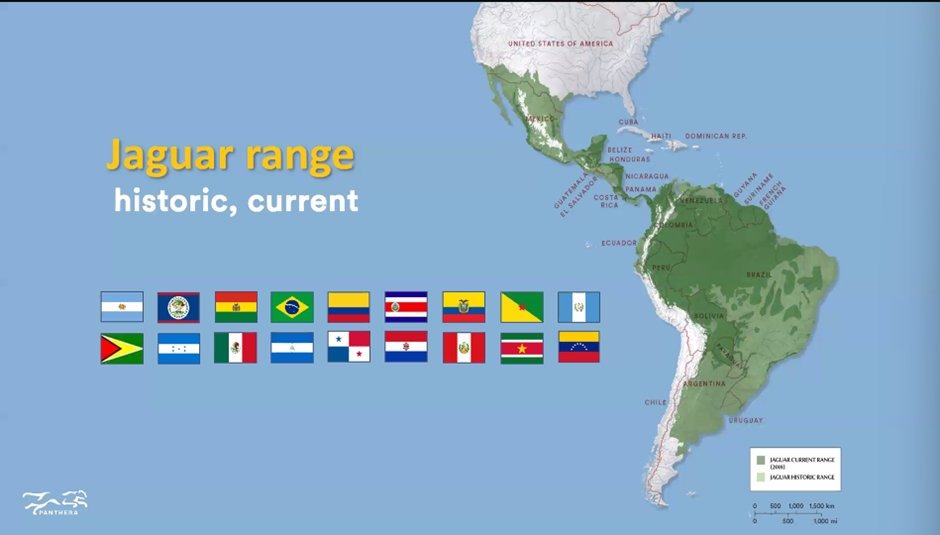
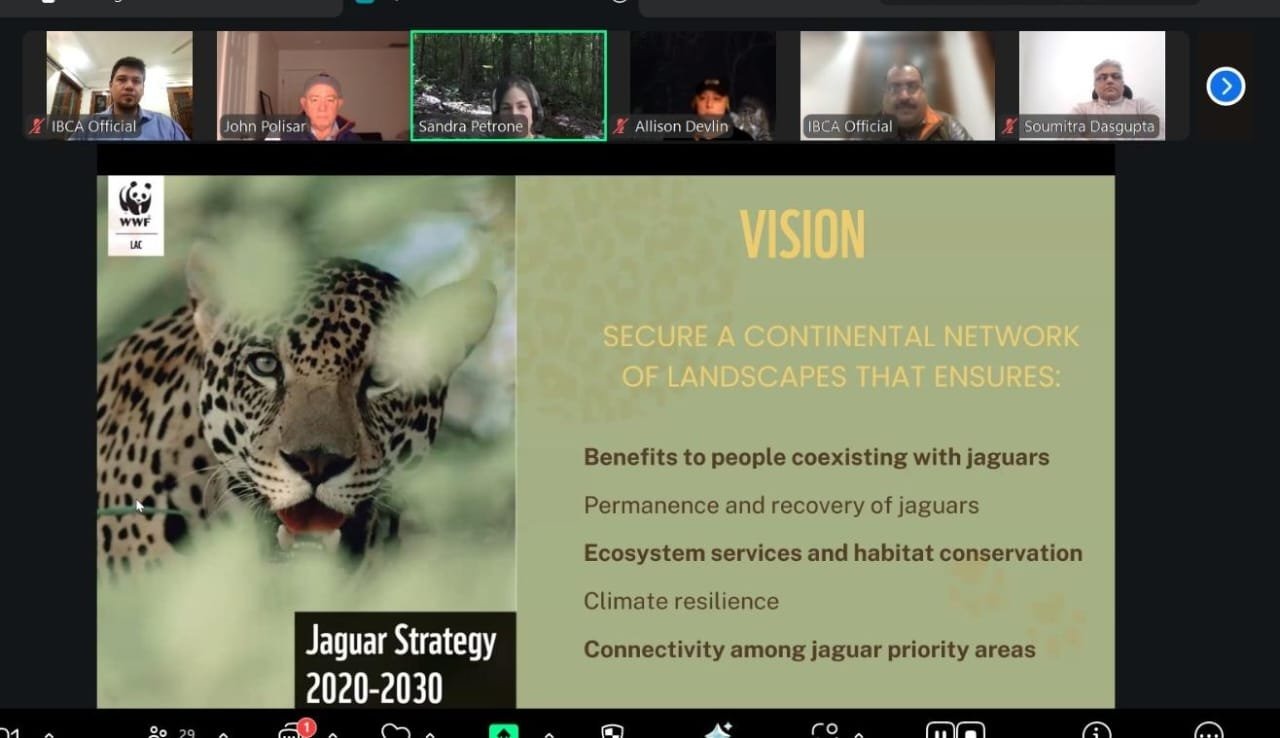
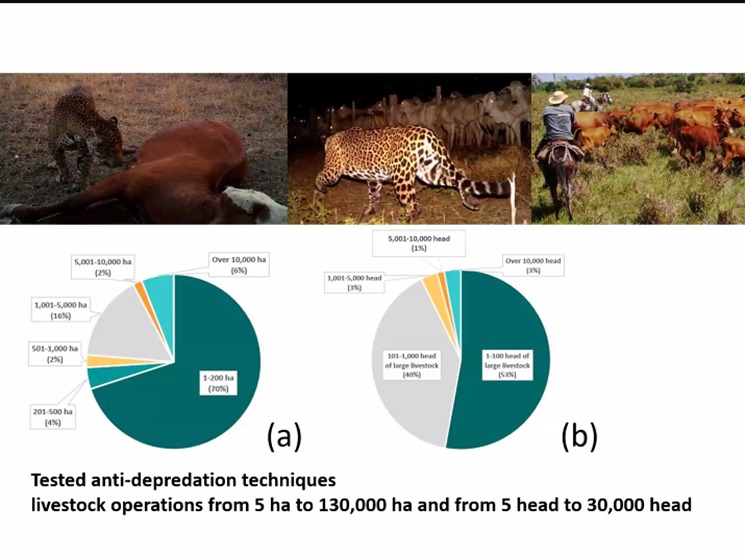
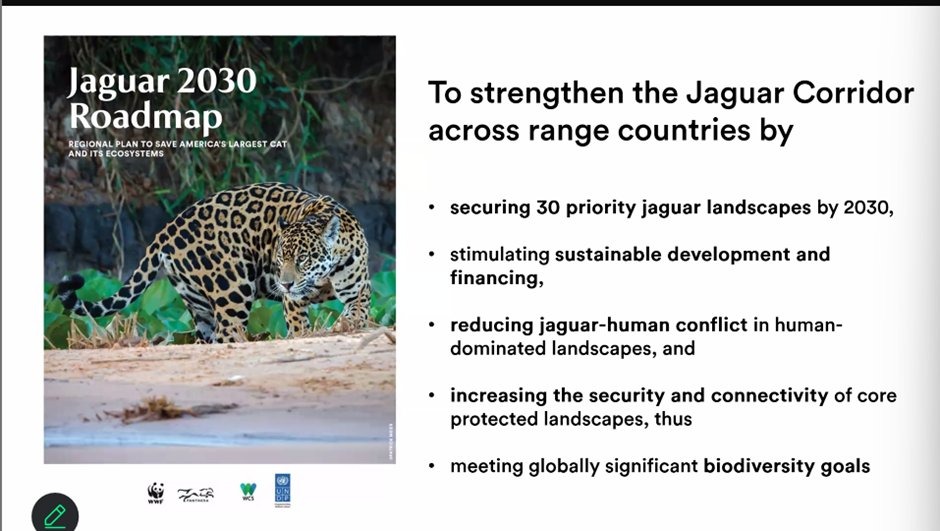
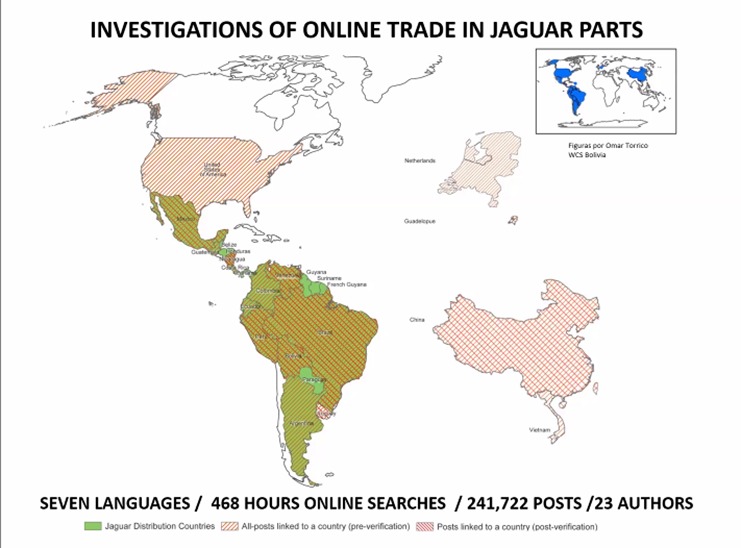
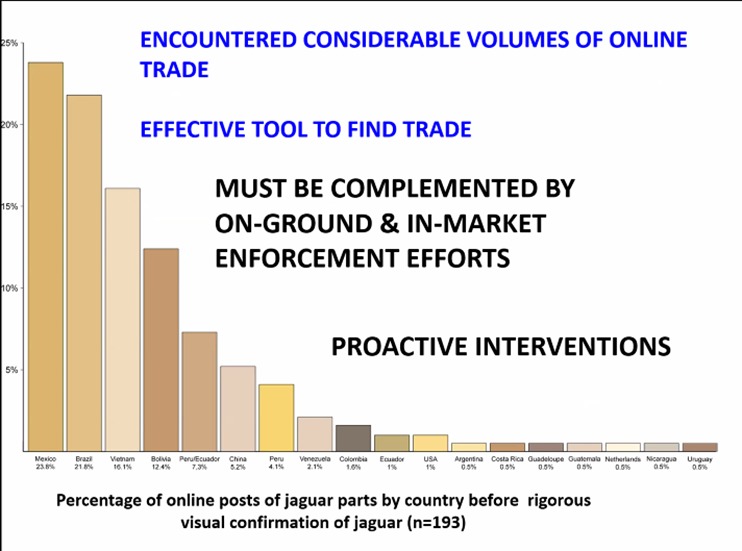
IBCA hosted a special webinar on the occasion of International Jaguar Day, bringing together a distinguished panel of global conservation leaders to discuss the challenges, opportunities, and collaborative actions required to safeguard jaguars and their ecosystems. The event featured insightful presentations from experts working across the Americas, each offering valuable perspectives on science-based conservation and community engagement. Dr. John Polisar, Environmental Coordinator at the Sierra Nevada USDA National Forest, USA, highlighted the effectiveness of improved livestock management, electric fencing, and habitat protection in reducing jaguar-related livestock losses by up to 80–100 percent. Drawing from field data in Guatemala and Bolivia, he emphasized that prey abundance, habitat quality, and strong enforcement are essential to sustaining stable jaguar populations and cautioned about rising threats from the illegal trade in jaguar parts. Dr. Allison Devlin, Director of the Jaguar Program at Panthera, USA, noted that jaguars currently occupy only a small portion of their historical range, stressing the urgent need for connected habitats and functional corridors. She elaborated on the Jaguar Corridor Initiative, advances in camera-trap monitoring, and the Jaguar 2030 Roadmap, which aims to secure priority landscapes, reduce conflict, and promote sustainable development across 18 countries. From WWF Mexico, Sandra Petrone presented WWF’s 2020–2030 Jaguar Strategy, focusing on stabilizing and increasing jaguar populations through habitat protection, corridor strengthening, combatting illegal wildlife trade, and fostering regional cooperation. She underscored the significance of the Maya Forest as a critical stronghold in the Mesoamerican Corridor and highlighted the role of sustainable livelihood models—including improved cattle ranching, honey production, and cacao farming—in reducing deforestation while supporting local communities. She also emphasized the power of citizen science, where local residents play an active role in monitoring jaguars and their prey. Representing IBCA, Soumitra Das (Director, Program) reflected on global progress in jaguar conservation and reiterated the ecological importance of jaguars as apex predators. He emphasized the value of collaborative approaches that engage governments, Indigenous peoples, local communities, NGOs, and conservation partners to protect habitats, secure corridors, mitigate conflict, and strengthen enforcement. Concluding the session, Amit Mallick of IBCA noted that International Jaguar Day not only celebrates efforts toward jaguar conservation but also underscores their vital role in maintaining resilient ecosystems. He highlighted IBCA’s commitment to supporting range countries by fostering coordinated action, facilitating knowledge exchange, building capacity, and encouraging unified monitoring and enforcement frameworks. Collectively, the webinar reinforced the importance of partnership-driven conservation and showcased how IBCA can play a catalytic role in strengthening coordinated efforts for jaguar protection across their range.
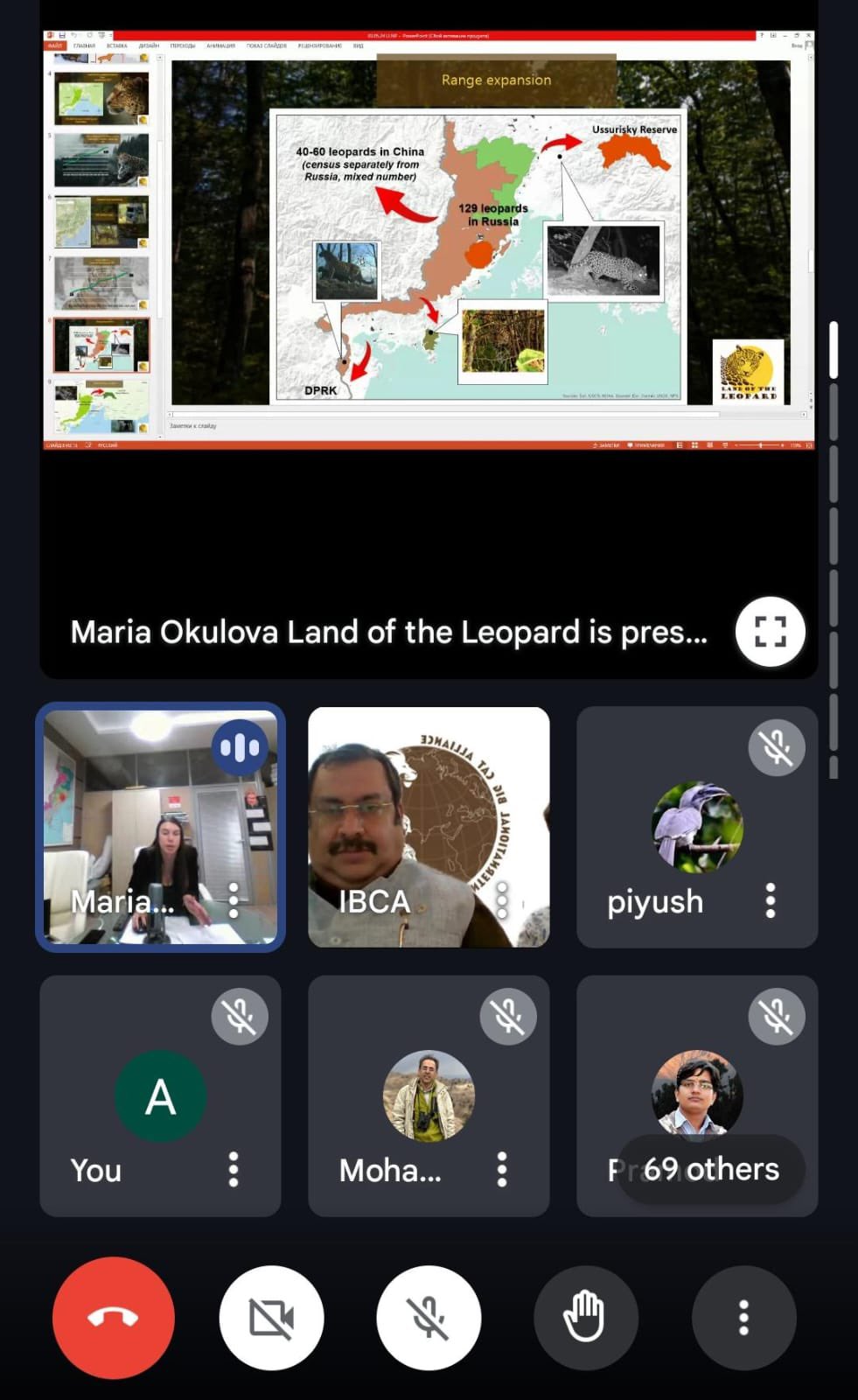
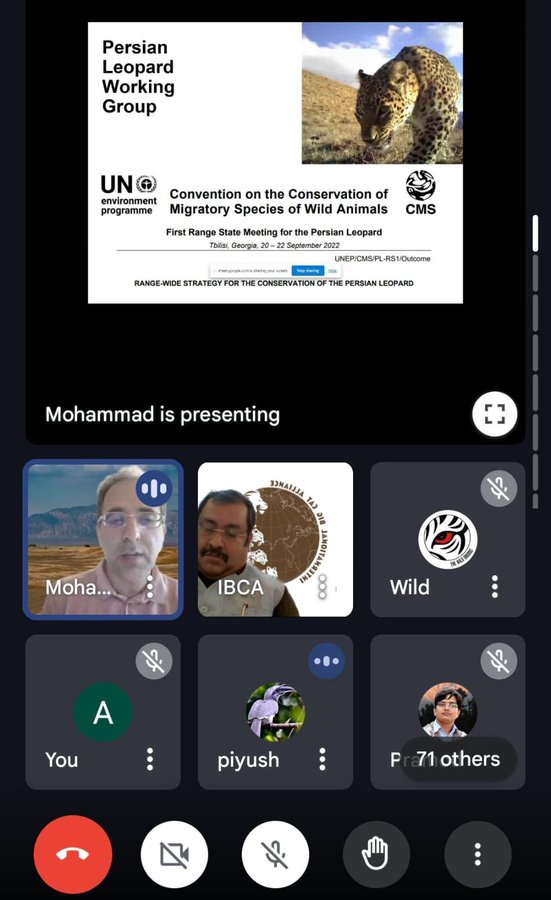
The International Big Cat Alliance (IBCA) organized a webinar to celebrate International Leopard Day on May 3, 2024, from 3:30 PM to 5:30 PM IST. The theme of the webinar was “Management Issues in Addressing the Challenges of Leopard Conservation.” IBCA invited eight esteemed speakers to share their work and experiences on leopard conservation. The event was initiated by the Interim Head IBCA, Dr. S.P. Yadav, who delivered the welcome address. Mr. Sushil Kumar Awasthi dived into the best practices for Leopard conservation in India, while Dr. Mohammad Farhadinia shed light on the current status of leopards in West and Central Asia. Ms. Maria Okulova shared her insights on the ongoing efforts to preserve the endangered Amur leopard population. Dr. Pradeep Malik offered a unique perspective on the crucial role of Animal Health Professionals in leopard conservation and management. We also learned from Dr. Saket Badola about effectively managing human-leopard conflicts in Uttarakhand. Furthermore, we gained valuable knowledge from Mr. Nityanand Srivastava's presentation on leopard conservation in Gujarat and Mr. Sunil Limaye's fascinating insights into the human-leopard interface in Borivali National Park, Mumbai. Mr. Soumitra Dasgupta, Director Program IBCA, delivered the closing remarks and Dr. Kausik Banerjee, Lead Specialist IBCA, served as the webinar moderator.
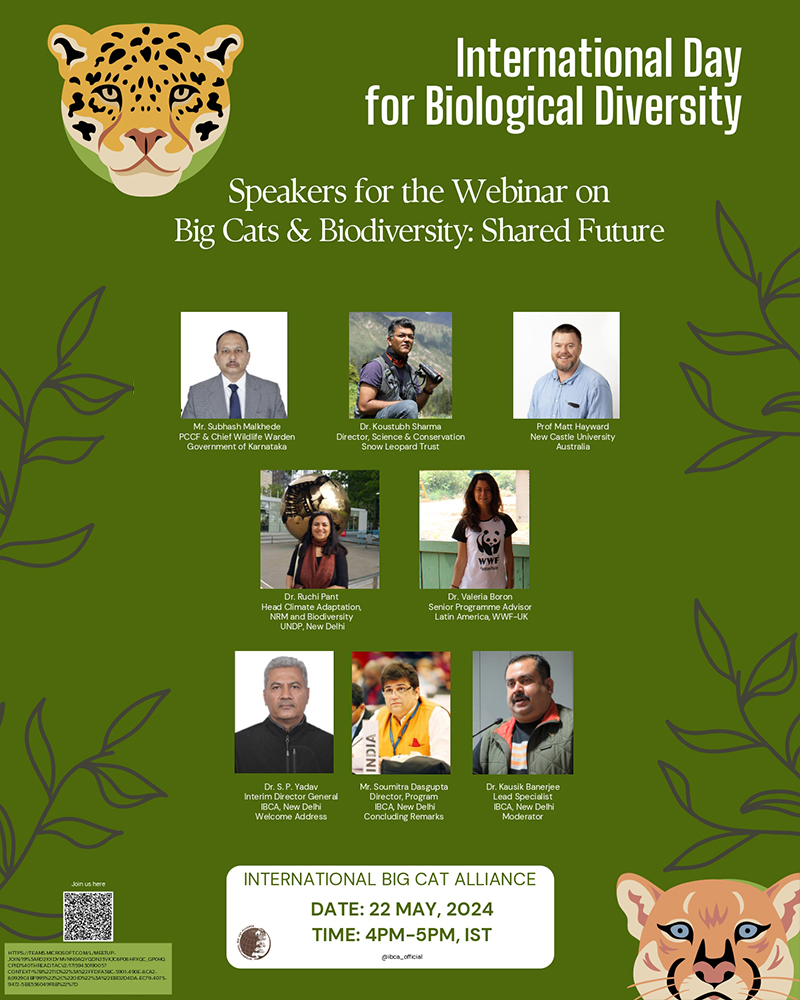
The International Big Cat Alliance (IBCA) organized a webinar to celebrate International Day for Biological Diversity on May 22, 2024, from 4 PM to 5 PM IST. The theme of the webinar was “Big Cats & Biodiversity: Shared Future.” IBCA invited five esteemed speakers to share their work and experiences on biodiversity conservation. The event was initiated by the Interim Head IBCA, Dr. S.P. Yadav, who delivered the welcome address. Our first speaker, Mr. Subhash Malkhere, shared a fascinating glimpse into the world of Tiger and Leopard conservation in Karnataka, highlighting the unique challenges involved. Dr. Kaustabh Sharma provided valuable insights into Snow leopard conservation and its relation to climate adaptation, while Dr. Ruchi Pant explored the intersection of Snow Leopard and Community Conservation in the Indian Himalayan Range. Prof Matt Heyward delved into the intriguing topic of Intergenerational Inequity with Nature; Dr. Valeria Boron talked about her experience with Jaguar Conservation in Latin America. Mr. Soumitra Dasgupta, Director Program IBCA, delivered the closing remarks and Dr. Kausik Banerjee, Lead Specialist IBCA, served as the webinar moderator.
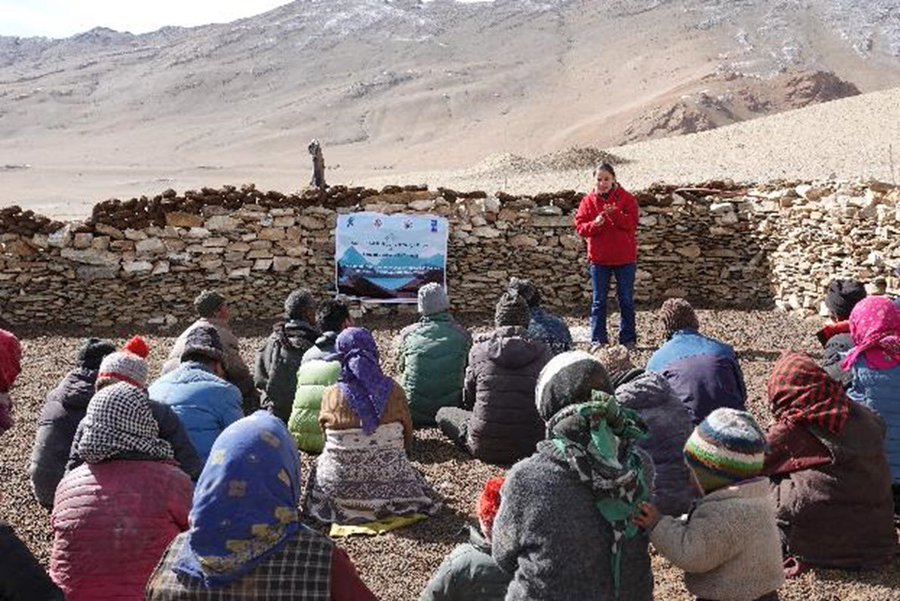

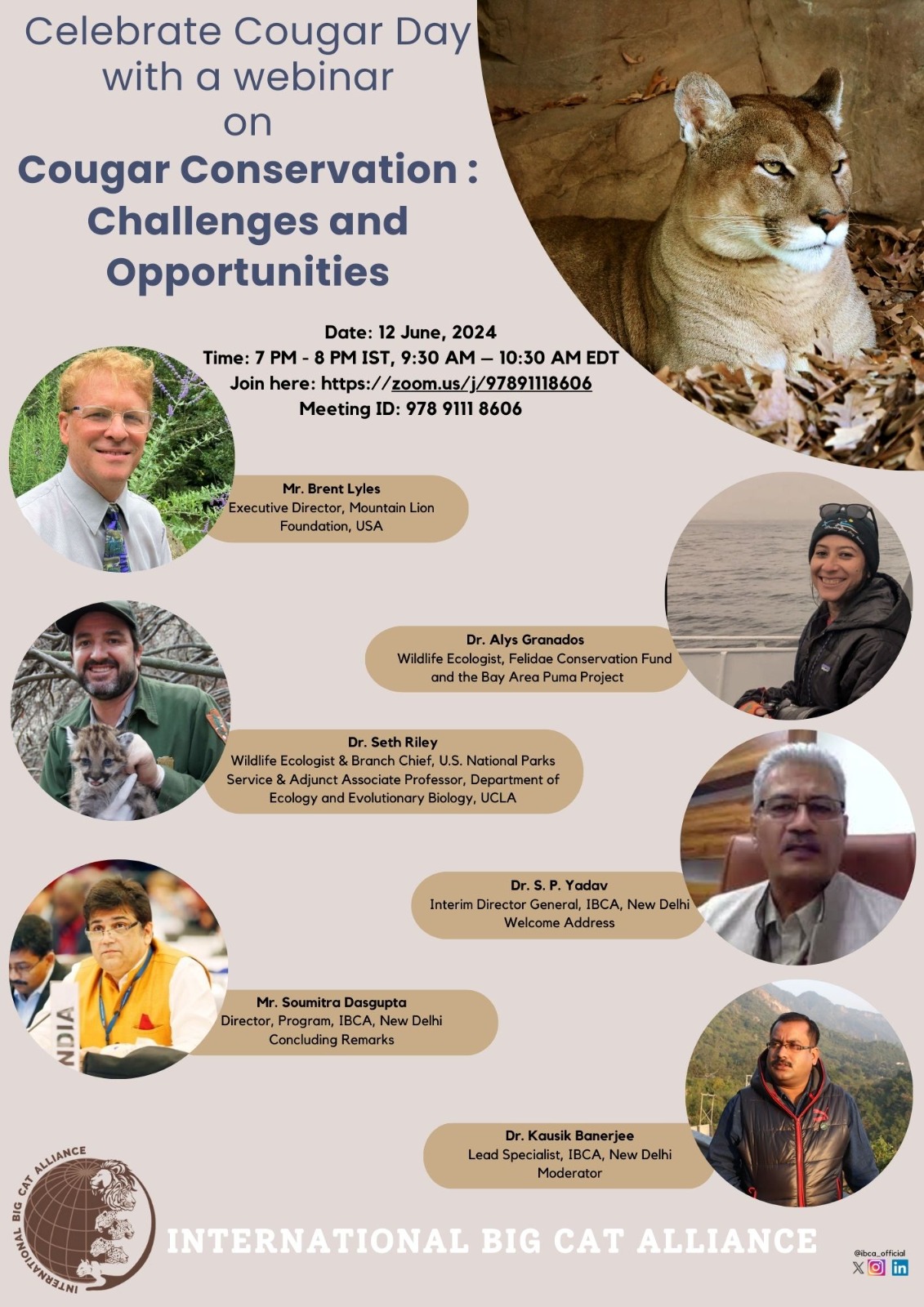
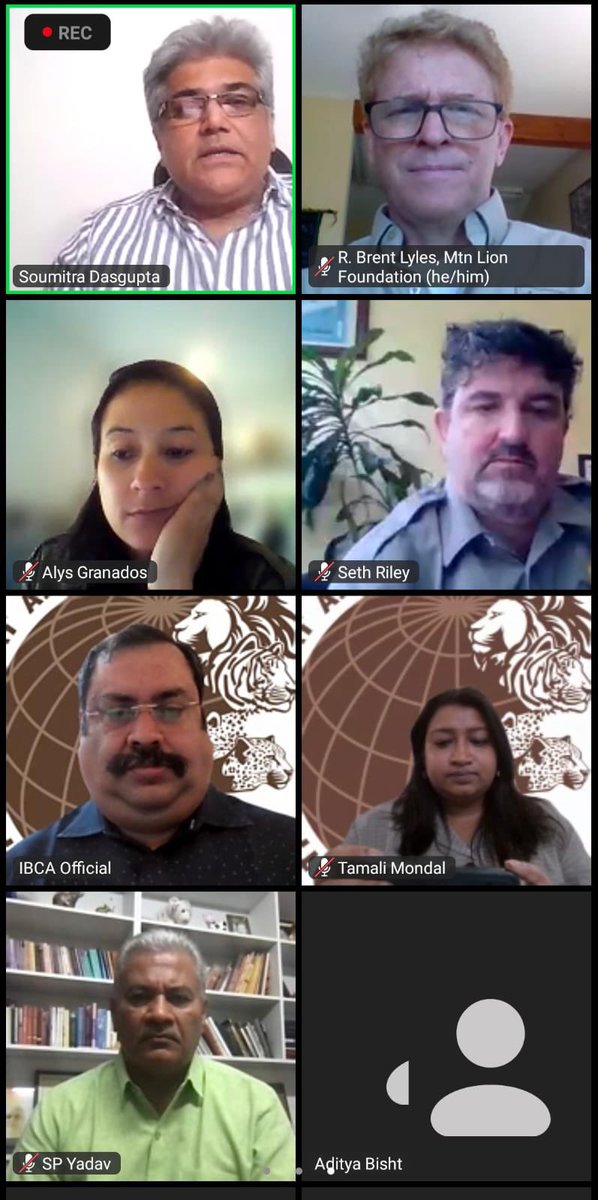
The International Big Cat Alliance (IBCA) organized a webinar to celebrate Cougar Day on June 12, 2024, from 7 PM to 8 PM IST. The theme of the webinar was “Cougar Conservation: Challenges and Opportunities” IBCA invited three esteemed speakers to share their work and experiences on cougar conservation. The event was initiated by the Interim Head IBCA, Dr. S.P. Yadav, who delivered the welcome address. During the event, Mr. Brent Lyies shared exciting updates about the initiatives of the Mountain Lion Foundation. Dr. Alys Granodos captivated the audience with her insights on optimizing puma conservation in California and Patagonia under the Bay Area Puma Project. Additionally, Dr. Seth Riley delved into the conservation challenges and opportunities for mountain lions in urban California, sparking a thought-provoking discussion. Mr. Soumitra Dasgupta, Director Program IBCA, delivered the closing remarks and Dr. Kausik Banerjee, Lead Specialist IBCA, served as the webinar moderator.


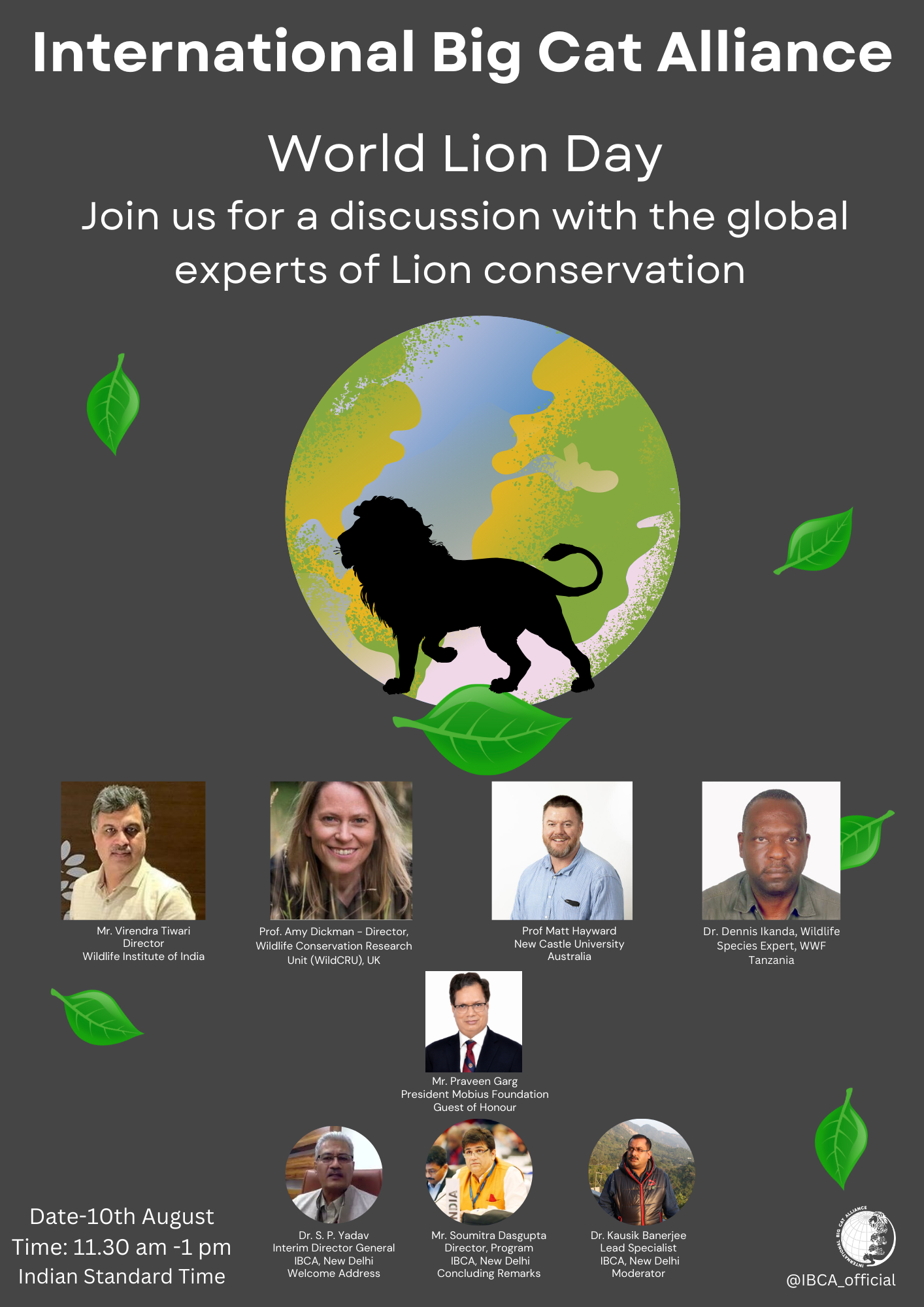
The International Big Cat Alliance (IBCA) organized a webinar to celebrate Lion Day on August 10, 2024, from 11:30 AM to 01:00 PM IST. This webinar featured leading experts discussing lion conservation efforts, the current status of lion populations & strategies to protect them. The event was initiated by the Interim Head IBCA, Dr. S.P. Yadav, who delivered the welcome address. The webinar was chaired by Mr. Praveen Garg, President, Mobius Foundation who delivered his thoughts on the significance of lion conservation. Professor Matt Hayward shared insights from his extensive experience in the field of prey-predator dynamics. Dr. Dennis Ikanda provided an overview of his ongoing research on lion conservation and management in Kenya. Mr. Soumitra Dasgupta, Director Program IBCA, delivered the closing remarks and Dr. Kausik Banerjee, Lead Specialist IBCA, served as the webinar moderator.
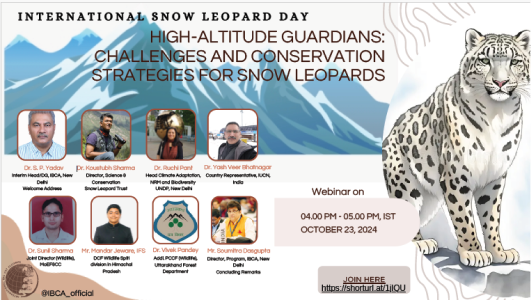
On the auspicious occasion of International Snow Leopard Day, the International Big Cat Alliance (IBCA) organised a webinar on 23rd October, 2024 with the theme "High-Altitude Guardians: Challenges and Conservation Strategies for Snow Leopards” by hosting wildlife conservation experts to discuss the crucial role of snow leopards in high-altitude ecosystems, the challenges they face, and the innovative strategies needed for safeguarding the species and their landscapes. The webinar was moderated by Dr. Tamali Mondal, Program Associate & Mr. Aditya Bisht, Program Associate, IBCA.
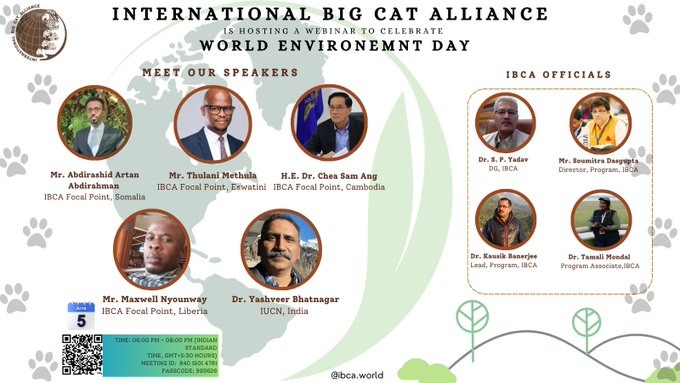
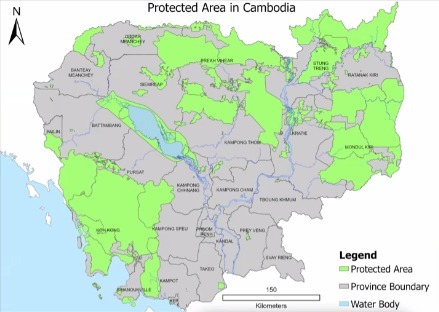
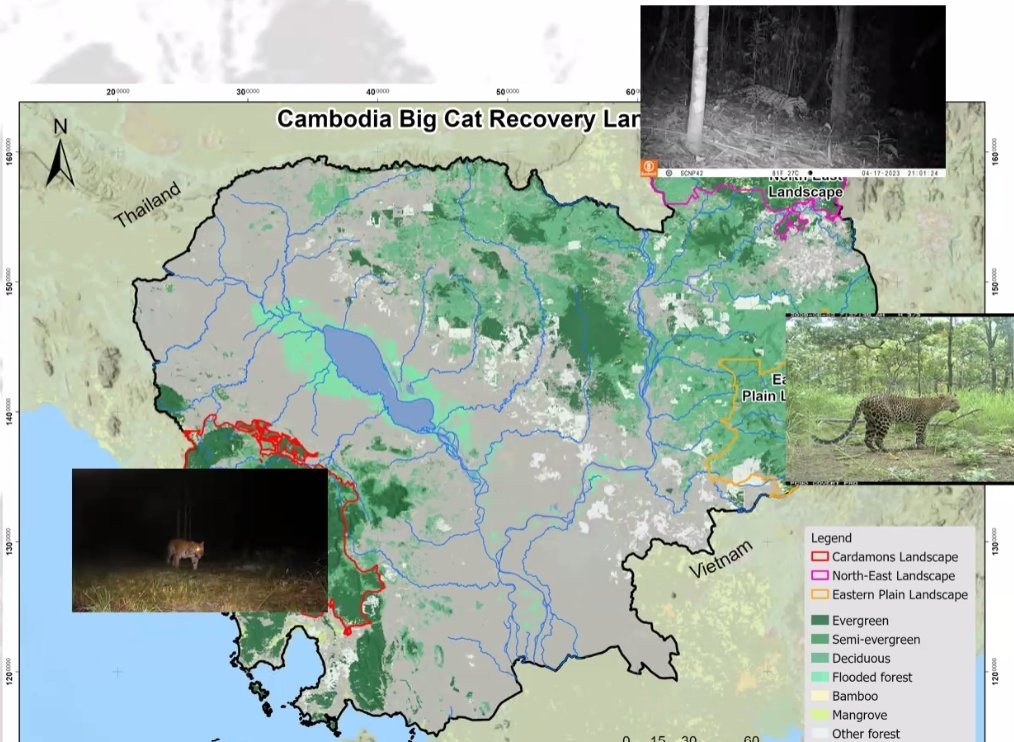
Dr. SP Yadav, Interim Head IBCA, highlighted the importance of big cat conservation during a webinar on World Environment Day, June 5, 2025. He called for innovative strategies and international partnerships to protect these species and their habitats. H.E. Dr. Chea Sam Ang from Cambodia shared the nation’s expanding conservation efforts, noting the increase in protected areas and rangers, and emphasized the ambitious tiger reintroduction program aimed at ecosystem restoration and climate resilience.
Supported by unredd+, Cambodia's program also focuses on recovering other big cats despite challenges such as illegal wildlife trade. Dr. Yash Veer Bhatnagar from IUCN shared experiences of human-wildlife coexistence in India, where community engagement helps sustain large carnivores like snow leopards outside protected areas.
Mr. Abidrashid Artan Abdirahman from Somalia discussed the country's ban on single-use plastics in 2024 to reduce wildlife threats, while Mr. Thulani Methula from Eswatini celebrated the reintroduction of cheetahs to Hlane Royal National Park after years of absence. Mr. Maxwell Nyounway from Liberia emphasized the country's commitment to protecting its big cats and their rich forest ecosystems.
In closing, Mr. Soumitra Dasgupta from IBCA thanked participants for their contributions and underscored the interconnection between human survival and ecosystem health. He assured continued engagement with member countries in future initiatives.
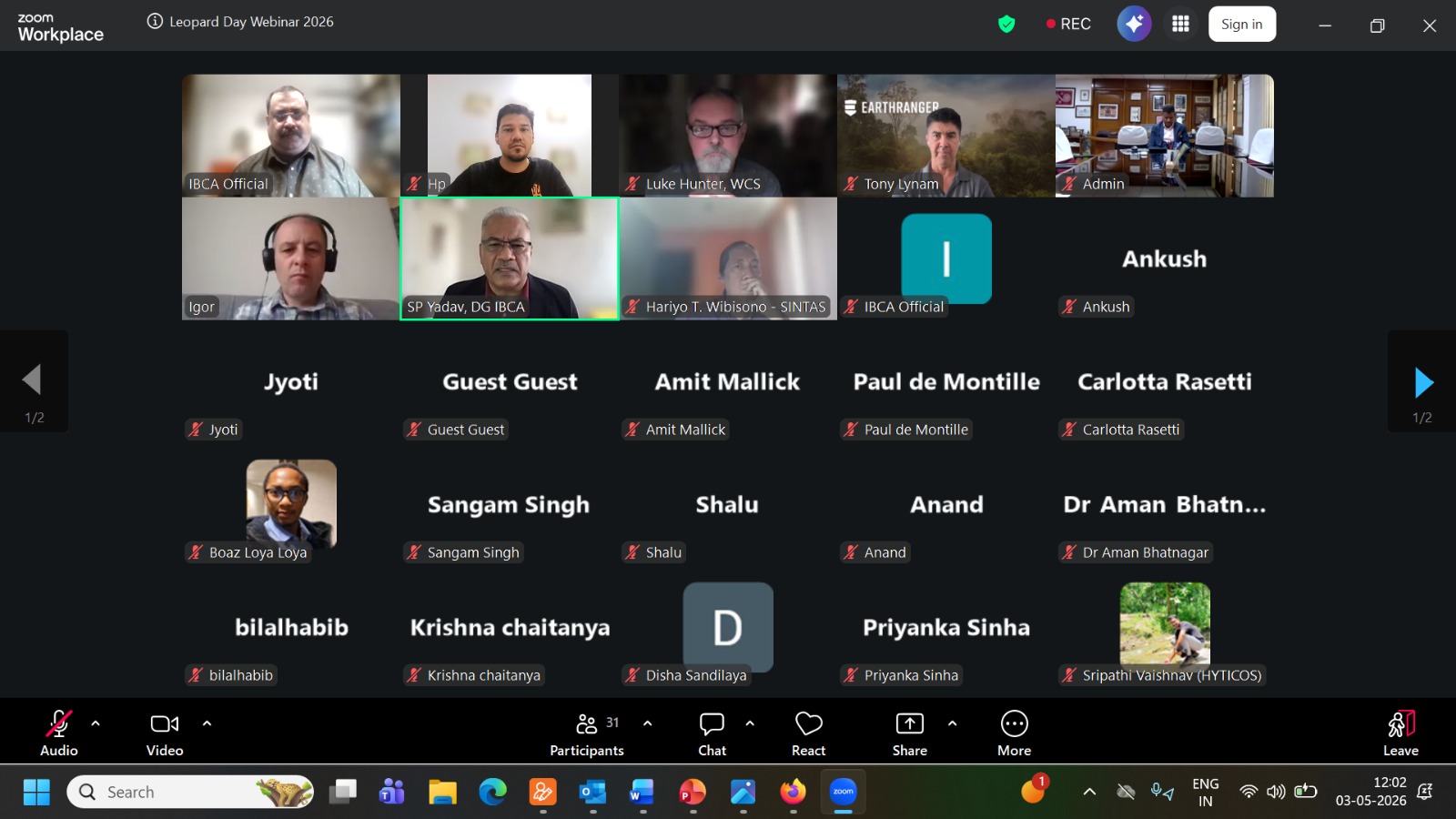
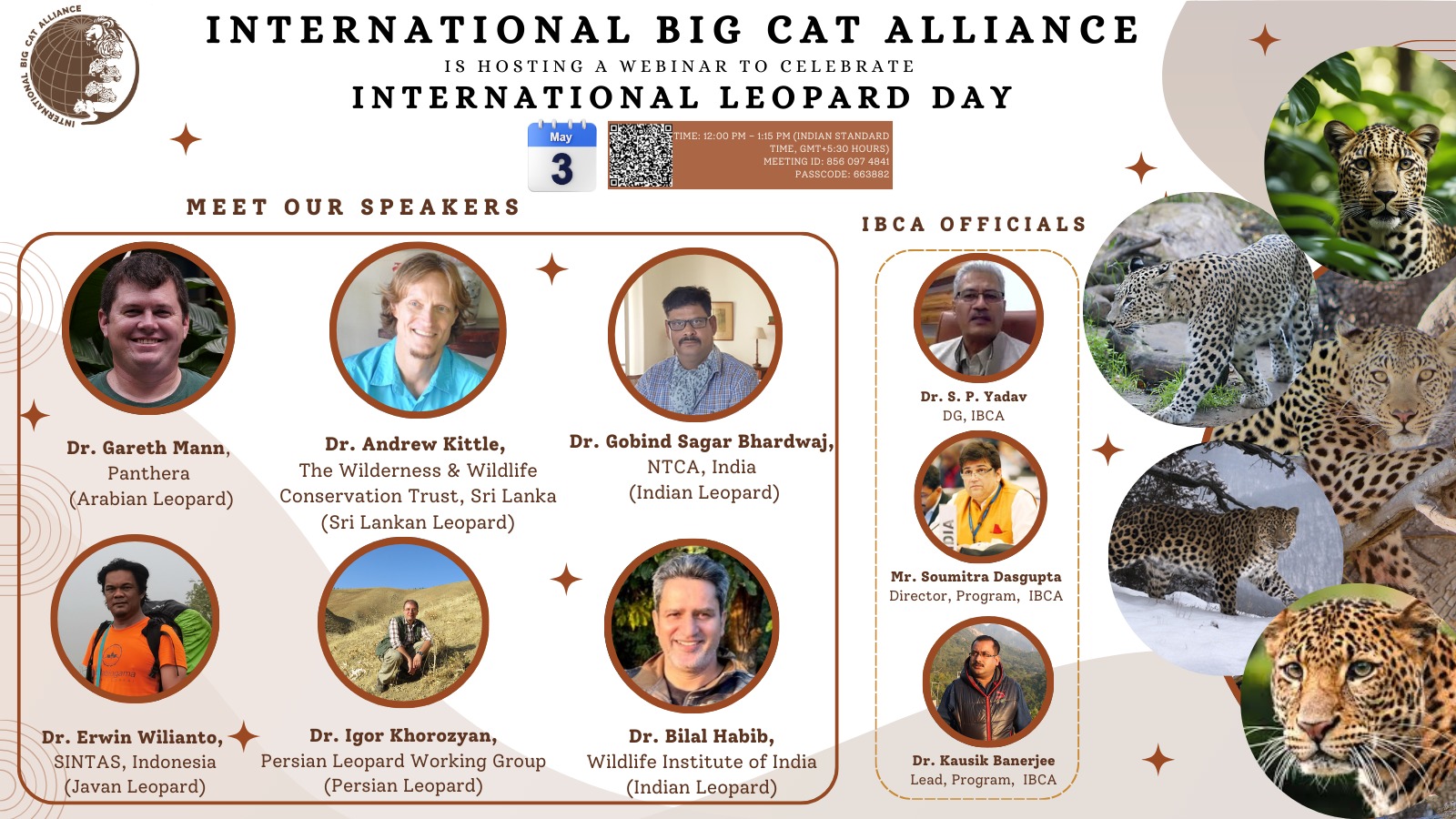
The International Leopard Day webinar commenced with a welcome address by Dr Kausik Banerjee, Lead Specialist, IBCA who set the tone for the discussions ahead. He emphasized the significance of dedicating this day to leopards- International Leopard Day, observed annually on May 3, was officially established in March 2023 during the inaugural Global Leopard Conference.
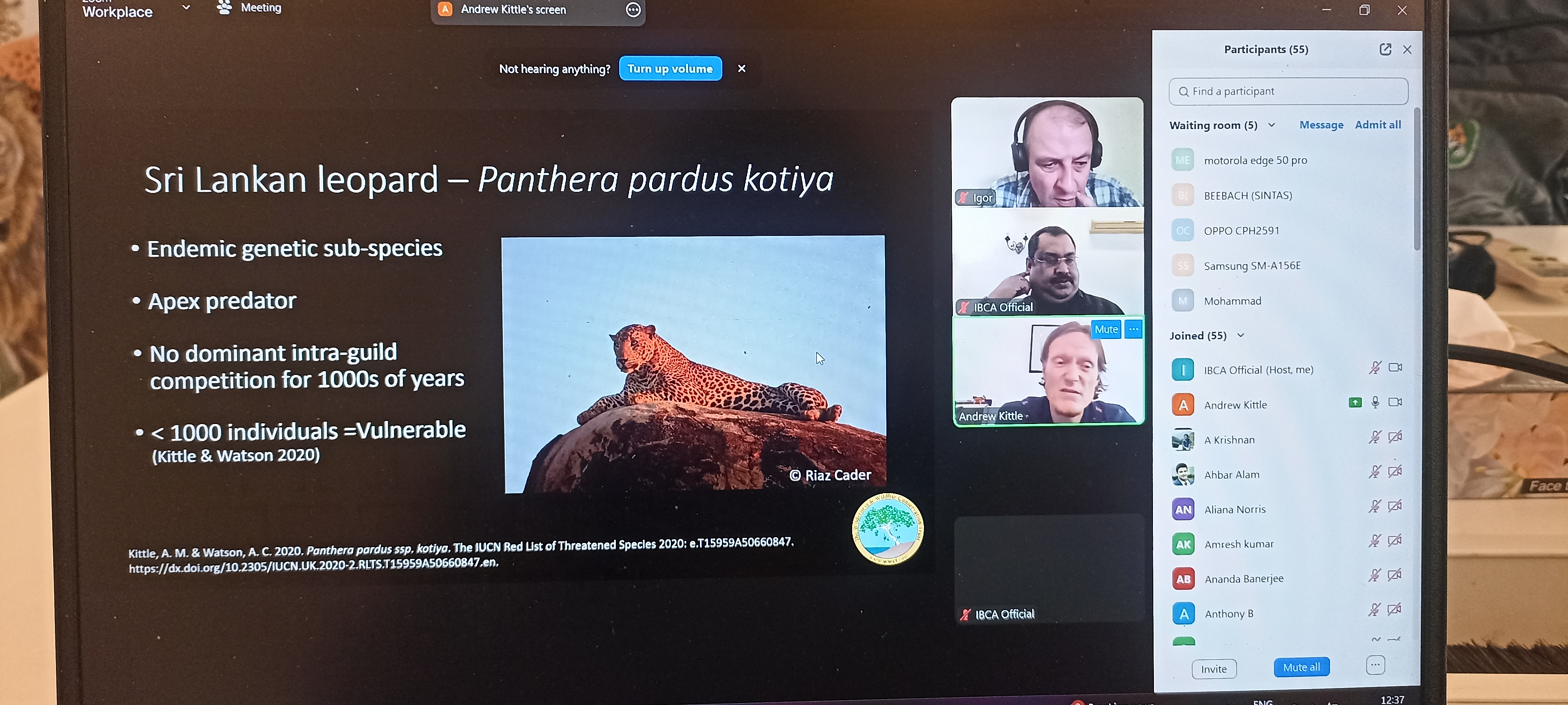
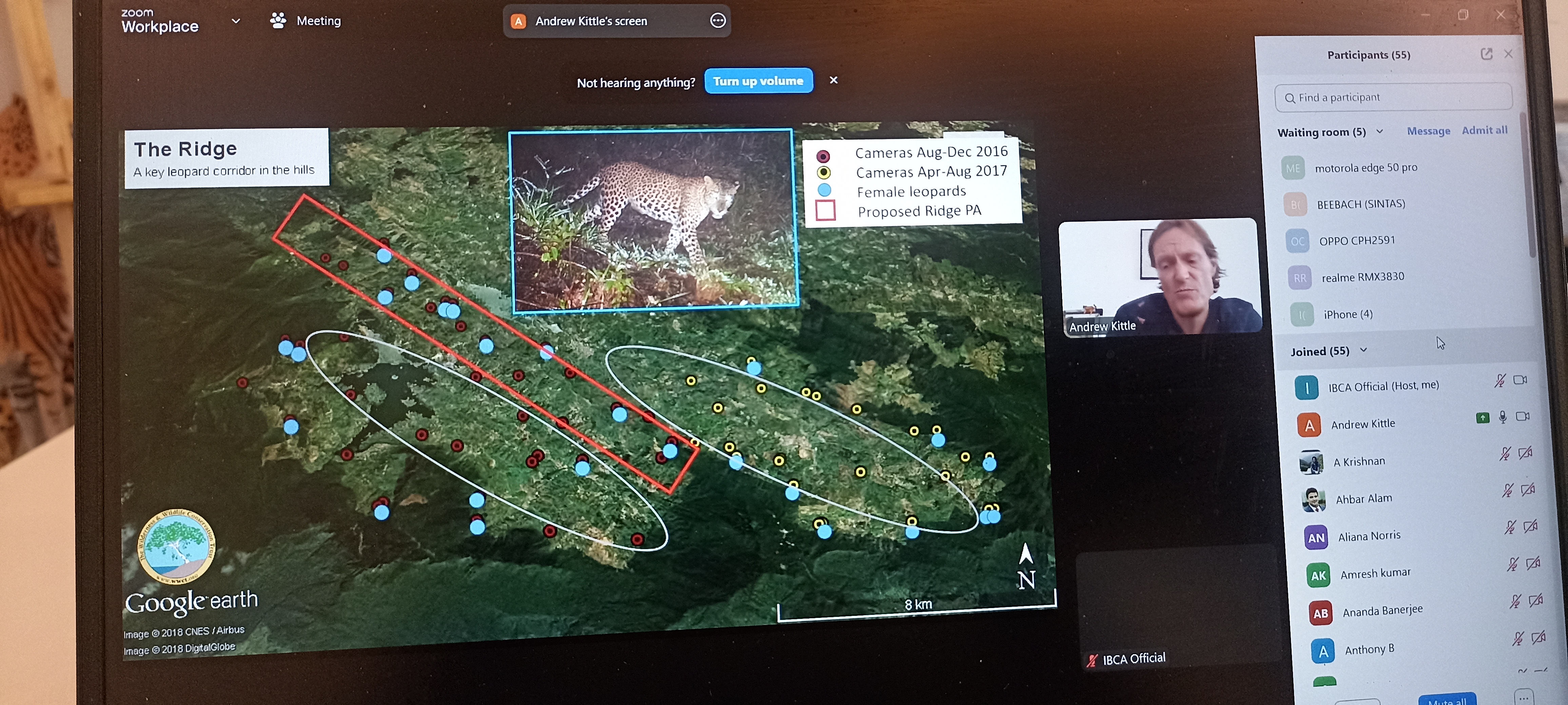
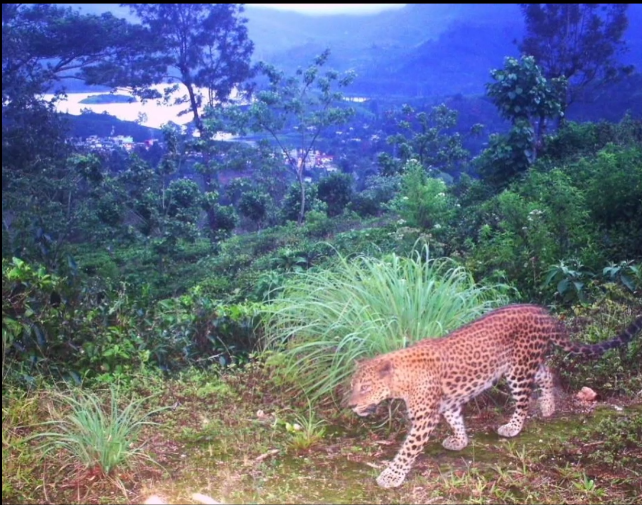
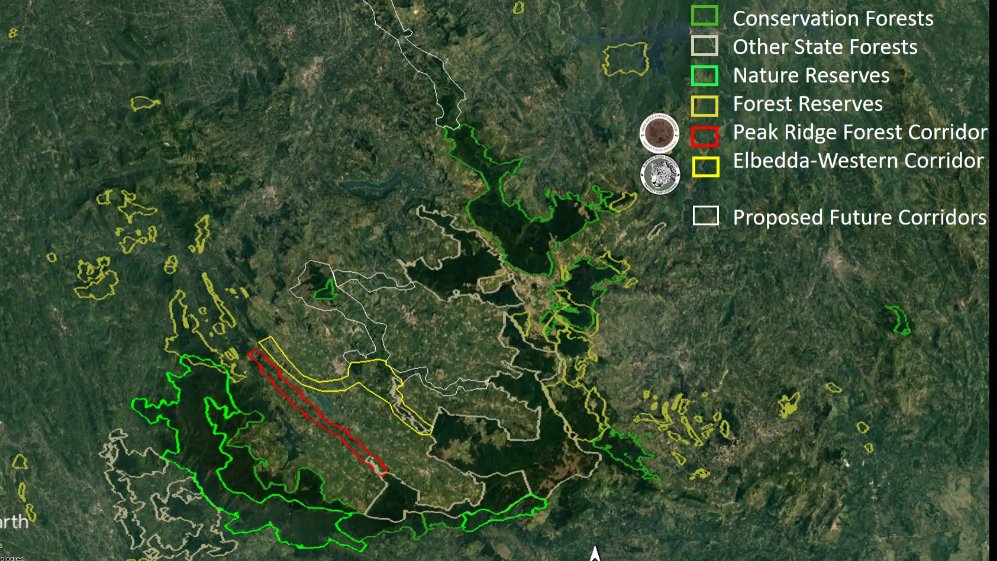
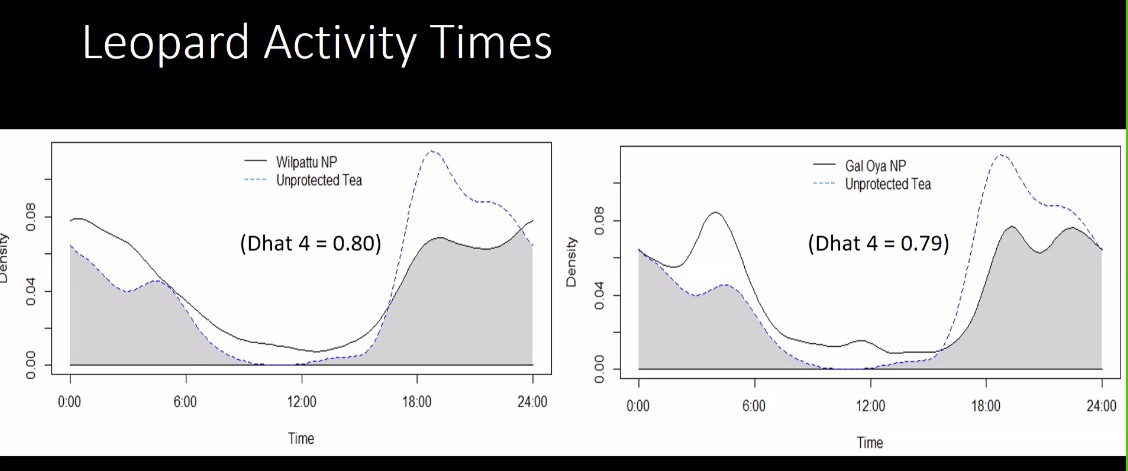
In the webinar, Dr. Andrew Kittle, The Wilderness & Wildlife Conservation Trust, Sri Lanka highlighted efforts through Peak Ridge & Elbedda Ridge corridors—blending community, habitat, and predator conservation.
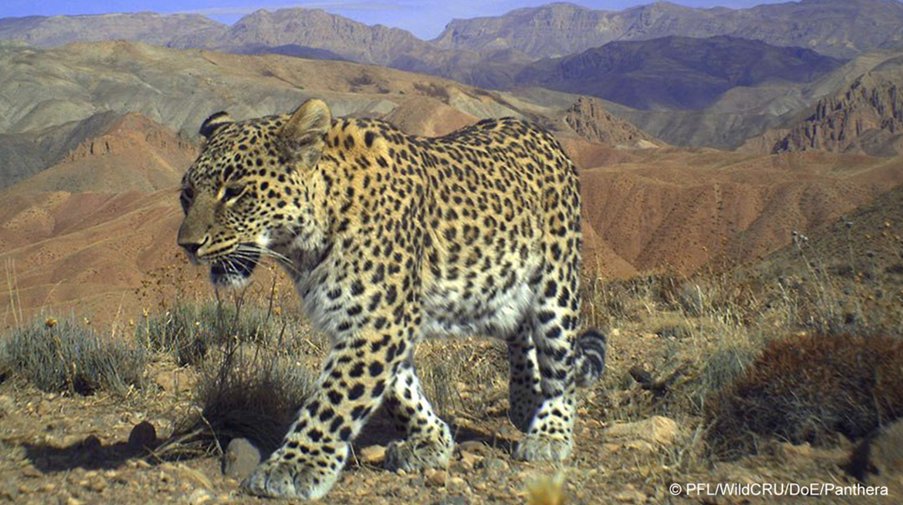
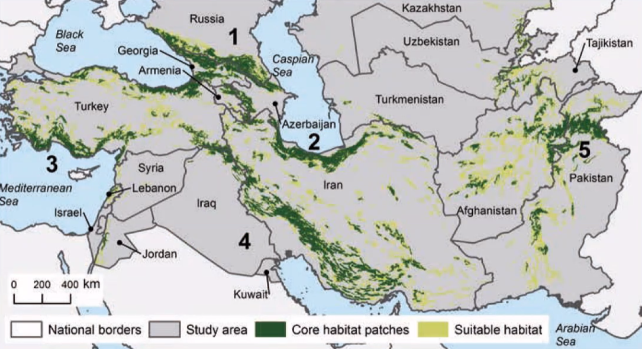
Dr Igor from Persian Leopard Group stressed urgent action on Persian leopard conservation as fewer than 2,500 mature individuals remain, with key recovery potential in the Caucasus & Zagros Mountains. Connectivity is critical and Only 30% of core habitats are occupied by Persian Leopards.
0nly 319 Javan leopards remain in the wild. Dr. Erwin Wilianto Sintas, Indonesia, in the International Leopard Day webinar, highlighted the urgent need for action: just 5 of 29 suitable landscapes can support viable populations. Surveys & shared strategies are key to saving this critically endangered. Only 40–70 Arabian leopards remain in the wild, with over 98% of their habitat lost. In the webinar, Dr. Gareth Mann from Panthera highlighted steps for recovery of leopards: captive breeding, new facilities, and reintroduction plans under Saudi Arabia’s initiative. Mr. Soumitra Dasgupta, Director, Program, IBCA expressed heartfelt gratitude to leopard conservationists worldwide for their tireless efforts. He reflected on the day’s rich discussions, which highlighted both the beauty and vulnerability of leopards, from the forests of Russia to the dry landscapes of Saudi Arabia and the tea gardens of Sri Lanka. Concluding with a powerful message, he said, ‘The leopard may not roar like other big cats, but its loss will echo across the wild.’