DG IBCA Meets Ambassador of India to Cambodia to Strengthen Cooperation on Big Cat Conservation
Date: 6 October, 2026
Read More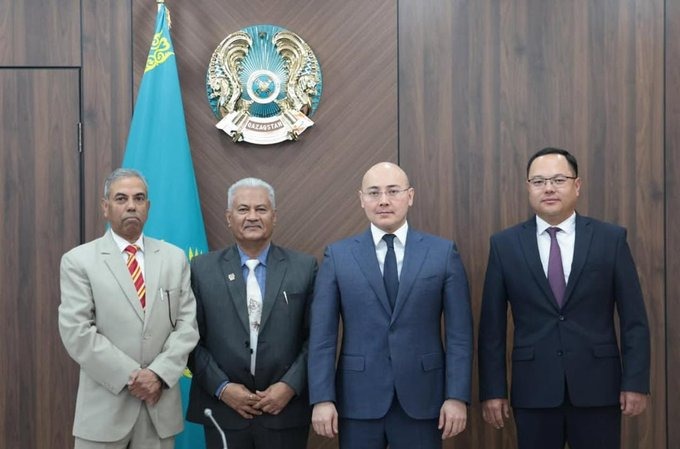
IBCA DG Meets Kazakhstan’s Minister of Ecology and Natural Resources to Discuss Big Cat Conservation Cooperation
Date: 30 September, 2026
Read More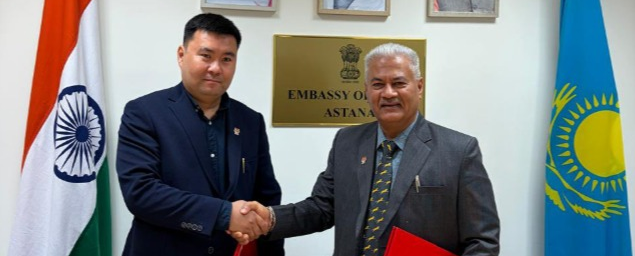
IBCA and Global Nature Initiative Sign MoU to Strengthen Big Cat Conservation Cooperation in Kazakhstan
Date: 29 September, 2026
Read More.png
)

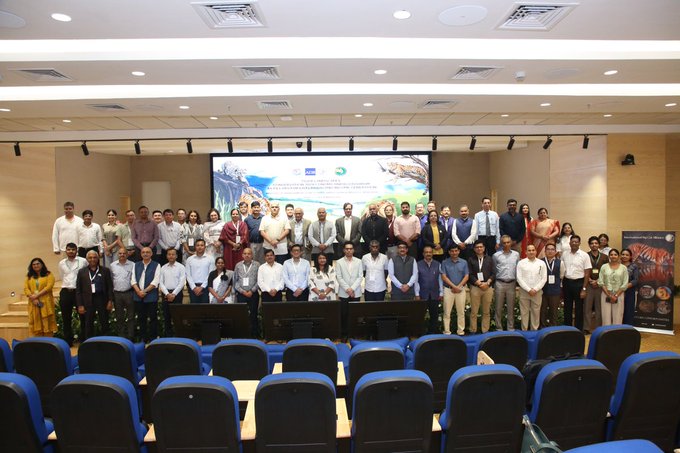
Tiger Landscapes: Conservation, Bioeconomy and Ecotourism as Pillars for Livelihood and Income Generation
Date: 1–3 September, 2026
Read More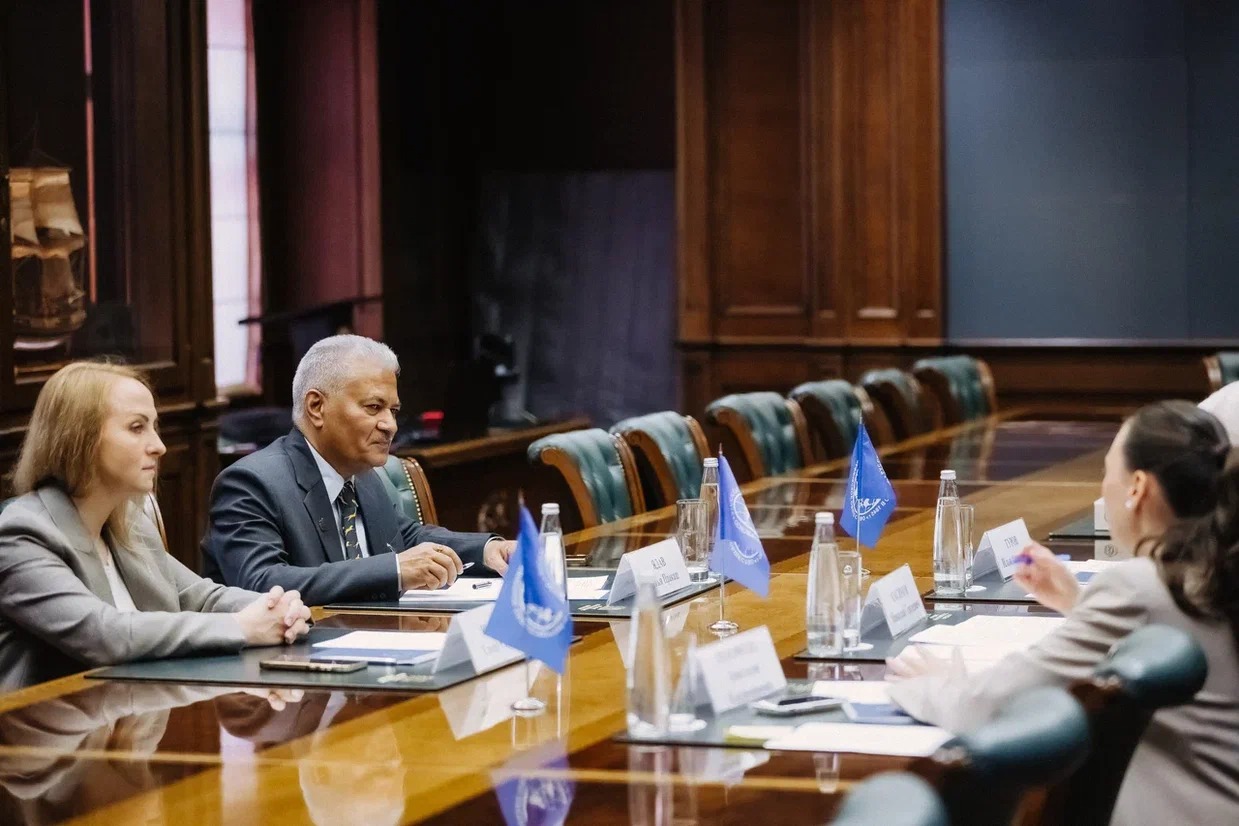
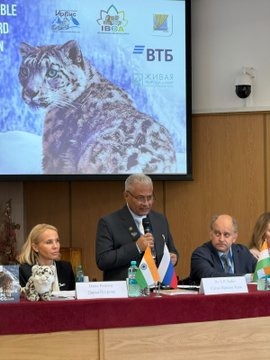
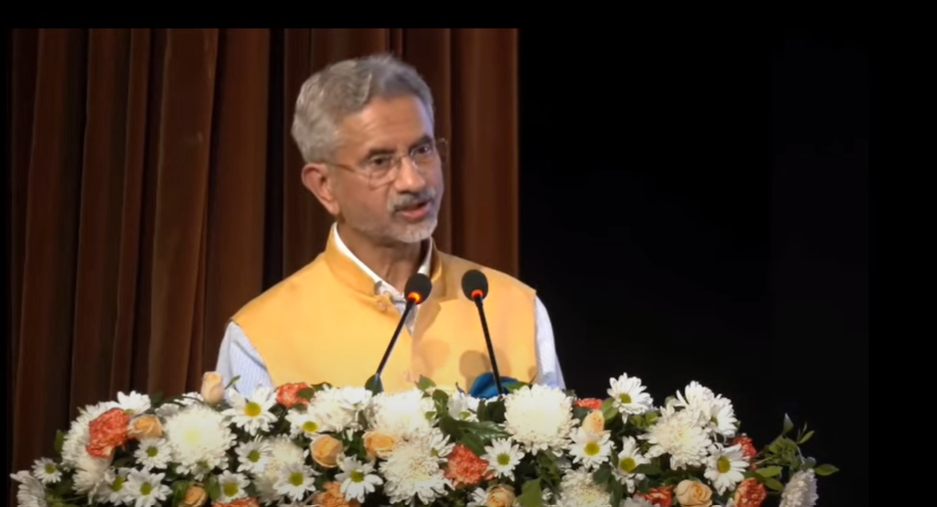
IBCA Director General Highlights Importance of Snow Leopard Conservation at Russia-India Round Table
Date: 27 August, 2026
Read More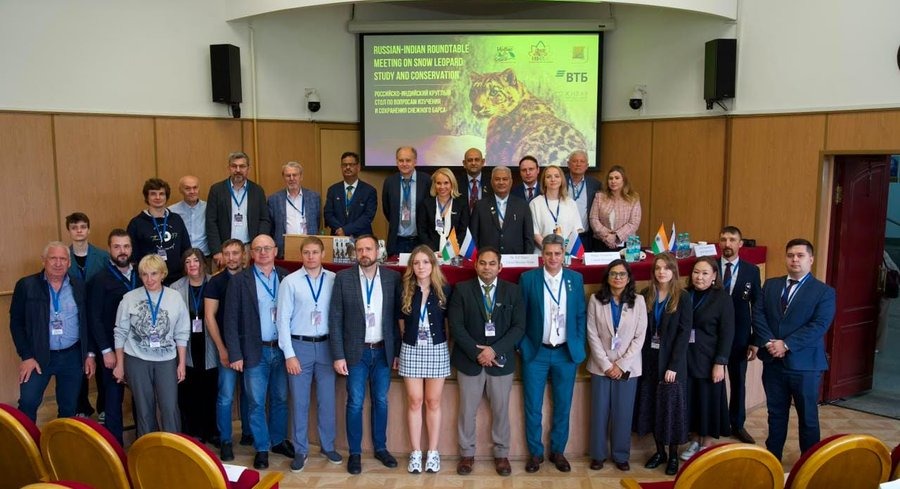
Russia-India Round Table on Snow Leopard Conservation Held in Moscow
Date: 27 August, 2026
Read More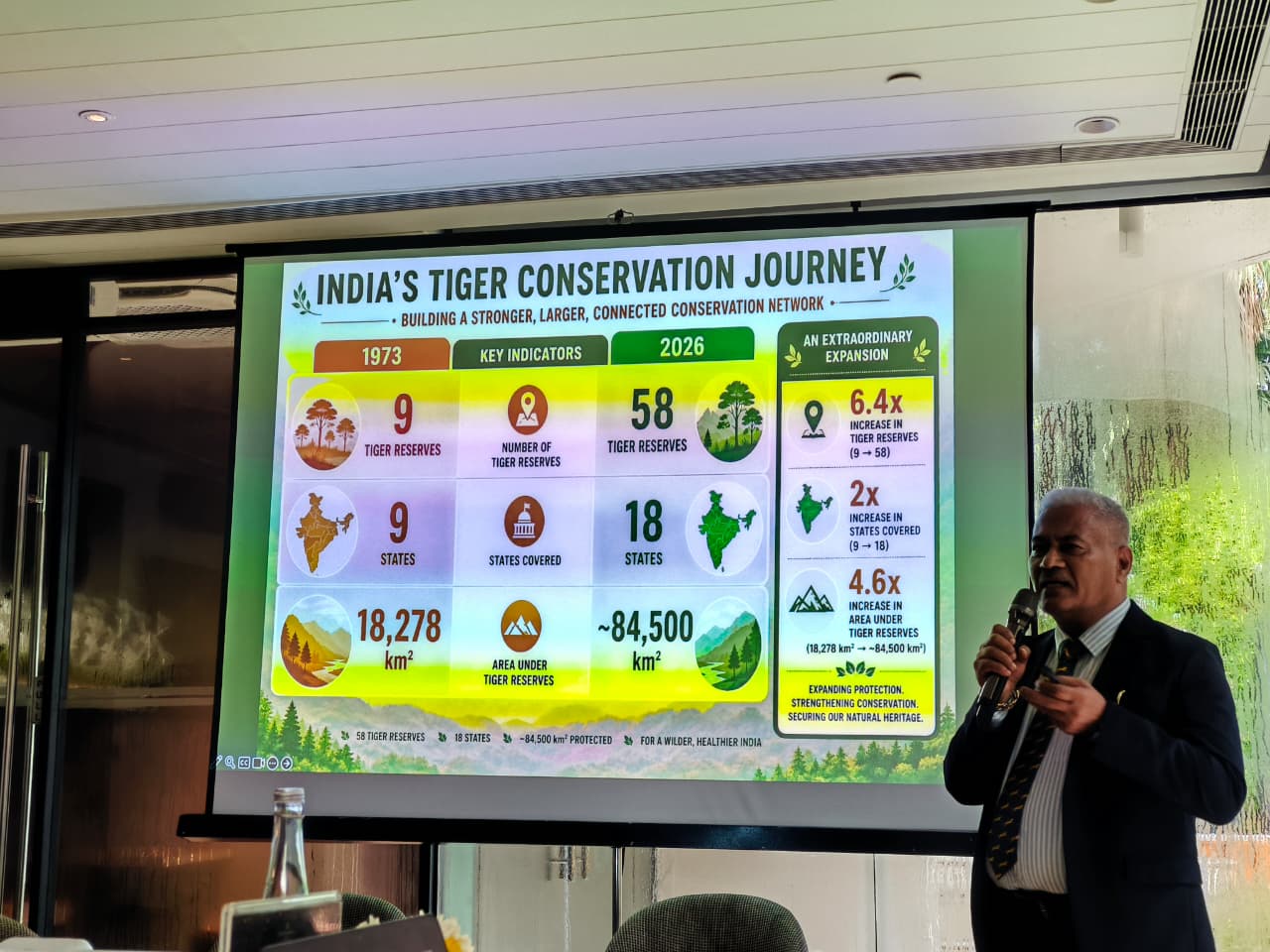
DG, IBCA Highlights India’s Tiger Conservation Success at 30x30 Dialogue
Date: 24 August, 2026
Read More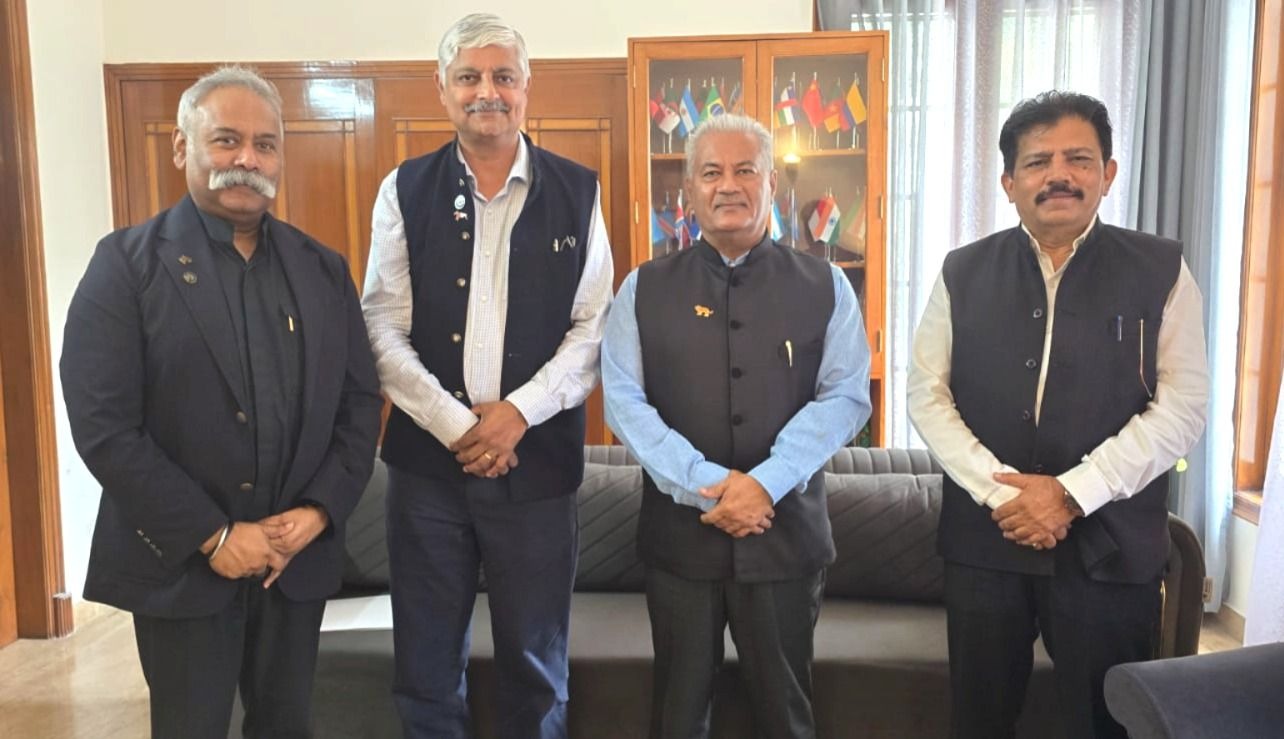
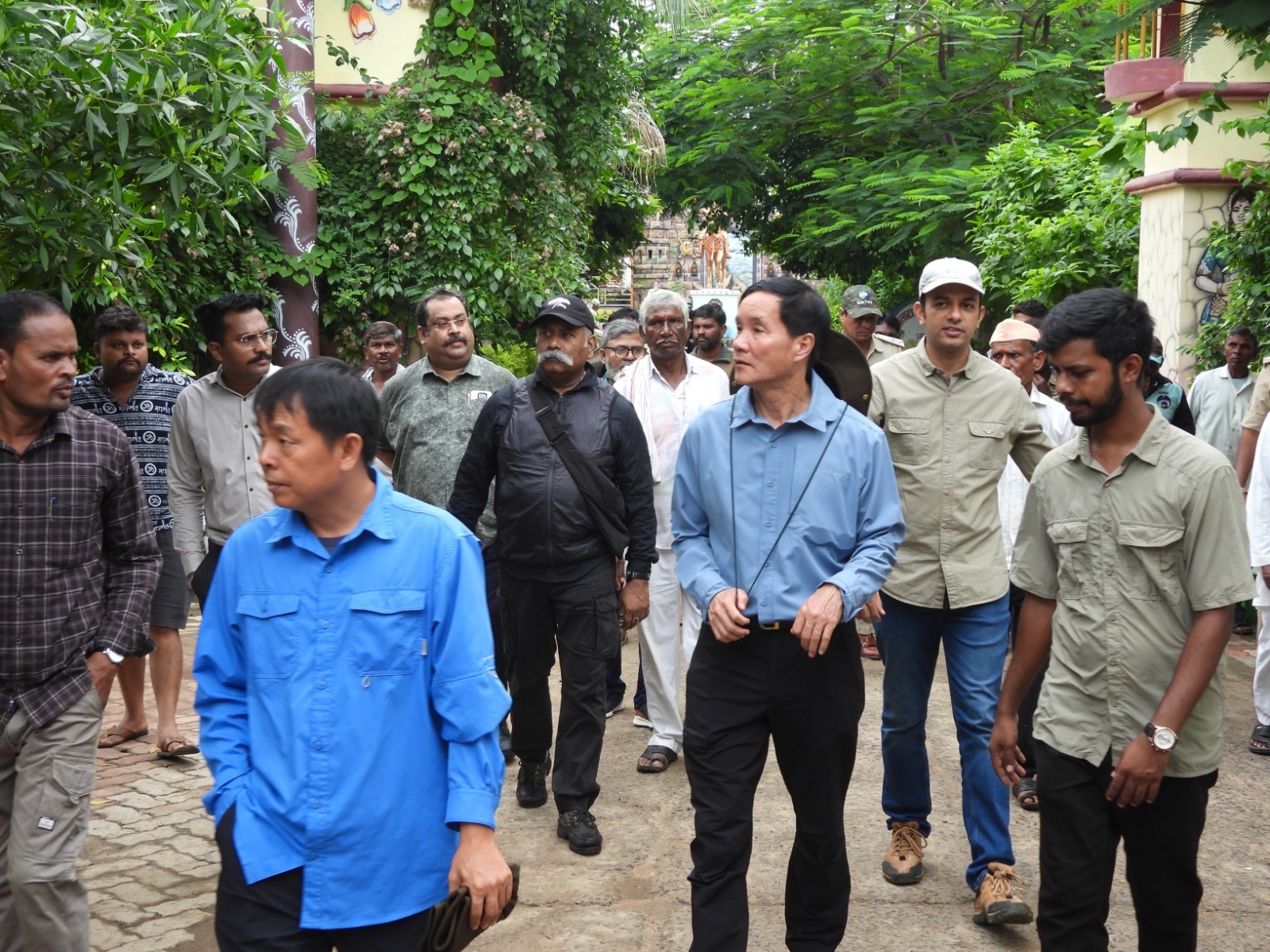
IBCA Delegation Visits Tadoba-Andhari Tiger Reserve to Learn Best Practices in Tiger Conservation and Community Stewardship
Date: 30 July, 2026

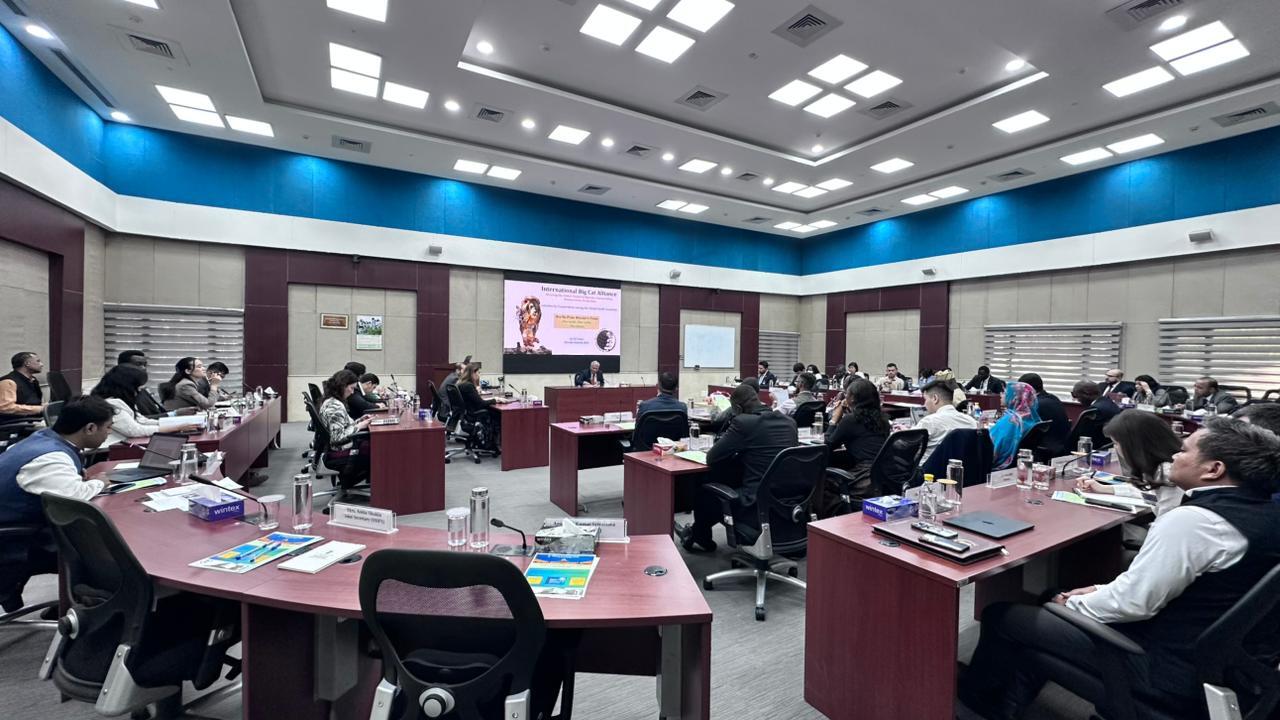
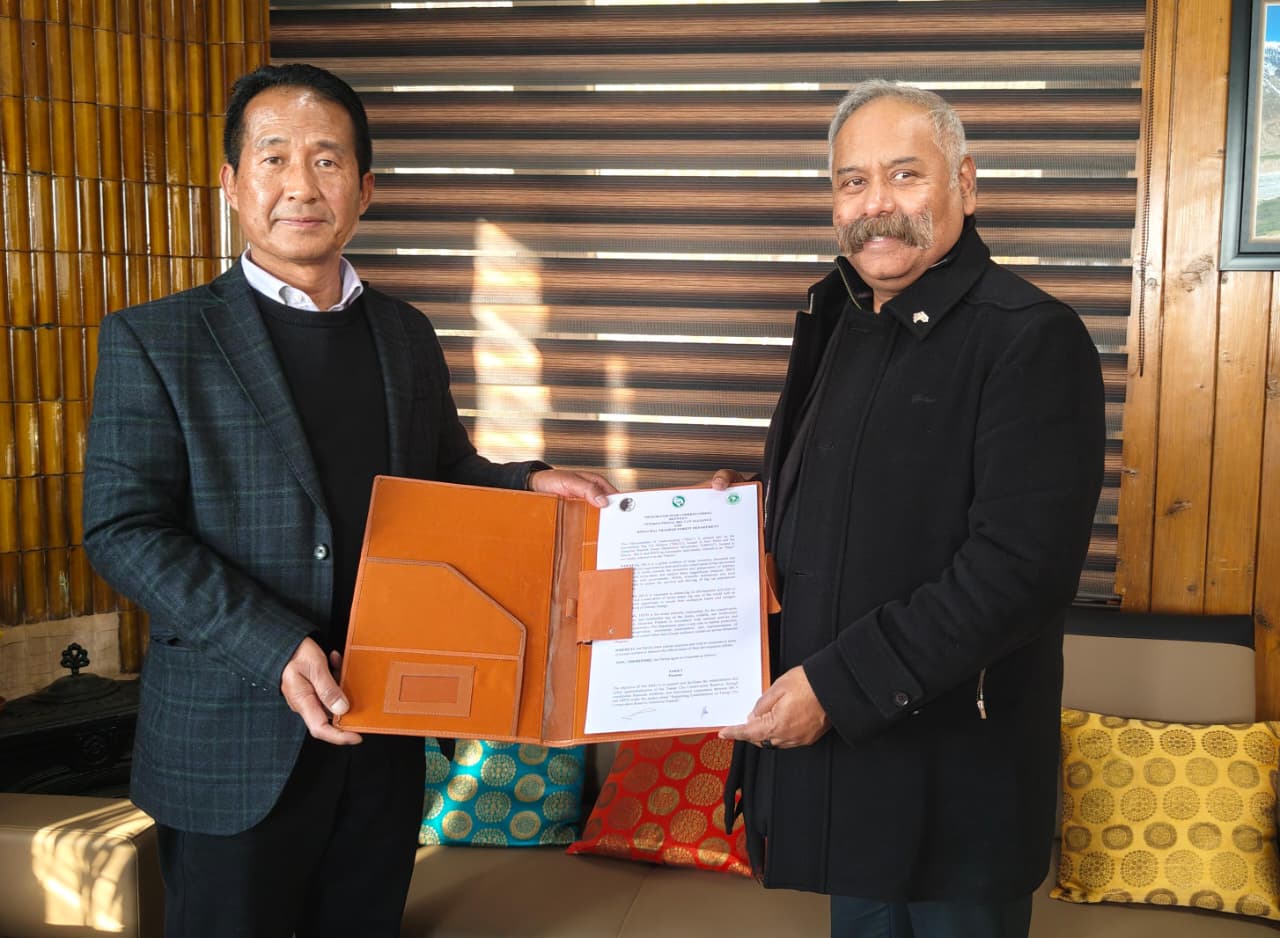
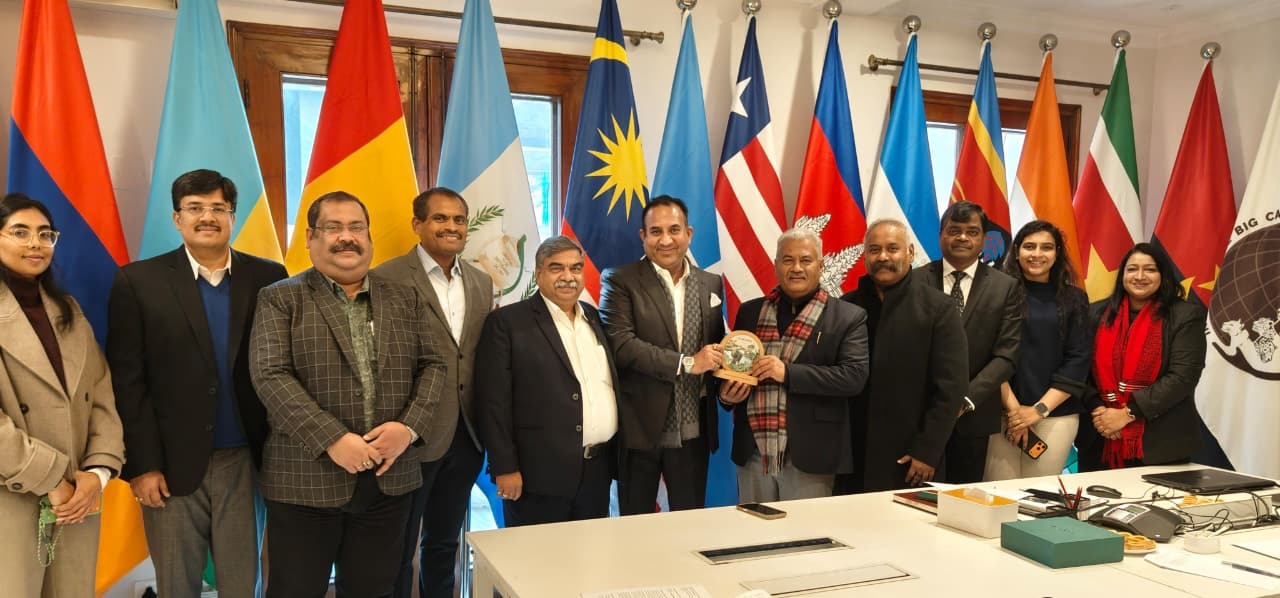
Collaborative meeting between IBCA and GZRRC on PRIME-CAT initiative for Capacity Building
Date: 15 January, 2026
Read More

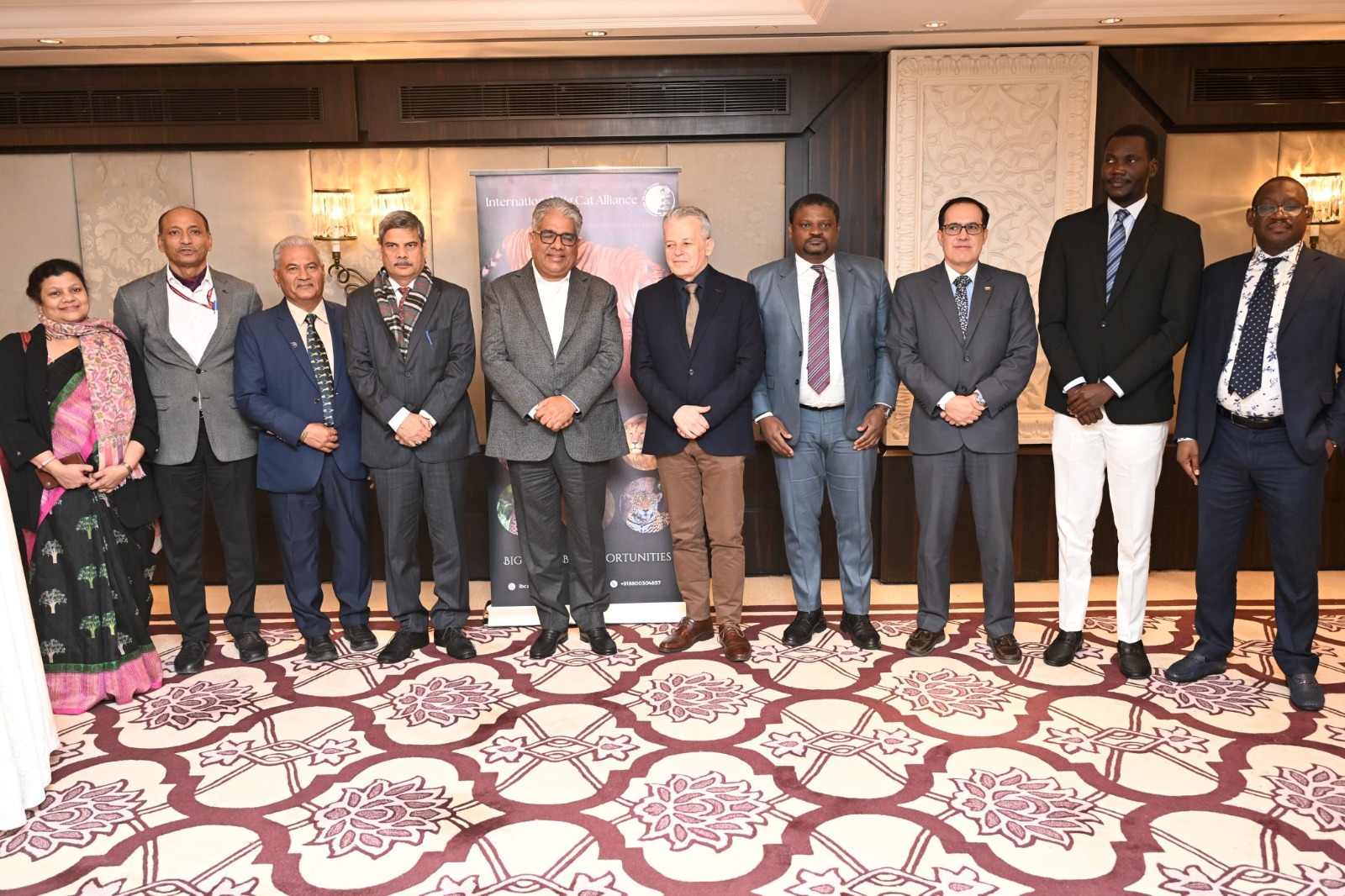
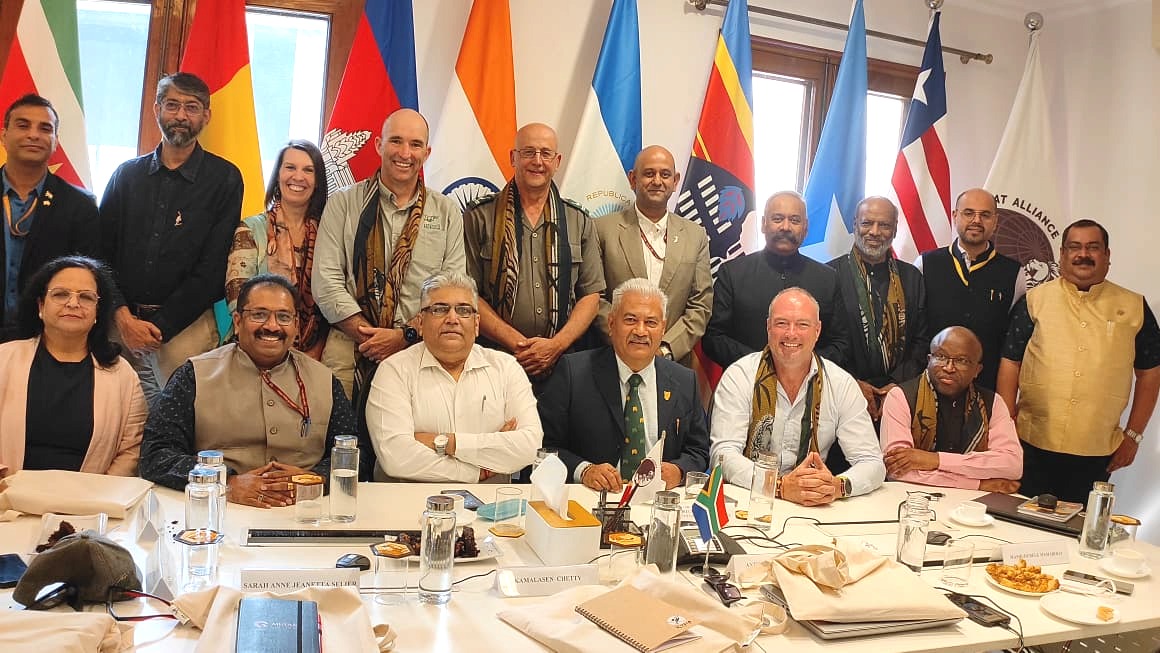

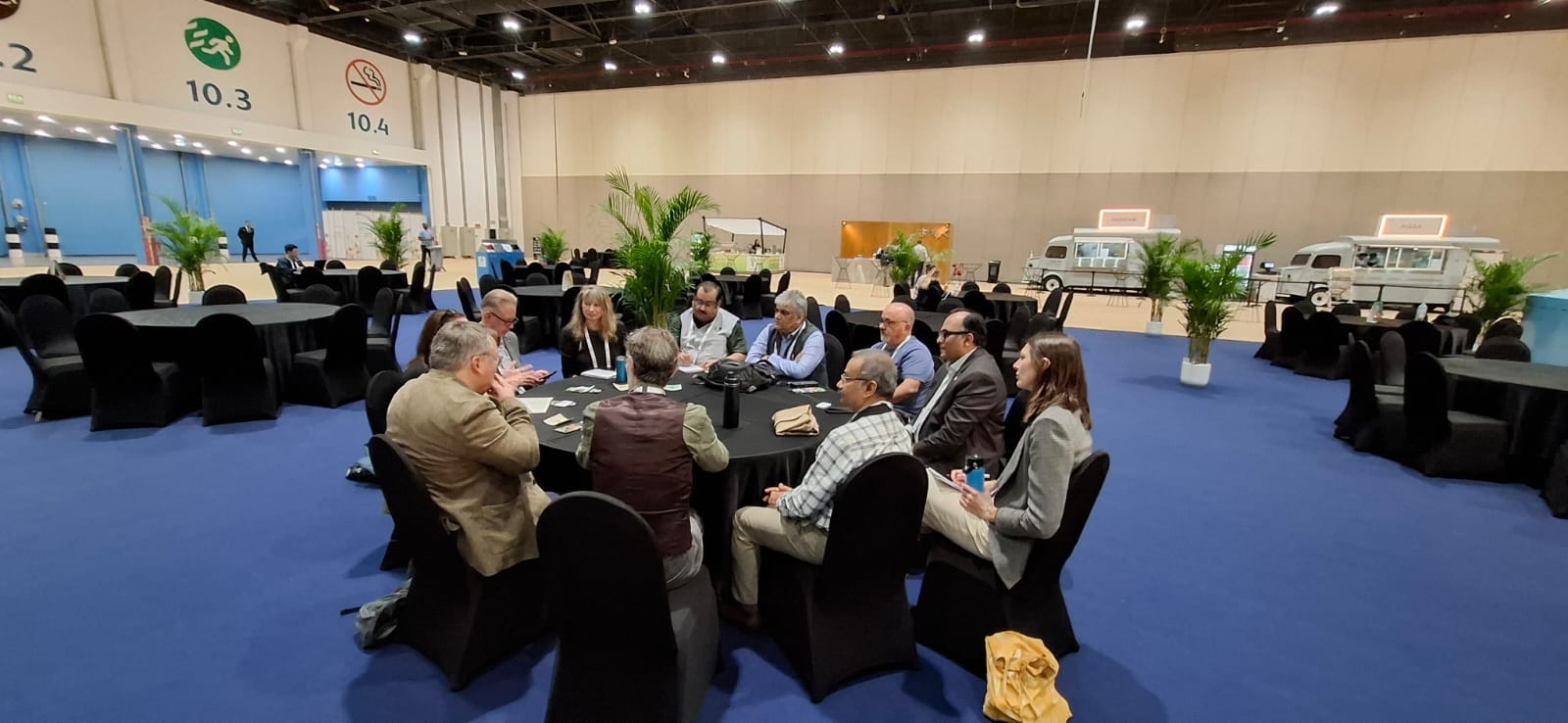
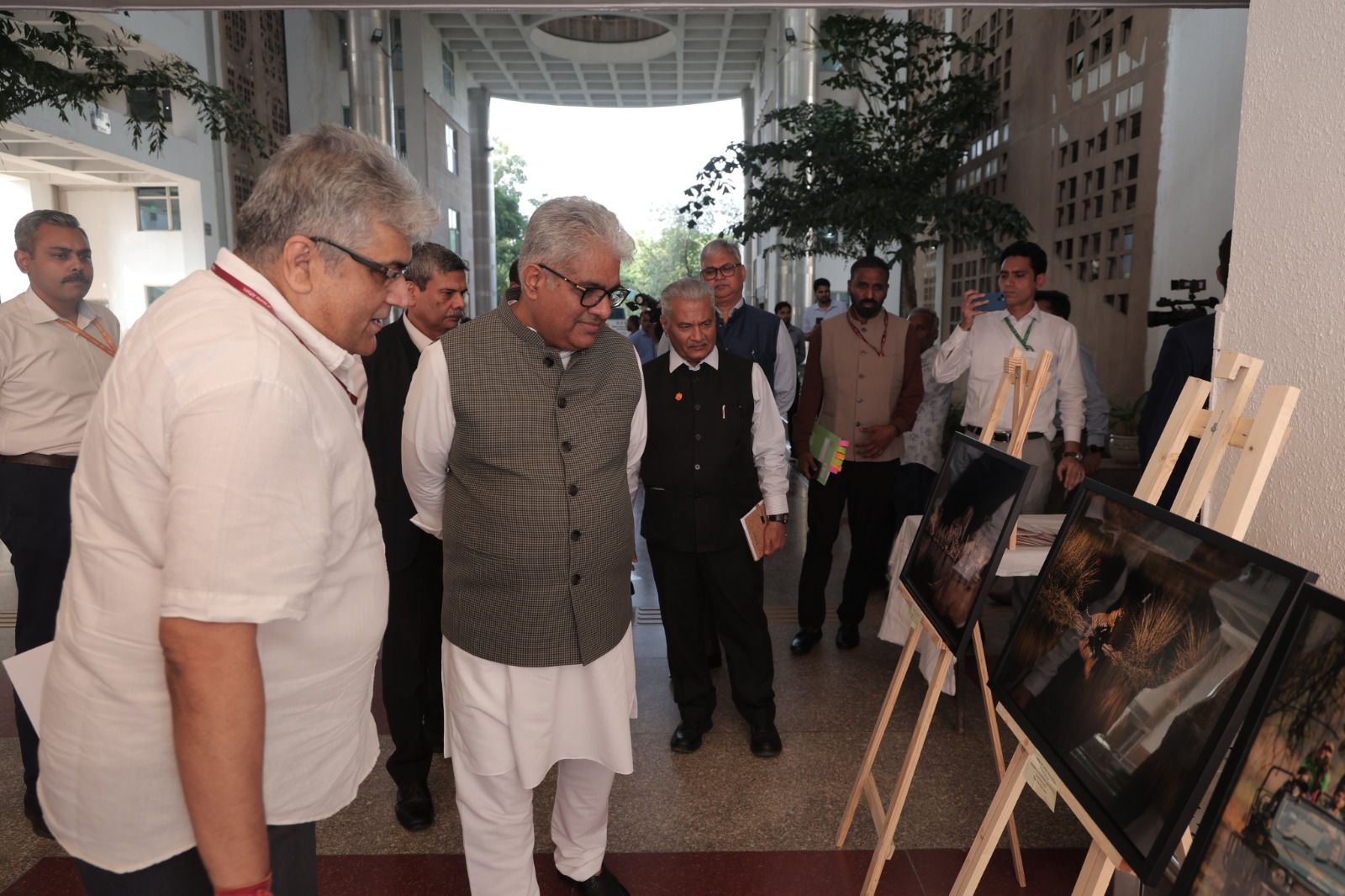
International Olympiad on Climate Change and Environmental Issues, Sirius, Russia
Date: 13-21 September, 2025
Read More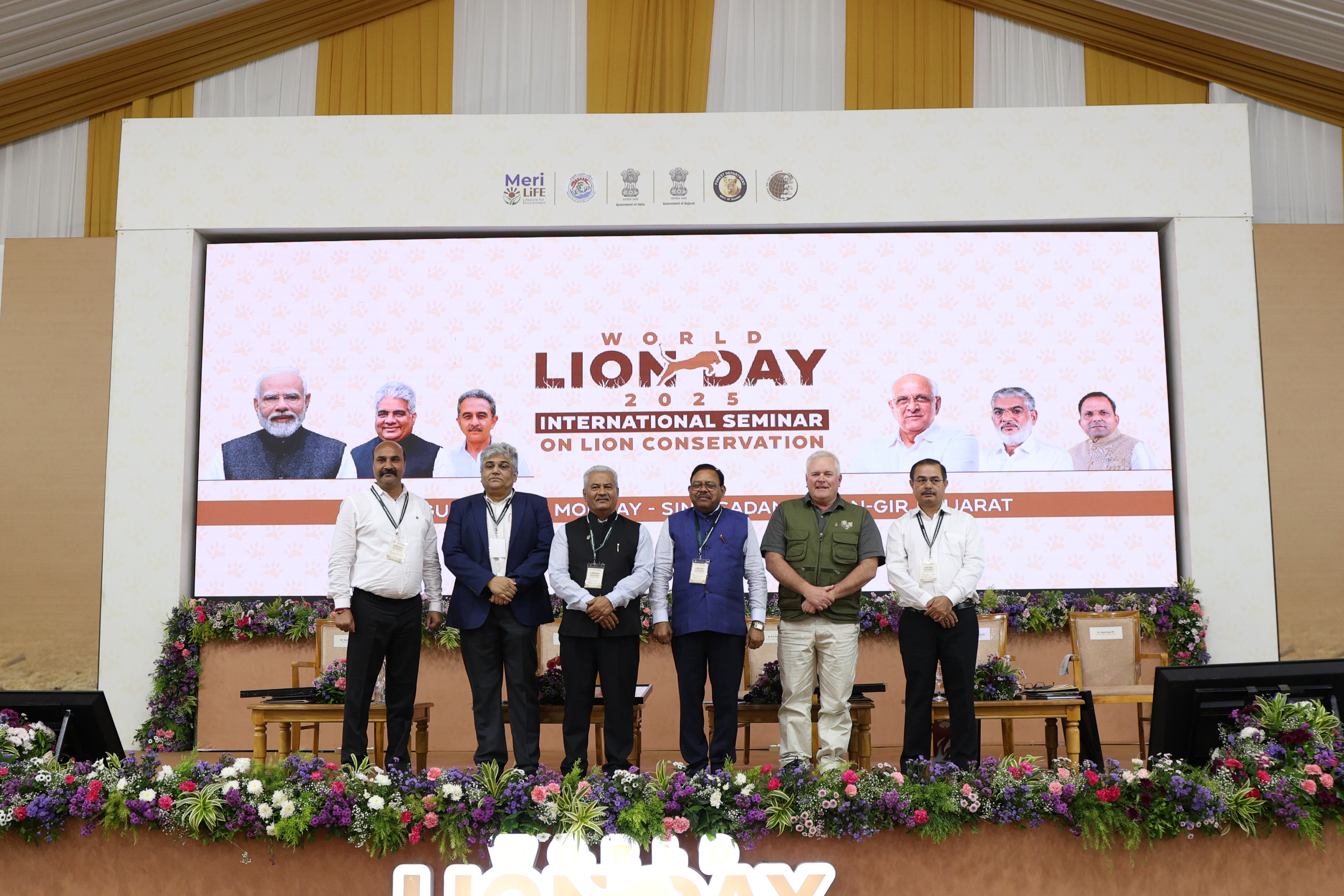
“Curtain Raiser” event IBCA for upcoming International Conference of Big Cat Range Countries
Date: 10 May, 2025
Read More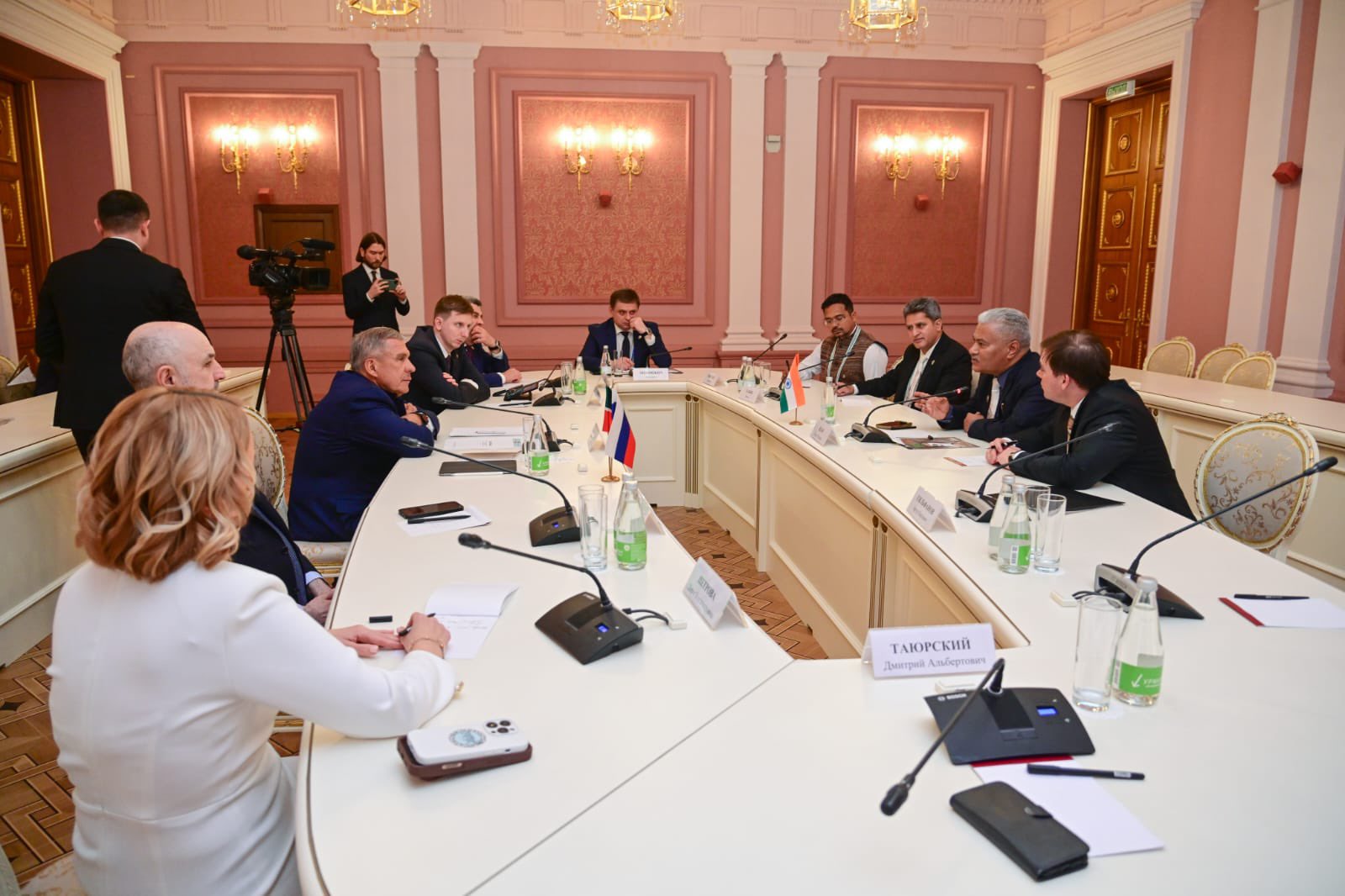
International Conference on ‘Study and Conservation of Snow Leopard in the World: Joining Efforts’
Date: 13-15 March, 2025
Read More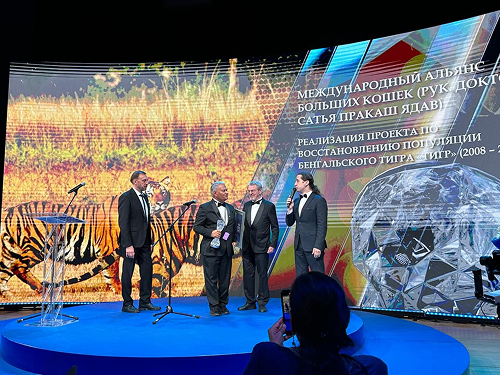
Interim Head IBCA, Dr. S. P. Yadav conferred the International Crystal Compass Award
Date: 25 May, 2025
Read More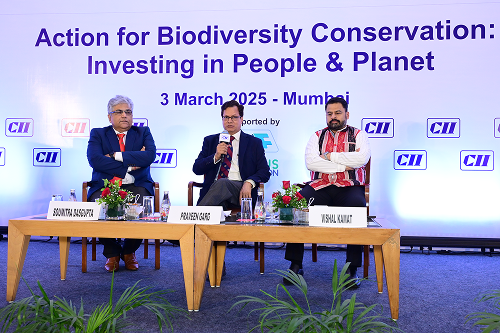
Conference on Action for Biodiversity Conservation: Investing in People & Planet, Mumbai, India
Date: 3 March, 2025
Read More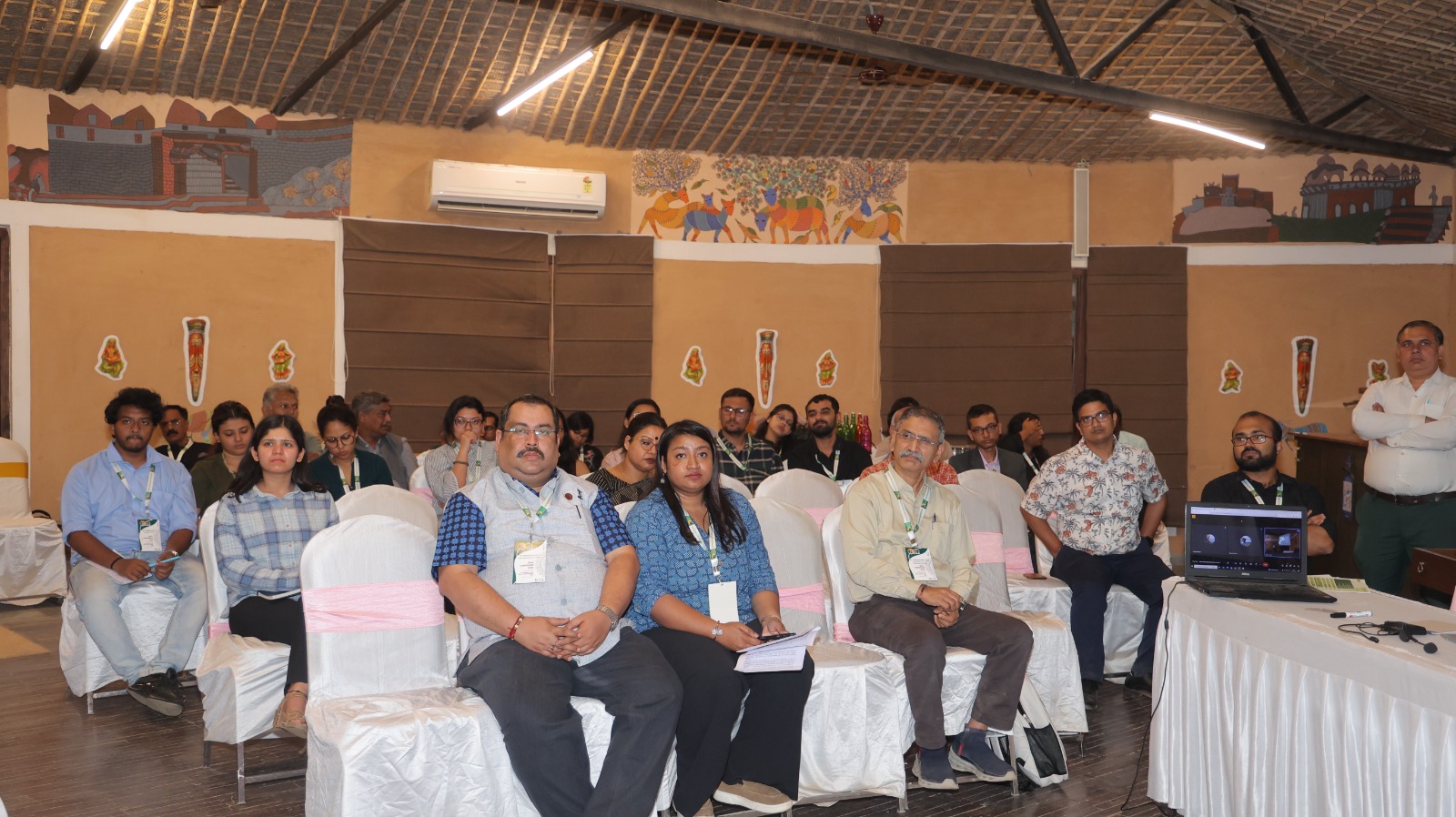


Advancing Regional Partnerships for Big Cat Conservation
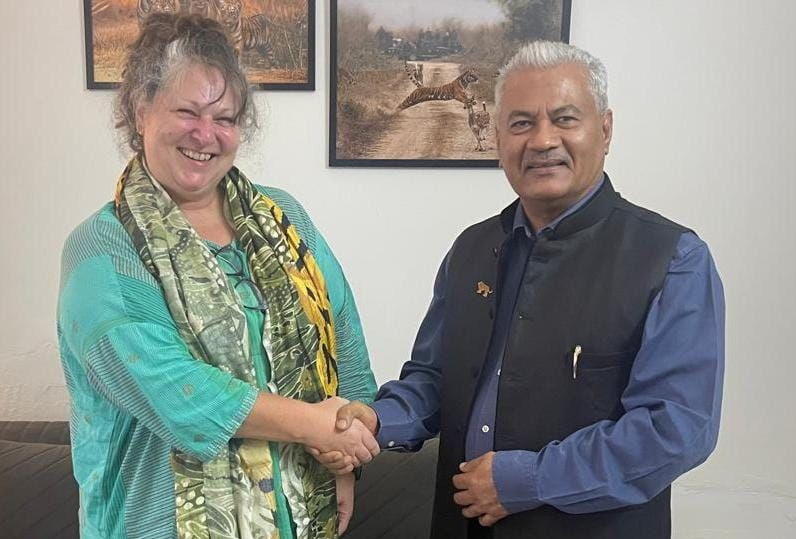
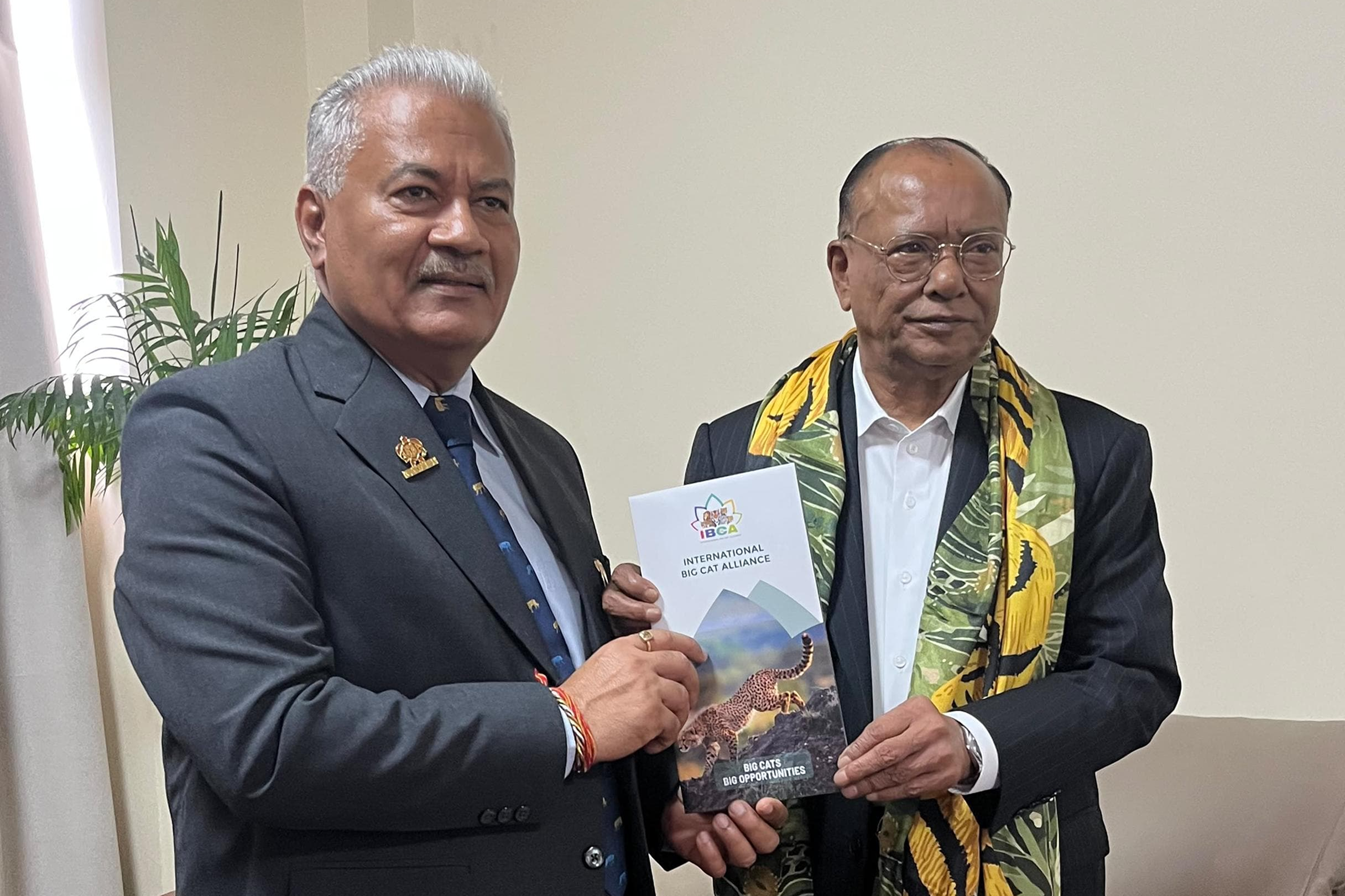
Dr. S.P. Yadav, Director General, International Big Cat Alliance (IBCA), had a cordial meeting with H.E. Mr. Abdul Awal Mintoo, Hon’ble Minister for Environment, Forest and Climate Change, Bangladesh, in Kathmandu, Nepal. Discussions focused on the status of Big Cat conservation, opportunities to strengthen cooperation, and IBCA’s support for conservation efforts.
IBCA DG Meets Kazakhstan’s Minister of Ecology and Natural Resources to Discuss Big Cat Conservation Cooperation
Dr. S.P. Yadav, Director General, IBCA, held a meeting with H.E. Mr. A.S. Kuantyrov, Minister of Ecology and Natural Resources of the Republic of Kazakhstan, in Astana, Kazakhstan.
The discussions focused on opportunities to strengthen cooperation in the field of big cat conservation, including the prospects of Kazakhstan joining IBCA as a Member Country. Areas of mutual interest discussed included tiger monitoring, forest fire management, big cat health management, carbon financing, emerging technologies and capacity building.
Senior officials from the Ministry of Ecology and Natural Resources, Kazakhstan, and the First Secretary of the Embassy of India in Kazakhstan also attended the meeting, reflecting the shared commitment towards strengthening international cooperation for big cat conservation and sustainable ecosystem management.
Strengthening Partnerships for Big Cats
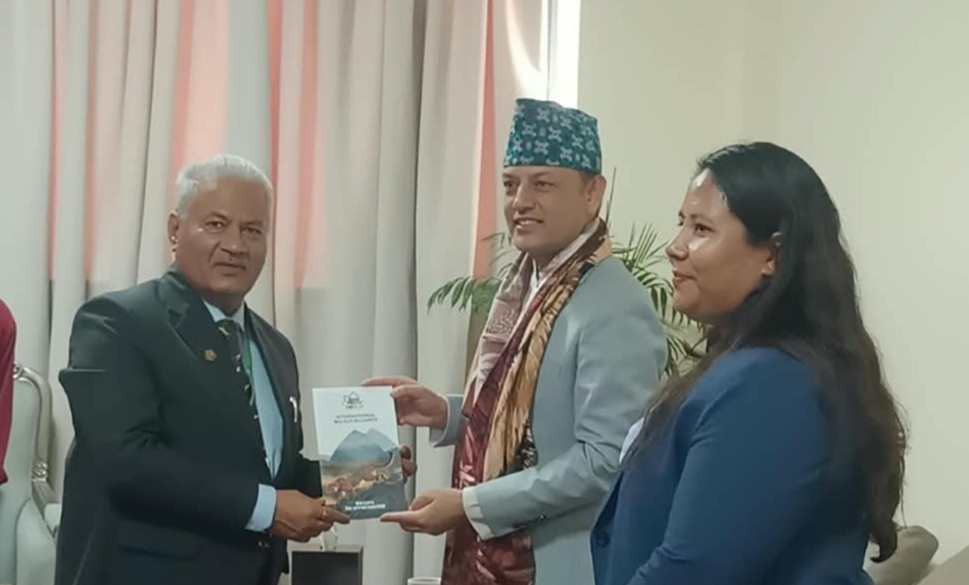
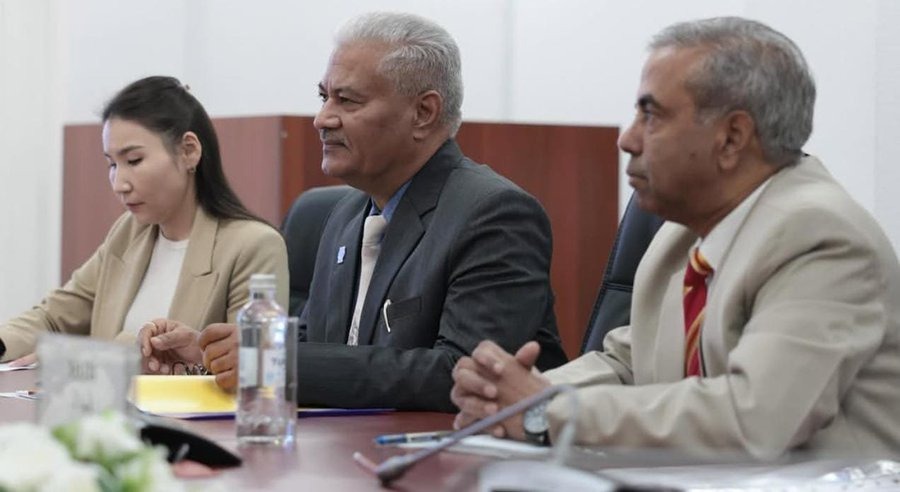
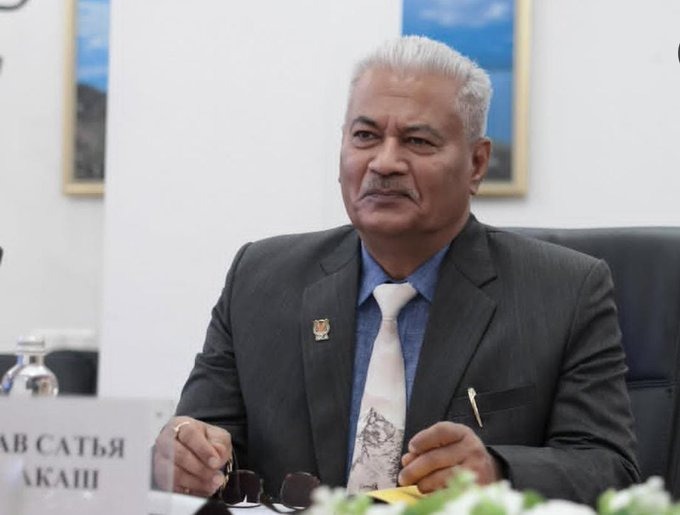
Dr. S.P. Yadav, Director General, International Big Cat Alliance (IBCA), held fruitful discussions with H.E. Mr. Dol Prasad Aryal, Hon’ble Speaker of the House of Representatives, Nepal, and H.E. Ms. Gita Chaudhary, Hon’ble Minister for Agriculture, Forests and Environment, Nepal, on the status of Big Cat conservation, the role of IBCA, and avenues for strengthening cooperation towards the conservation of Big Cats and their habitats.
DG, IBCA Highlights India’s Tiger Conservation Success at 30x30 Dialogue
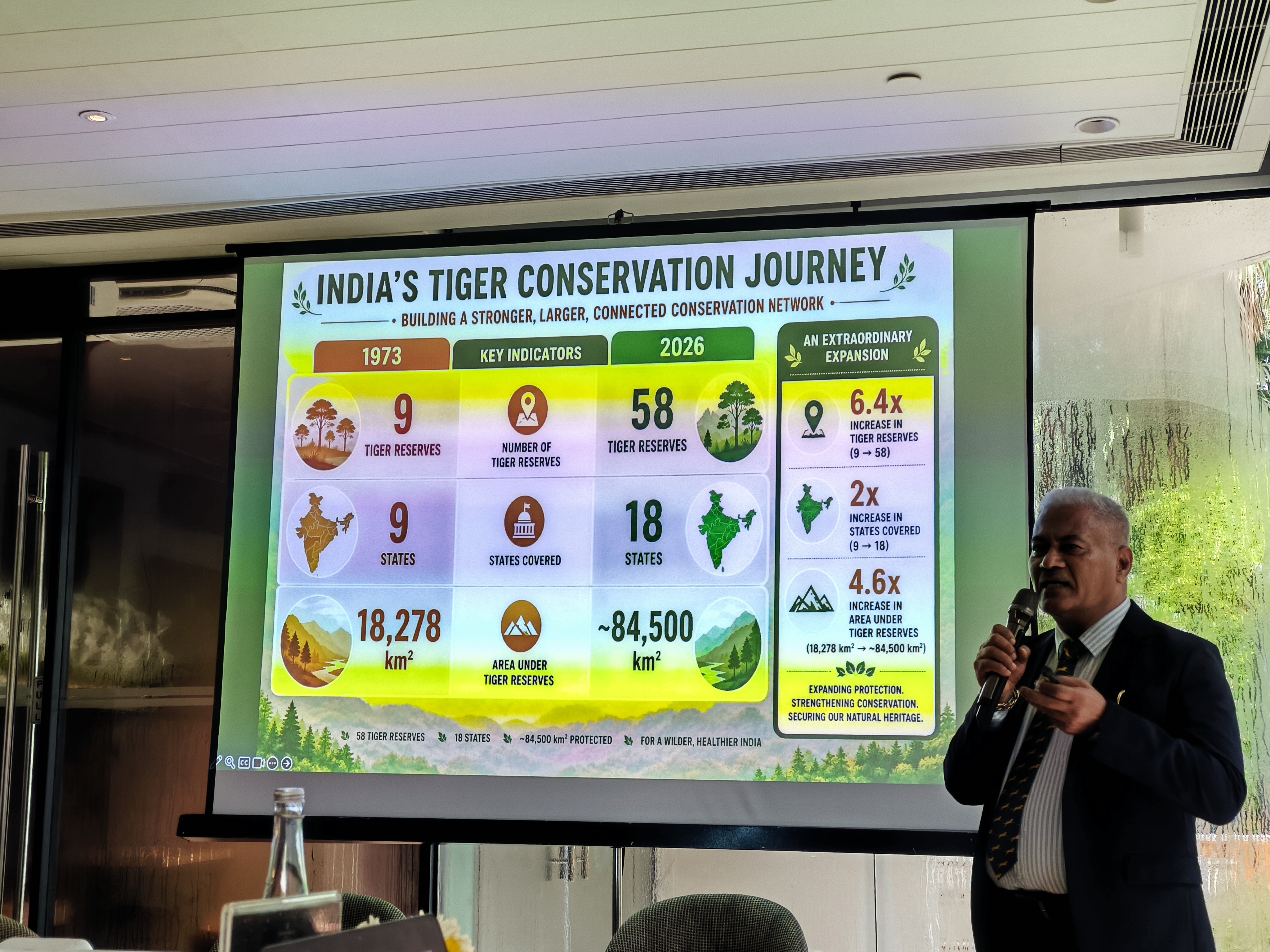
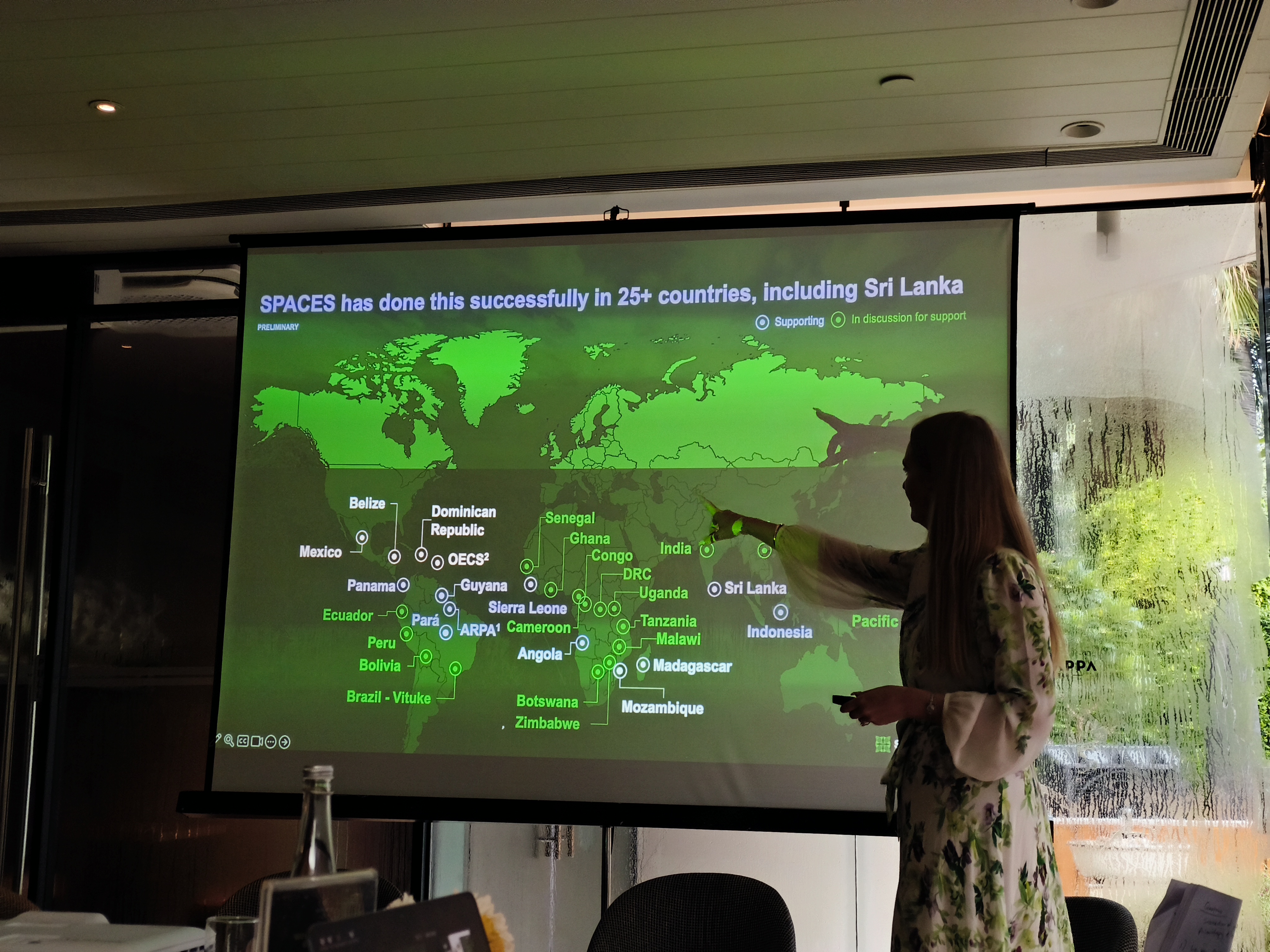
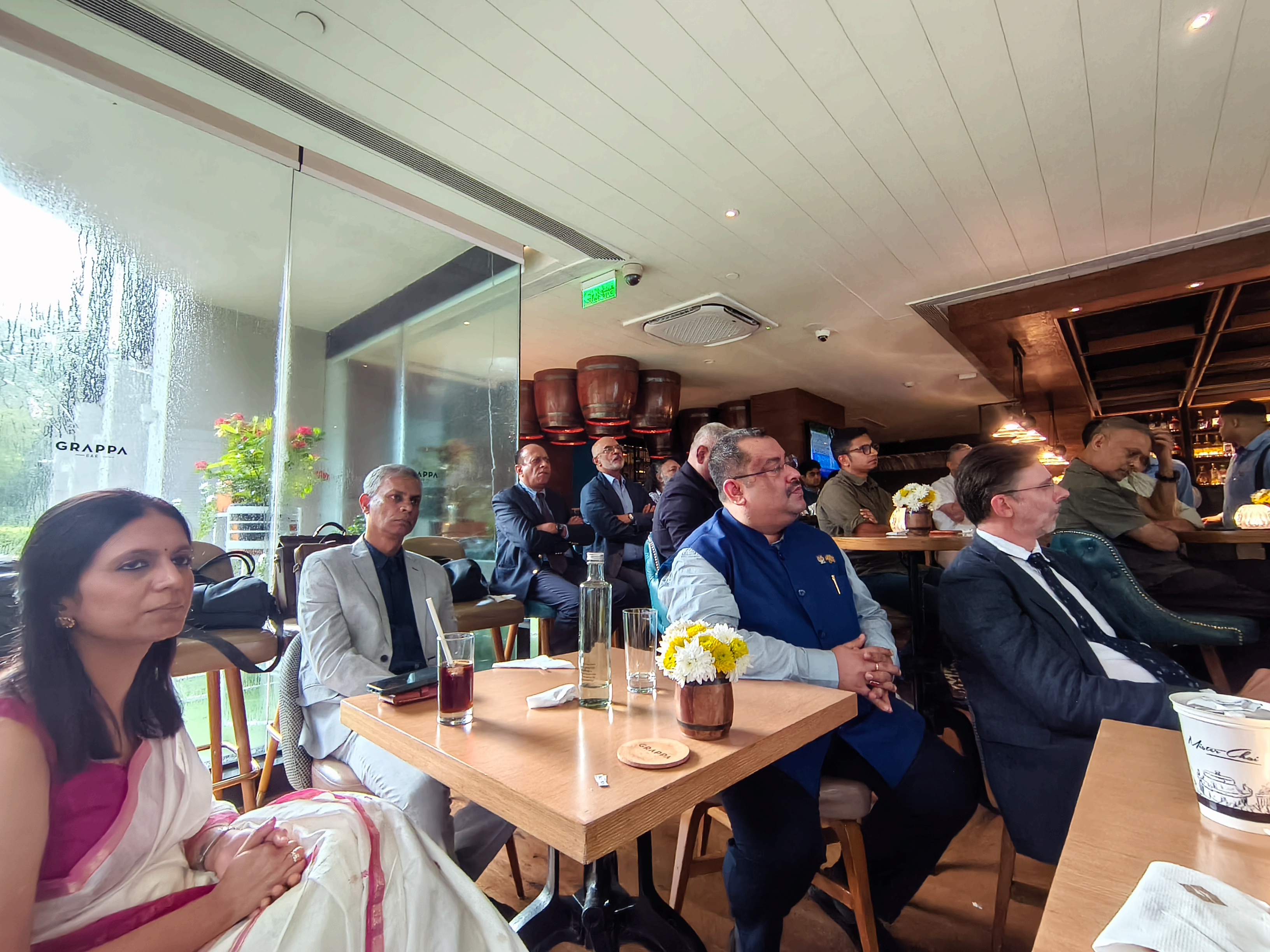
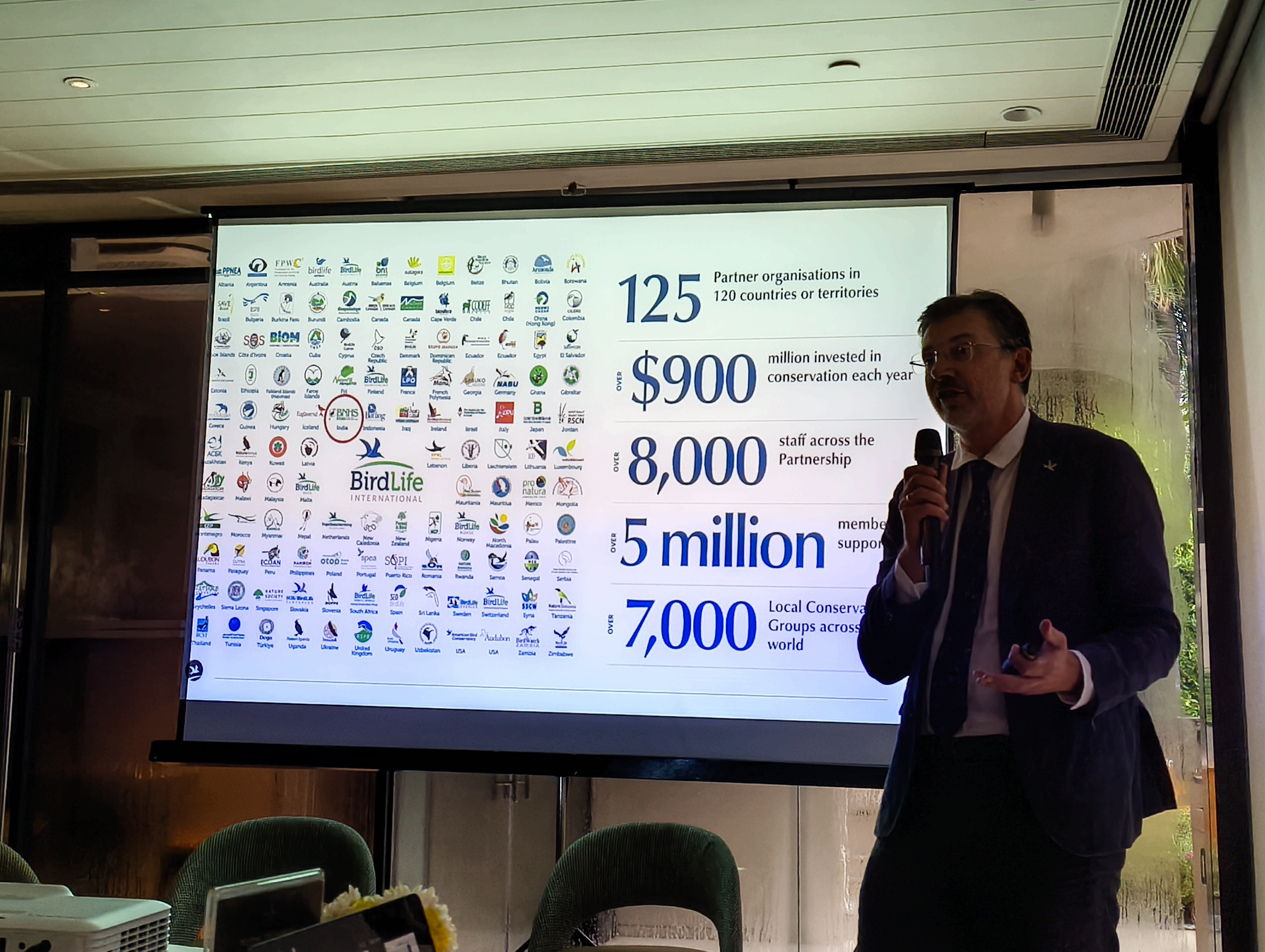
Dr. S. P. Yadav, Director General, IBCA, participated in the programme “Moving from Conservation Ambition to Country Impact: How 30x30 Can Unlock Nature, Livelihoods and Prosperity”, hosted by SPACES, Campaign for Nature and McKinsey.
During the programme, Dr. Yadav shared insights from India’s remarkable tiger conservation journey, highlighting how sustained conservation efforts, strong political commitment, community participation and science-based management have contributed to the recovery of tiger populations.
He emphasized that effective tiger conservation extends beyond species recovery, generating wider benefits through healthy ecosystems, enhanced ecosystem services, livelihood opportunities and local economic development. India’s experience demonstrates how ambitious biodiversity conservation can contribute simultaneously to ecological security and human well-being.
Dr. Yadav also highlighted the role of IBCA as a global platform for international cooperation, knowledge exchange and capacity building, supporting Big Cat Range Countries in strengthening conservation approaches and translating global conservation commitments into meaningful outcomes on the ground.


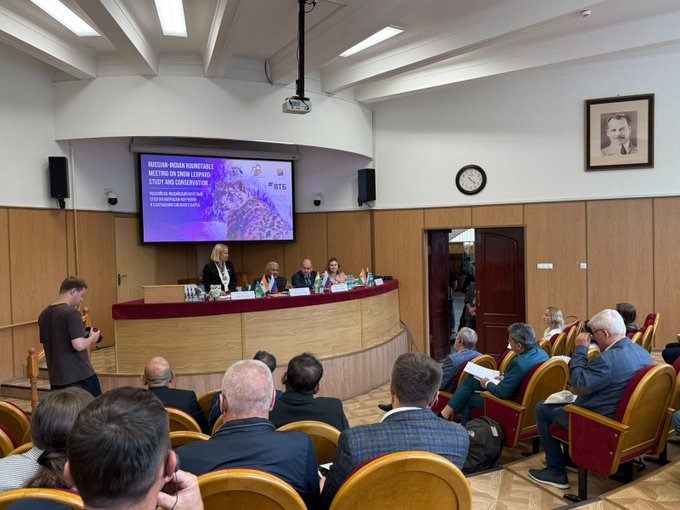
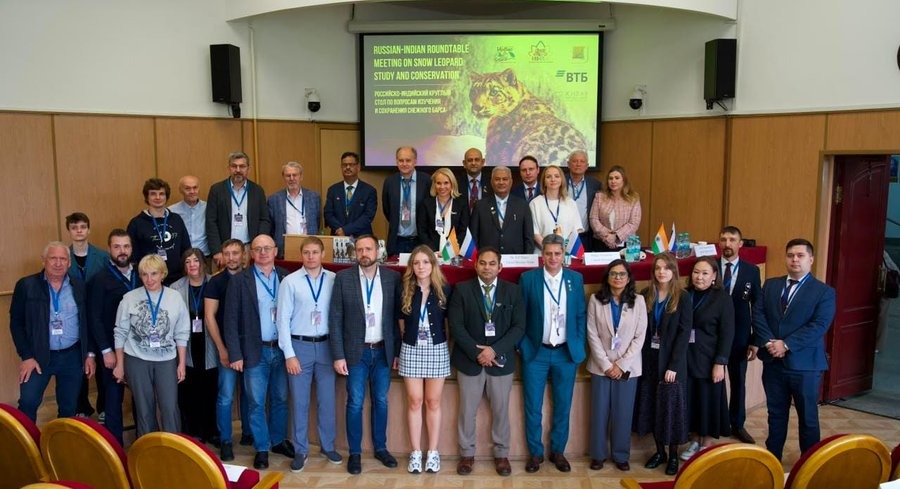
Russia-India Round Table on Snow Leopard Conservation Held in Moscow
The Interregional Association IRBIS, International Big Cat Alliance (IBCA), and the A.N. Severtsov Institute of Ecology and Evolution of the Russian Academy of Sciences jointly organised the Russia-India Round Table Meeting on “Conservation and Study of the Snow Leopard” in Moscow, Russia.
The round table brought together experts and representatives from the Ministry of Natural Resources and Environment of Russia, Government of India, Ministry of Environment, Forest and Climate Change (MoEFCC), Wildlife Institute of India (WII) and other stakeholders.
The meeting provided a valuable platform for knowledge exchange, strengthening international cooperation, and advancing collaborative approaches for the conservation and scientific study of the Snow Leopard and its fragile high-altitude mountain ecosystems.
The discussions underscored the importance of coordinated efforts and partnerships to strengthen the long-term conservation of this iconic Big Cat and its habitats.
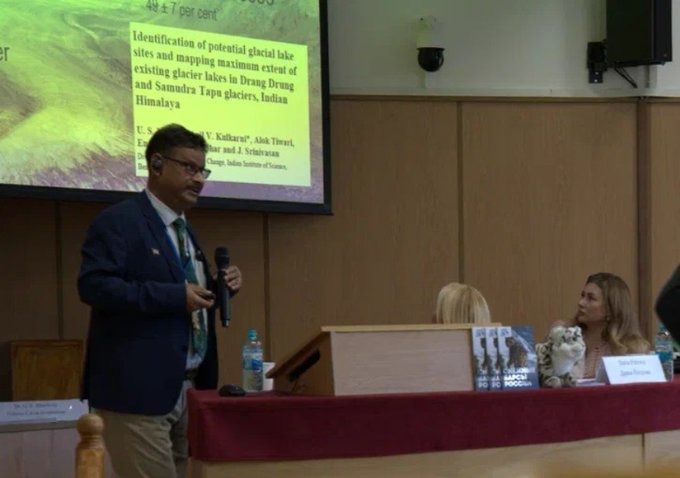
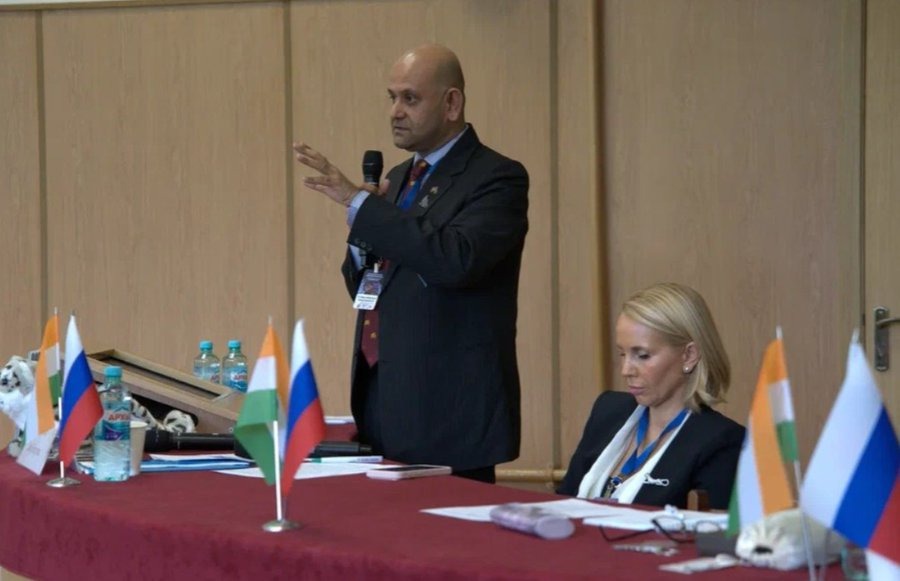
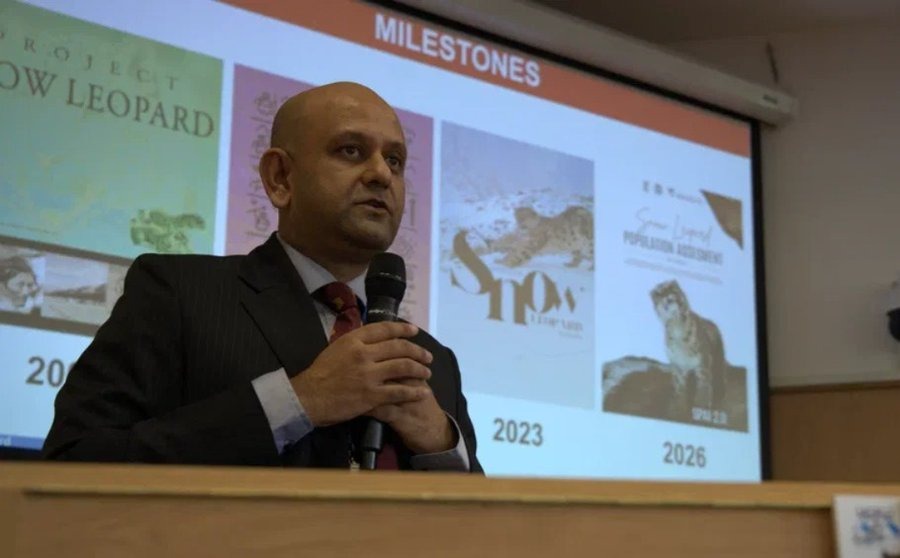
Dr. Vaibhav C Mathur, Inspector General of Forests, MoEFCC, shared insights on “India’s Snow Leopard Conservation Journey: From Species Protection to State-Level Management” during the Russia–India Round Table Conference on the Conservation and Study of the Snow Leopard.
His presentation highlighted India’s evolving conservation approach, showcasing the transition from species-focused protection measures to integrated, landscape-level and state-led management strategies that strengthen the conservation of snow leopards and their fragile mountain ecosystems.
Dr. Gobind Sagar Bhardwaj, Director, Wildlife Institute of India, delivered a comprehensive presentation on “The Snow Leopard Landscape: Conserving an Umbrella Species for Himalayan and High Mountain Ecosystem Security”, highlighting the ecological significance of snow leopards as a flagship species.
His presentation emphasized integrated conservation approaches for safeguarding the biodiversity, resilience, and ecological security of Himalayan and high-altitude mountain ecosystems.
Strengthening international cooperation for big cat conservation
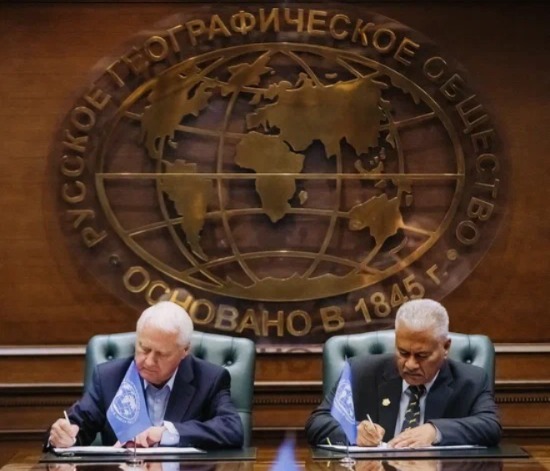
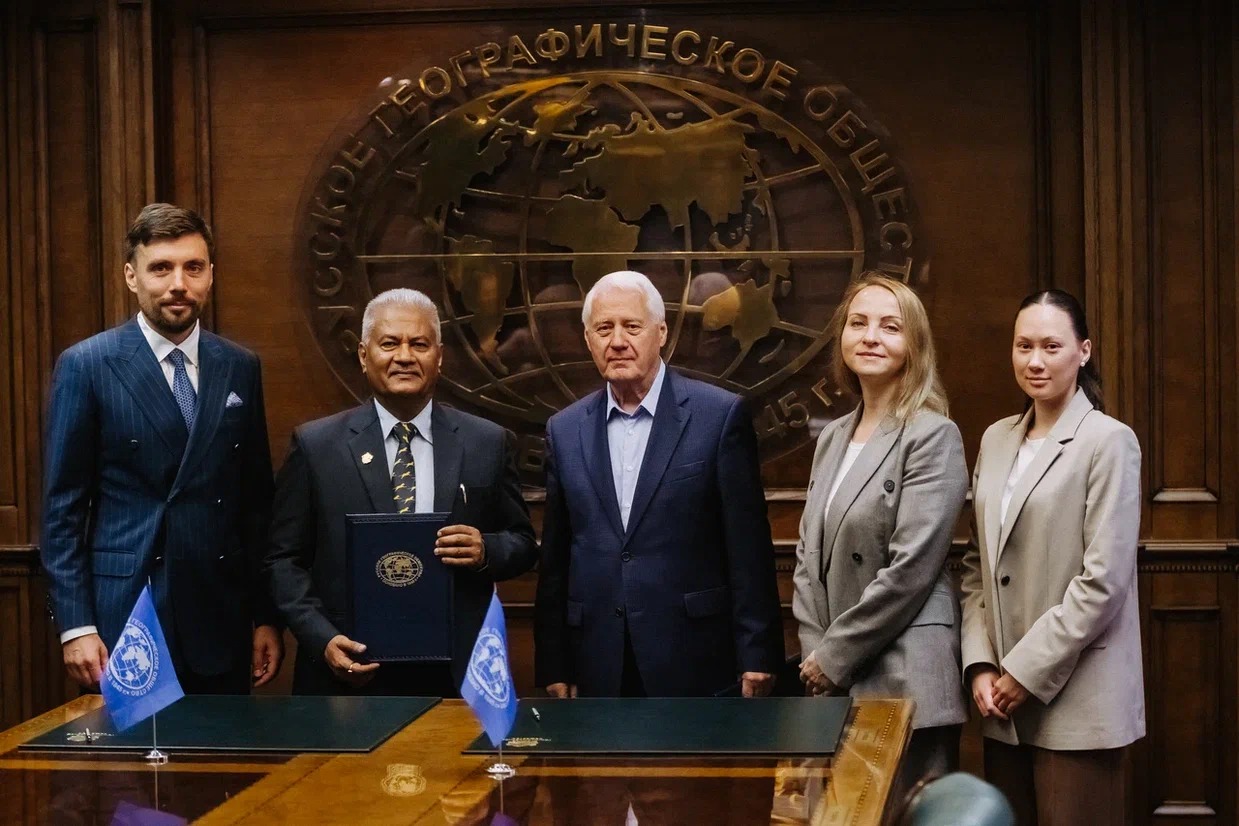
The International Big Cat Alliance (IBCA) and the Russian Geographical Society, Russia signed a Memorandum of Understanding (MoU) in Moscow on 28 August 2026, marking a significant step towards enhancing collaboration in biodiversity and wildlife conservation, research, knowledge exchange, capacity building, and public outreach.
The partnership reflects a shared commitment to advancing science-based conservation and fostering global cooperation for the protection of Big Cats and their habitats across landscapes.
.jpeg
)

.jpeg
)
IBCA, ADB and NTCA Convene International Workshop on Tiger Landscapes, Conservation, Bioeconomy and Ecotourism
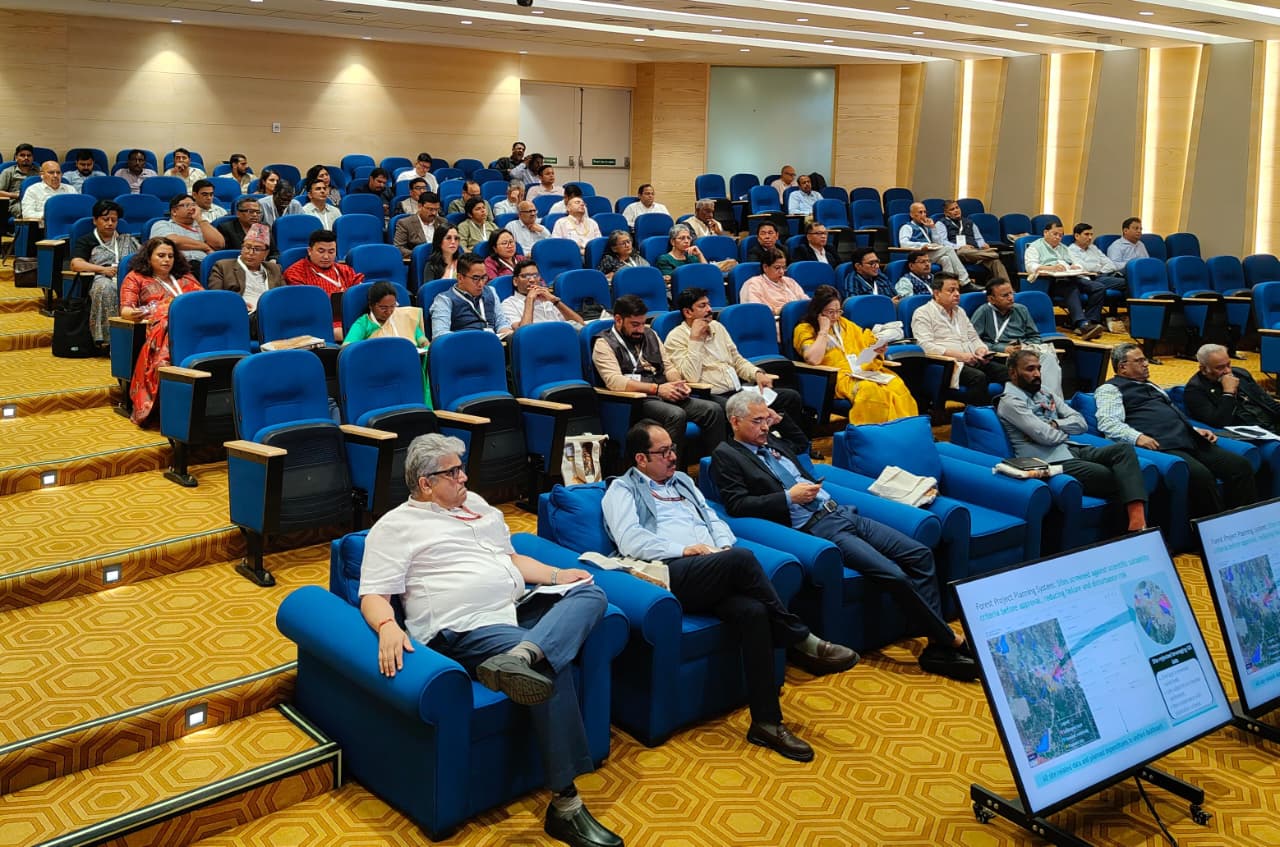
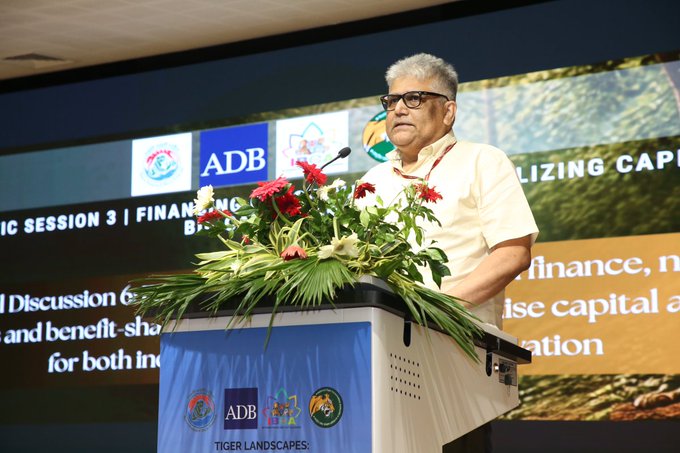
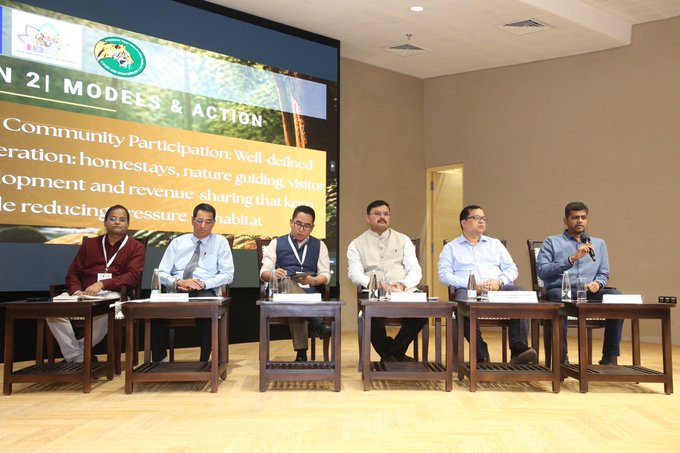
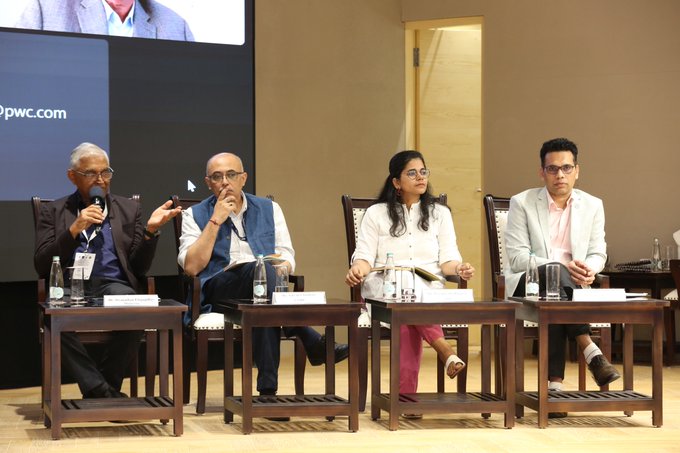
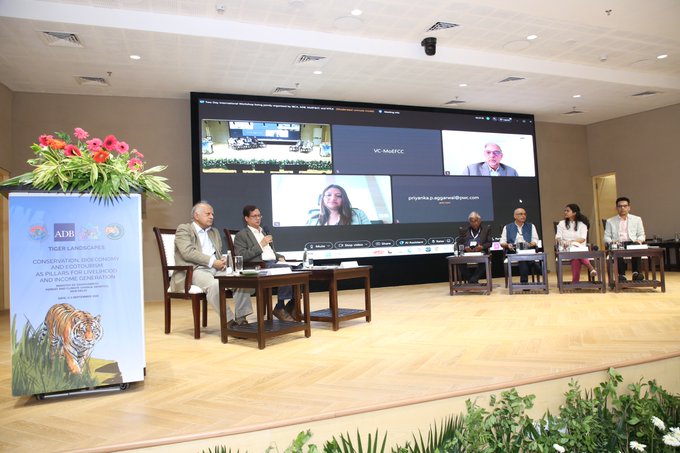
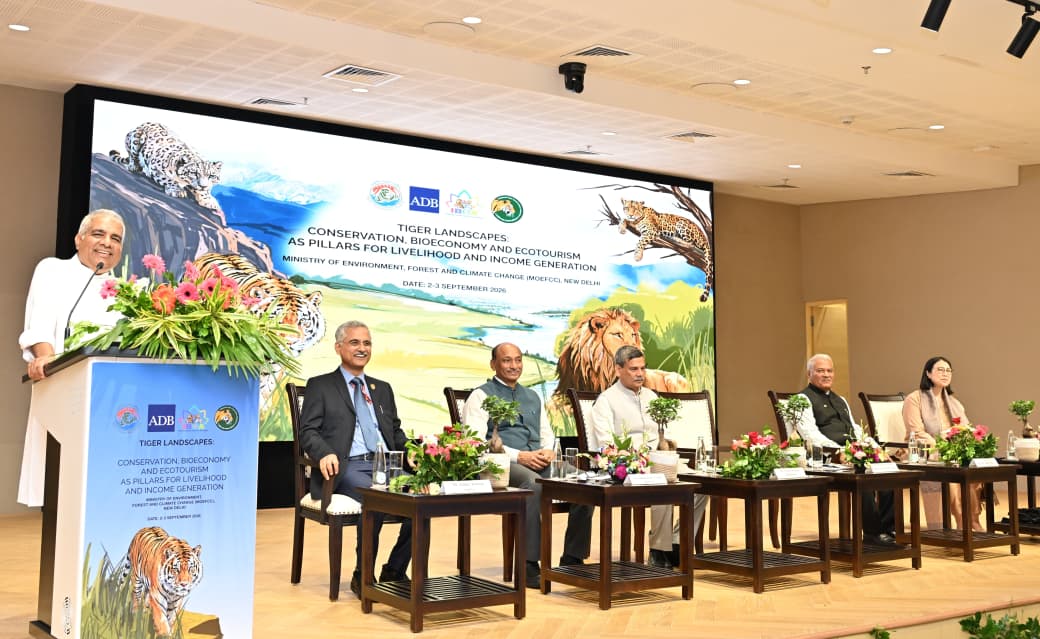
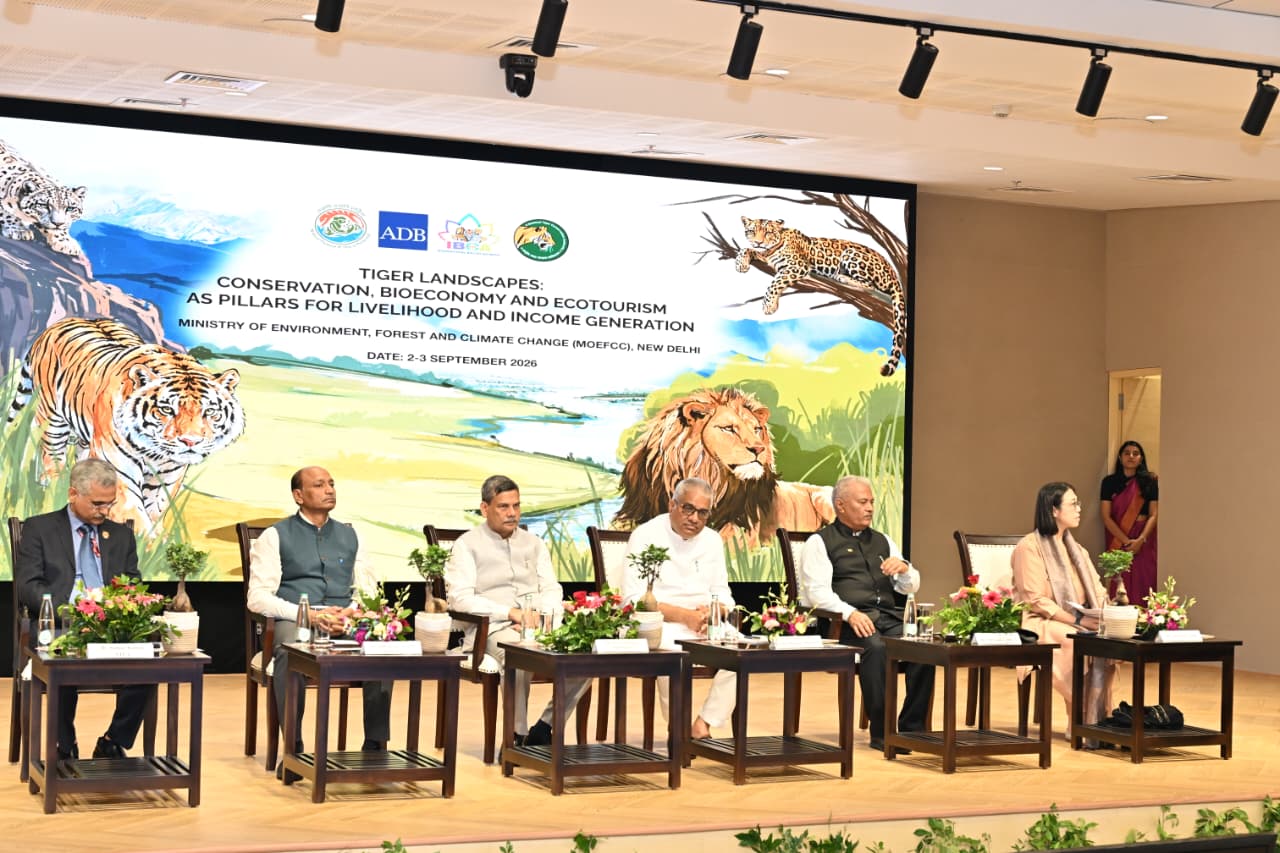
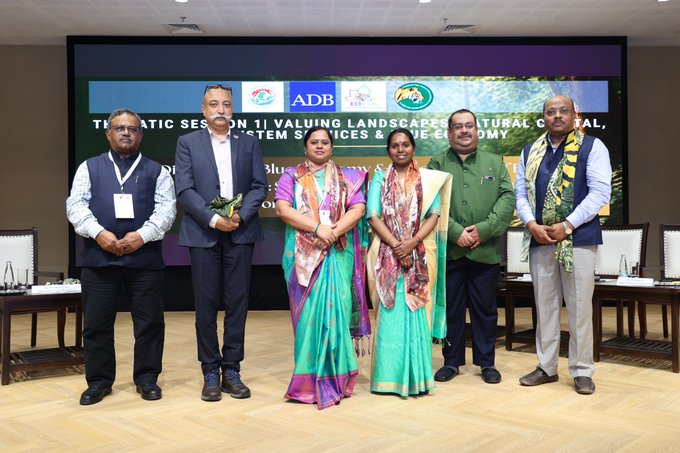
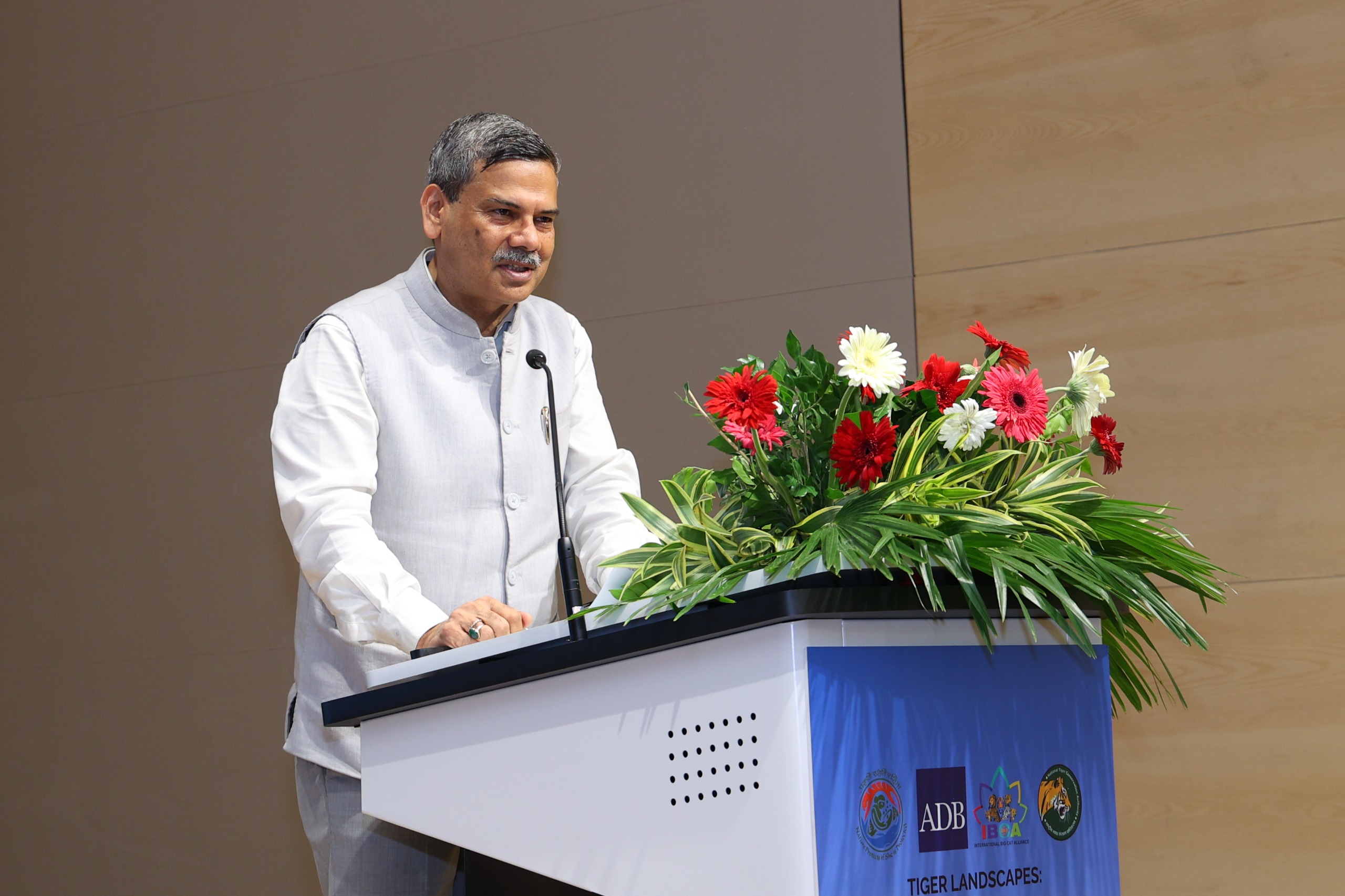
New Delhi: The International Big Cat Alliance (IBCA), in collaboration with the Asian Development Bank (ADB) and the National Tiger Conservation Authority (NTCA) under the Ministry of Environment, Forest and Climate Change (MoEFCC), organised a two-day international workshop on “Tiger Landscapes: Conservation, Bioeconomy and Ecotourism as Pillars for Livelihood and Income Generation” in New Delhi.
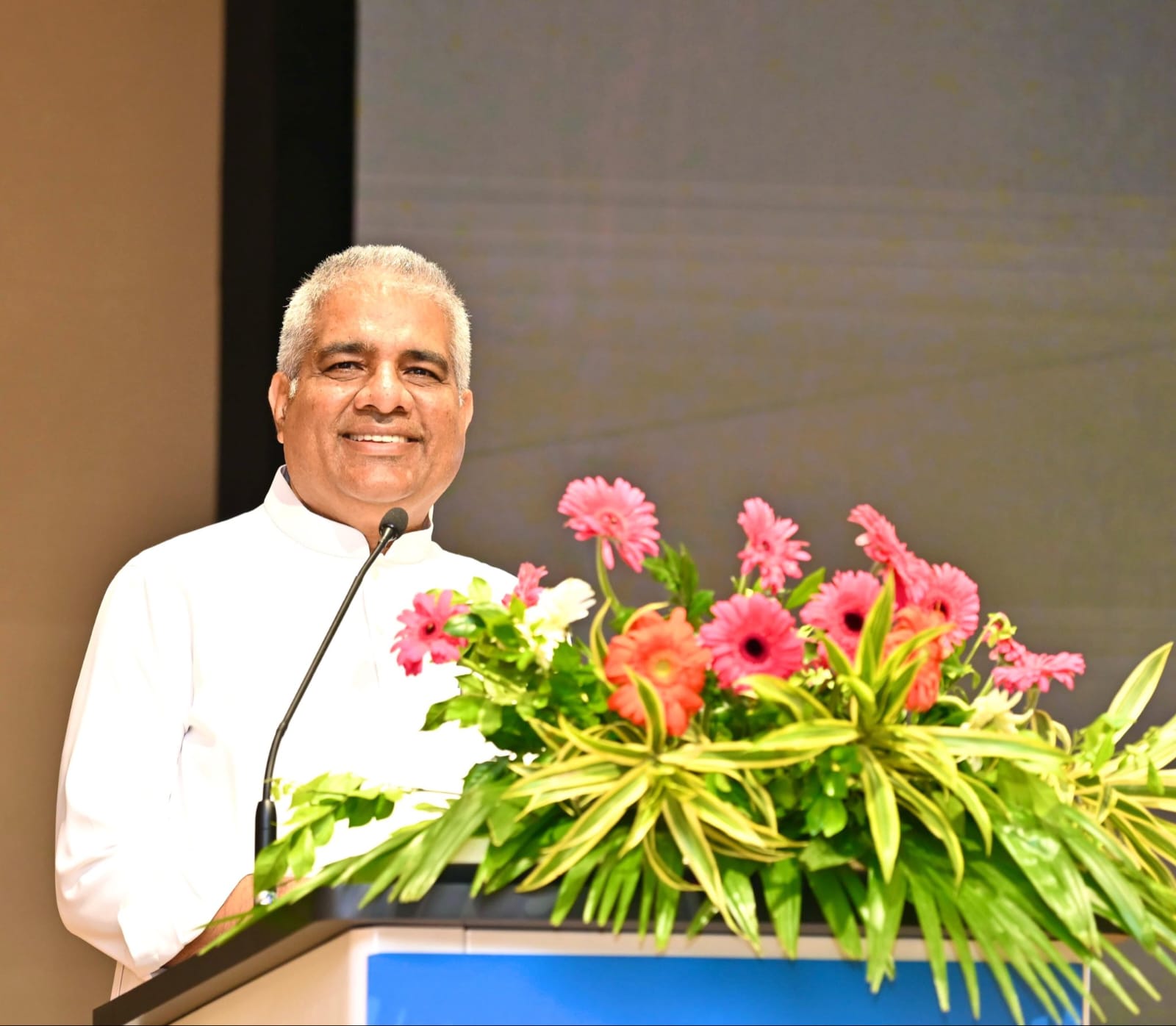
The workshop was inaugurated by H.E. Shri Bhupender Yadav, Hon’ble Minister for Environment, Forest and Climate Change, who highlighted tiger landscapes as valuable natural capital and called for a shift from species-centric conservation towards integrated landscape management that combines ecological security with sustainable livelihoods.
Emphasising the principles of “Conservation with Harmony and Human-Nature Coexistence,” the Hon’ble Minister underlined the importance of nature-based solutions, innovative financing, community-based ecotourism and incorporating indigenous knowledge from the Global South into conservation policy and practice.
He also highlighted the role of IBCA, under the vision of Hon’ble Prime Minister Shri Narendra Modi, as a global platform for cooperation on the conservation of the world’s seven big cat species.
IBCA-ADB Partnership to Advance Big Cat Conservation
The workshop marked an important milestone with the signing of a Memorandum of Understanding (MoU) between IBCA and ADB to strengthen cooperation in big cat conservation, sustainable landscape management, capacity building and nature-positive development.
Ms. Mio Oka, Country Director, ADB India, commended India’s leadership in big cat conservation and highlighted the importance of big cat landscapes for both ecological security and local livelihoods.
She noted that the IBCA-ADB partnership would leverage finance, knowledge and innovation to support landscape restoration and human-wildlife coexistence.
Dr. S.P. Yadav, Director General, IBCA, emphasised that understanding and strengthening the economic value of big cat landscapes is an important part of IBCA’s mandate.
He noted that every landscape has distinct ecological, social and economic characteristics, requiring context-specific approaches and tailored conservation strategies.
Strengthening Natural Capital and Conservation Financing
The workshop brought together experts and officials from India, Bangladesh, Bhutan, Nepal, Cambodia, Vietnam, Malaysia and other partner institutions, who shared experiences on tiger conservation, habitat connectivity, human-wildlife conflict, community livelihoods, sustainable financing, technology and transboundary cooperation.
Shri Pradeep Kumar, IFS, Forest & Environment Department, Government of Sikkim, highlighted Sikkim’s four-year experience with a working Payment for Ecosystem Services (PES) system, rooted in the state’s cultural relationship with nature and supported by the Sikkim Forest Act.
He outlined how ecosystem-service payments can contribute to a circular green economy and support initiatives for water security and forest restoration.
Shri Sharda Pratap Singh, Rajasthan Forest Department, presented the potential of a scalable, open-source Forest Management Decision Support System (FMDSS) to support forest health assessment, project planning, wildlife habitat management and carbon assessment.
The system can also support restoration of tiger corridors and citizen-centric monitoring.
Valuing Landscapes for Conservation, Livelihoods and Blue Economy
The first panel, “Valuing Landscapes for Conservation, Livelihoods and Blue Economy: Role of IBCA,” emphasised the need for context-specific solutions, regional cooperation and knowledge exchange to scale successful conservation and livelihood models.
From Habitat to Household
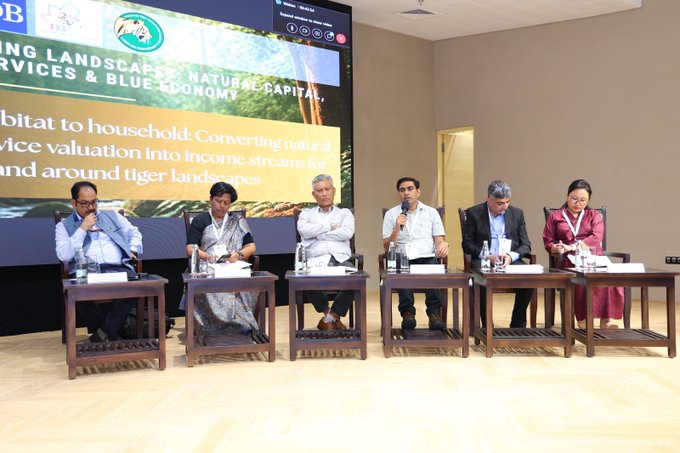
The second panel, “From Habitat to Household: Converting Natural Capital and Ecosystem-Service Valuation into Income Streams for Communities in and around Tiger Landscapes,” explored ways to translate the ecological value of tiger landscapes into sustainable household incomes.
Discussions focused on community-based tourism and enterprises, equitable benefit-sharing, ecosystem-service valuation, market linkages and human-wildlife conflict mitigation.
Blue Economy and Mangrove Landscapes
The third panel, “Blue Economy & Conservation of Big Cats in Mangrove Ecosystems,” brought together perspectives from Maharashtra, Kerala, Andhra Pradesh and ADB on sustainable fisheries, coastal livelihoods and mangrove conservation.
The discussion highlighted community-led fisheries and ecotourism, mangrove restoration, nature-based coastal protection, PES, carbon markets and stronger market linkages.
Participants stressed the importance of ensuring that the economic value generated by intact ecosystems reaches local communities, including women, while reducing unsustainable dependence on natural resources.
Strengthening Human-Wildlife Coexistence
The fourth panel addressed “Human-Wildlife Conflict and its Management: Prevention, Mitigation, Rapid Response, Compensation and Community Coexistence Models that Protect Both People and Wildlife.”
Experts from MoEFCC, IUCN India, Malaysia and State Forest Departments discussed the importance of scientific data, understanding conflict drivers, maintaining wildlife corridors, assessing ecological carrying capacity, strengthening early-warning systems and using technology for monitoring and rapid response.
The discussions also emphasised meaningful community participation and timely, transparent compensation, alongside context-specific solutions, early communication and partnerships with communities living alongside wildlife.
Ecotourism as a Conservation and Livelihood Tool
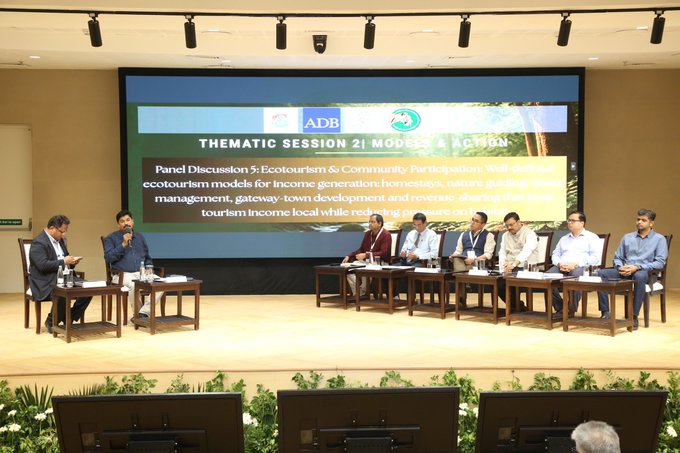
On Day 2, the panel on “Ecotourism & Community Participation” explored how responsible tourism can contribute to conservation while generating sustainable local livelihoods.
Experts and officials from Madhya Pradesh, Odisha, Mizoram, Karnataka, Assam and ADB shared experiences involving homestays, local nature guides, community enterprises, community-owned safari services and revenue-sharing mechanisms.
Participants stressed that ecotourism must reflect the ecological and social context of each landscape and should move beyond visitor numbers and wildlife sightings towards meaningful wilderness experiences.
Carrying capacity, responsible visitor management, trained local guides, community institutions, technology and market linkages were identified as important elements of sustainable ecotourism.
A key message emerging from the session was that when communities derive tangible benefits from nature, they become stronger partners in its conservation.
Innovative Financing for Conservation
The second panel on Day 2, “Financing Landscapes,” brought together perspectives from ADB, CII, UNDP and Malaysia on mobilising long-term finance for conservation and sustainable livelihoods.
Discussions explored blended finance, nature bonds, biodiversity credits, private investment, conservation funds, de-risking mechanisms and benefit-sharing approaches.
Participants highlighted the need to move beyond conventional government and short-term CSR funding towards diversified, patient and predictable sources of finance.
The panel emphasised the importance of creating credible, measurable and bankable conservation opportunities supported by robust data, transparent governance, appropriate policy frameworks and effective benefit-sharing mechanisms.
Key Outcomes
In his valedictory remarks, Mr. Soumitra Dasgupta, Director (Programme), IBCA, reflected on the outcomes of the two-day workshop and emphasised three key priorities:
- Conserving tiger landscapes and biodiversity;
- Advancing bioeconomy approaches for sustainable livelihoods;
- Promoting responsible ecotourism as a conservation tool.
He highlighted the IBCA-ADB MoU as a significant milestone and stressed the need to translate the ideas, partnerships and experiences shared during the workshop into actionable policies, scalable financing models and lasting conservation outcomes.
The workshop reinforced the importance of international collaboration in connecting global knowledge and best practices with the realities faced by frontline forest and wildlife managers.
It also demonstrated the potential of tiger landscapes to simultaneously deliver biodiversity conservation, ecosystem services, climate resilience and sustainable livelihood opportunities.
IBCA expressed its appreciation to ADB, NTCA, MoEFCC, international experts and delegates, State Forest Departments, partner organisations and all participants for their valuable contributions and active engagement in making the workshop a platform for meaningful dialogue and collaboration towards the conservation of big cat landscapes.
IBCA and IUCN SSC Signed MoU
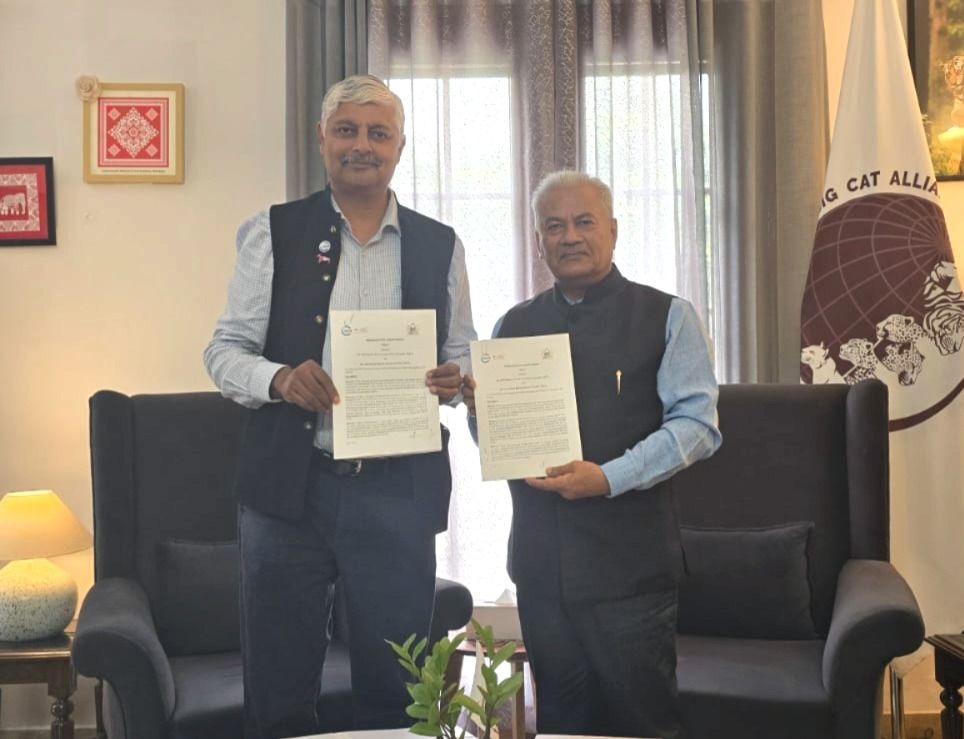
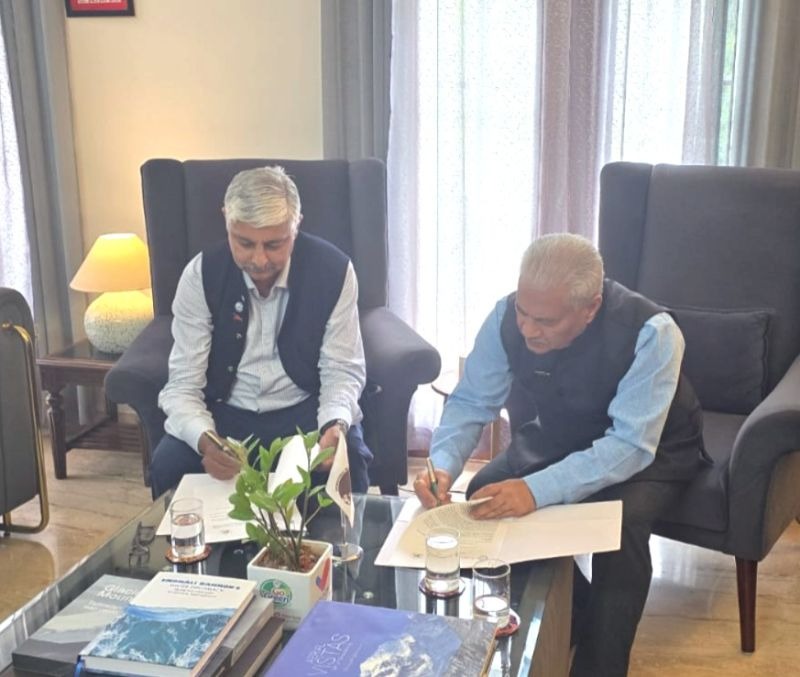
The International Big Cat Alliance (IBCA) and the IUCN Species Survival Commission (IUCN SSC) signed a Memorandum of Understanding (MoU), reaffirming their shared commitment to advancing the conservation of big cats and their habitats.
The partnership will provide a framework for strengthening institutional cooperation, knowledge exchange, technical engagement, and scientific collaboration between the two organizations.
It will support the sharing of expertise and conservation knowledge to strengthen evidence-based approaches and contribute to global efforts for the long-term conservation of big cats and their ecosystems.
The MoU marks an important step towards fostering greater collaboration among conservation institutions and experts and advancing coordinated action for the conservation of big cat species globally.

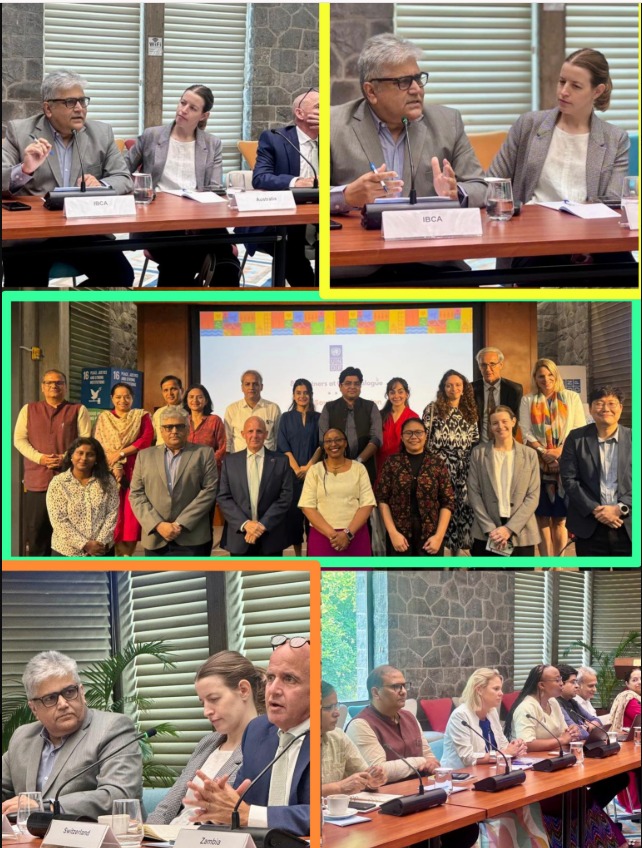
IBCA Highlights Role in South-South Cooperation for Big Cat Conservation
During a dialogue organised by the United Nations Development Programme (UNDP) India to mark the 8th edition of UNDP India’s South-South Cooperation Portfolio, Mr. Soumitra Dasgupta, Director (Programme), International Big Cat Alliance (IBCA), highlighted IBCA’s efforts to strengthen international cooperation for big cat conservation.
He emphasised IBCA’s approach of fostering collaborative partnerships, knowledge exchange and conservation diplomacy to support collective action for the conservation of big cats and their habitats.
The discussion also highlighted the role of IBCA in bringing together countries and stakeholders from the Global South to facilitate the exchange of experiences, strengthen capacities and advance shared conservation priorities, contributing to broader global efforts towards safeguarding big cats and their habitats.
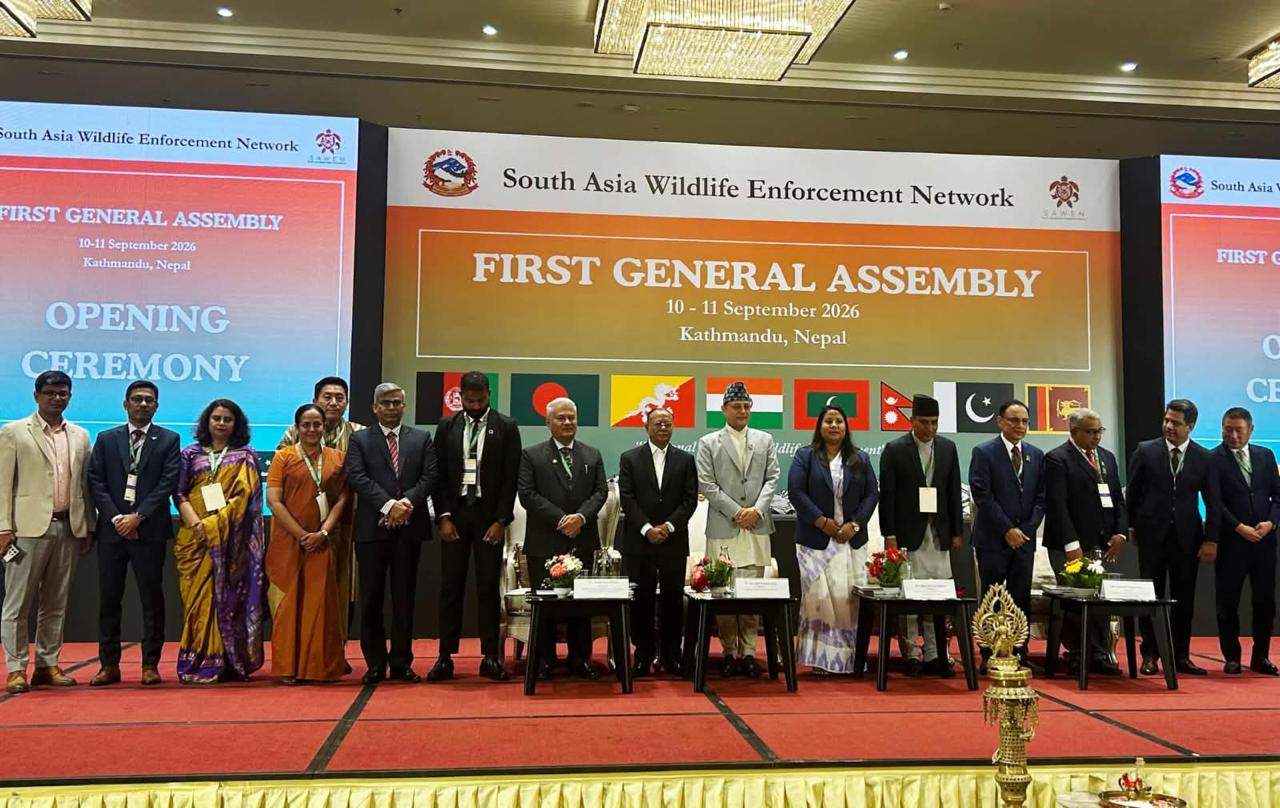
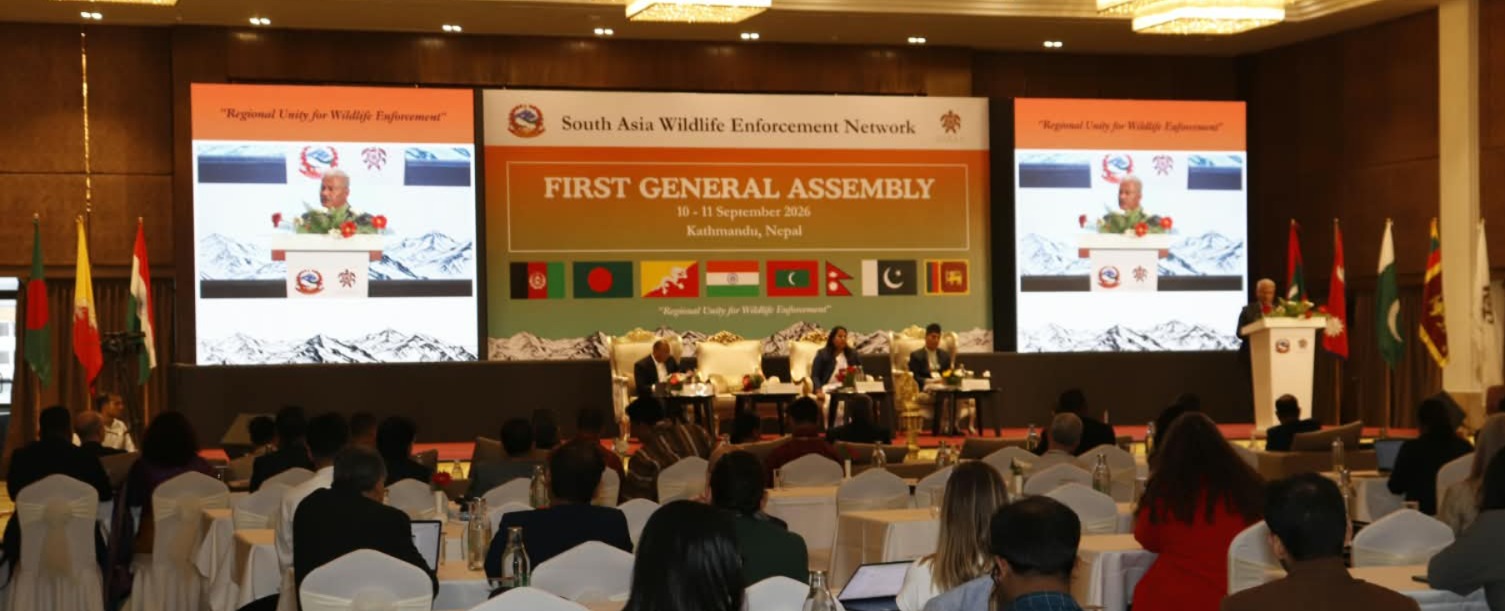
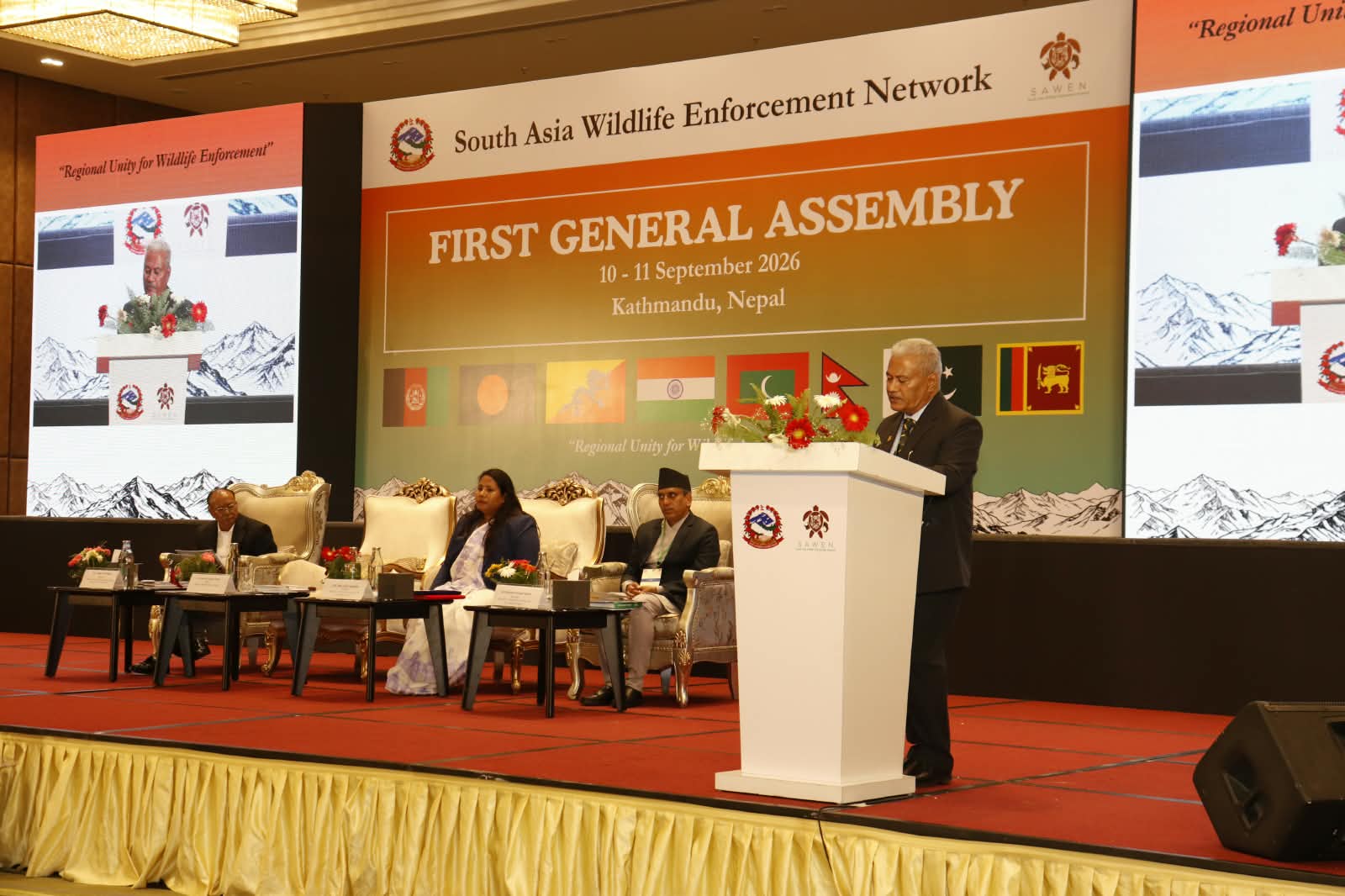
SAWEN First General Assembly, Kathmandu, Nepal
“Protecting big cats is not a competition between nations, but a shared duty to future generations.”
Addressing the First General Assembly of SAWEN in Kathmandu, Nepal, Dr. S.P. Yadav, Director General, International Big Cat Alliance (IBCA), underscored the critical importance of regional cooperation, intelligence-sharing, joint enforcement, transboundary conservation, and community engagement to combat wildlife crime and secure the future of Big Cats.
He emphasized that protecting these iconic species is a shared responsibility requiring strong partnerships and coordinated action across nations.
Dr. Yadav further stressed that the consequences of inaction are irreversible, reinforcing the need for timely and collective efforts to protect big cats, their habitats, and the ecosystems they represent.
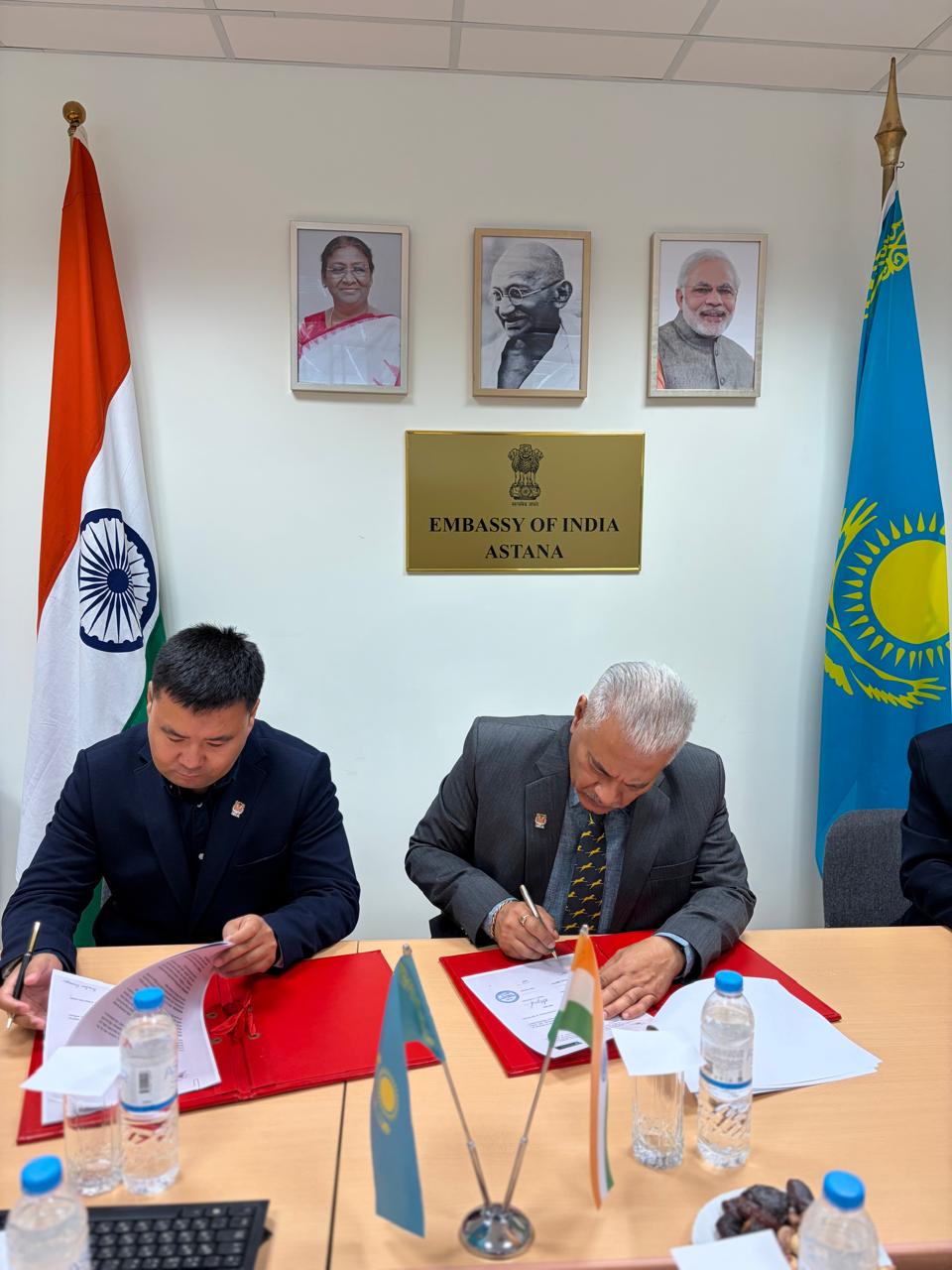
IBCA and Global Nature Initiative Sign MoU to Strengthen Big Cat Conservation Cooperation in Kazakhstan
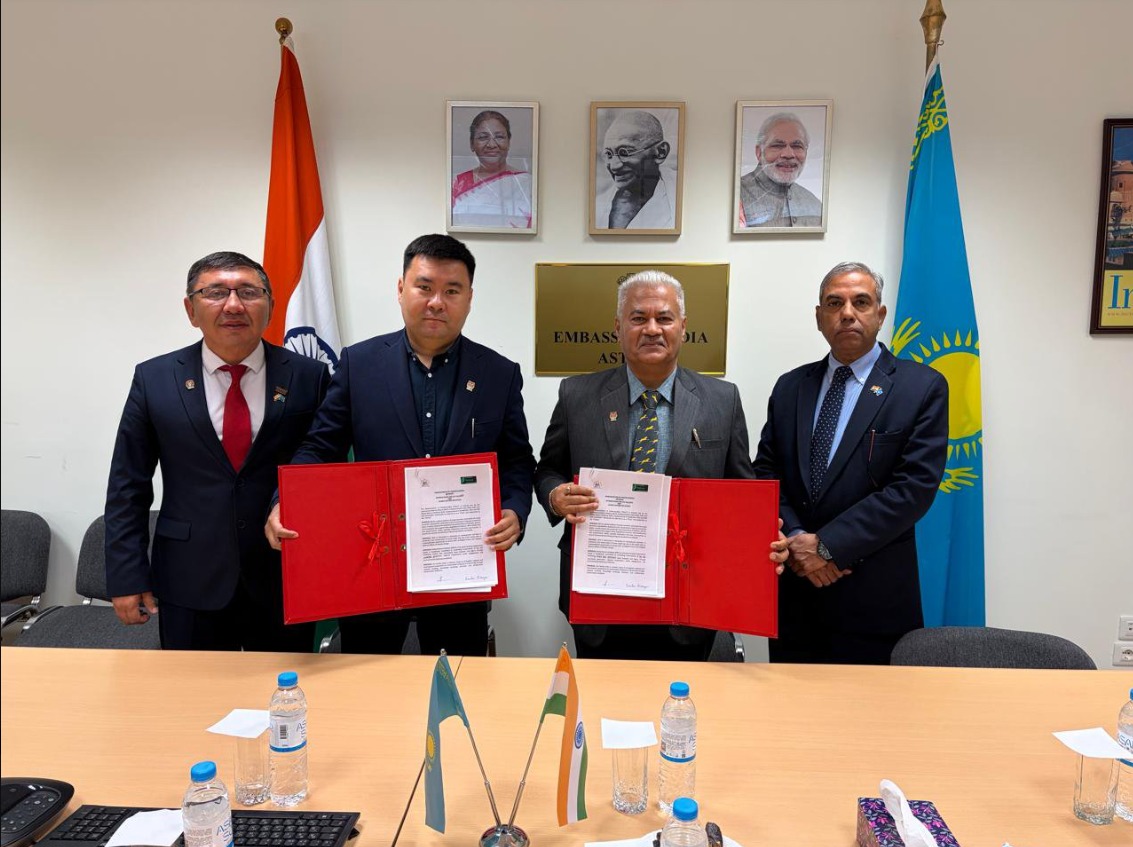
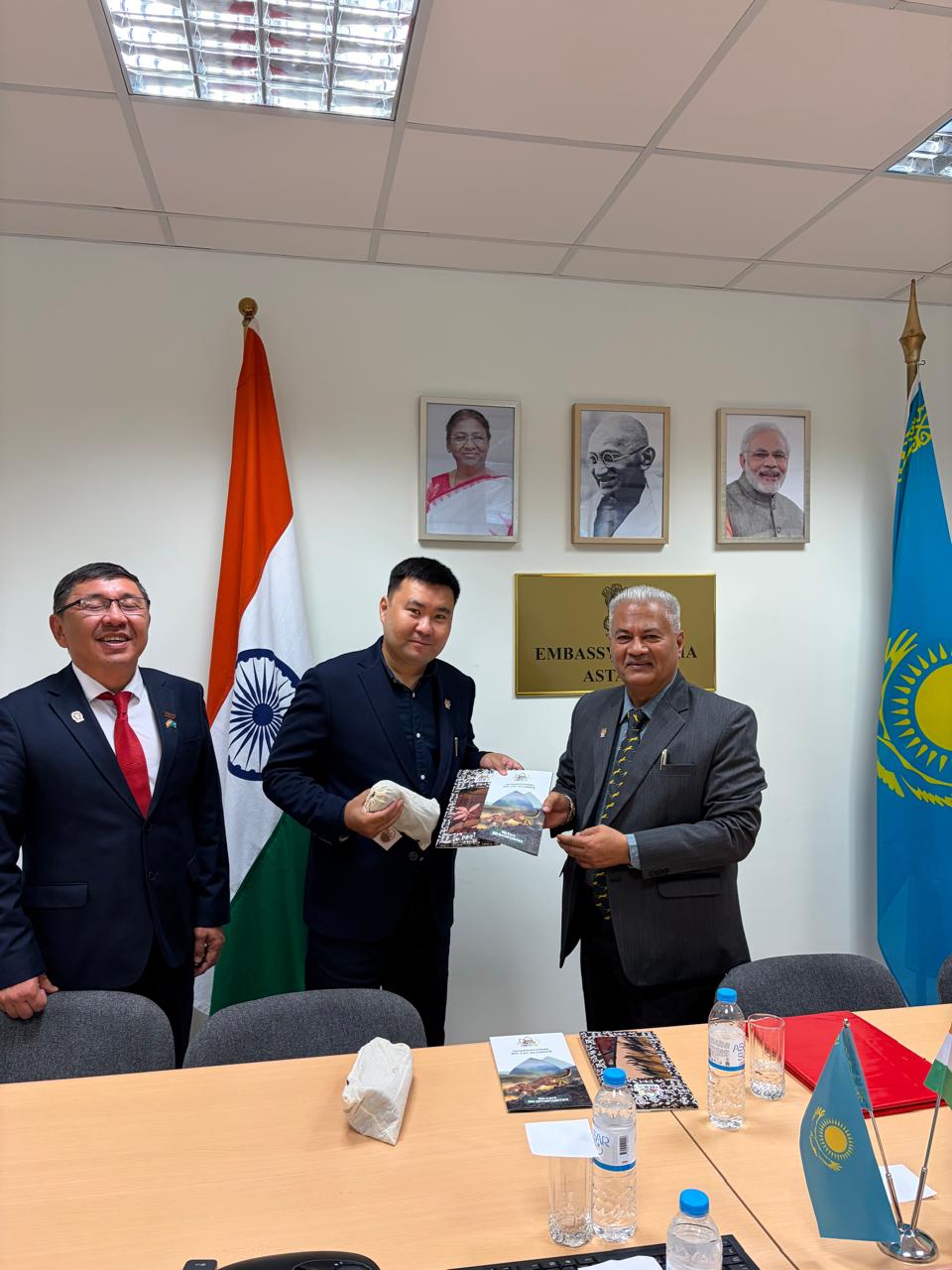
The International Big Cat Alliance (IBCA) and the Global Nature Initiative, Kazakhstan, signed a Memorandum of Understanding (MoU) at the Embassy of India in Astana, Kazakhstan, marking an important step towards strengthening international cooperation for the conservation of tigers, snow leopards and their ecosystems.
The partnership will facilitate collaboration in areas including big cat conservation, scientific research, knowledge exchange, capacity building and nature conservation, with the aim of promoting collective efforts towards the protection of big cats and their habitats.

.jpeg
)
DG, IBCA Met the Ambassador of India to Nepal in Kathmandu
Dr. S. P. Yadav, Director General, International Big Cat Alliance (IBCA), called on H.E. Mr. Naveen Srivastava, Ambassador of India to Nepal, at the Embassy of India in Kathmandu today.
The meeting highlighted the importance of strengthening cooperation between IBCA and Nepal in the areas of big cat conservation and habitat protection.
Discussions focused on enhancing collaborative efforts for biodiversity conservation, ecological landscape management, and the long-term protection of big cats and their habitats.
India-Nepal Dialogue on Knowledge and Experience Sharing
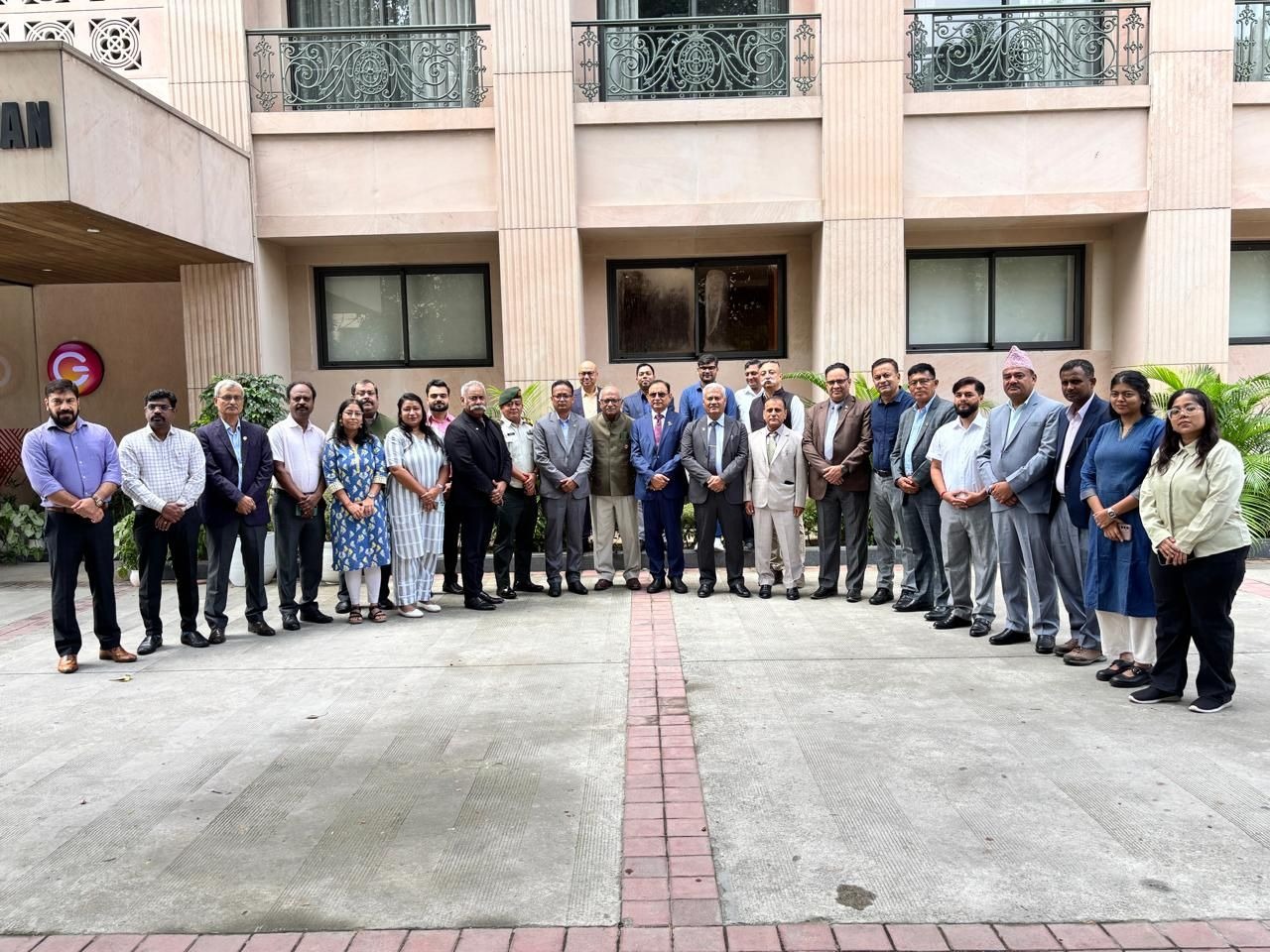
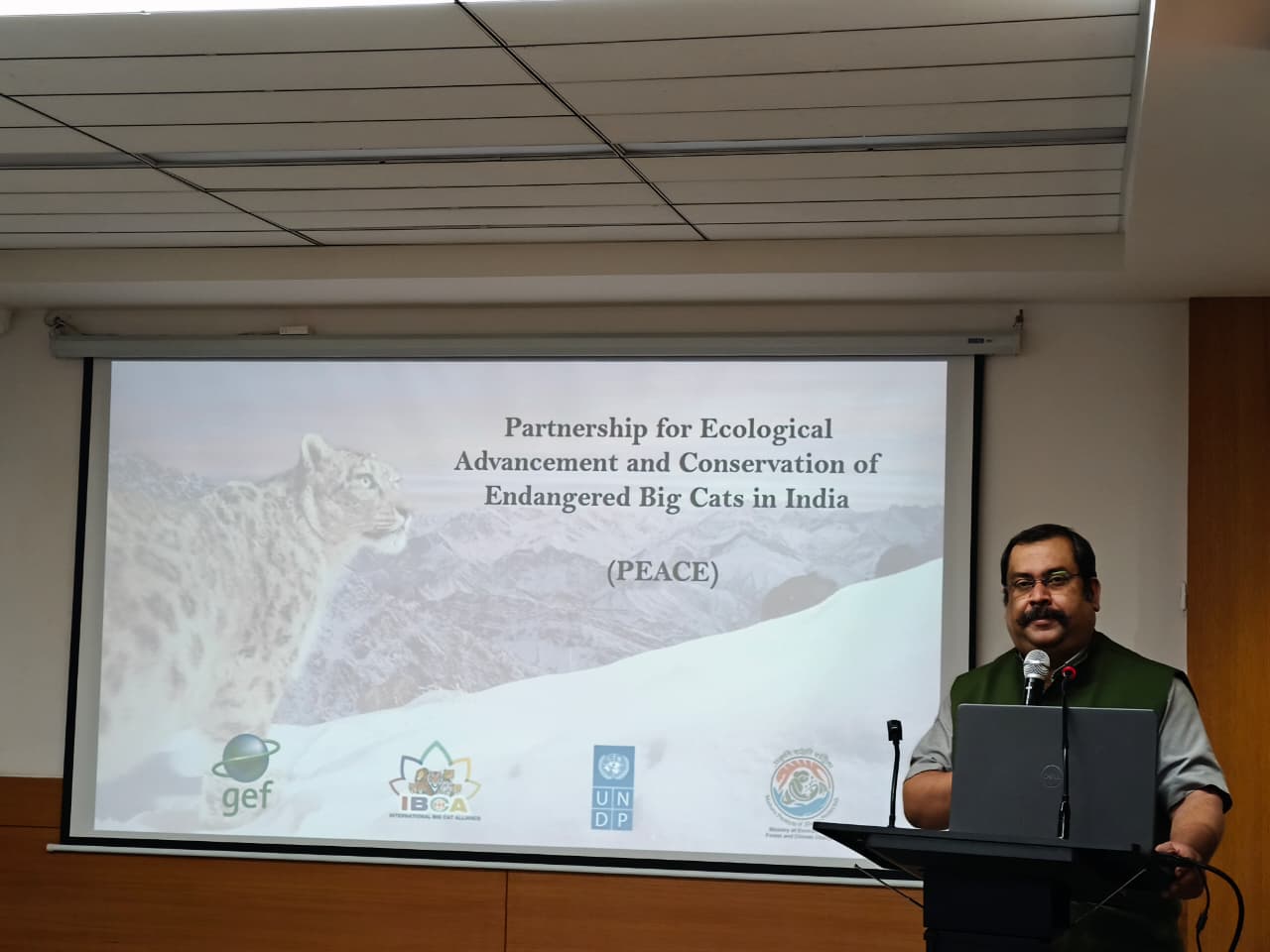
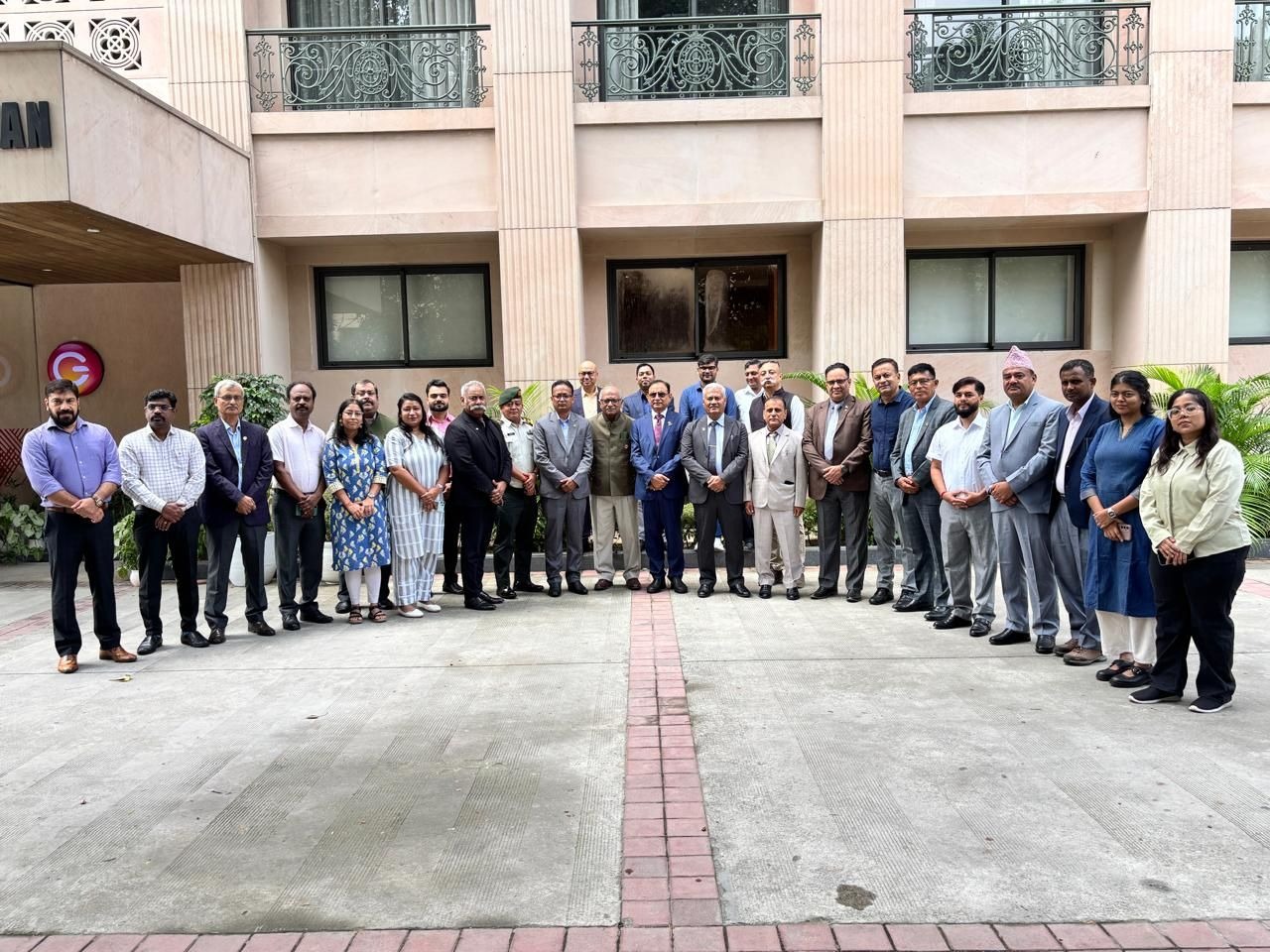
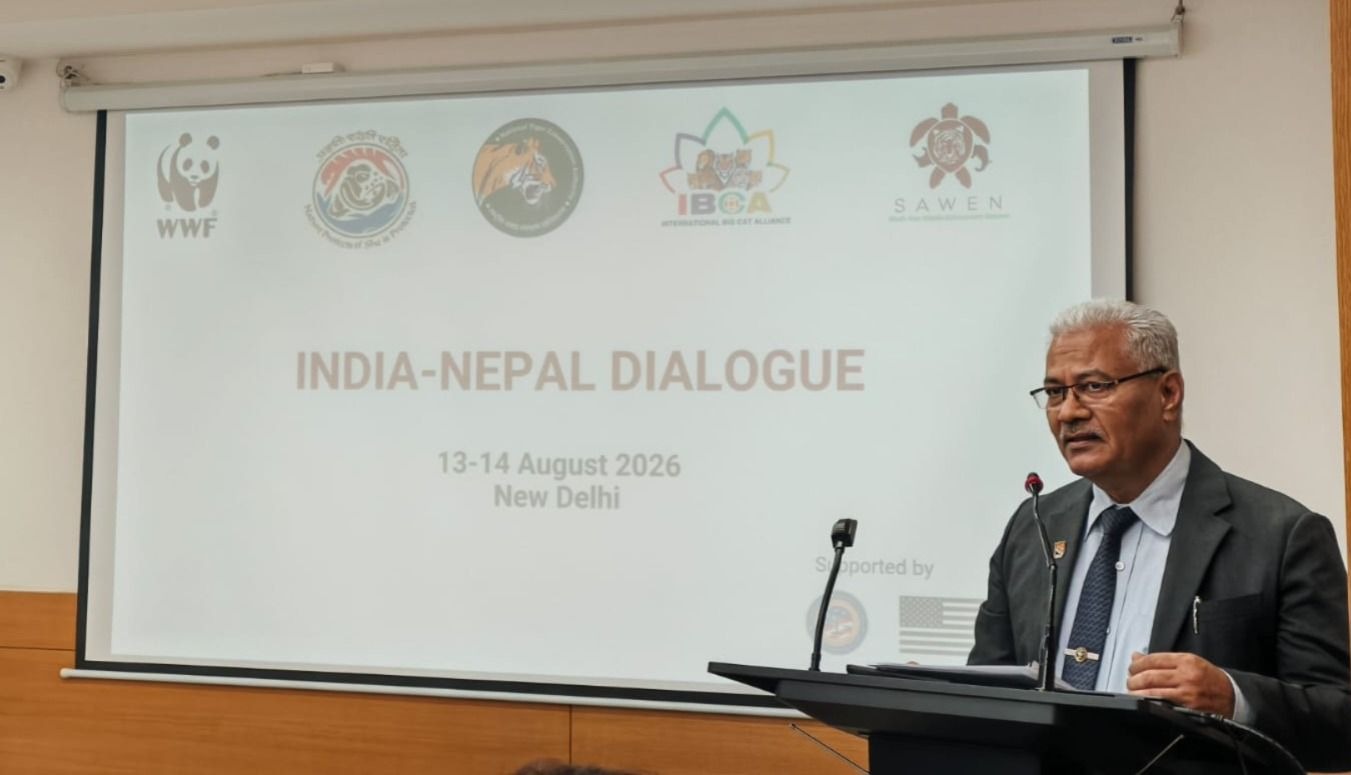
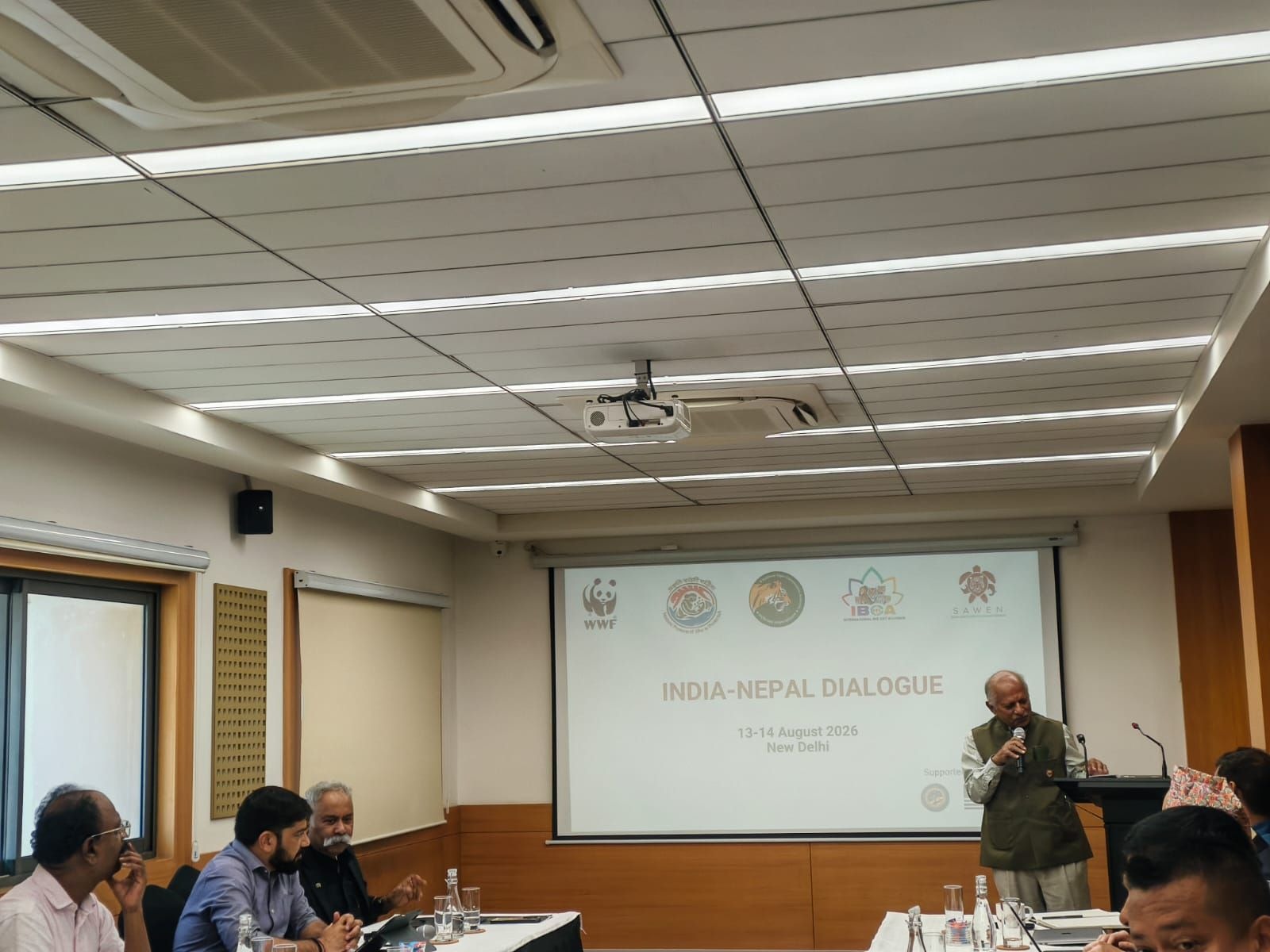
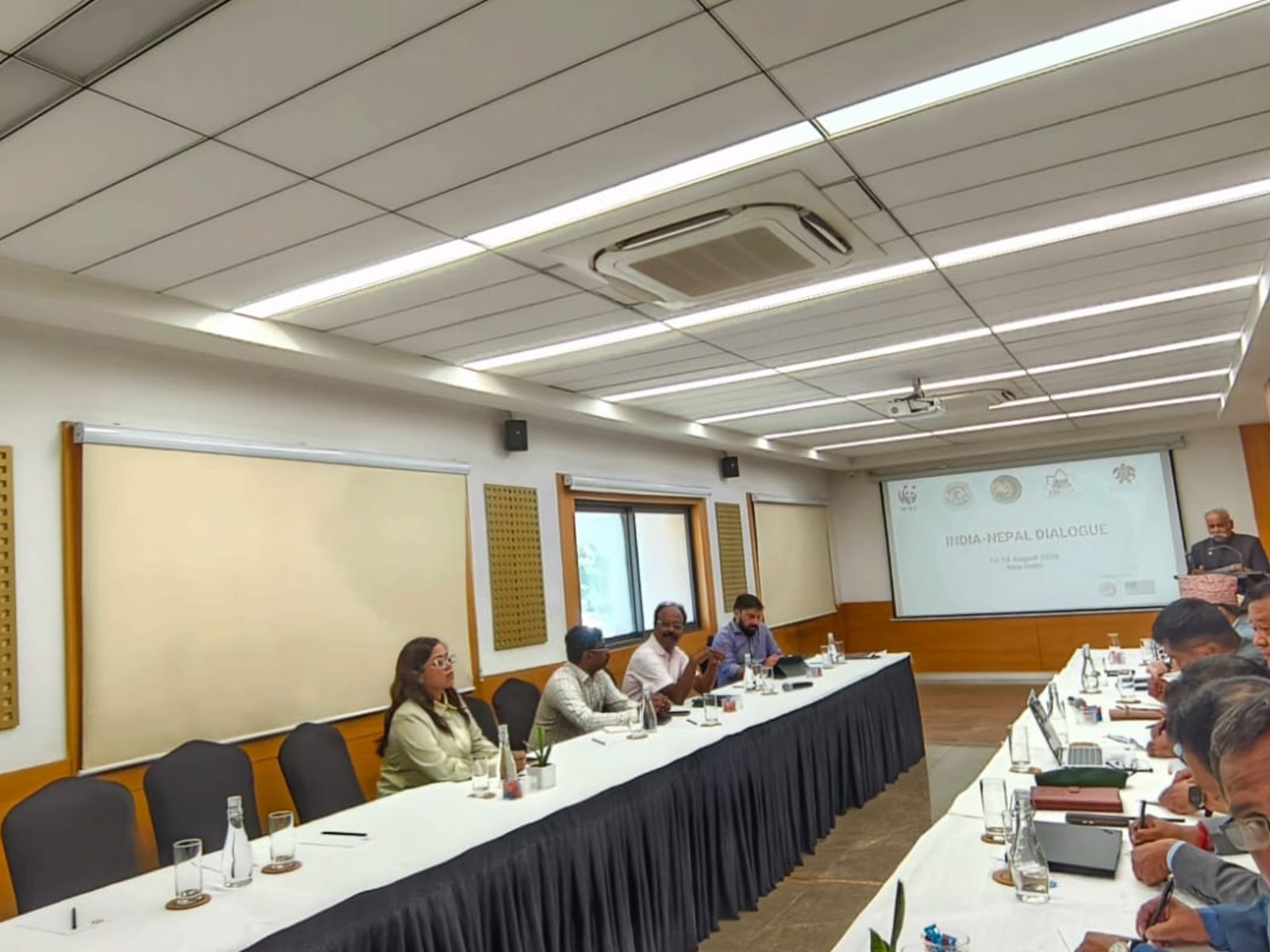
India and Nepal convened in New Delhi for the “India-Nepal Dialogue on Knowledge and Experience Sharing”, reaffirming their shared commitment to wildlife conservation, knowledge exchange, and strengthening transboundary cooperation.
The inaugural session featured remarks by Dr. Amit Mallick, Director (International Cooperation), IBCA, and Mr. Ravi Singh, CEO & Secretary General, WWF-India, who emphasized the importance of sharing best practices, addressing common conservation challenges, and strengthening collaborative efforts to combat wildlife crime and illegal wildlife trade.
Dr. S. P. Yadav, Director General, IBCA, underscored the critical importance of enhanced transboundary cooperation between India and Nepal for conserving their shared wildlife heritage, including iconic big cats such as tigers, leopards, and snow leopards.
He highlighted the role of the International Big Cat Alliance (IBCA) in facilitating international cooperation, promoting knowledge and experience sharing, and supporting coordinated conservation approaches to achieve effective and lasting outcomes across the region.
Shri Krishna Acharya, Secretary General, SAWEN, provided the broader context for advancing collaborative action and mutual learning among stakeholders in the region.
The two-day dialogue provides an important platform for sharing conservation experiences, strengthening institutional partnerships, addressing transboundary conservation challenges, and enhancing regional cooperation for the protection of shared wildlife and ecosystems.
.jpeg)
.jpeg)
.jpeg)
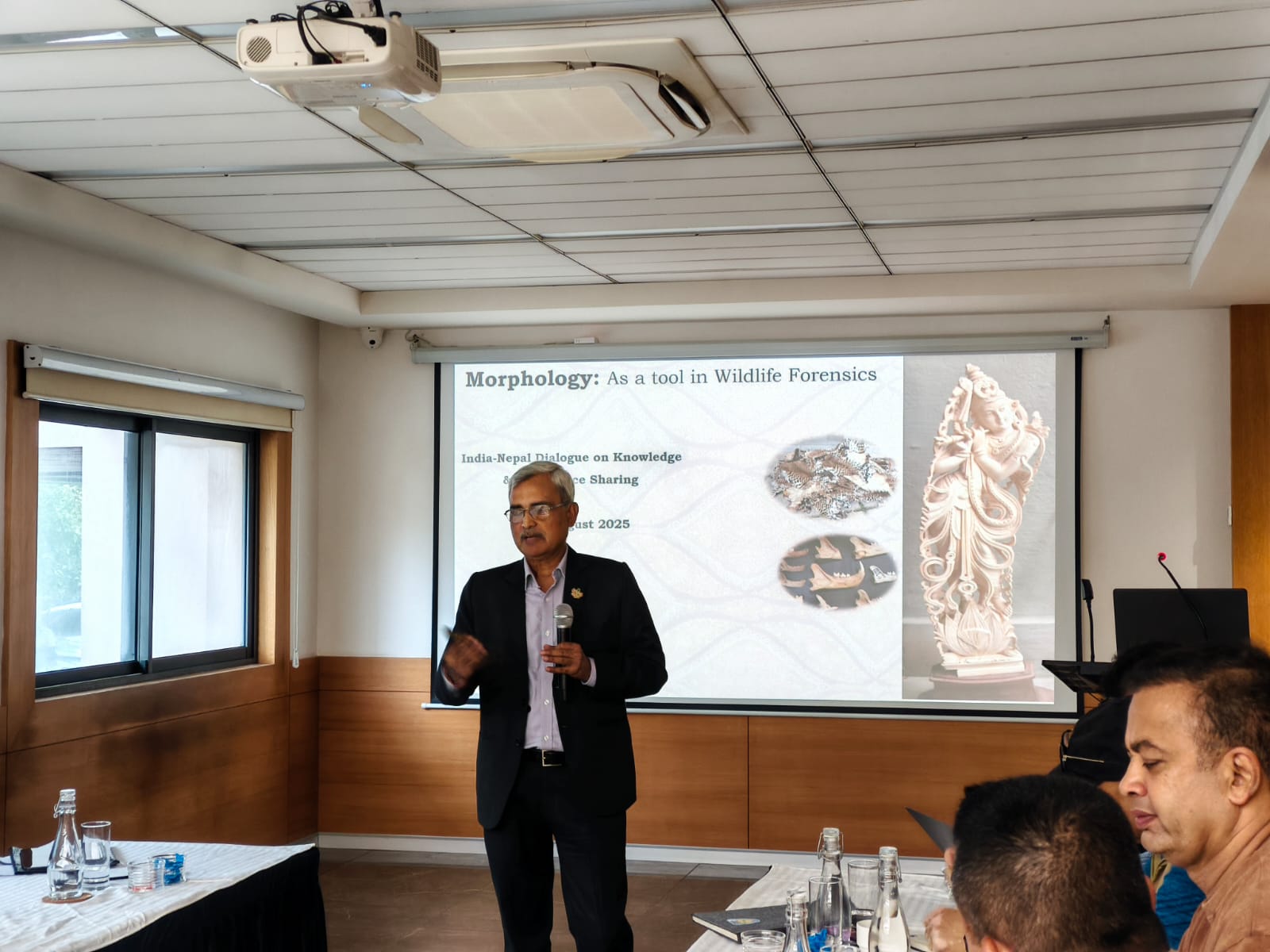
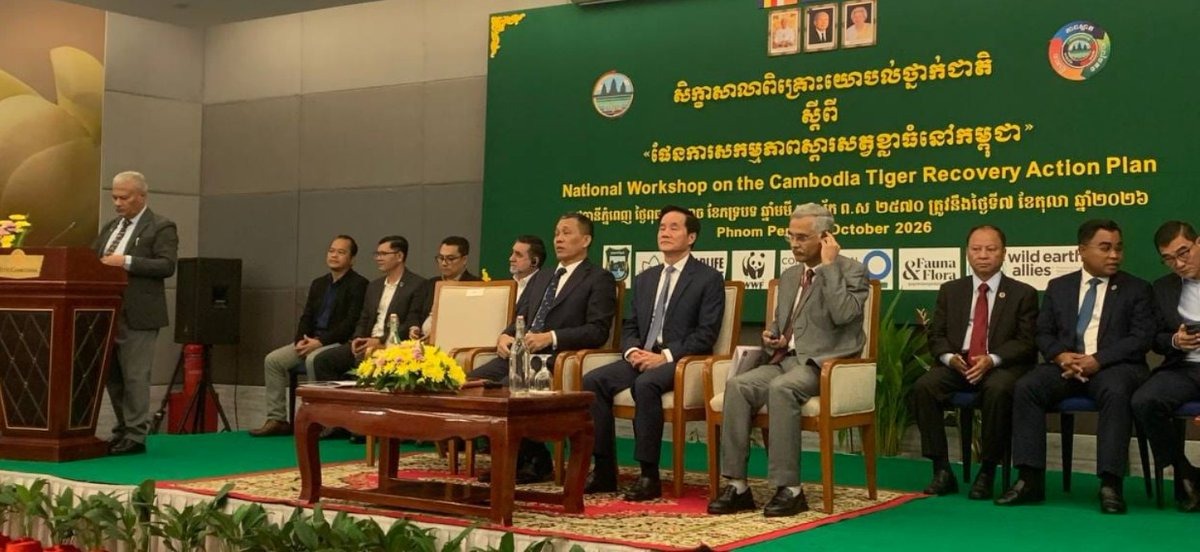
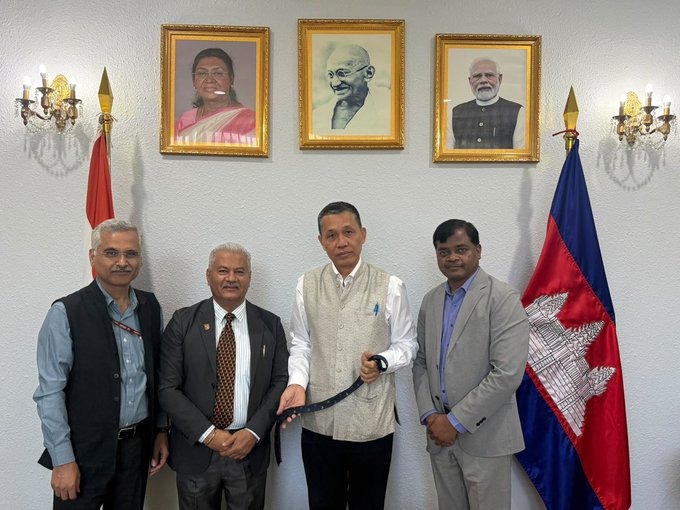
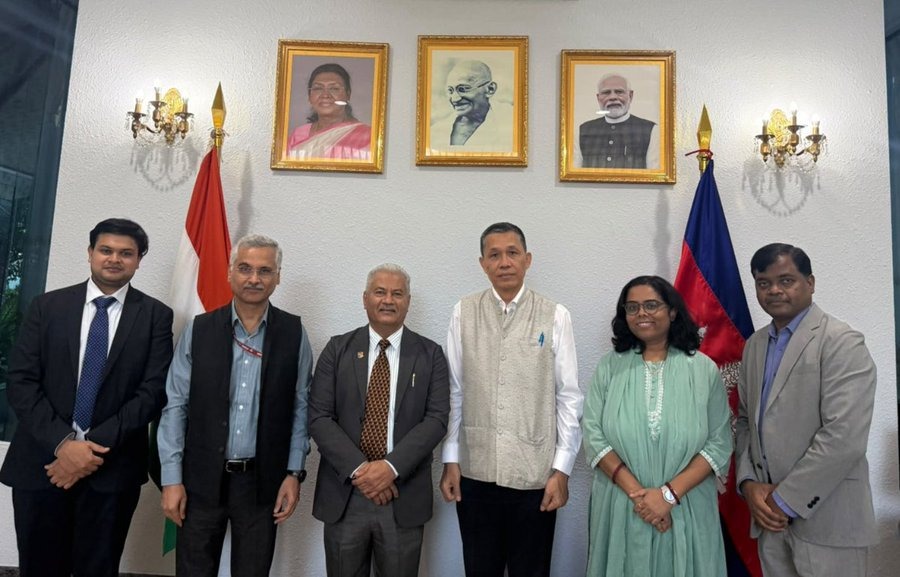
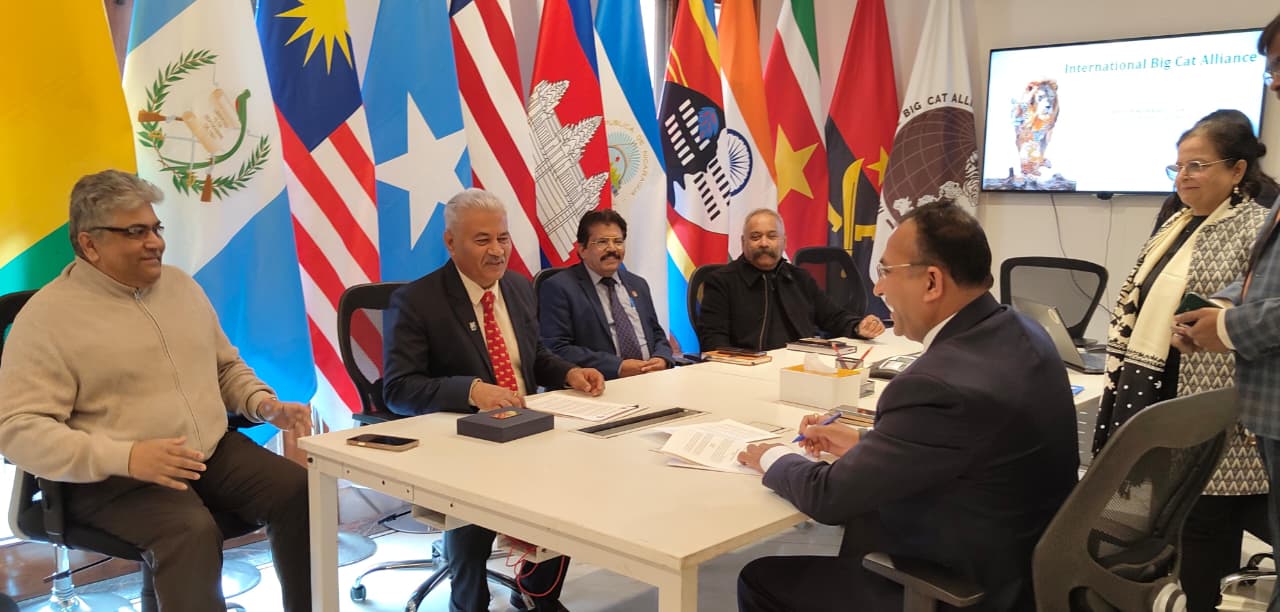
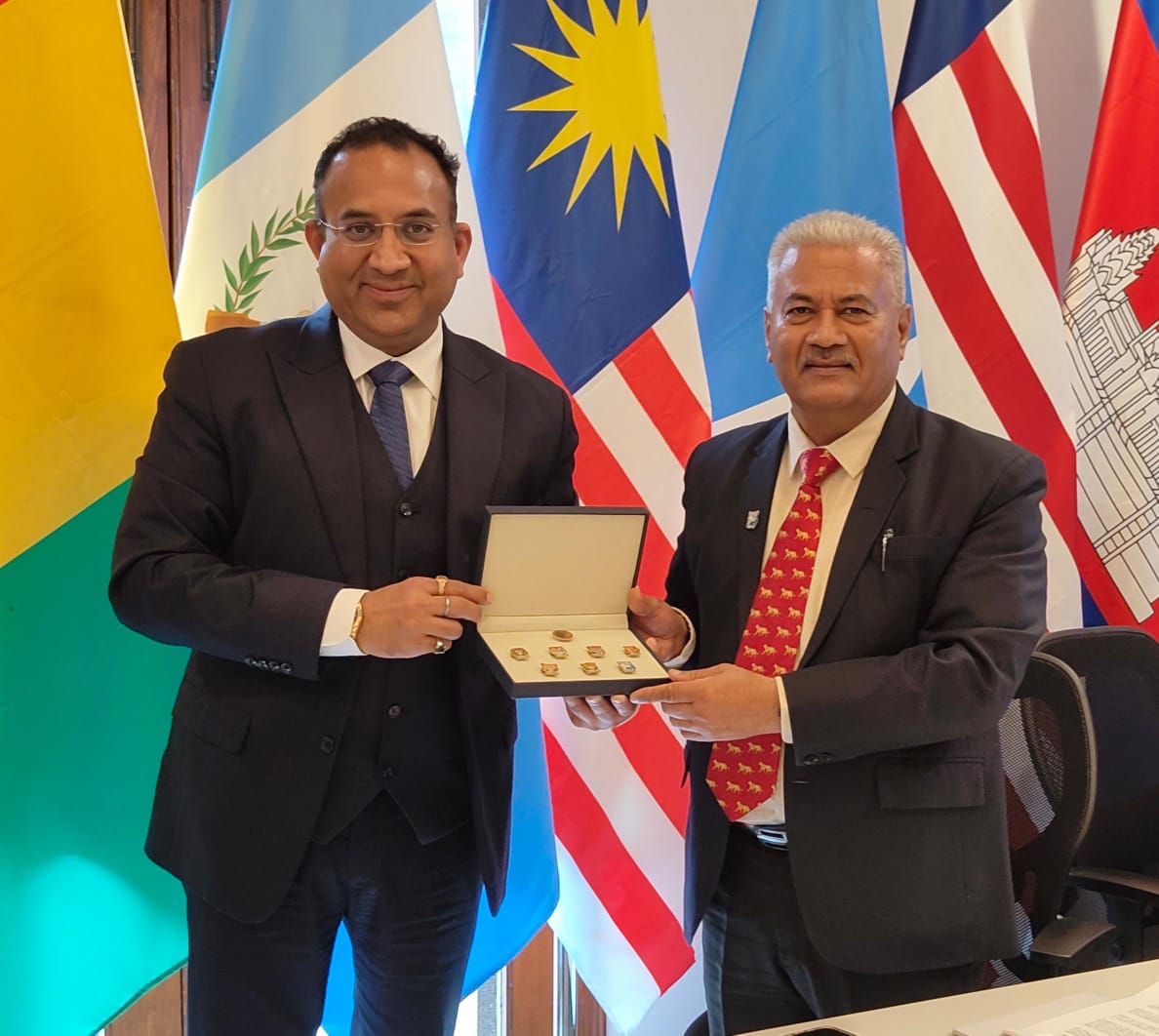
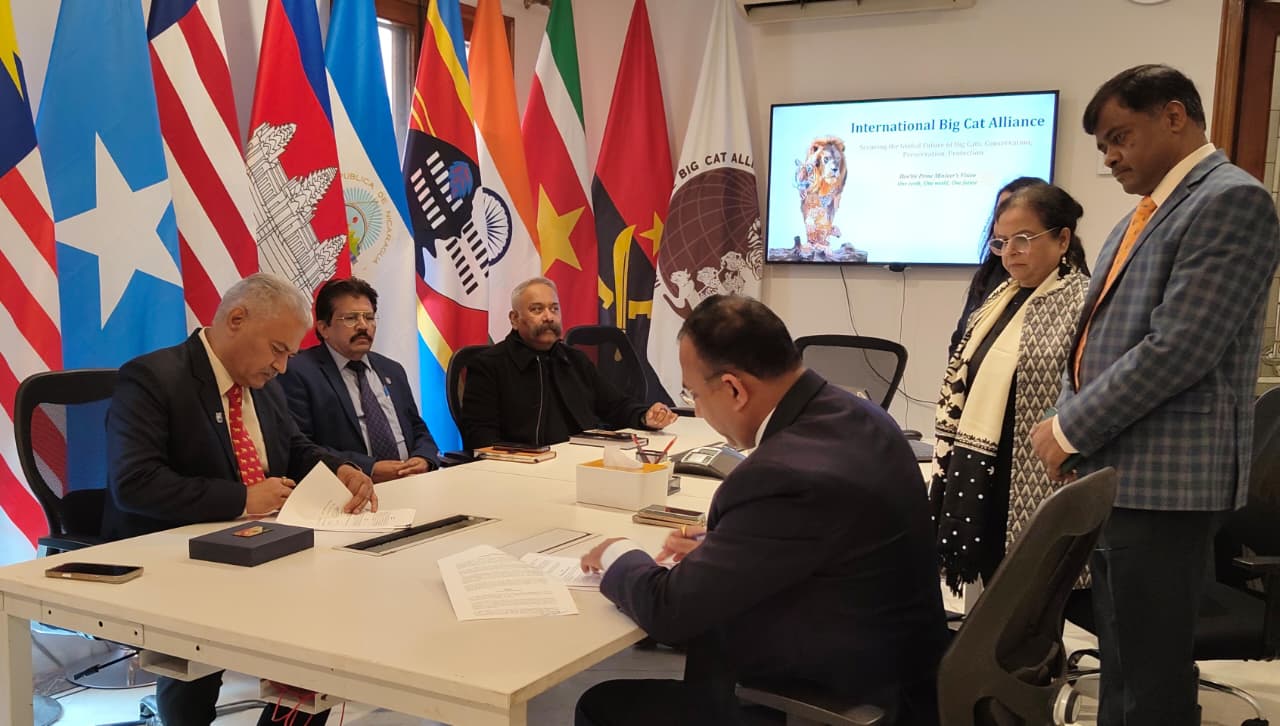
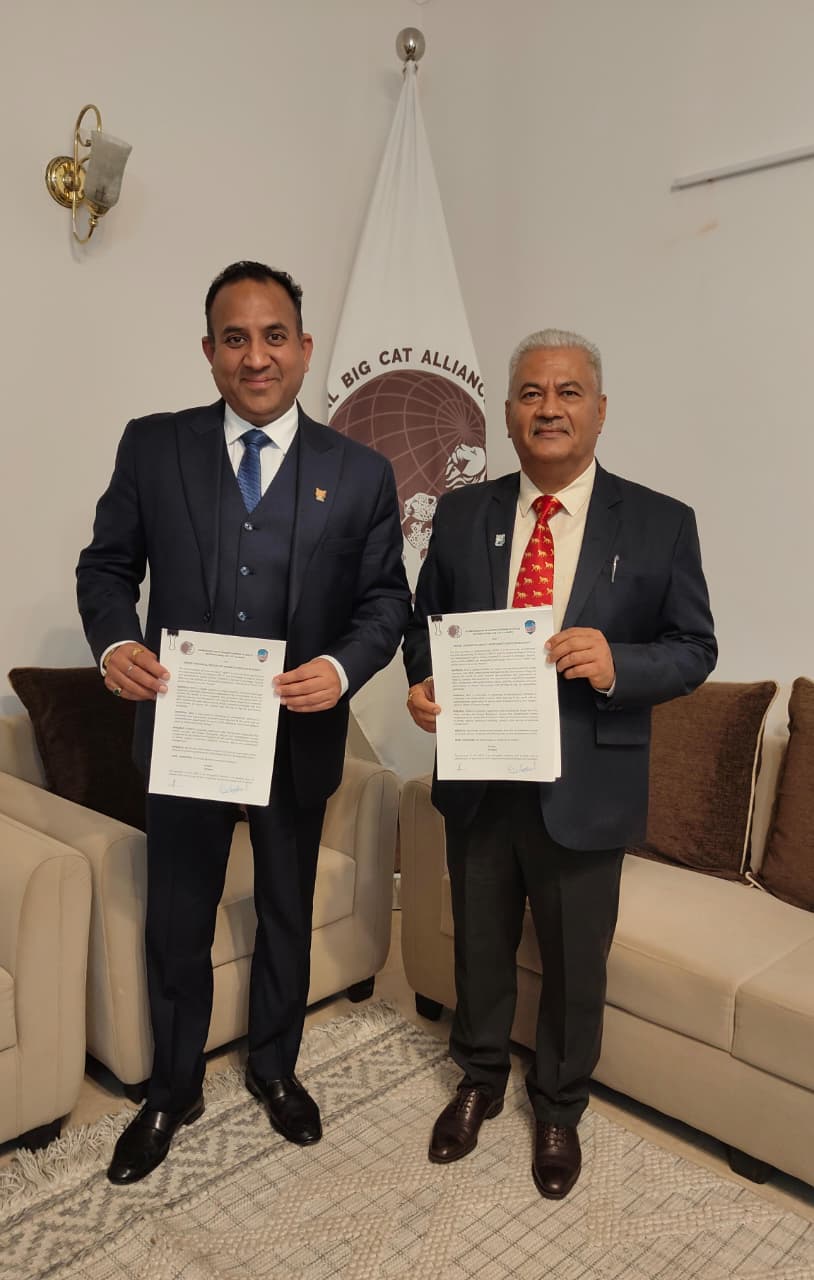
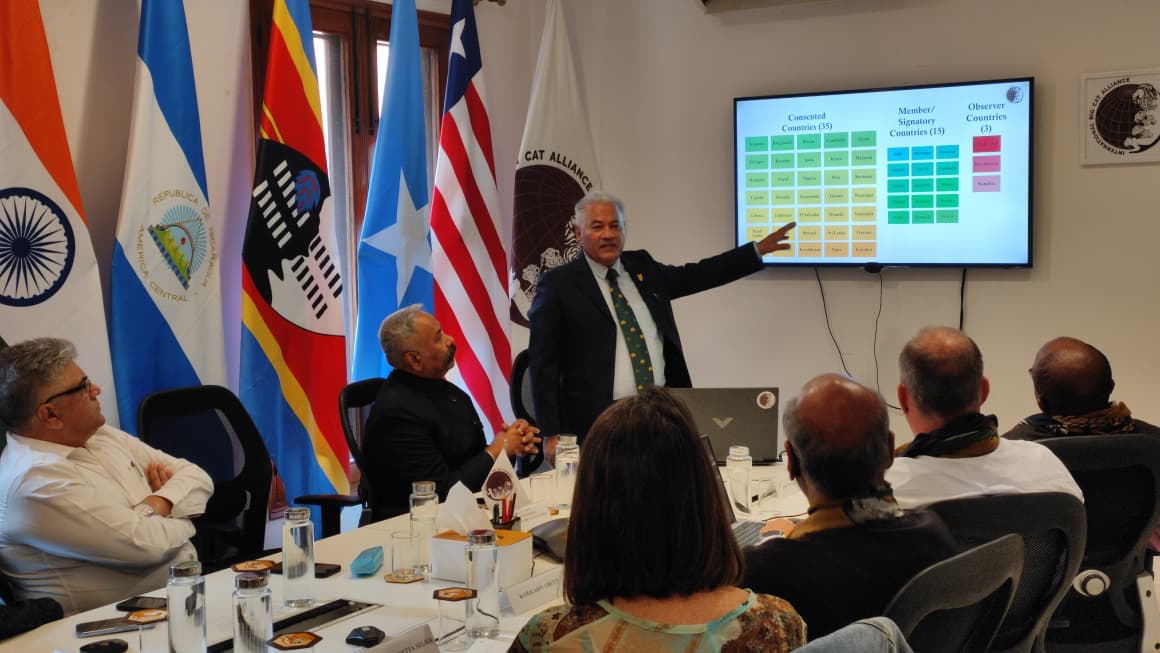
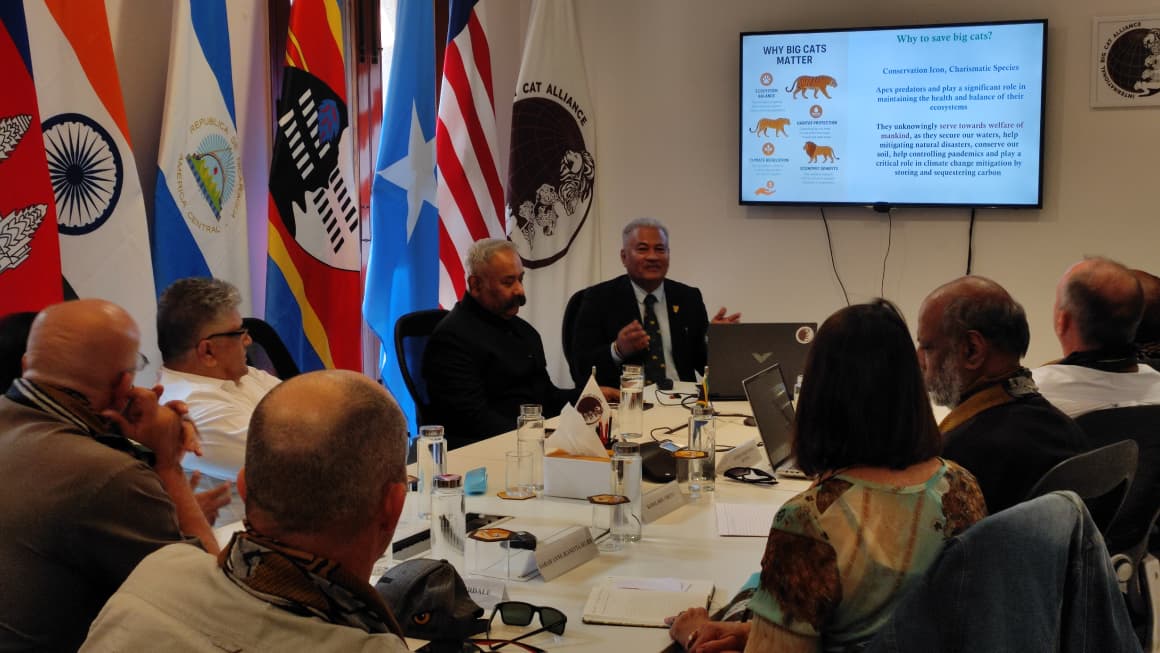
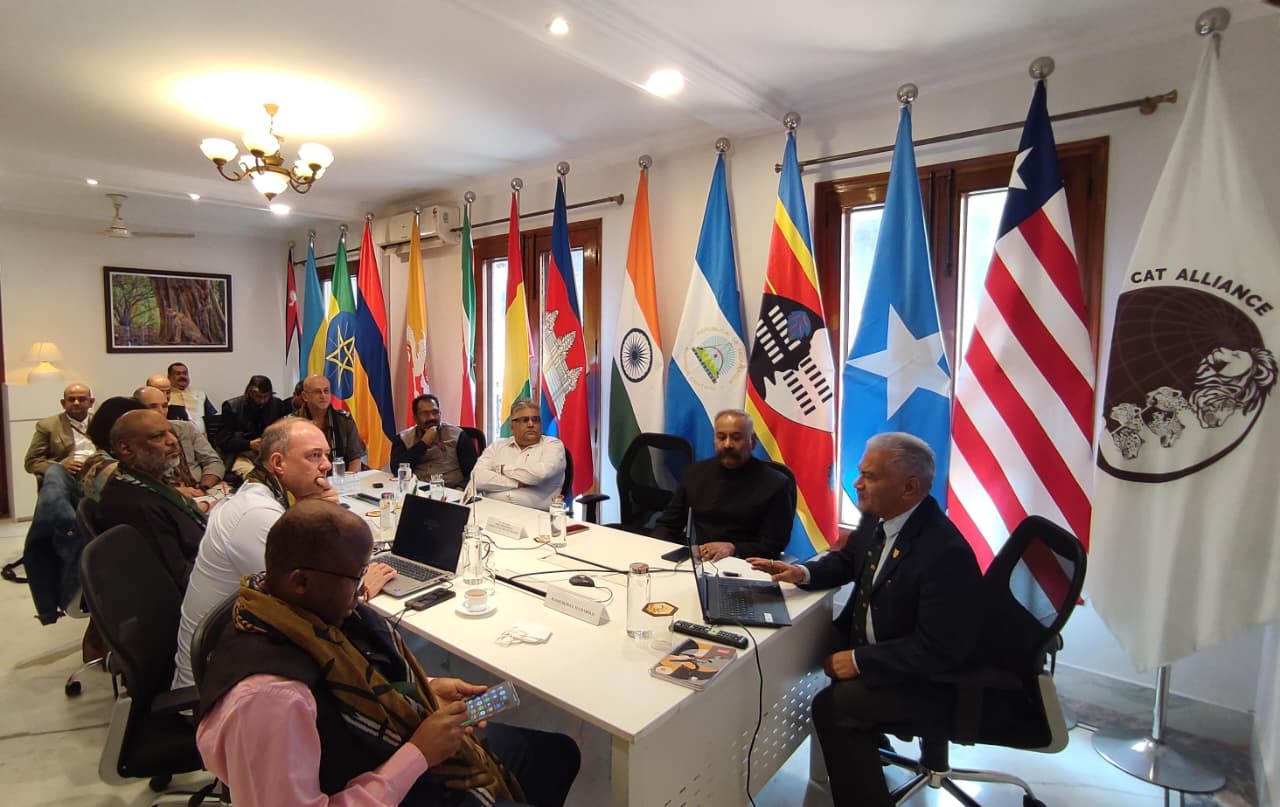
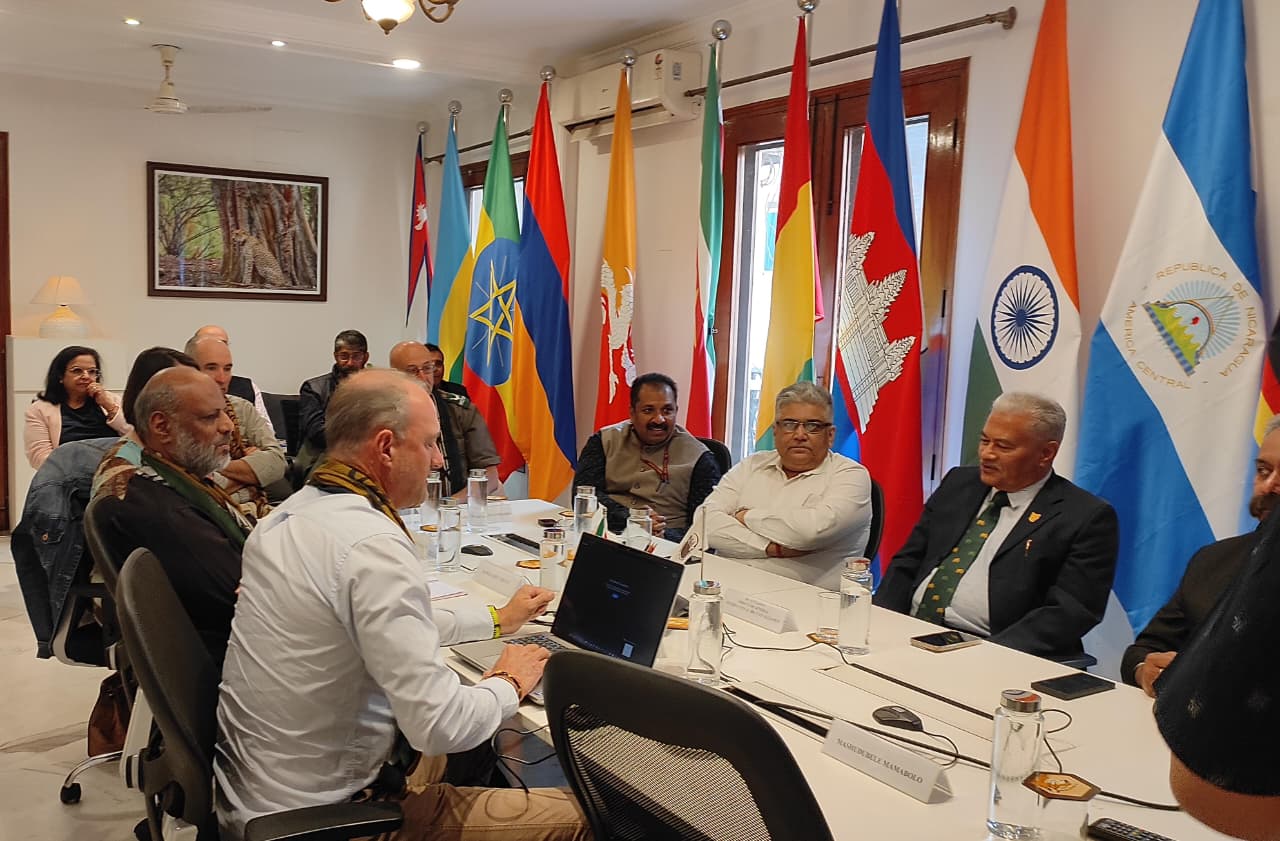
DG IBCA Meets Ambassador of India to Cambodia to Strengthen Cooperation on Big Cat Conservation
Dr. S.P. Yadav, Director General, International Big Cat Alliance (IBCA), accompanied by Mr. Sanjay Kumar, Member Secretary, National Tiger Conservation Authority (NTCA), and Mr. Jerome Minz, Director (Operations), IBCA, called on H.E. Mr. Vanlalvawna Bawitlung, Ambassador of India to Cambodia, in Phnom Penh.
The discussions focused on strengthening cooperation among India, IBCA and Cambodia in big cat conservation, with particular emphasis on capacity building, collaborative conservation initiatives, and knowledge exchange concerning tiger reintroduction and habitat management.
The interaction reaffirmed the shared commitment to fostering international partnerships and advancing collaborative efforts for the conservation of big cats and their habitats.

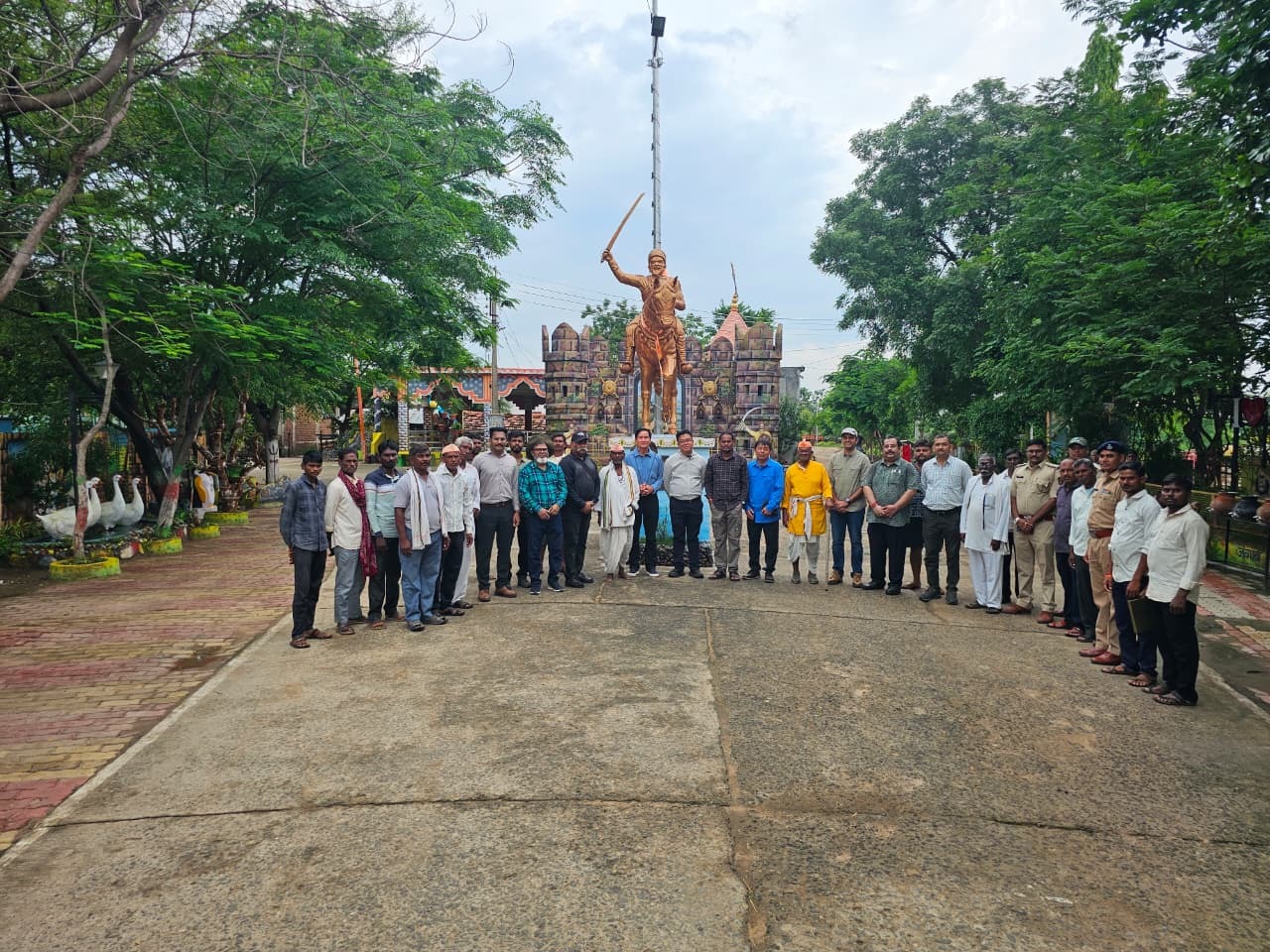
IBCA Delegation Visits Tadoba-Andhari Tiger Reserve to Learn Best Practices in Tiger Conservation and Community Stewardship
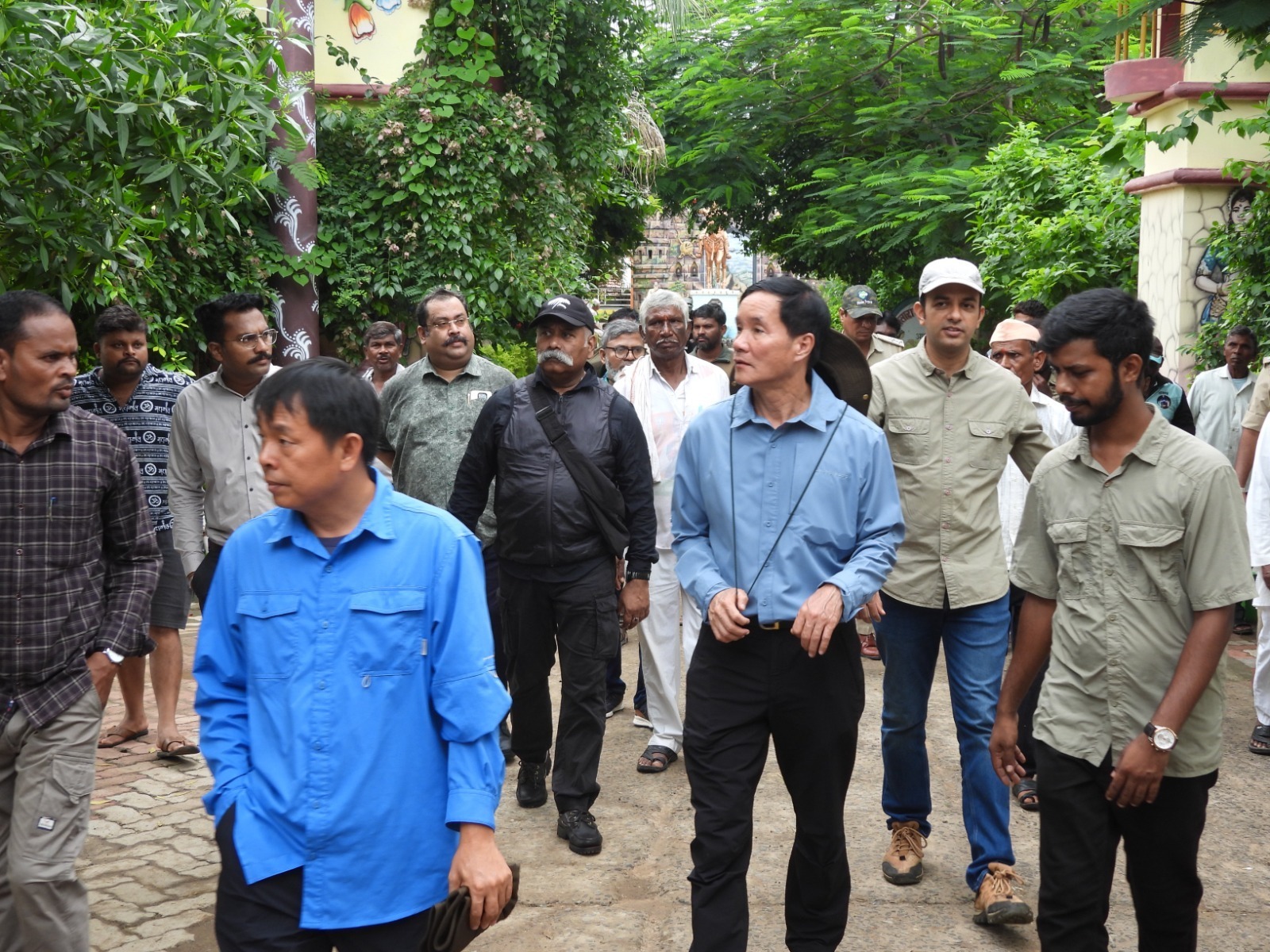
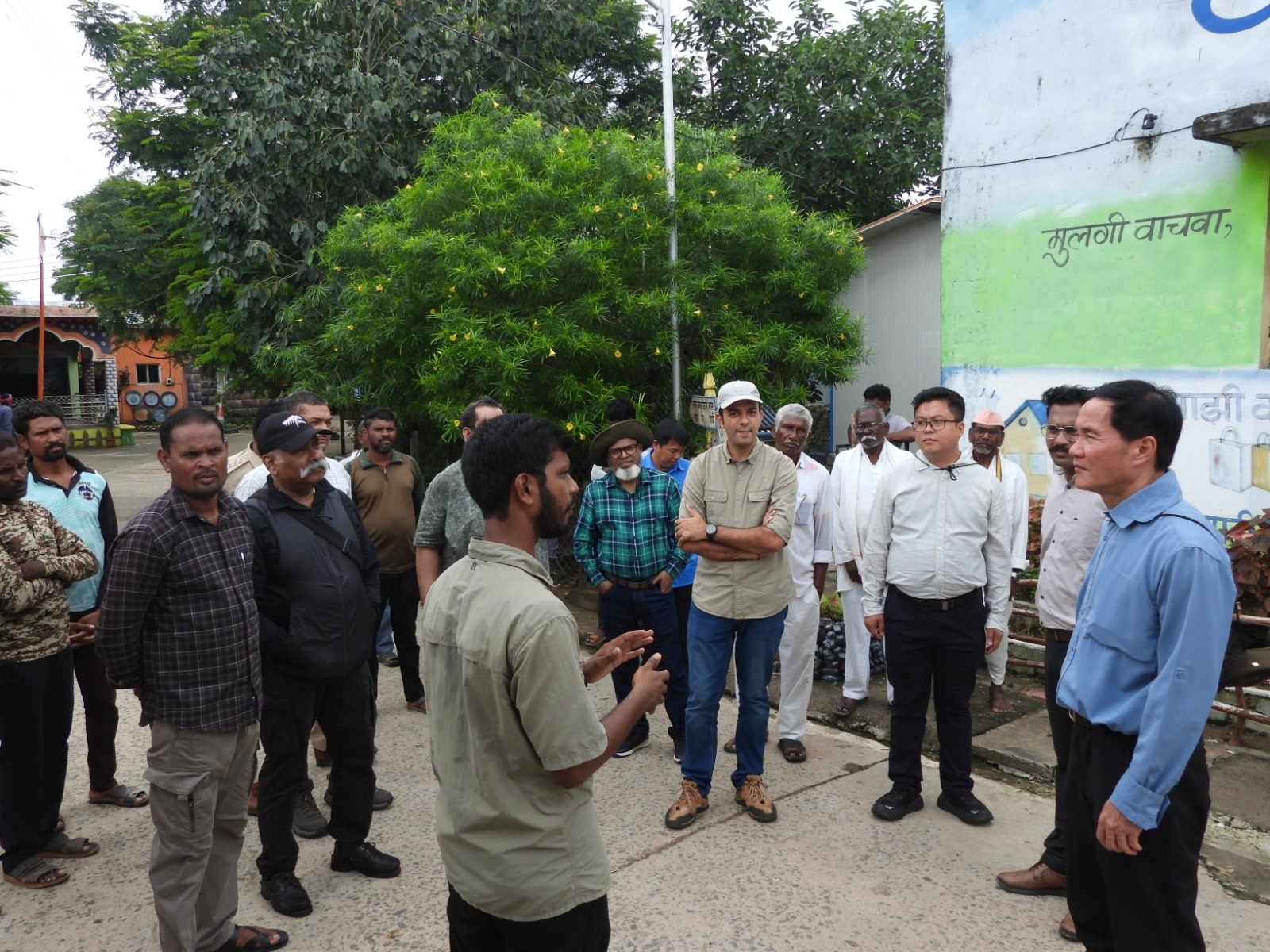
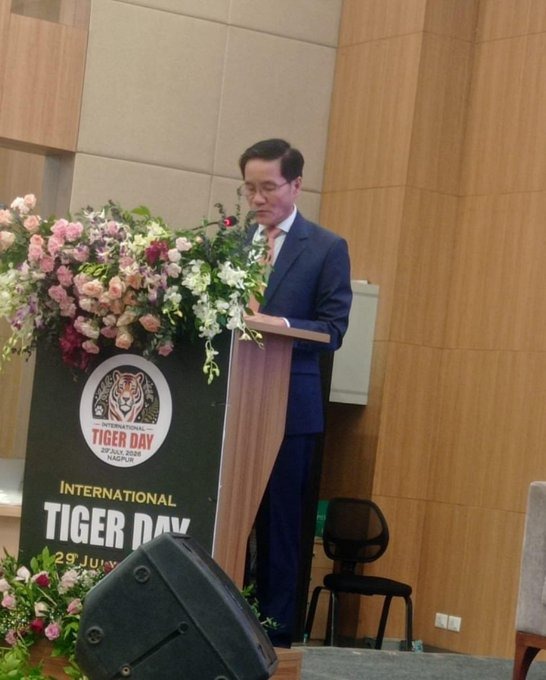
Following the International Tiger Day 2026 programme, delegates from Bangladesh, Bhutan, and Cambodia, accompanied by officials from the International Big Cat Alliance (IBCA) and the Maharashtra Forest Department, undertook a field visit to the Tadoba-Andhari Tiger Reserve to gain firsthand insights into successful tiger conservation and community-based management practices.
As part of the visit, the delegation toured Satara Village, located in the buffer zone of the Tiger Reserve. Supported by the Eco-Development Committee (EDC), the village has emerged as a model of sustainable rural development, demonstrating exemplary standards of cleanliness, renewable energy adoption through solar power, and community-led governance. The delegates observed how local participation and collective resource management have contributed to sustainable livelihoods while promoting harmonious coexistence between people and wildlife.
The delegation also visited key areas within the Tadoba-Andhari Tiger Reserve to understand the reserve's conservation and management practices. Forest officials showcased initiatives related to habitat management, prey population enhancement, protection measures, and community participation, highlighting the integrated approach adopted to strengthen tiger conservation across the landscape.
During interactions with officials of the Maharashtra Forest Department, the delegates discussed the opportunities and challenges associated with managing growing tiger populations, mitigating human–wildlife conflict, and enhancing landscape-level conservation. The visit also included a tour of the Interpretation Centre, where the delegation learned about various conservation initiatives, awareness programmes, and management interventions being implemented to support the long-term conservation of tigers and their habitats.
The field visit provided an important platform for knowledge exchange and cross-learning, enabling delegates from the participating countries to gain practical insights into India's experience in tiger conservation and community engagement, while reinforcing the value of international cooperation under the framework of the International Big Cat Alliance (IBCA).
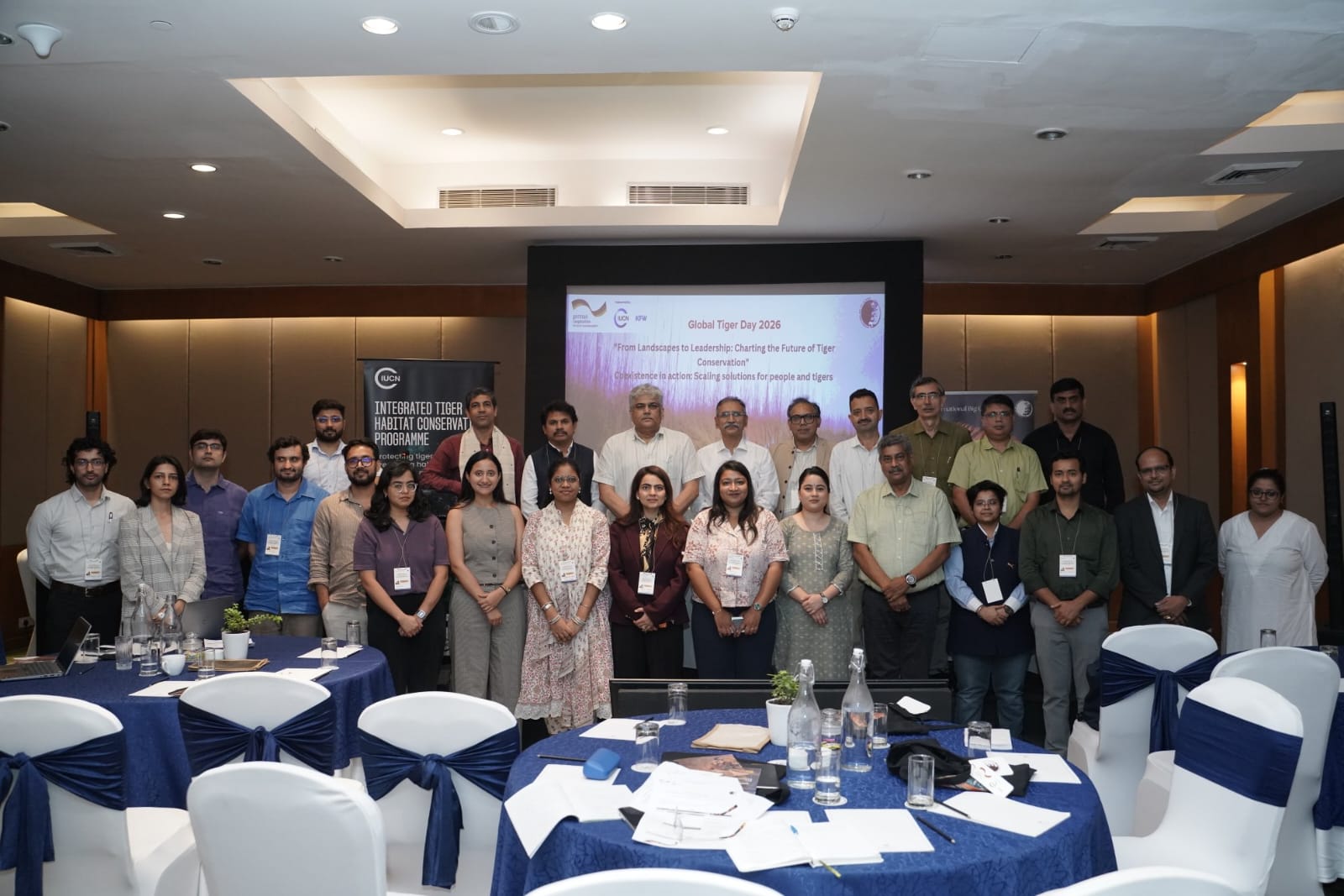
IBCA and IUCN India Celebrate World Tiger Day 2026
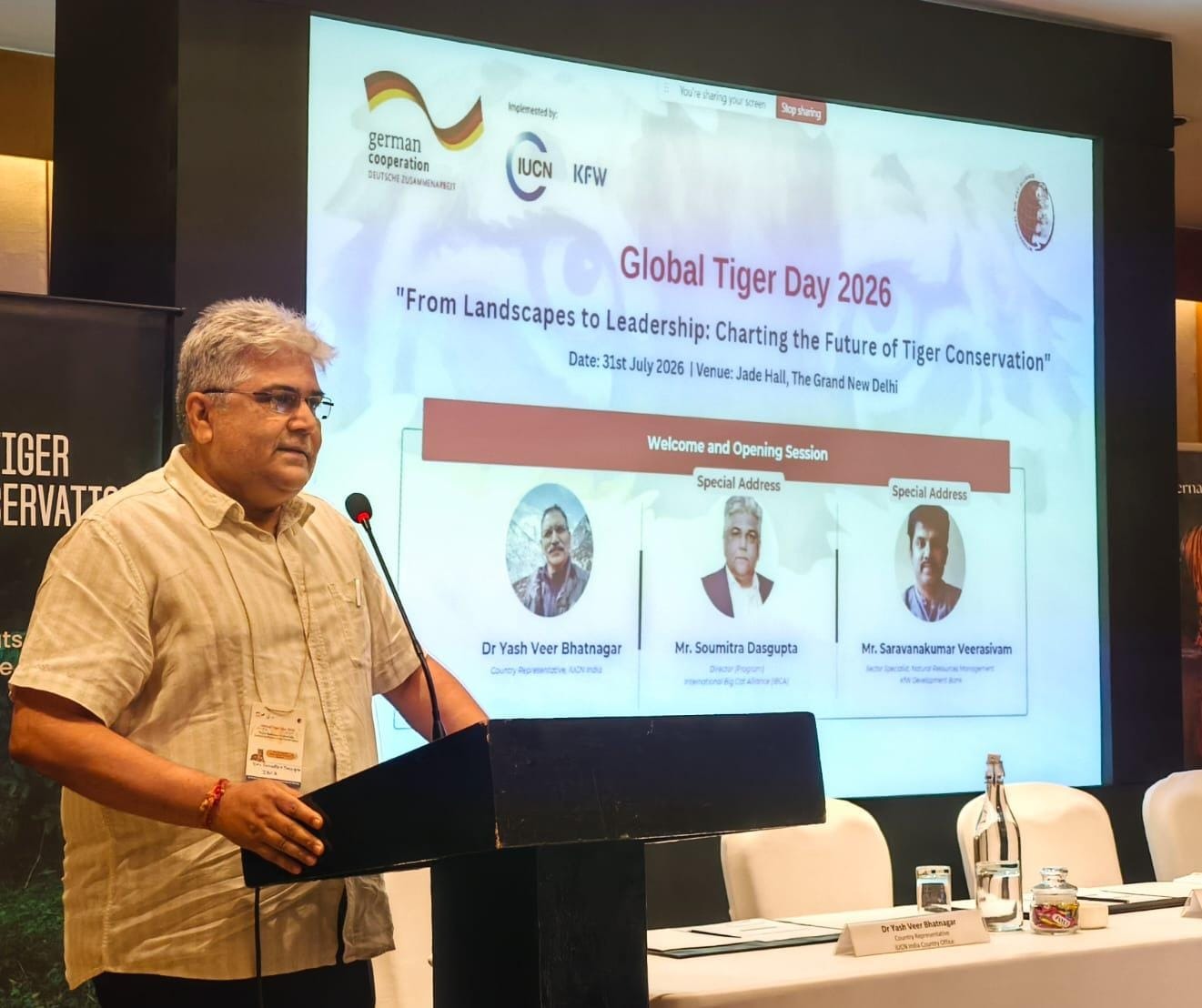
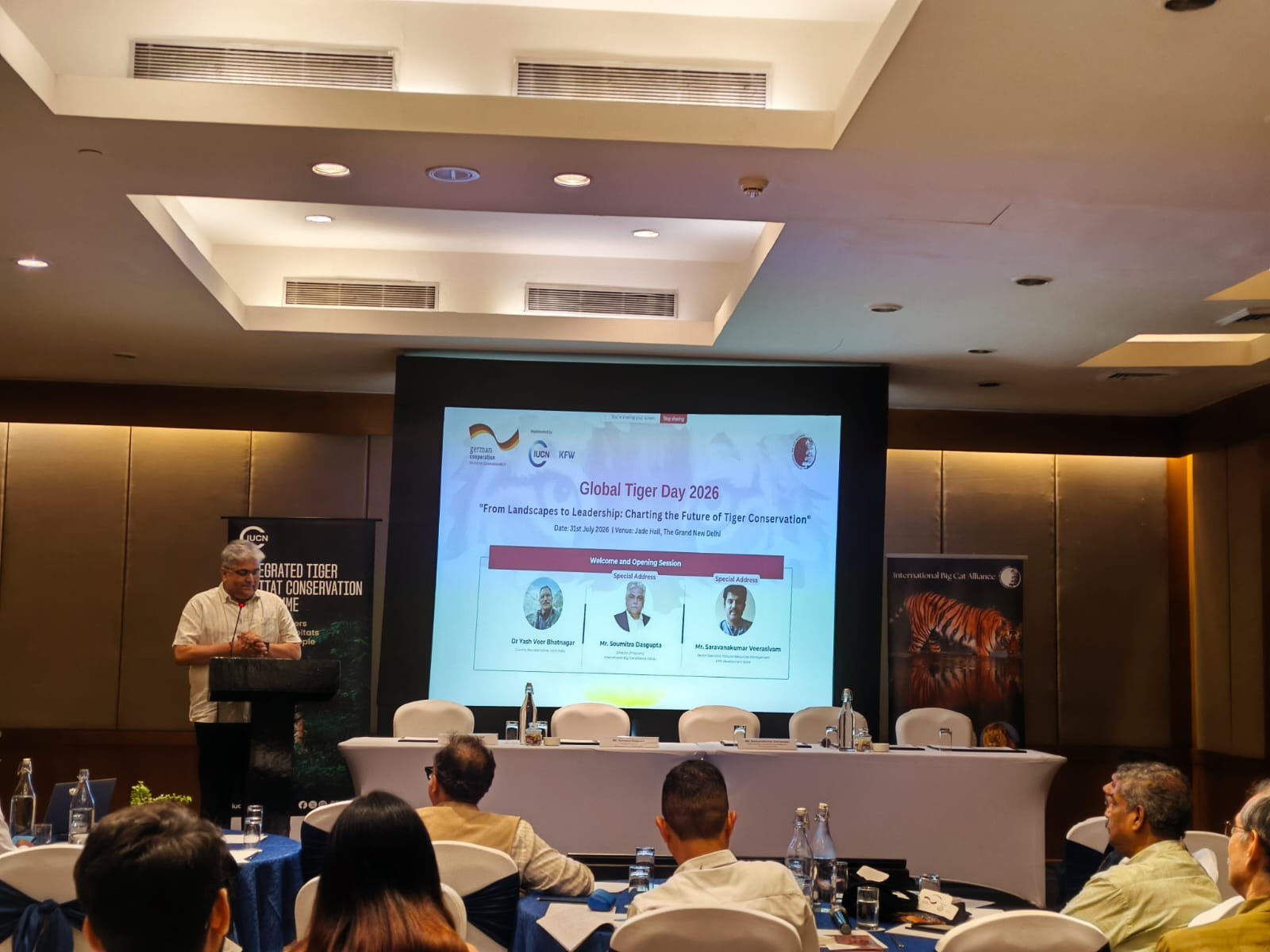
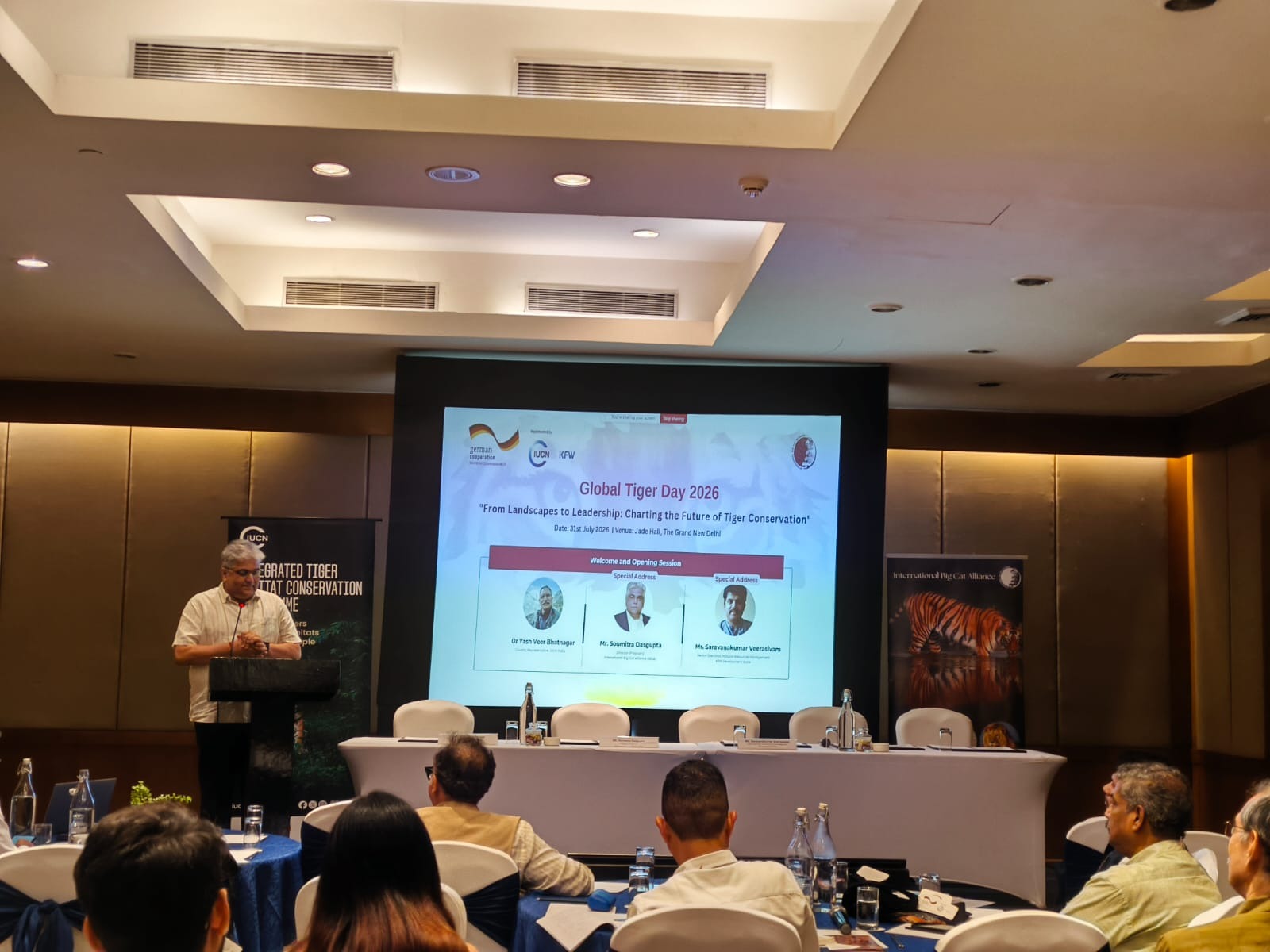
The International Big Cat Alliance (IBCA), in collaboration with the IUCN India Country Office and KfW Development Bank, co-organized an event in New Delhi to commemorate World Tiger Day 2026, bringing together policymakers, conservation practitioners, scientists, and corporate representatives to discuss emerging priorities for tiger conservation.
During the inaugural session, Mr. Soumitra Dasgupta, Director (Program), IBCA, highlighted the ecological significance of tigers as flagship and umbrella species that play a vital role in maintaining healthy ecosystems. He acknowledged the sustained conservation efforts of the Government of India and other Tiger Range Countries, which have contributed to significant progress in tiger population recovery and habitat conservation over the past decades.
Emphasizing the importance of international collaboration, he outlined the role of the International Big Cat Alliance (IBCA) as a global platform for promoting cooperation among range countries through knowledge exchange, capacity building, technical collaboration, and coordinated conservation action. He underscored that collective efforts are essential for securing the long-term recovery of tiger populations and strengthening the connectivity and resilience of tiger landscapes.
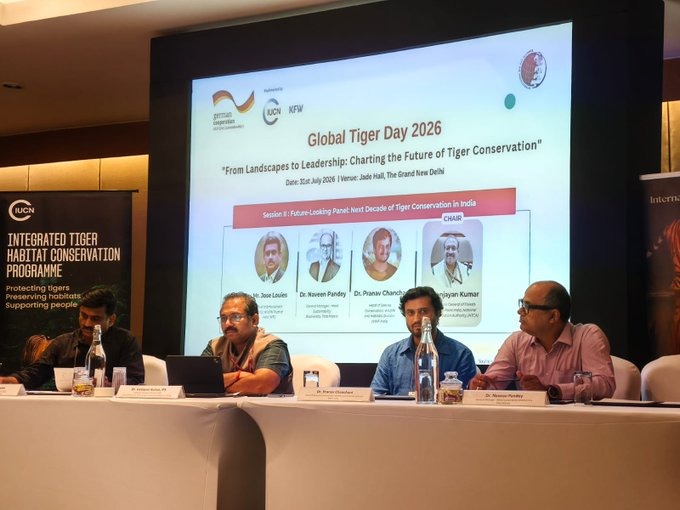
A panel discussion on the future of tiger conservation featured Dr. Sanjayan Kumar, Inspector General of Forests, National Tiger Conservation Authority (NTCA); Mr. Jose Louies, Chief of Enforcement, Wildlife Trust of India (WTI); Dr. Naveen Pandey, General Manager & Head – Sustainability and Biodiversity, Tata Motors; and Dr. Pranav Chanchani, Head, Species Conservation Division, WWF-India.
The panel explored emerging approaches to strengthen tiger conservation in India, highlighting the role of technological innovations, including advanced monitoring systems and data-driven conservation tools, alongside innovative financing mechanisms such as blended finance and enhanced corporate engagement. The discussion also emphasized the importance of multi-stakeholder partnerships involving governments, conservation organizations, research institutions, the private sector, and local communities in ensuring the long-term conservation of tigers and their habitats.
Strengthening International Cooperation for Big Cat Conservation
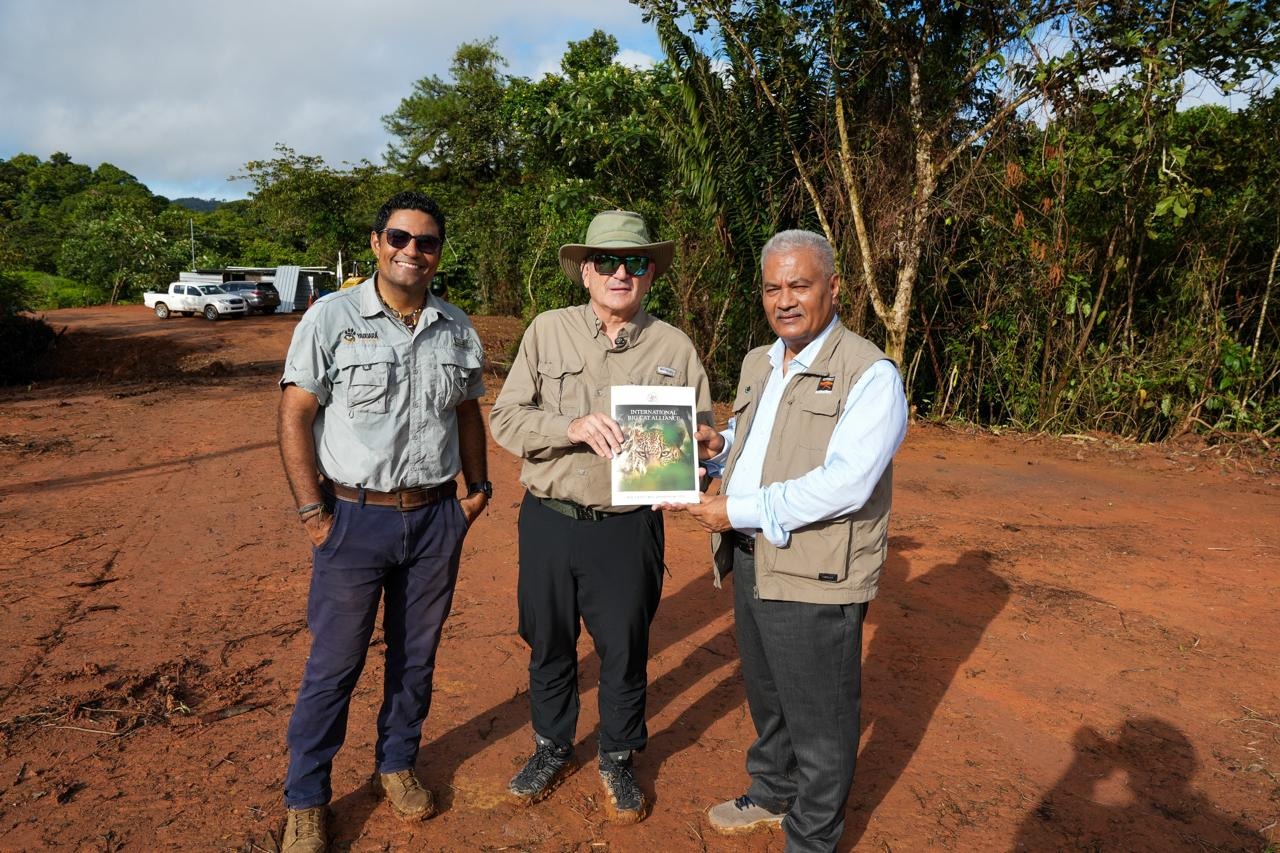
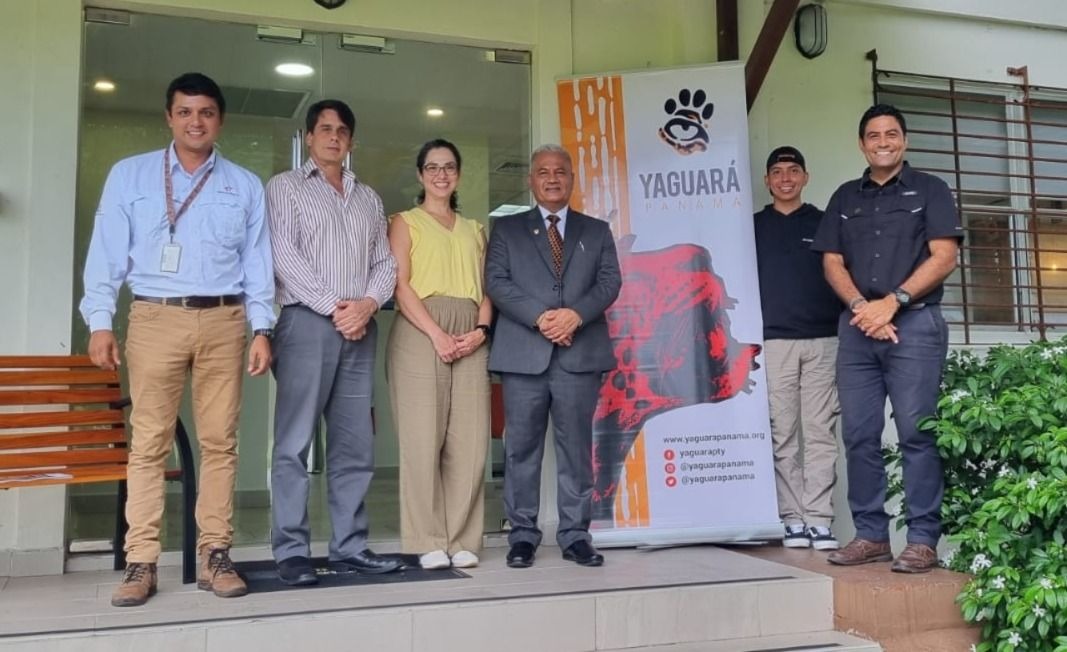
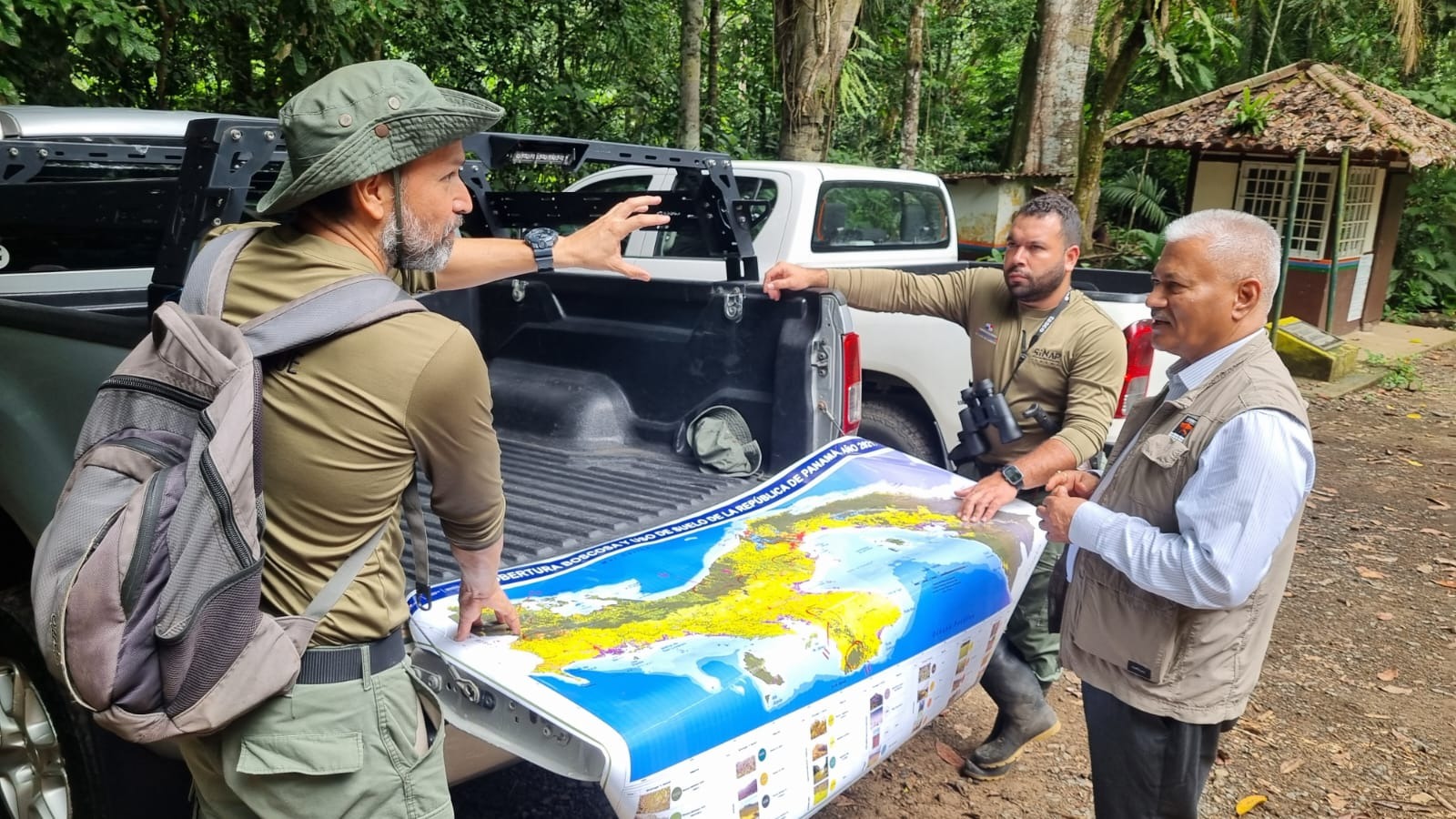
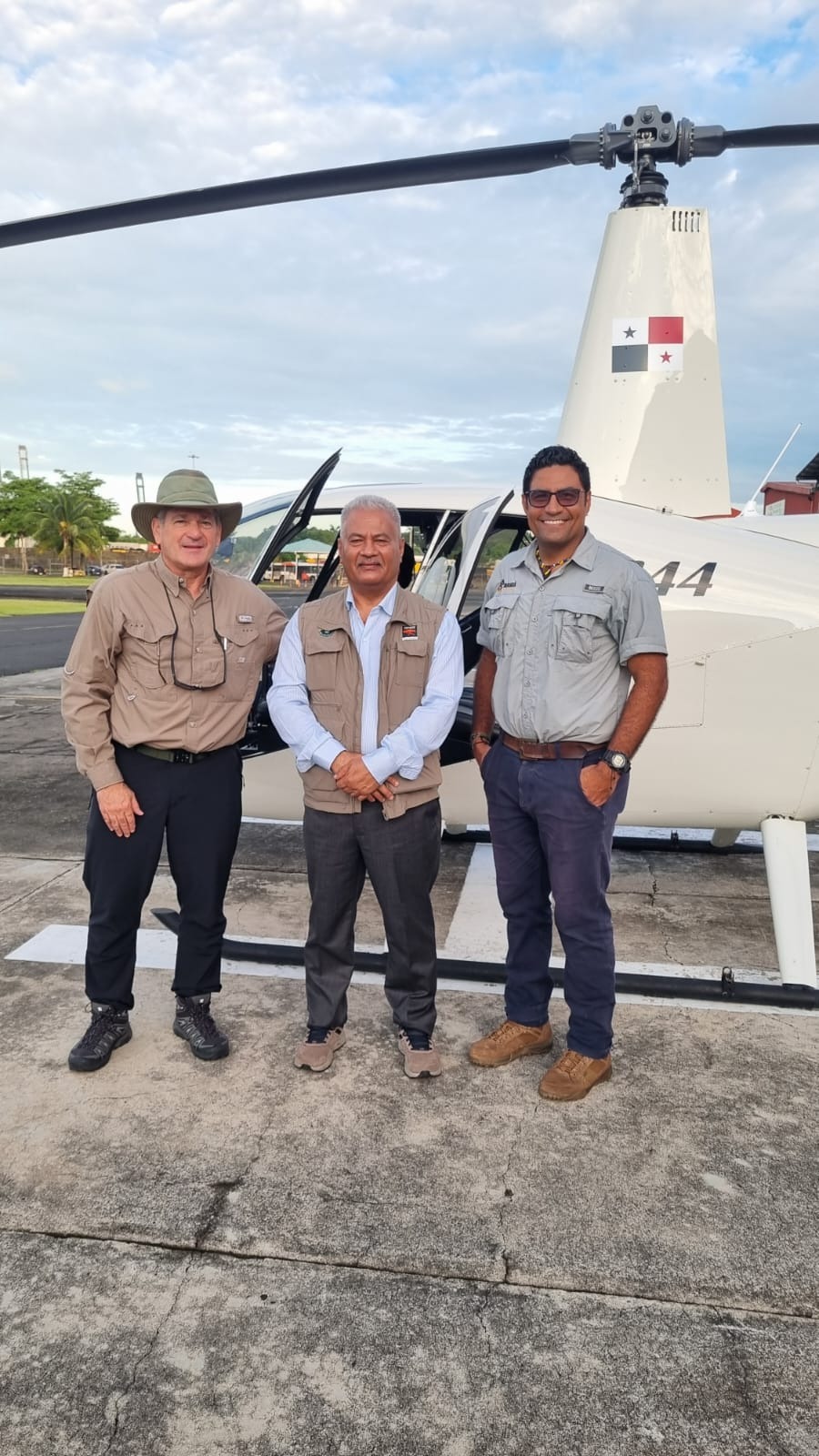
Dr. S. P. Yadav, Director General, International Big Cat Alliance (IBCA), along with H.E. Mr. Juan Carlos Navarro, Hon’ble Minister of Environment, Panama, and Mr. Ricardo Moreno, Jaguar Foundation, undertook an aerial survey of key jaguar and puma habitats in Panama and visited a proposed facility for the training, rescue, and rehabilitation of big cats.
The visit provided an opportunity to discuss the objectives and initiatives of IBCA and explore avenues for strengthening international cooperation in big cat conservation.
H.E. Mr. Juan Carlos Navarro expressed keen interest in Panama joining the International Big Cat Alliance, underscoring the shared commitment to advancing big cat conservation and protecting their natural habitats.
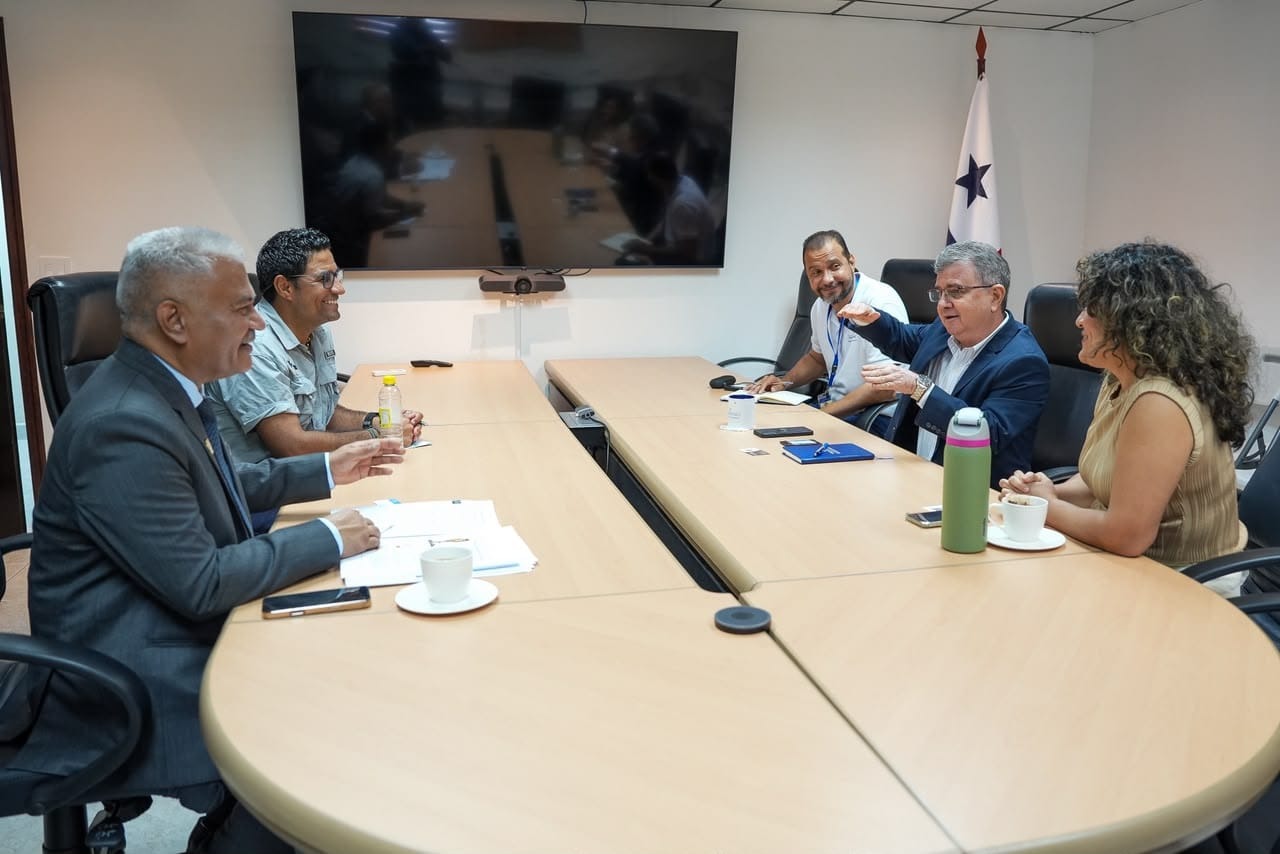
Meeting with the Ministry of Environment, Panama | 22 July 2026
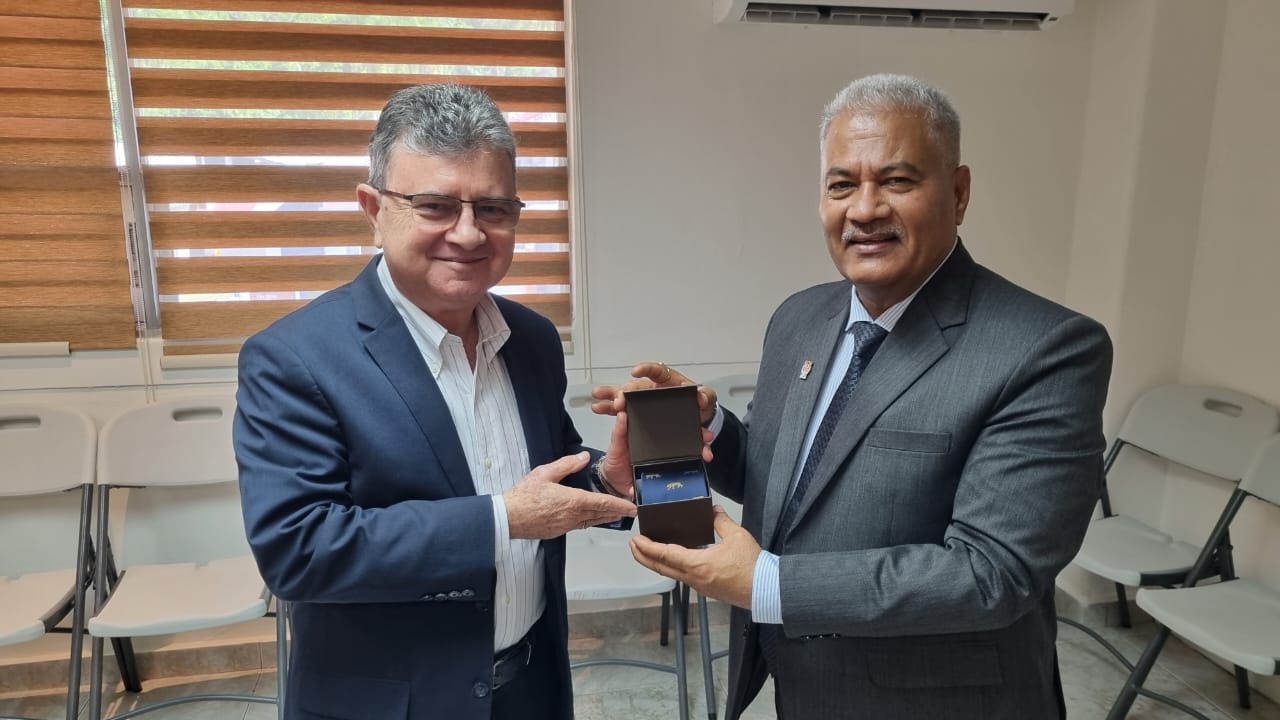
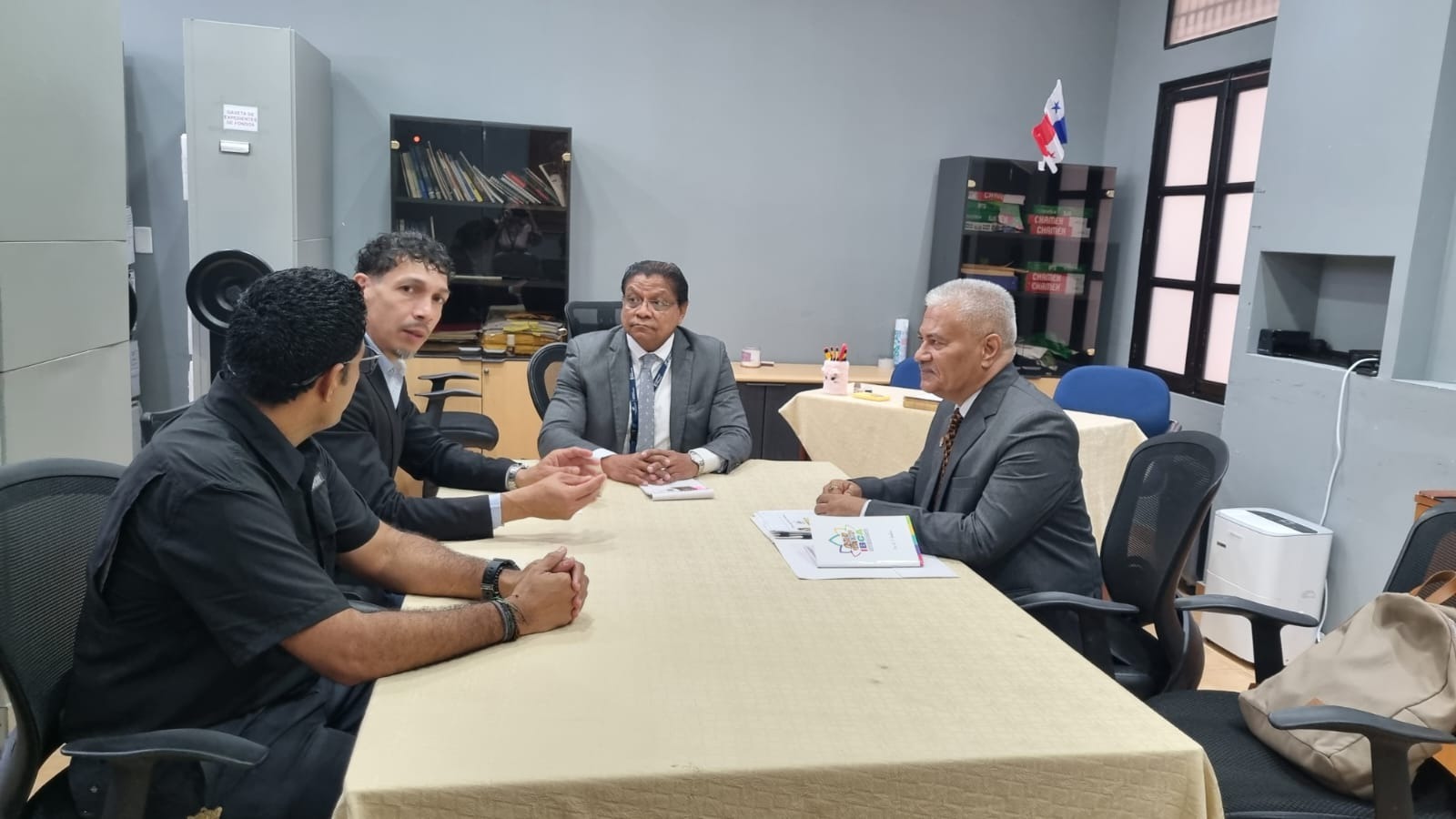
A productive meeting was held between Dr. S. P. Yadav, Director General, International Big Cat Alliance (IBCA), and H.E. Mr. Oscar Vallarino B., Vice Minister, Ministry of Environment, Panama.
The discussions focused on strengthening international cooperation for Big Cat conservation, with particular emphasis on Panama's potential membership in the International Big Cat Alliance (IBCA).
Both sides also explored opportunities for enhanced collaboration in the conservation of the Jaguar and Puma, while promoting knowledge sharing and collaborative conservation initiatives to support long-term biodiversity protection.
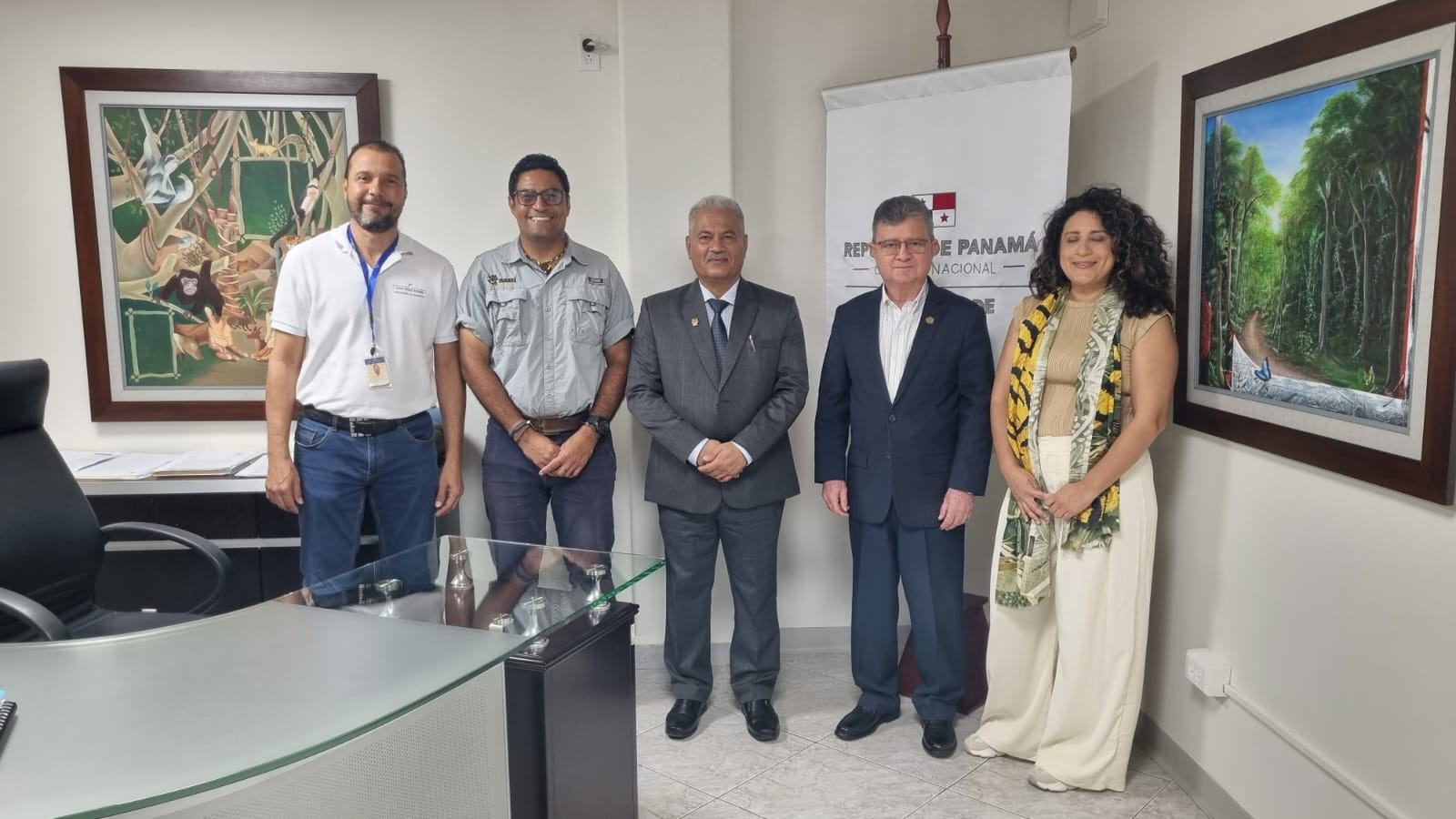
Meeting with the Ministry of Foreign Affairs, Panama | 21 July 2026
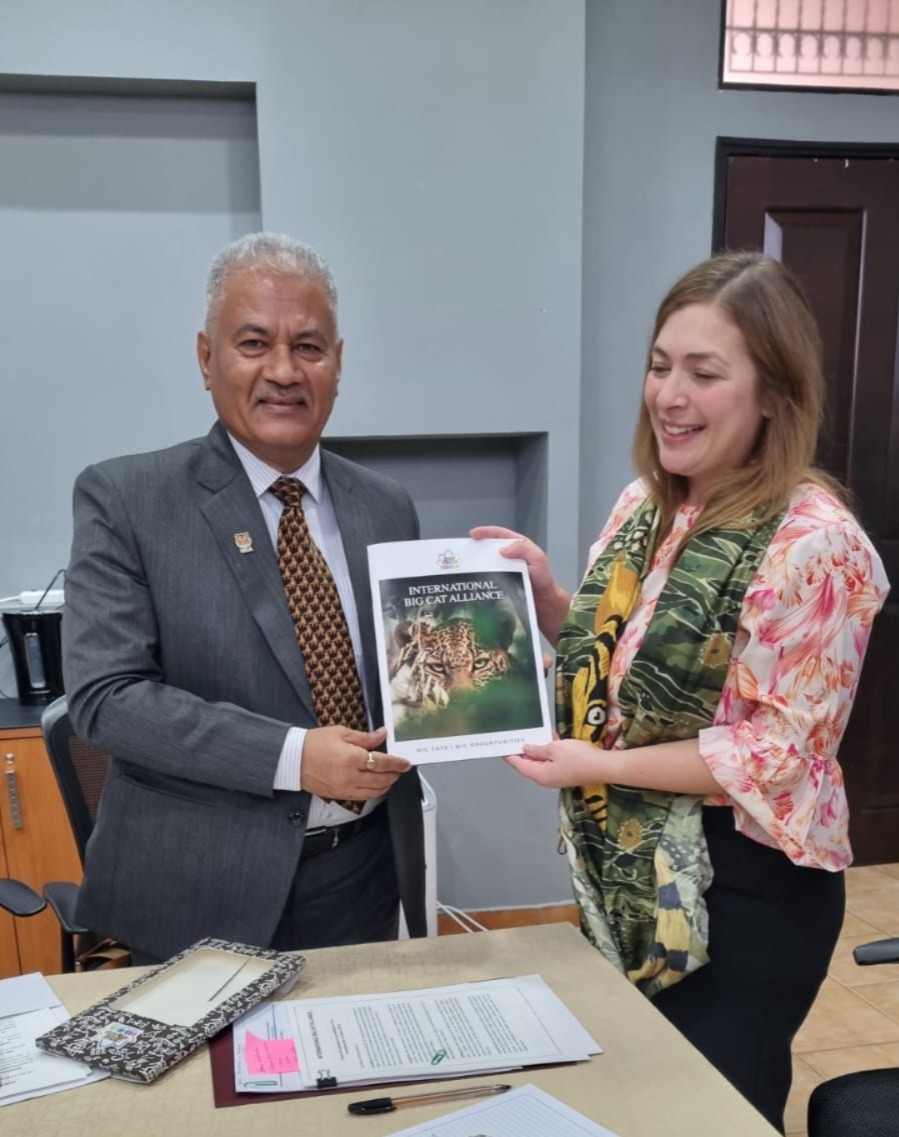
A fruitful meeting was held between Dr. S. P. Yadav, Director General, International Big Cat Alliance (IBCA), and Her Excellency Ms. Andrea Zebede, Director in Charge of International Organizations and Conferences, Ministry of Foreign Affairs, Panama, in Panama City.
The discussions focused on the prospects of Panama joining the International Big Cat Alliance (IBCA) as a Member Country, while exploring opportunities to strengthen cooperation in Big Cat and biodiversity conservation across range countries.
Deliberations also covered capacity building, knowledge exchange, and the sharing of best practices to advance global conservation efforts and foster long-term collaboration in wildlife conservation.
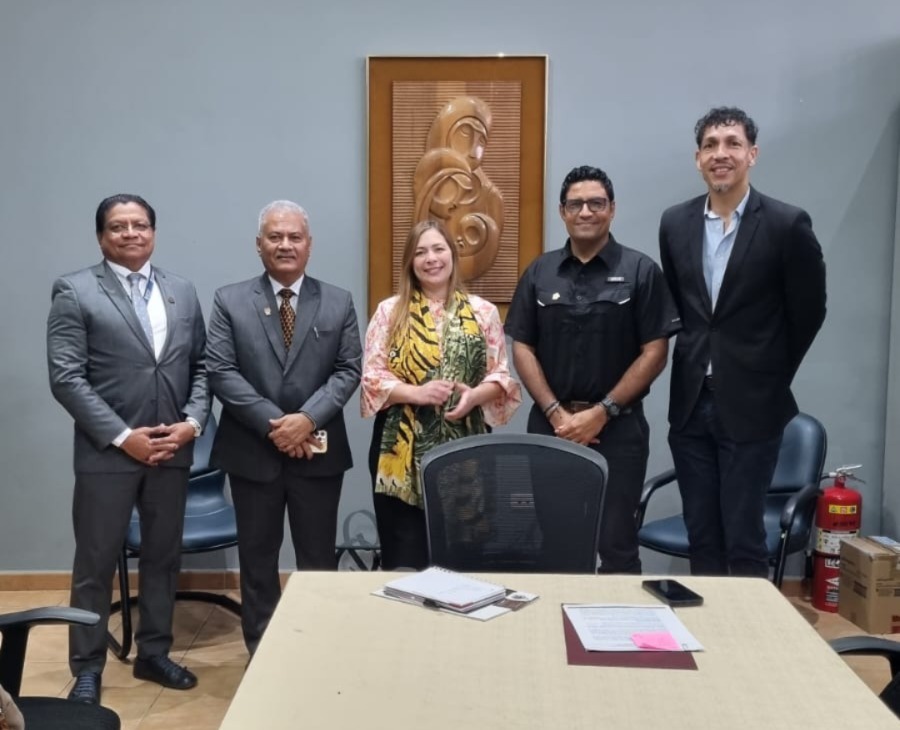
DG IBCA's Visit to Soberanía National Park, Panama | 21 July 2026
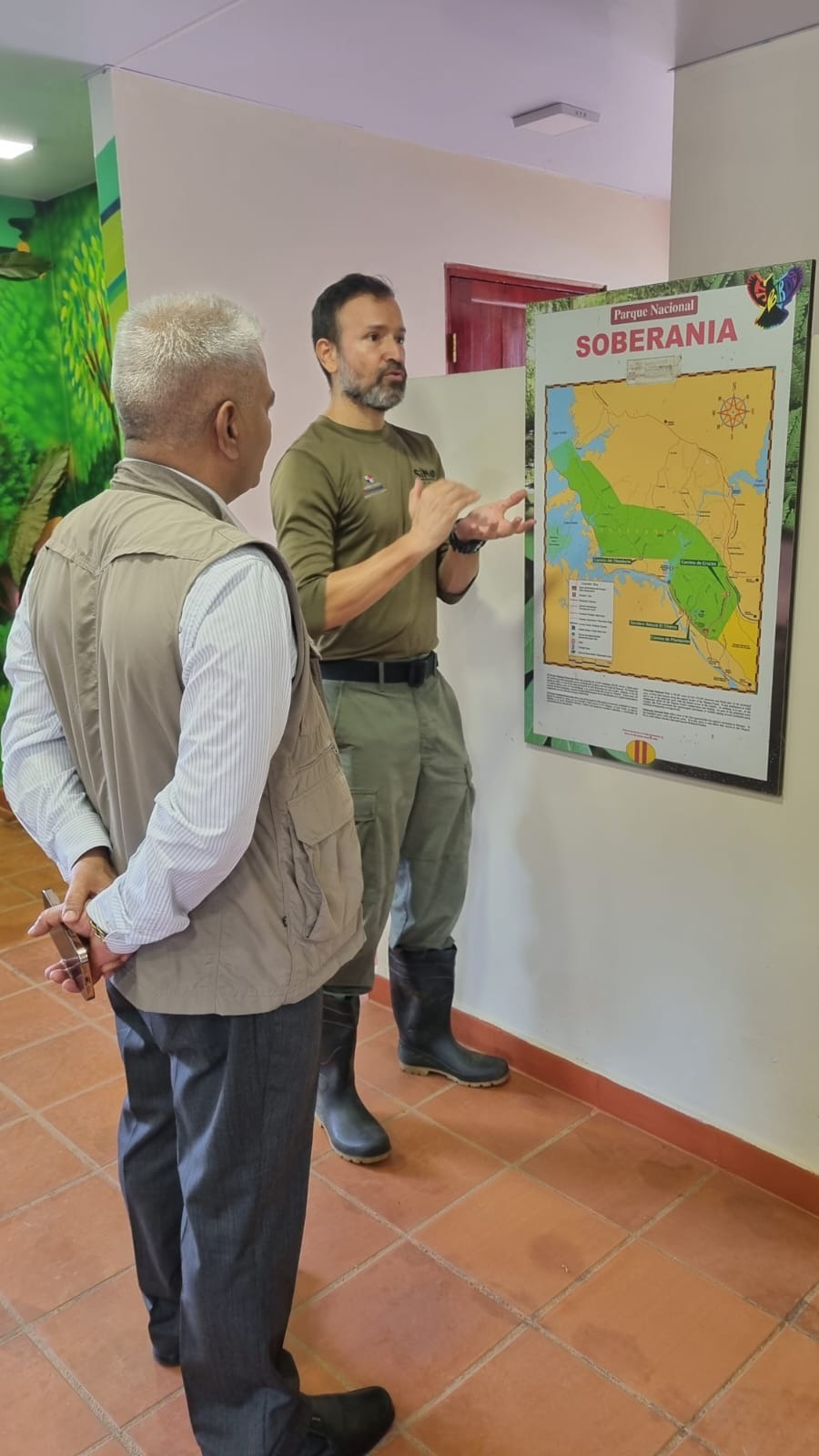
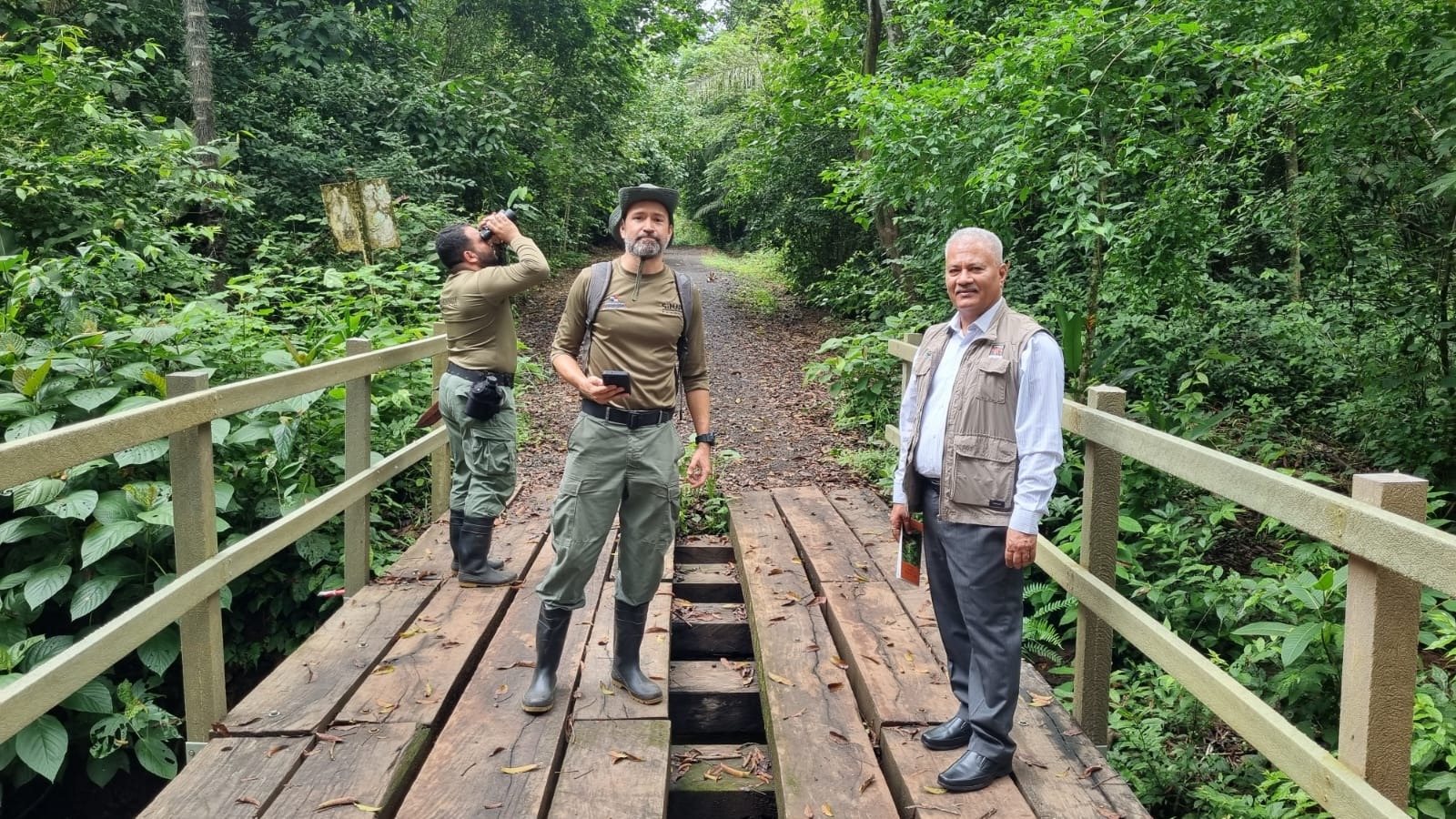
Dr. S. P. Yadav, Director General, International Big Cat Alliance (IBCA), visited Soberanía National Park, Panama, and held productive discussions with park officials on the conservation of Jaguars and Pumas.
The interactions focused on strengthening conservation efforts, exchanging knowledge and best practices, and exploring opportunities for enhanced collaboration to safeguard these iconic species and their habitats.
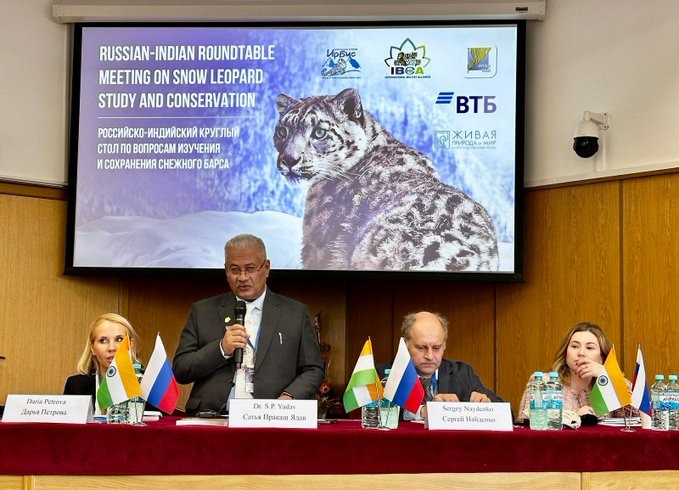
IBCA Director General Highlights Importance of Snow Leopard Conservation at Russia-India Round Table
During the Russia-India Round Table Meeting on “Conservation and Study of the Snow Leopard” held in Moscow, Russia, Dr. S. P. Yadav, Director General, International Big Cat Alliance (IBCA), shared perspectives on the critical importance of Snow Leopard conservation for strengthening biodiversity security, ecological resilience and sustainable development across high-altitude landscapes.
Dr. Yadav emphasized the need for stronger international partnerships and collaborative approaches to safeguard mountain ecosystems that provide critical habitat for Snow Leopards and support diverse ecological processes and communities.
He also highlighted the role of the International Big Cat Alliance (IBCA) in fostering global cooperation, knowledge exchange and collective action for the conservation of Big Cats, including the Snow Leopard, across their range countries.

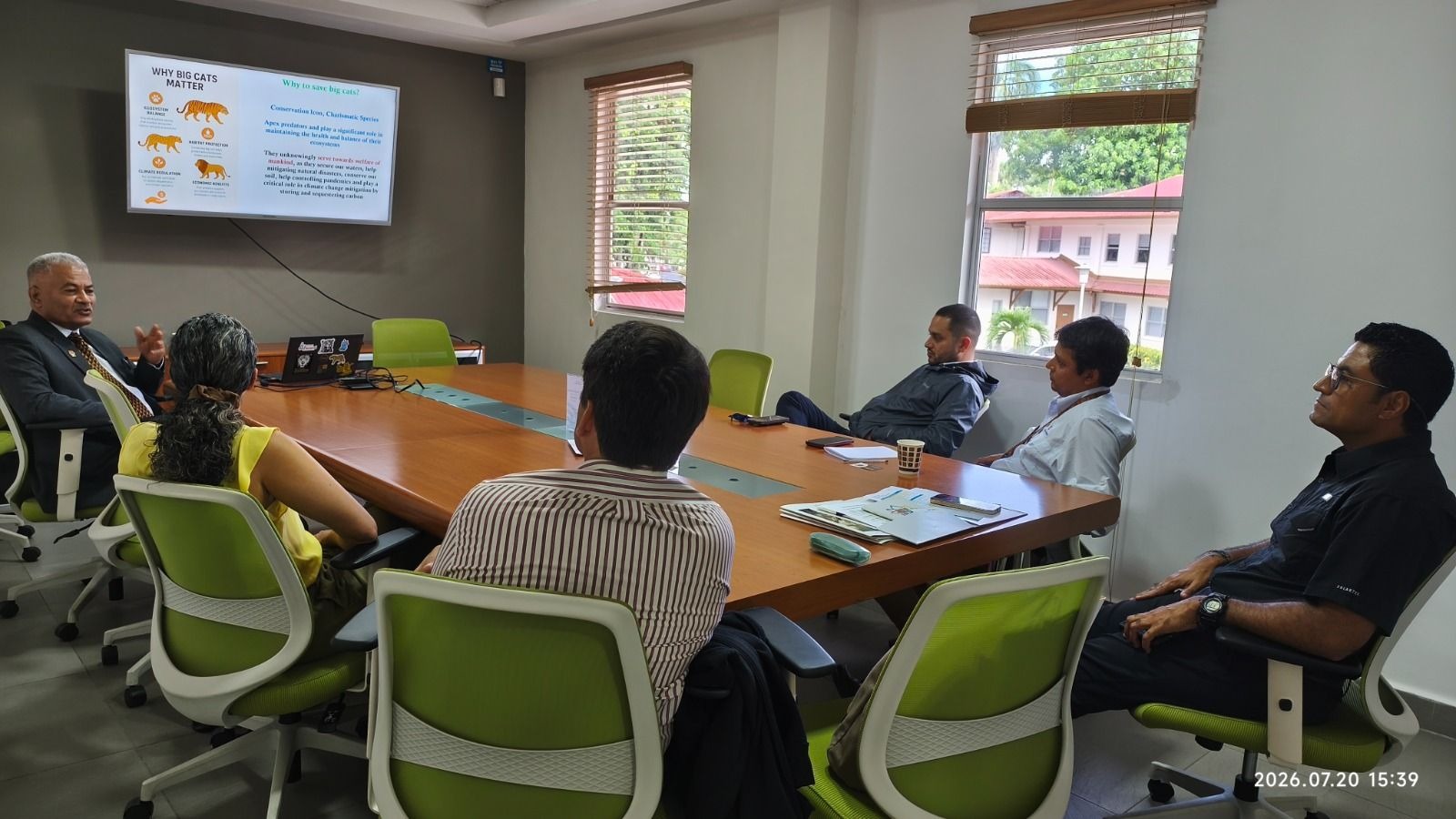
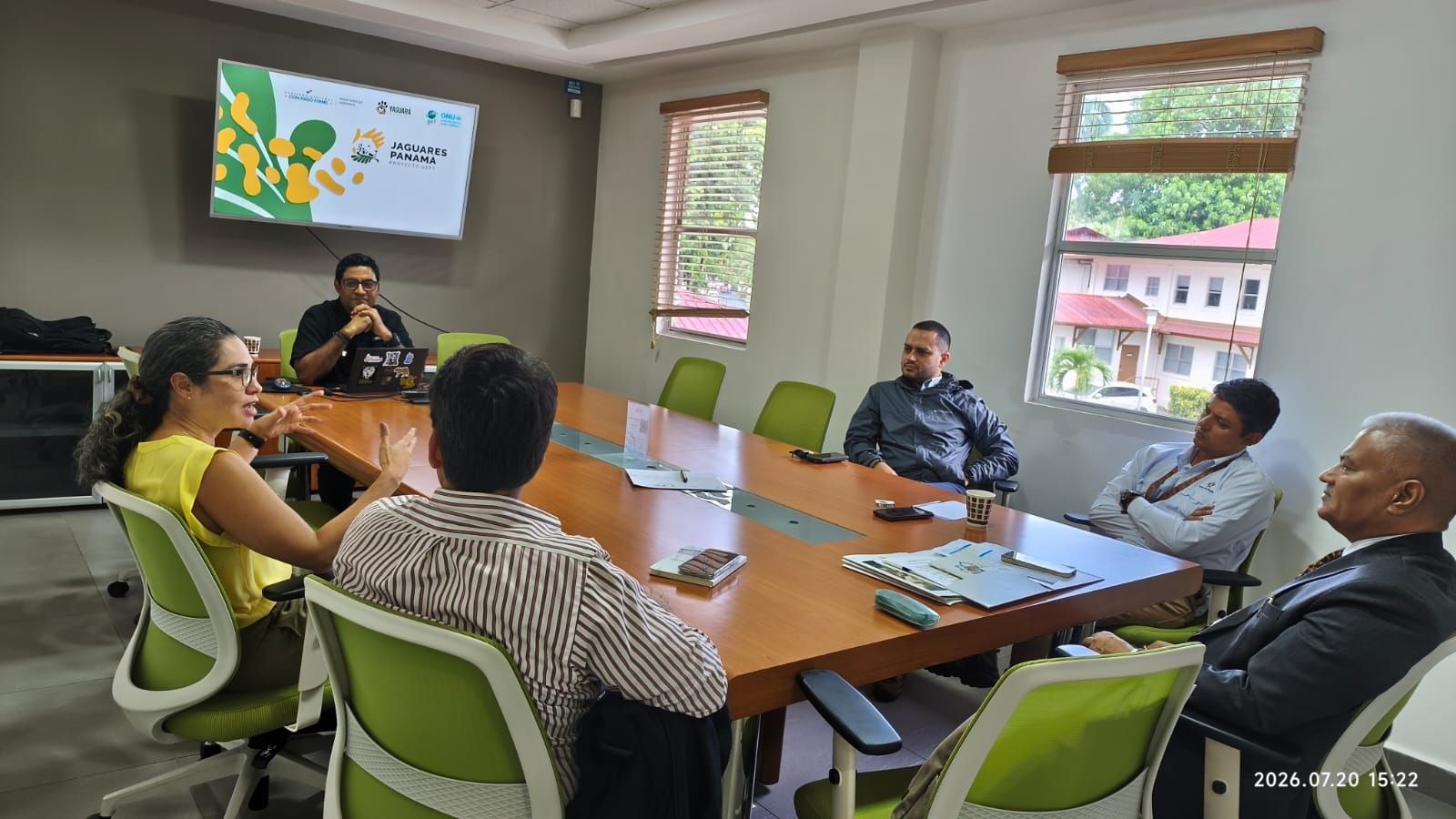
DG IBCA's Visit to Jaguar Foundation, Panama | 21 July 2026
During an interaction with officials of the Jaguar Foundation, Panama, Dr. S. P. Yadav, Director General, International Big Cat Alliance (IBCA), held insightful discussions on the conservation status of Jaguars in Panama, the role of IBCA in advancing global Big Cat conservation, and the proposed establishment of the IBCA Centre of Excellence (CoE) for Jaguar Conservation in Panama.
The discussions reaffirmed the importance of global collaboration, knowledge sharing, and collective action in conserving Big Cats and strengthening international partnerships for wildlife conservation.
IBCA Participates in Maharashtra's Global Tiger Day 2026 Celebrations
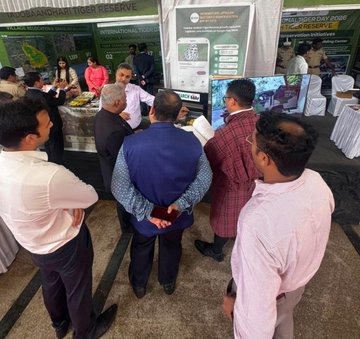
The International Big Cat Alliance (IBCA) participated in the programme organized by the Maharashtra Forest Department to commemorate Global Tiger Day 2026, reaffirming the importance of international collaboration in advancing tiger conservation.
The event brought together officials from IBCA Member Countries, including Bangladesh, Bhutan, and Cambodia, who shared their national experiences, conservation priorities, and best practices in tiger conservation. The discussions highlighted the significance of international cooperation, knowledge exchange, and collaborative action in ensuring the long-term conservation of tigers across their range.
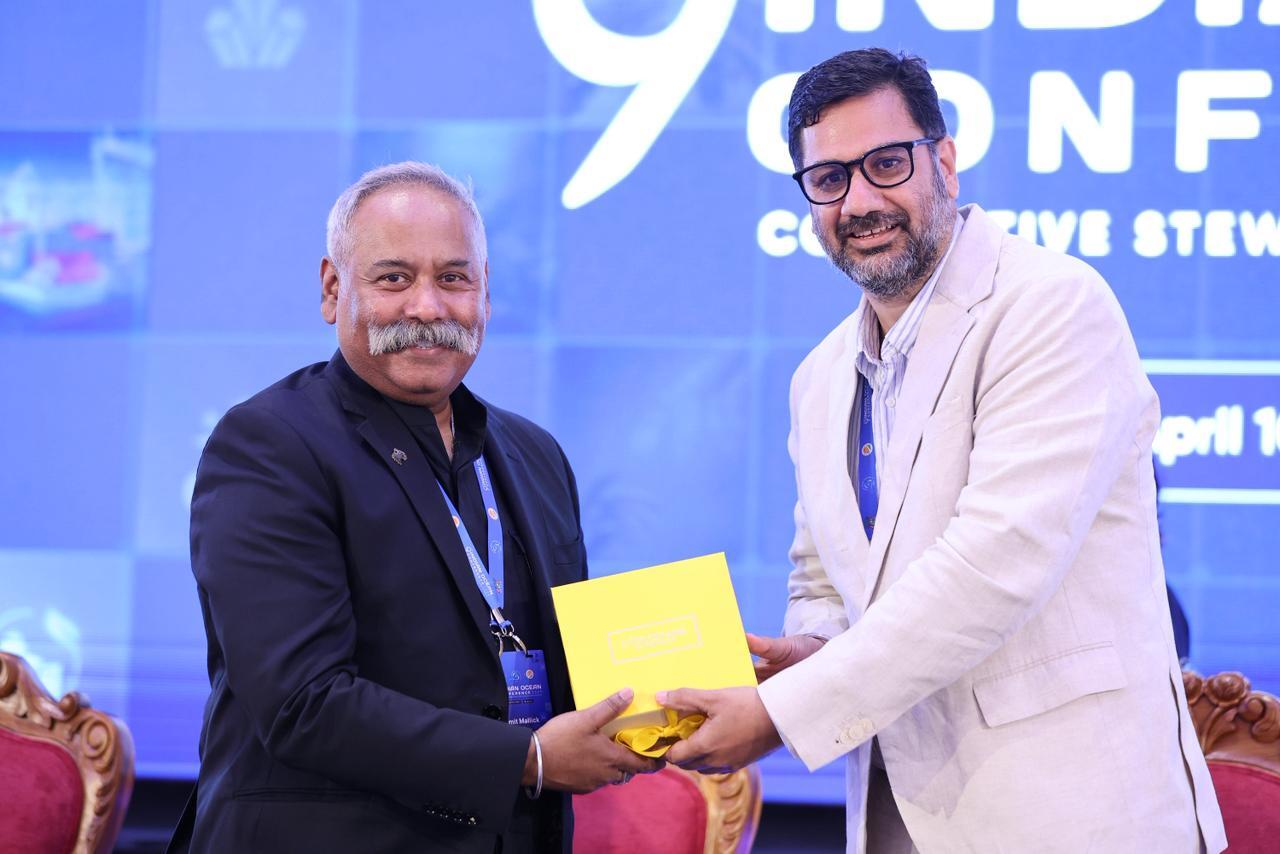
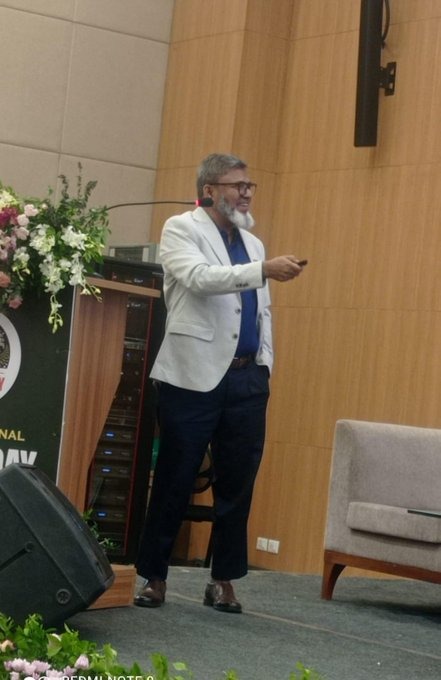
During the programme, Dr. Amit Mallick, Director (International Cooperation), IBCA, presented an overview of the genesis, mandate, and vision of the International Big Cat Alliance. He highlighted IBCA's role as a global platform for fostering cooperation among big cat range countries through capacity building, technical collaboration, knowledge sharing, and coordinated conservation initiatives.
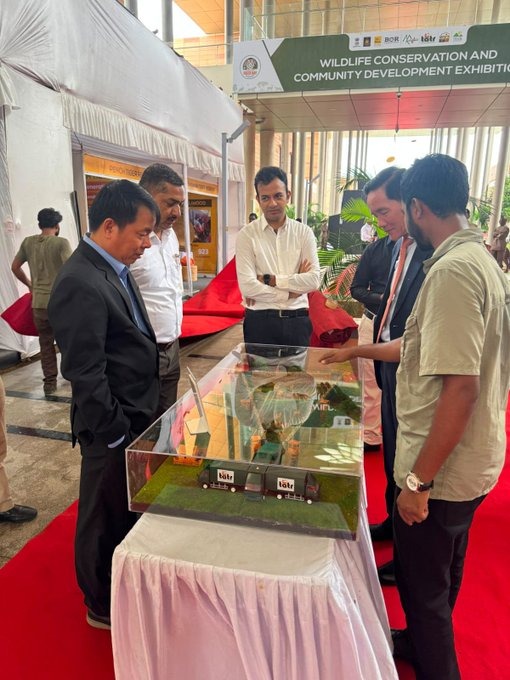
The IBCA delegation also visited an exhibition organized by the Maharashtra Forest Department, which showcased innovative approaches and best practices in tiger conservation, habitat management, wildlife monitoring, and community engagement.
On the sidelines of the programme, constructive discussions were held with the Cambodian delegation on potential modalities for supporting tiger reintroduction efforts in Cambodia, including opportunities for technical cooperation, capacity building, and knowledge exchange under the framework of the International Big Cat Alliance.

1st Standing Committee Meeting of IBCA | 10 July 2026
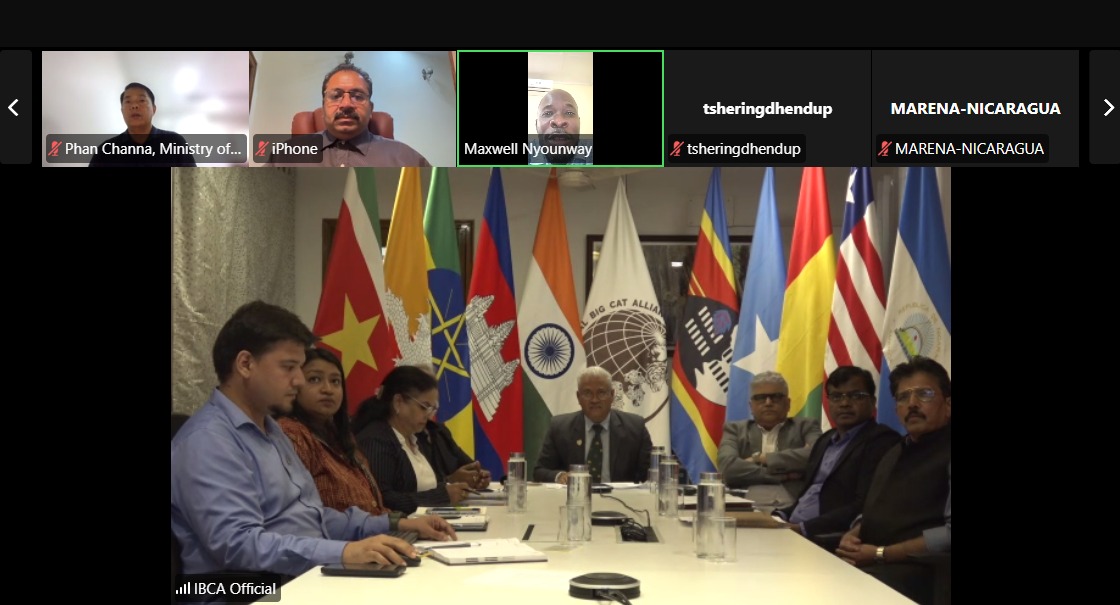
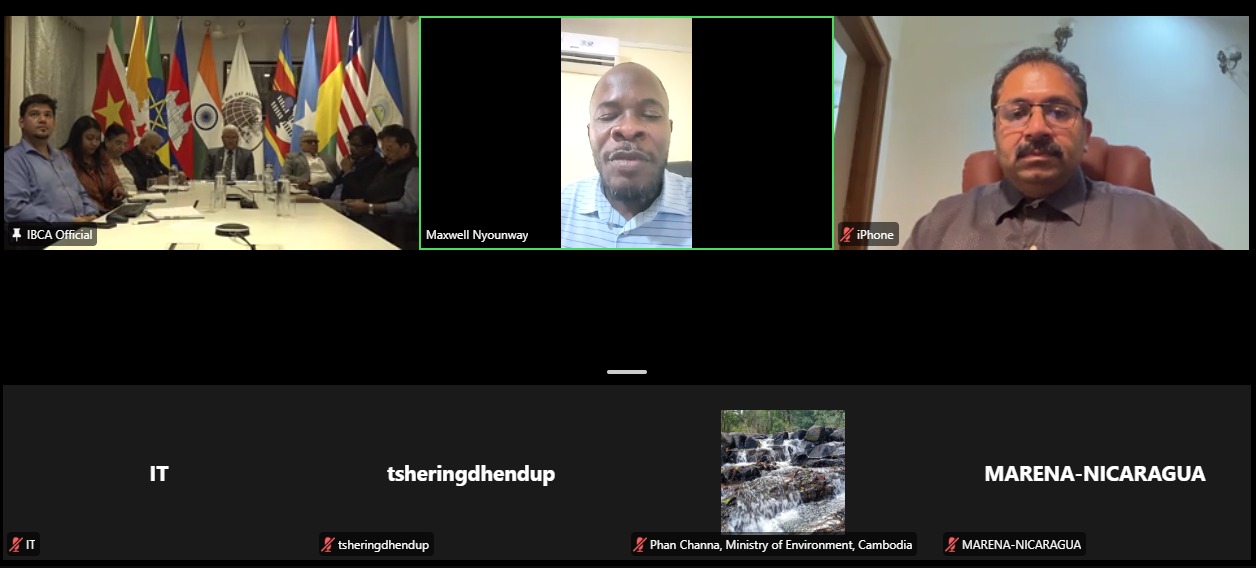
The 1st Standing Committee Meeting of the International Big Cat Alliance (IBCA) was convened on 10 July 2026.
Chaired by Dr. S.P. Yadav, Director General, IBCA, the meeting was attended by National Focal Points and representatives from Bhutan, Cambodia, India, Liberia, Nicaragua, and Somalia.
The Standing Committee reviewed the progress of ongoing and completed activities while deliberating on proposed projects and future priorities of the Alliance.
The discussions reaffirmed the shared commitment of IBCA Member Countries to strengthen international cooperation for the conservation of Big Cats and their habitats through collaborative action, knowledge exchange, capacity building, and sustainable conservation initiatives.
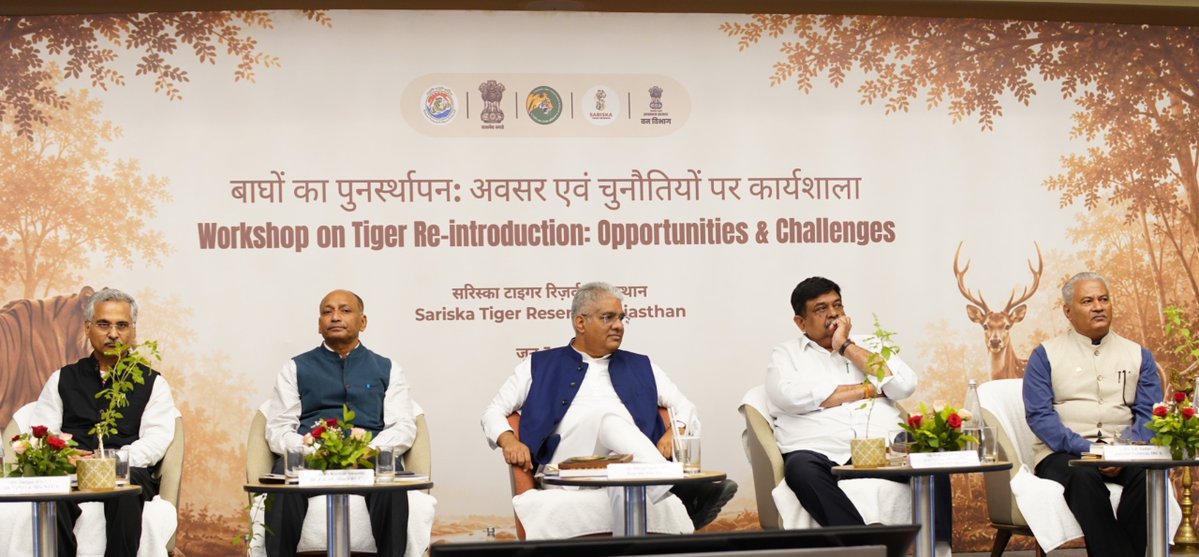
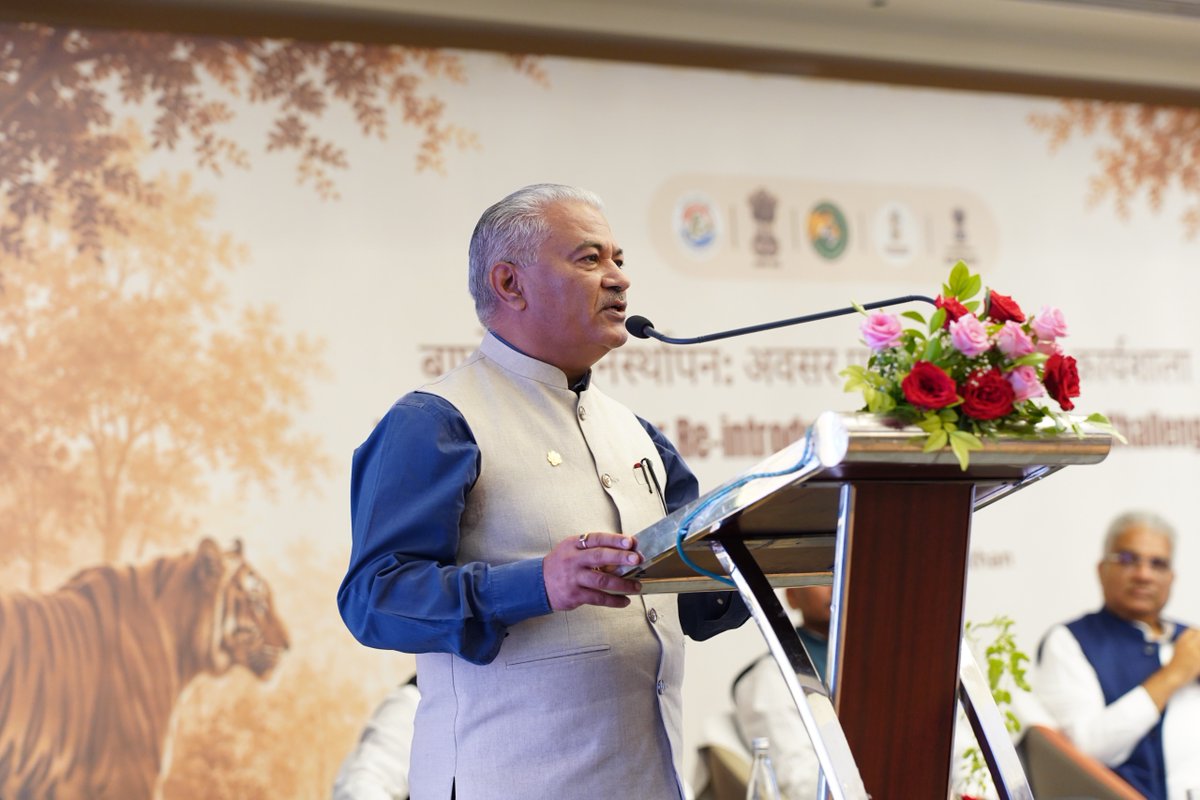
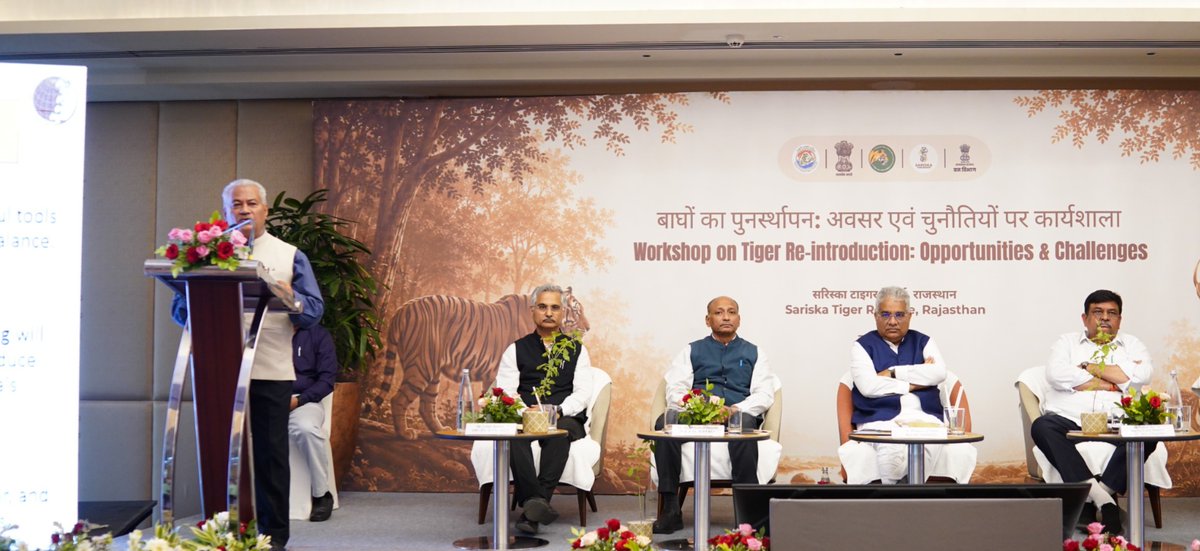
National Workshop on Sariska Tiger Reintroduction
The National Workshop on Sariska Tiger Reintroduction: Opportunities and Challenges was organized in Alwar, Rajasthan on 28 June 2026 to commemorate 18 years of the world’s first successful tiger reintroduction at Sariska.
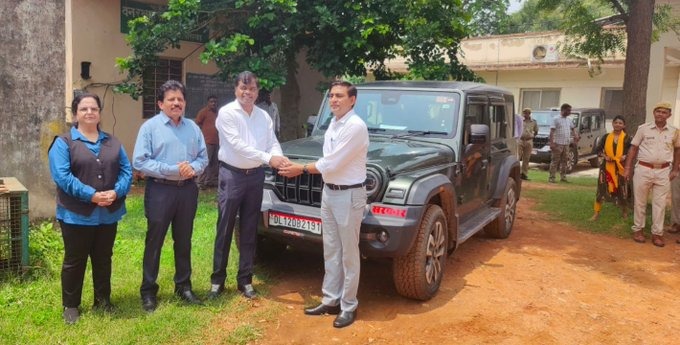
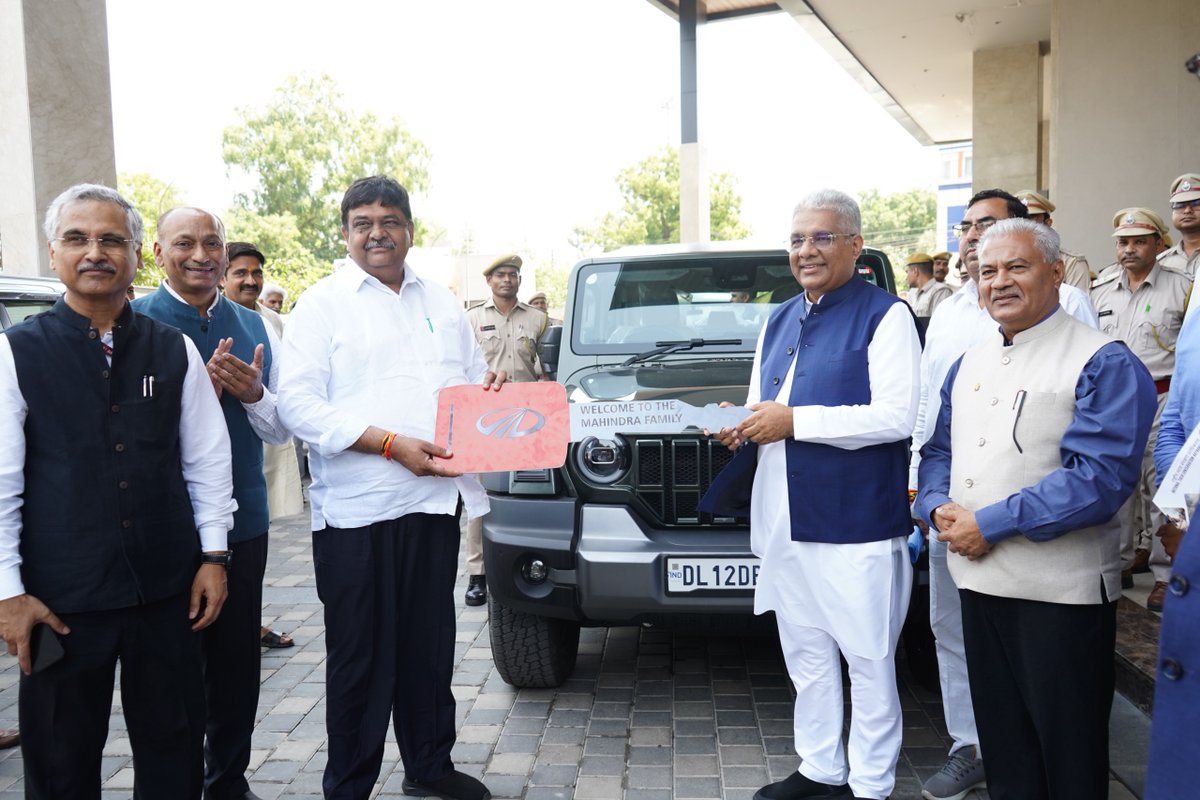
During the workshop, Shri Bhupender Yadav, Hon’ble Minister, MoEFCC and President, IBCA, handed over a Thar vehicle to the Sariska Tiger Reserve, Rajasthan Forest Department.
This support will strengthen field operations and conservation management, further reinforcing efforts to protect and ensure the long-term conservation of tigers and their habitats.
During the workshop, Dr. S.P. Yadav, Director General, IBCA, highlighted the importance of capacity building for effective tiger reintroduction and long-term conservation success.
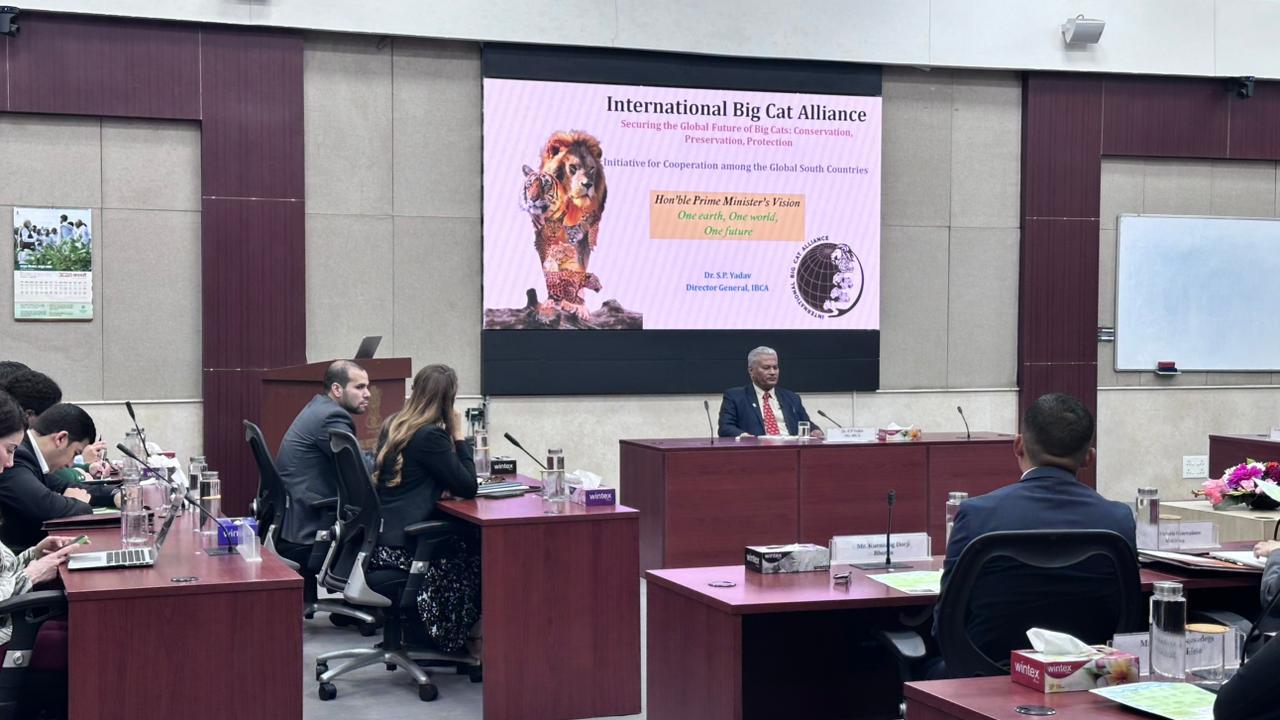
Conservation Asia Conference, Nepal
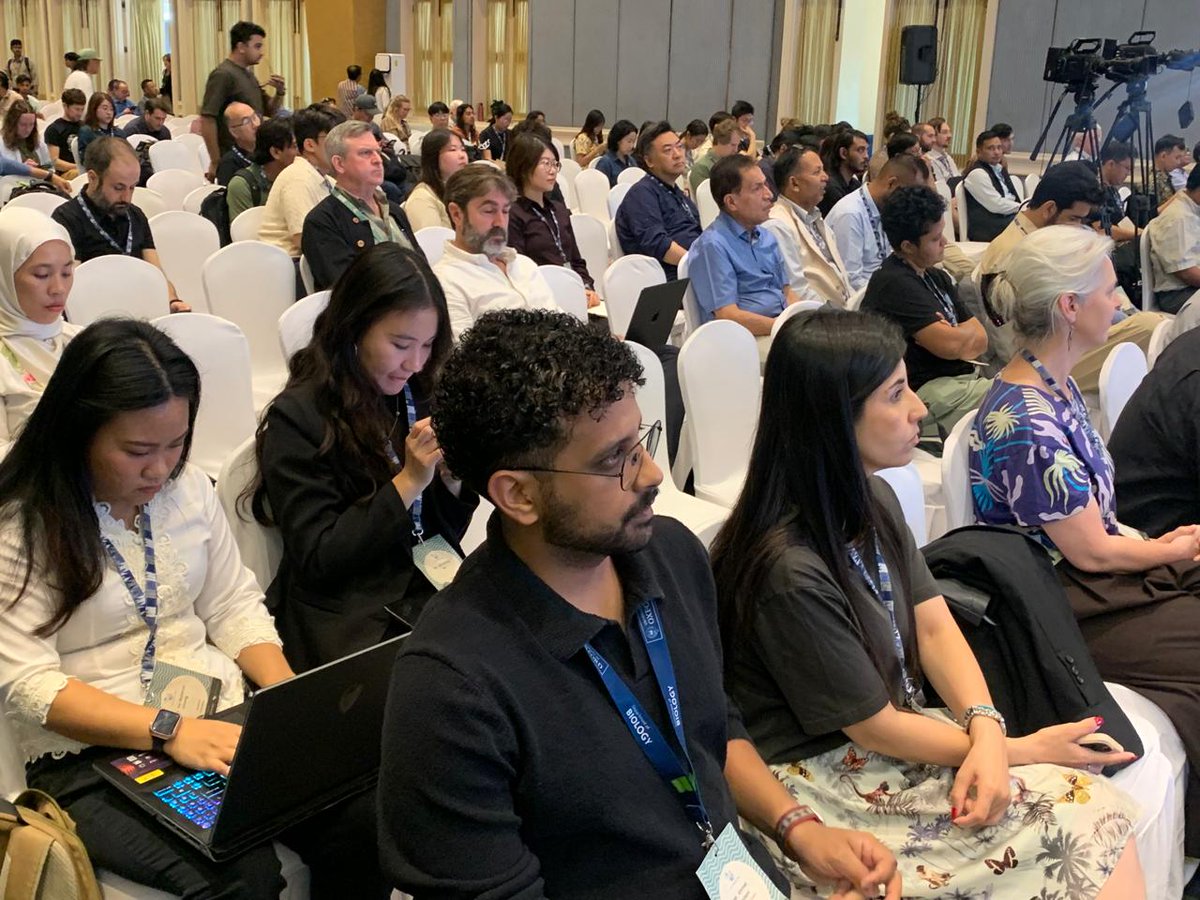
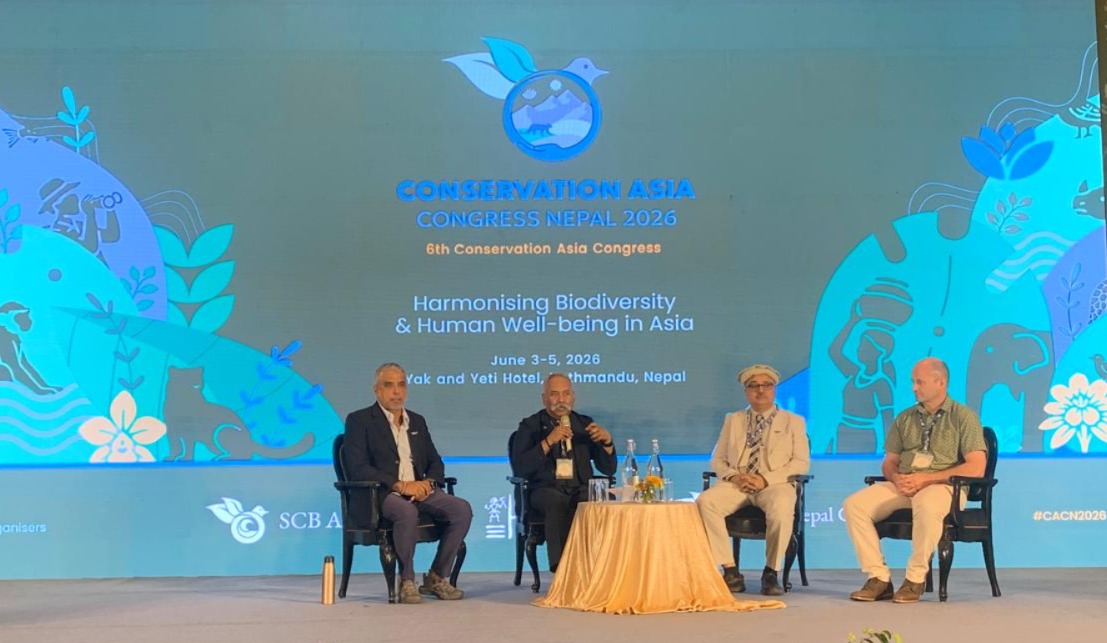
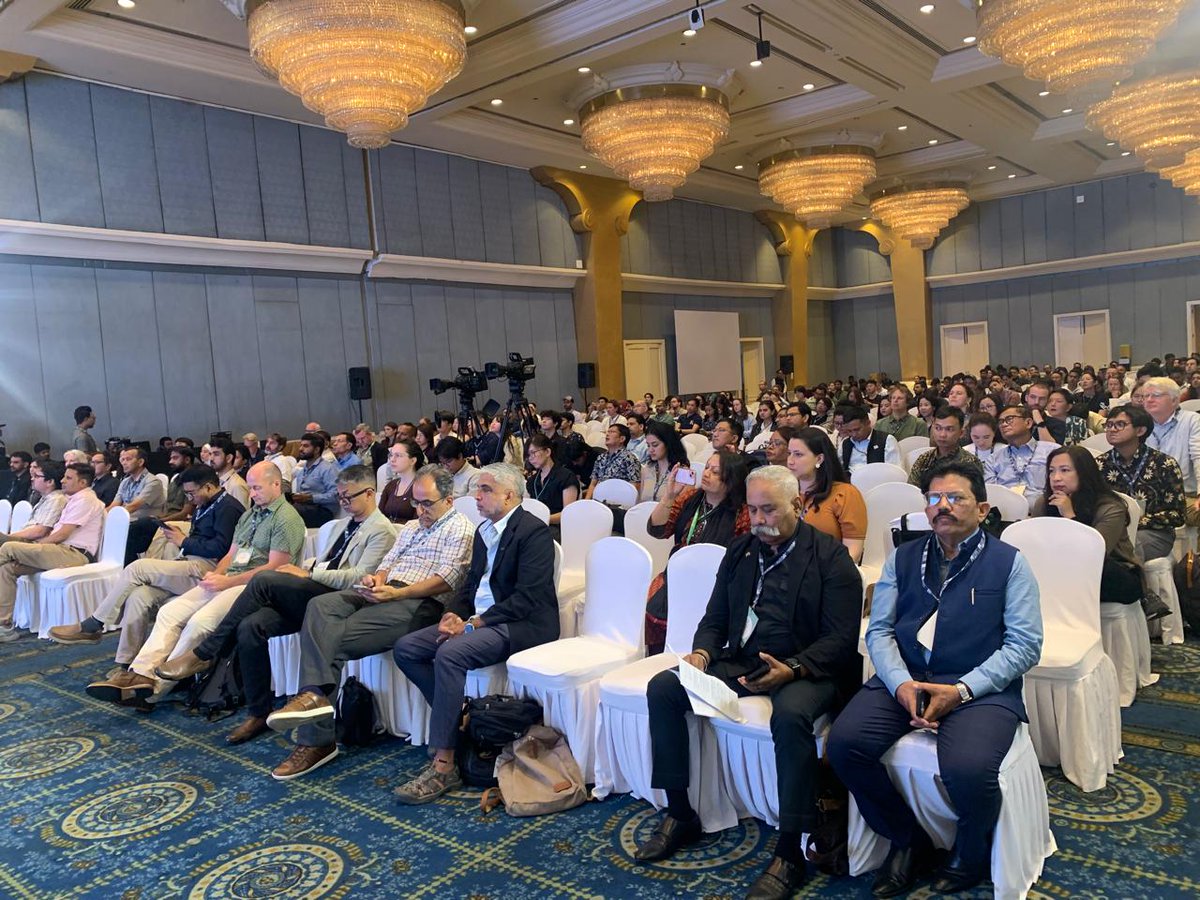
Dr. Amit Mallick, Director (International Cooperation), IBCA, chaired the Plenary Session on Conservation Monitoring at the Conservation Asia Conference in Nepal.
The session brought together distinguished conservation scientists to discuss advancing evidence-based conservation across Asia, with a focus on wildlife monitoring, science-based conservation practices, and the critical role of monitoring in informing conservation action.
In his remarks, Dr. Mallick highlighted the importance of data sharing, transboundary cooperation, and strengthened partnerships among researchers, practitioners, and governments to improve conservation outcomes and support informed decision-making for biodiversity conservation.
International Day for Biological Diversity
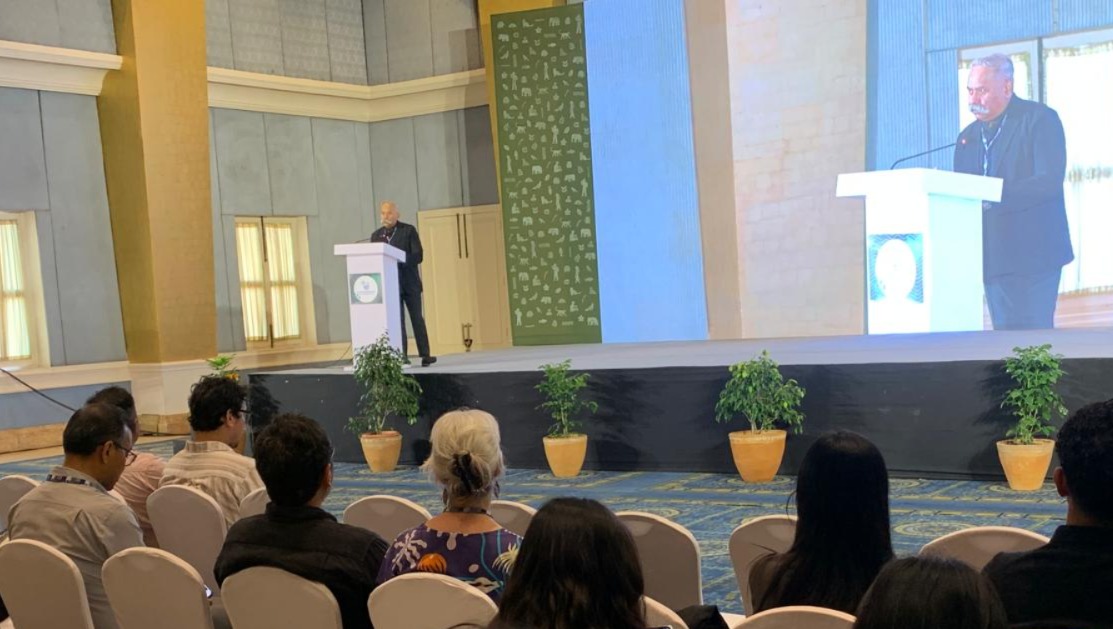
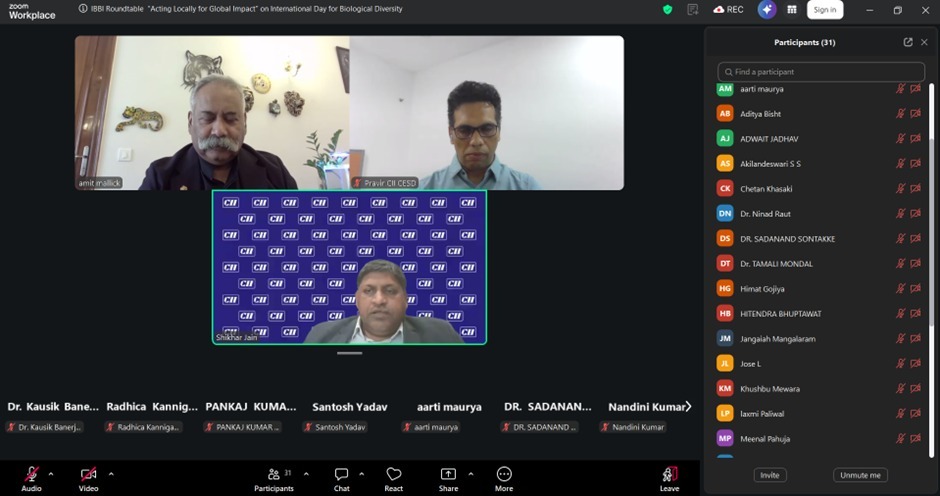
International Day for Biological Diversity CII–IBBI Roundtable, “Acting Locally for Global Impact,” held on the occasion of the International Day for Biological Diversity, Dr. Amit Mallick, Director (International Cooperation), IBCA, emphasized that Big Cat conservation is closely interlinked with the protection of ecosystems that support biodiversity, Climate Resilience, Water Security, and Sustainable Livelihoods worldwide. He further noted that the recent MoU between IBCA and CII marks a significant step towards strengthening industry engagement in biodiversity conservation and advancing nature-positive development pathways.
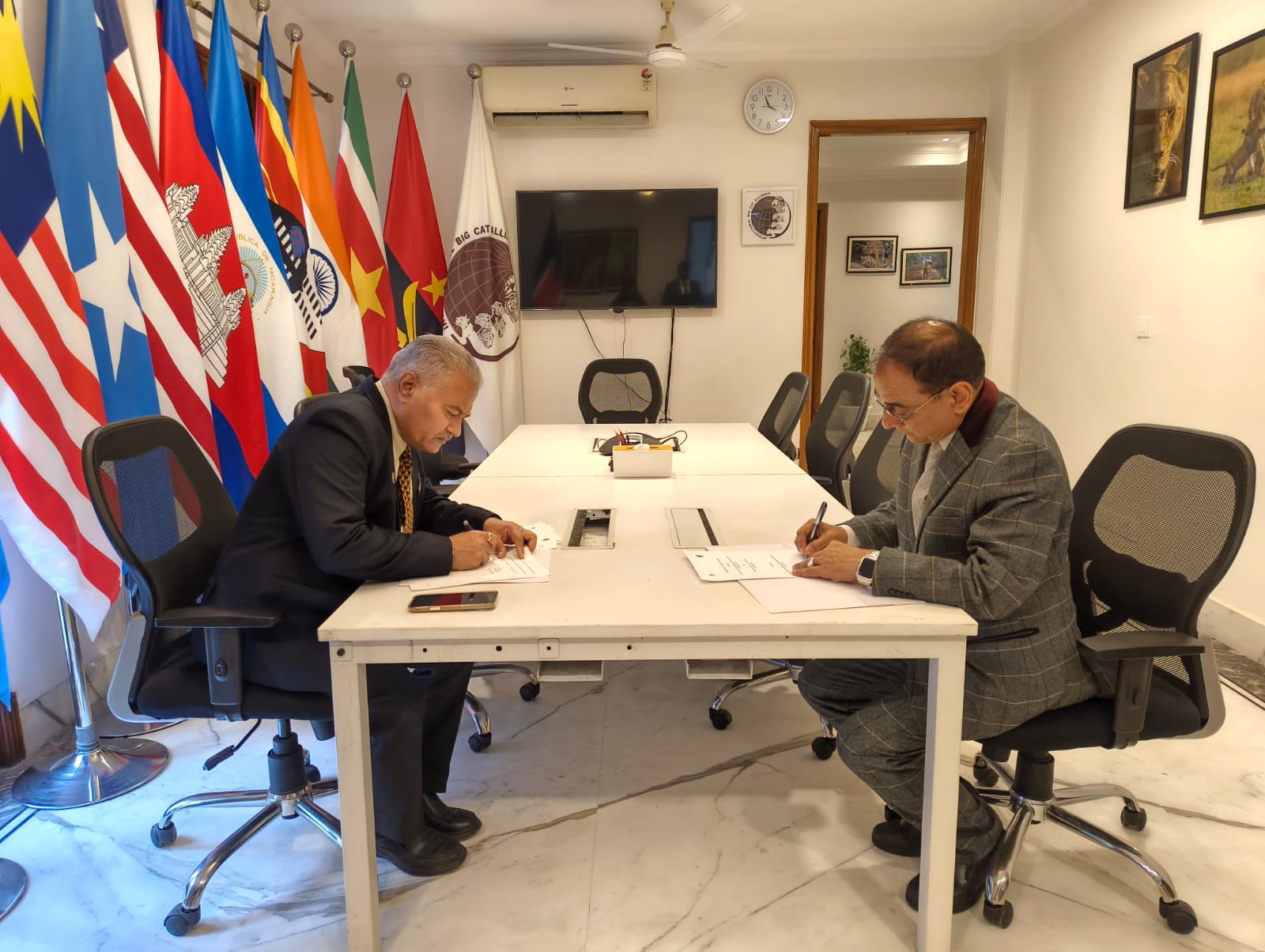
IBCA and India Foundation Signed MoU
On 12 February 2026, India Foundation and IBCA entered into an MoU to enhance the understanding and implementation of sustainable development practices in the context of big cat conservation and the surrounding population.
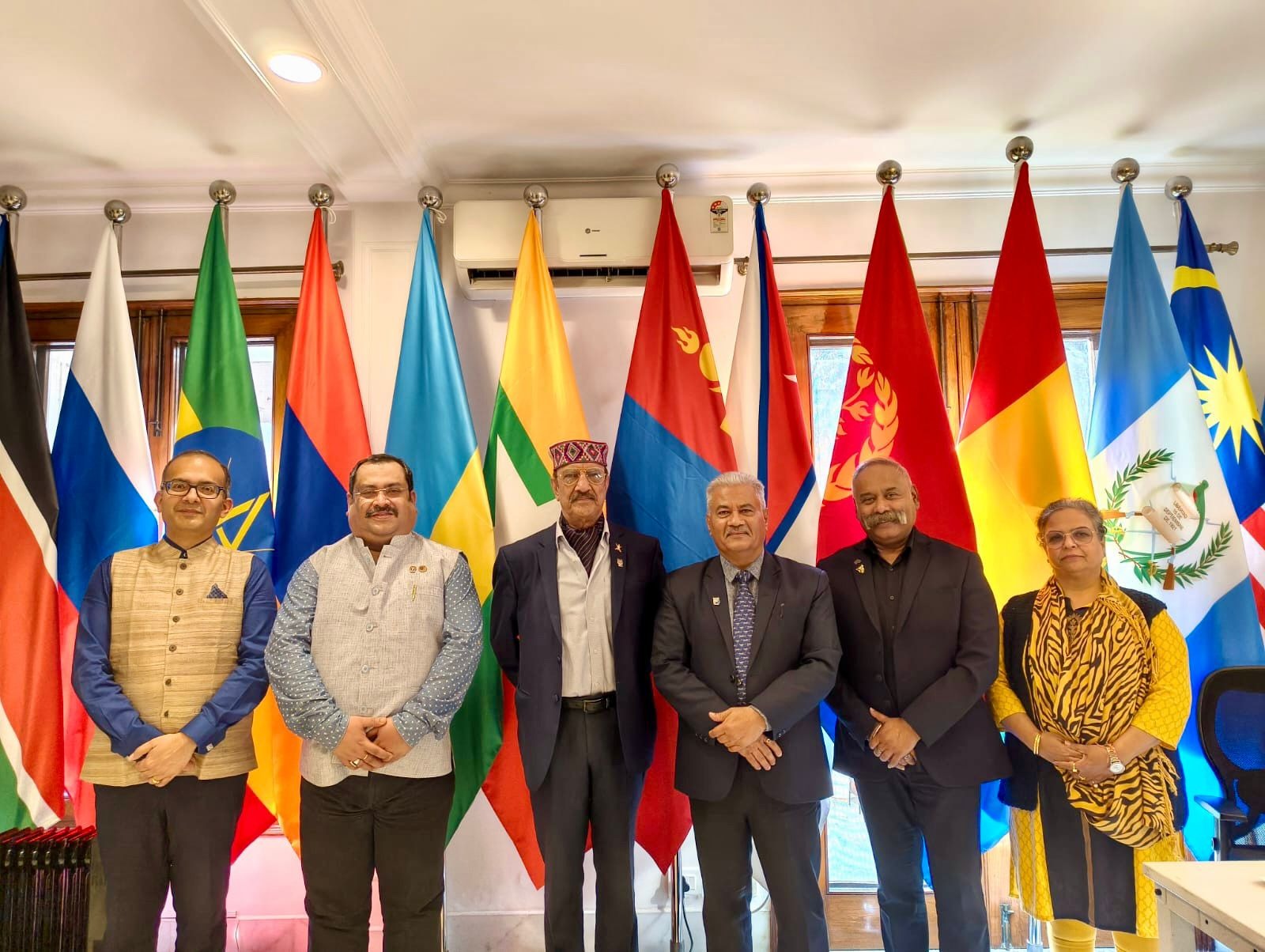
International Crystal Compass Award
Interim Head IBCA, Dr S. P. YADAV, was conferred with the International Crystal Compass Award by the Russian Geographical Society, for his leadership & contribution to the success of Project Tiger, in a grand ceremony at Moscow on 29 May, 2025! The Crystal Compass Award is no ordinary accolade; it stands as one of the most esteemed international recognitions in geography, ecology, and conservation. This award is given to individuals and organizations who have made outstanding impacts in preserving our natural and cultural heritage. Dr Yadav said that the award is recognition to the efforts of GoI, National Tiger Conservation Authority, State Governments, Wildlife Institute of India, civil society institutions, communities and thousands of frontline workers/staff/officers who are working hard, day & night, round the year for the conservation of Tigers.



Big Cats Diplomacy in Action for Global Conservation
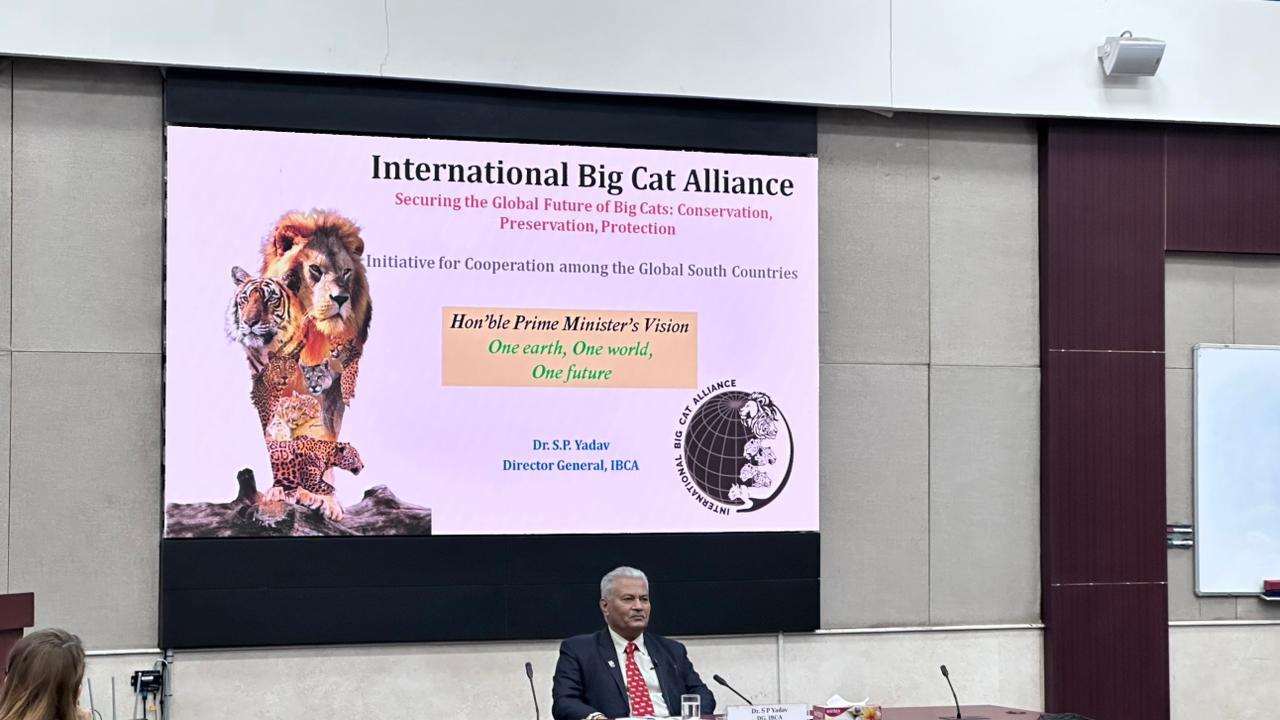
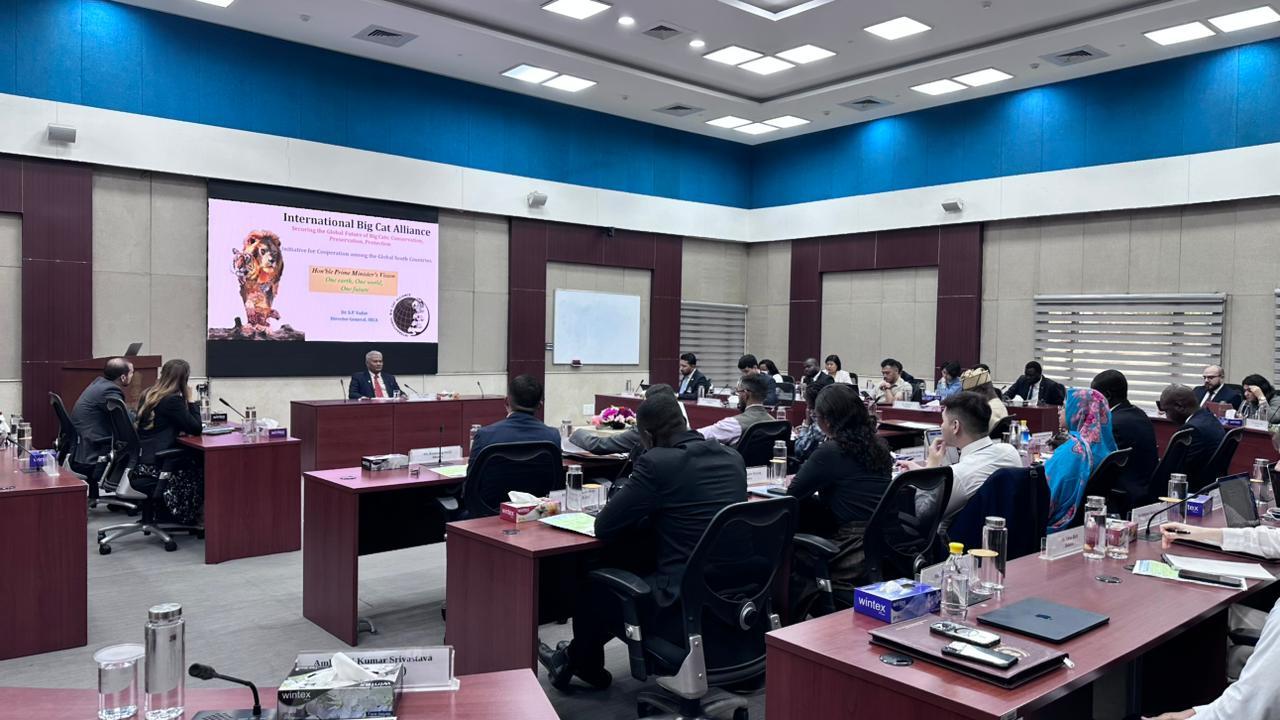
Dr S. P. Yadav, Director General, IBCA, addressed the 4th Global South Young Diplomats Forum (GSYDF), organised by Ministry of External Affairs, India at Sushma Swaraj Institute of Foreign Service, New Delhi, on 17th February, 2026. Speaking about the need for initiatives such as the International Big Cat Alliance for global cooperation, he highlighted the imperative of strengthened multilateral partnerships, shared responsibility, and collective global action to secure the future of BigCats across their range countries.
The session brought together 41 diplomats from 41 nations spanning Africa, Asia, Central & South America, the Caribbean, Europe, and Oceania, representing both the Global South and Global North. The interaction fostered meaningful dialogue on IBCA’s vision and its role in advancing international cooperation, knowledge exchange, and coordinated conservation efforts for the long-term protection of BigCats.
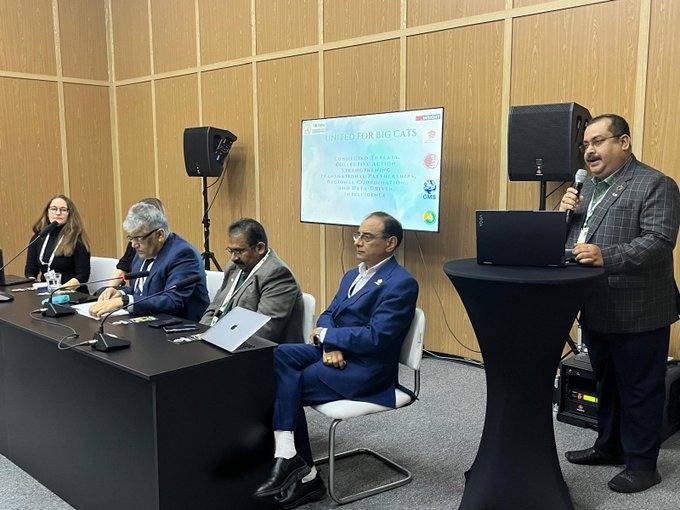
United for Big Cats : Side Event at CITES CoP20
The side event titled “United for Big Cats” was jointly organized by the
International Big Cat Alliance (IBCA), the South Asia Wildlife Enforcement
Network (SAWEN), and GoInsight on 4 December 2025, on the sidelines of the
20th Meeting of the Conference of the Parties to CITES (CoP20).
The session was moderated by Mr. Soumitra Dasgupta, Director, Program, IBCA, who
highlighted IBCA’s
ongoing efforts to advance big cat conservation under the guidance of the
Hon’ble Prime Minister of India. He emphasized IBCA’s commitment to sharing
India’s successful conservation models with global partners.
Speakers from CMS, NTCA, SAWEN, and GoInsight highlighted data-driven,
technology-enabled, and collaborative approaches to strengthen global big
cat conservation efforts.
Collaboration for Big Cat Conservation with PwC
The International Big Cat Alliance (IBCA) and PwC India have signed a Memorandum of Understanding (MoU) to strengthen global efforts for the conservation of big cats and their habitats.
Through this collaboration, both organizations will work together to enhance conservation finance, promote community stewardship, build awareness, and strengthen international cooperation. The partnership aims to support innovative approaches and scalable solutions that contribute to the long-term protection of big cat species across their range countries.
This MoU will also facilitate global dialogue and enable the sharing of India’s extensive experience in big cat conservation with the international community, further contributing to informed policymaking and effective conservation strategies worldwide.





IBCA and SAWEN signed MoU
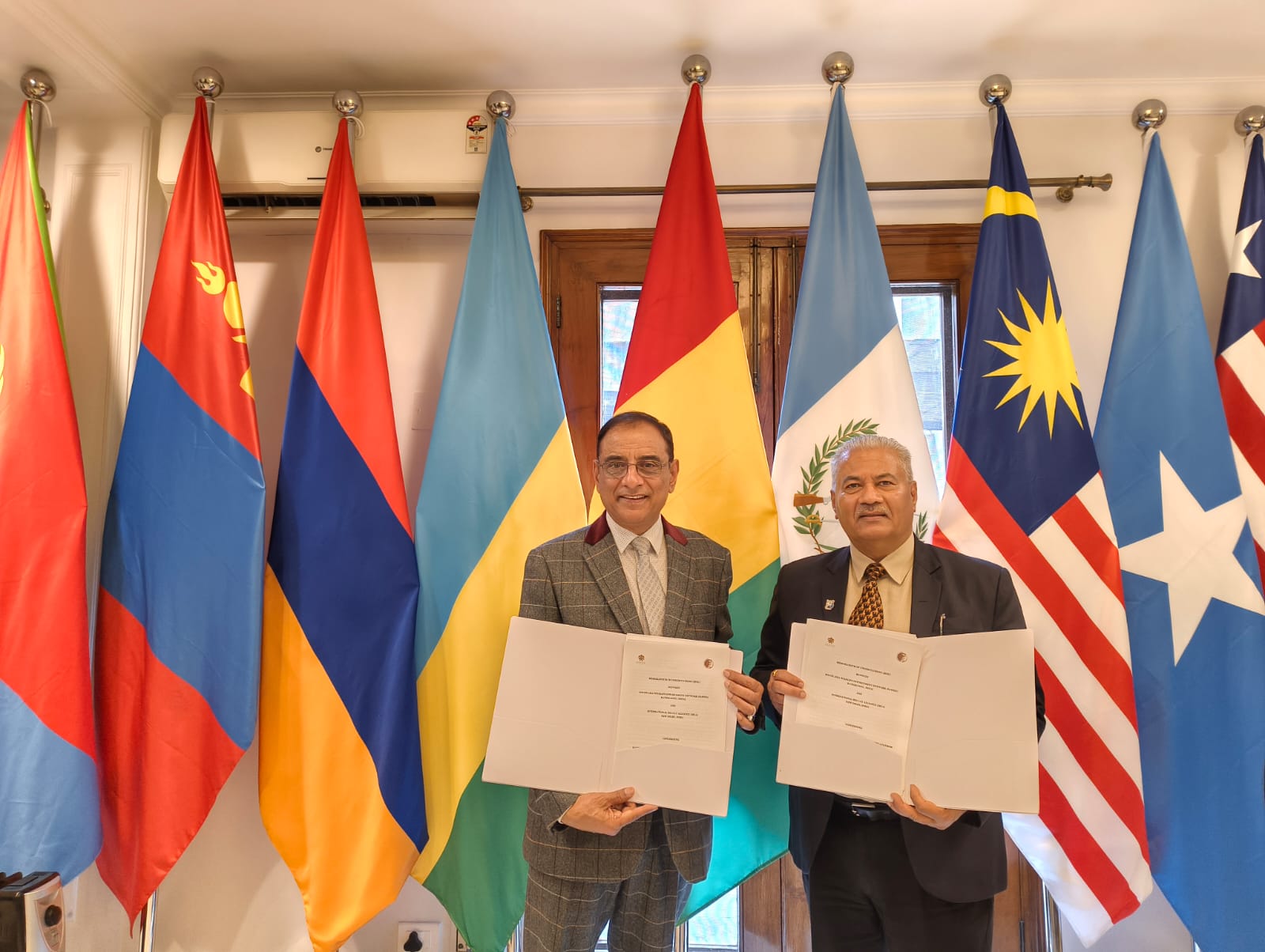
IBCA and South Asia Wildlife Enforcement Network signed an MoU on 22nd January, reinforcing collaboration to combat wildlife crime and strengthen conservation across South Asia.
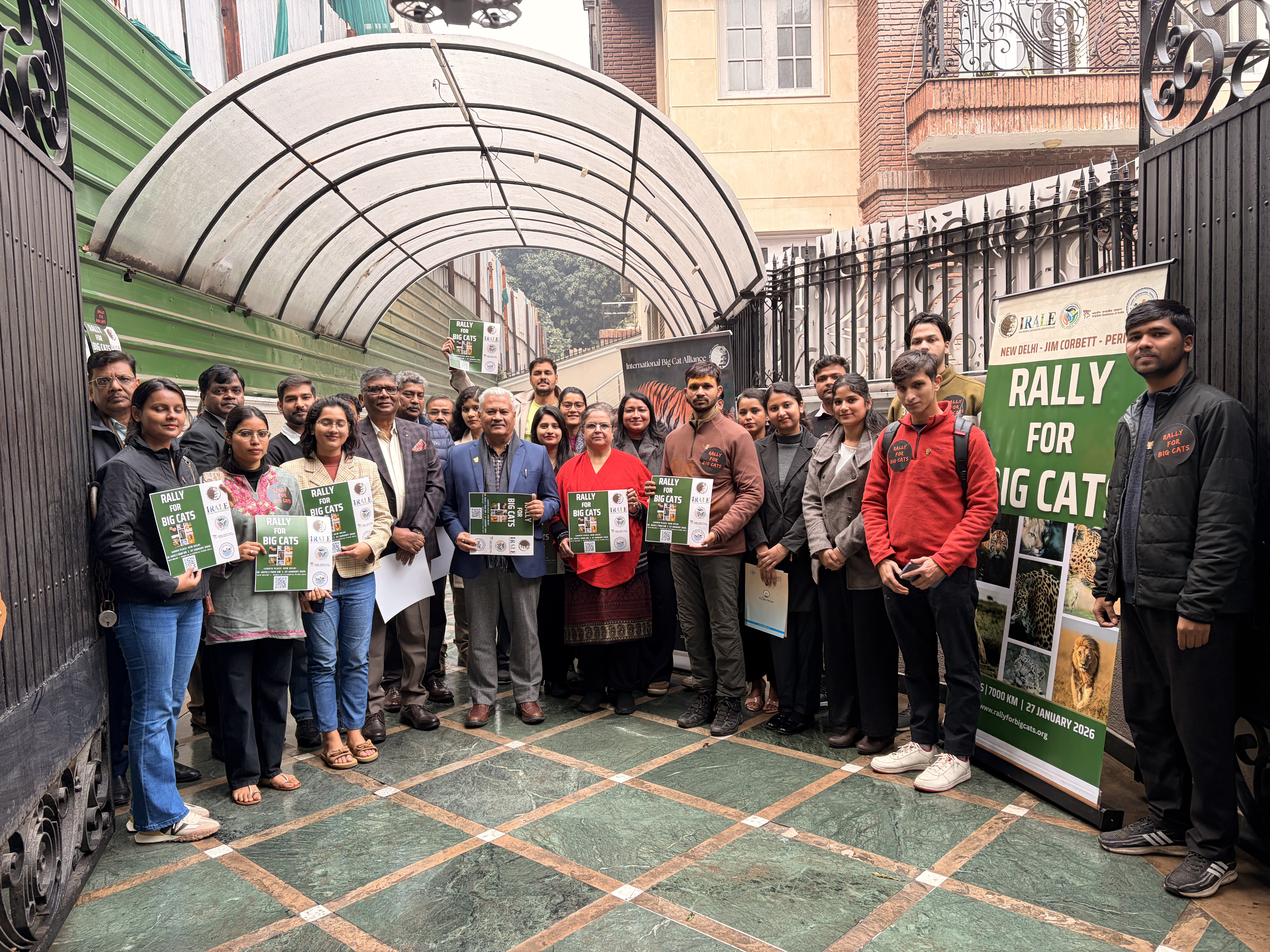
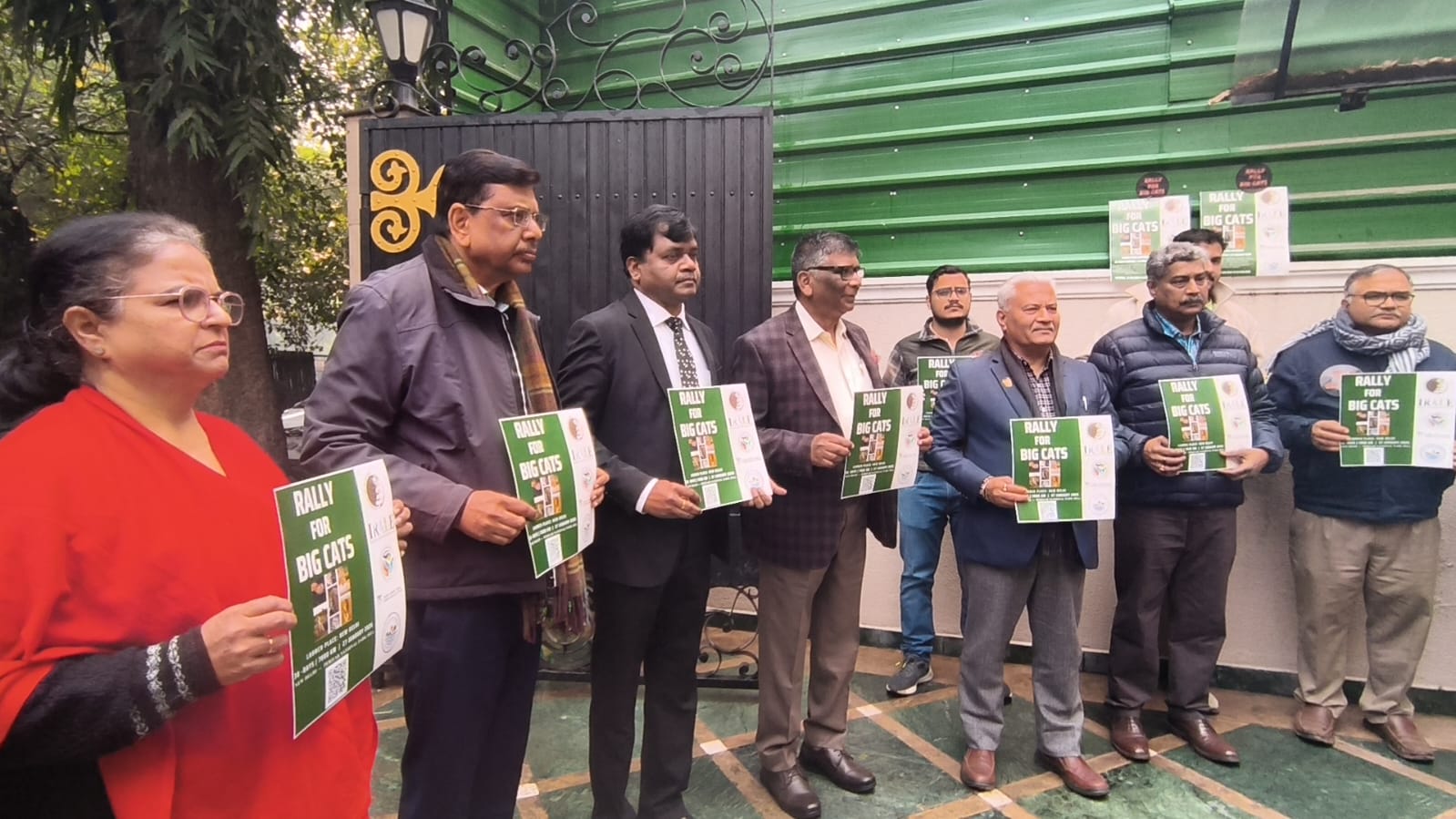
Rally for Big Cats
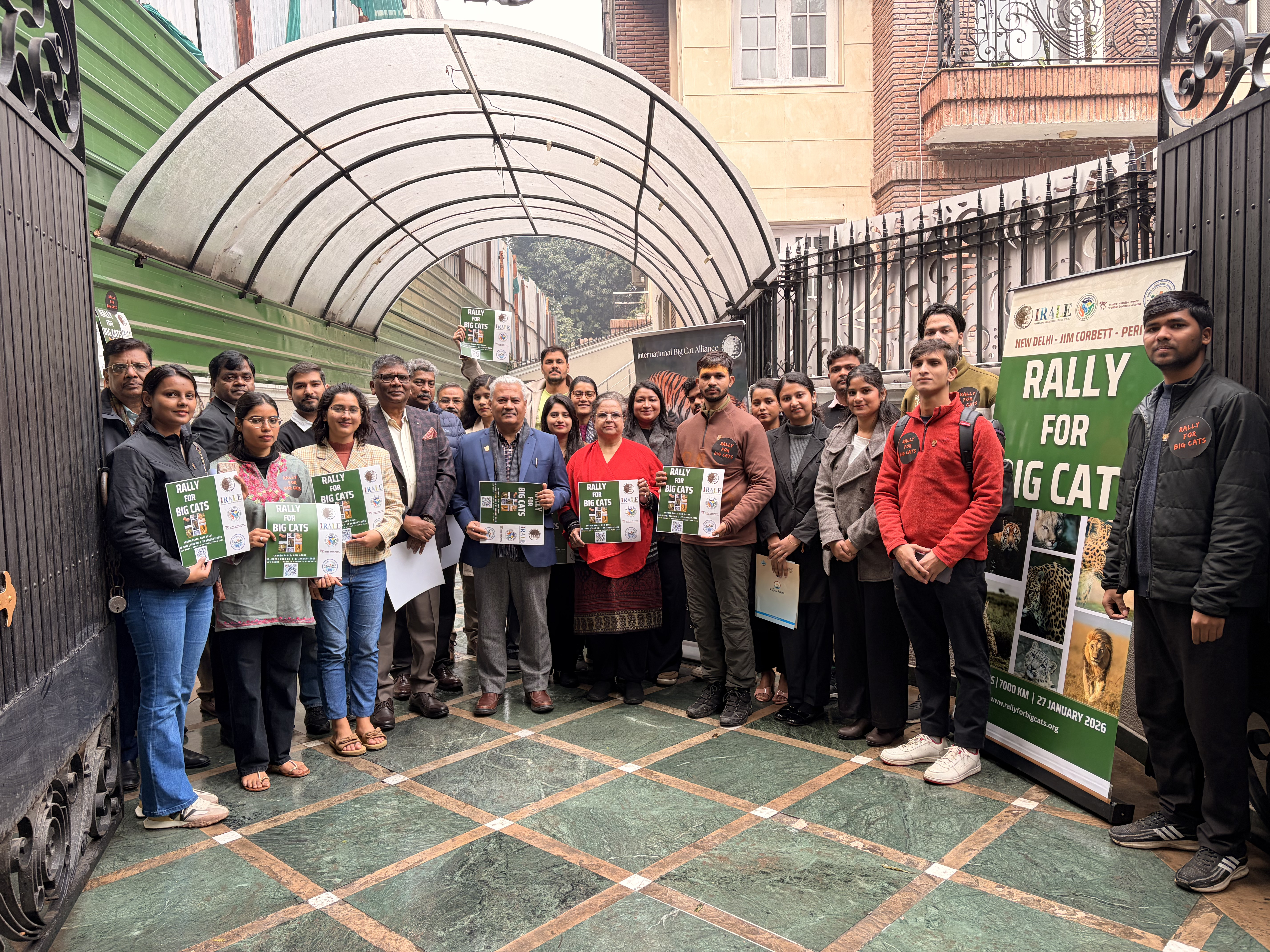
Dr S. P. Yadav, DG, IBCA and Mr Sanjay Kumar, Former DG, MoEFCC, inaugurated the Big Cat Rally from IBCA Headquarters in New Delhi on January 27, 2026. The 30-day rally will traverse 7,000 km across India, commencing on 27 January 2026 from New Delhi, highlighting conservation priorities and landscapes critical for big cats. The rally is being organised by IBCA and Dharti International Foundation, in collaboration with the Indian Regional Association for Landscape Ecology (IRALE), Wildlife Institute of India and EIACP India.

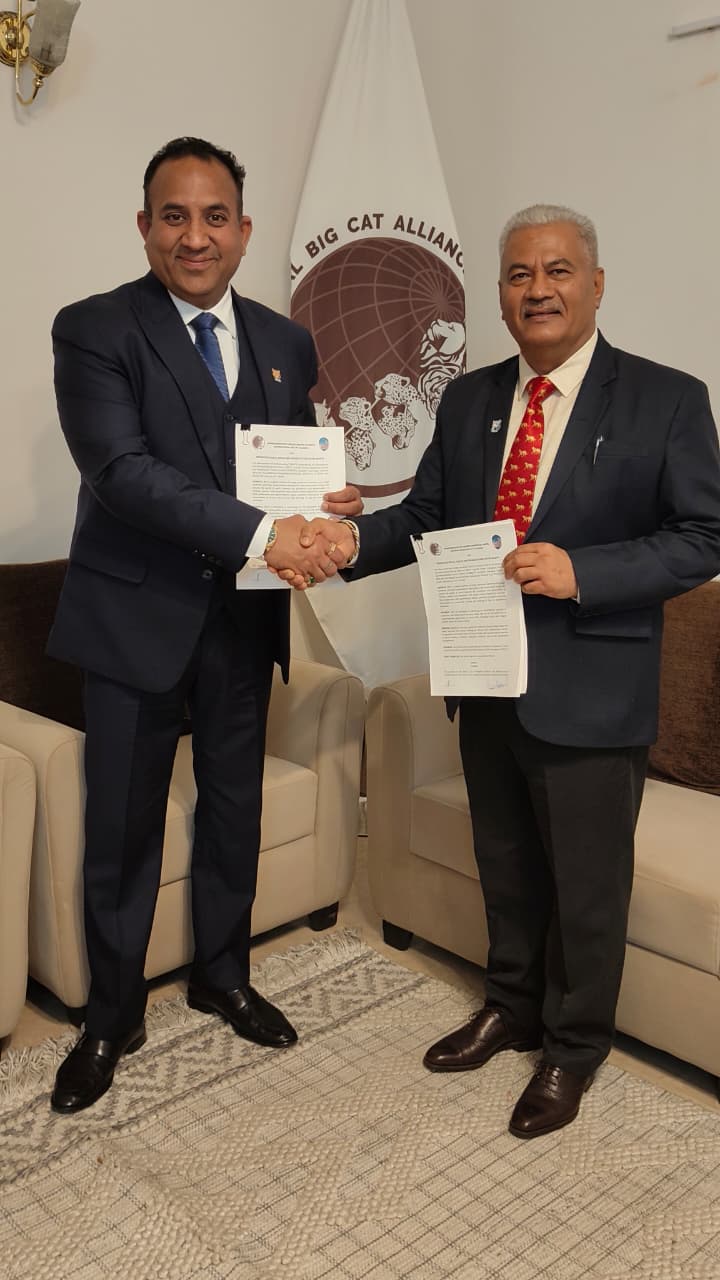
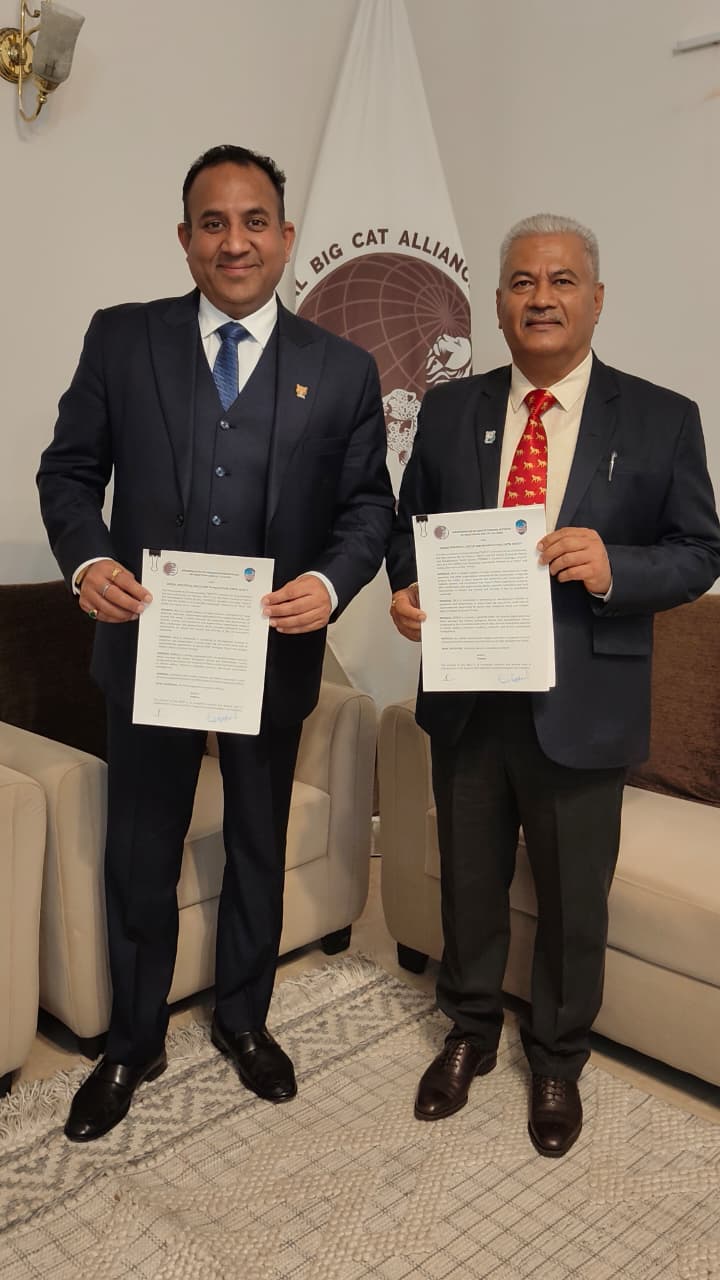
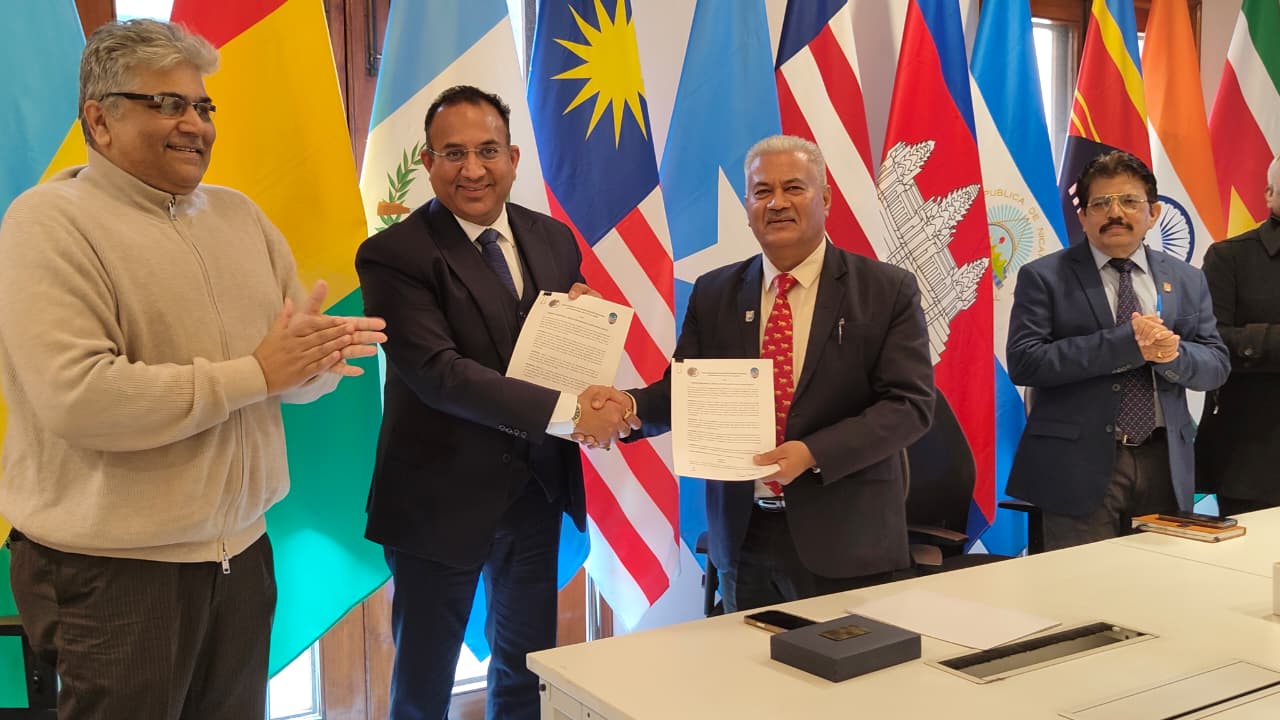
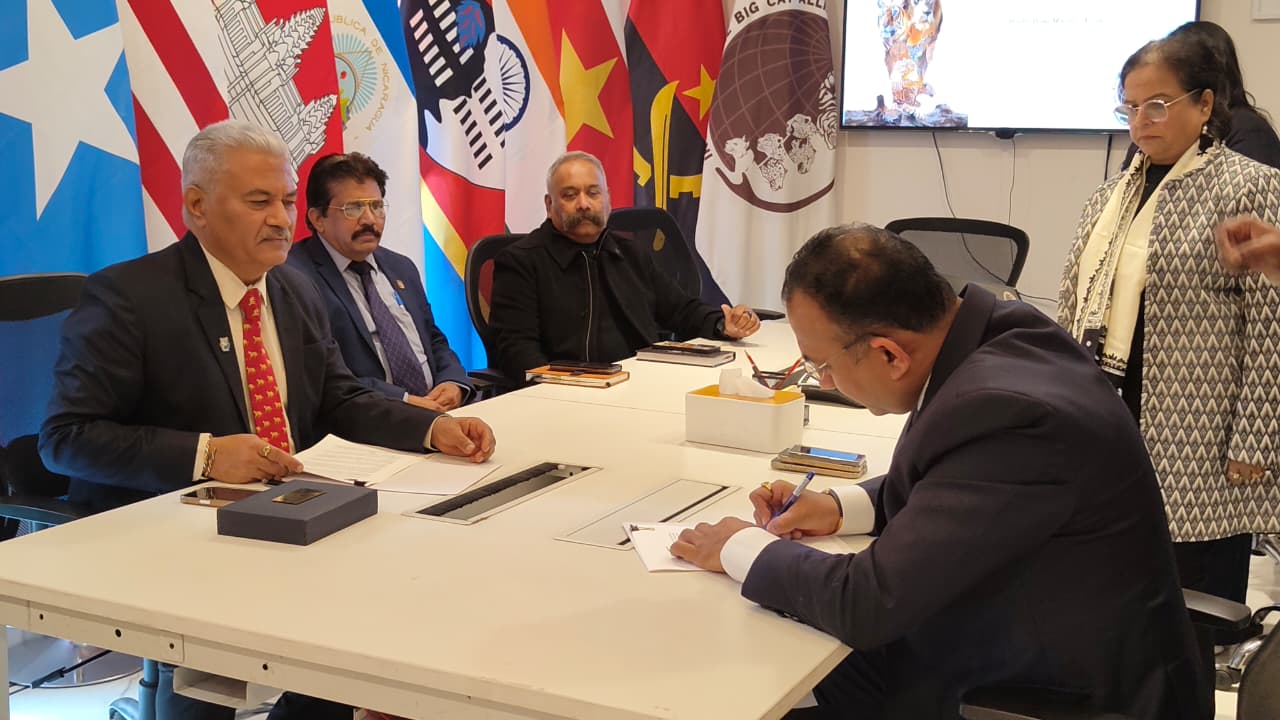
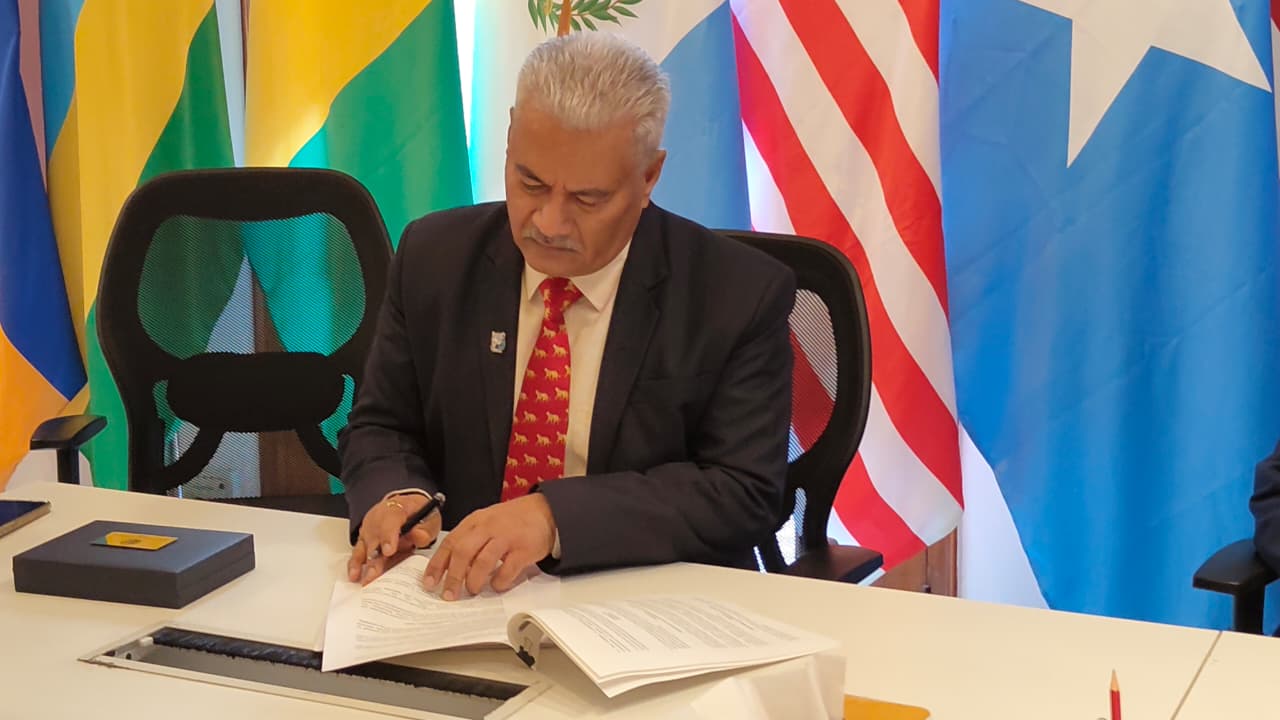
IBCA and the Greens Zoological, Rescue and Rehabilitation Centre Society (GZRRCS), signed MoU
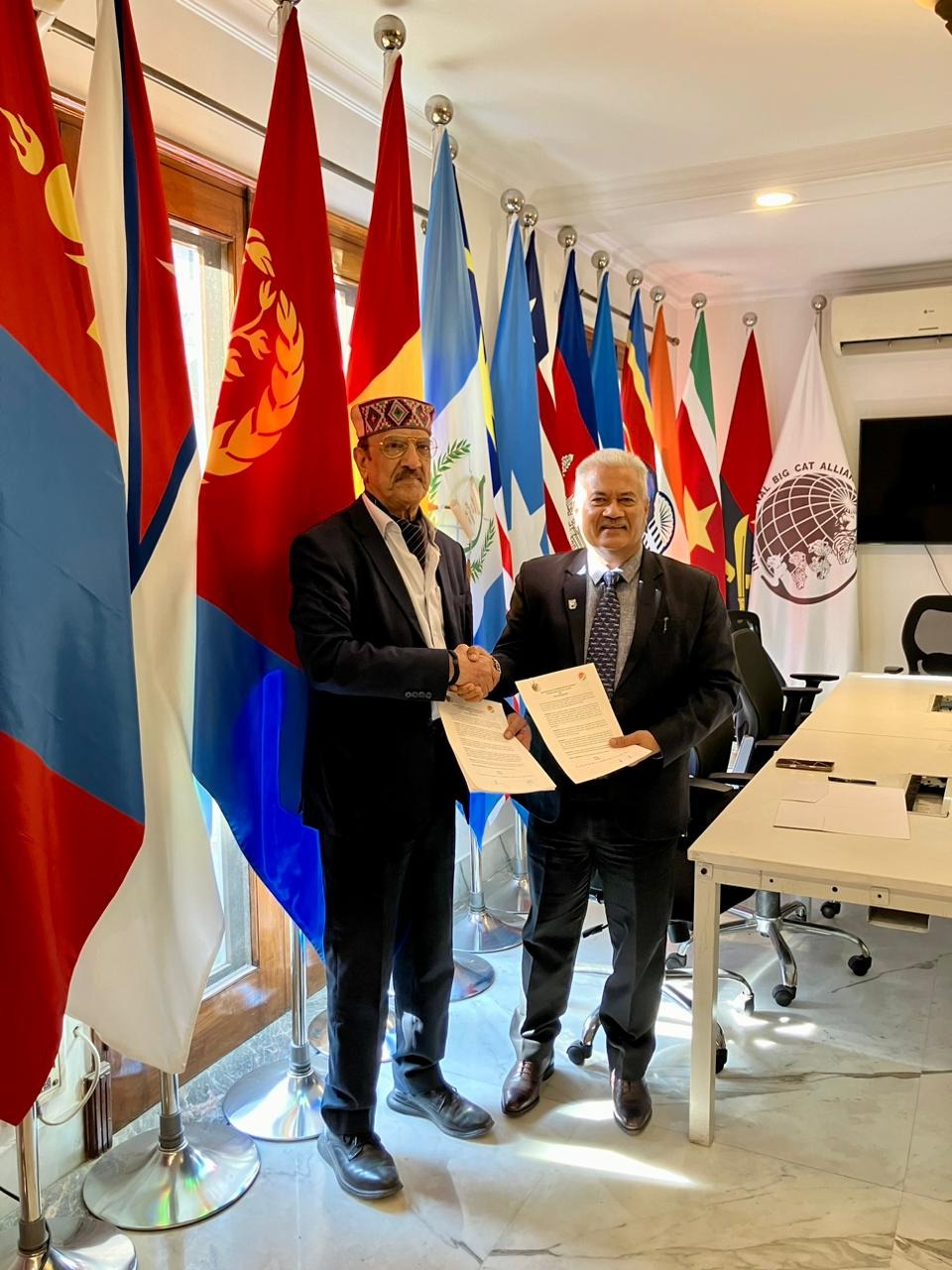
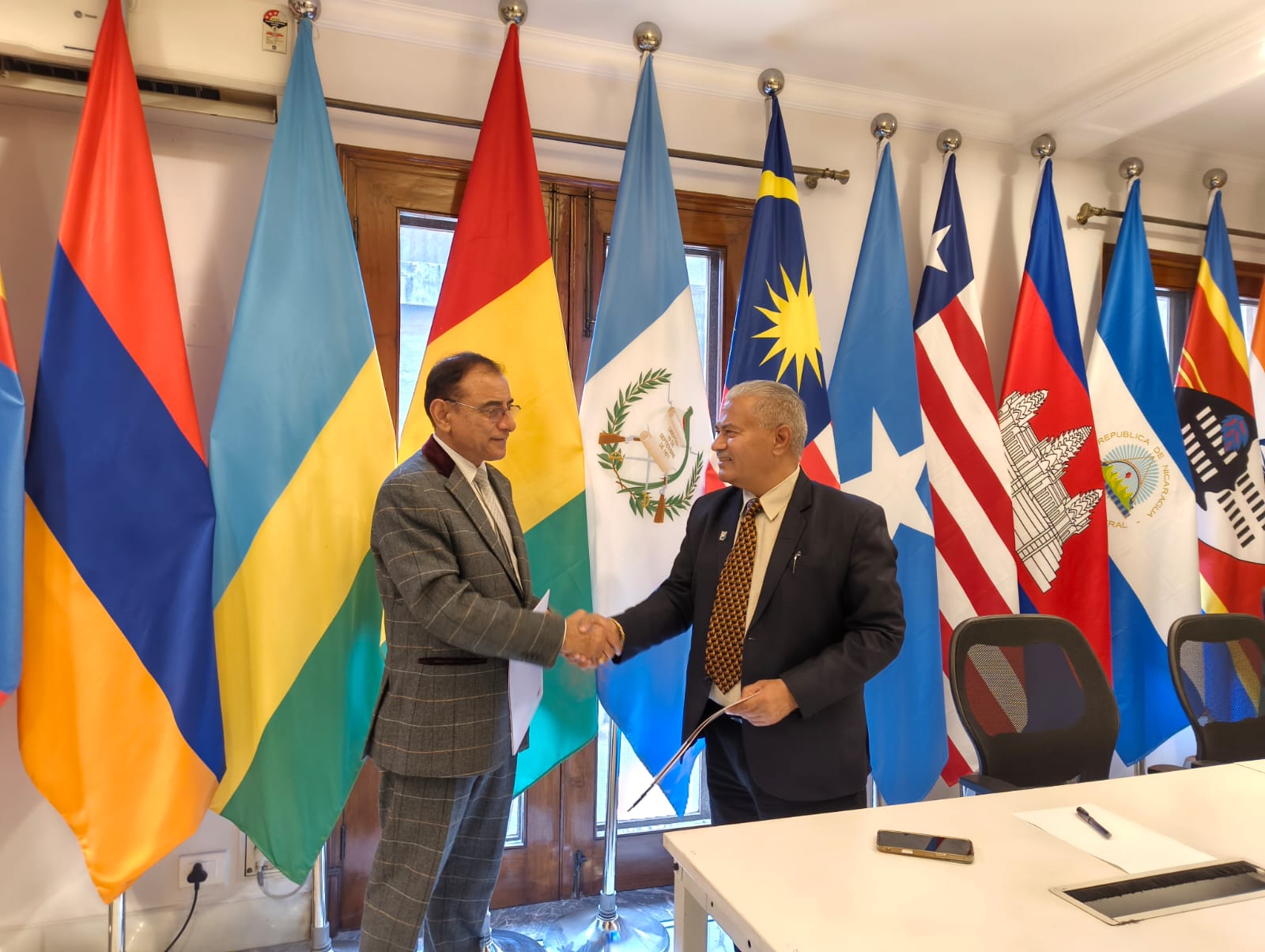
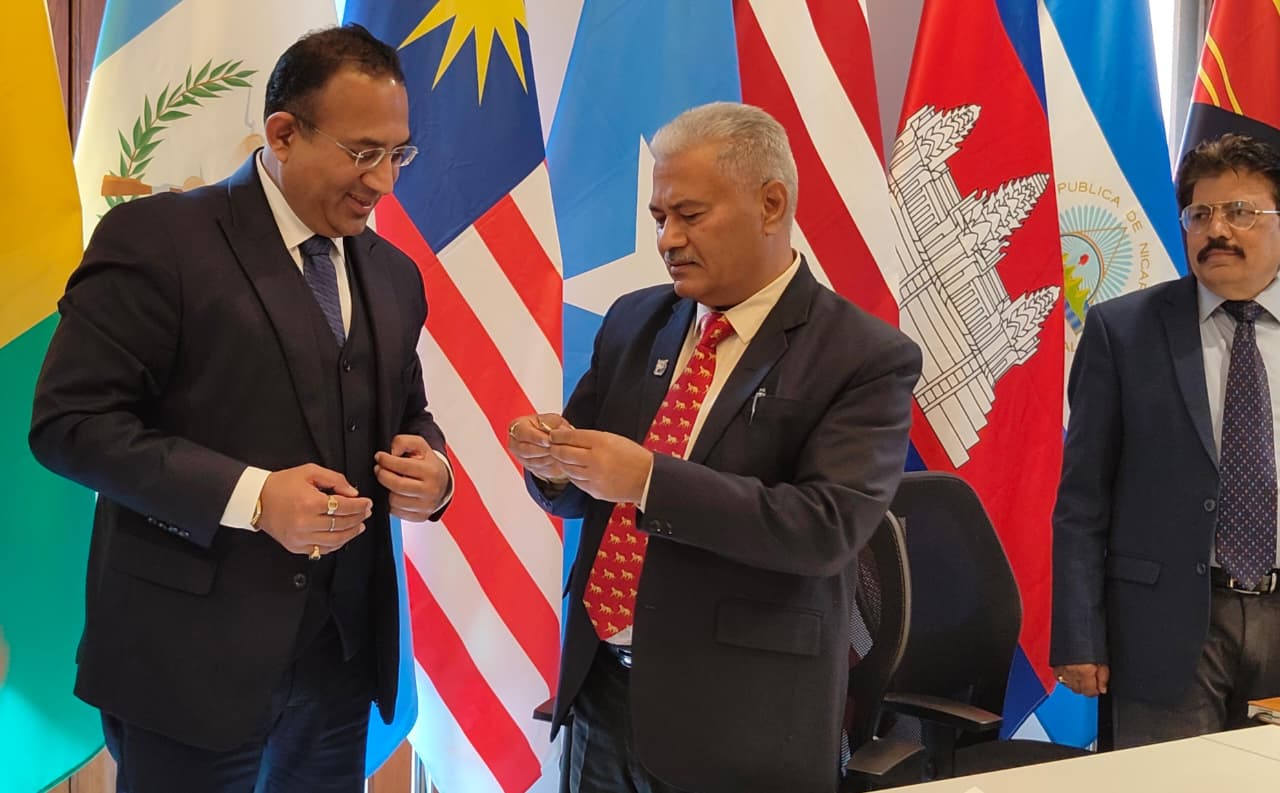
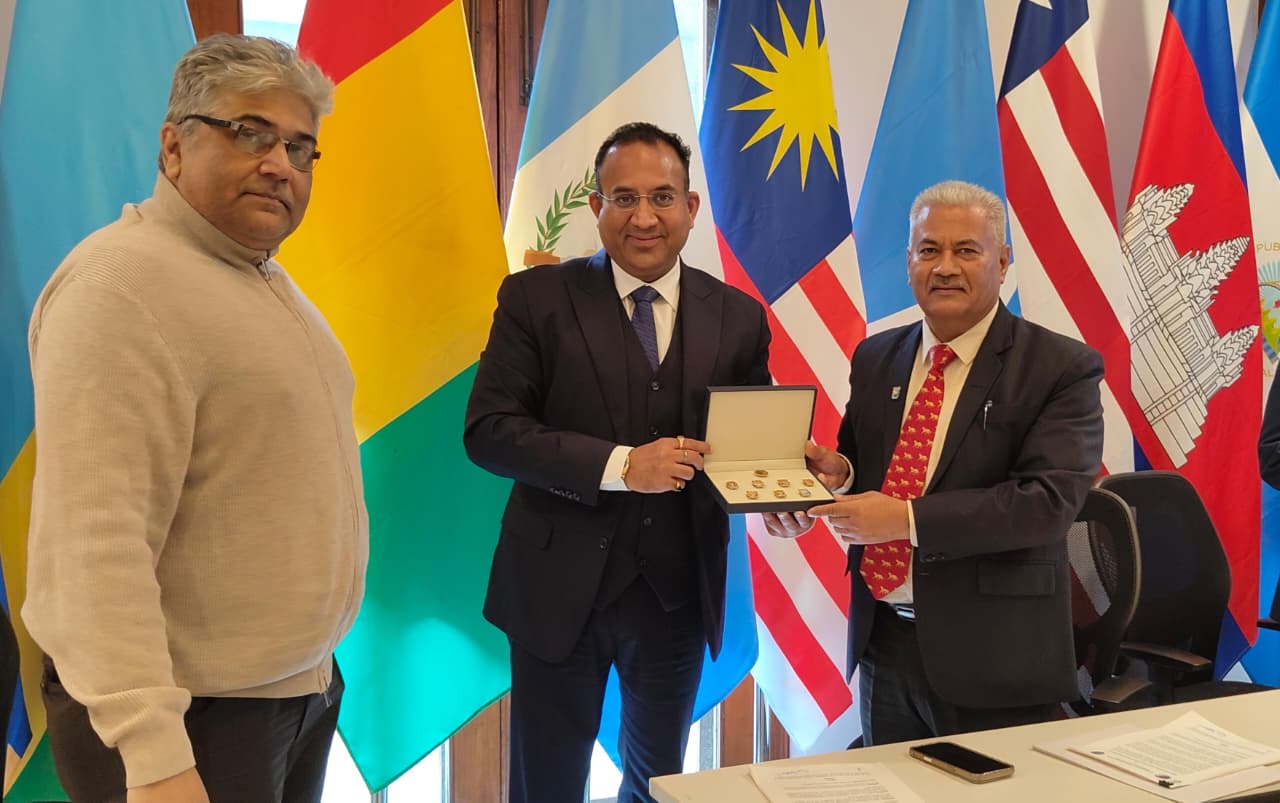
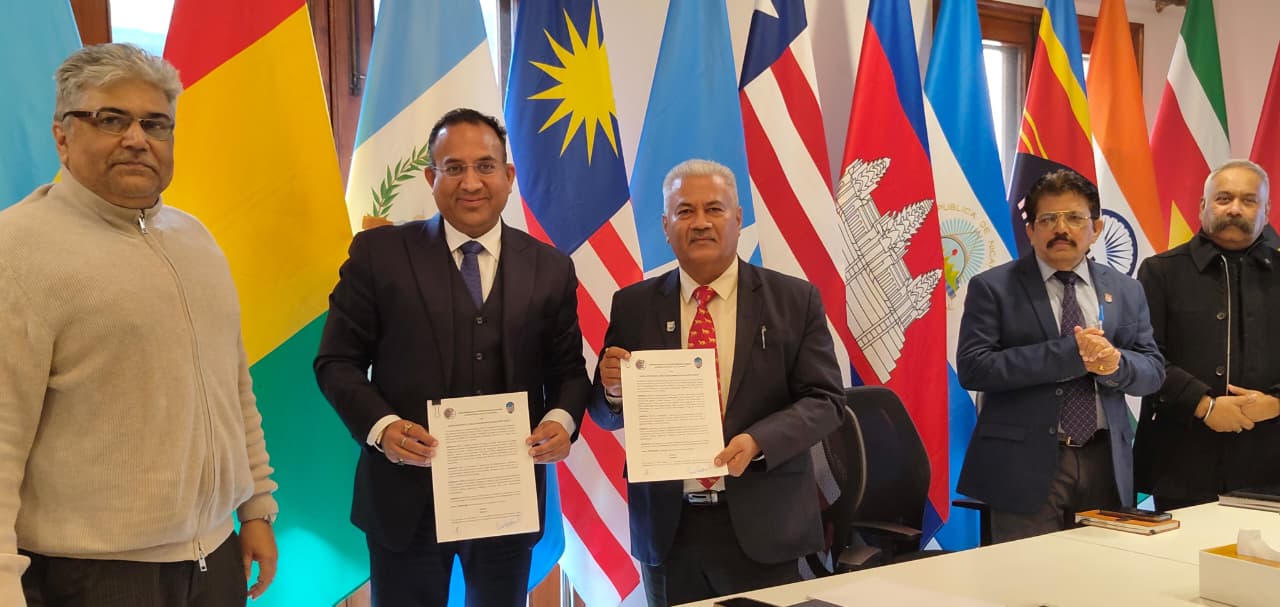
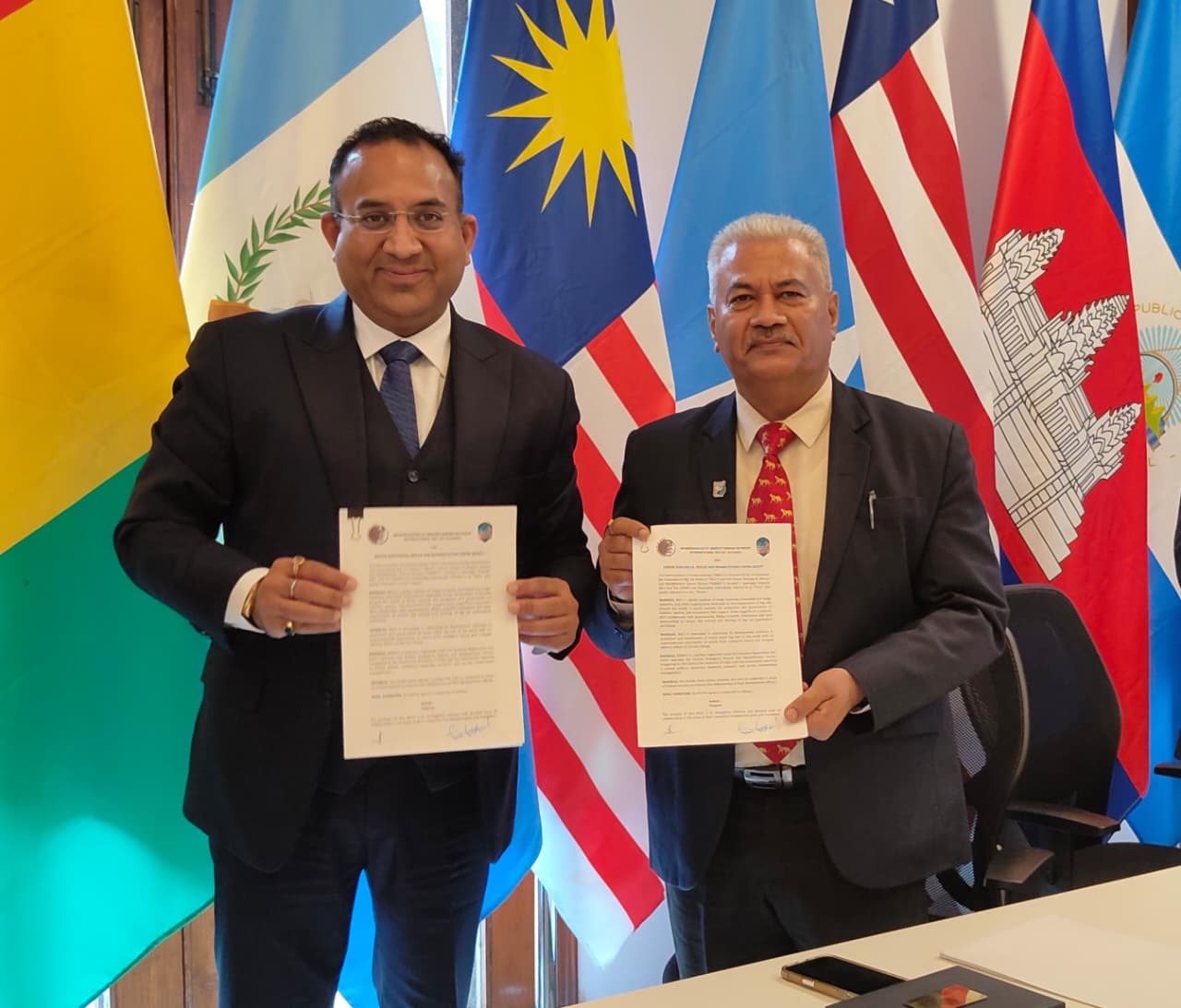
IBCA and the Greens Zoological, Rescue and Rehabilitation Centre Society (GZRRCS), Jamnagar, entered into a Memorandum of Understanding today to strengthen institutional cooperation for Big Cat conservation. The MoU provides a framework for collaboration in knowledge exchange, capacity-building programmes, awareness generation, strengthening of transboundary partnerships, joint initiatives for habitat restoration, rewilding, etc to advance sustainable conservation efforts for Big Cats conservation.

Collaborative Initiative for Big Cat Conservation
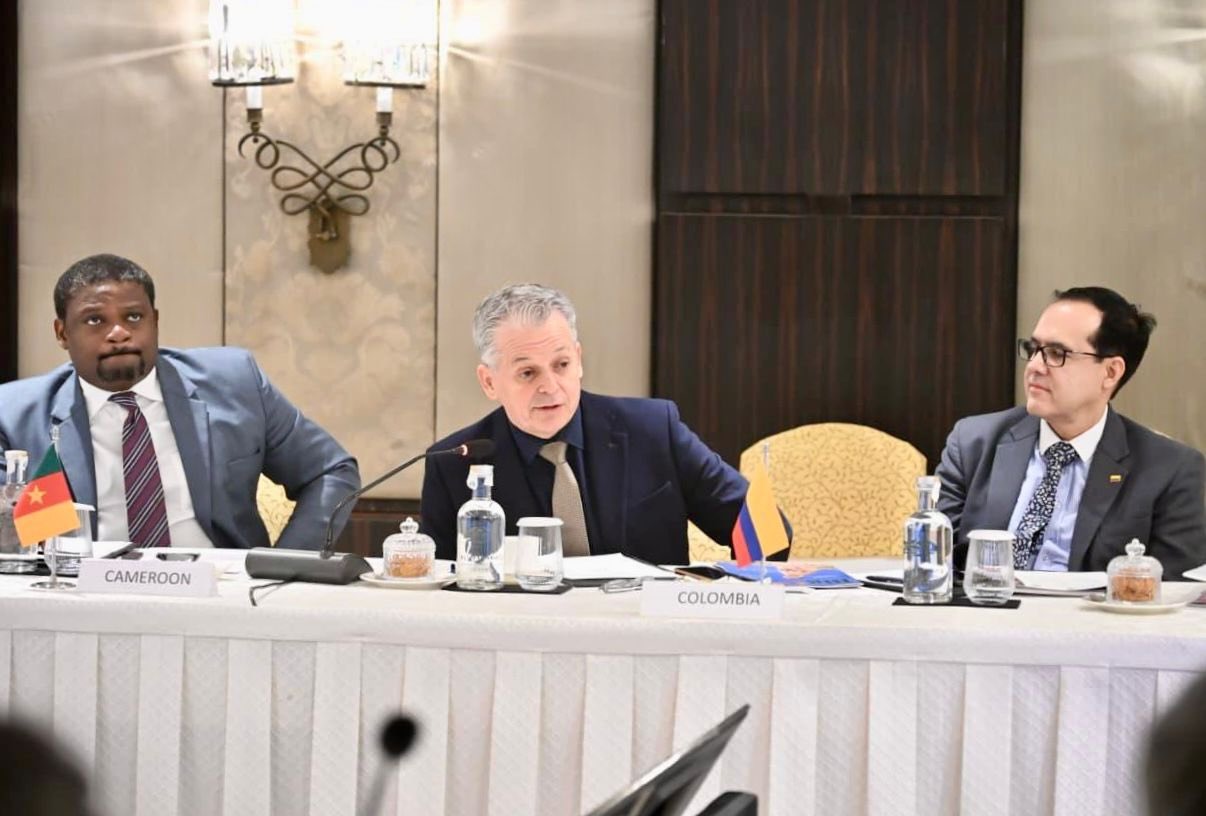
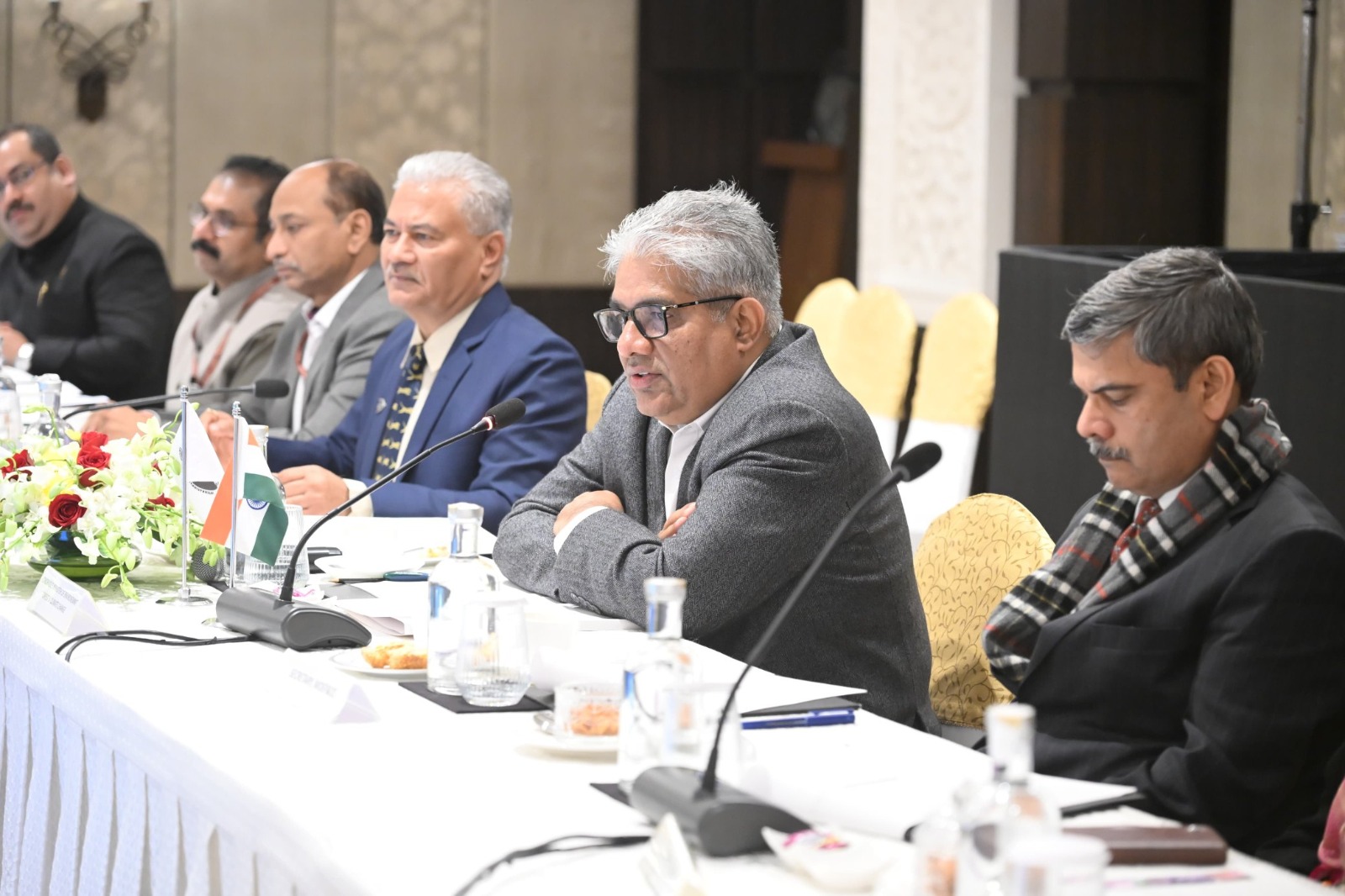
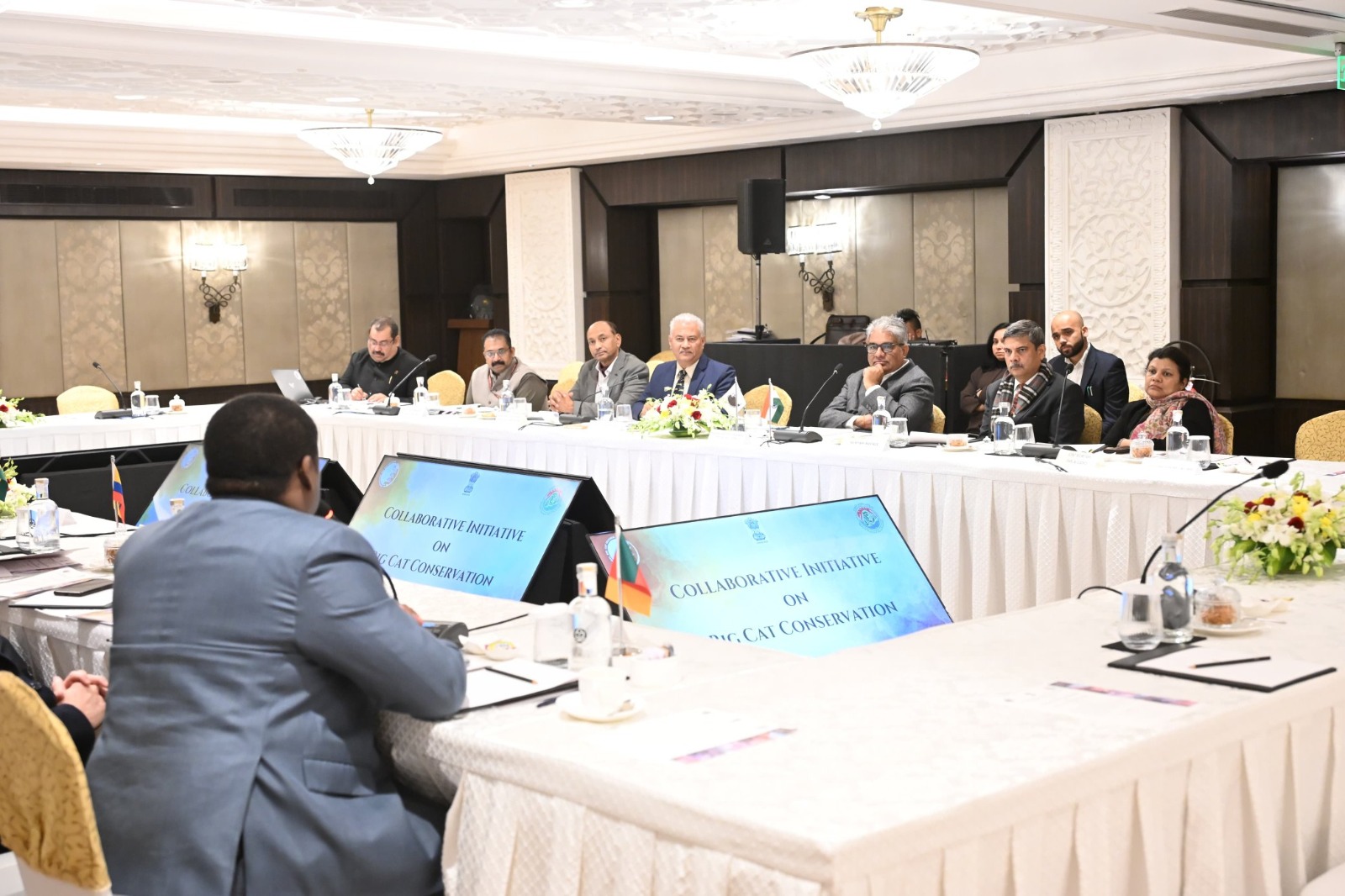
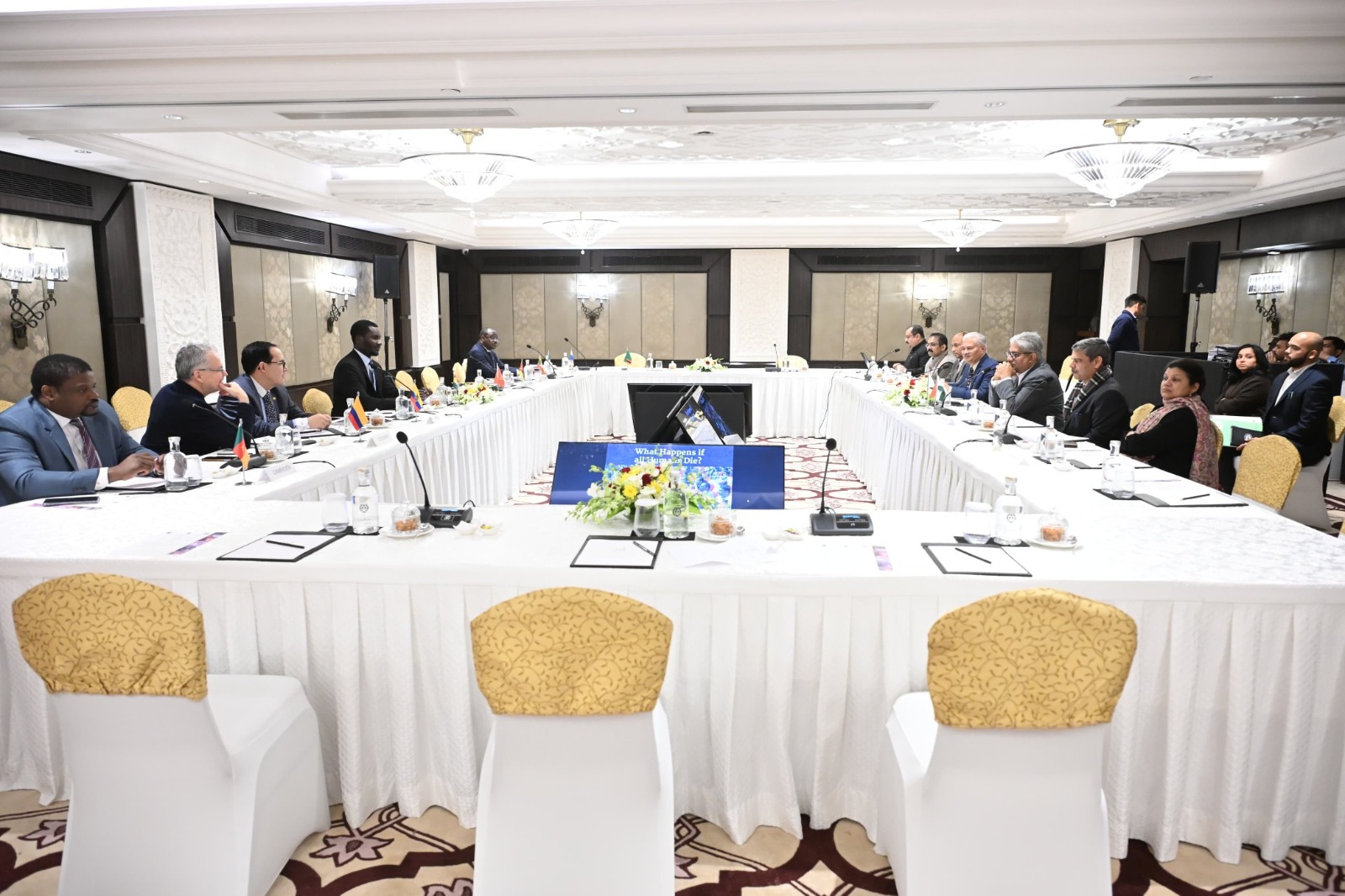
Union Minister for Environment, Forest and Climate Change, Shri Bhupender Yadav, chaired a high-level meeting on the ‘Collaborative Initiative for Big Cat Conservation’, under the framework of the International Big Cat Alliance (IBCA), in New Delhi on 8th December, 2025. The meeting brought together Ambassadors and High Commissioners of Big-cat range countries, alongside senior officials from Government of India.
Chairing the meeting, Shri Bhupender Yadav reiterated that IBCA is the vision of Prime Minister Shri Narendra Modi, designed as a partnership-driven global initiative anchored in trust, mutual respect and shared responsibility. He highlighted the global ecological value of big cats. The Minister emphasized that big cats - tigers, lions, snow leopards, cheetahs, leopards, pumas and jaguars - are more than charismatic animals. They are apex predators, regulators of ecological balance, and sentinels of ecosystem health. “We aim at working together to improve their habitat by capacity building and knowledge sharing for green growth of the entire area”, he stated.
IBCA Strengthens Protection Efforts at Sariska Tiger Reserve,India
On the occasion of Global Tiger Day, the International Big Cat Alliance (IBCA) supported the Sariska Tiger Reserve,India by providing a dedicated field vehicle to strengthen on-ground conservation efforts.
The vehicle will enhance the operational capacity of frontline staff by improving field patrolling, surveillance, rapid response, and the overall protection and management of the reserve.
This support reflects IBCA's commitment to strengthening institutional capacities and contributing to the long-term conservation of tigers and their habitats through targeted assistance and strategic partnerships.
International Olympiad on Climate Change and Environmental Issues, Sirius, Russia
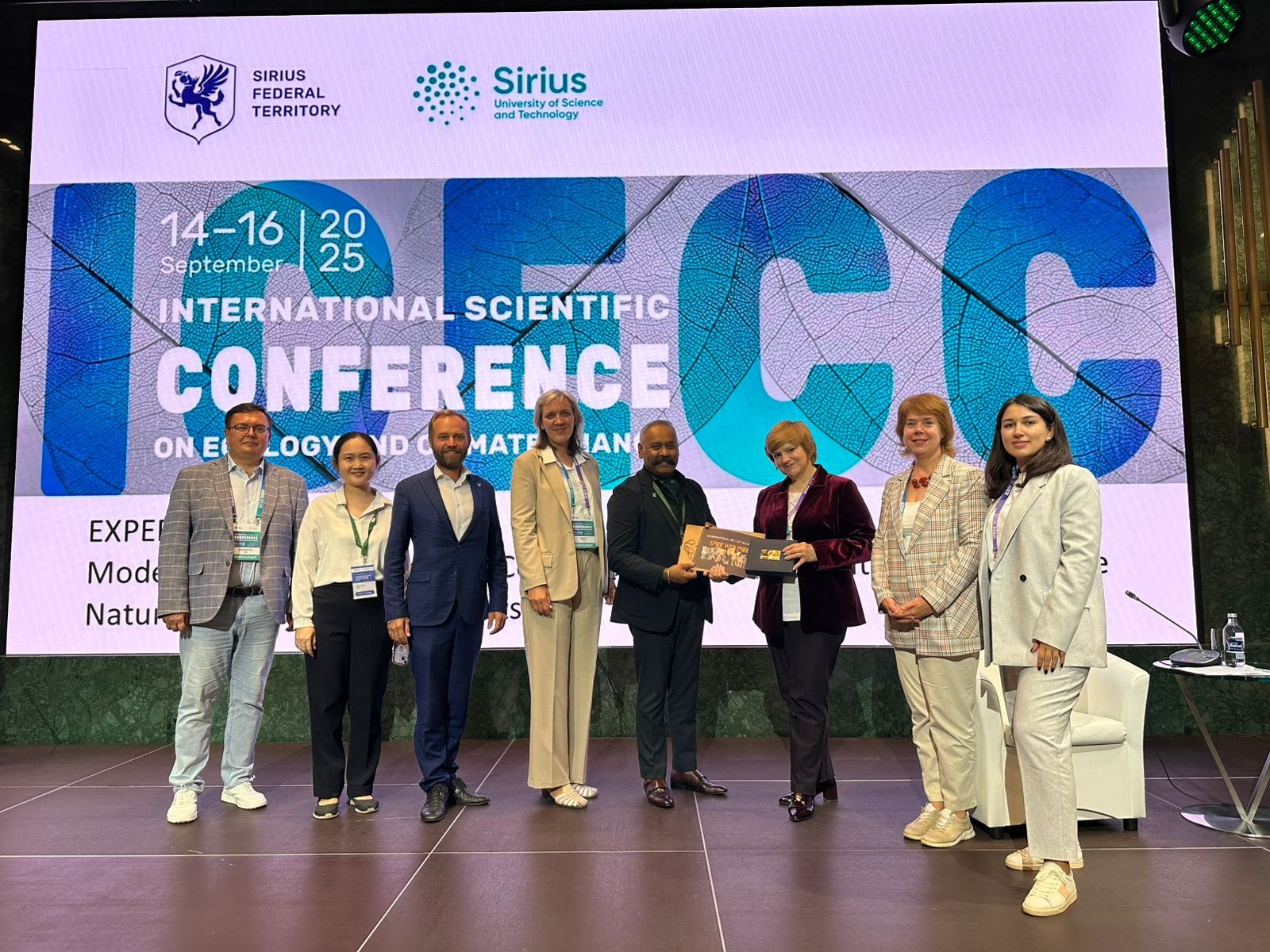
Dr. Amit Mallick, Director (International Cooperation), IBCA participated in the “International Olympiad on Climate Change and Environmental Issues” as a member of the esteemed four-member International Jury, alongside other distinguished colleagues from Malaysia, China, and Qatar.
The Olympiad has drawn participation from 11 countries, namely: Ethiopia, Pakistan, Bangladesh, Belarus, Costa Rica, Djibouti, India, Tajikistan, Myanmar, Russia, and Qatar.
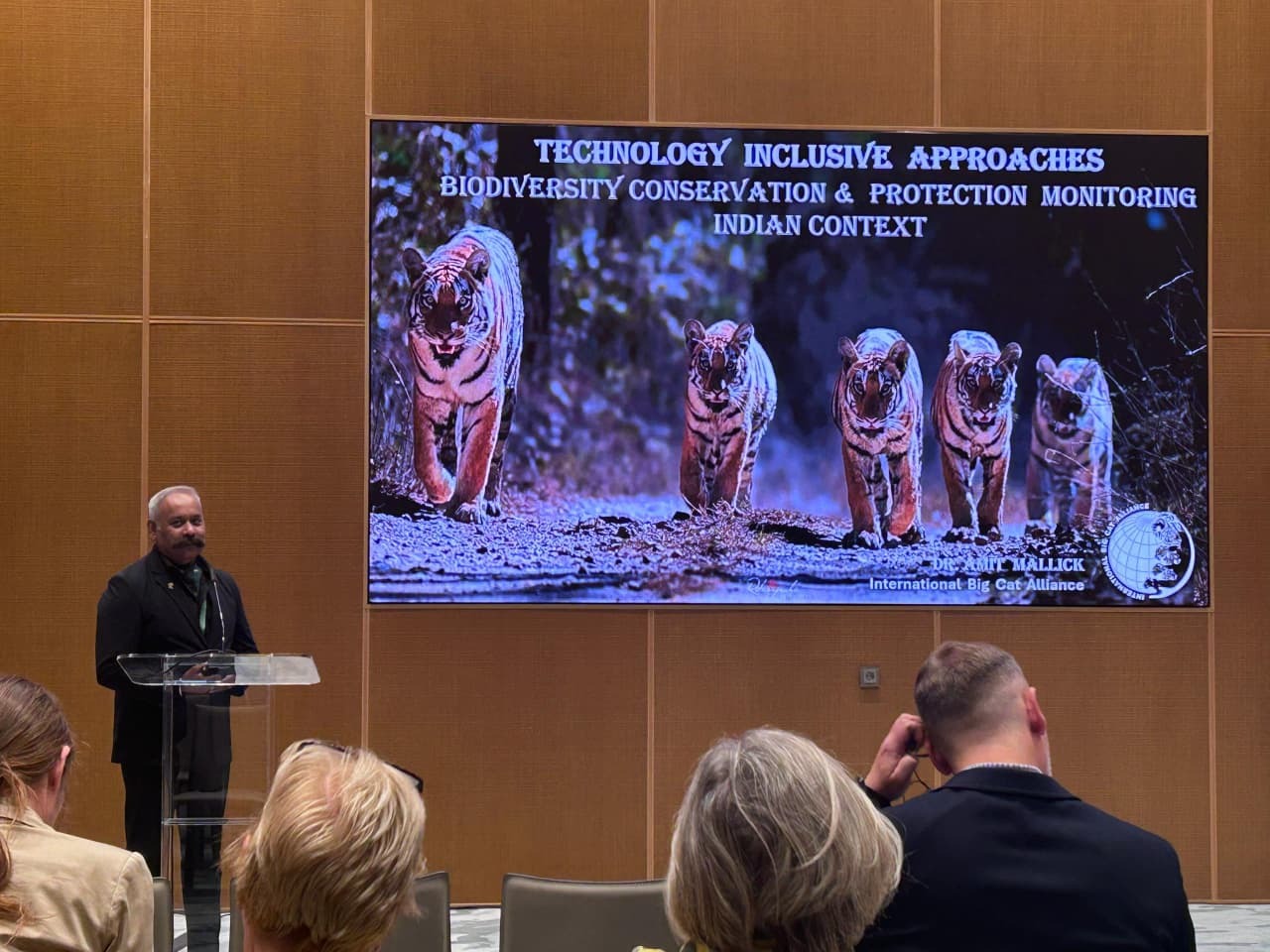
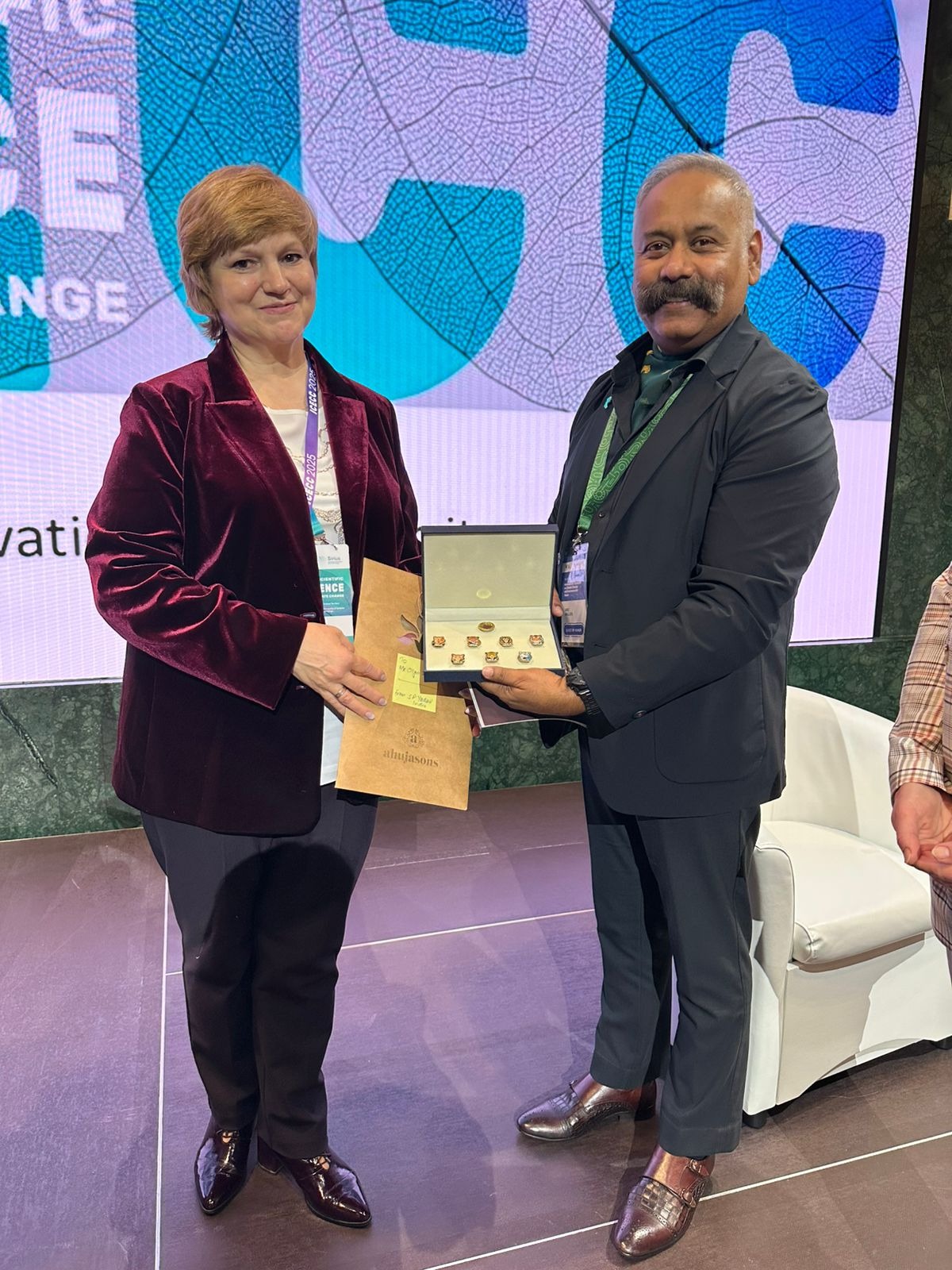
Dr. Amit Mallick, Director (International Cooperation), IBCA, addressed a session at the International Scientific Conference on Ecology and Climate Change, organised by Sirius University of Science and Technology at Sirius Federal Territory, Russia. He delivered a comprehensive presentation on “Technology-Inclusive Approaches: Biodiversity Conservation and Protection Monitoring in the Indian Context”, highlighting how India has been leveraging tools such as remote sensing, AI-enabled monitoring, and community-driven digital platforms to strengthen biodiversity protection. He further underlined the potential role of the IBCA in advancing big cat conservation globally through innovative technological interventions.
At the Closing Ceremony of the “International Olympiad on Climate Change & Environmental Issues” held in Russia, Dr. Amit Mallick, Director (International Cooperation), IBCA, presented the Gold Medal Awards to the winners. During his special address on the occasion, Dr. Mallick underscored the global role of IBCA in fostering collaborative efforts for the conservation of Big Cats. He elaborated on IBCA’s mission and vision to safeguard these iconic species through international cooperation, capacity building, and knowledge sharing. He also drew attention to the forthcoming “Global Summit on Big Cat Conservation” to be held in India.

IBCA and CII signed MoU
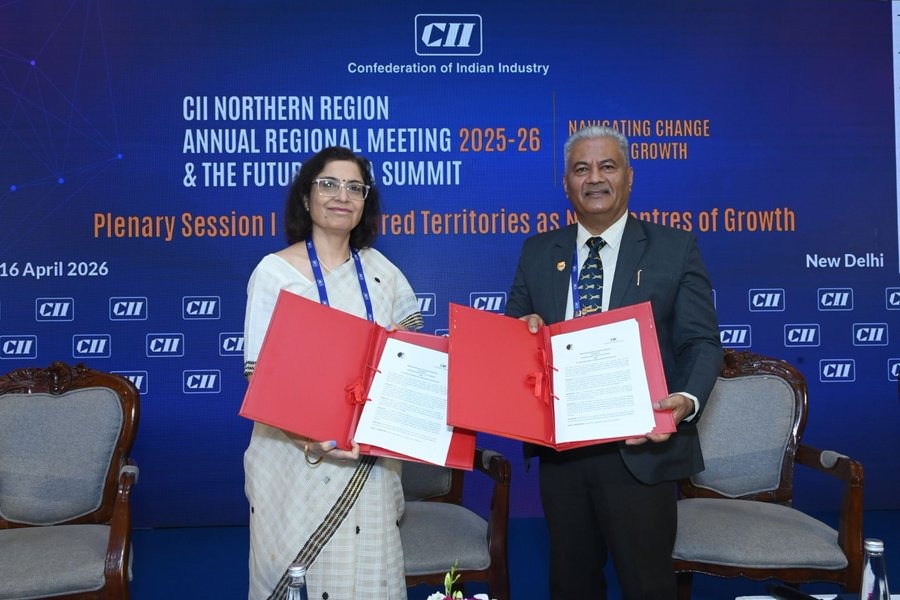
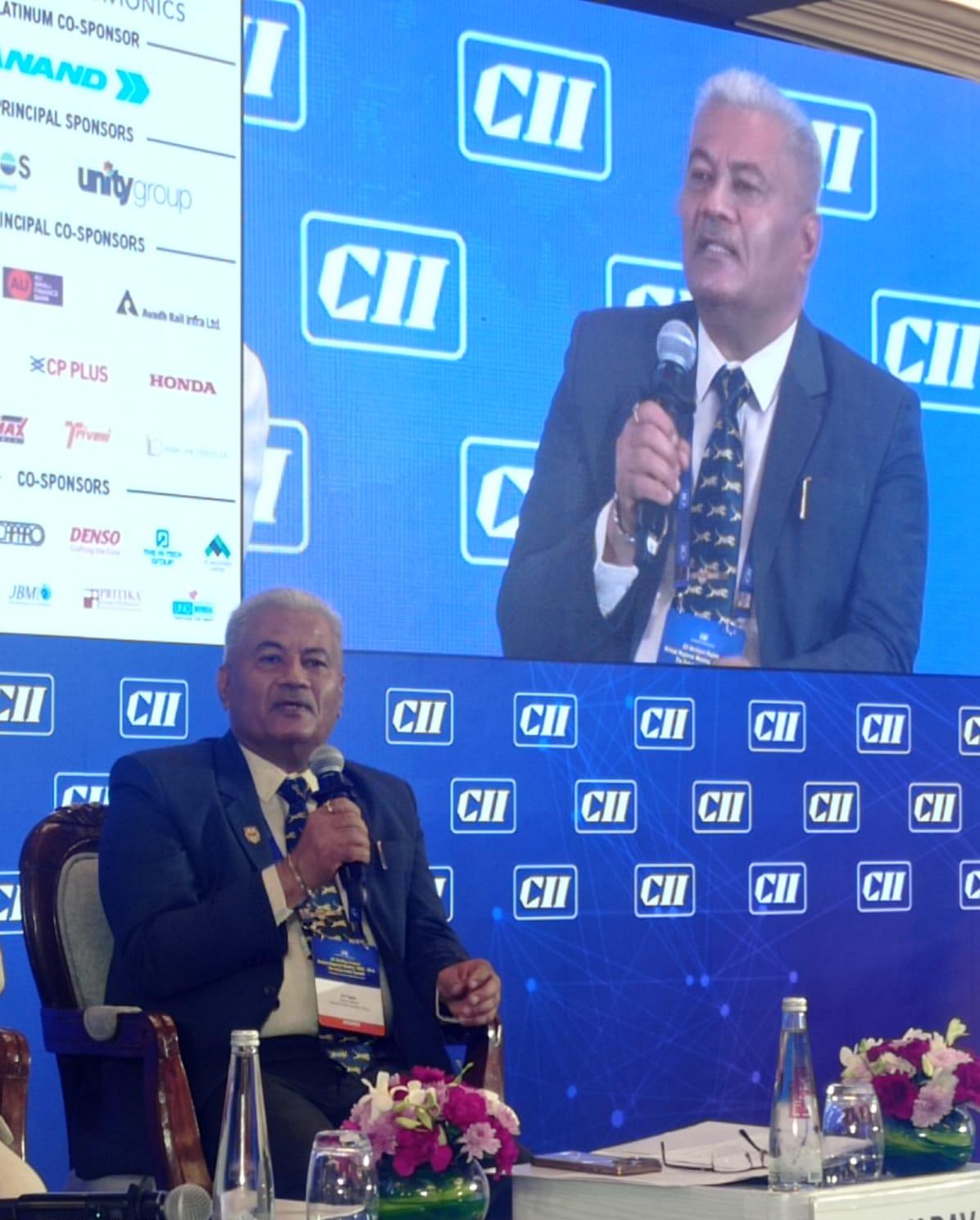
The International Big Cat Alliance (IBCA) and the Confederation of Indian Industry (CII) signed a MoU on 16 April, 2026, bringing together conservation and industry for a shared purpose. This partnership will catalyze innovation, raise awareness, build capacity, mobilize resources, and promote sustainable practices to support the conservation of big cats across their global range.
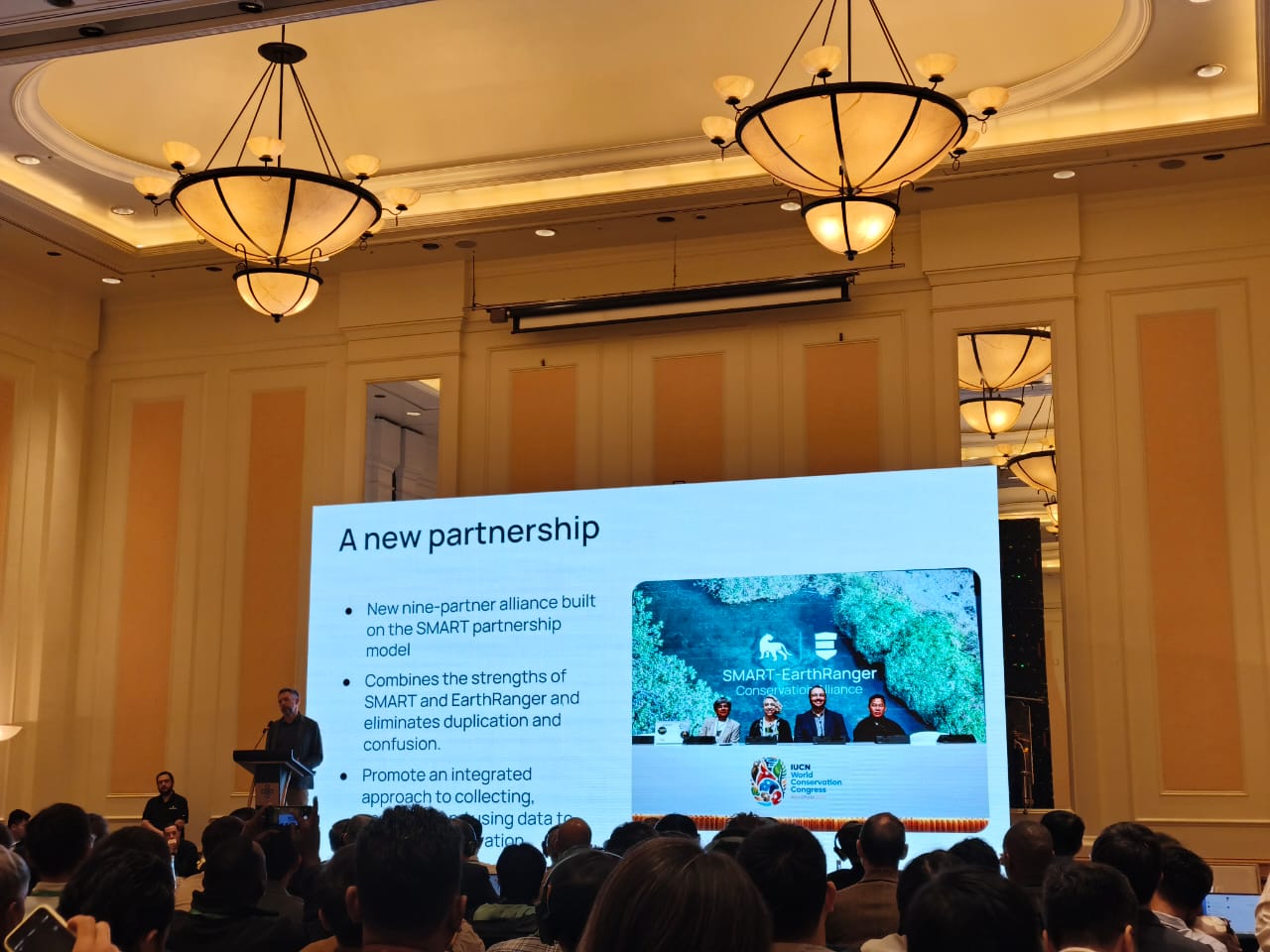
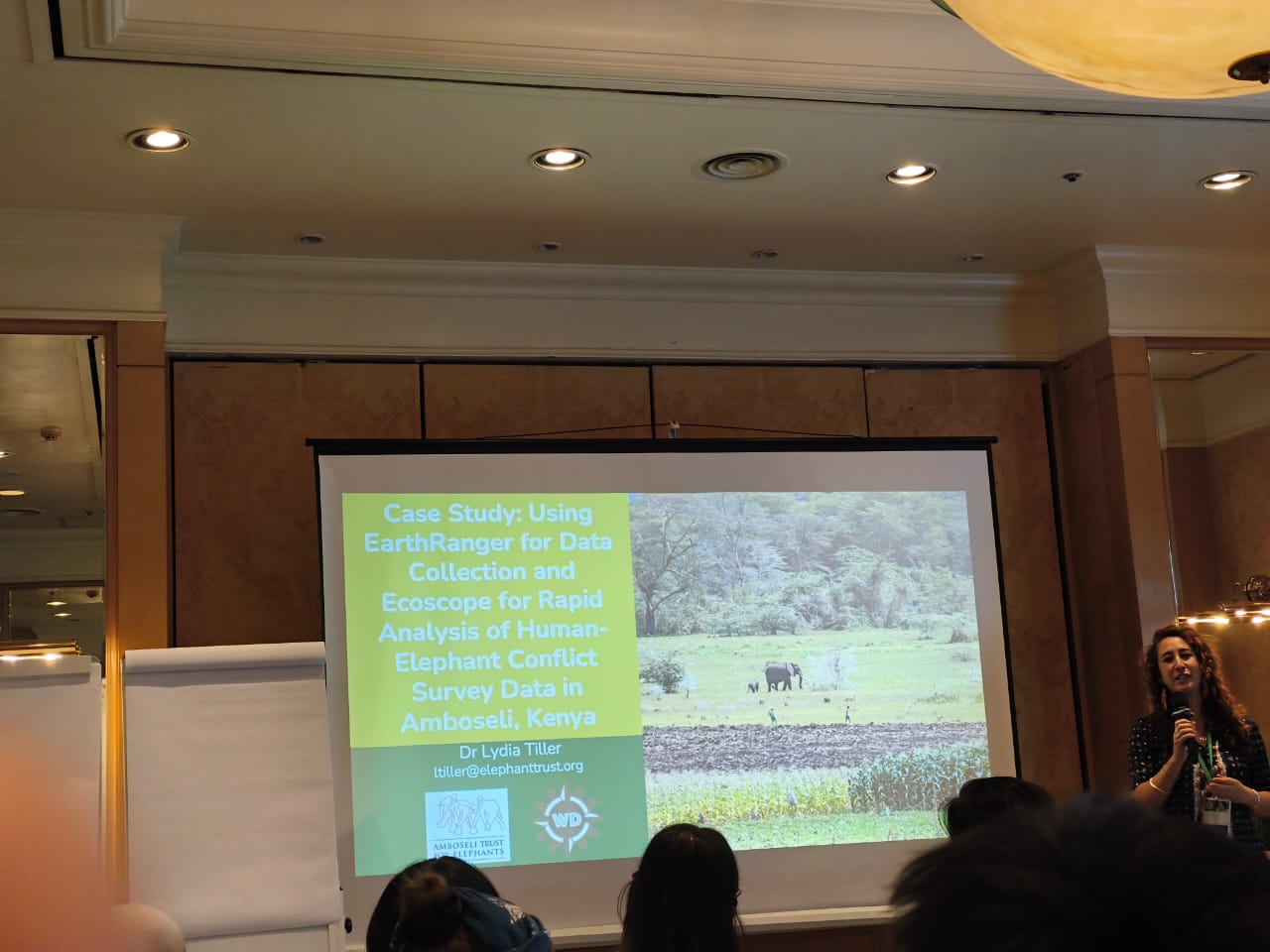
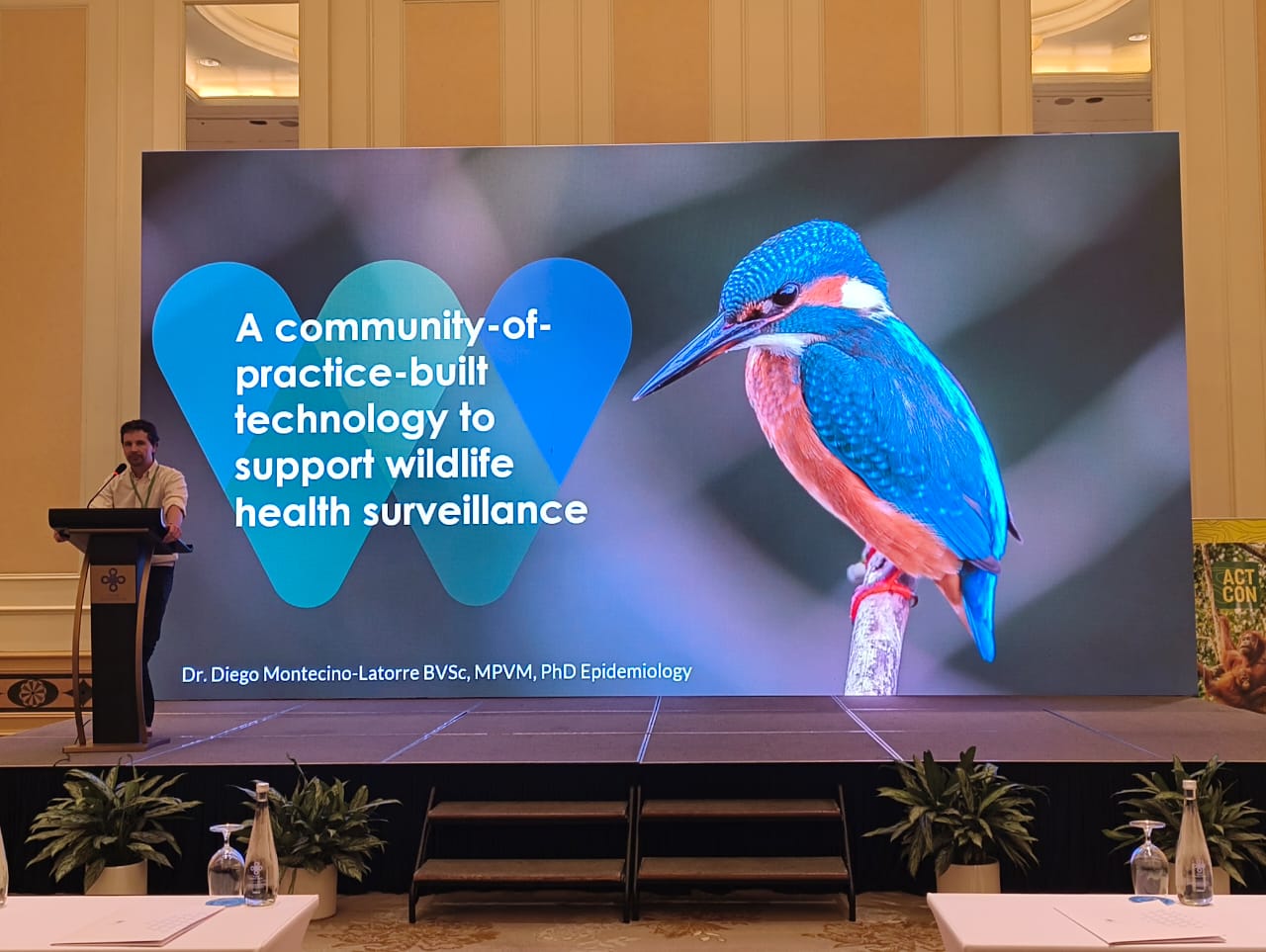
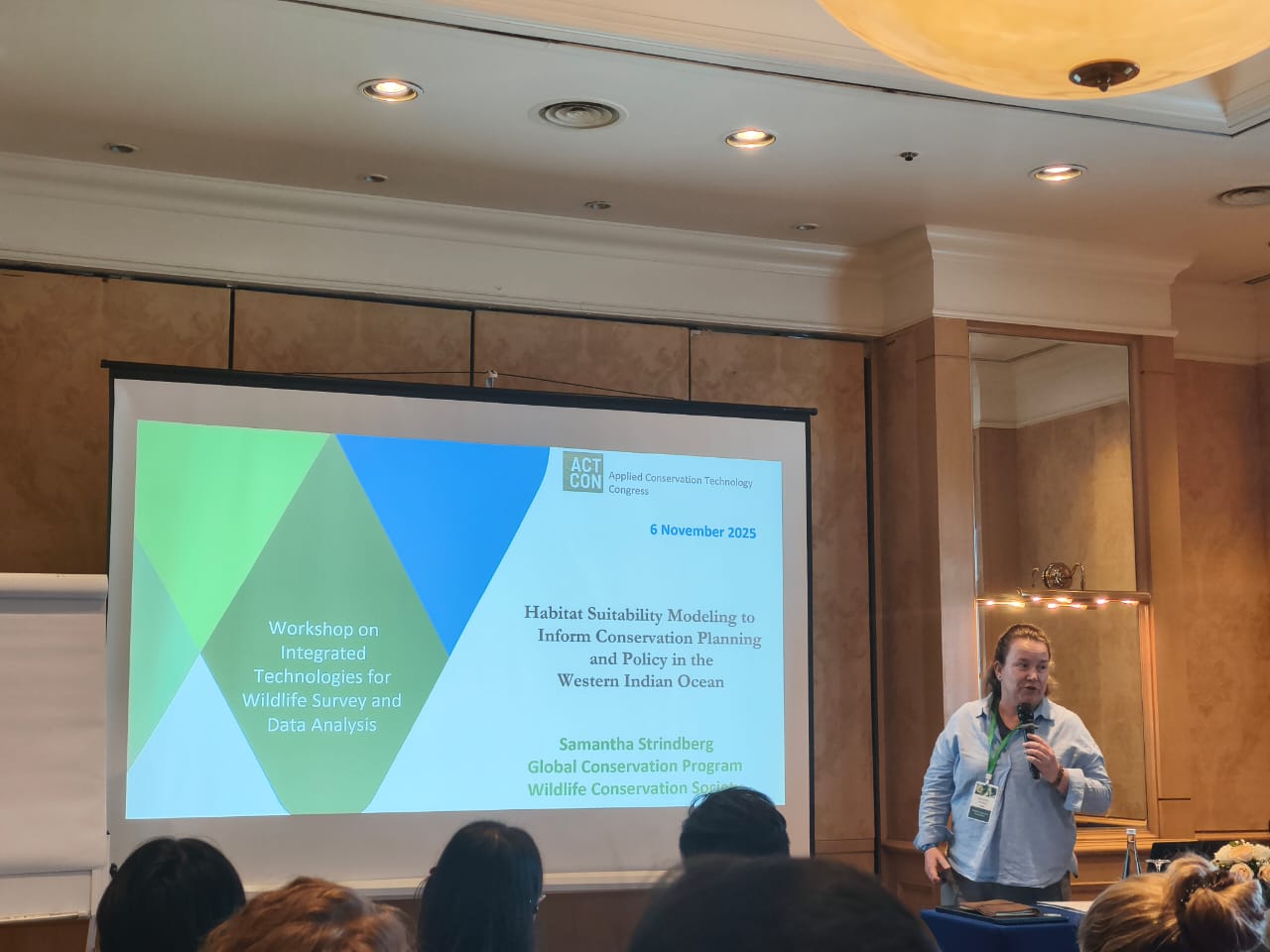
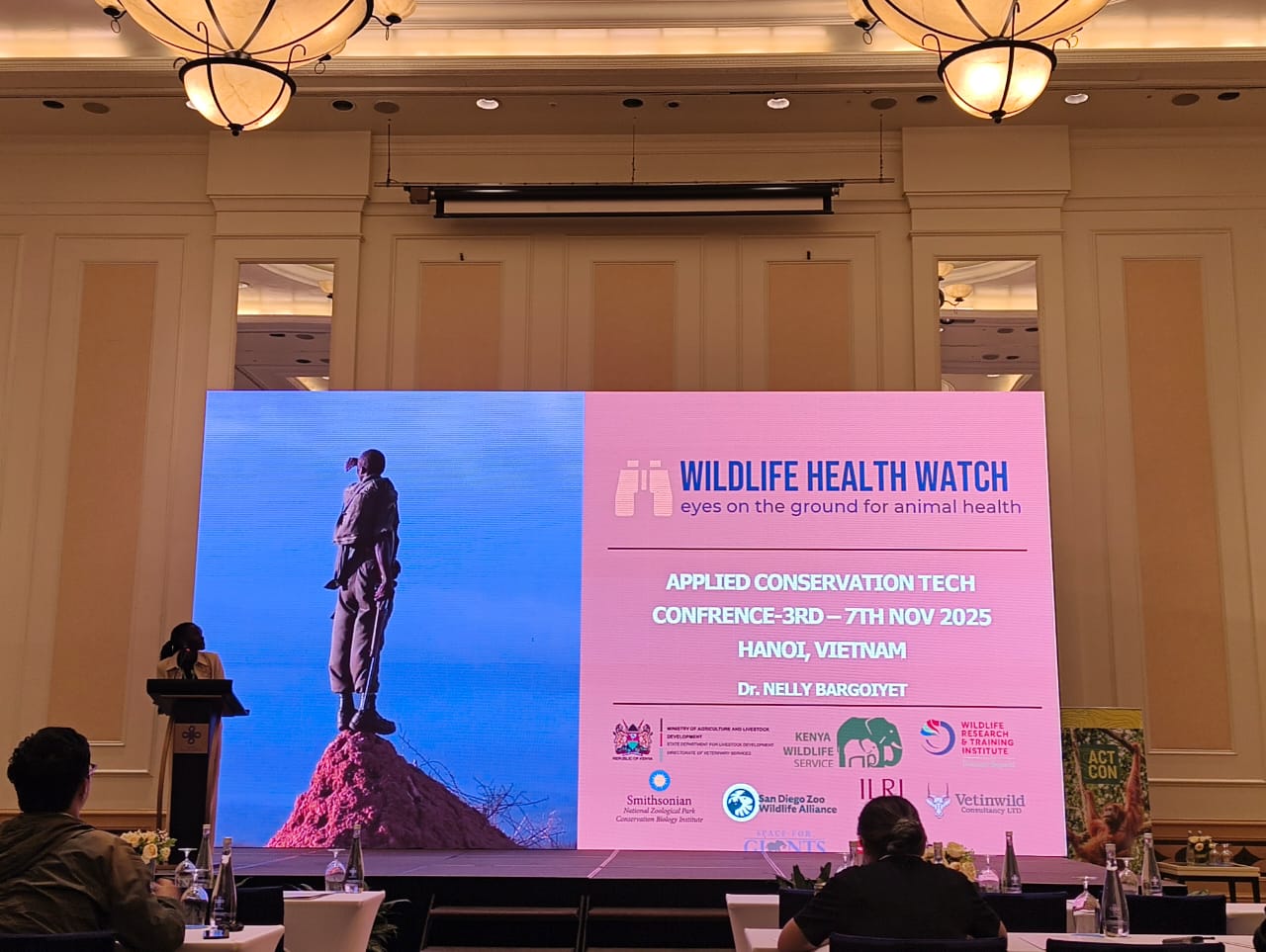
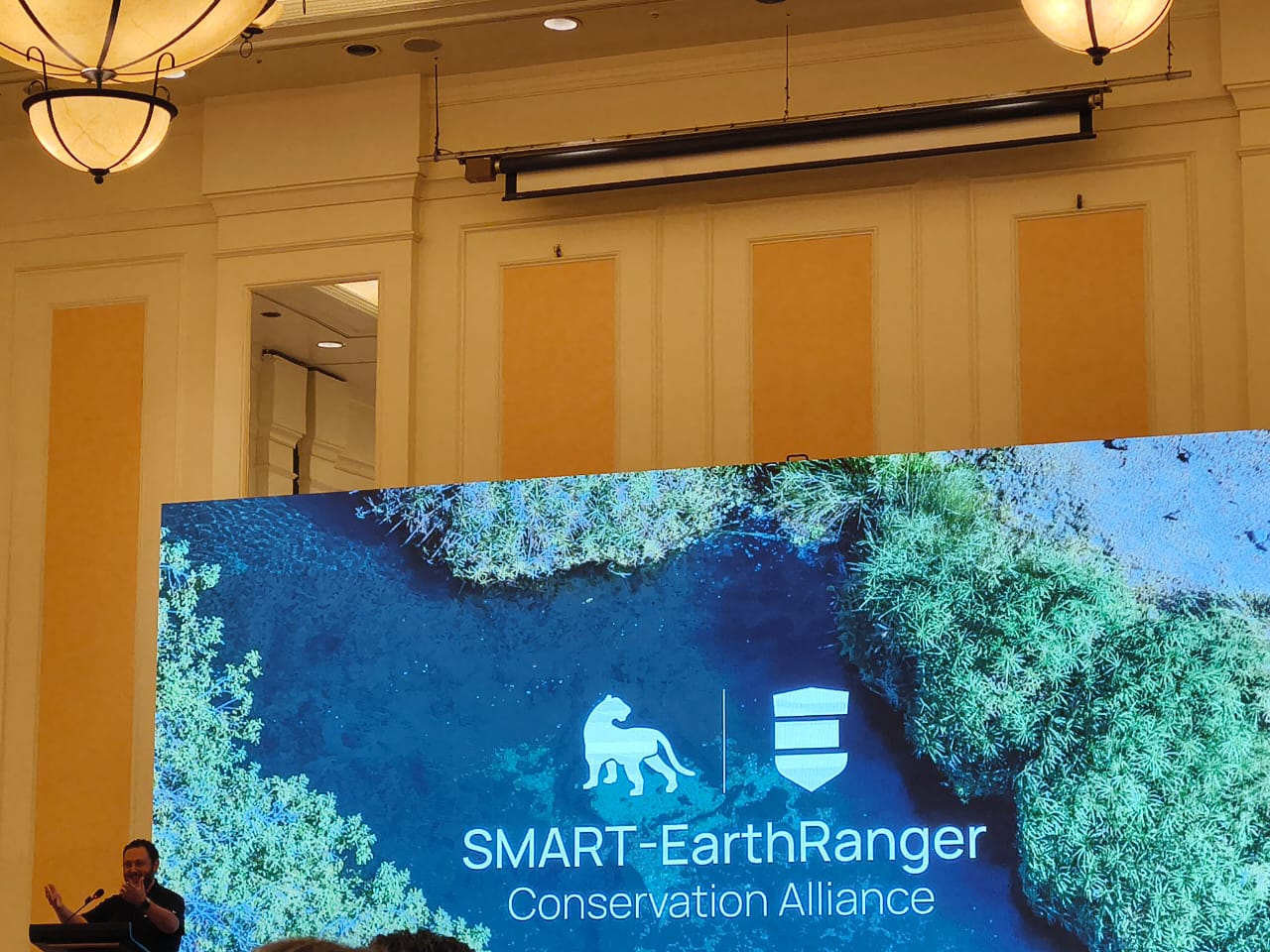
Applied Conservation Technology Congress 2025, Hanoi, Vietnam
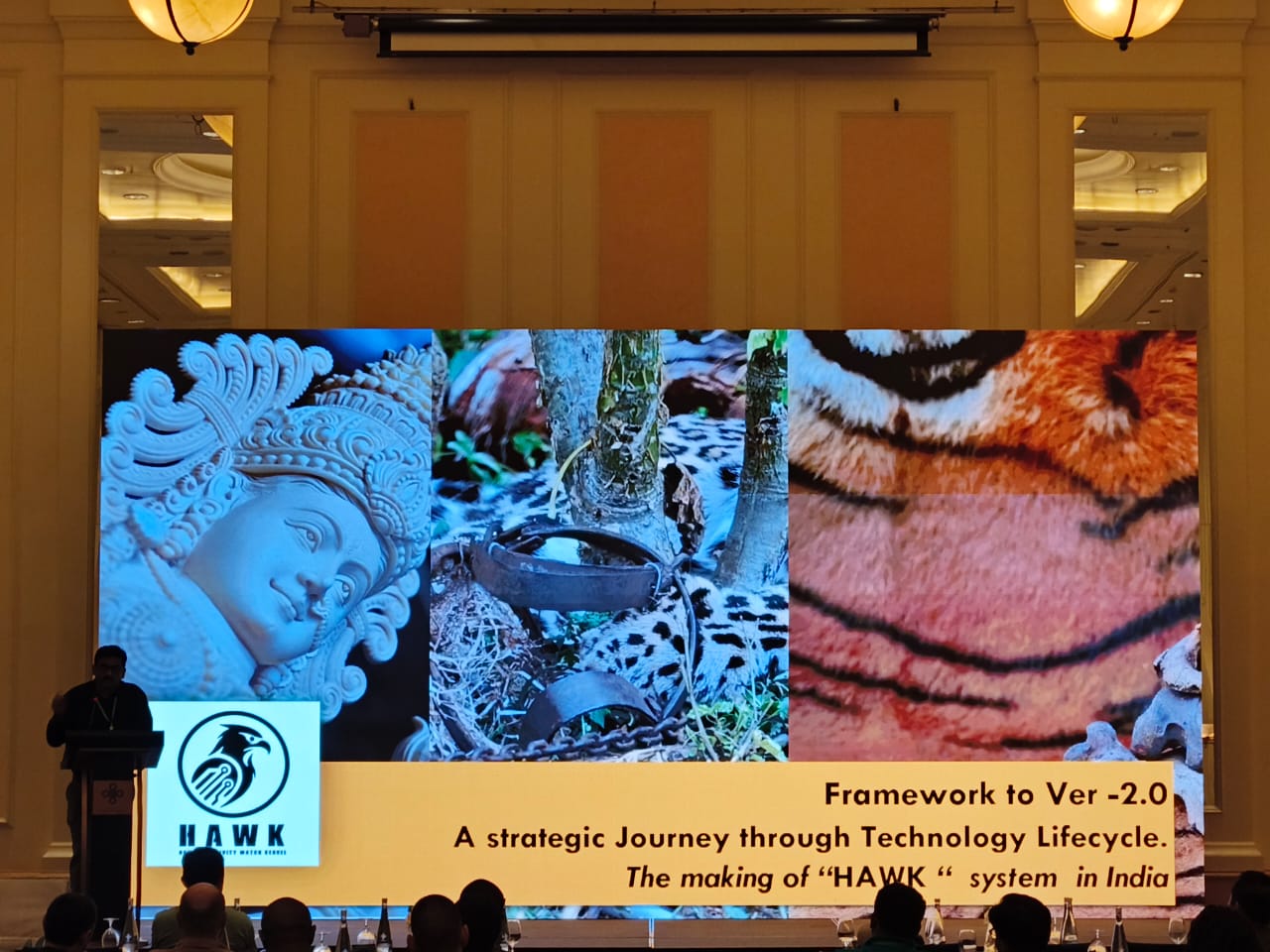
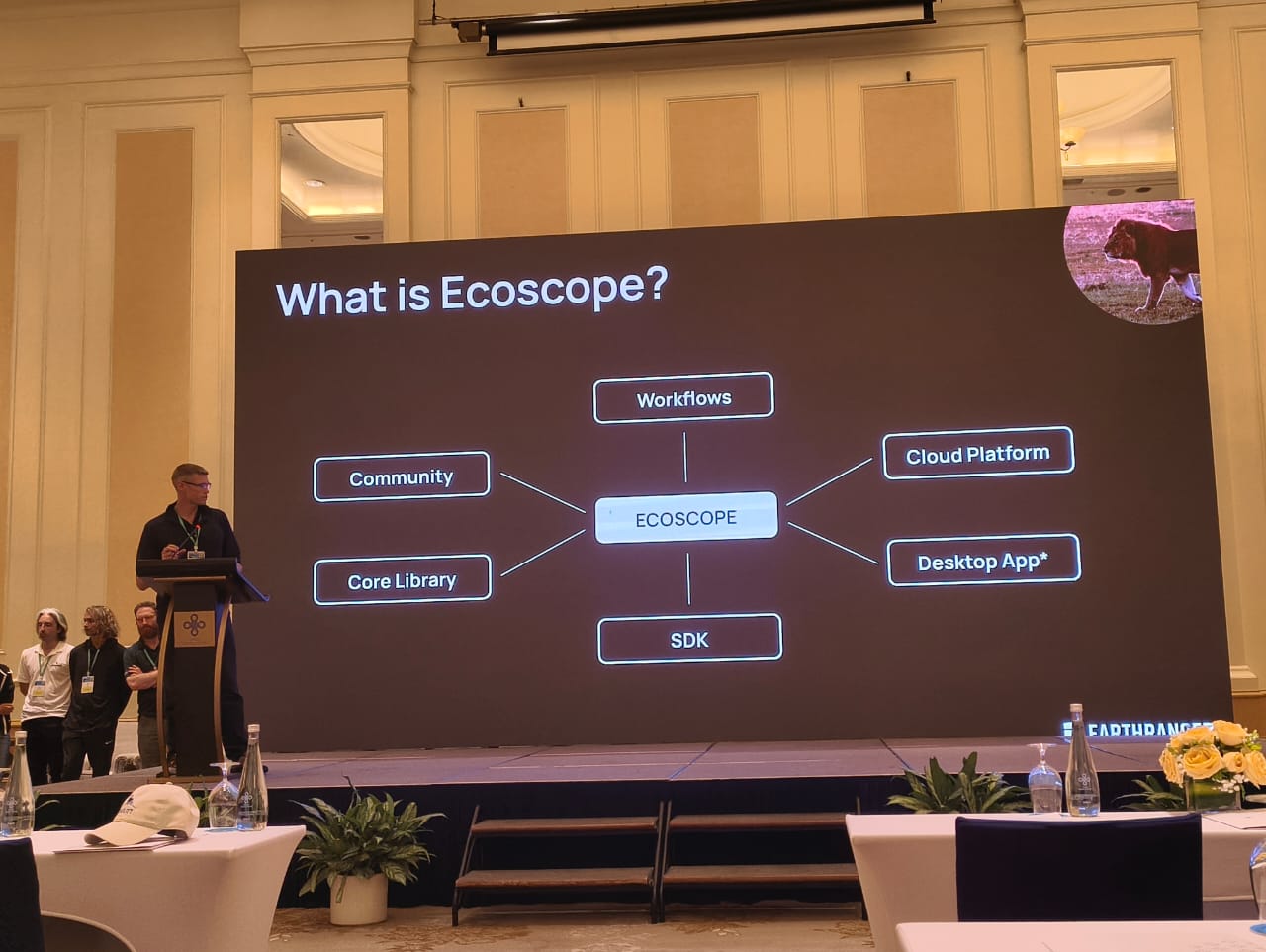
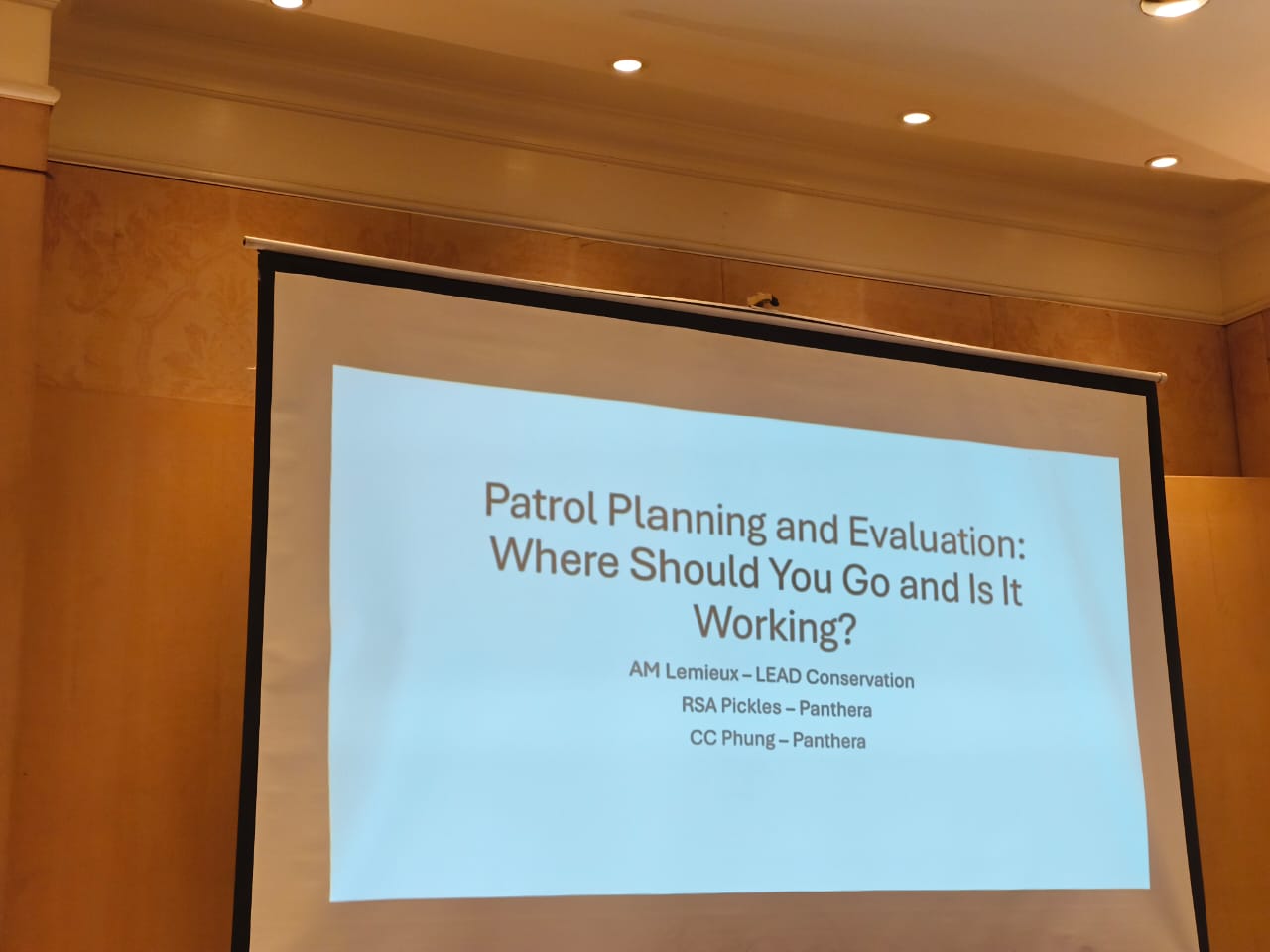
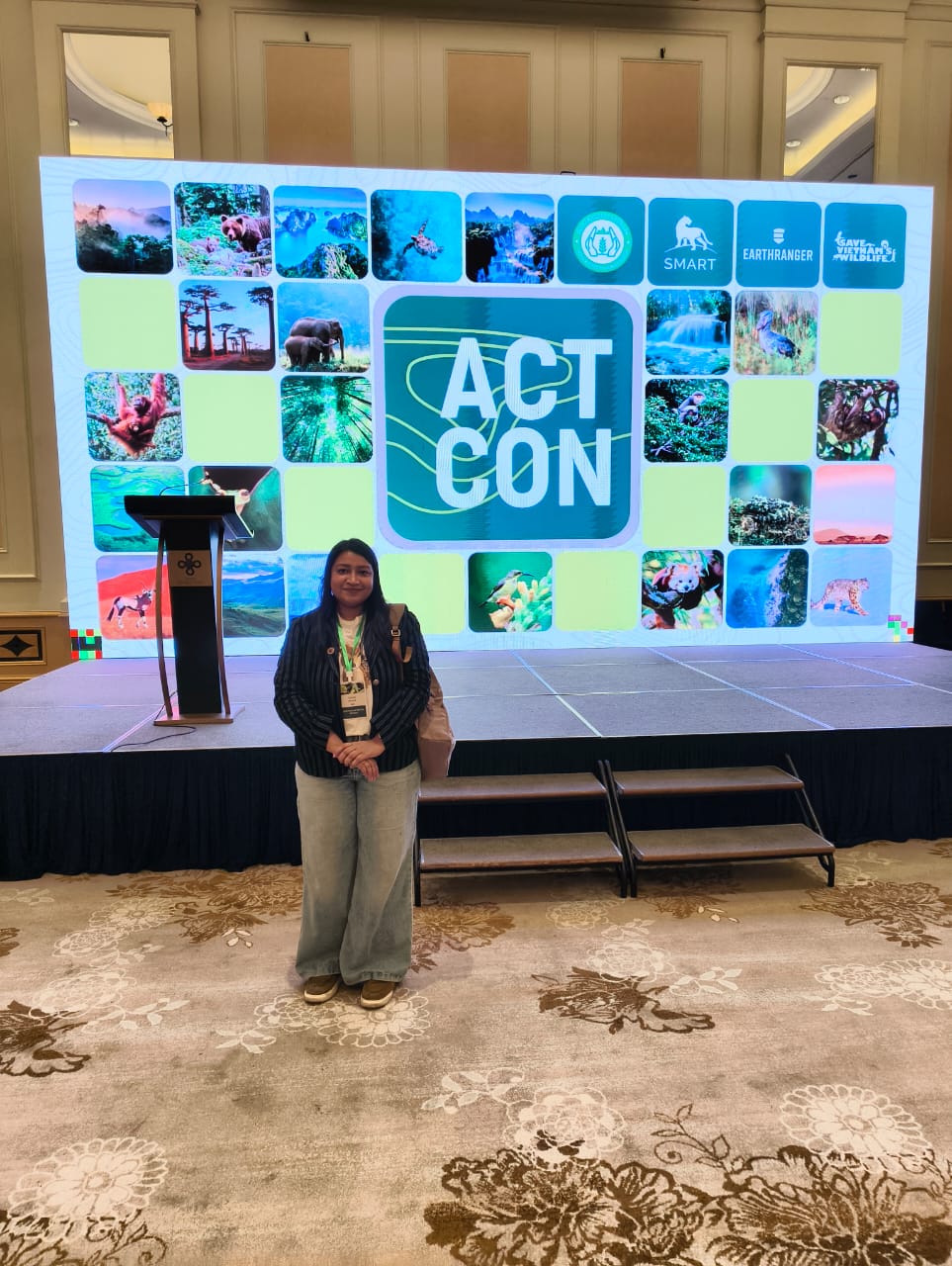
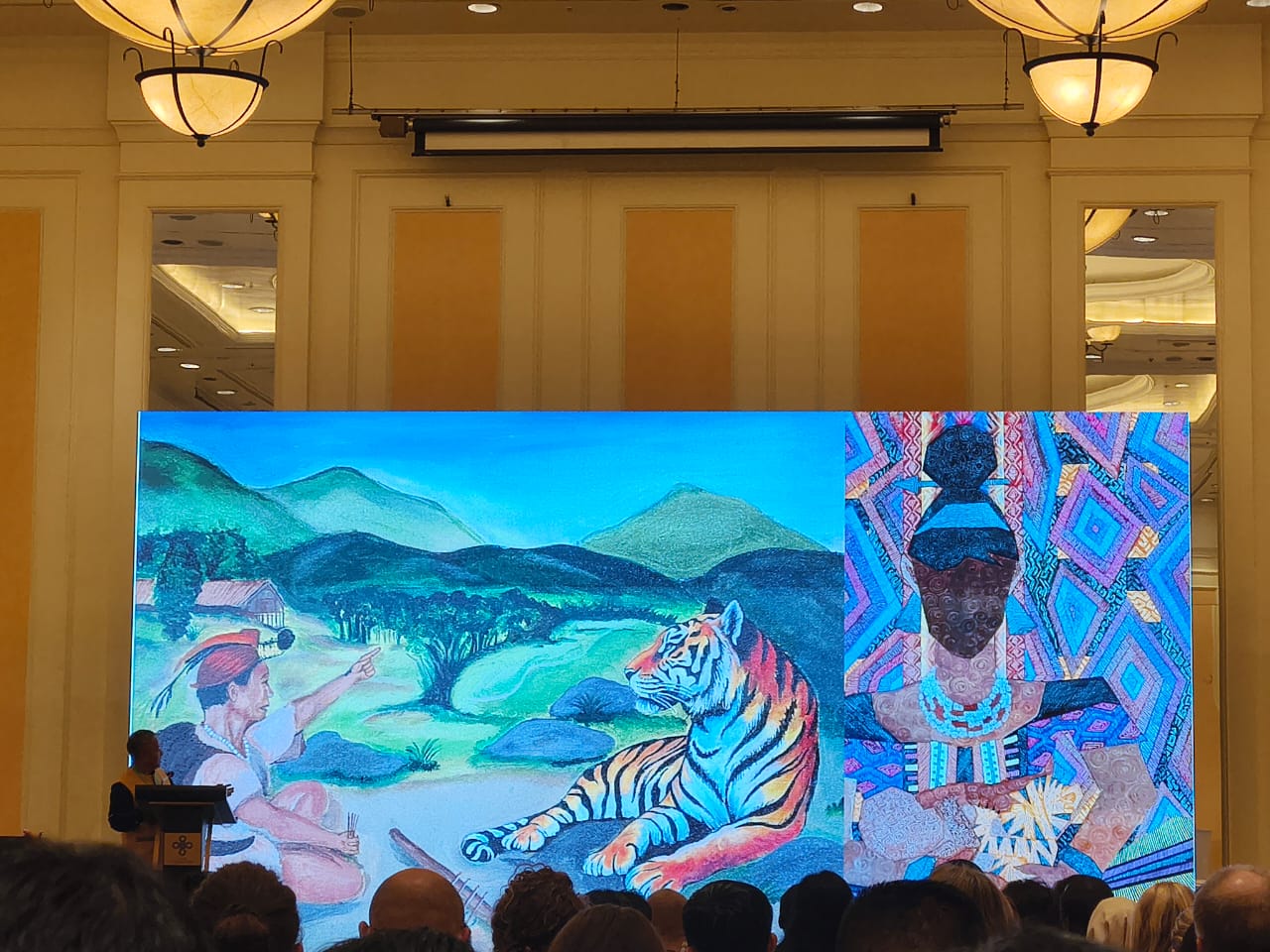
Dr. Tamali Mondal, Programme Associate, International Big Cat Alliance (IBCA), participated in the Applied Conservation Technology Congress (ACT Con) held from 3–7 November 2025 at the Hanoi Daewoo Hotel, Vietnam.
The event, jointly hosted by SMART Partnership, EarthRanger, and Save Vietnam’s Wildlife, convened global leaders in conservation, technology, governance, and research to explore innovative solutions for biodiversity protection.
ACT Con 2025 served as a global platform for conservationists, technologists, government representatives, NGOs, researchers, and community leaders to discuss how cutting-edge technologies are transforming field-based conservation and management. The Congress emphasized the need to translate technology into actionable conservation outcomes, strengthen ground-level management, and build capacity among practitioners to ensure the long-term protection of wildlife and ecosystems. Through IBCA’s participation, the event provided an opportunity to foster collaboration, exchange best practices, and identify emerging technologies relevant to big cat conservation and monitoring frameworks across range countries.
Visit of Delegation from South Africa
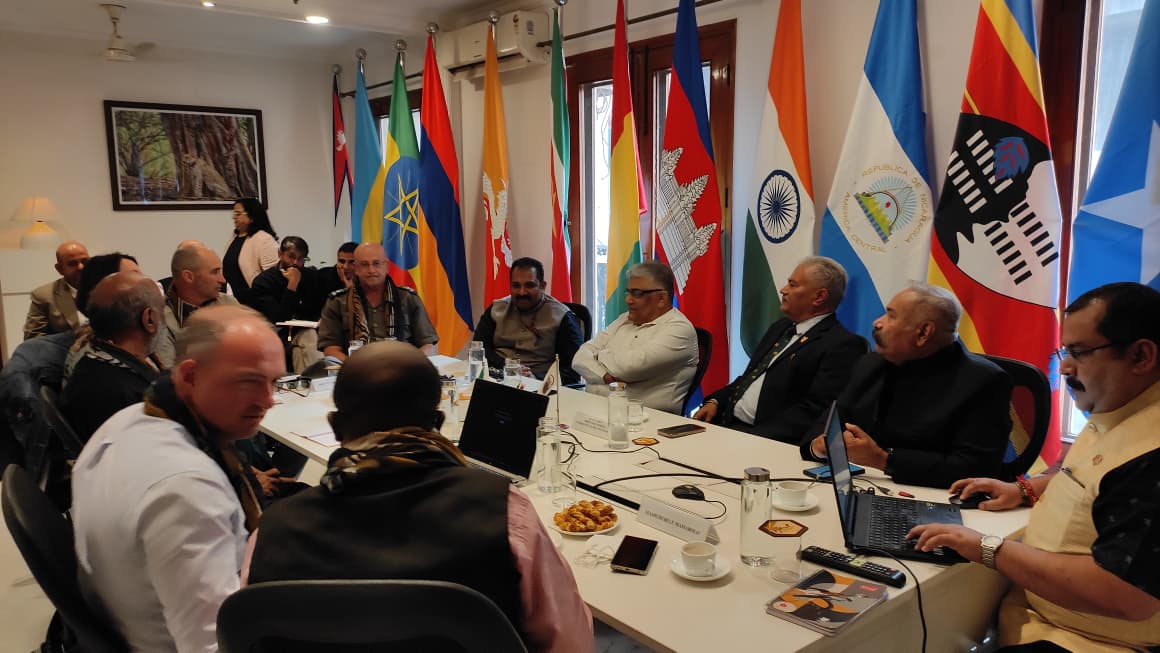
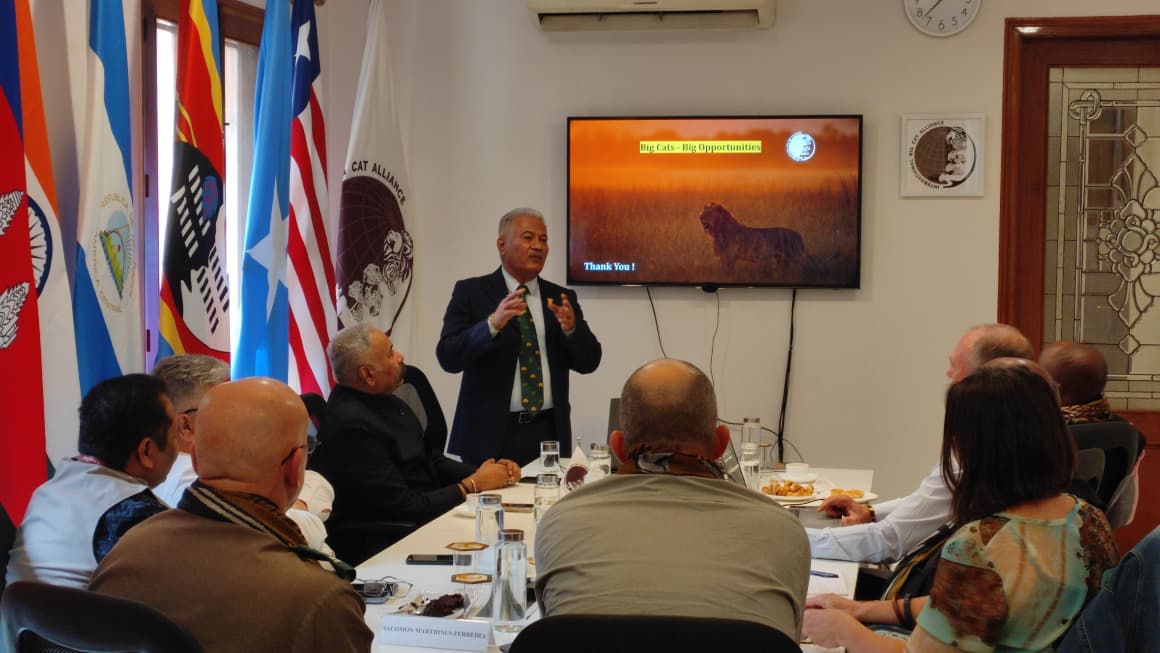
A delegation comprising of wildlife experts from South Africa, led by Mr Anthony Christopher Mitchell, Head of Office and Cabinet Liasion, along with representative from the Embassy of South Africa in India and officials from the NTCA India visited IBCA headquarters in New Delhi on Nov 8. Dr Vaibhav Mathur, DIG, NTCA, made a presentation highlighting the Government of India’s initiatives for tiger conservation, with a special emphasis on community participation and sustainable management practices. Dr. S. P Yadav, Director General, IBCA, delivered a brief presentation outlining the vision, objectives, and the rationale behind the establishment of IBCA. He also elaborated on the potential avenues through which IBCA could contribute to the conservation of Big Cats and their habitats globally. The South African delegation expressed its appreciation to NTCA and IBCA for the warm welcome and the opportunity for dialogue. They also appreciated the effective functioning of Tiger Foundations, particularly the involvement of local communities in the conservation of tigers and their habitats. The delegation conveyed interest in undertaking a visit to Tiger Reserve and observe & explore the modalities and operations of Tiger Foundations. IBCA and South African delegation conveyed their intent to explore avenues for collaboration and knowledge exchange in the field of big cat conservation.
Global Big Cats Photography Competition 2025
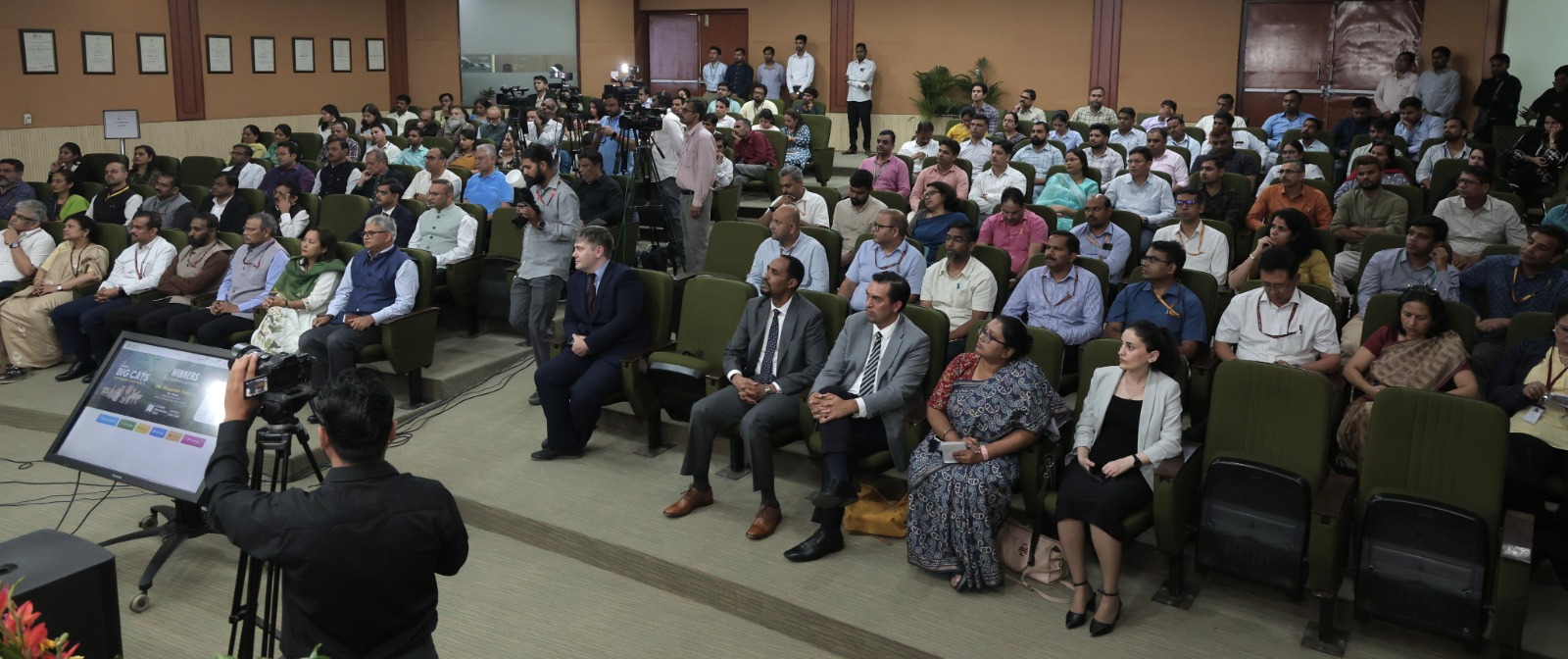
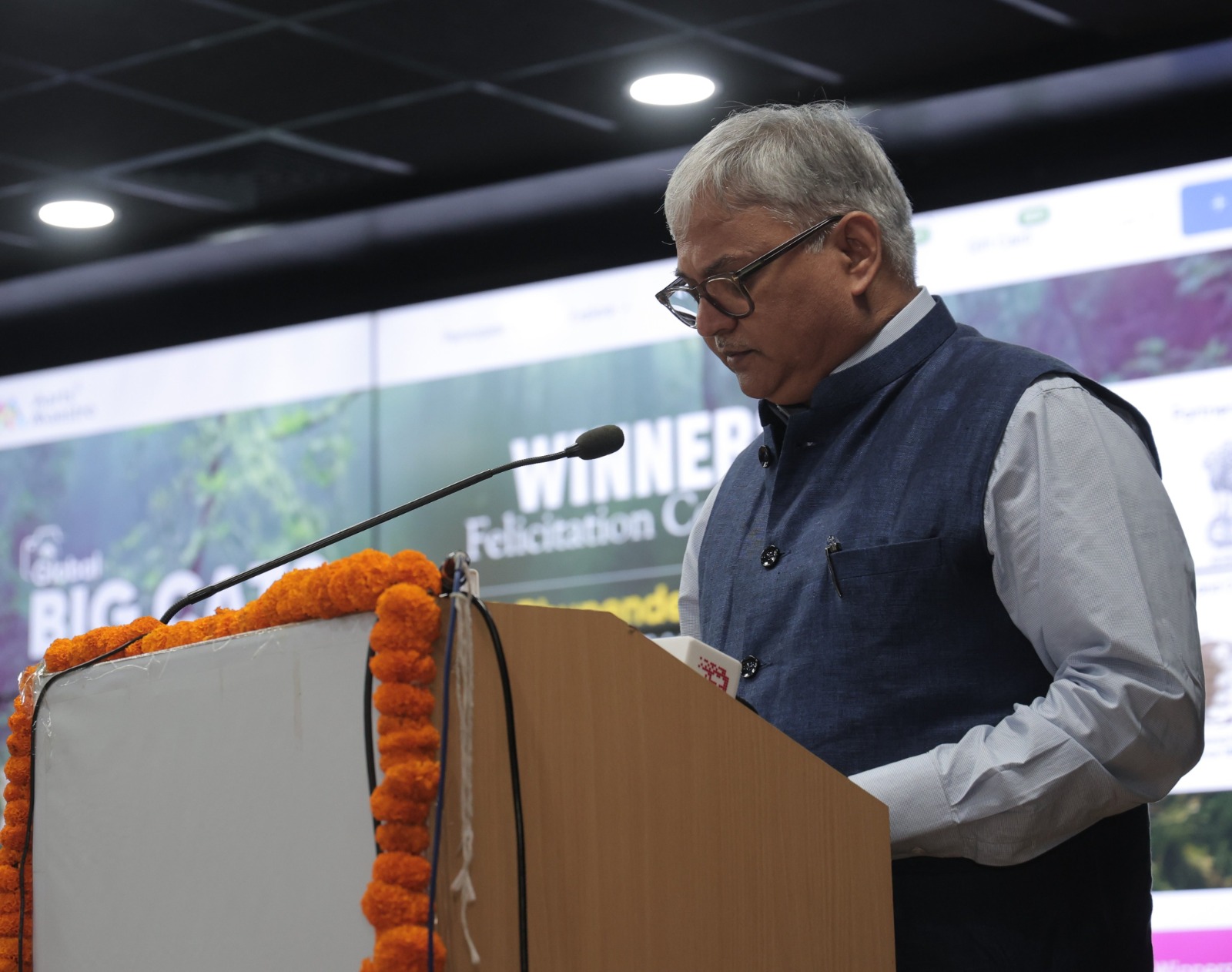
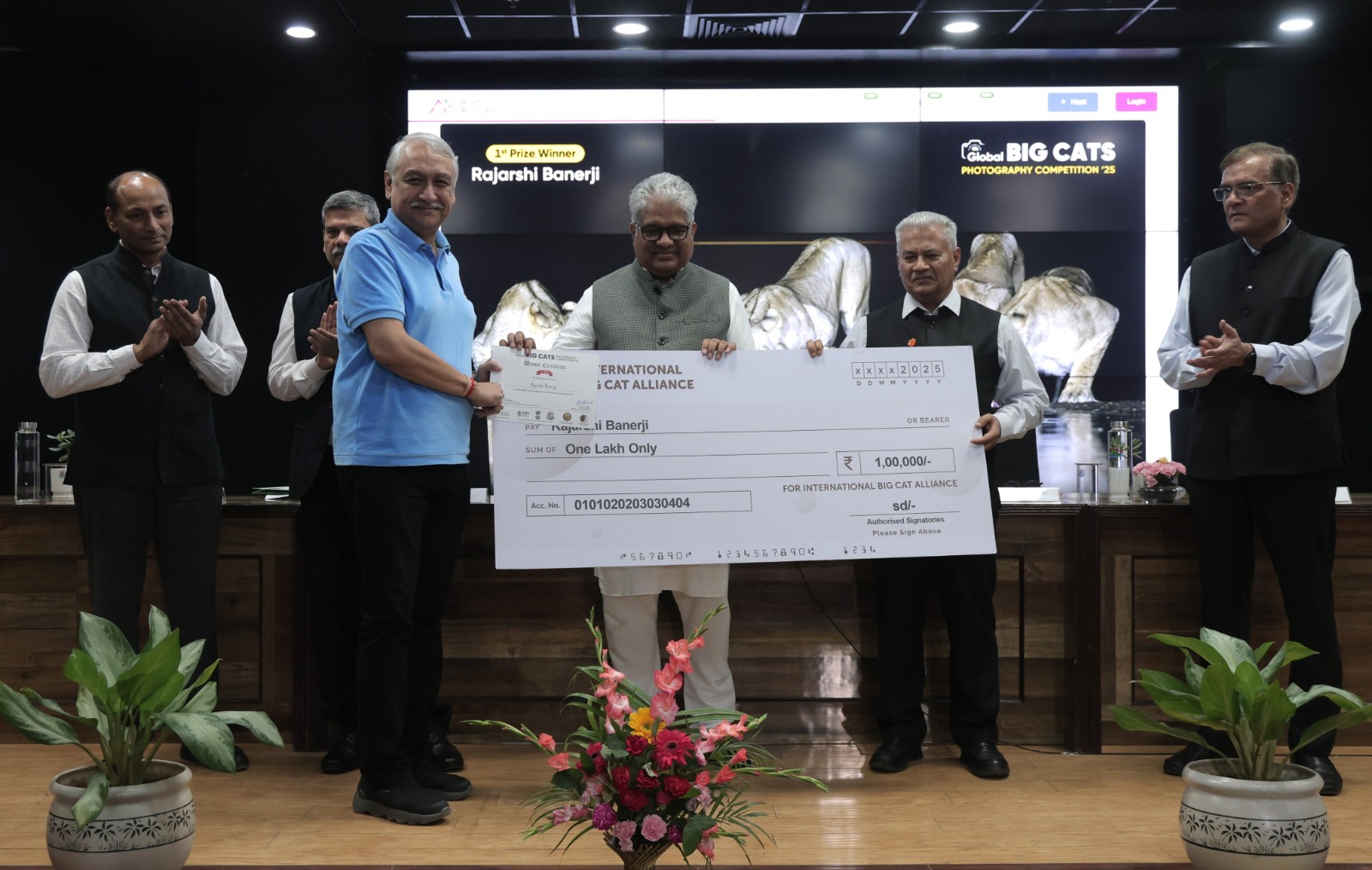
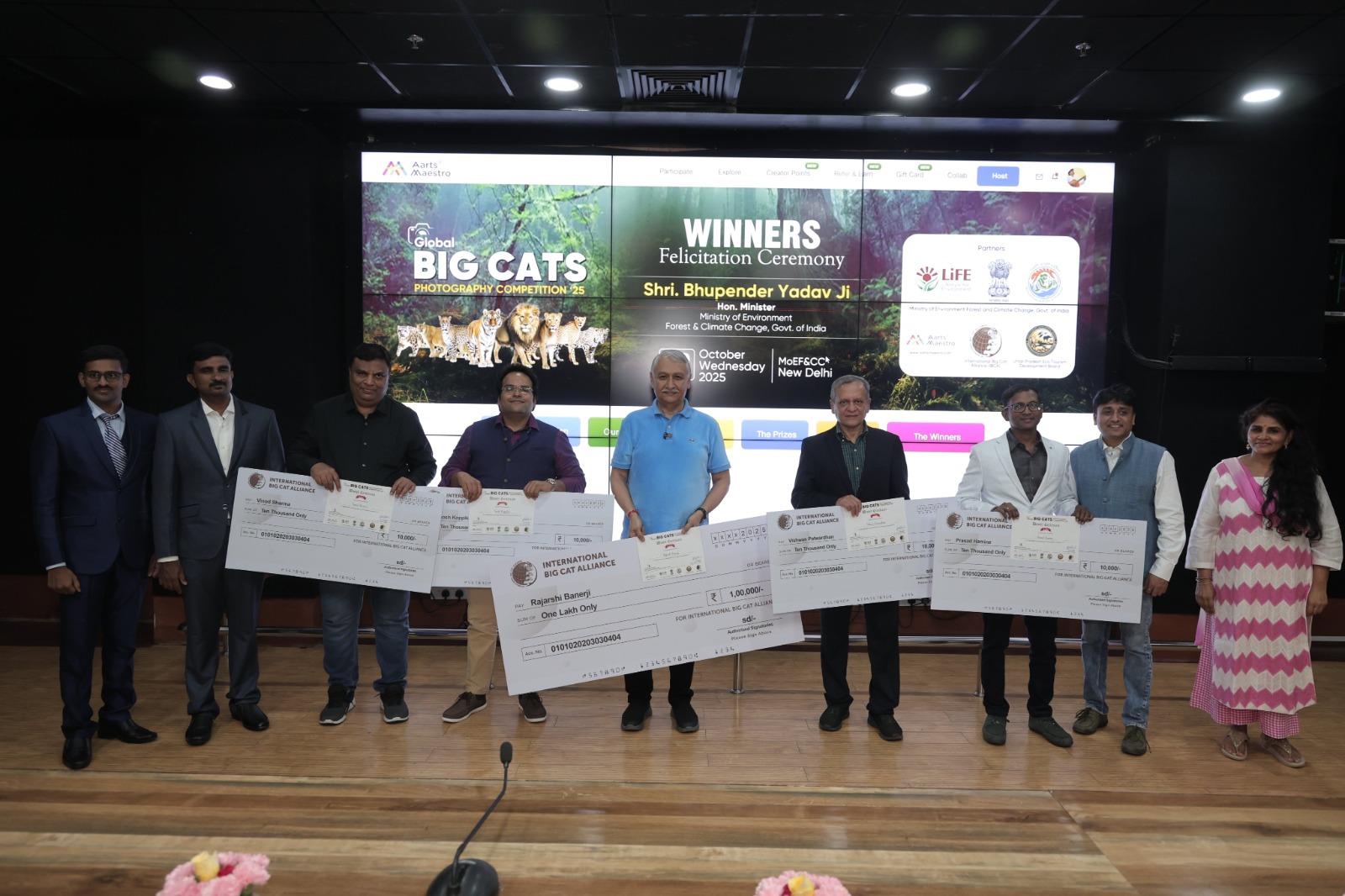
Union Environment Minister Shri Bhupender Yadav presents awards to Winners of Global Big Cats Photography Competition 2025. The awards ceremony was organised by the Union Ministry of Environment, Forest and Climate Change (MoEFCC), in collaboration with the International Big Cat Alliance (IBCA), Aarts Maestro and the Uttar Pradesh EcoTourism Development Board, as a pre-summit event to the forthcoming Global Summit on Big Cat Conservation in 2026.
Addressing the gathering, Shri Bhupender Yadav described how India’s thriving ecosystems are the foundation of its thriving wildlife. In the past decade, he shared, India’s forest and tree cover has increased by 1,445 square kilometers, with 25.17% green cover now. The Protected Area Network has grown to 1,022, covering 5.43% of the geographical area of the country, he added. The Minister further informed about the addition of the Cold Desert Biosphere Reserve in Himachal Pradesh into the UNESCO World Network of Biosphere Reserves, with it getting recognized as India's first high-altitude Cold Desert Biosphere Reserve, marking India's 13th site in the network. Further, 487 eco-sensitive zones now act as vital corridors for wildlife movement, he informed.
The Minister also noted the stellar work being done by our institutions that have been the backbone of this transformation. NTCA introduced smart patrols and the Guinness World Record for the world’s largest camera-trap survey, while the Wildlife Institute of India has emerged as a global hub for AI-based monitoring, modern research, and robust science. “This is the New India of Conservation — driven by science, guided by values”, he noted. Shri Bhupender Yadav also highlighted the pivotal role of Jan Bhagidari in ensuring success in wildlife conservation. He quoted examples of programmes like Himal Rakshaks in Ladakh, Cheetah Mitras in Madhya Pradesh, and Vanya Prani Mitras in Gujarat, that embody the power of community stewardship.
Talking about the importance of the Global Photography Competition, Shri Bhupender Yadav said that it holds special significance as it forms part of the pre-summit events leading to the upcoming Global Summit on Big Cat Conservation, which will be hosted by India in 2026. “The Summit will mark a milestone moment in the collective global efforts to secure the future of the seven majestic big cat species—the Tiger, Lion, Leopard, Snow Leopard, Jaguar, Cheetah, and Puma—that together represent the grandeur and ecological richness of our planet. This event is also significant as it is being celebrated on the 8th of October, commemorating Wildlife Week in India, a time when we reaffirm our collective commitment to the protection of our precious flora and fauna,” he added.
The Minister extended congratulations to all the winners and participants and stated, “Your passion for wildlife and your commitment to portraying the splendour of big cats contribute significantly to the larger mission of global conservation.”
The Global Big Cats Photography Competition complements this mission by serving not merely as a contest of artistic excellence, but as a celebration of nature, wildlife, and the deep human connection with the natural world. This year’s competition drew entries from more than 1,000 participants, showcasing thousands of breathtaking photographs from some of the most diverse wilderness regions of the world. After rigorous evaluation, 456 entries were shortlisted for the final jury selection, leading to the recognition of the winning photographs. The winners of the competition were felicitated by the Minister, in the august presence of Ambassadors of Big Cat Range Countries, officials of MoEFCC, Ministry of External Affairs, Uttar Pradesh Eco-Tourism Development Board, and various conservation organisations.
The Winners of the competition are:
• Mr. Rajarshi Banerji – 1st Prize
• Mr. Abhijit Chattopadhyay – 2nd Prize
• Mr. Narayan Malu – 3rd Prize
• Mr. Anosh Koppikar – 4th Prize
• Mr. Prasad Hamine – 5th Prize
• Mr. Jeetendra Chaware – 6th Prize
• Mr. Vishwas Patwardhan – 7th Prize
• Mr. Vinod Sharma – 8th Prize
IUCN World Congress 2025
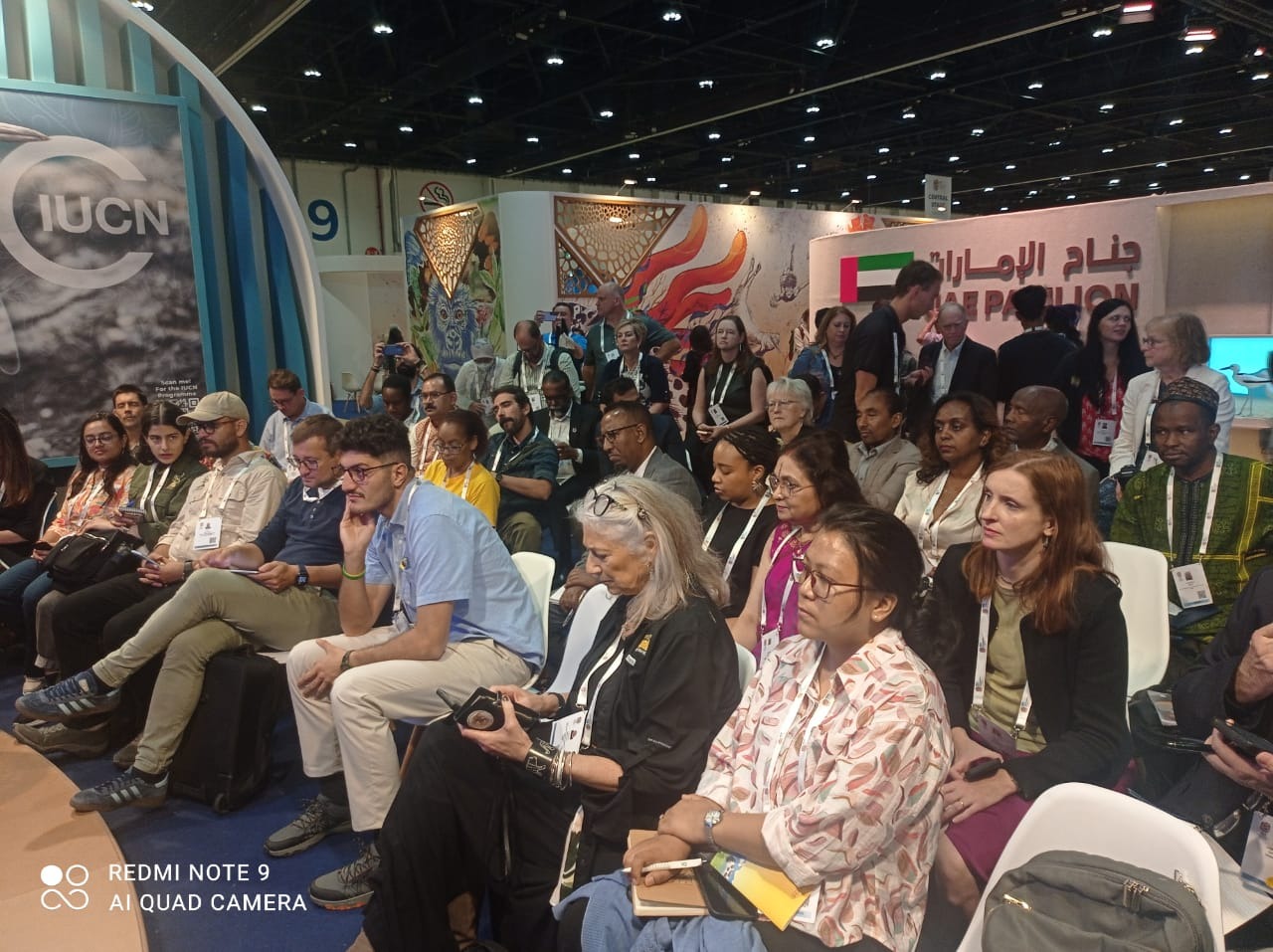
During the IUCN World Conservation Congress 2025, held in Abu Dhabi, the International Big Cat Alliance (IBCA) showcased its commitment to the conservation of big cats through various sessions and meetings. The event was attended by Mr. Soumitra Dasgupta, Director Program and Dr. Kausik Banerjee, Lead Program. One significant session titled "Scaling up Global Action for Big Cat Conservation" featured eminent speakers who emphasized the urgent need for coordinated global strategies and inclusive partnerships. These discussions highlighted the importance of collaboration among governments, conservation groups, researchers, financial institutions, and Indigenous Peoples and Local Communities to effectively address the threats faced by big cats.
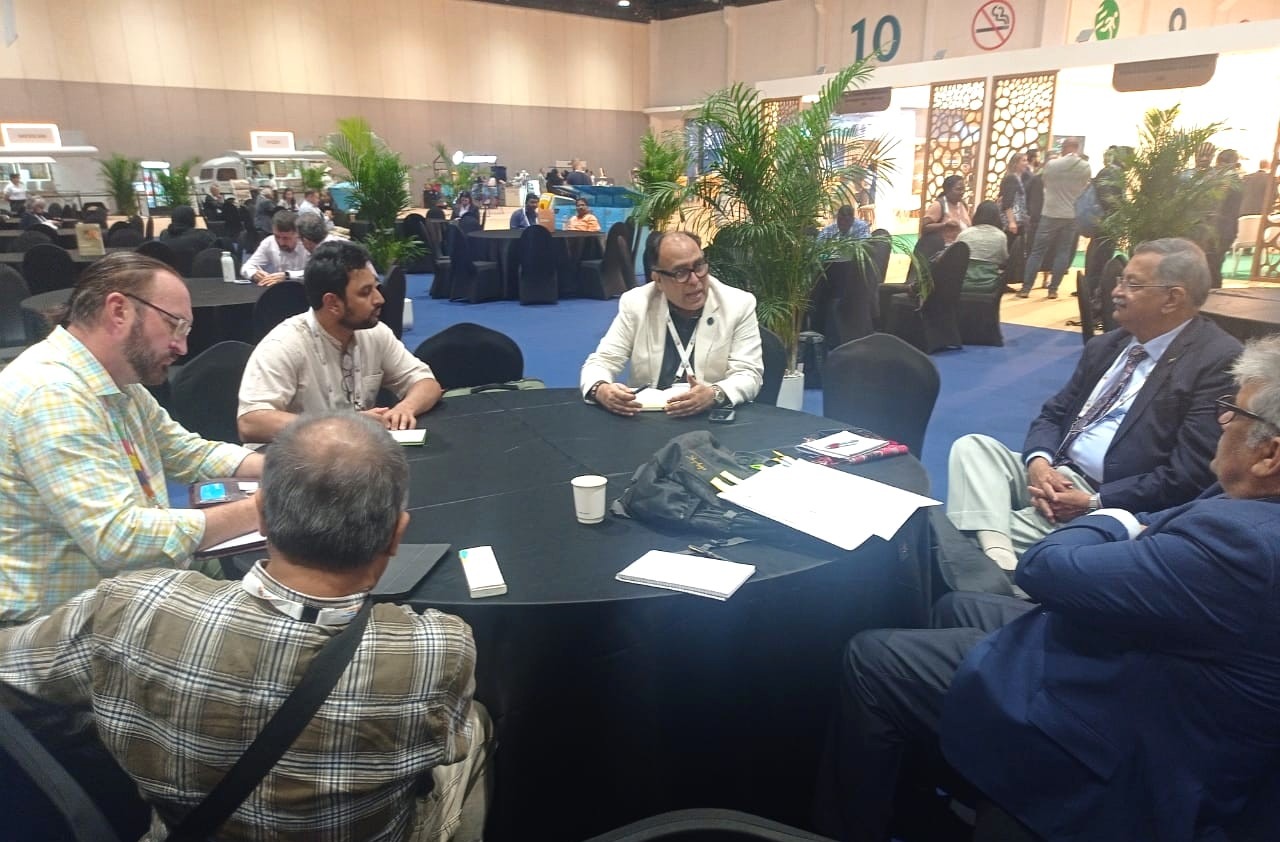
In addition to the main sessions, IBCA facilitated a crucial meeting involving key figures in big cat conservation. Mr. Dasgupta, the Director of Programs at IBCA, alongside Mr. David Sterling Earl Gadsden, the Senior Adviser on Geospatial Strategy and Applications, engaged in fruitful discussions with officials from the IUCN Asia Regional Office. These conversations centered around IBCA’s mission and vision for global big cat conservation, with a strong focus on harnessing scientific expertise and fostering collaborative partnerships to enhance conservation efforts.
Furthermore, Mr. Dasgupta held a significant meeting with Dr. Fred Launay, CEO of Panthera, where they explored opportunities for collaboration between IBCA and Panthera. Their discussions aimed to strengthen global initiatives dedicated to the conservation of big cats and their habitats. Mr. Dasgupta reiterated IBCA’s vision of nurturing international cooperation, promoting scientific research, and building capacity within the field, inviting Panthera to join in advancing collective efforts to secure the long-term survival of these iconic species. Overall, IBCA's participation at the IUCN World Conservation Congress 2025 solidified its role as a key player in big cat conservation, emphasizing the necessity for a unified approach and innovative solutions to ensure these majestic animals thrive in their natural habitats.
2nd Indian Conservation Conference
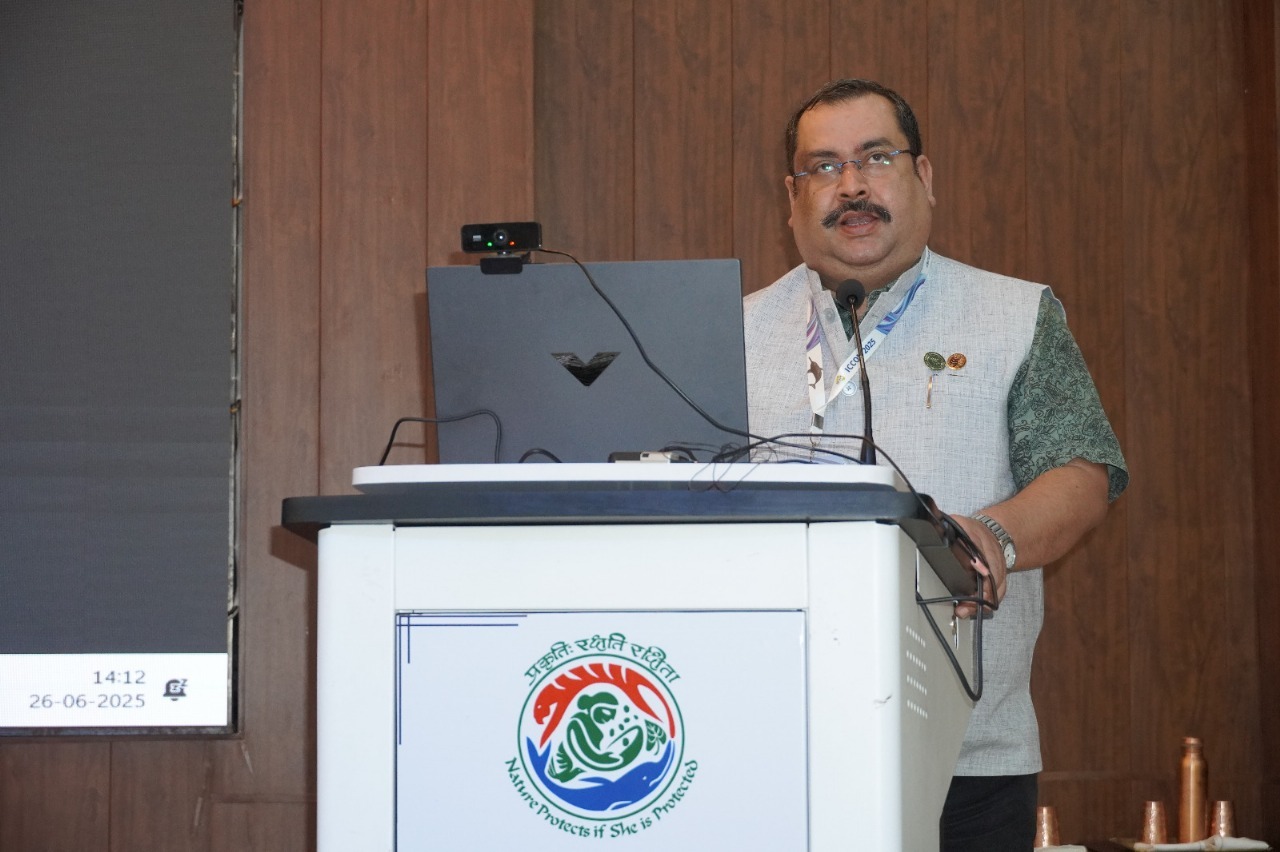
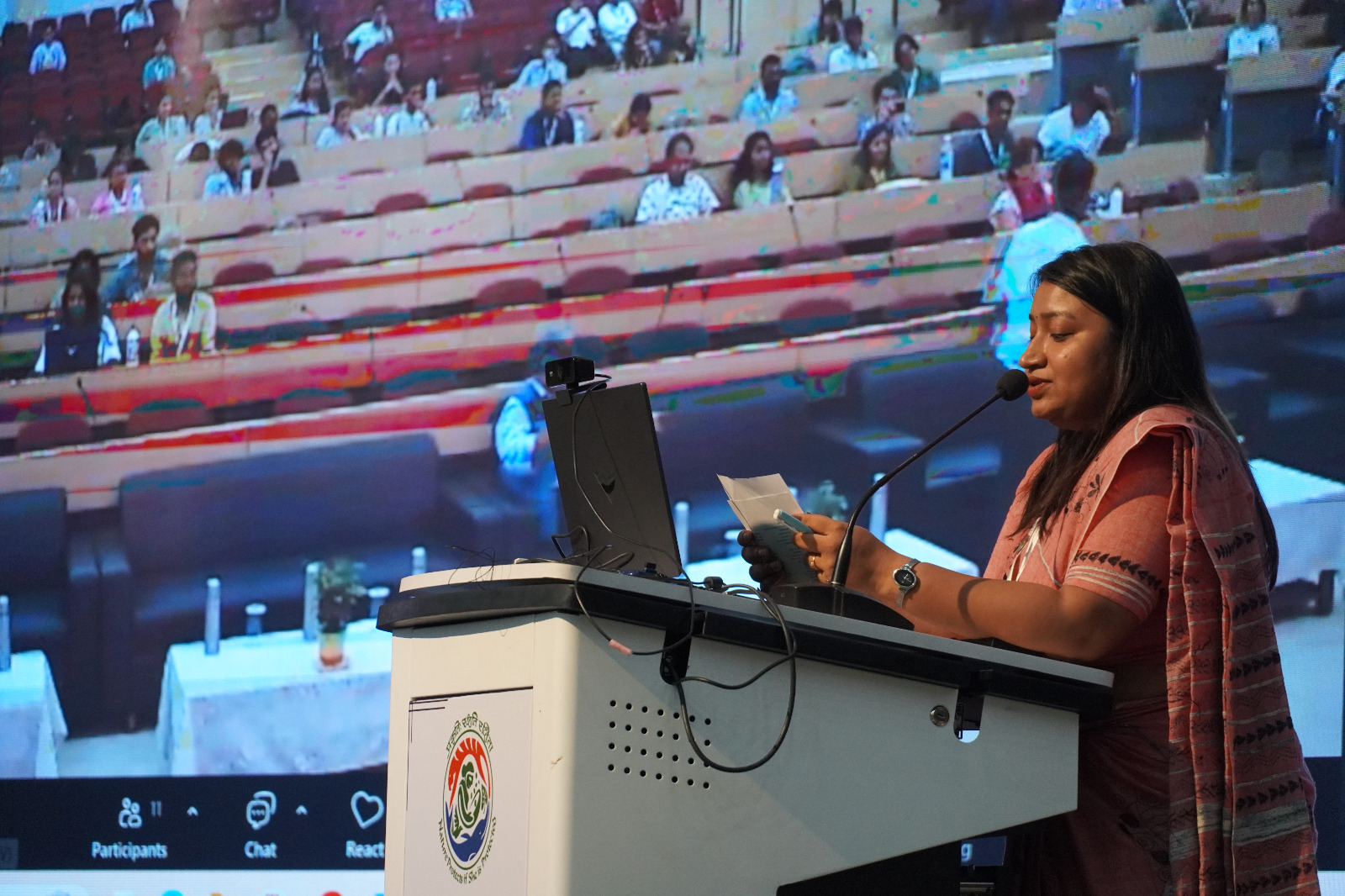
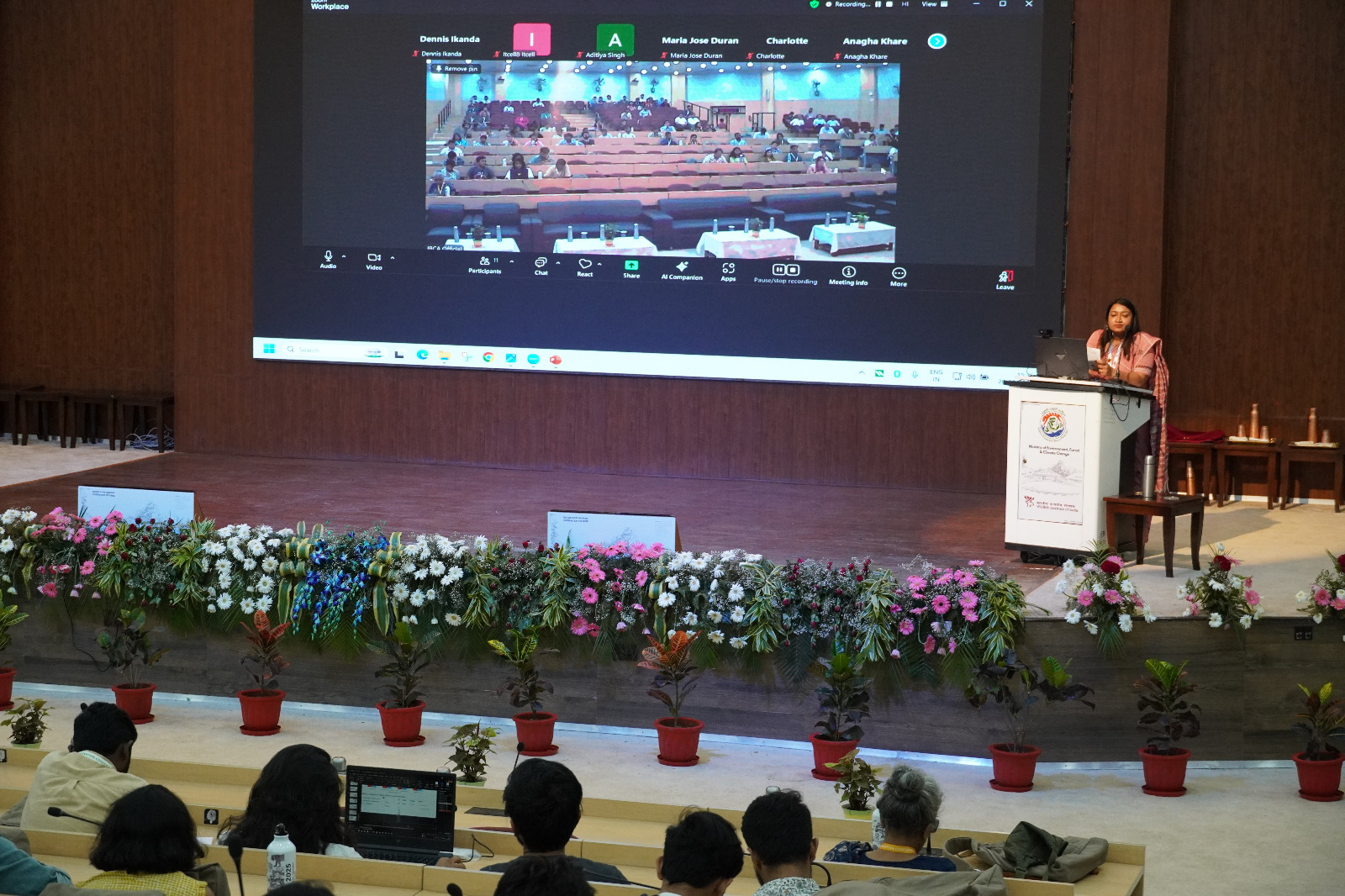
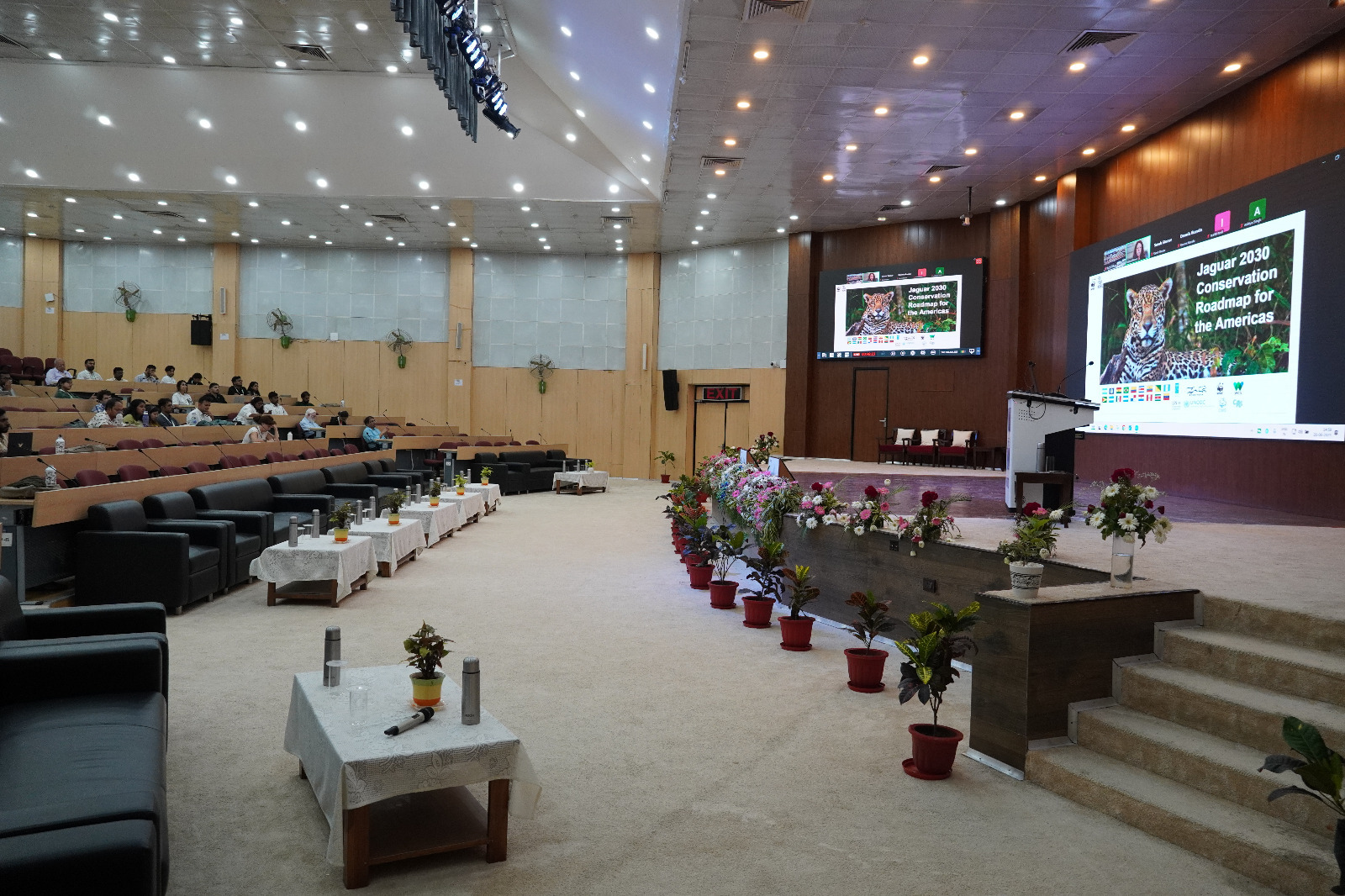
International Big Cat Alliance conducted a session in the 2nd Indian Conservation Conference 2025 held in the Wildlife Institute of India, Dehradun. The session was organized under the theme of Big Cat Conservation: Strategies, Challenges, Best Practices and Innovations, with six expert talks that discussed their ongoing work and field experiences. The session's opening remarks were delivered by Dr. Kausik Banerjee, Lead Program IBCA, while Dr. Tamali Mondal, Program Associate, moderated the session.
Dr Dennis Ikanda, Wildlife Species Lead, WWF Tanzania highlighted key efforts to protect lions and reduce human-wildlife conflict. He spoke about the role of Lion Guardians, trained Maasai warriors who protect livestock, track lion movements, and alert communities when lions are nearby. He also highlighted the use of practical deterrents such as living walls, solar-powered lights, and early warning systems to prevent attacks on livestock. On the research side, he emphasized the use of satellite collars and population censuses to monitor lion movements and identify critical habitats. Dr Ikanda also drew attention to ongoing work to restore wildlife corridors, combat poaching, and engage communities through workshops and trained coexistence officers, all aimed at promoting peaceful coexistence between people and lions.
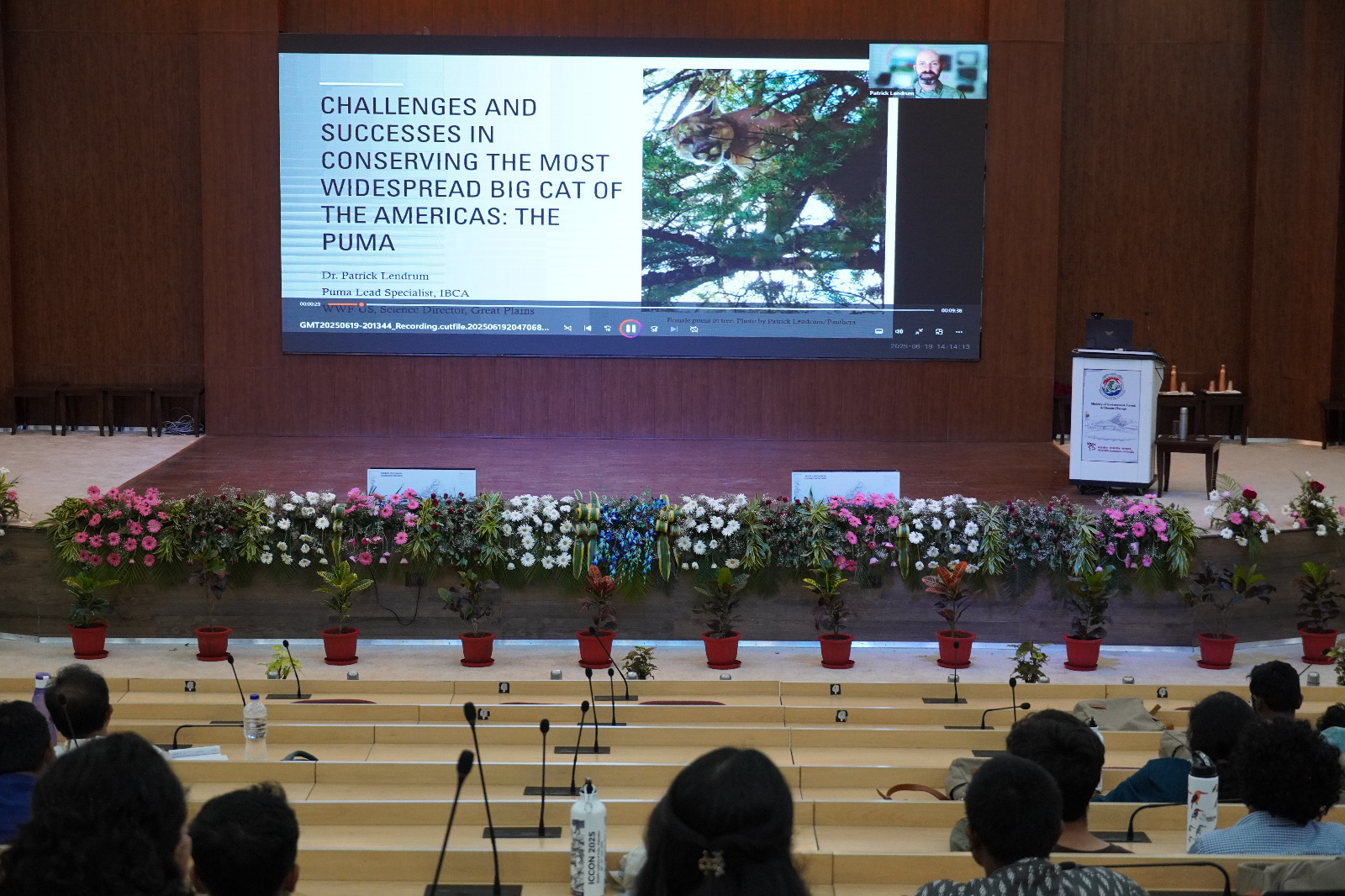
Dr Patrick Lendrum, Program Manager, Great Plains Program, WWF US discussed the challenges, successes, and opportunities in puma conservation. He noted that pumas historically ranged across 23–28 countries, though they are now largely absent from the eastern United States where they once thrived. Key threats include habitat loss and fragmentation, both legal and illegal hunting, a decline in native prey, genetic isolation, and disease. Dr Lendrum also highlighted promising tools and strategies being used to support puma conservation, such as remote cameras, GPS collars, improved livestock enclosures, carnivore exclosures, and growing efforts in public education and awareness. He shared two key examples: the Santa Cruz Puma Project in North America, which studies the impacts of habitat fragmentation on puma behavior and ecology; and work in Patagonia National Park in South America, which focuses on increasing public tolerance and awareness around pumas.
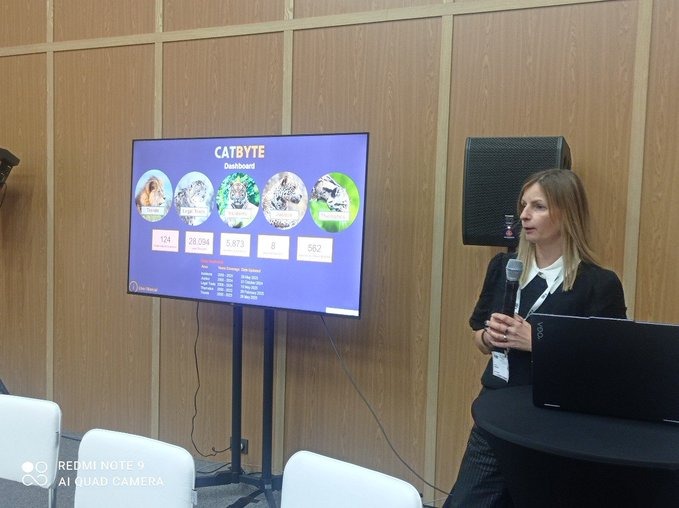
Ms Sarah Stoner, Intelligence Lead, Go Insight, presented Cat Byte, a cutting-edge platform that provides data-driven insights into the trade of big cats. By integrating advanced analytics with intelligence methodologies, CatByte helps identify patterns, assess risks, and reveal key dynamics related to the trade in eight big cat species. Stoner highlighted trends from the past 25 years, shedding light on how big cats have been traded as commodities, examining demand and supply across different geographies. Her presentation underscored the importance of actionable intelligence in tackling the illegal wildlife trade and informing targeted conservation strategies.
Ms Valeria Boron, PhD, Jaguar Lead, WWF-UK, presented on Jaguar Conservation: Innovations, Opportunities, and Implementation of Biodiversity and Climate Commitments. She noted that jaguars can also be melanistic and that their range spans 9% of the world’s land area, which hosts 28% of global biodiversity. She outlined key threats to the species, including habitat loss due to infrastructure, agriculture, mining, climate change, forest fires, direct killings from human-jaguar conflict, and illegal trade. Boron linked jaguar conservation to the Global Biodiversity Framework, highlighting its relevance to targets 4, 5, 9, and 12, among others.
She stressed that conserving jaguars is essential to maintaining global ecological stability and warned that inaction could result in losing the 1.5°C climate goal. She also highlighted the Jaguar 2030 Conservation Roadmap for the Americas and emphasized current efforts to secure strong jaguar strongholds, build habitat connectivity, stop jaguar killings, catalyse regional cooperation, and create the enabling conditions needed for long-term conservation success.
Dr Koustubh Sharma, Director of Science and Conservation, Snow Leopard Trust, Kyrgyzstan, spoke on the realities and challenges of snow leopard conservation. He emphasized that snow leopards, found across 12 countries, are not only iconic species but also ambassadors of international cooperation. Dr Sharma highlighted the importance of community engagement in mitigating conflict and reducing negative interactions between people and snow leopards.
He also presented findings from a recent genome sequencing study, which revealed that snow leopards have the lowest genetic diversity among the Panthera genus, making them especially vulnerable to environmental changes and disease. Thanks to advances in technology, particularly GPS collaring, researchers can now better estimate snow leopard populations, he said, a task that was nearly impossible in the past due to the species' elusive nature and remote habitat.
Mr Pravir Deshmukh, Senior Counsellor at the CII-ITC Centre of Excellence for Sustainable Development, India, spoke on the business case for investing in big cat conservation. He emphasized the importance of recognizing nature-related risks within business value chains and introduced India-specific tools designed to assess these risks. Mr. Deshmukh also showcased case studies of Indian organizations that have integrated wildlife conservation into their CSR initiatives, demonstrating how aligning business strategies with biodiversity goals can contribute to both ecological and economic sustainability.
First assembly of IBCA
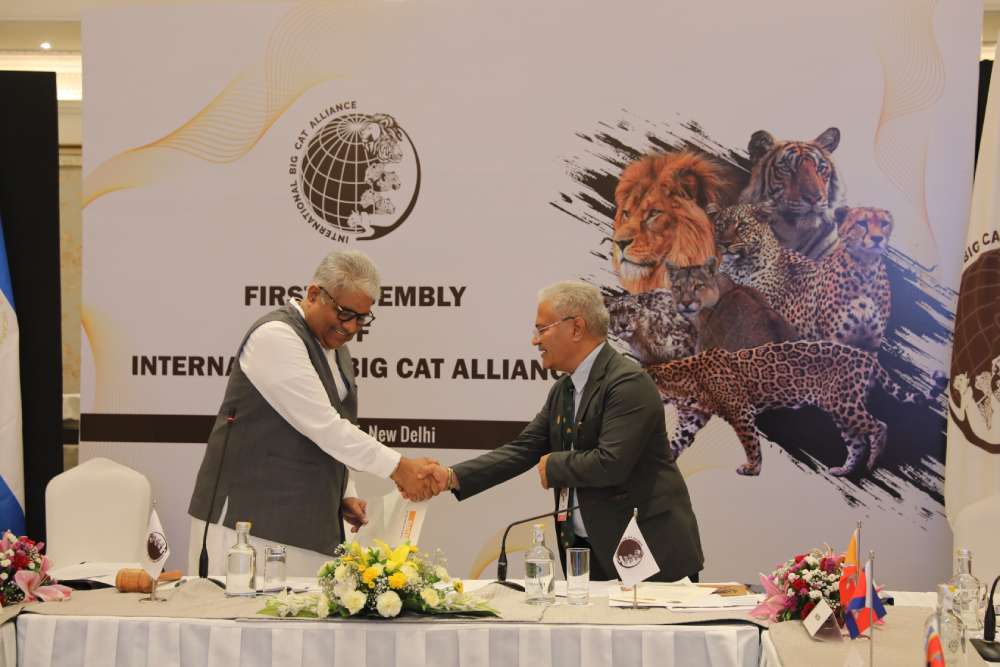
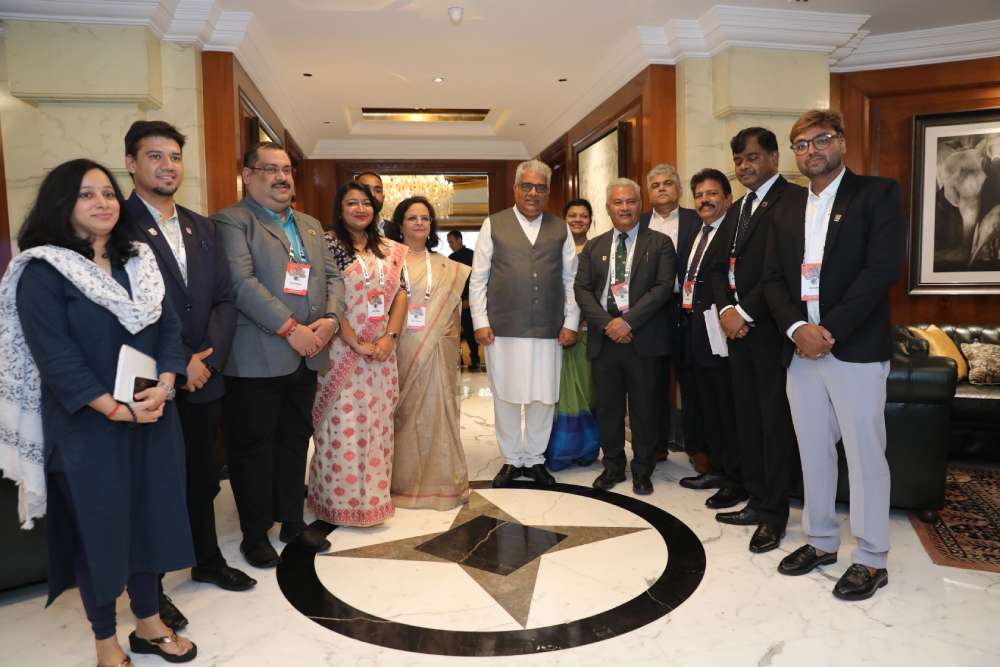
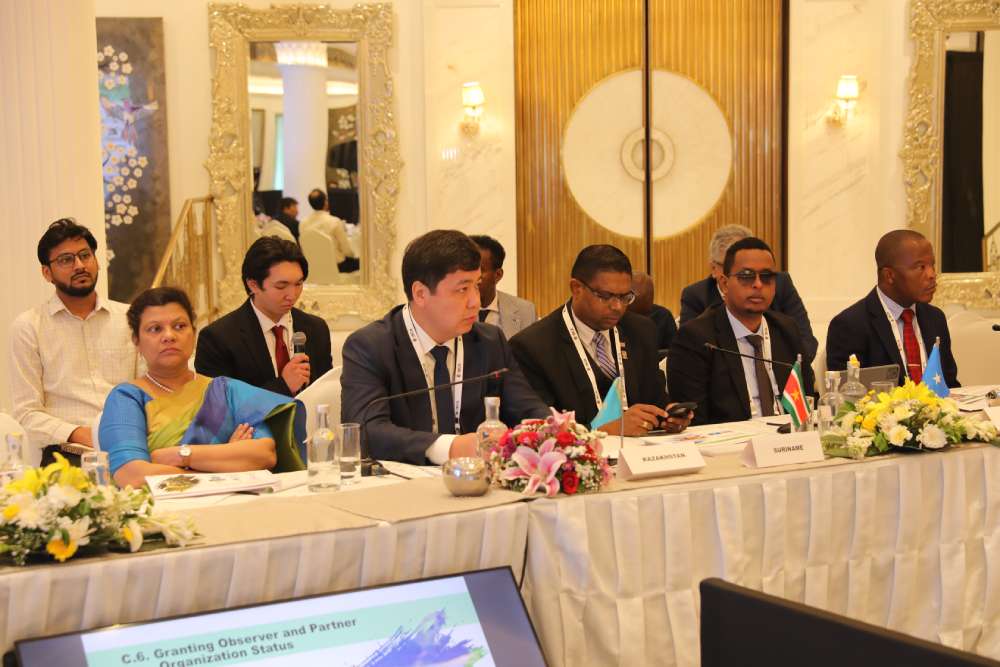
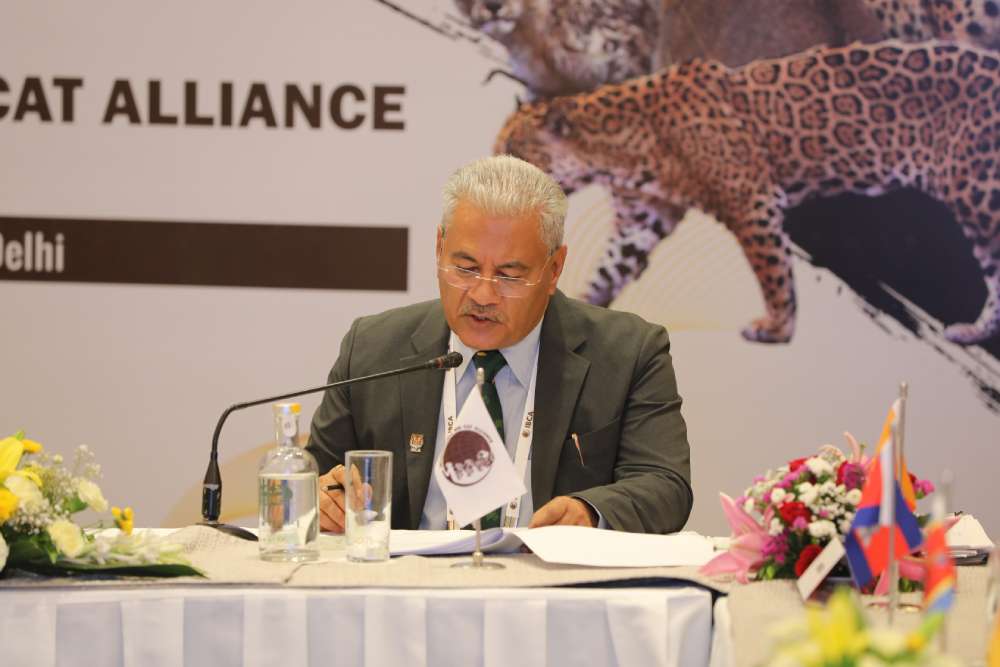
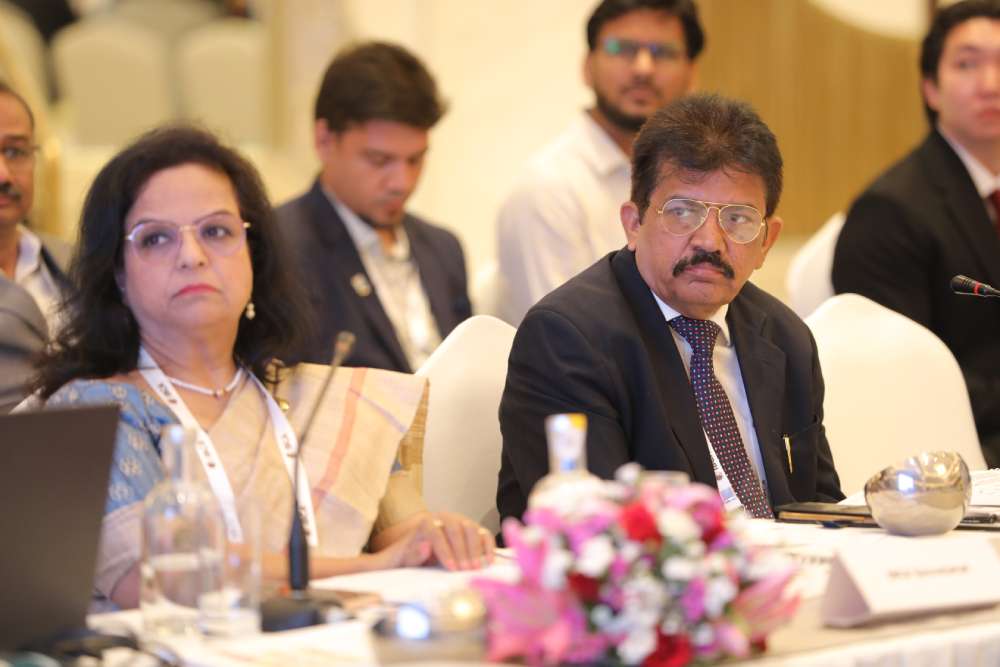
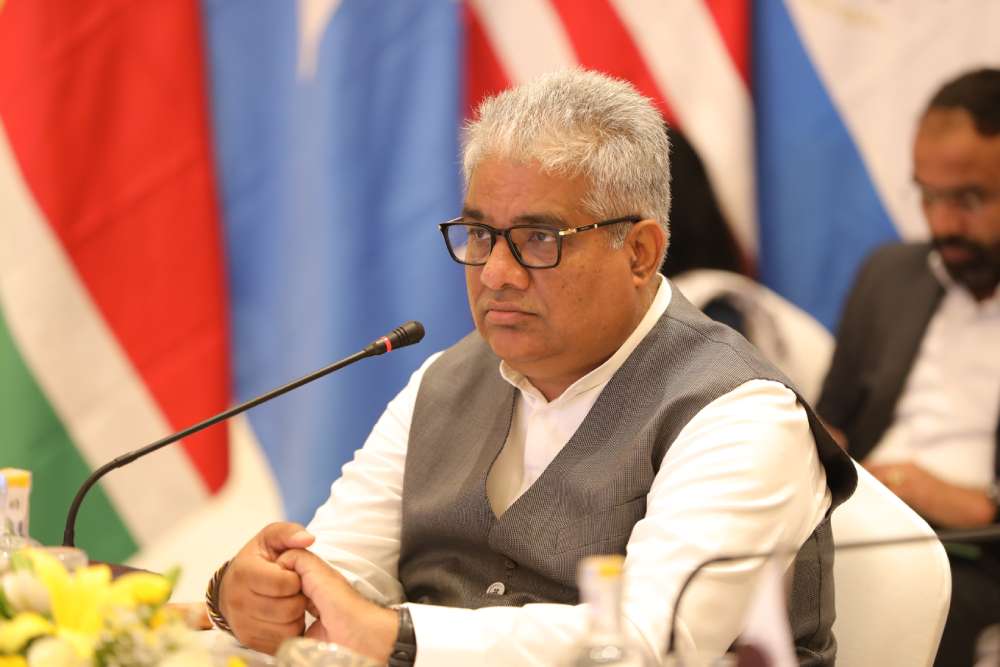
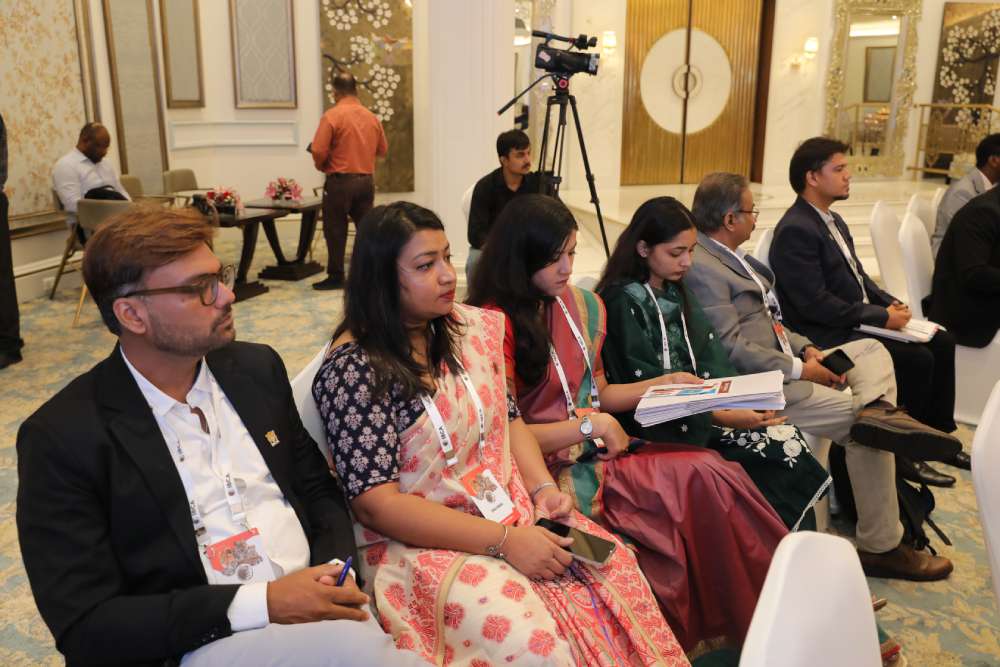
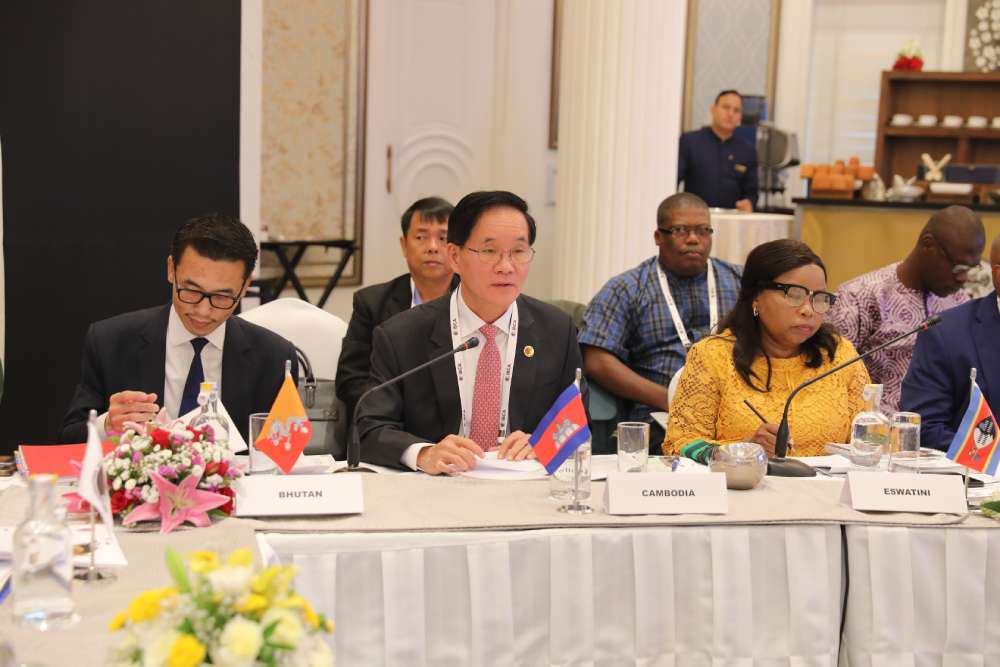
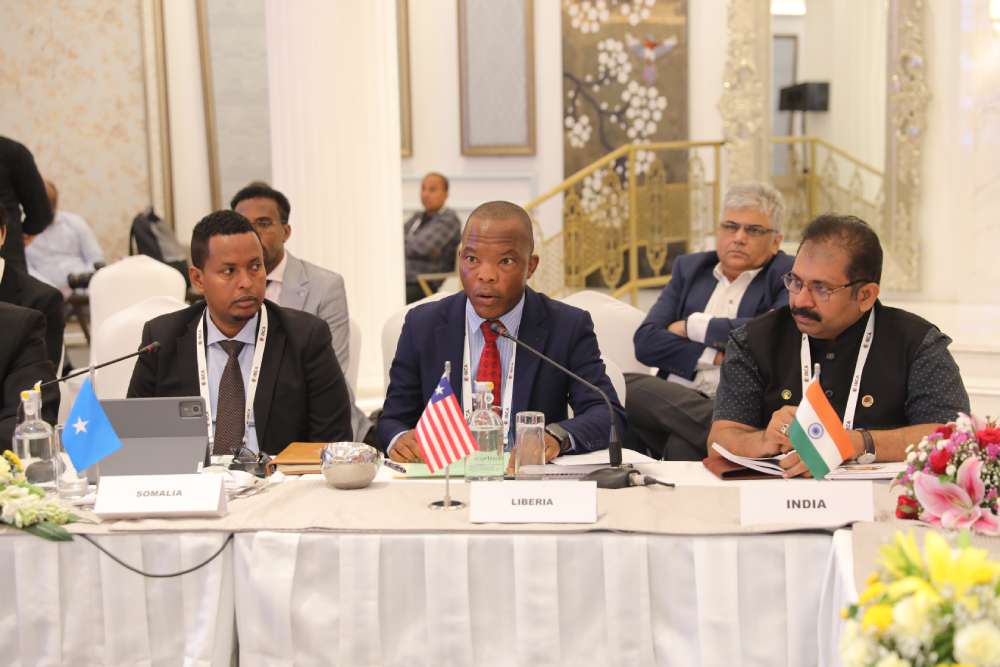
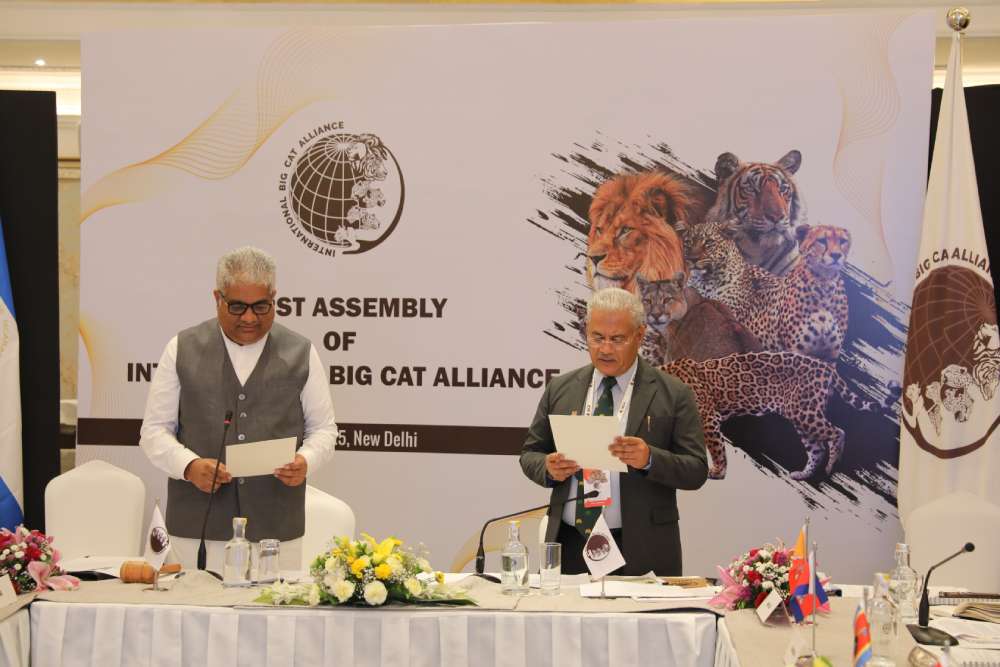
The first Assembly of International Big Cat Alliance (IBCA), as envisioned by Prime Minister Shri Narendra Modi for conservation of big cats in range countries, was held in New Delhi, today. Union Minster for Environment, Forest and Climate Change, Shri Bhupender Yadav presided over the meeting. The Assembly, which is apex body of the IBCA, was attended by Ministerial delegation from 9 countries, viz., Kingdom of Bhutan, Kingdom of Cambodia, Kingdom of Eswatini, Republic of Guinea, Republic of India, Republic of Liberia, Republic of Suriname, Federal Republic of Somalia and Republic of Kazakhstan.
In his address, Shri Bhupender Yadav said that led by Prime Minister Shri Narendra Modi, India has emerged as a global leader in the wildlife conservation, demonstrating notable successes over the past decade. He called upon the Big Cat range countries to actively engage and collaborate in the initiatives and programmes of the IBCA. He emphasized the importance of collective action to advance the conservation and protection of the seven major big cat species and their natural habitats and assist in securing our ecological future and mitigate adverse effects of climate change.
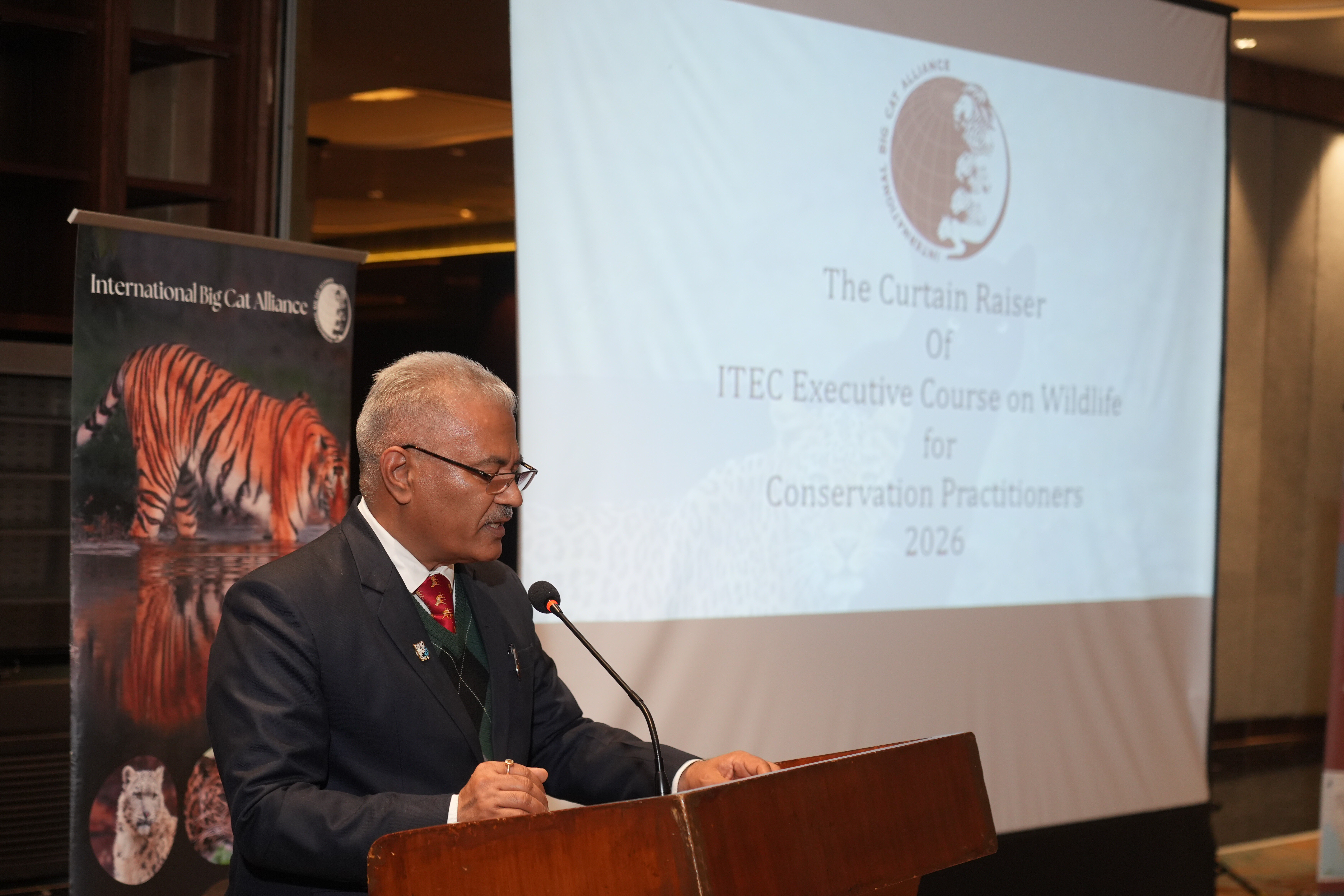
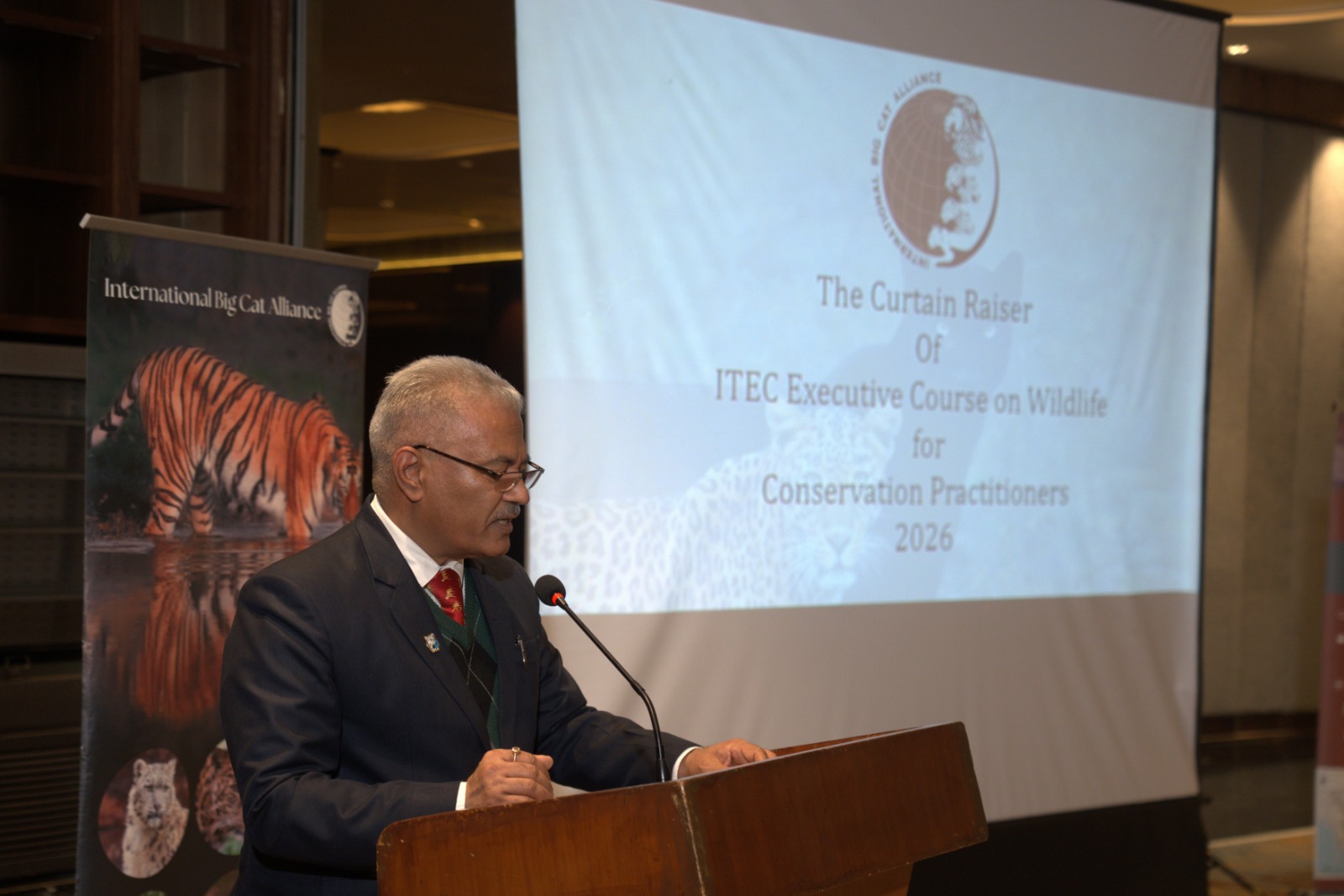
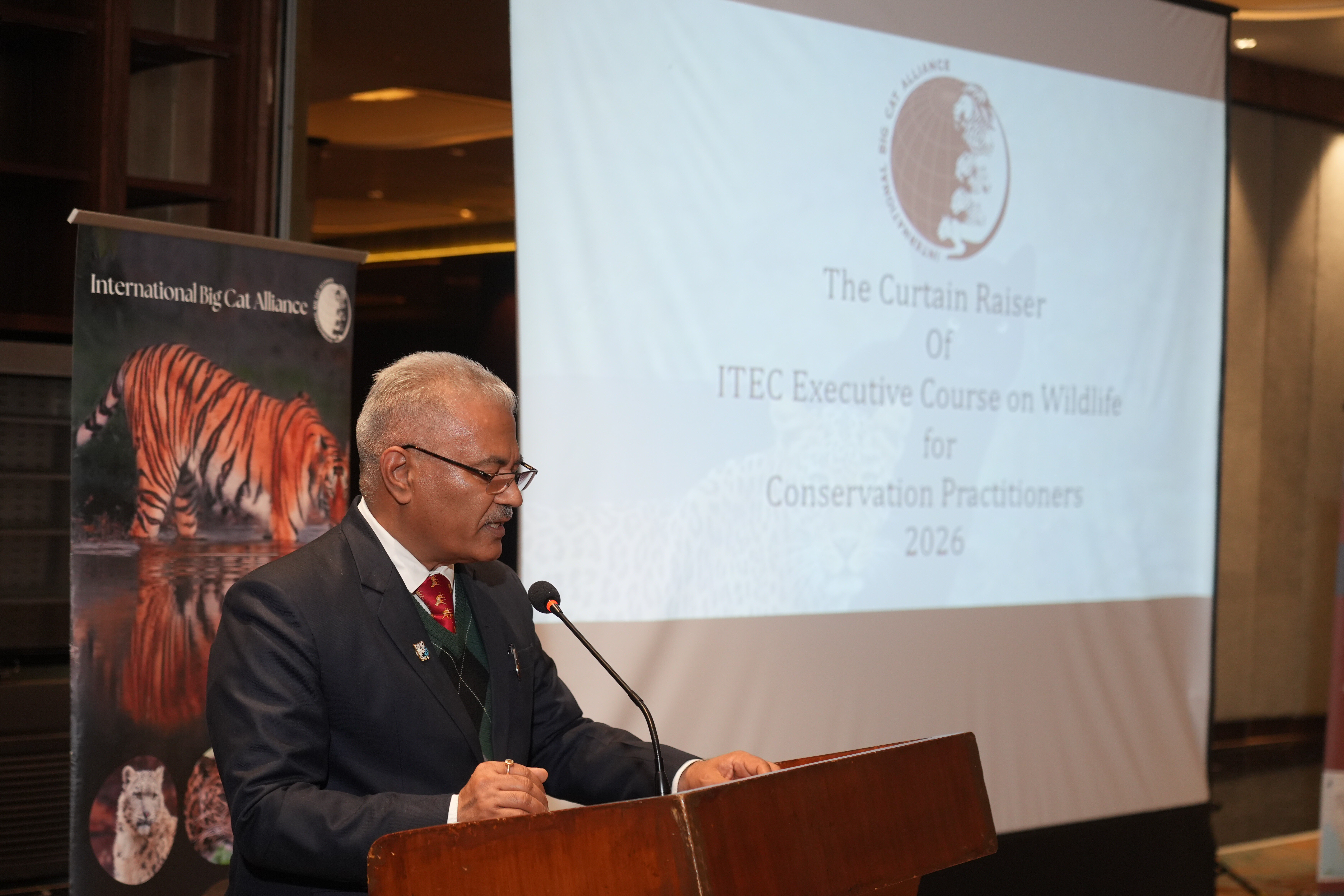
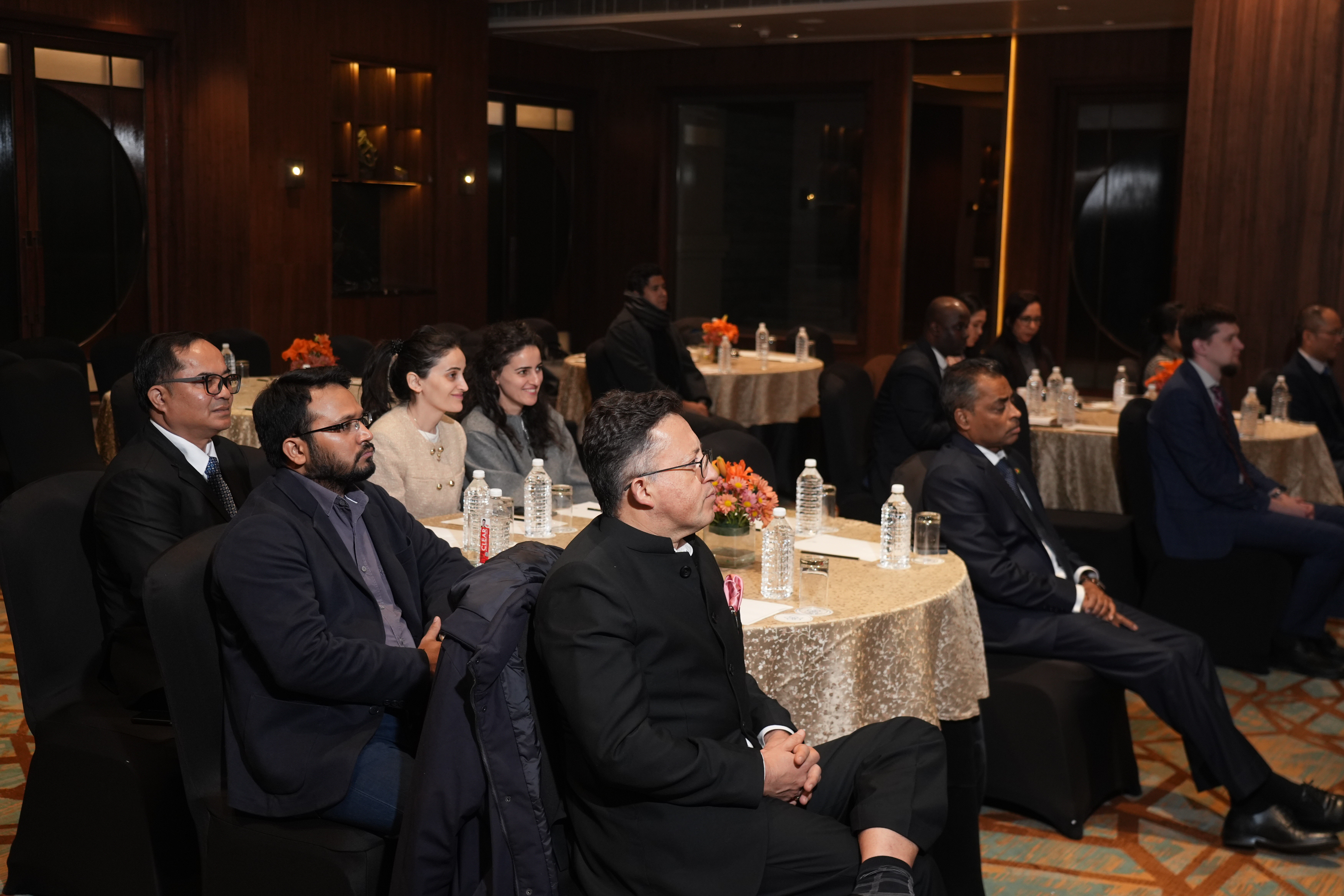
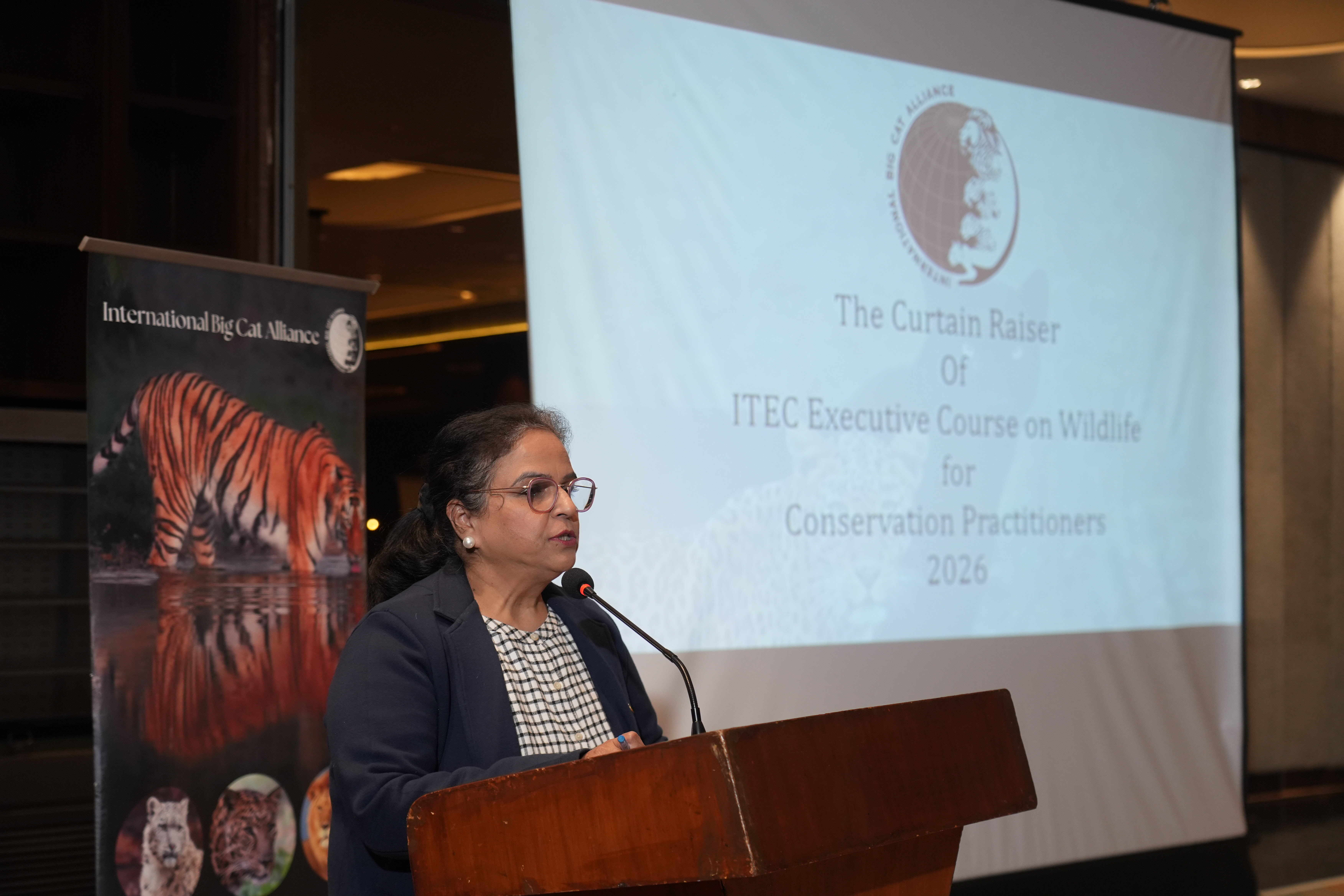
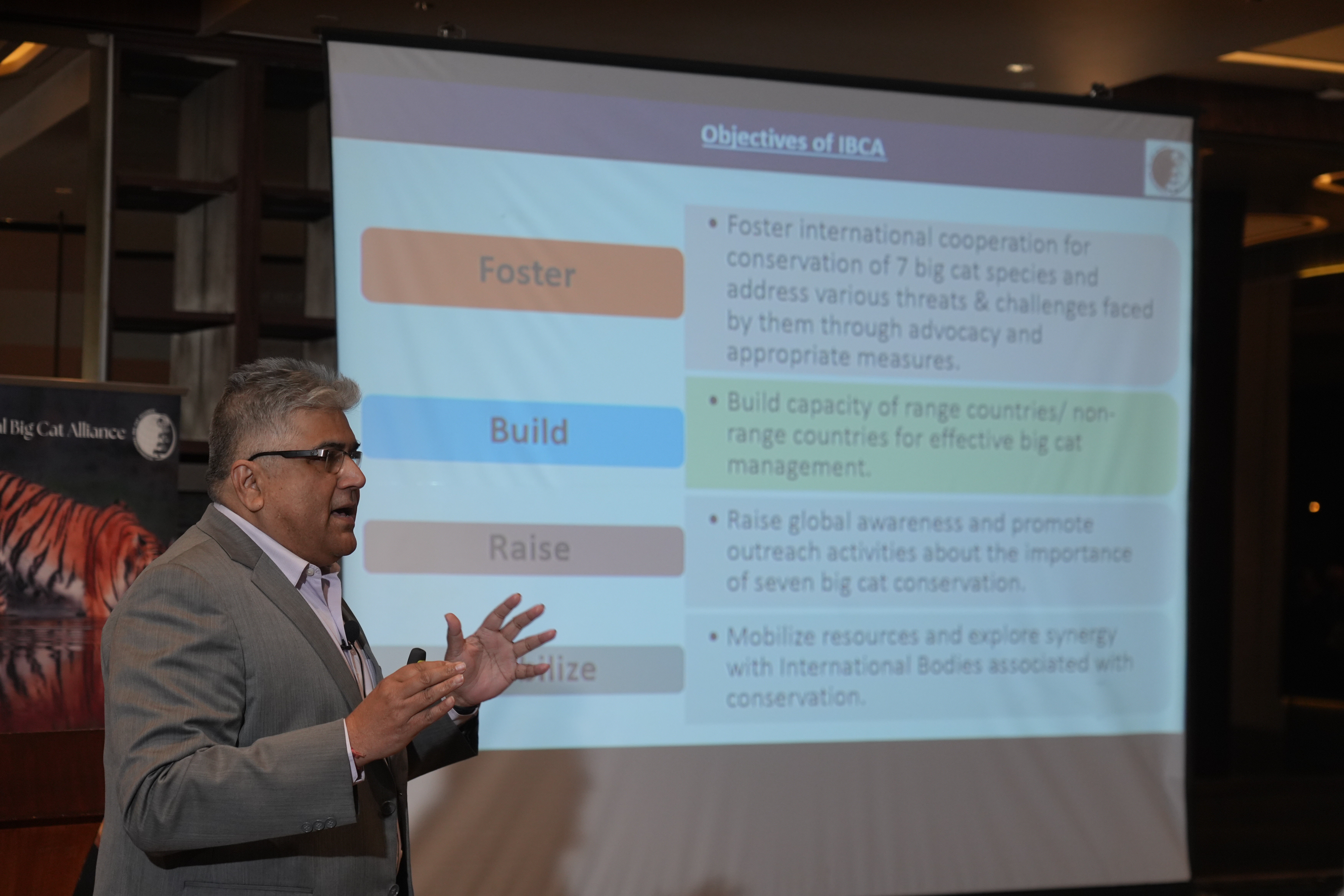
Curtain-raiser of the 2nd ITEC Program of IBCA
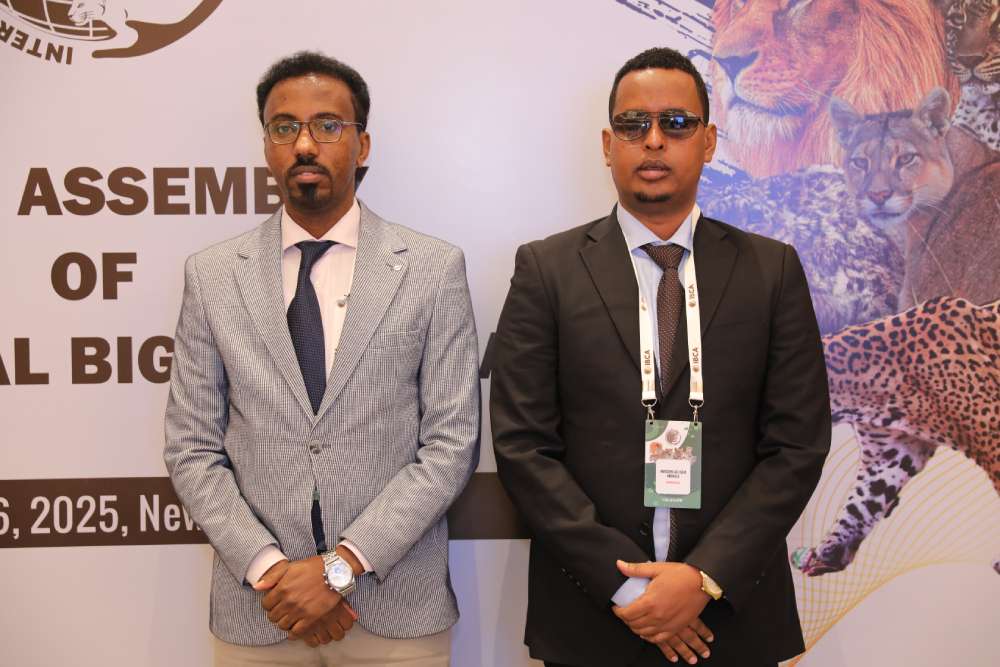
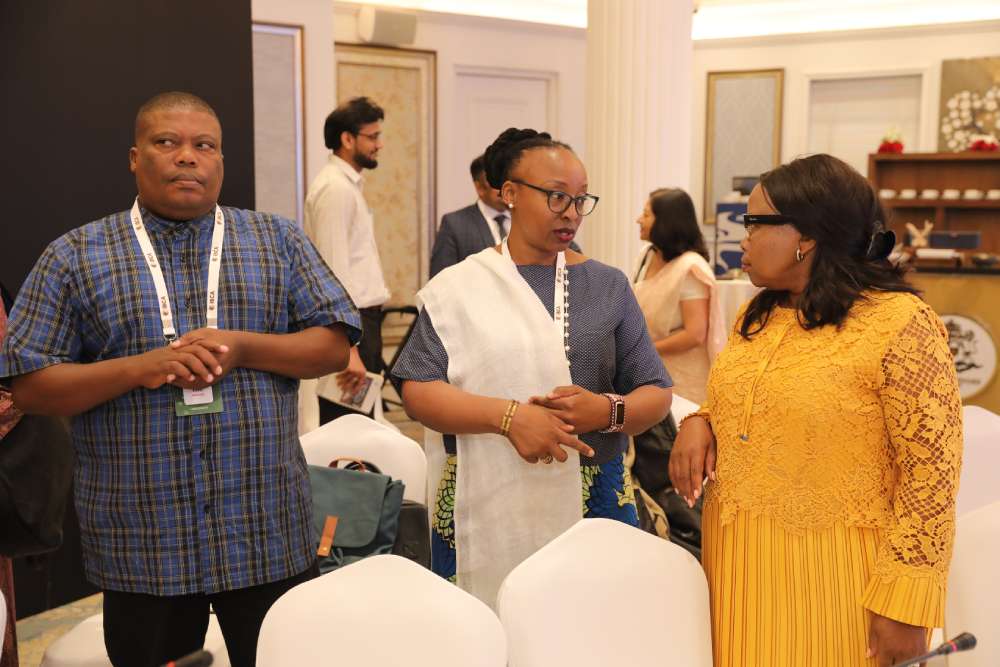
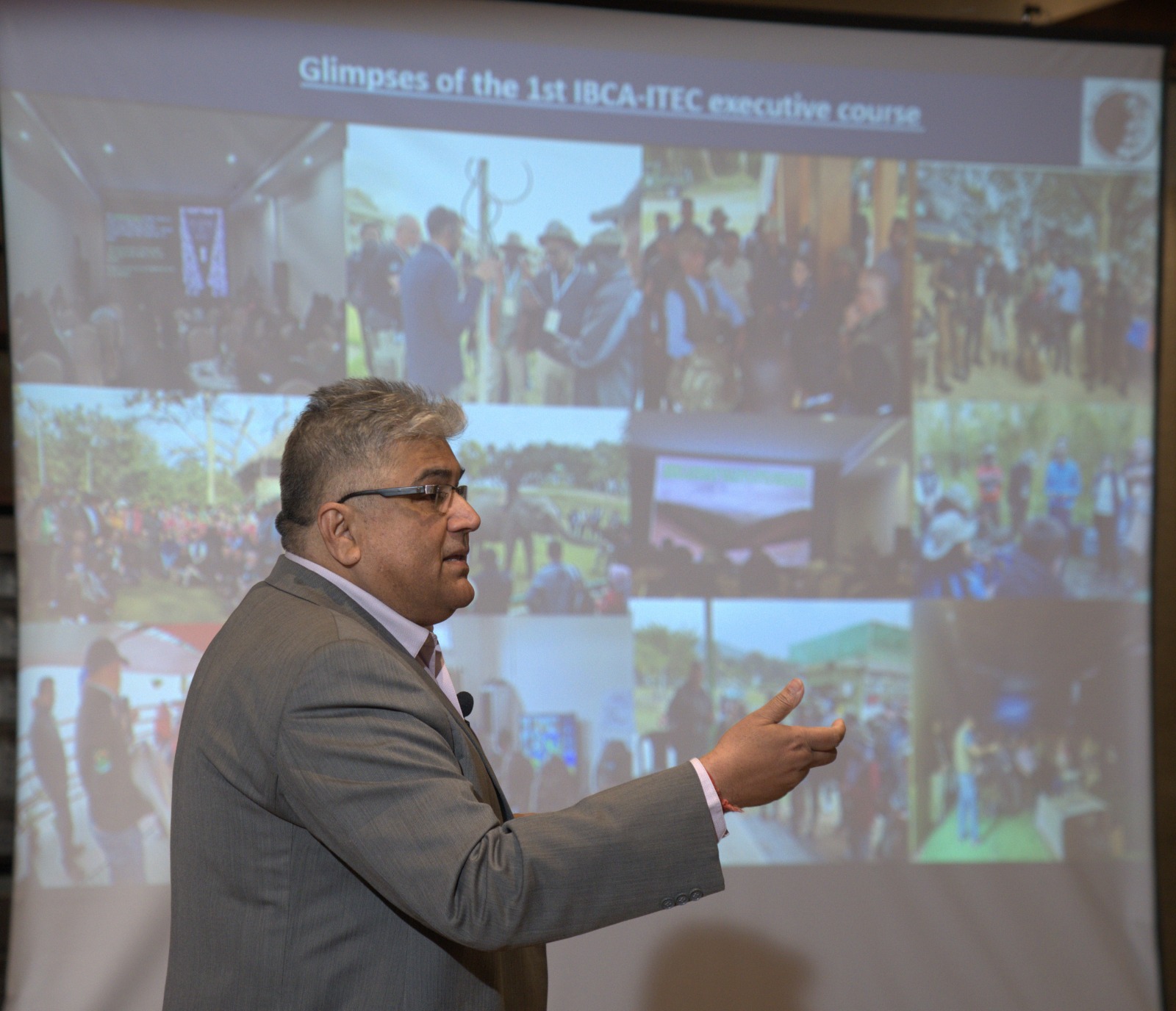
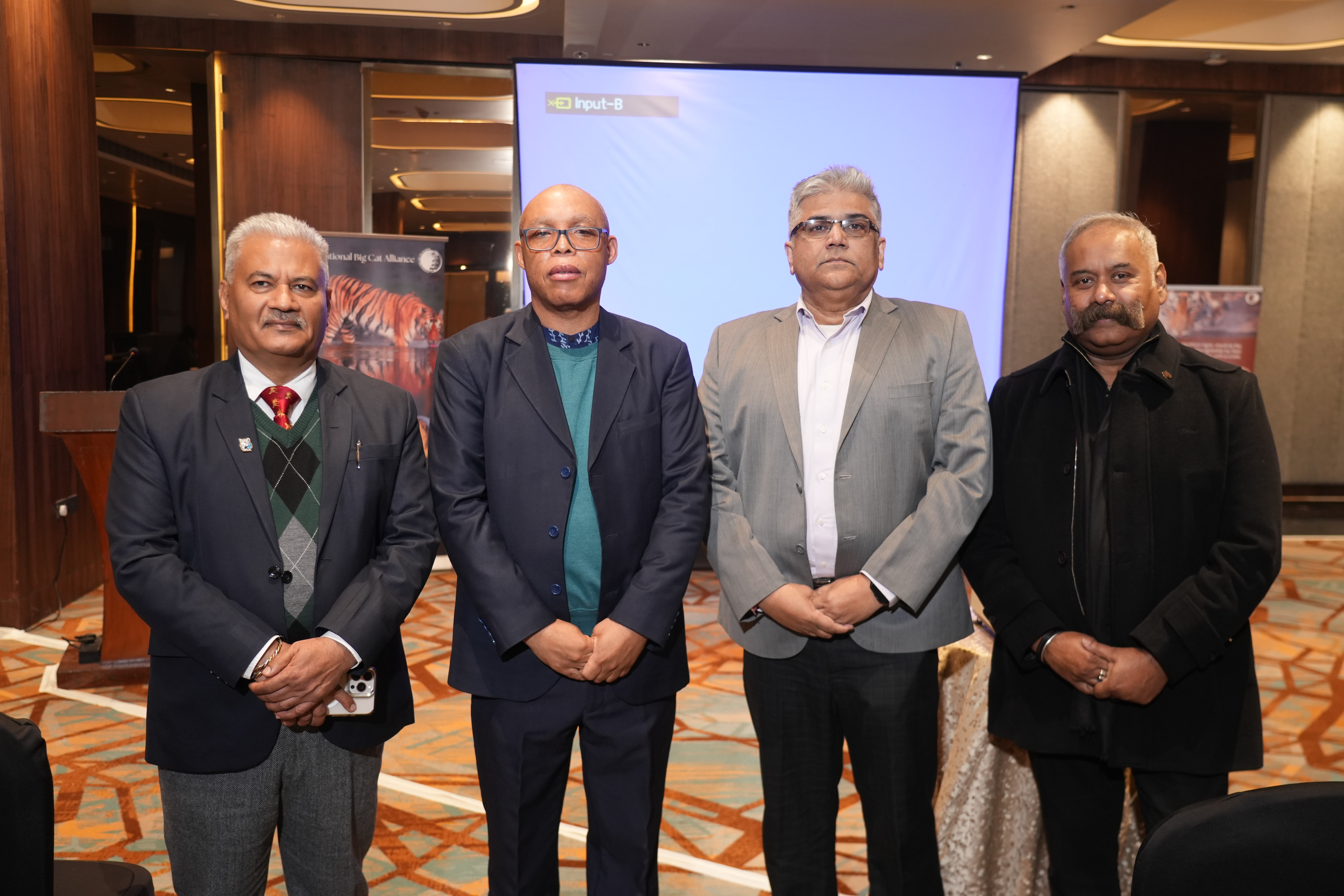
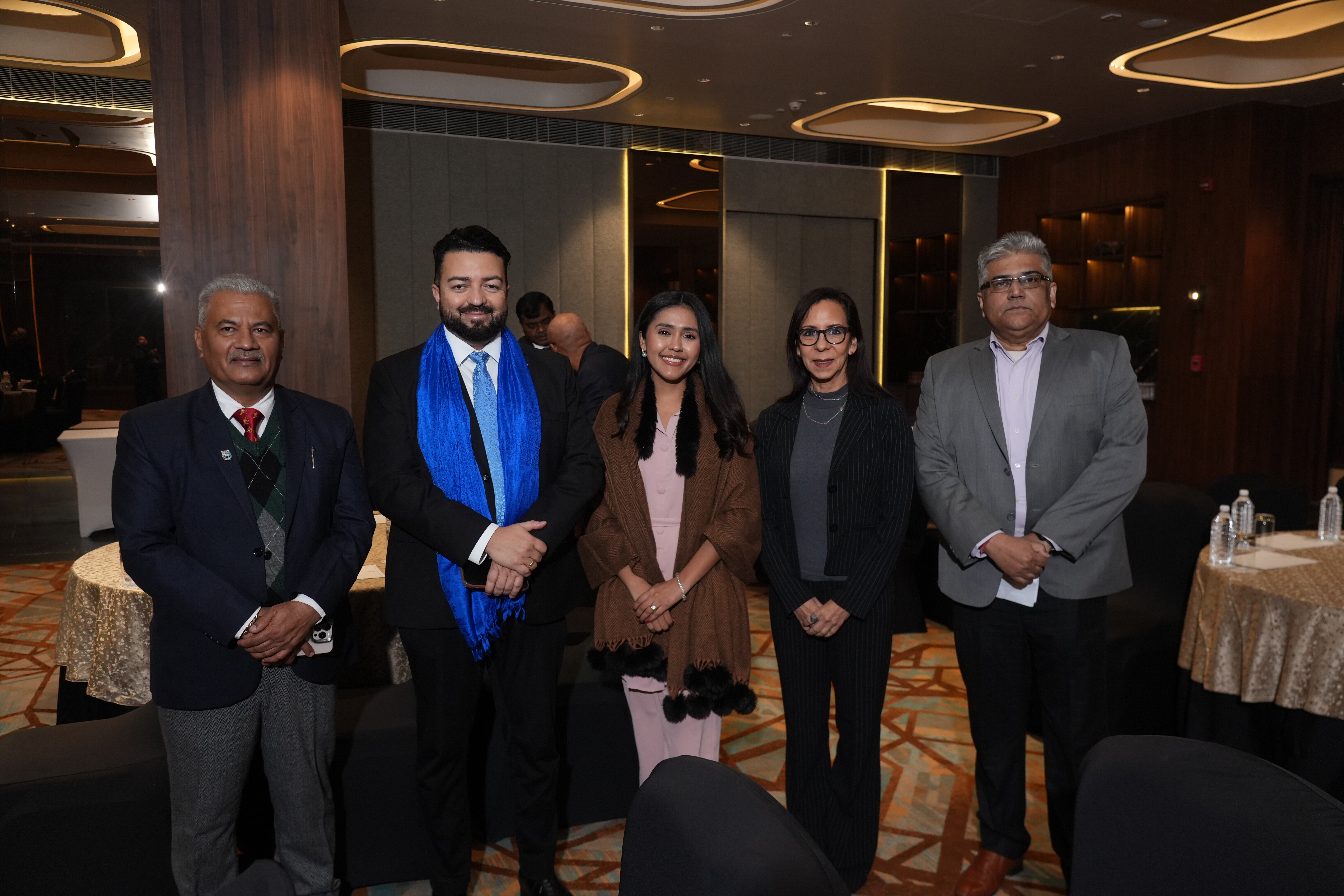
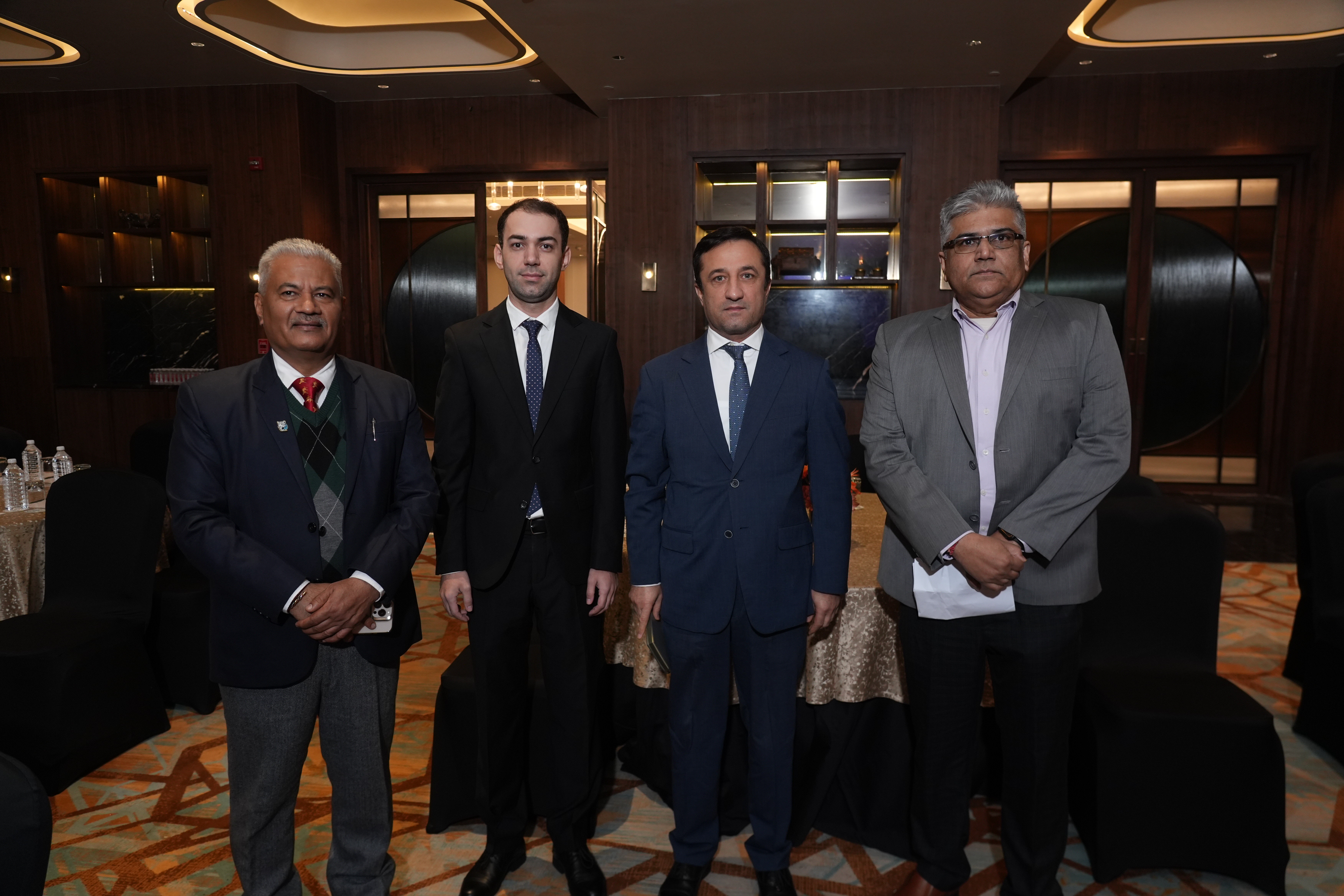
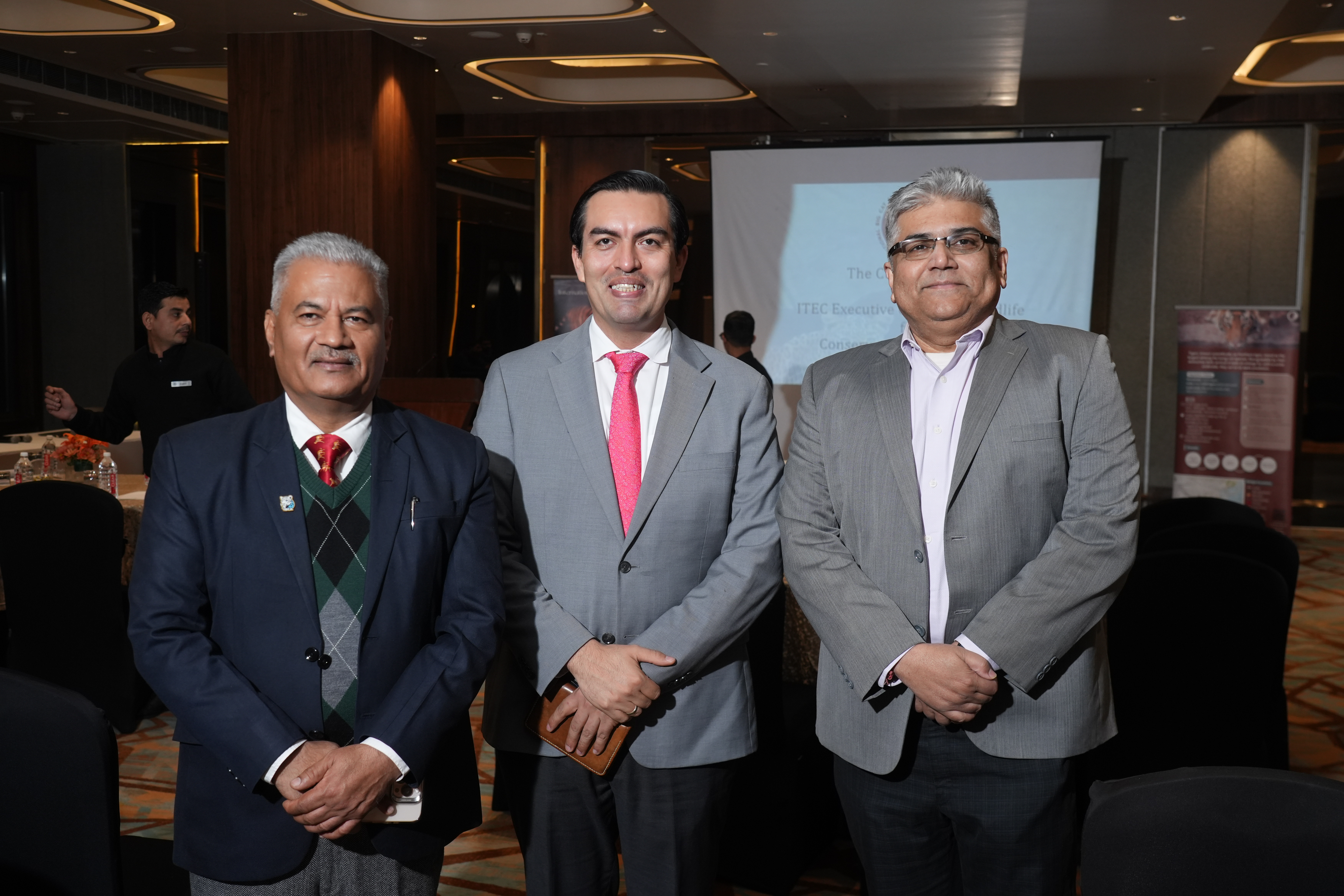
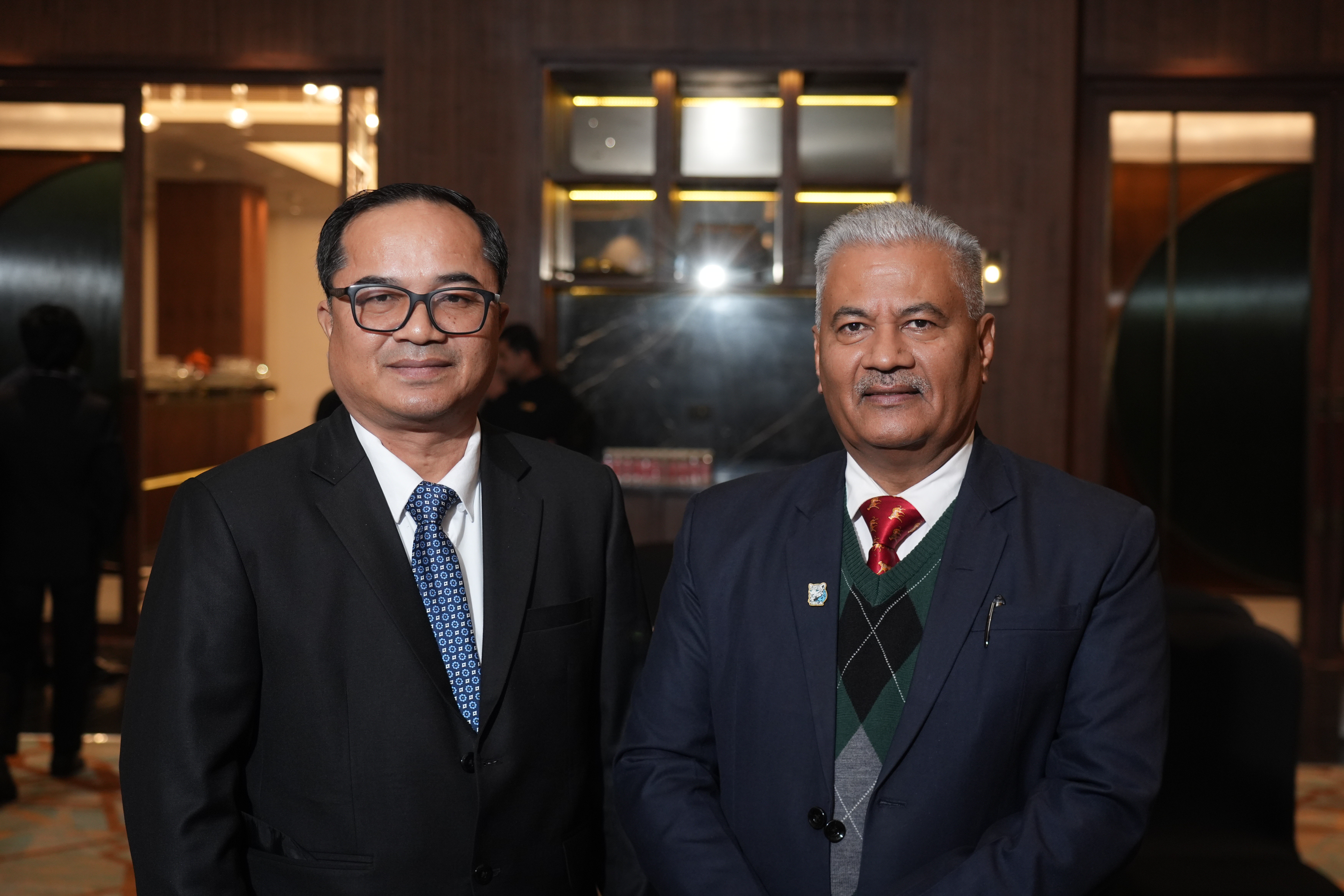
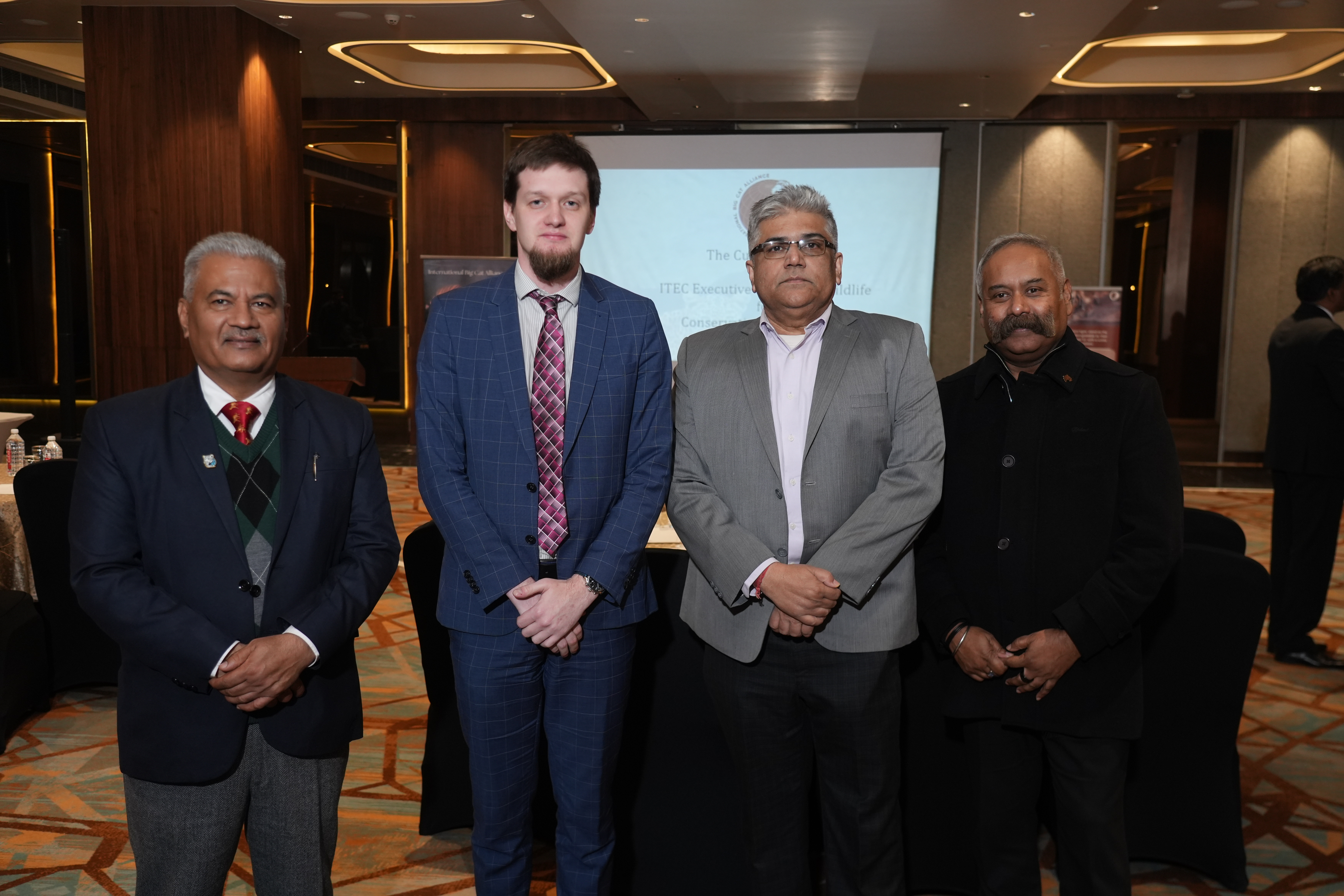
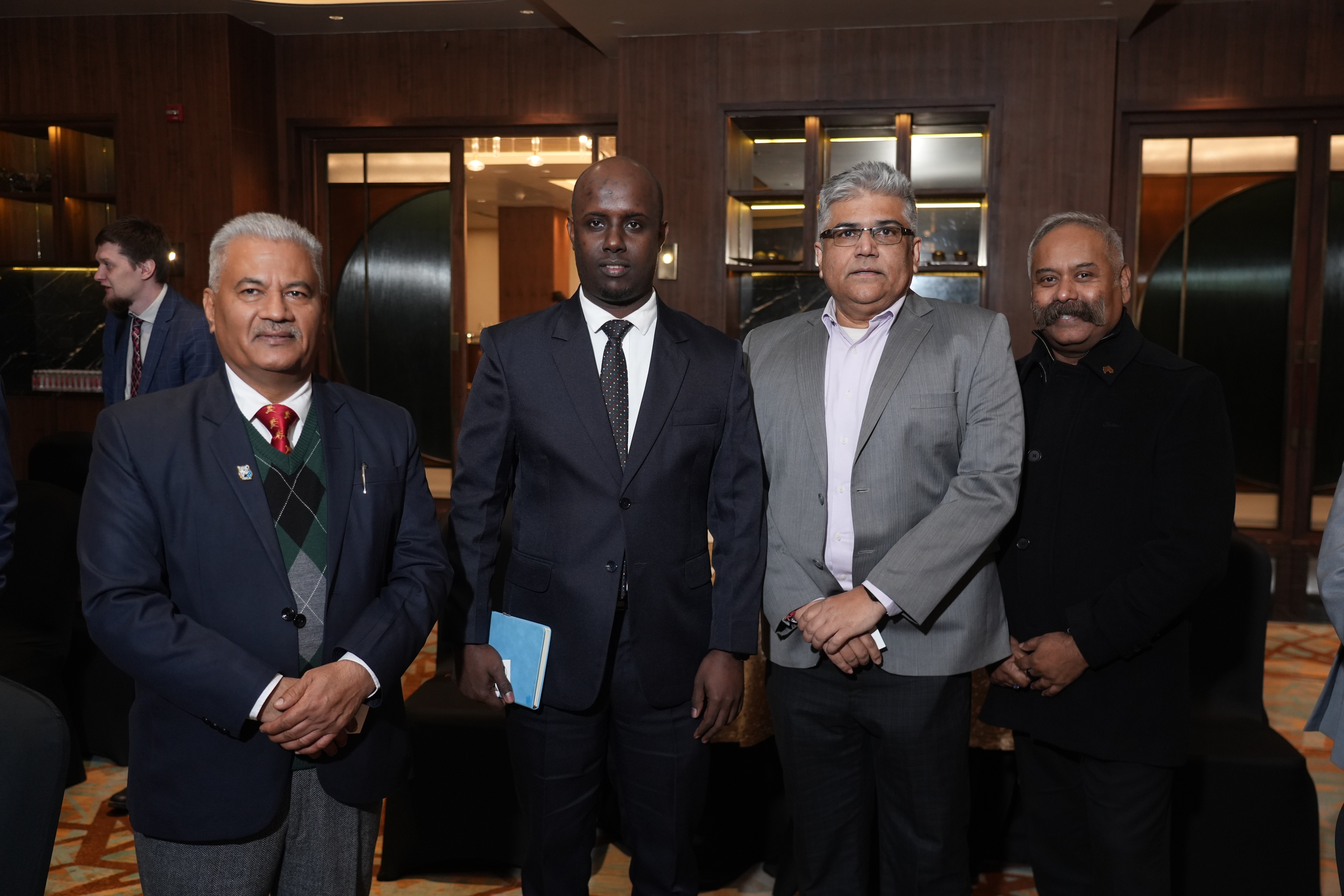
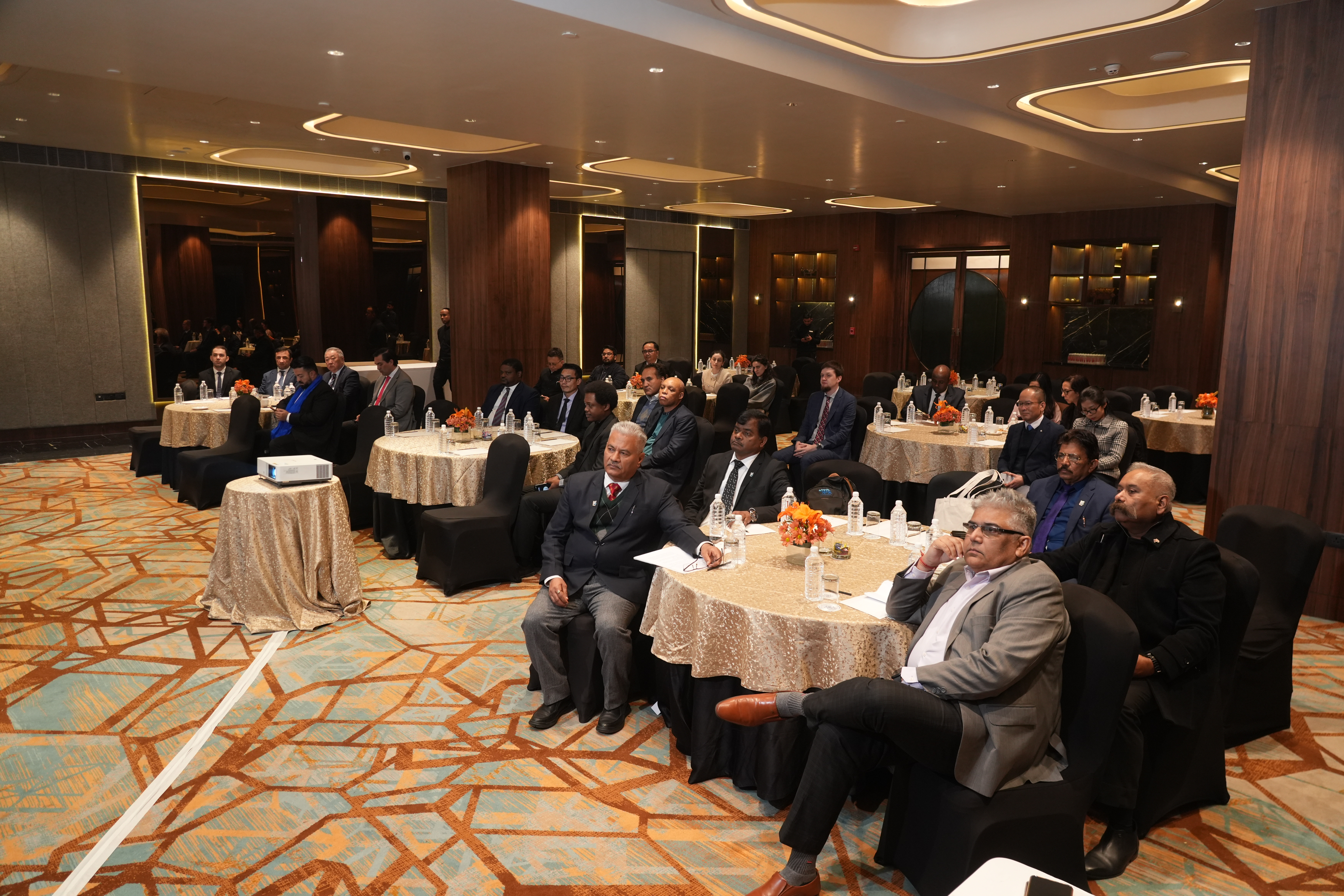
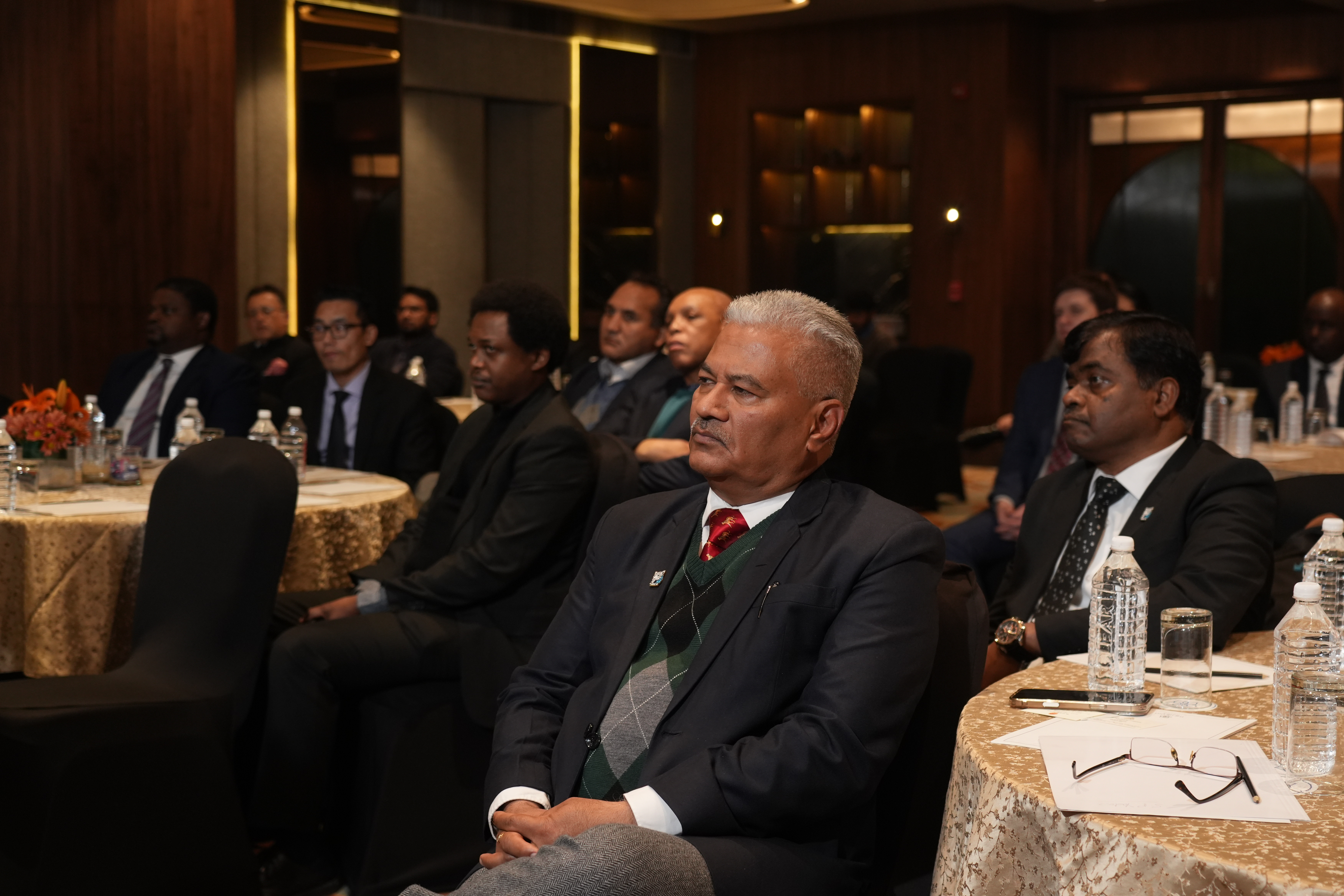
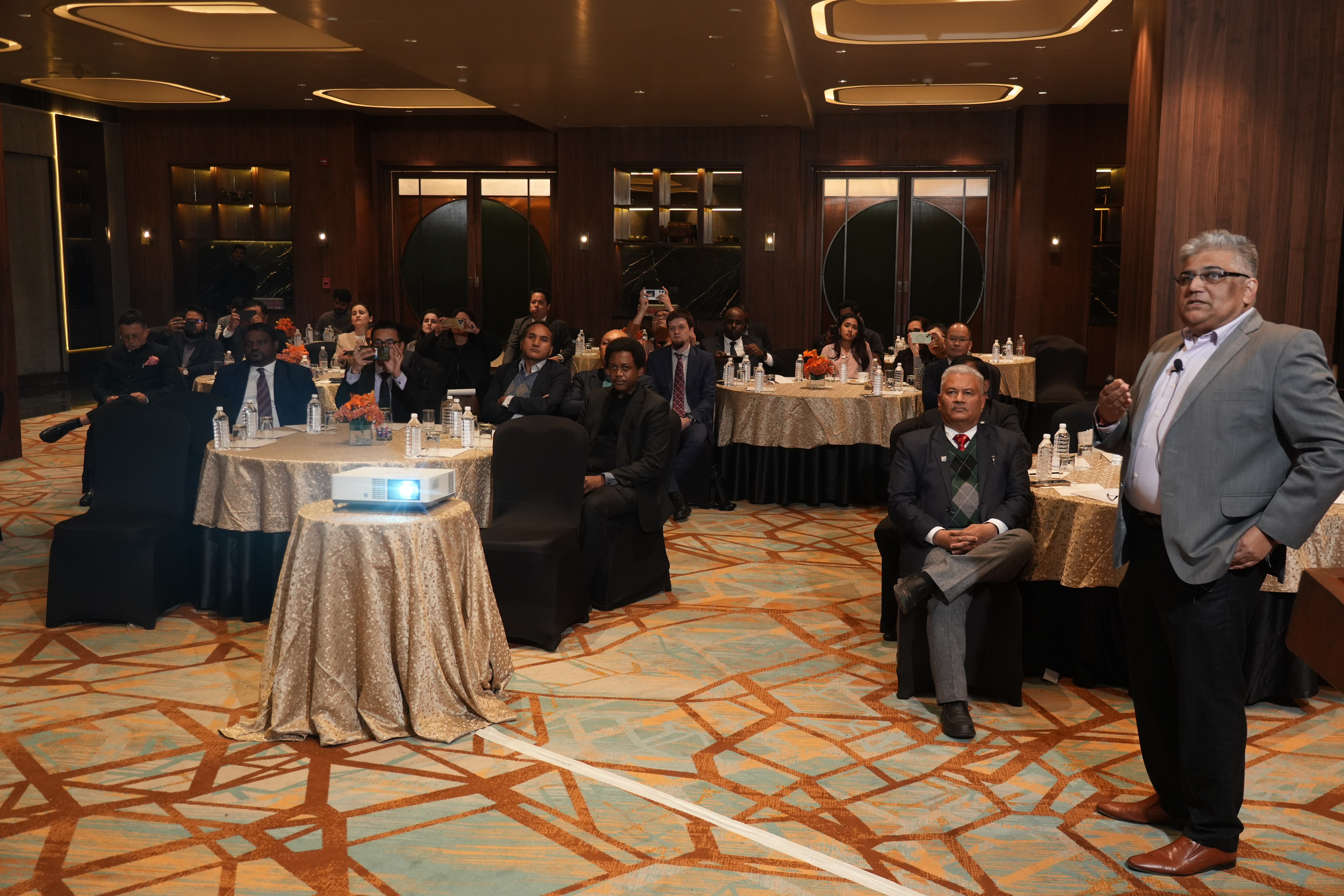
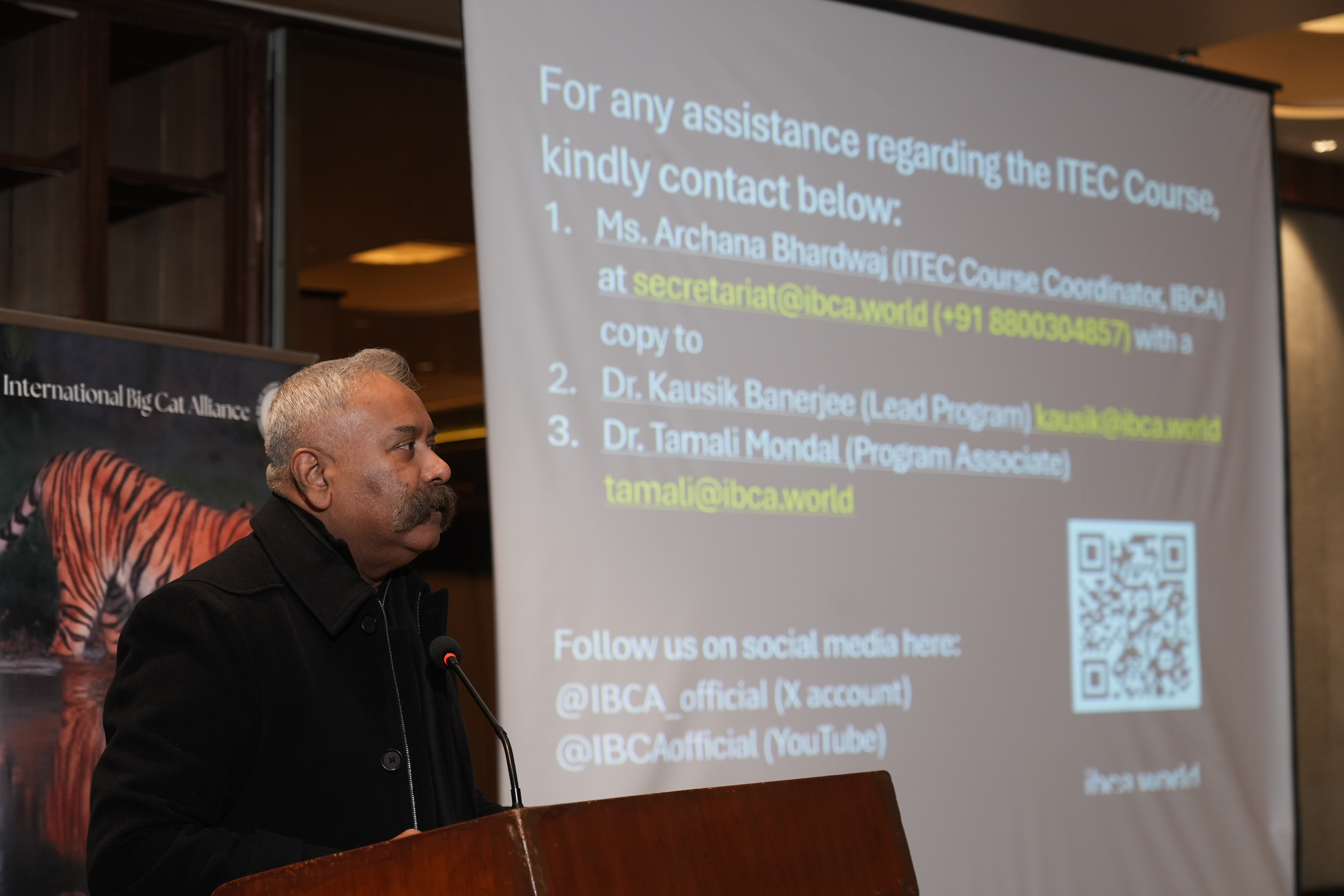
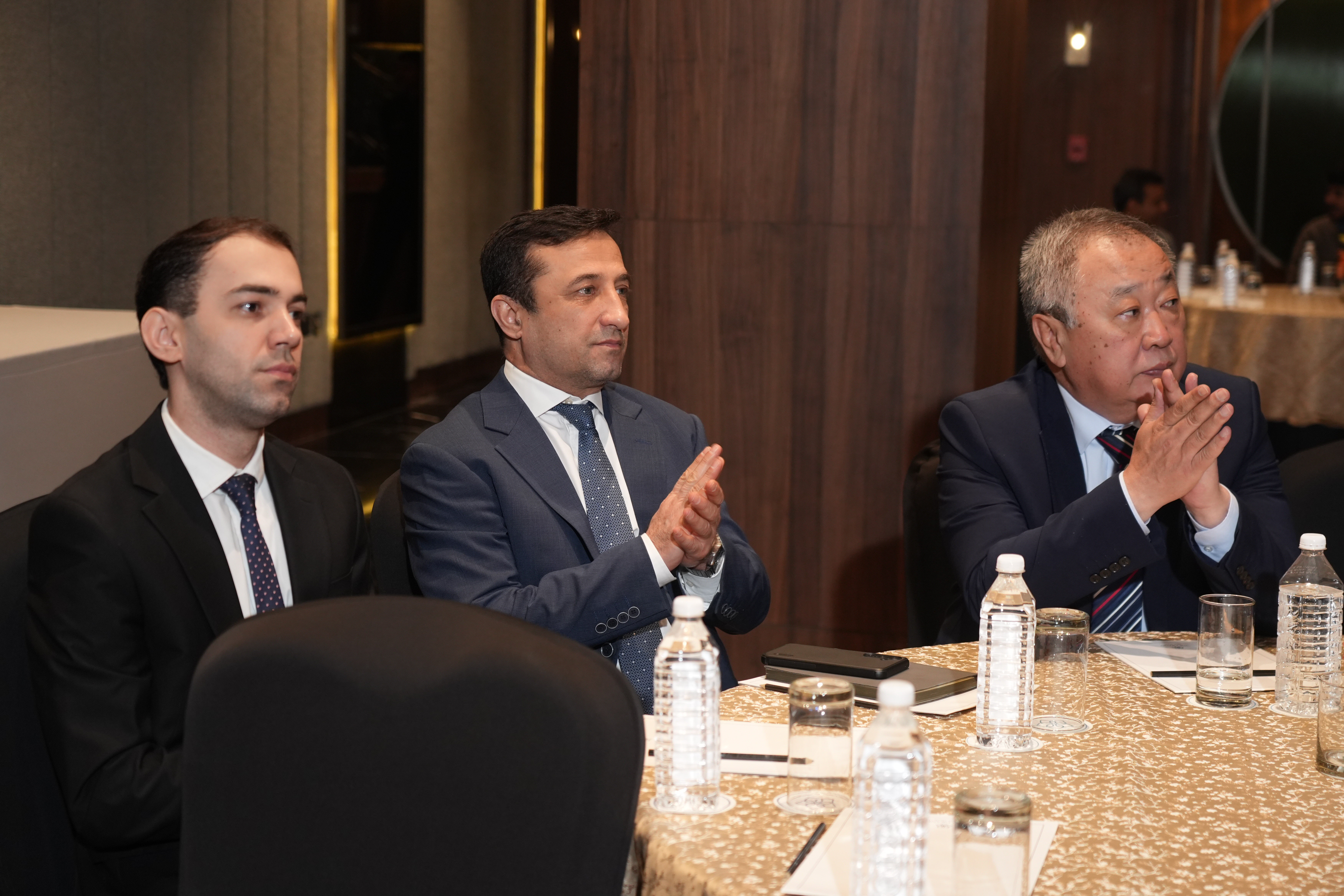
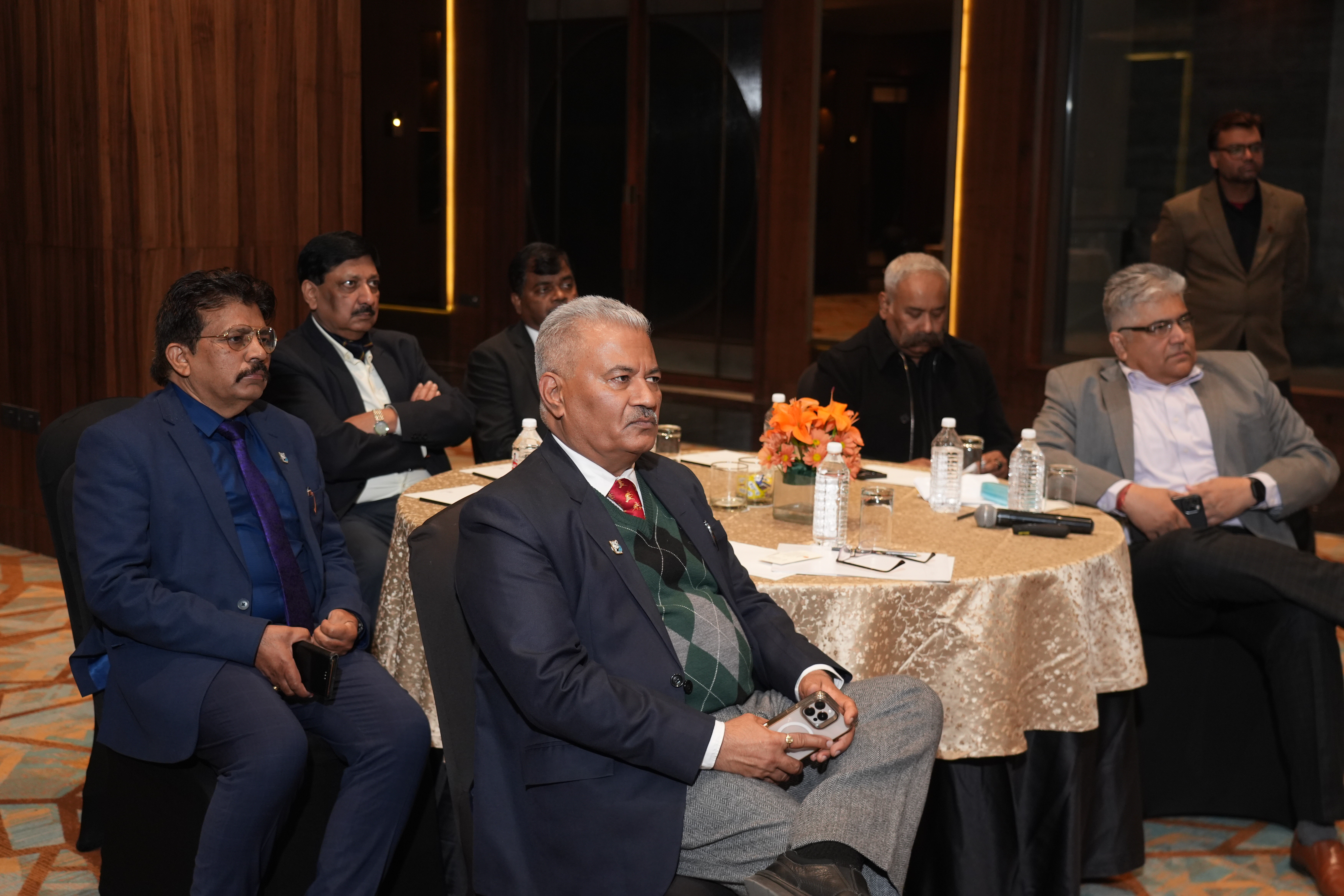
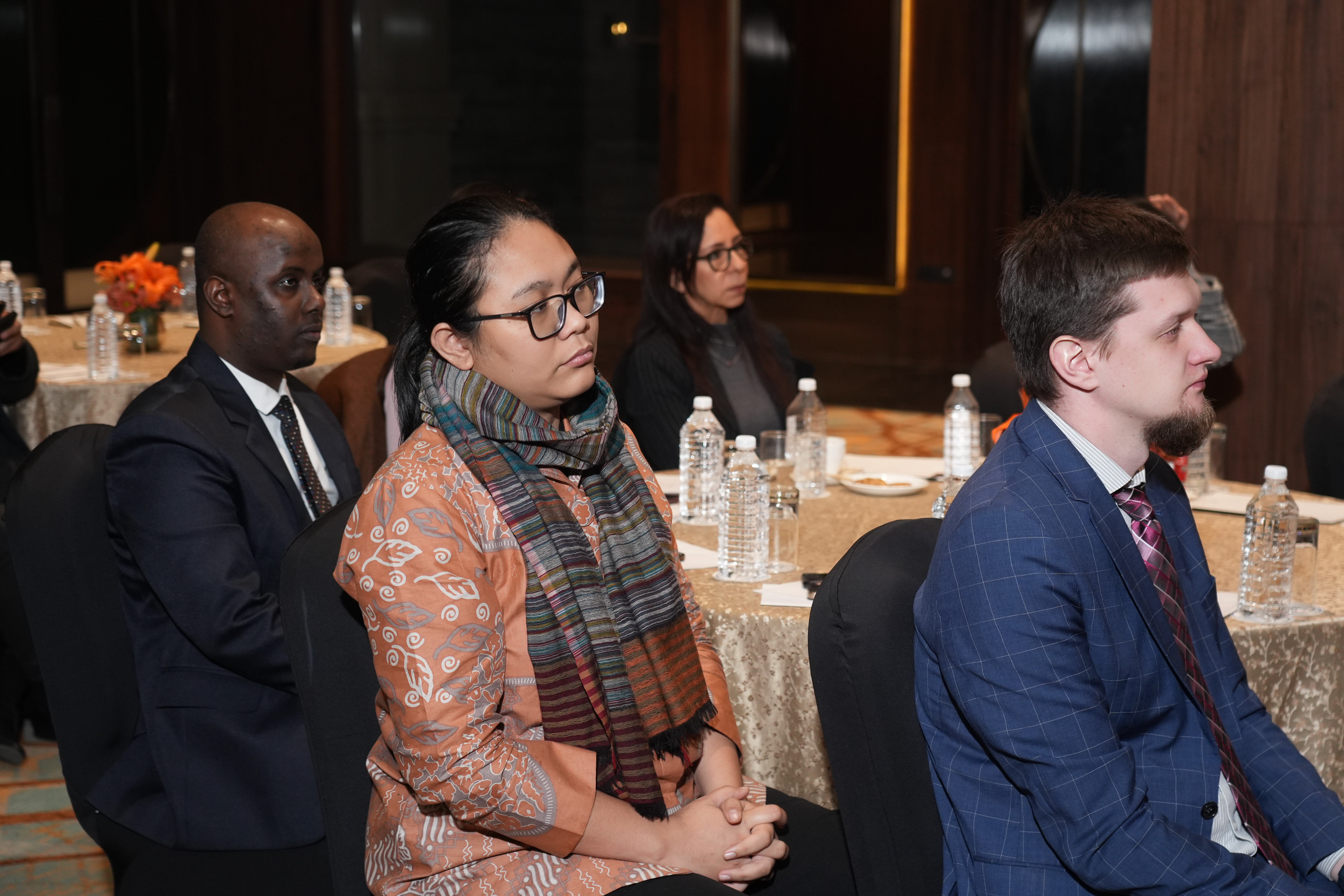
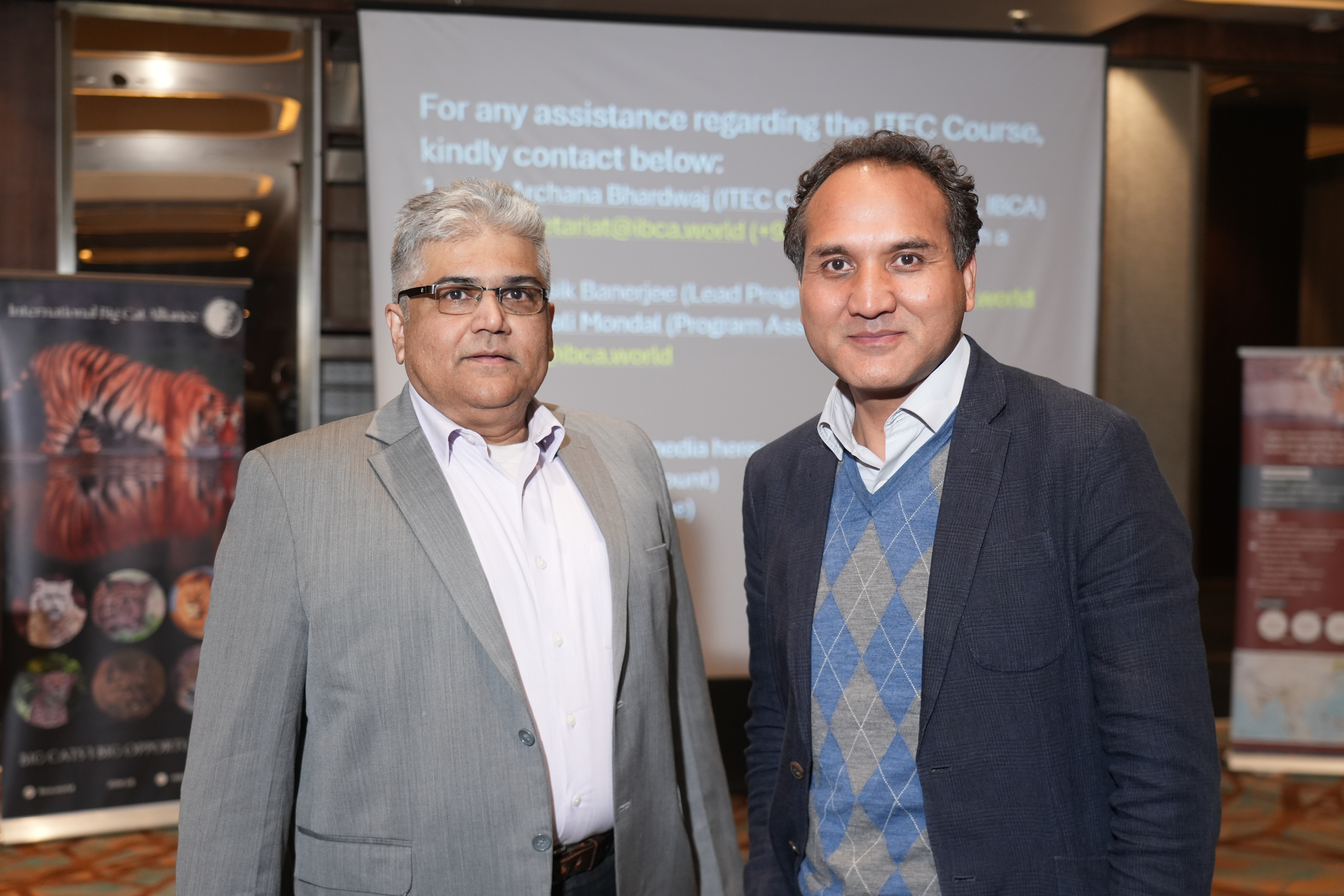
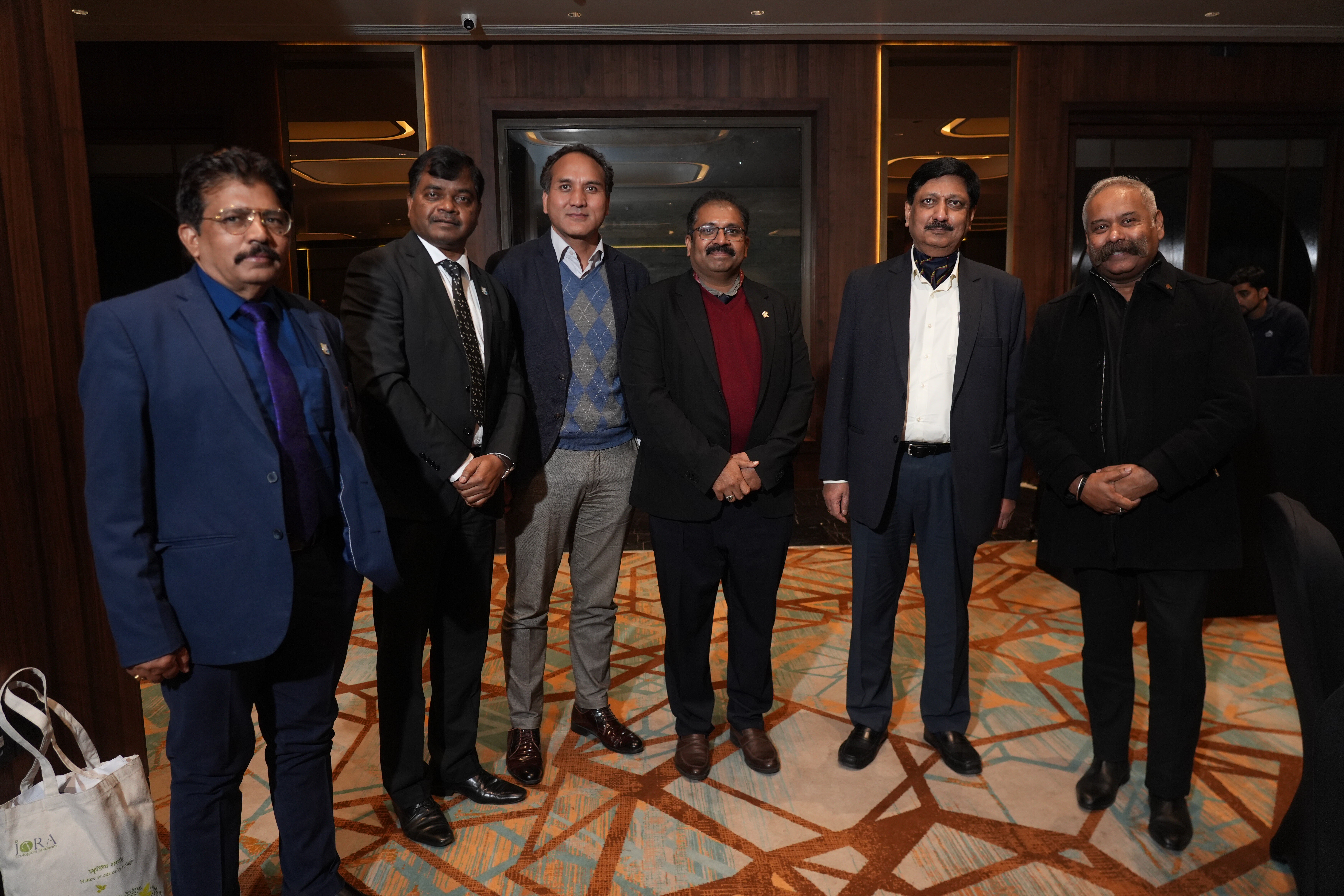
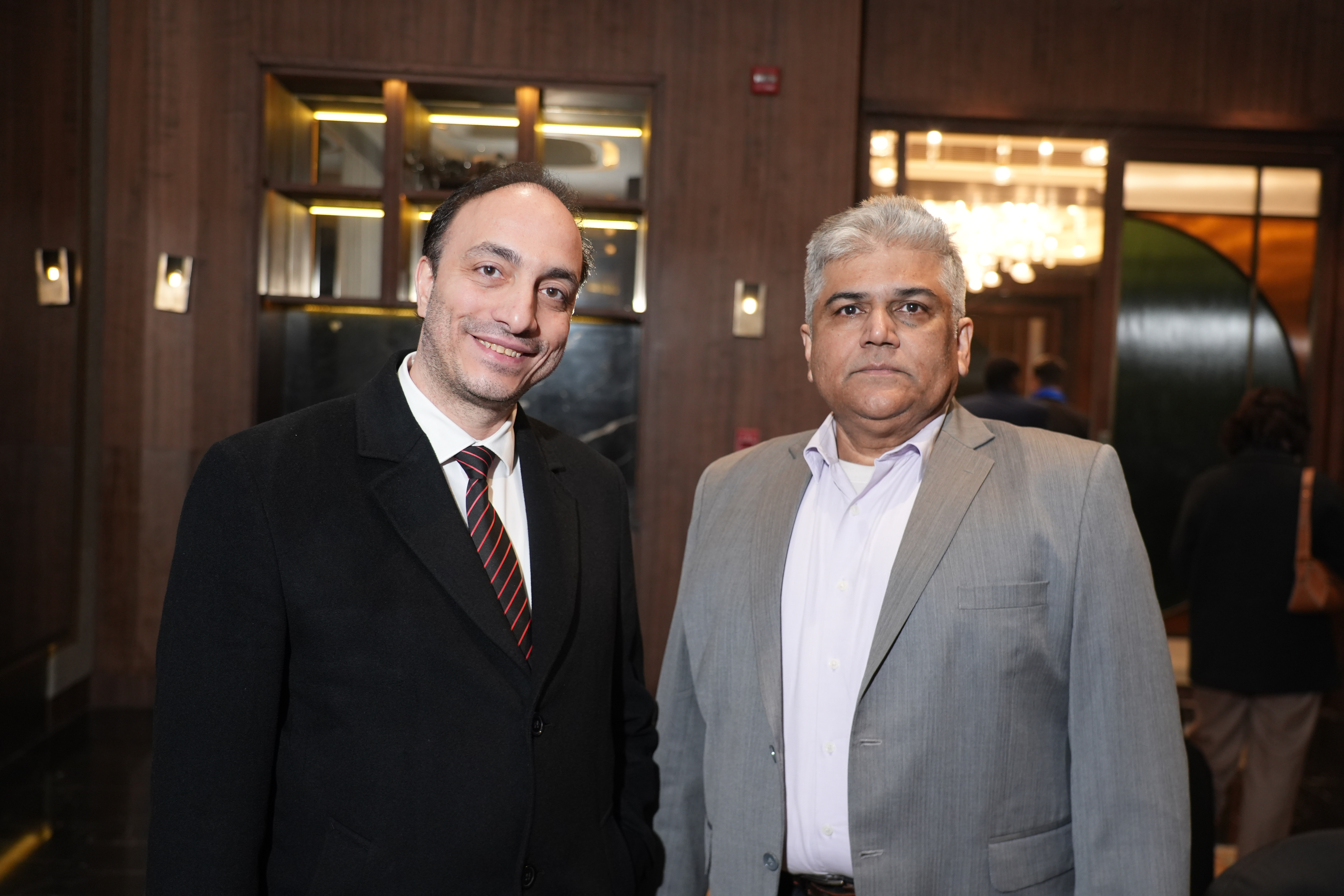
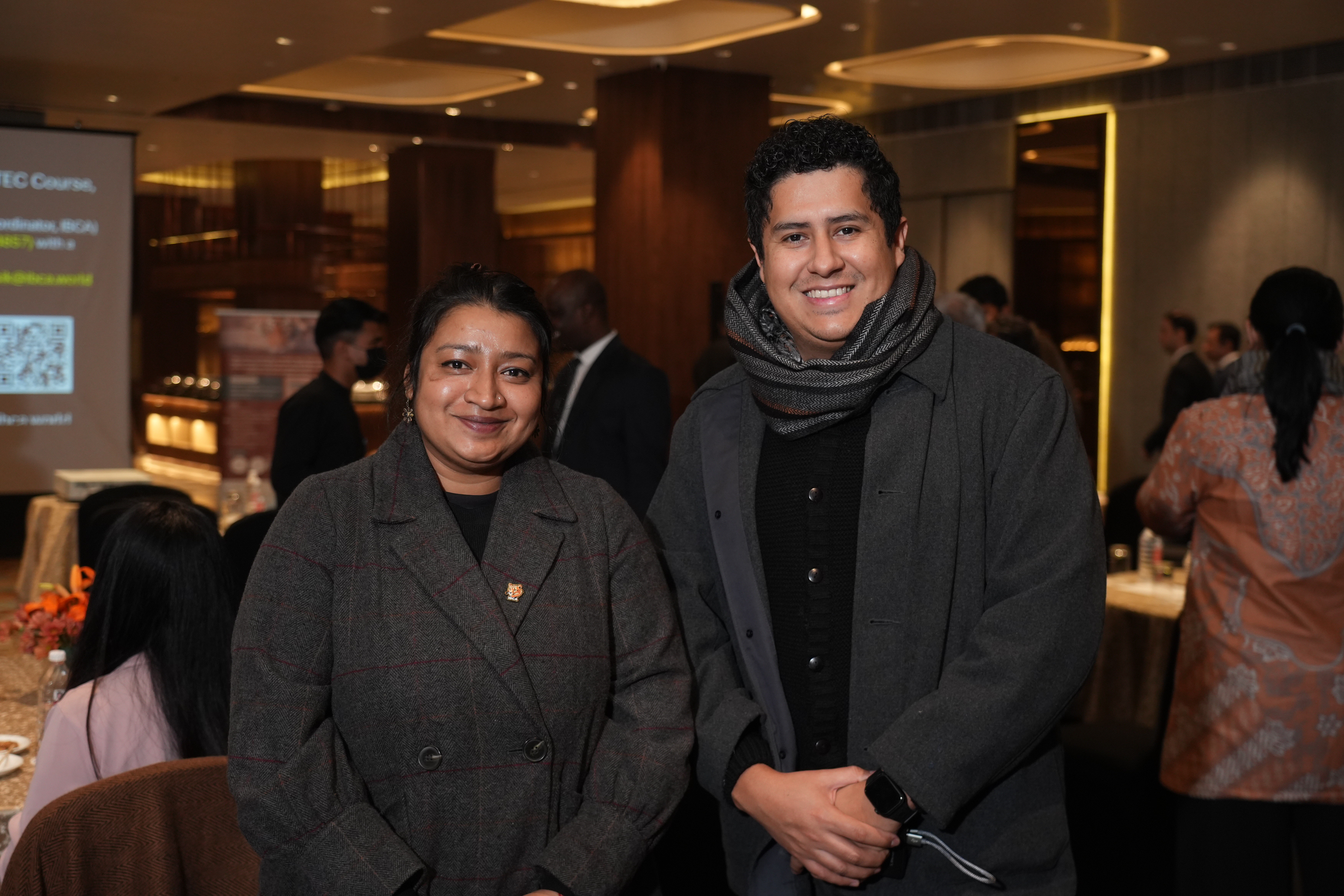
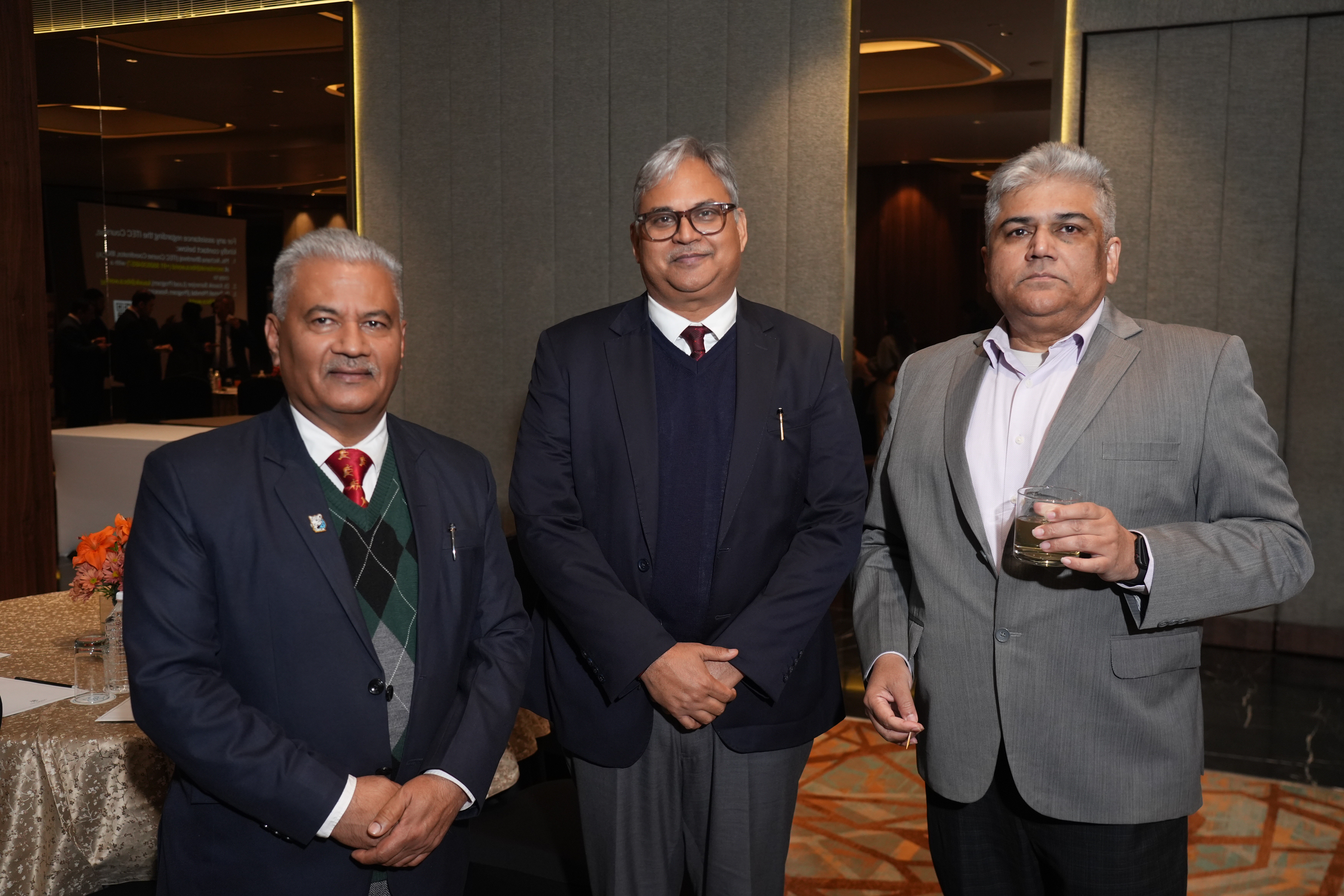
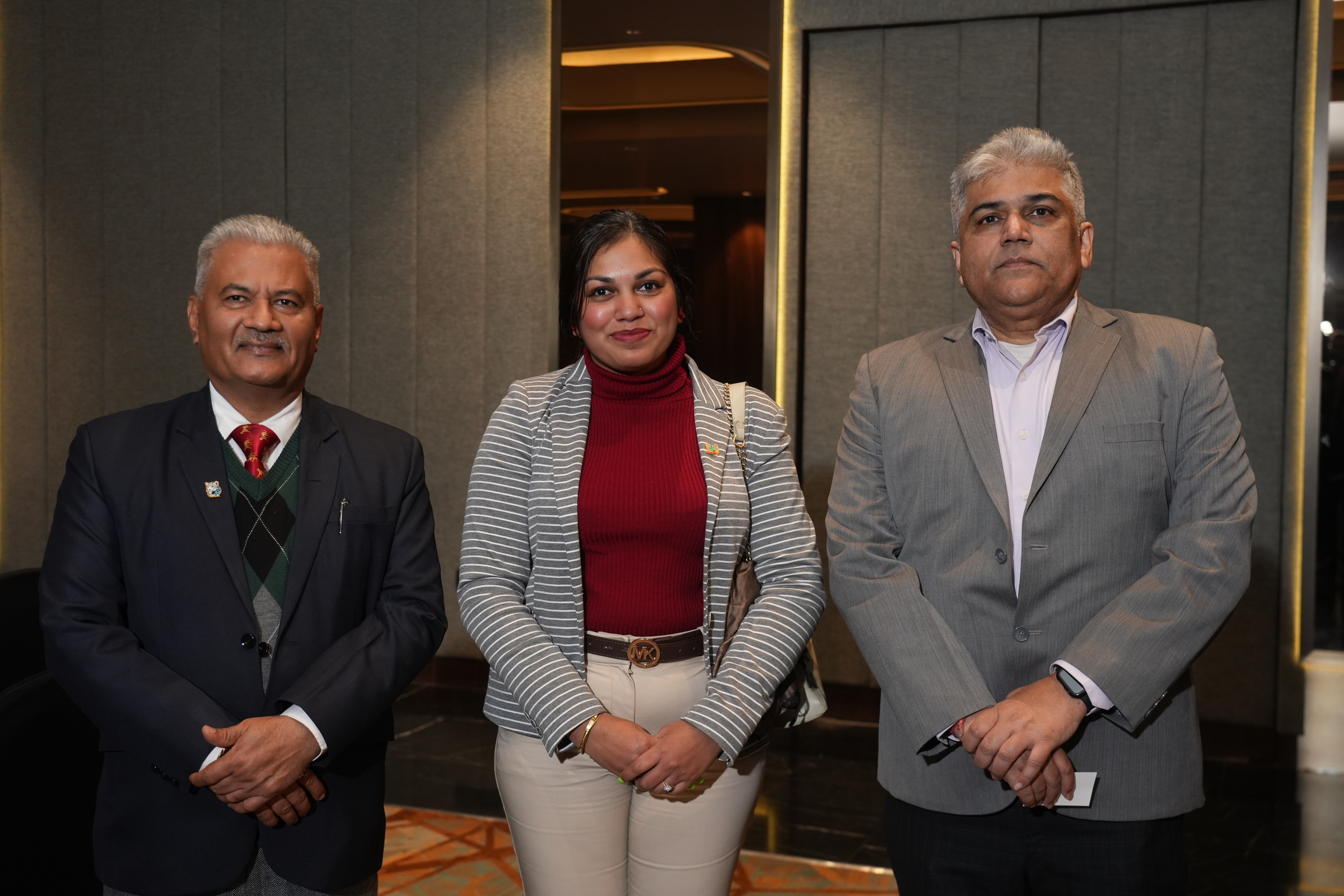
The curtain-raiser of the 2nd "Indian Technical and Economic Cooperation" Executive Course on Wildlife for Conservation Practitioners was held on 9th Jan 2026 at New Delhi. The event was attended by Ambassadors and High Commissioners from 28 range countries, and senior officials of MoEFCC and the Ministry of External Affairs. Dr. S. P. Yadav, Director General, IBCA, welcomed the delegates and outlined the programme, while Mr. Soumitra Dasgupta, Director (Programme), IBCA, presented the course structure and invited early nominations. The ITEC course will be held in the Bandipur–Nagarhole landscape, Karnataka, from 9th to 13th Feb 2026.


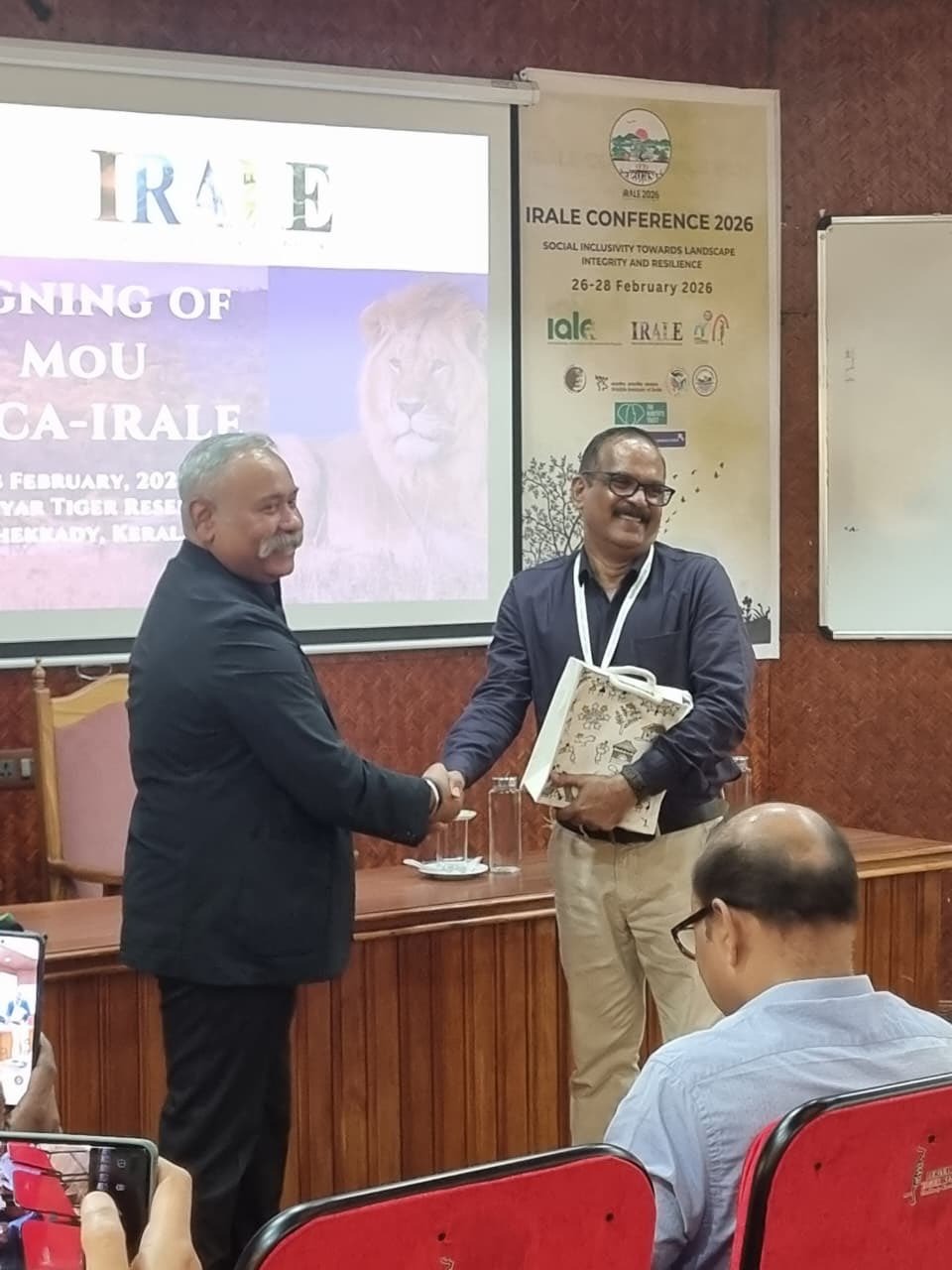
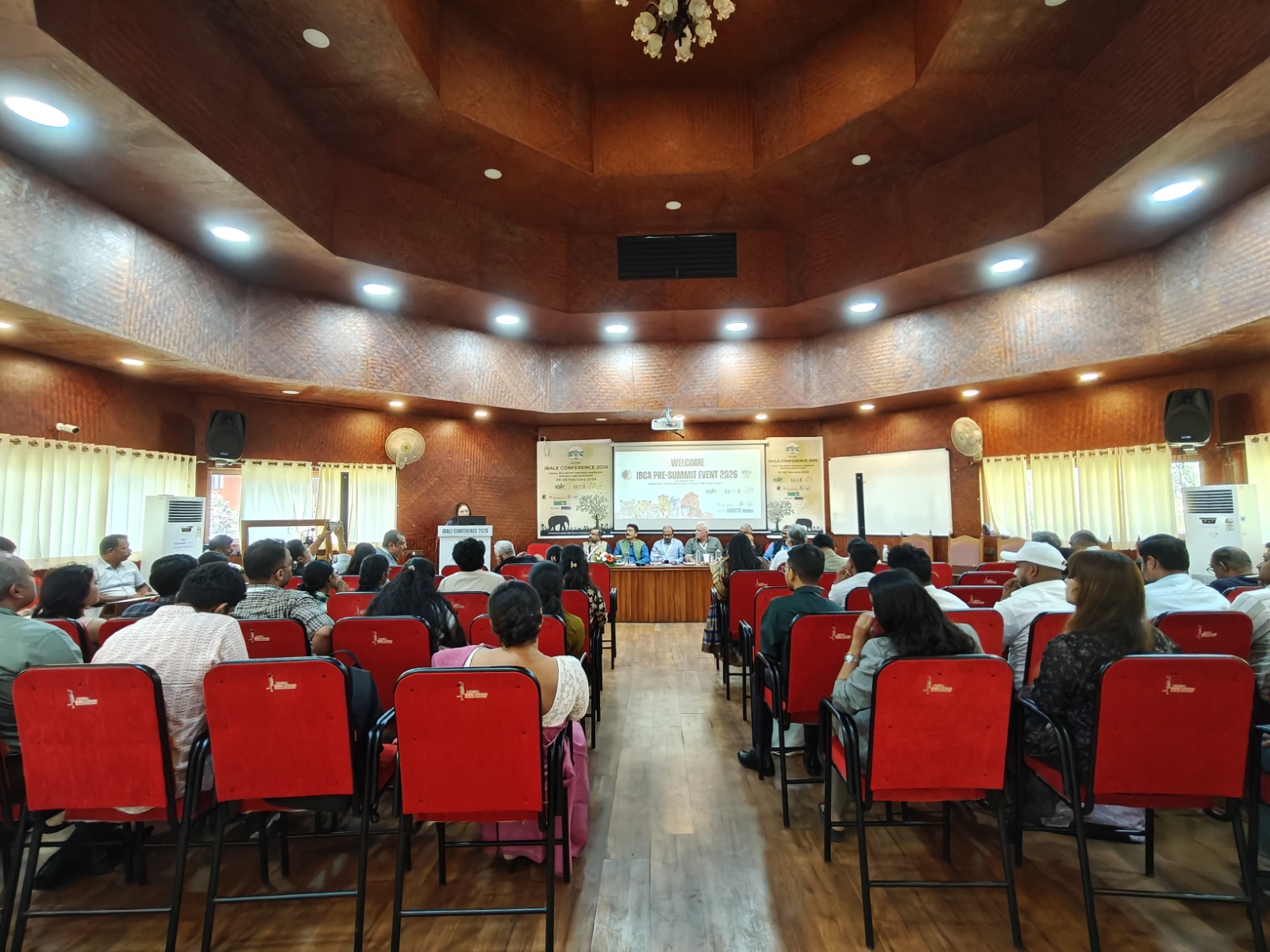
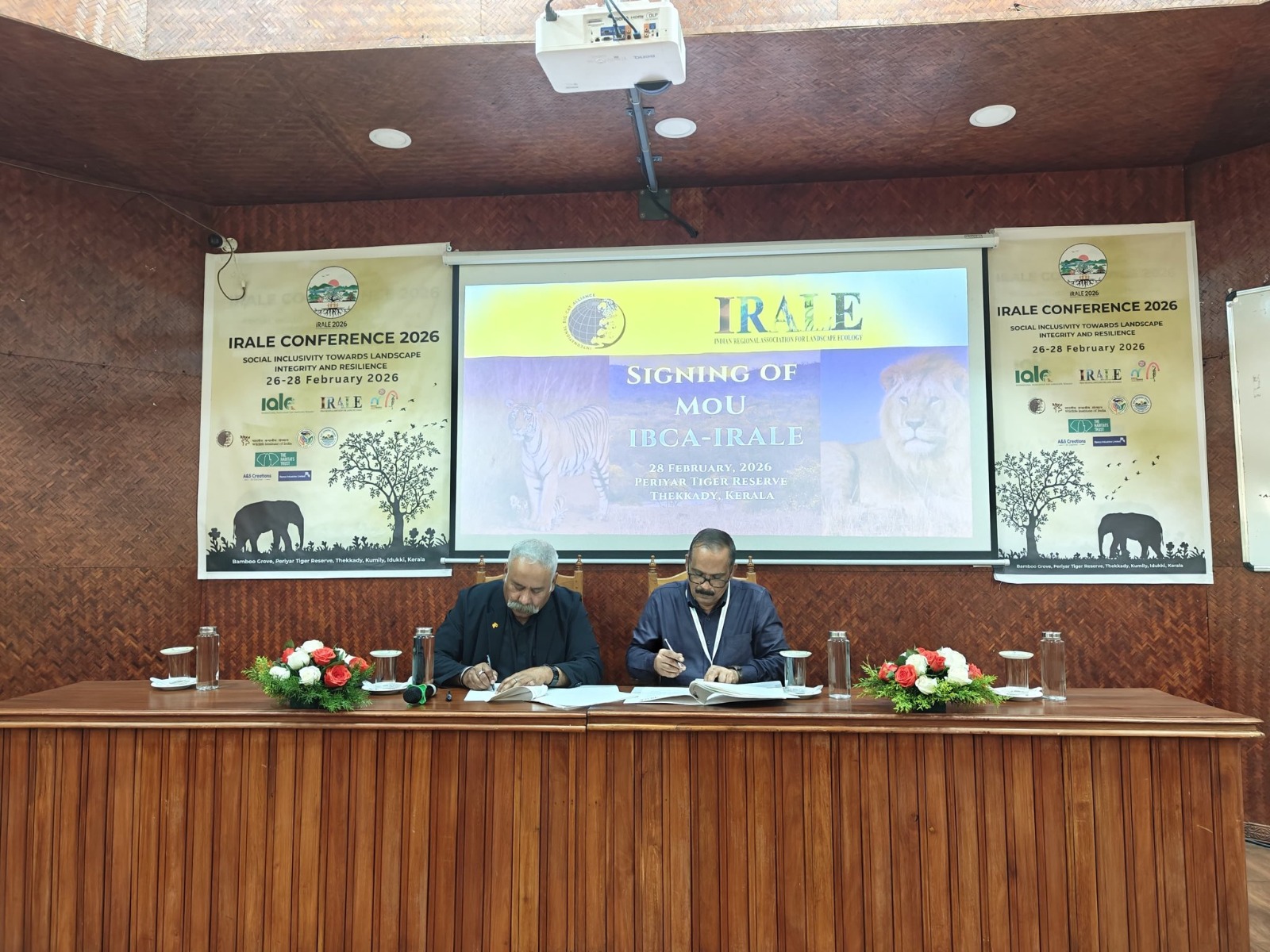
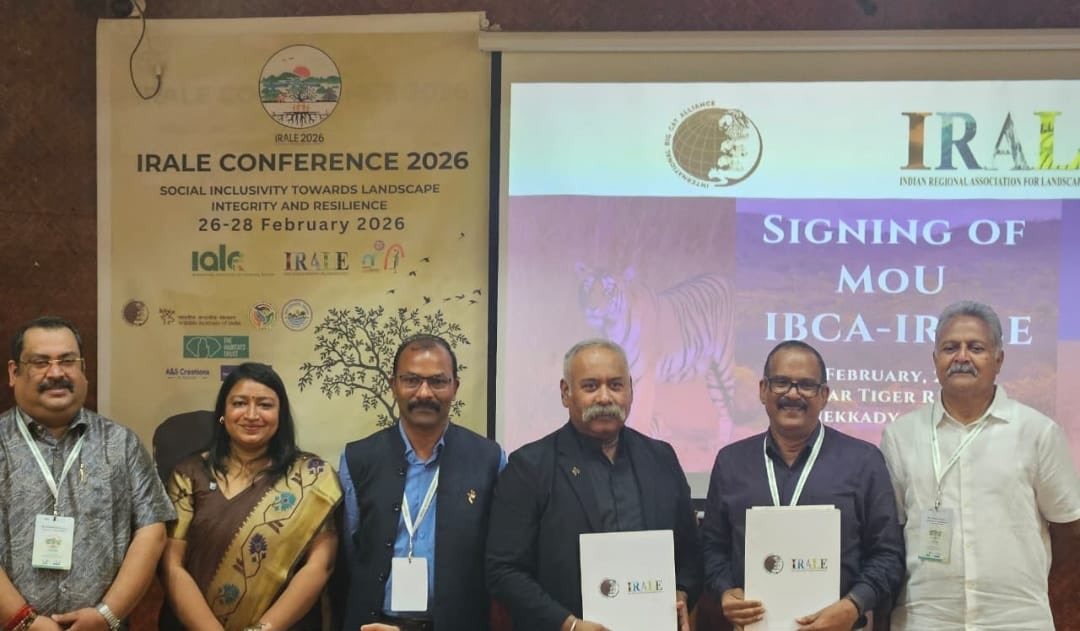
MoU between IBCA and IRALE
Memorandum of Understanding (MoU) between the International Big Cat Alliance (IBCA) and Indian Regional Association for Landscape Ecology (IRALE) was signed at the IRALE 2026 Conference at Periyar Tiger Reserve on 28 February, 2026.
This partnership marks an important step toward strengthening collaboration in wildlife conservation, biodiversity protection, and sustainable landscape management.
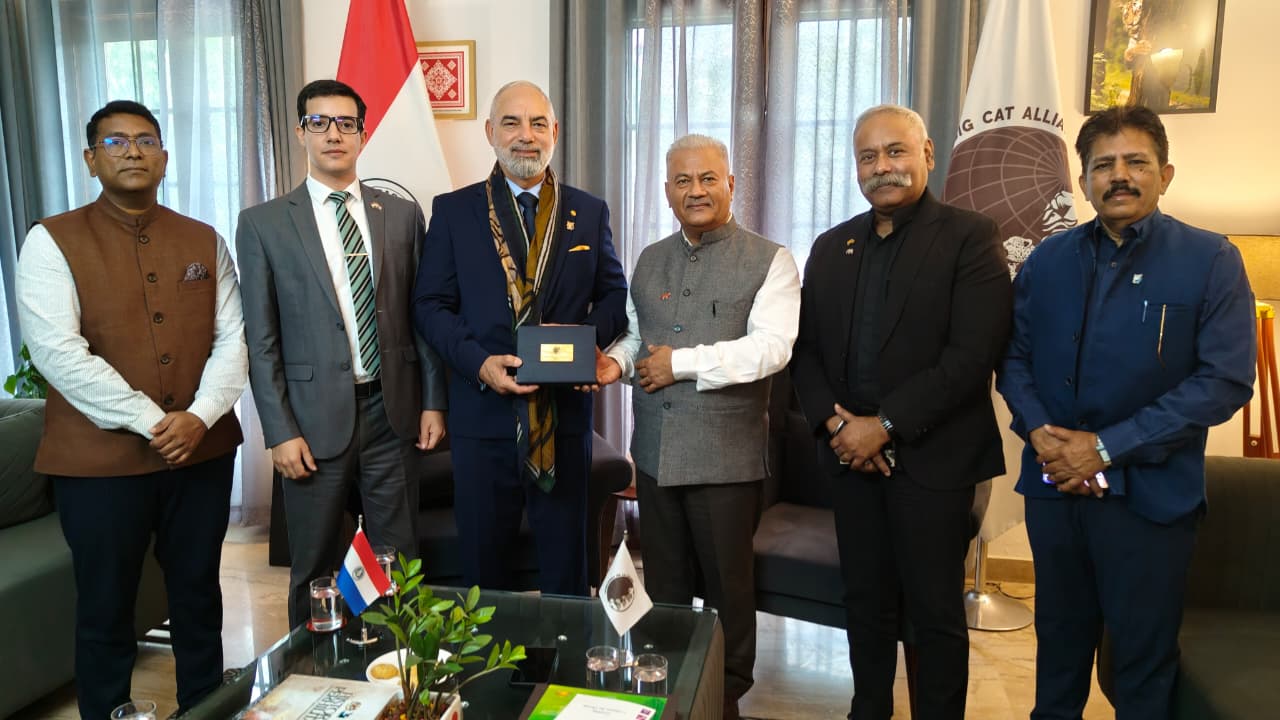
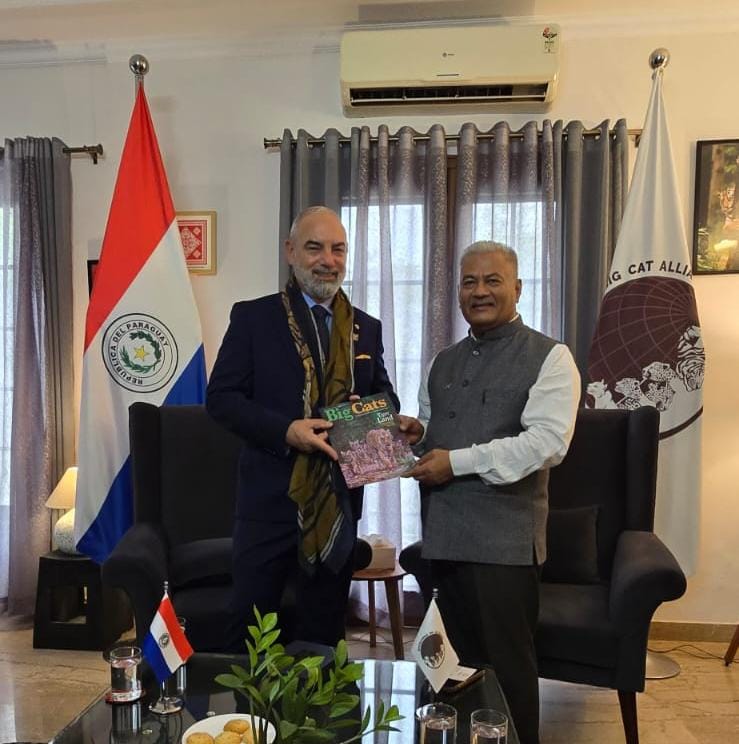
Signing Framework Agreement with Paraguay
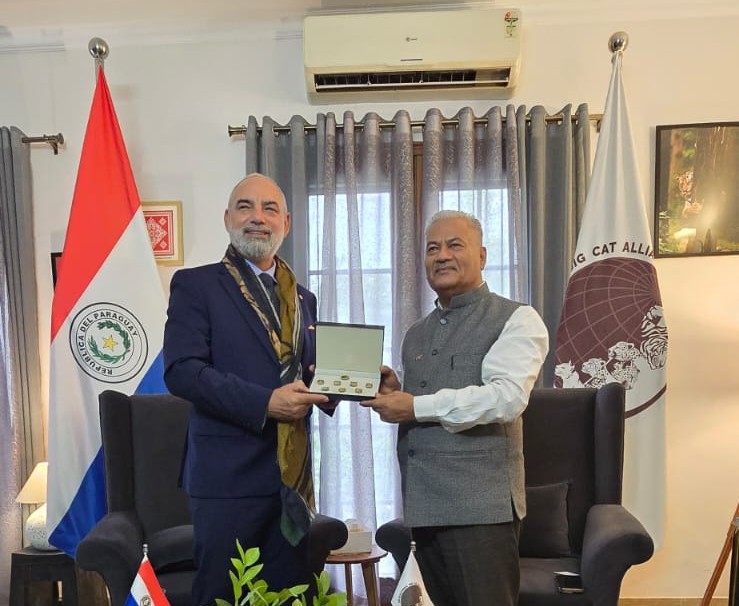
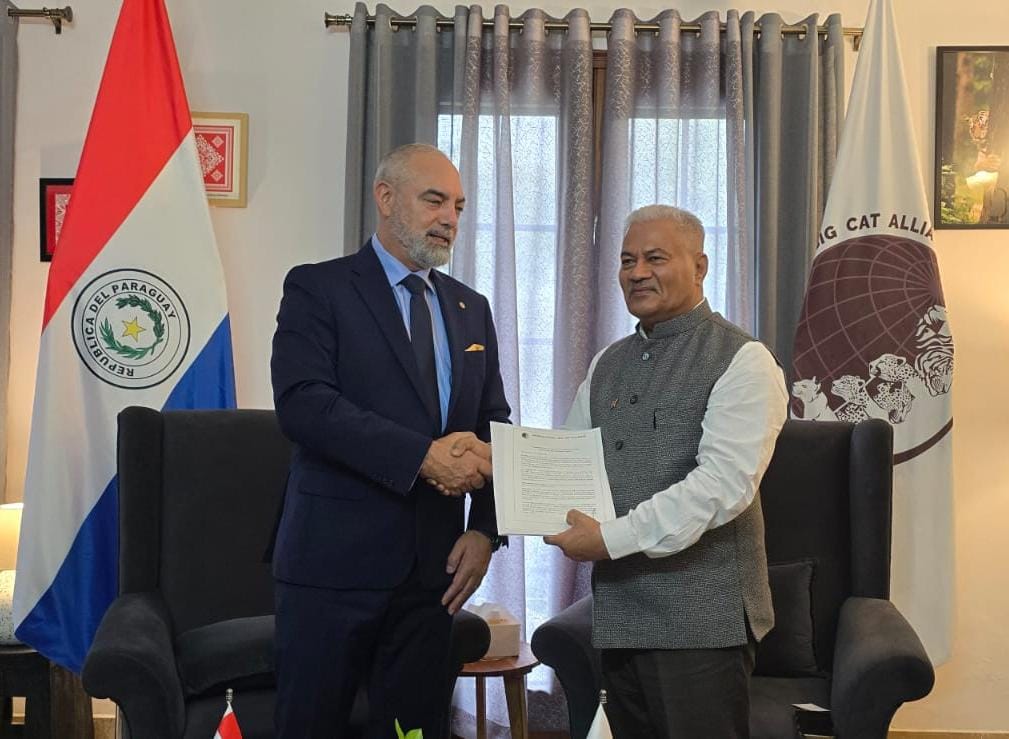
The International Big Cat Alliance (IBCA) warmly welcomes Paraguay as its newest Member Country!
His Excellency Mr Fleming Duarte, Ambassador of the Paraguay to India signed the Framework Agreement at the IBCA Secretariat and formally handed over to Dr S. P. Yadav, Director General, IBCA. Another collective step towards strengthening of global cooperation for BigCat conservation and a sustainable planet.
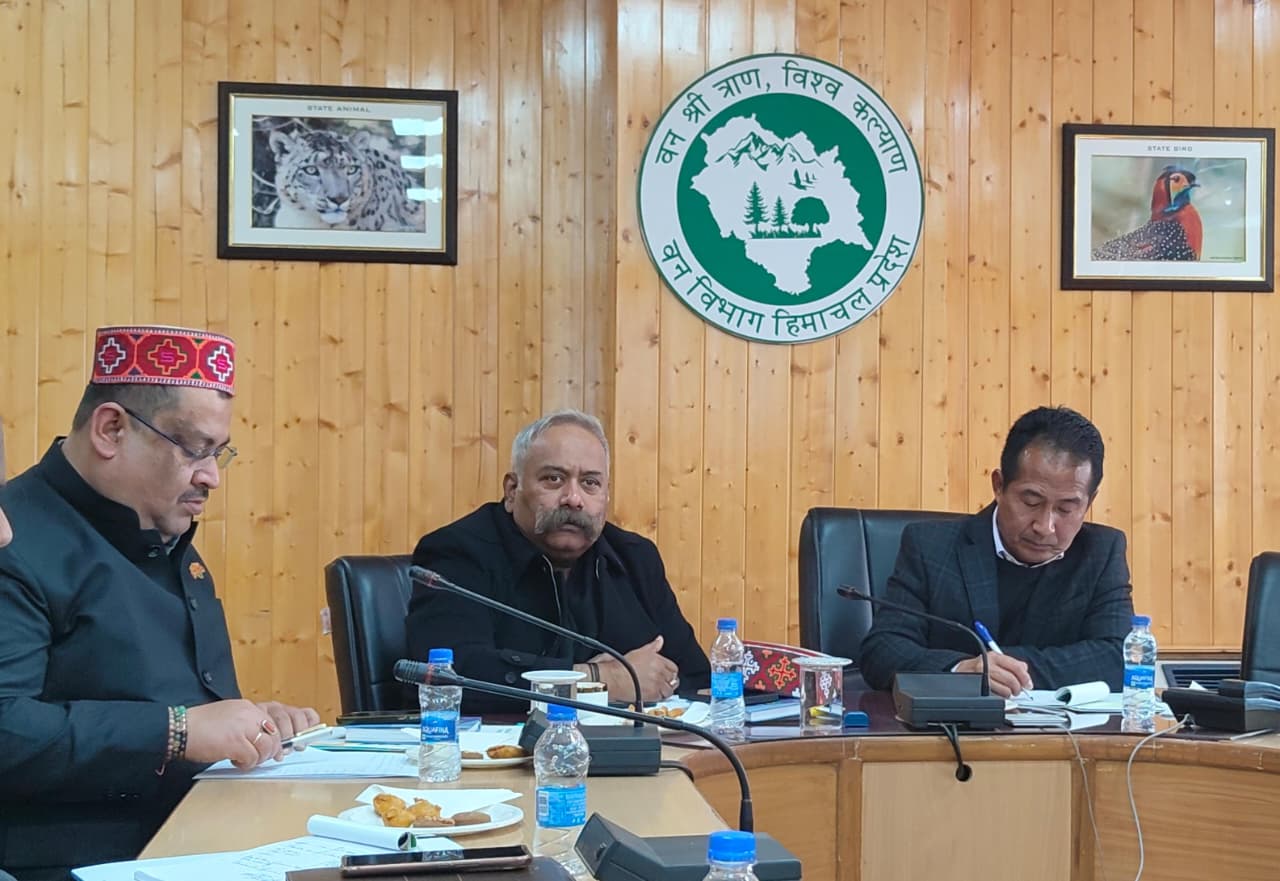
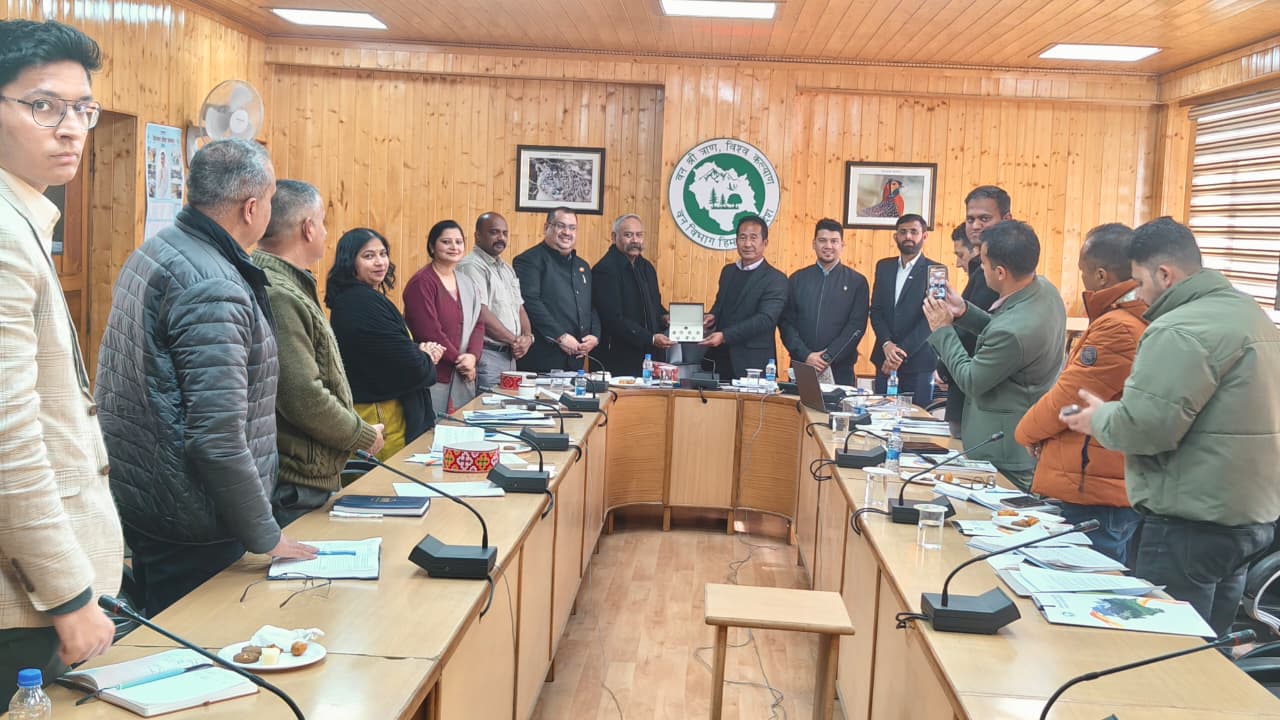
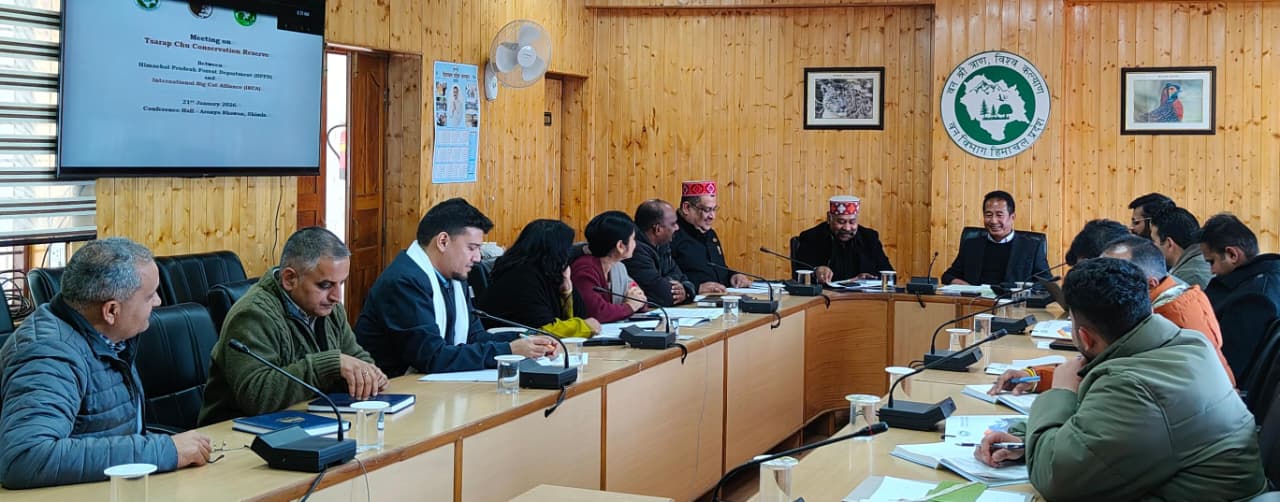
IBCA and Himachal Pradesh Forest Department signed MoU
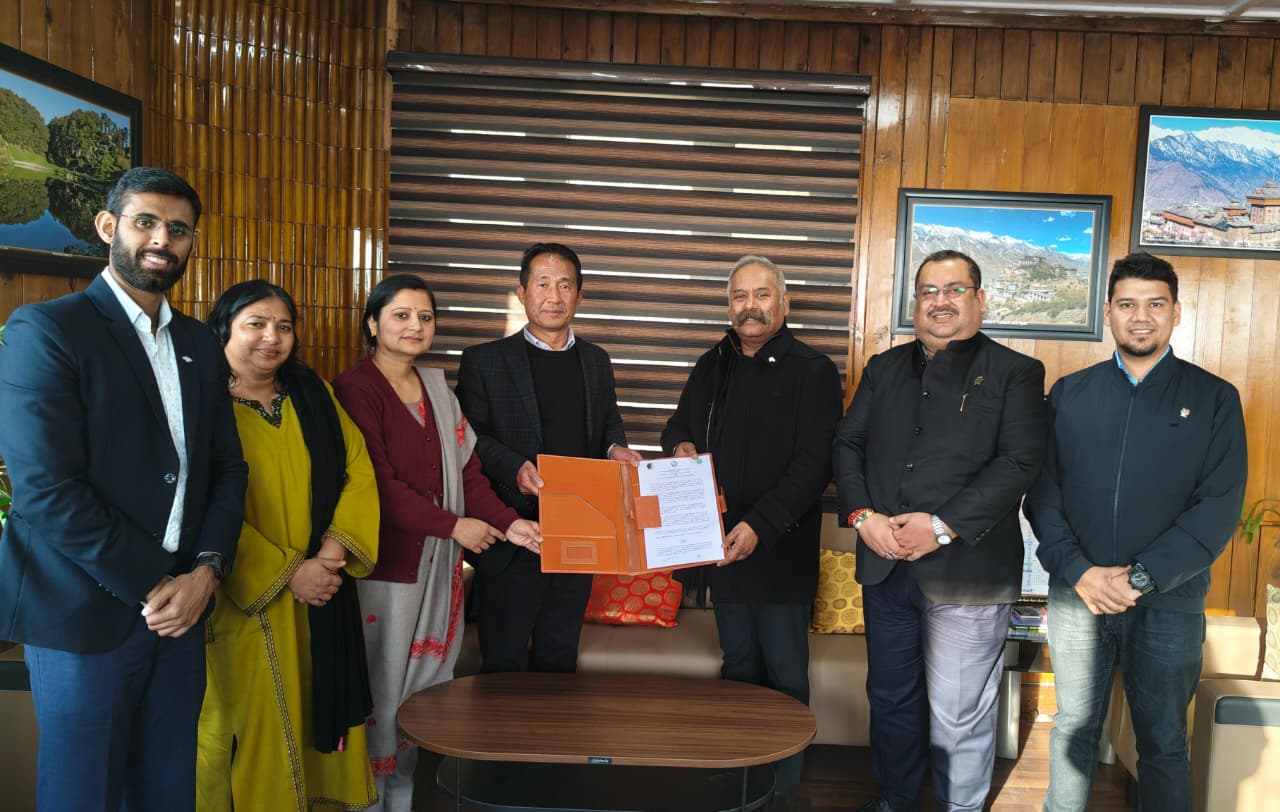
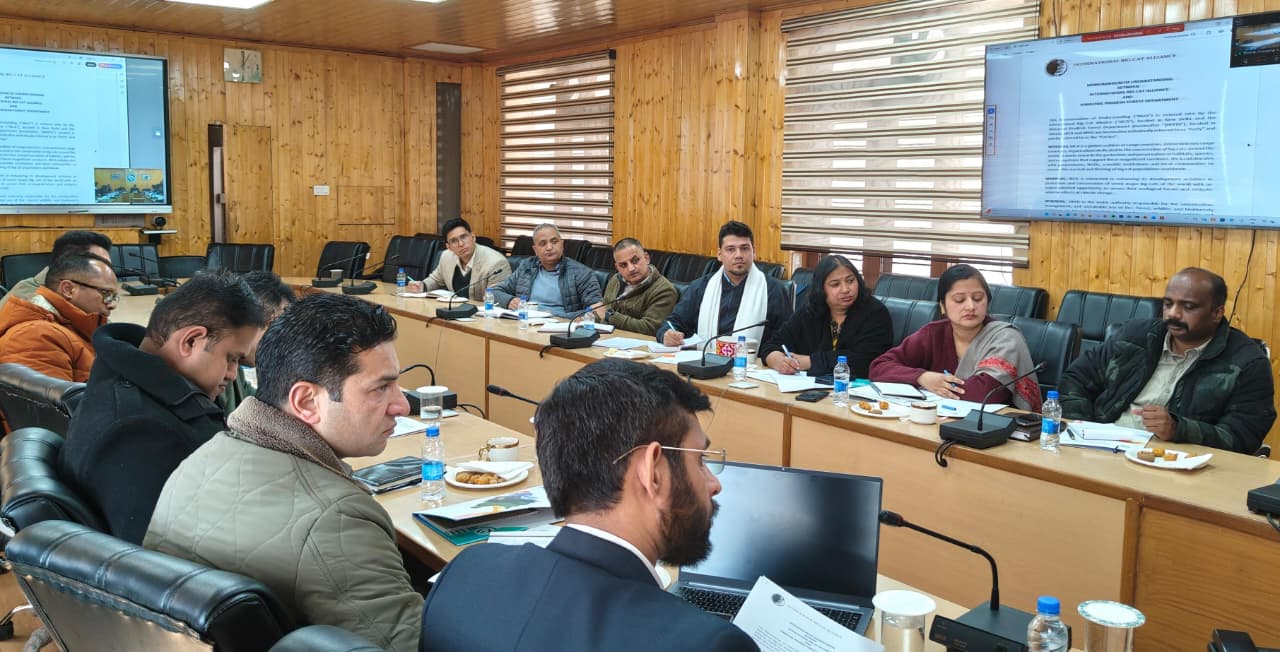
The Himachal Pradesh Forest Department and IBCA have signed an MoU on 21st January 2026 for the establishment of the Tsarap Chu Conservation Reserve, Himachal Pradesh.
This strategic partnership will significantly strengthen Snow Leopard conservation in the State through a holistic, landscape based approach, integrating biodiversity protection, community engagement, and sustainable management.

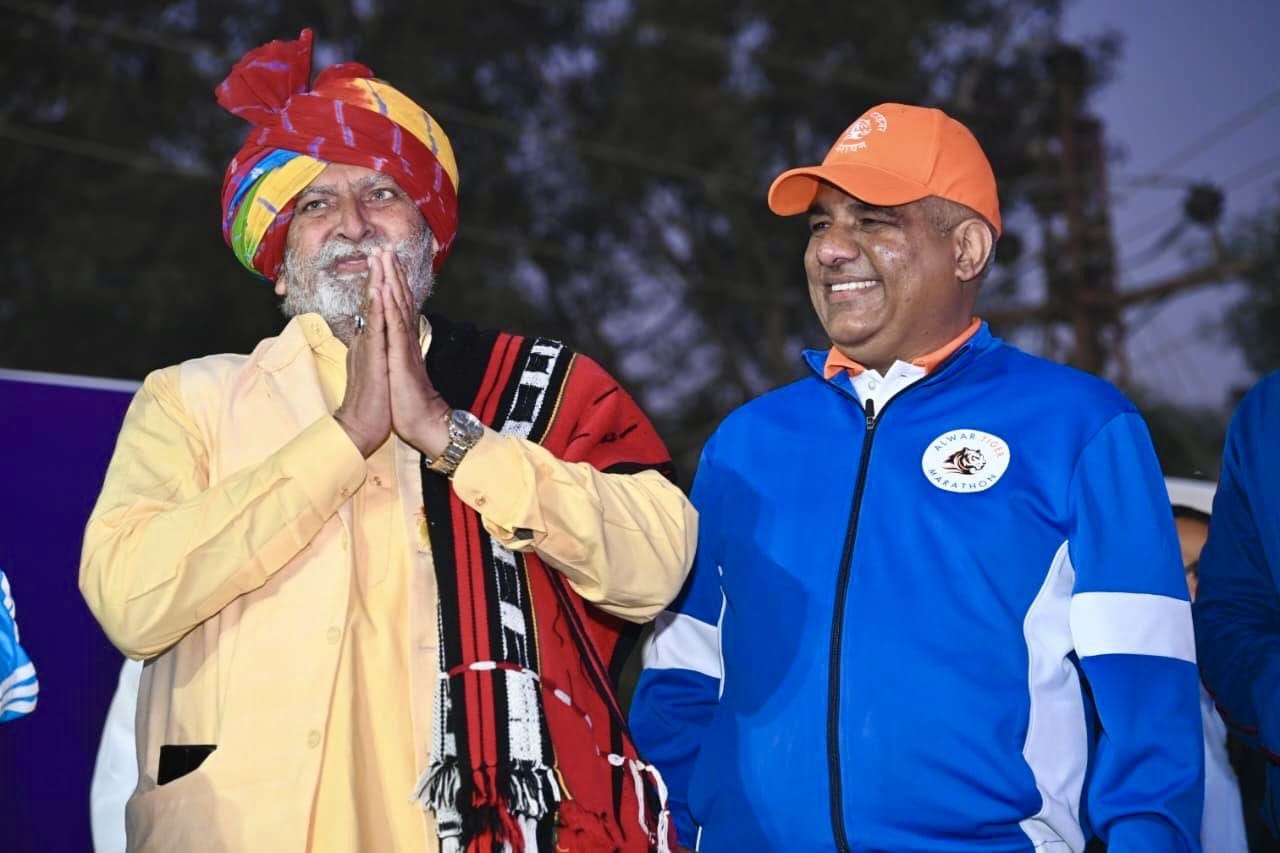
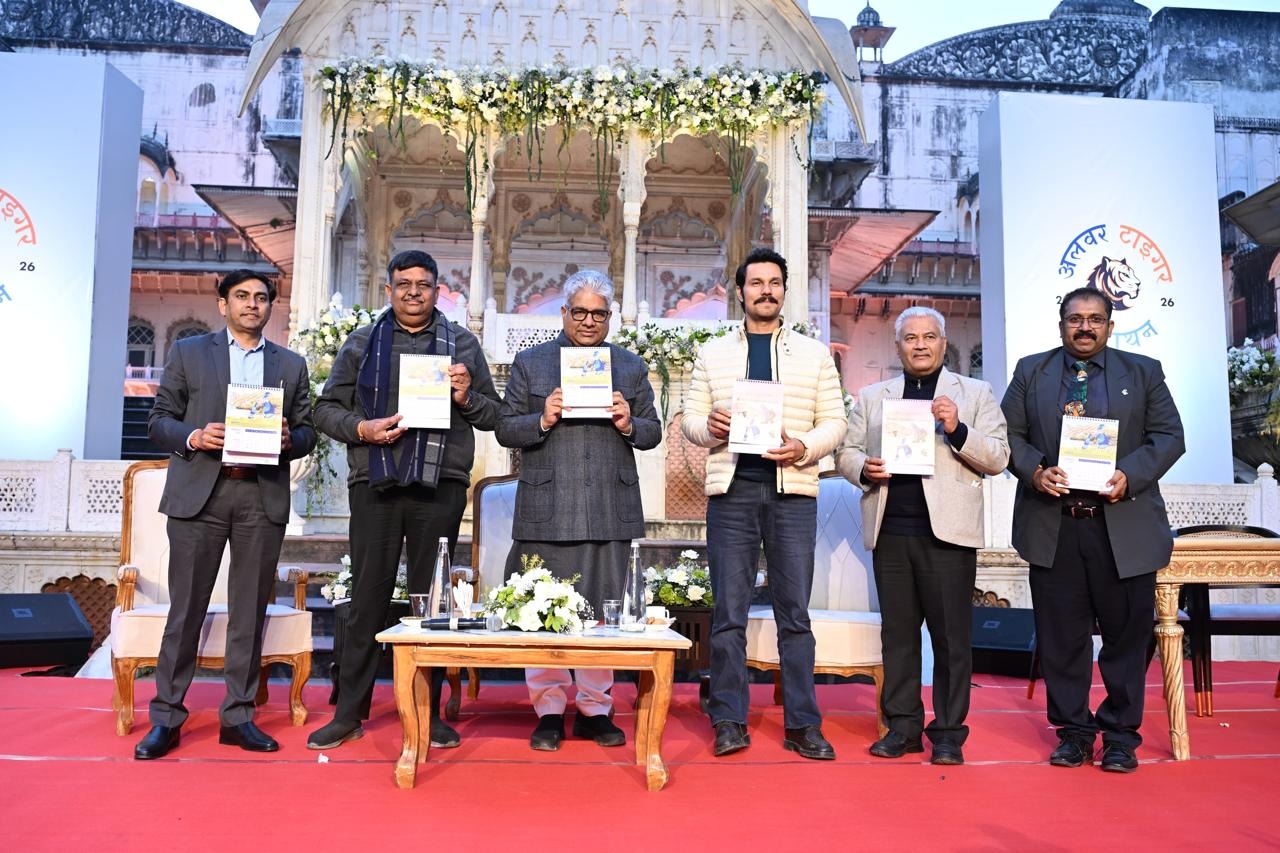
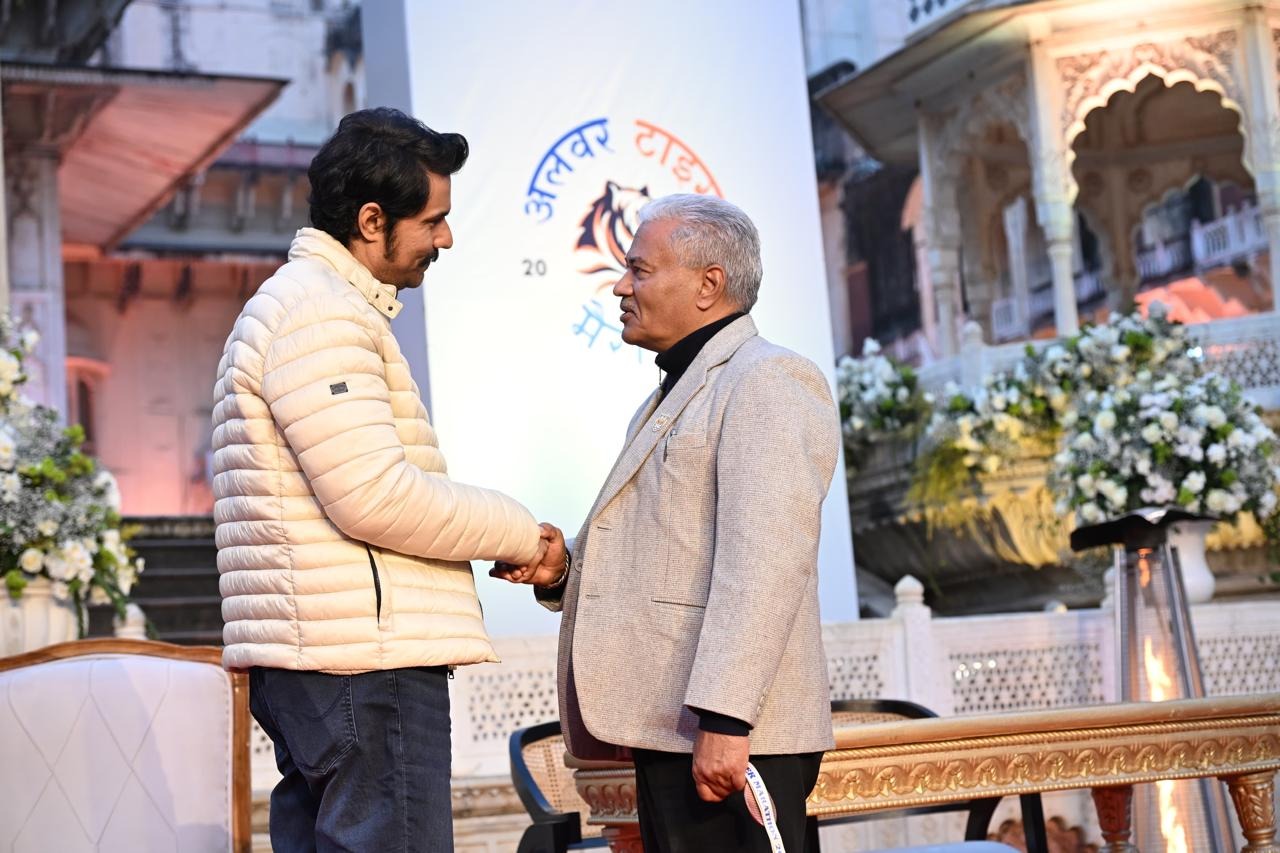
Alwar Tiger Marathon
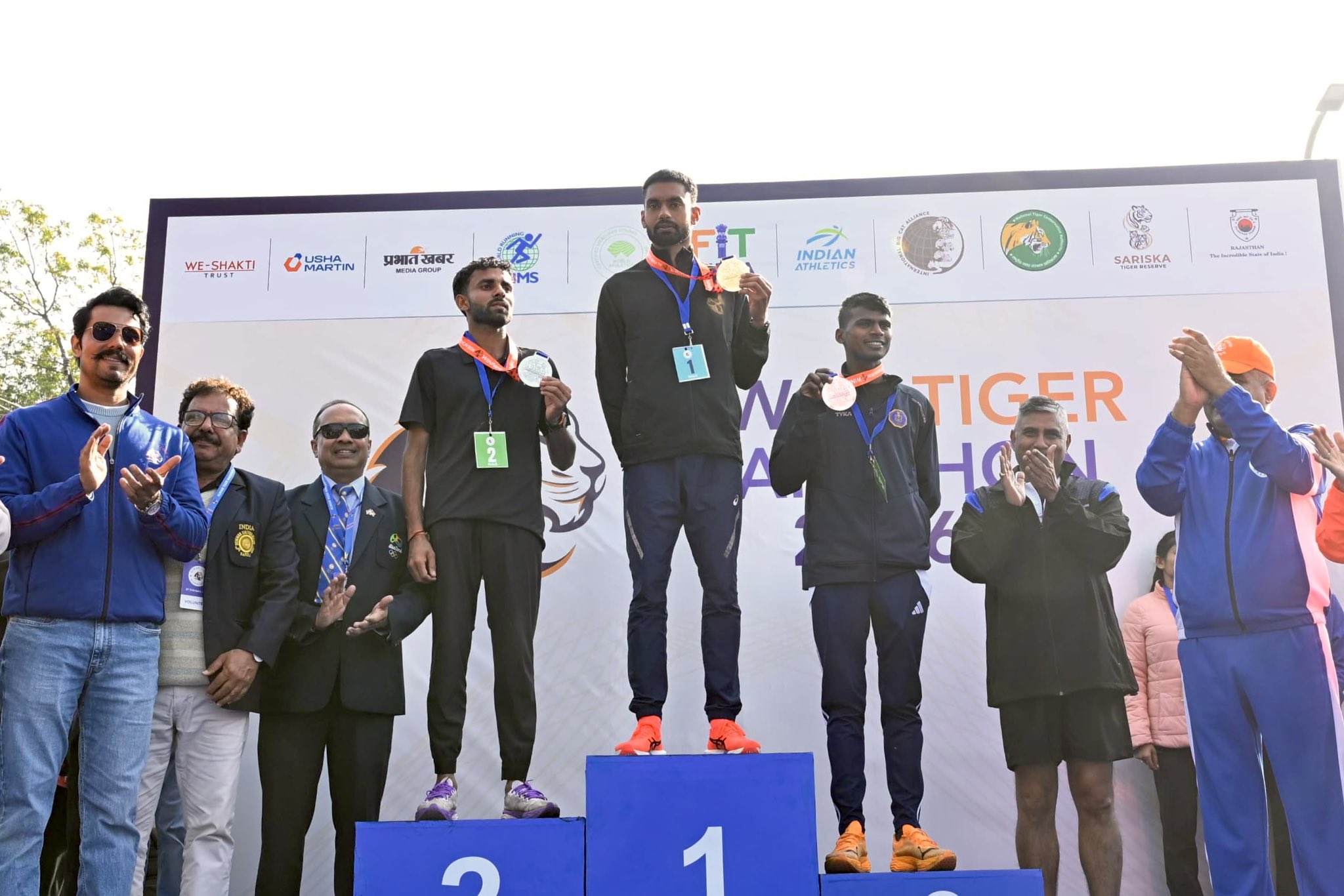
IBCA proudly celebrates the successful completion of the Alwar Tiger Marathon, a flagship
community initiative that combined fitness with environmental awareness.
The event was graced by Shri Bhupender Yadav, Hon’ble Union Minister, Smt Diya Kumari,
Hon’ble Deputy Chief Minister of Rajasthan, Dr SP Yadav, Director General, IBCA, and Mr
Randeep Hooda, Actor & Wildlife Enthusiast, among other dignitaries.
The event featured:
🏁 21 km – International Half Marathon
🏁 10 km – Challenge Run
🏁 5 km – Community Run
🏁 2 km – Para Marathon







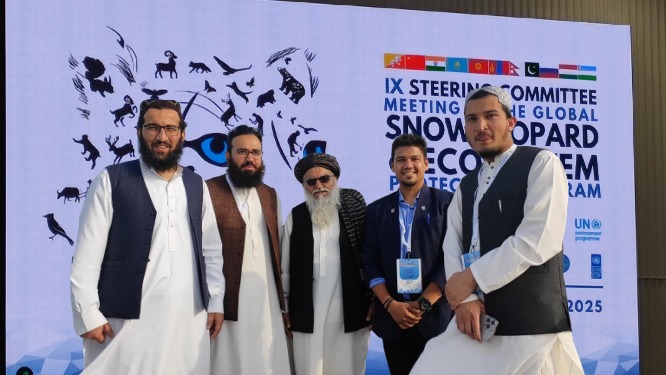
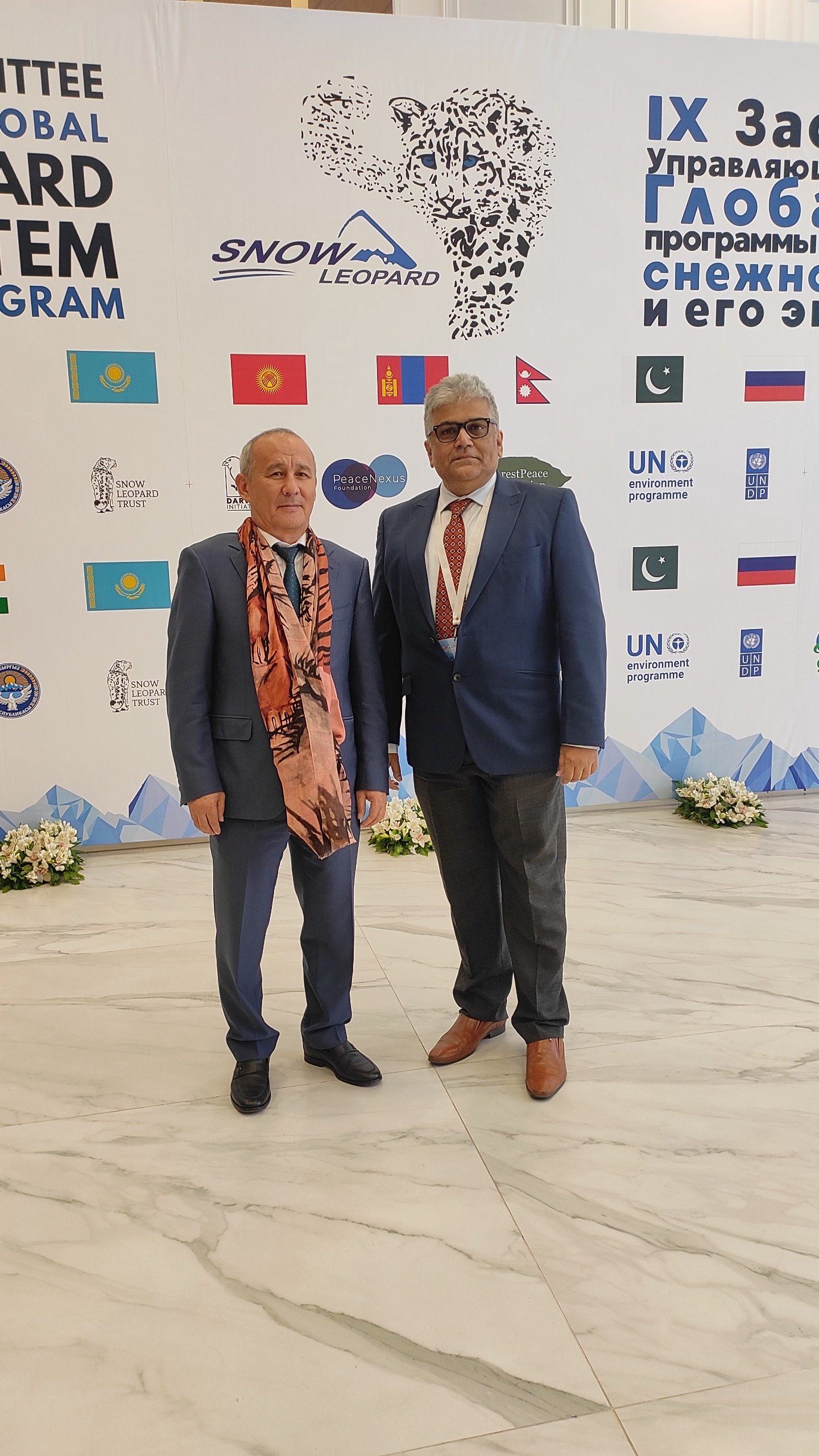
IX Steering Committee Meeting of the Global Snow Leopard and Ecosystem Programme (GSLEP)
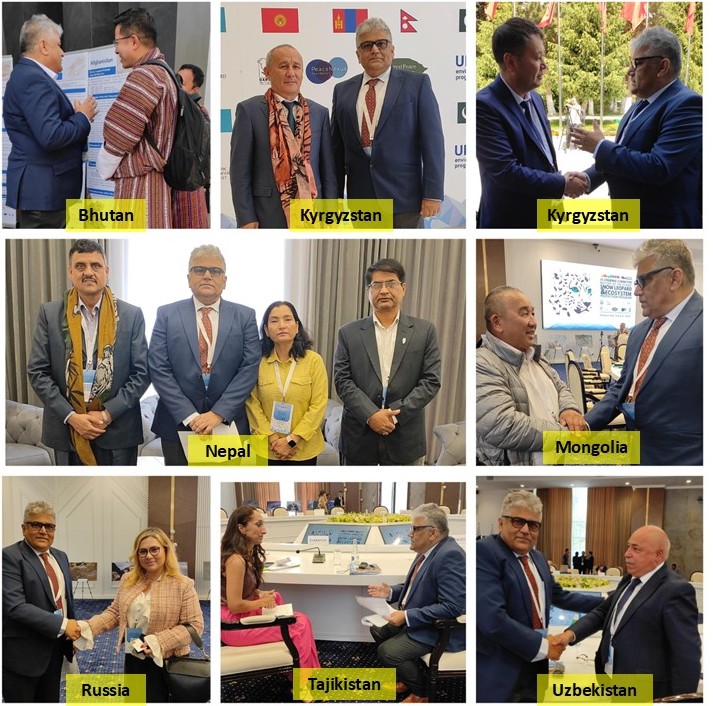
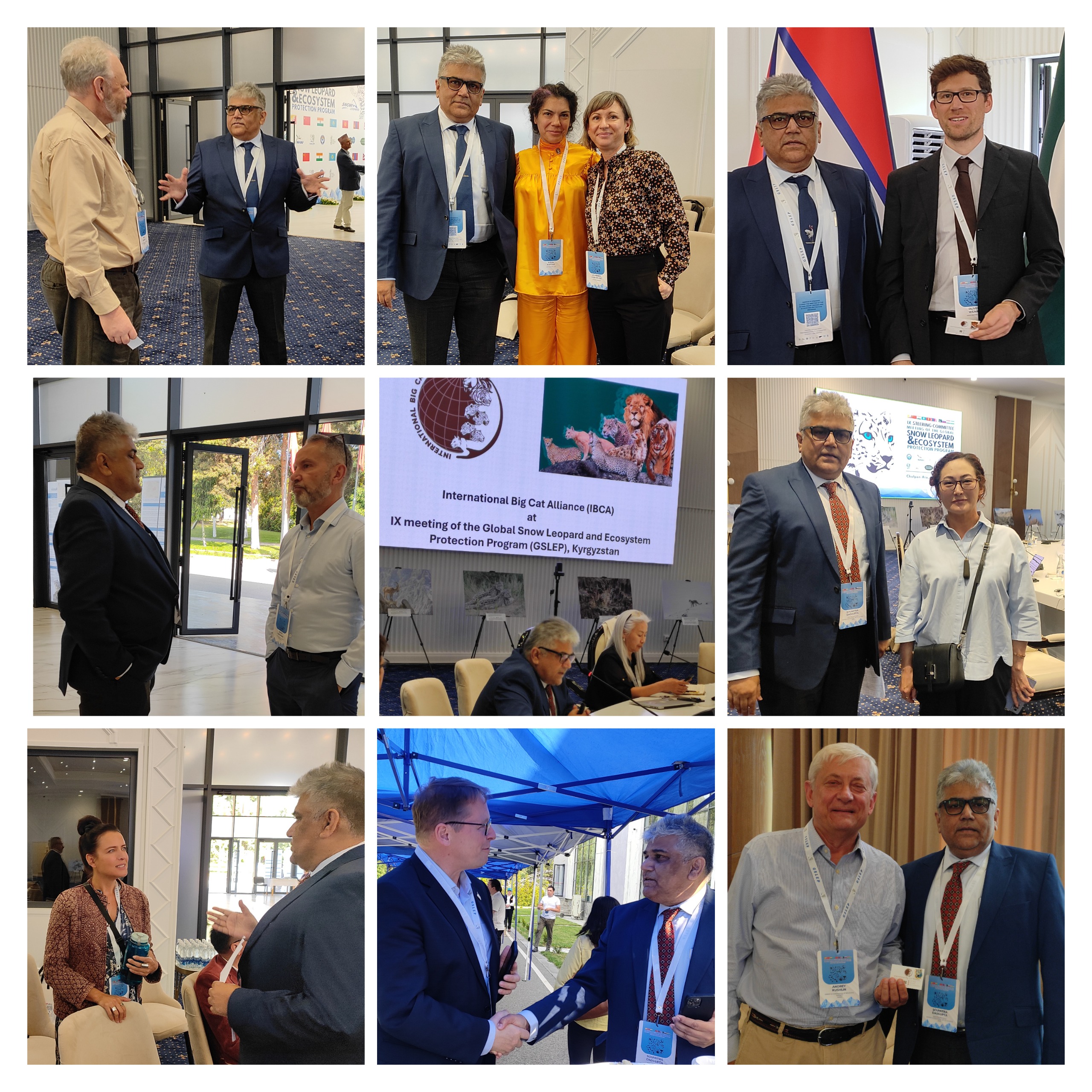
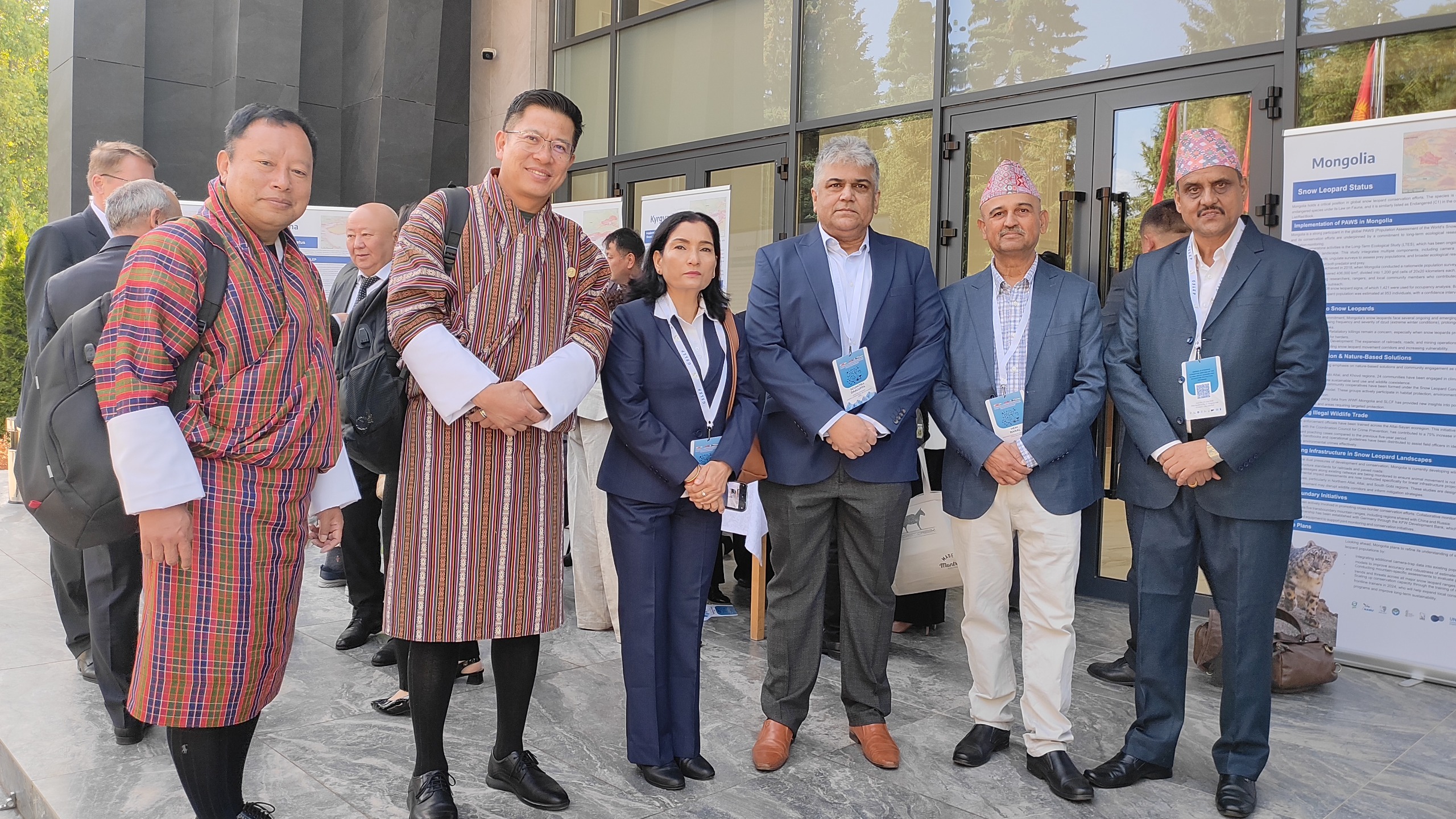
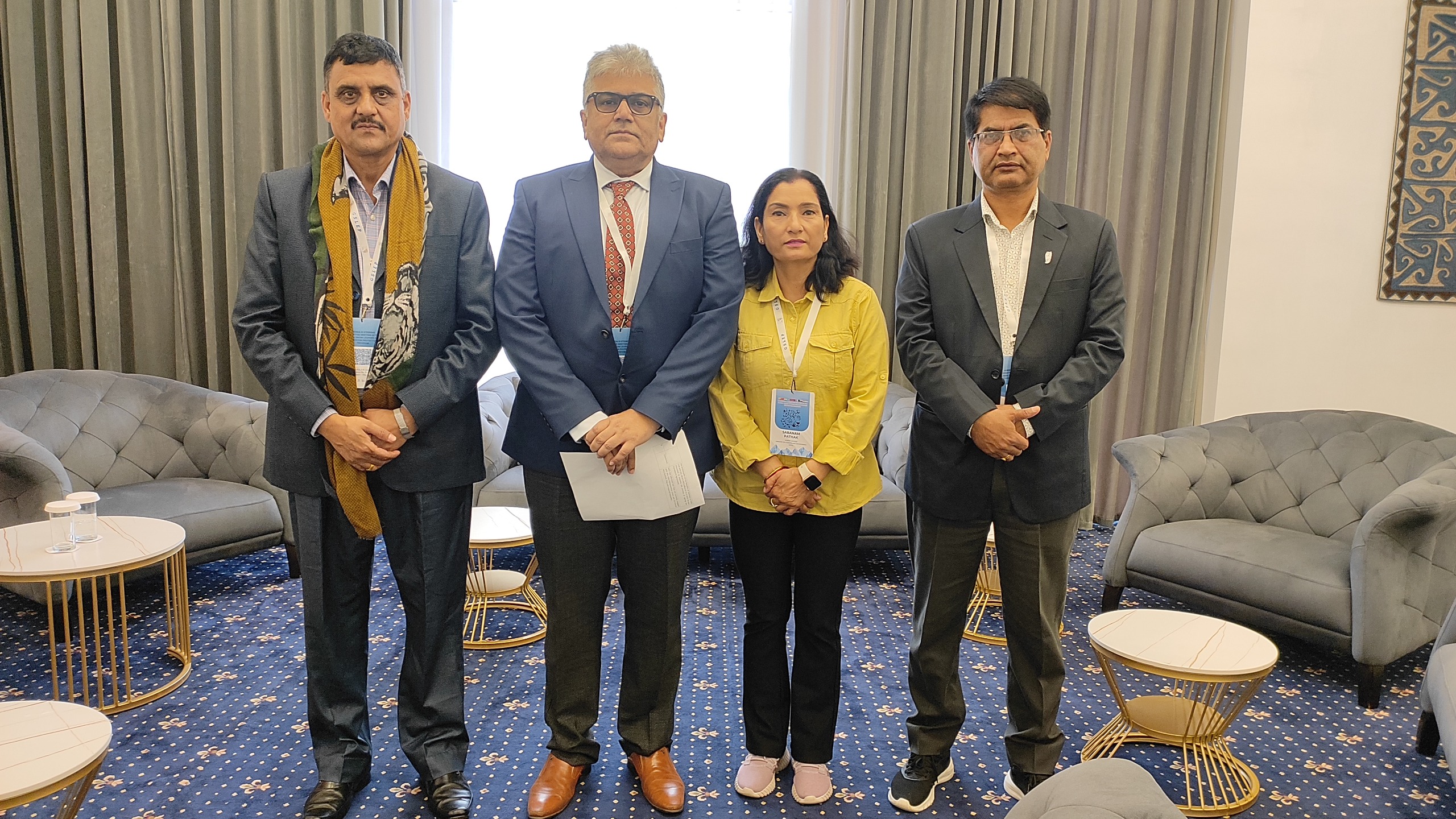
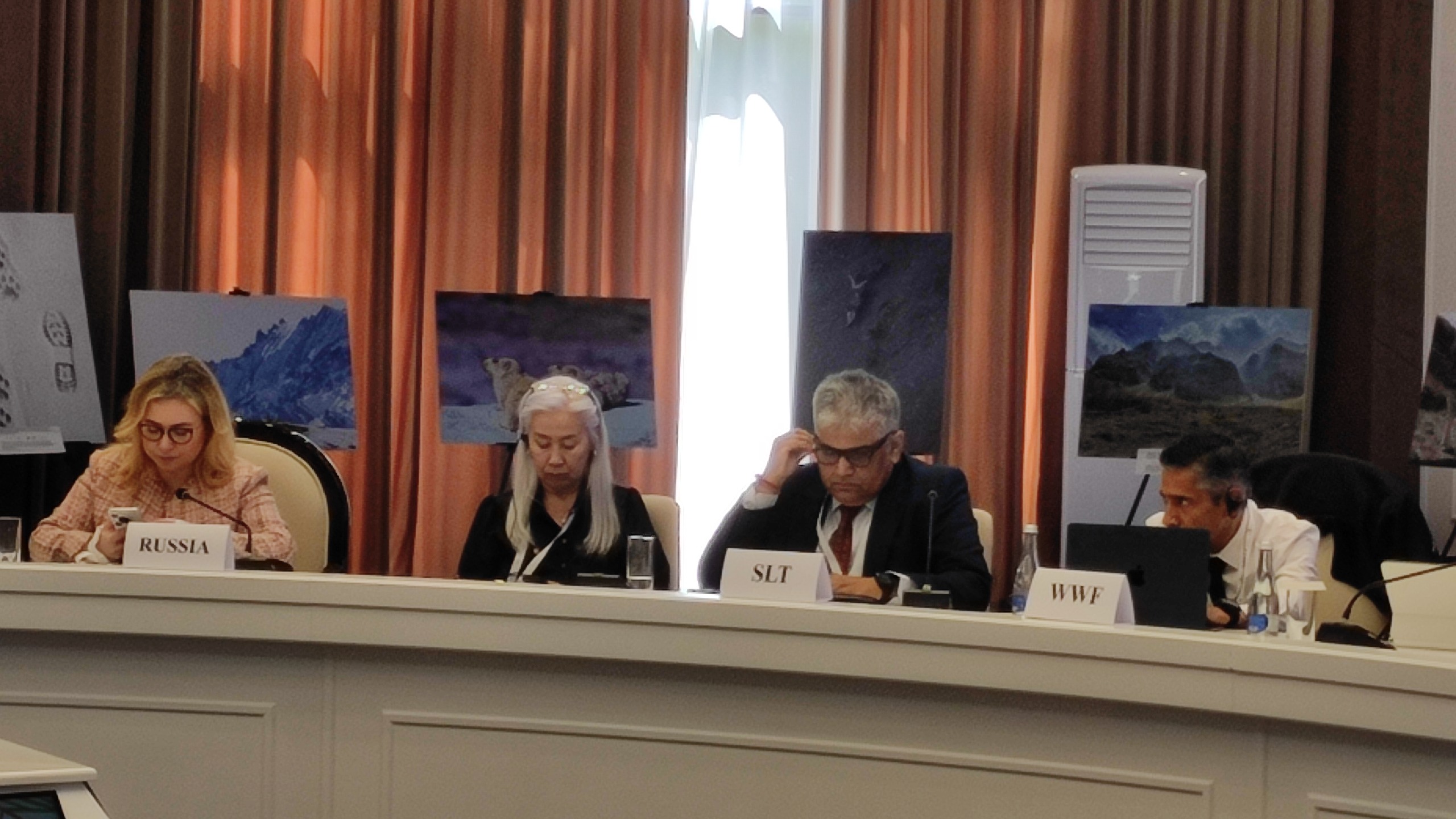
A delegation from the International Big Cat Alliance (IBCA), comprising Mr. Soumitra Dasgupta, Director (Program), and Mr. Aditya Bisht, Programme Associate, participated in the IX Steering Committee Meeting of the Global Snow Leopard and Ecosystem Programme (GSLEP) held in Cholpon-Ata, Kyrgyzstan from 5-6th June, 2025.
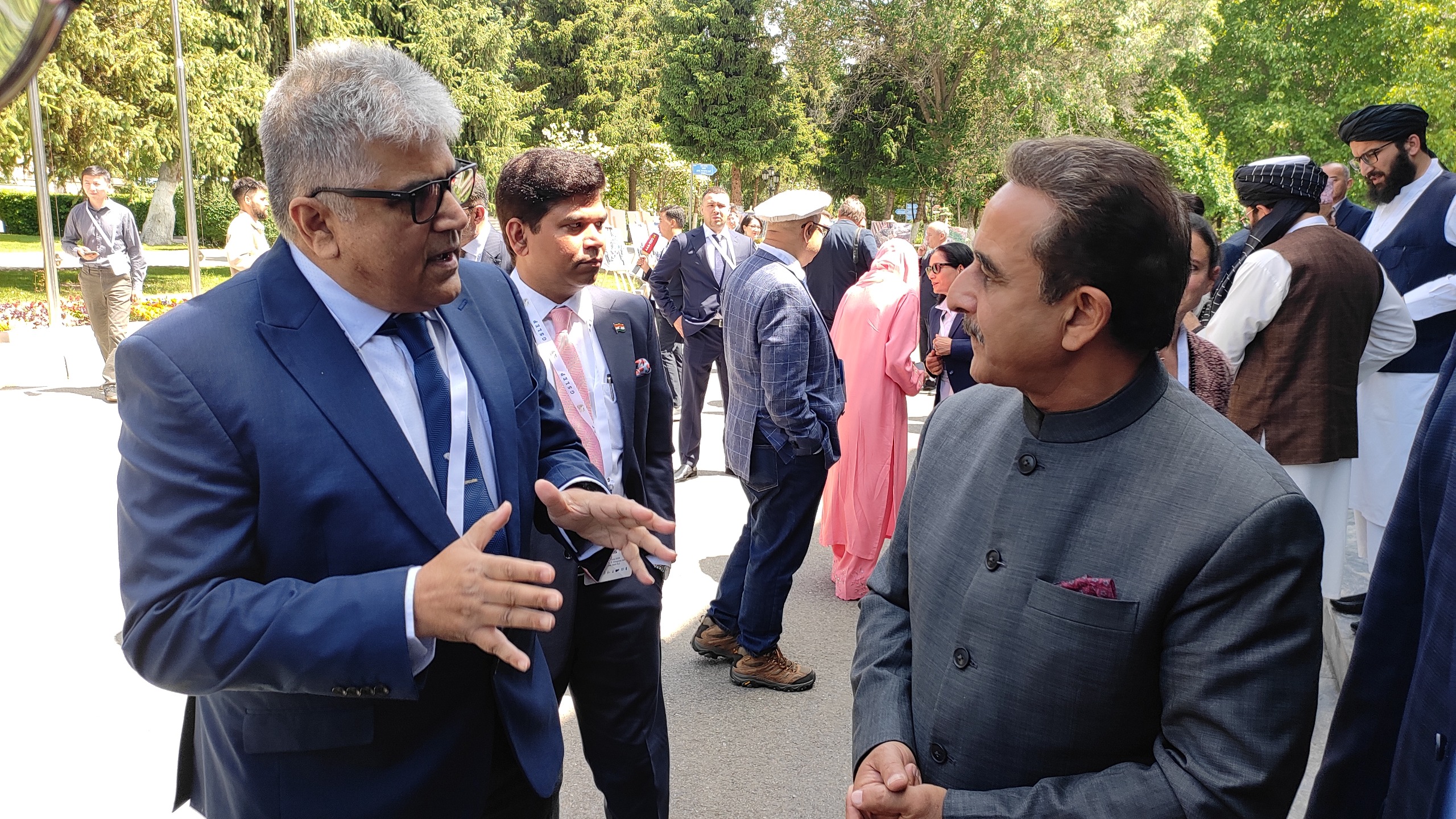
In the sidelines of the meeting, bilateral discussions were held with Hon'ble Ministers and Senior Representatives from Bhutan, Kyrgyzstan, Mongolia, Nepal, Russia, Tajikistan, and Uzbekistan. Meaningful dialogues were held with key international conservation partners, multilateral organizations connected with Snow Leopard conservation including Snow Leopard Trust, WWF International, NABU, UNDP, UNEP, and GEF, where IBCA’s objectives and ongoing initiatives were shared. The IBCA team extended formal invitations to these countries and organizations to join the alliance and work in synergy towards big cat conservation.
These engagements appeared to be extremely fruitful and expected to yield promising outcomes, with the participating countries expressing keen interest and providing assurances of their support and future participation in IBCA’s initiatives. Conservation organizations also conveyed their appreciation for India’s leadership and expressed willingness to explore future collaborations with IBCA.
Mr. Soumitra Dasgupta chaired the session titled “Strengthening Ethical Foundations and Local Community Leadership in Snow Leopard Conservation.” During the session, he emphasized the critical role of integrating ethical conservation practices and empowering local communities as frontline stewards of snow leopard habitats. He also highlighted the potential for meaningful collaboration between IBCA, GSLEP, and the Ethical Conservation Alliance. He extolled on the participation of GSLEP/ ECA in the upcoming International Conference on Big Cats conservation, proposed to be held in India in the month of February, 2026 (tentatively).
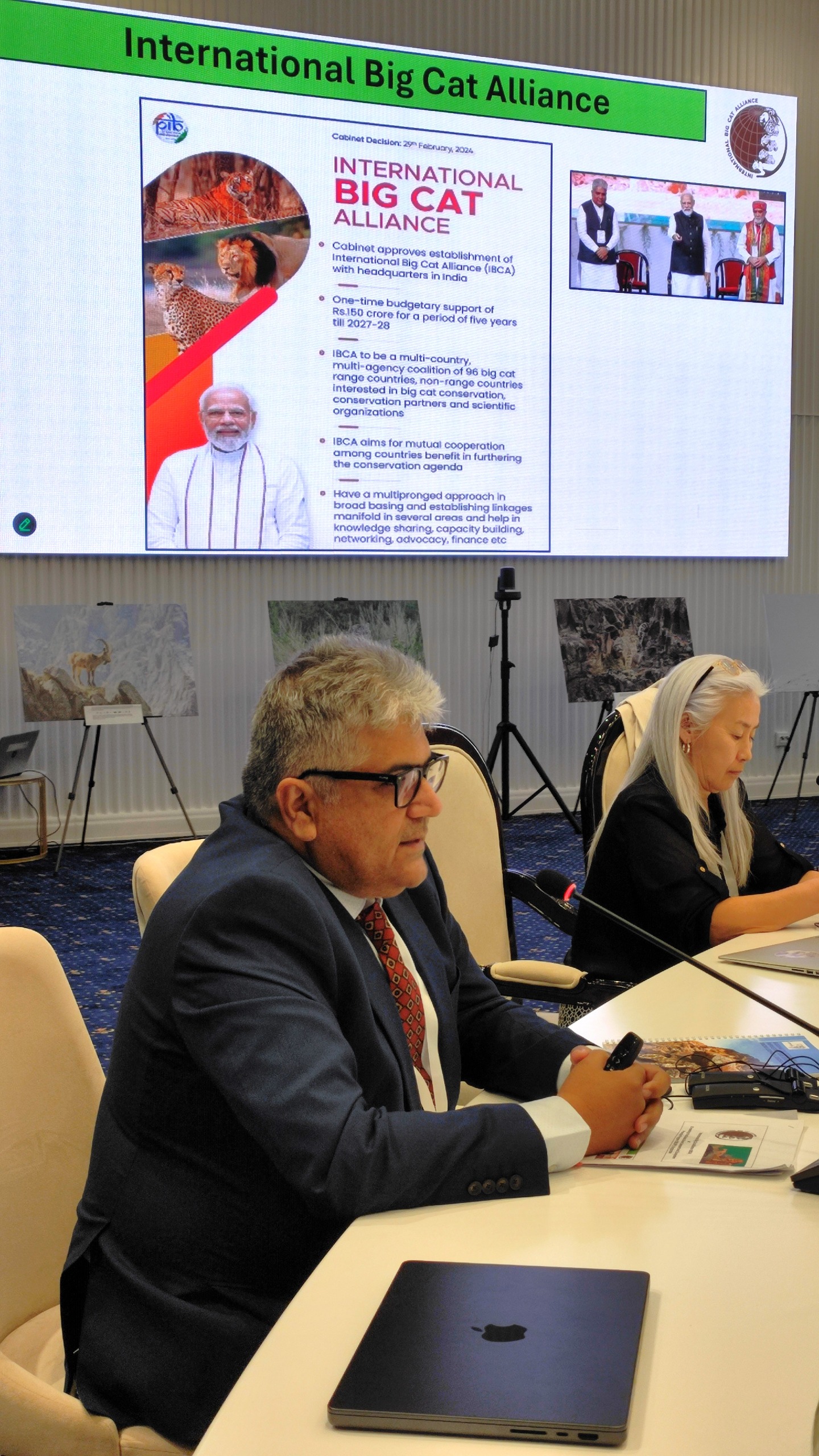
Later in the forenoon, Mr. Soumitra Dasgupta delivered a comprehensive and insightful presentation about the International Big Cat Alliance (IBCA), articulating its vision, mission, and its strategic significance in strengthening big cat conservation globally. He elaborated on IBCA’s objectives, key activities, and collaborative approach in addressing conservation challenges, particularly for snow leopard, due to habitat loss, human-wildlife conflict, illegal wildlife trade, and the threat of climate change.
He elaborated on the unique role of IBCA as a global conservation alliance, led and supported by Hon’ble Prime Minister of India for inclusive conservation action, bringing together 95 big cats range countries, international organizations, and financial institutions to pool resources, share best practices, and foster collective action for the conservation of seven major big cat species and their habitats.
During the presentation, appeal was made to the Snow Leopard range countries and international conservation partners to consider formally joining IBCA, thereby becoming active contributors to this global movement. He urged that collective participation would not only strengthen conservation outcomes but would also demonstrate solidarity towards the protection of shared ecological heritage. A significant outcome of the meeting was the adoption of the Cholpon-Ata Resolution, which emphasized enhancing financial mechanisms for climate adaptation and conflict mitigation, with a particular focus on supporting Indigenous peoples and local communities. Importantly, the resolution made reference to IBCA, signalling growing recognition of its role and indicating the potential for future collaboration with GSLEP and the Ethical Conservation Alliance.
The participation of IBCA in the IX Steering Committee Meeting of GSLEP was highly productive and strategically significant. It provided an excellent platform to strengthen diplomatic and conservation partnerships, enhance the visibility of IBCA on the international stage, and lay the groundwork for further collaborations in the future.
International Steering Committee Meeting
The inaugural meeting of the International Steering Committee (ISC) of the International Big Cat Alliance (IBCA) was convened on April 16, 2024, in New Delhi, India, under chairmanship of Dr. S.P. Yadav, Interim Head IBCA. This significant gathering saw participation from fourteen countries, the Republic of Armenia, People's Republic of Bangladesh, Kingdom of Bhutan, Kingdom of Cambodia, Republic of Ecuador, Arab Republic of Egypt, Federal Democratic Republic of Ethiopia, Republic of India, Republic of Kenya, Democratic Republic of Malaysia, Federal Republic of Peru, Republic of Suriname, Republic of Uganda and Special Representative of Federal Republic of Mexico and seven partner organizations: Global Tiger Forum, International Union for Conservation of Nature (IUCN), Sankala Foundation, United Nations Development Programme (UNDP), Wildlife Institute of India, World Bank, and World Wide Fund for Nature (WWF) India.
The ISC meeting reviewed the proposed items included in the agenda and recommended them to the Assembly for adoption and ratification. Key items on the agenda included discussions and decisions on administrative arrangements, the Framework Agreement, Rules of Procedure for the Assembly, manual regulations, IBCA Branding, the Work Plan, and the Budget. Each item was deliberated upon comprehensively, ensuring that the decisions were made collaboratively with input from all assembly members.
This meeting marks a pivotal step in the operationalization of IBCA's Mission and Vission to protect and conserve big cat species globally, demonstrating the collaborative effort and commitment of member countries and partner organizations.
International Alwar Tiger Marathon
IBCA is proud to partner in organising the 'International Alwar Tiger Marathon', scheduled for 8 February 2026, reinforcing our shared global commitment to Big Cats conservation. Safeguarding Big Cats is essential for healthy ecosystems & sustainable future. We invite everyone to be a part of this unique event and run in support of the global cause of Tiger Conservation, while embracing the Hon’ble Prime Minister Shri Narendra Modi's FitIndia mantra, for a healthier nation alongside a healthier planet.

The World Lion Day
International Big Cat Alliance
UNFCCC COP 29
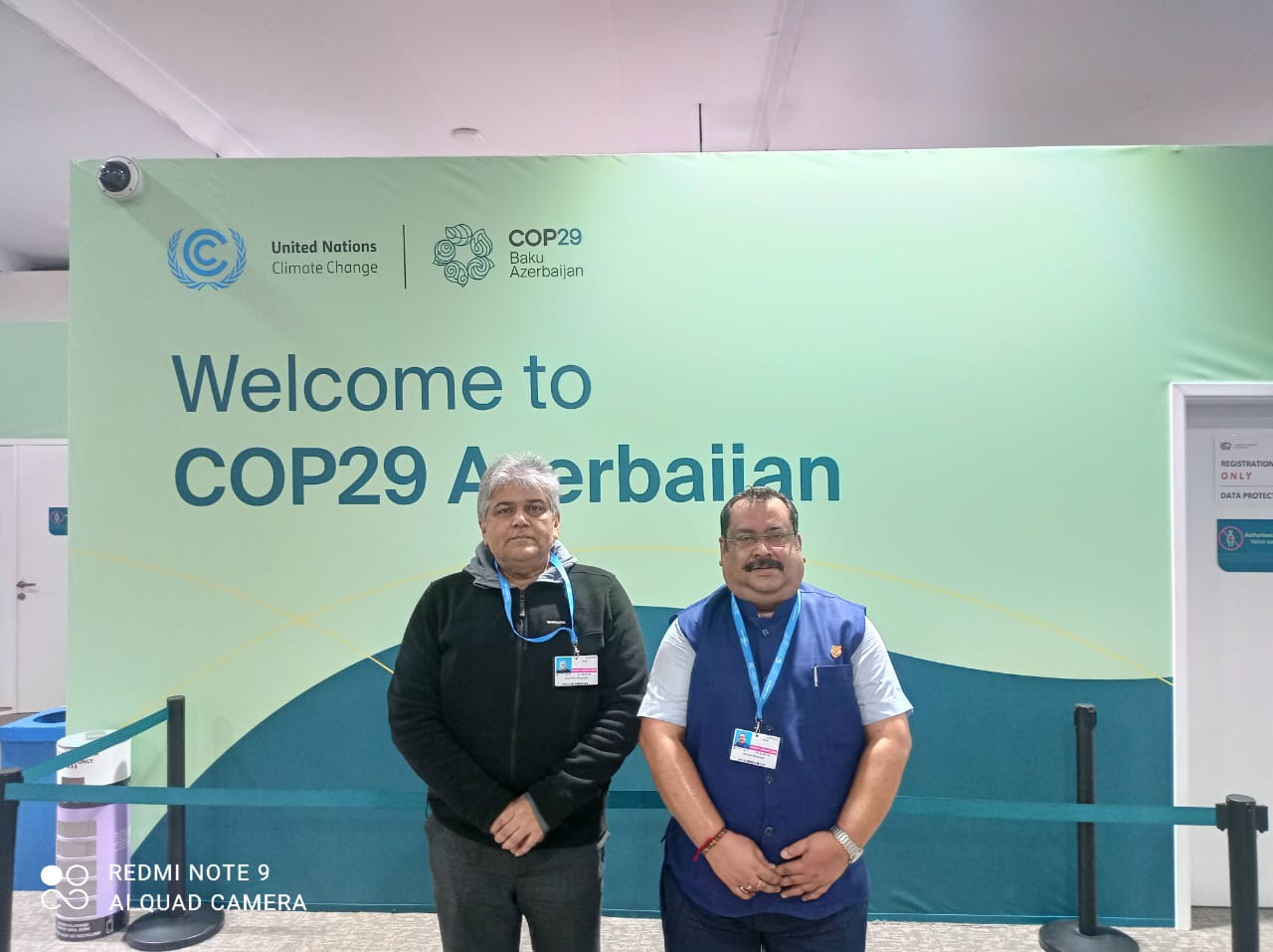
Mr. Soumitra Dasgupta, Director (Program) and Dr. Kausik Banerjee, Lead Specialist, International Big Cat Alliance (IBCA) represented IBCA at the UNFCCC COP 29 held at Baku, Azerbaijan. IBCA organized one side event on “The Intersection of Conservation and Development: The Role of the International Big Cat Alliance in Safeguarding Wildlife Corridors” on 14-11-2024 at the pavilion of Coalition of Disaster Resilient Infrastructure (CDRI) in Blue Zone of COP 29.
The key speakers for the session were Mr. Stewart Maginnis from IUCN and Dr. Koustubh Sharma from Global Snow Leopard Ecosystems Protection Program (GSLEP).
The session highlighted the critical importance of wildlife corridors in maintaining genetic diversity and ensuring the survival of big cat populations. Experts emphasized the need for integrated landscape management to connect fragmented habitats and facilitate safe movement for big cats. The need for robust policies and legal frameworks to protect wildlife corridors was a major takeaway. Panellists called for stronger collaboration between governments, NGOs, and international organizations to ensure the effective implementation of conservation policies. Innovative financing mechanisms, including carbon credits and public-private partnerships, were discussed as potential solutions to address funding gaps for safeguarding big cat landscapes and called for sustained financing in climate change issues, directly impacting biodiversity conservation.
The session also showcased how potentially IBCA can encourage member nations to work together to minimize the negative effects of linear infrastructure on wildlife corridors by focusing on capacity building and sharing best practices, particularly in developing economies. The IBCA's advocacy is likely to persuade countries to prioritize conservation in their development plans. The session highlights the imperativeness of maintaining delicate balance between conservation and development through the prism of the majestic big cats.
Potential Impact of the Side Event Organized by IBCA
- Enhanced Organizational Visibility & Outreach: The event will boost IBCA's profile, reaching a wider audience and strengthening its presence in the field of sustainable infrastructure.
- Knowledge Sharing: Valuable insights will be gained from experts on best practices and innovative solutions for mitigating the impacts of linear infrastructures.
- Networking: Connections with leading organizations, professionals, and policymakers will foster collaborations, enabling more effective and sustainable infrastructure projects and supporting IBCA's objectives.
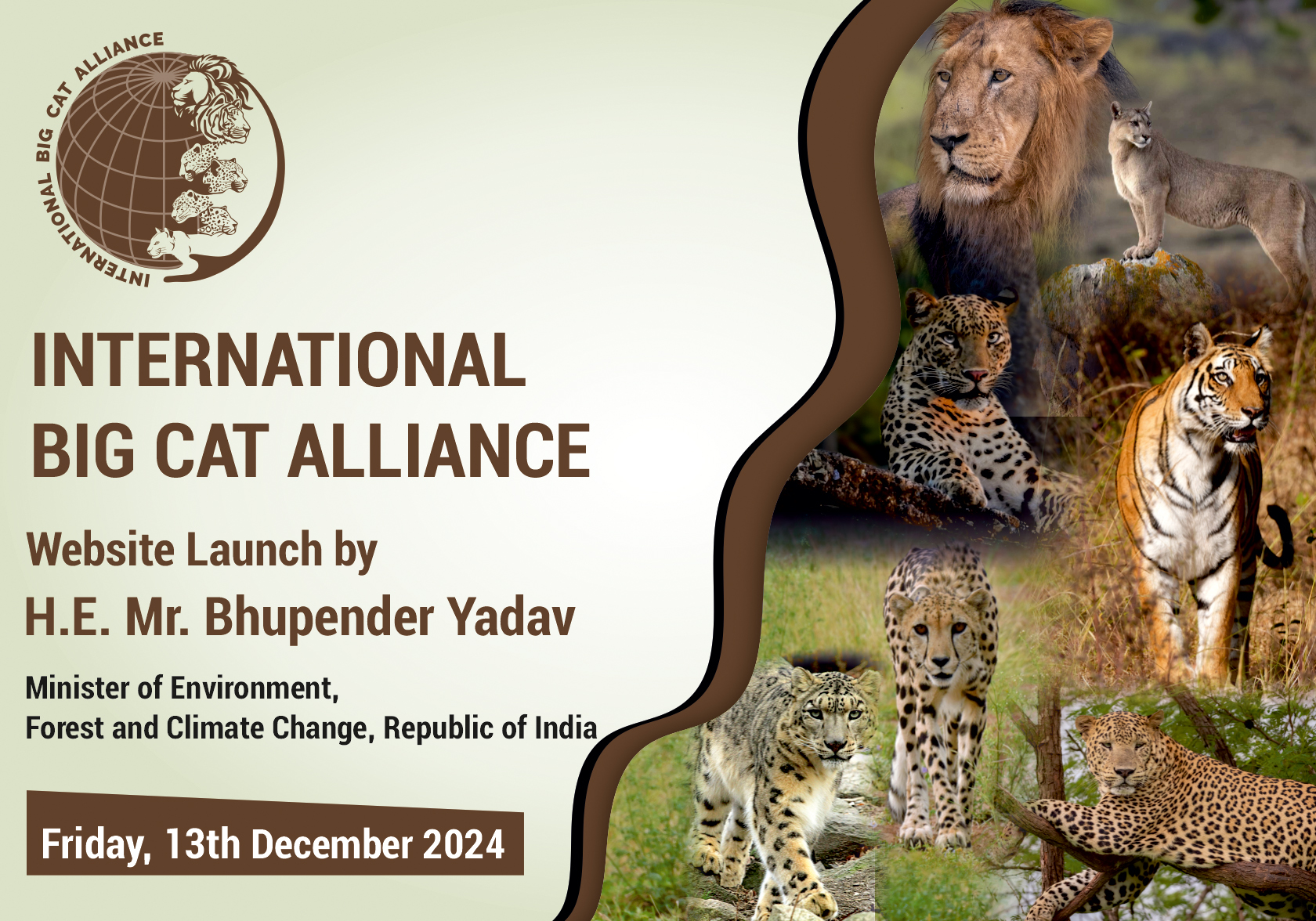
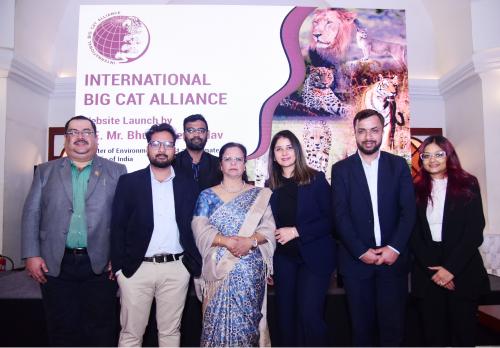
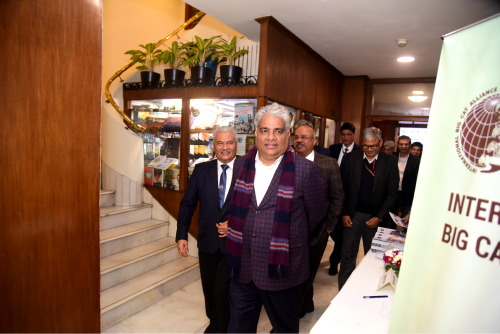
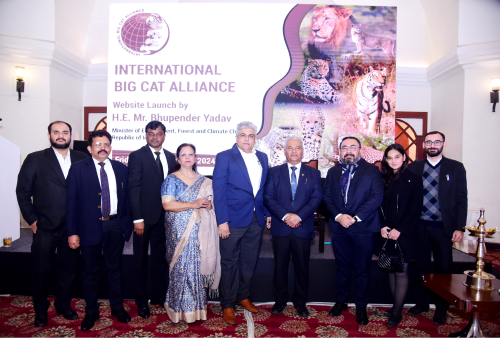
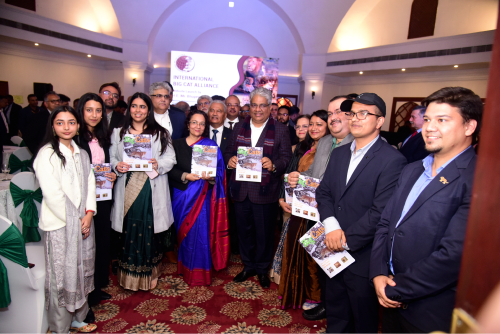
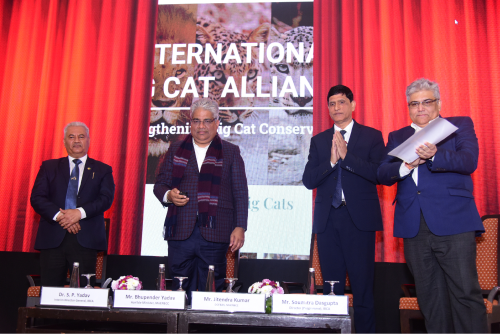
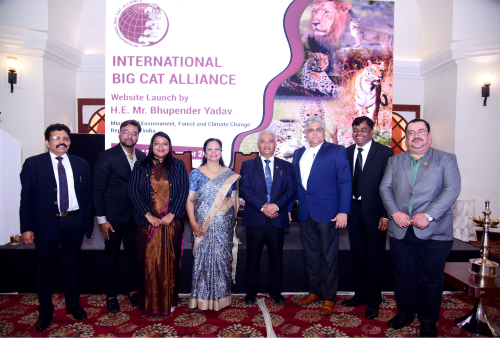
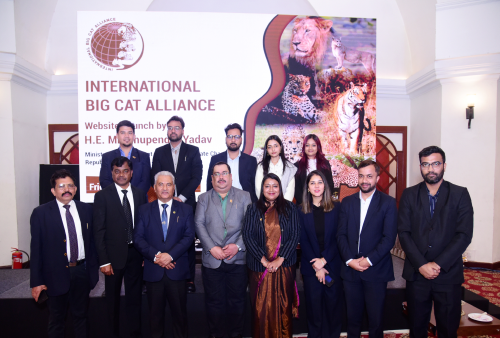
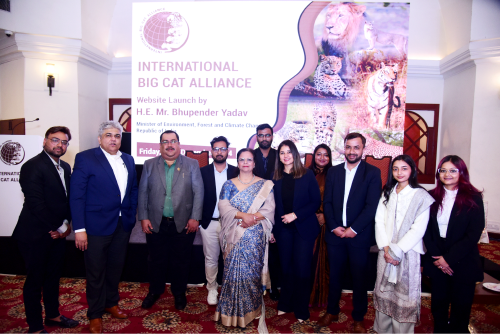
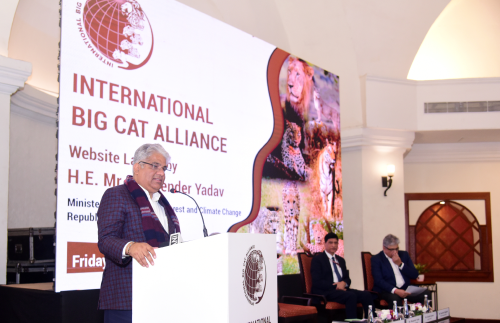
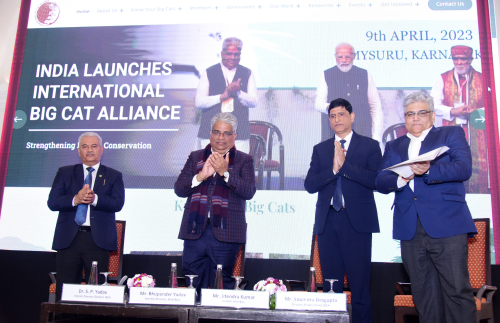
International Big Cat Alliance Website Launch
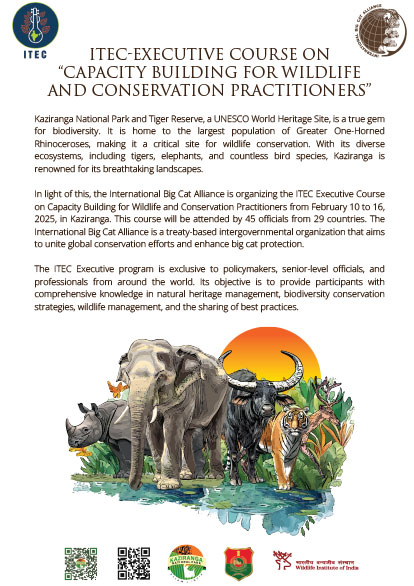
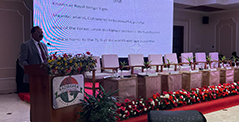
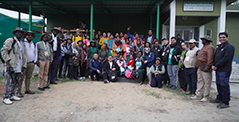
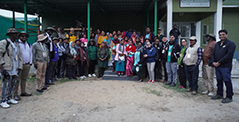
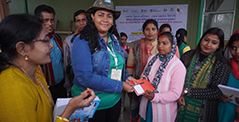
ITEC Executive Course




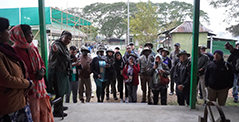
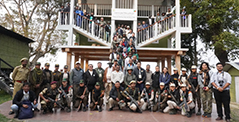


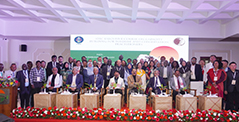
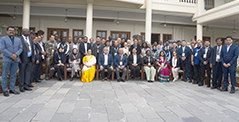
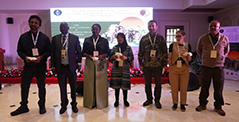

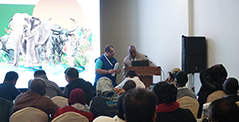
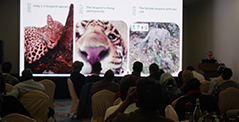
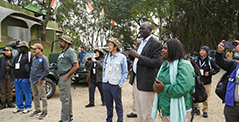
First launch of IBCA magazine
Conference in Panna Tiger Reserve Madhya Pradesh
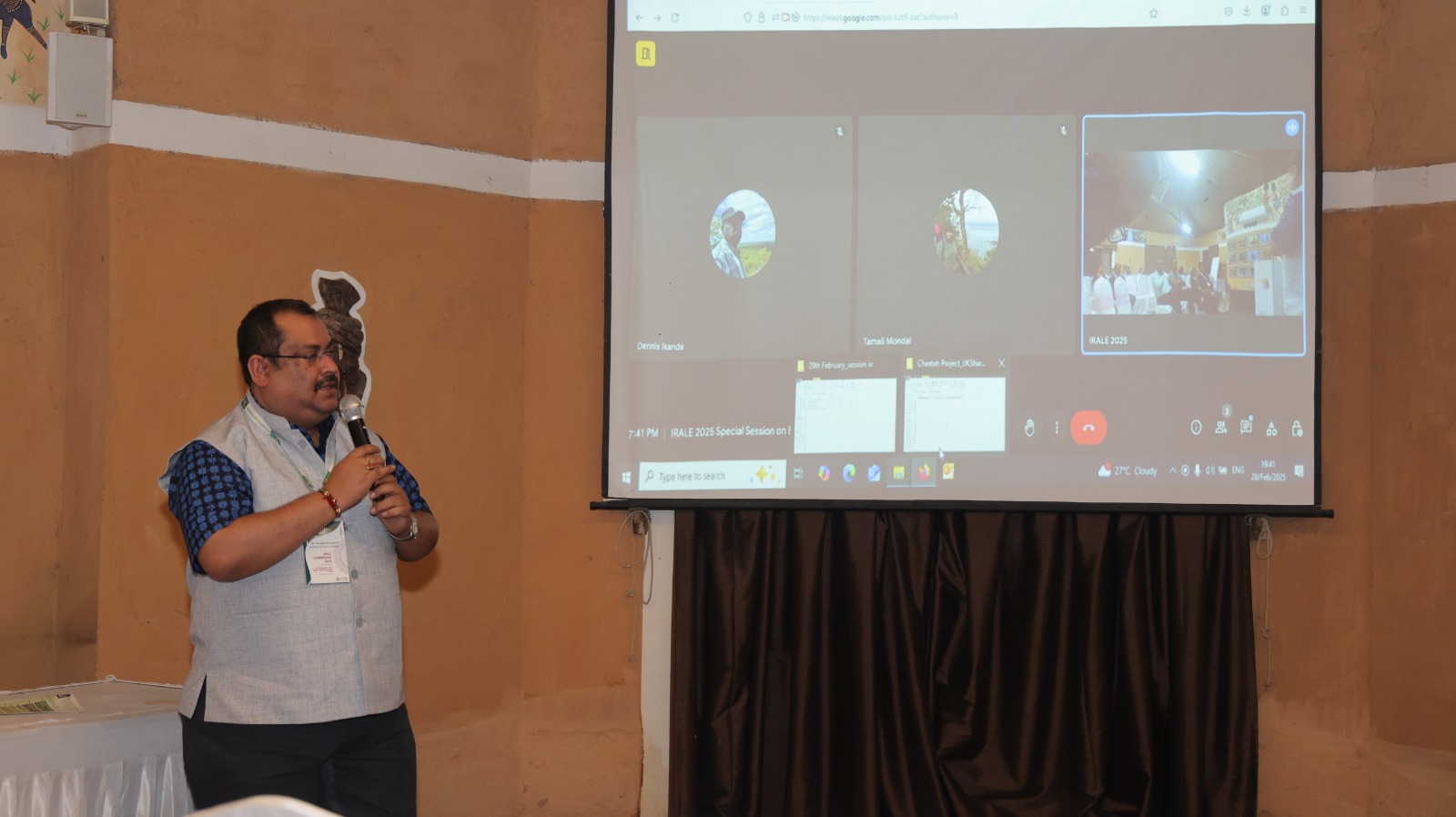
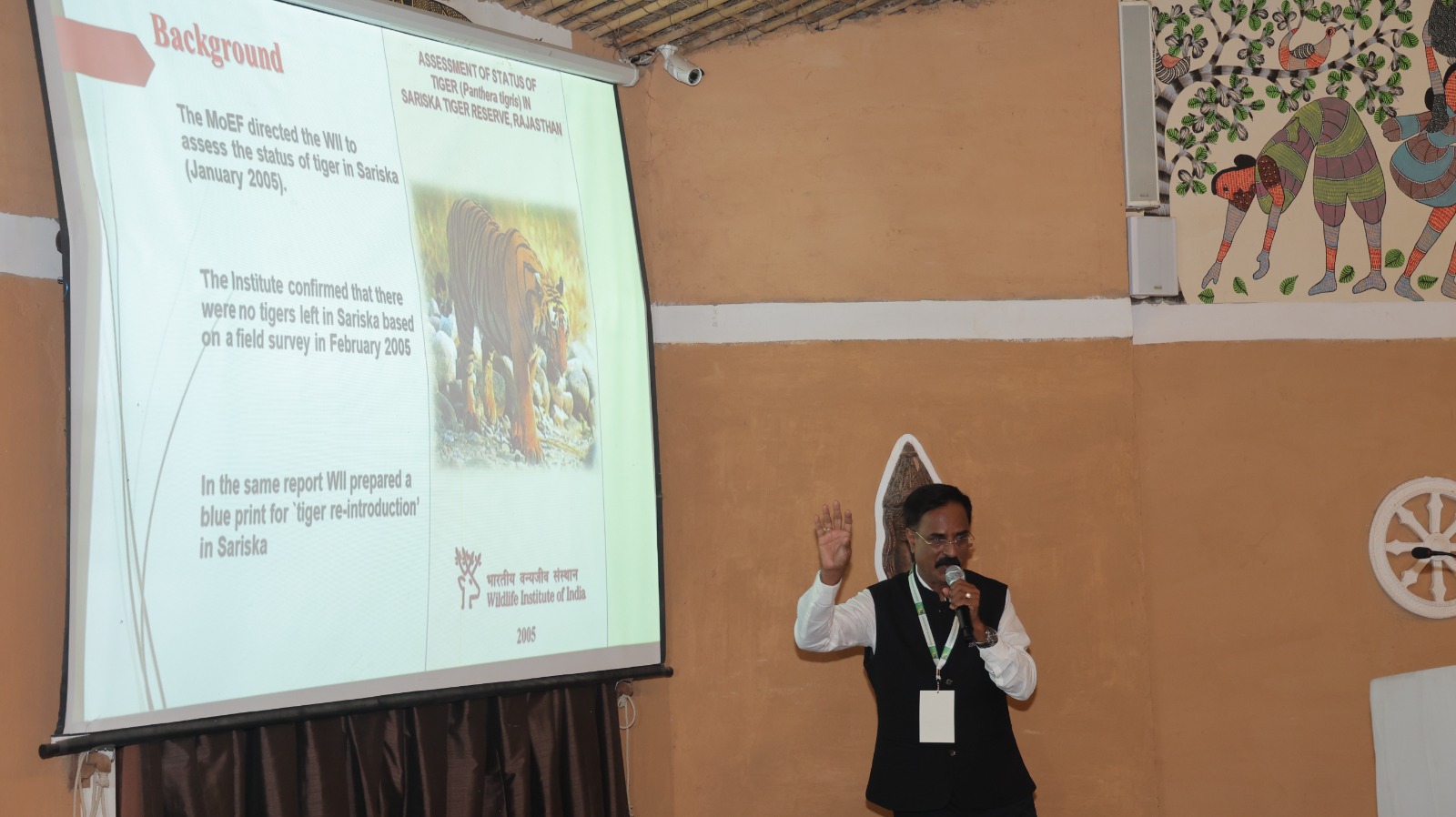
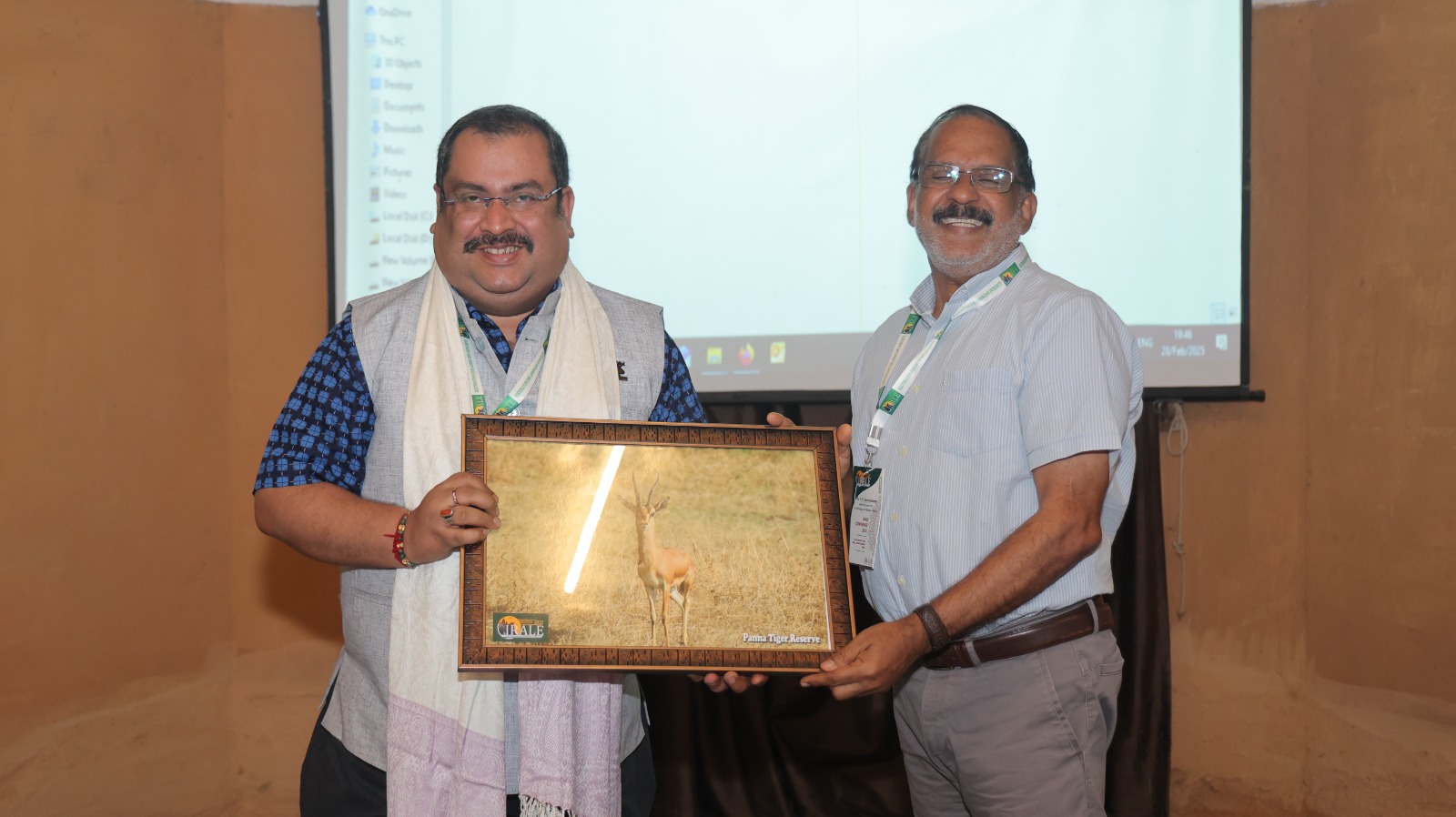
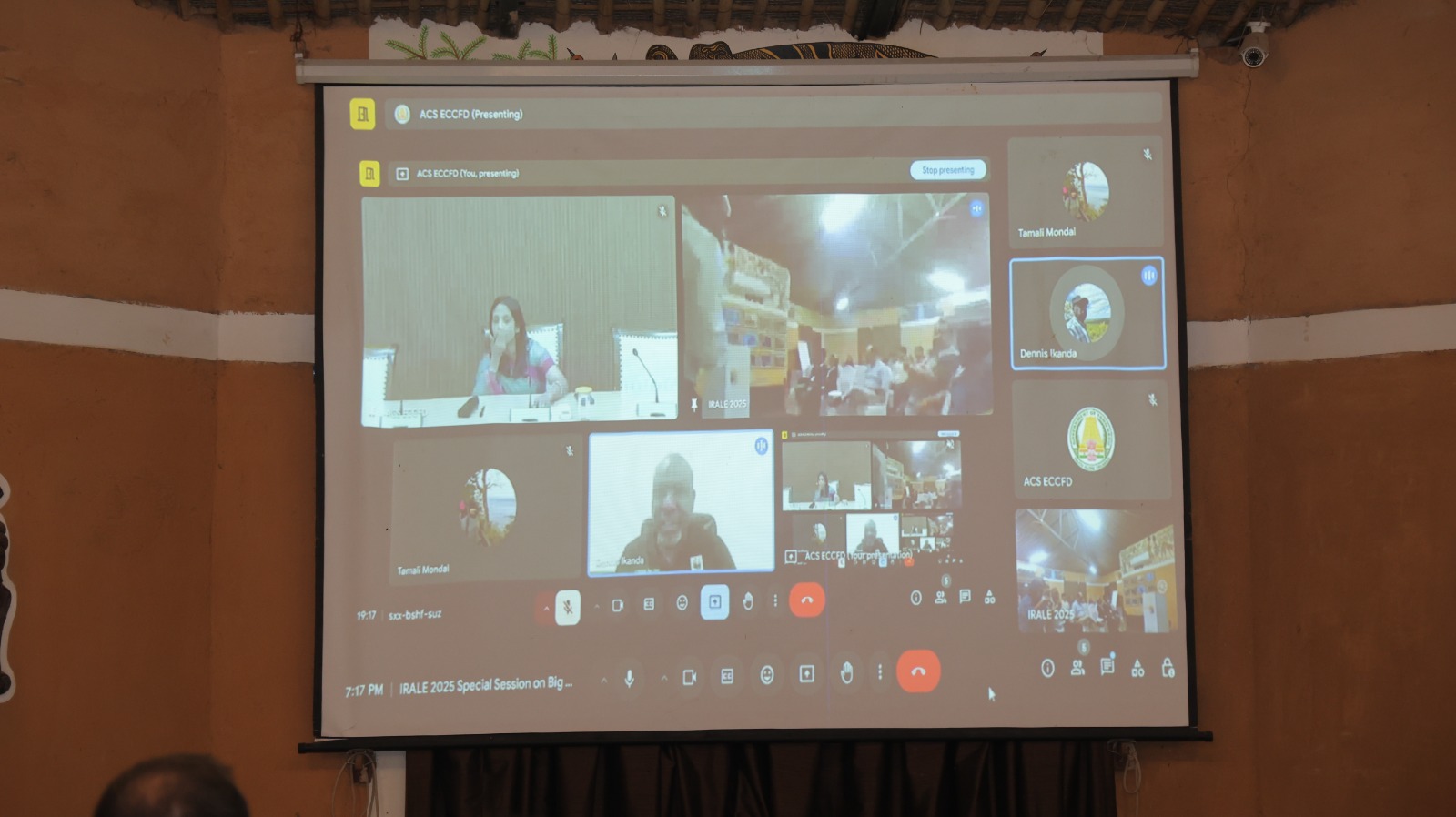
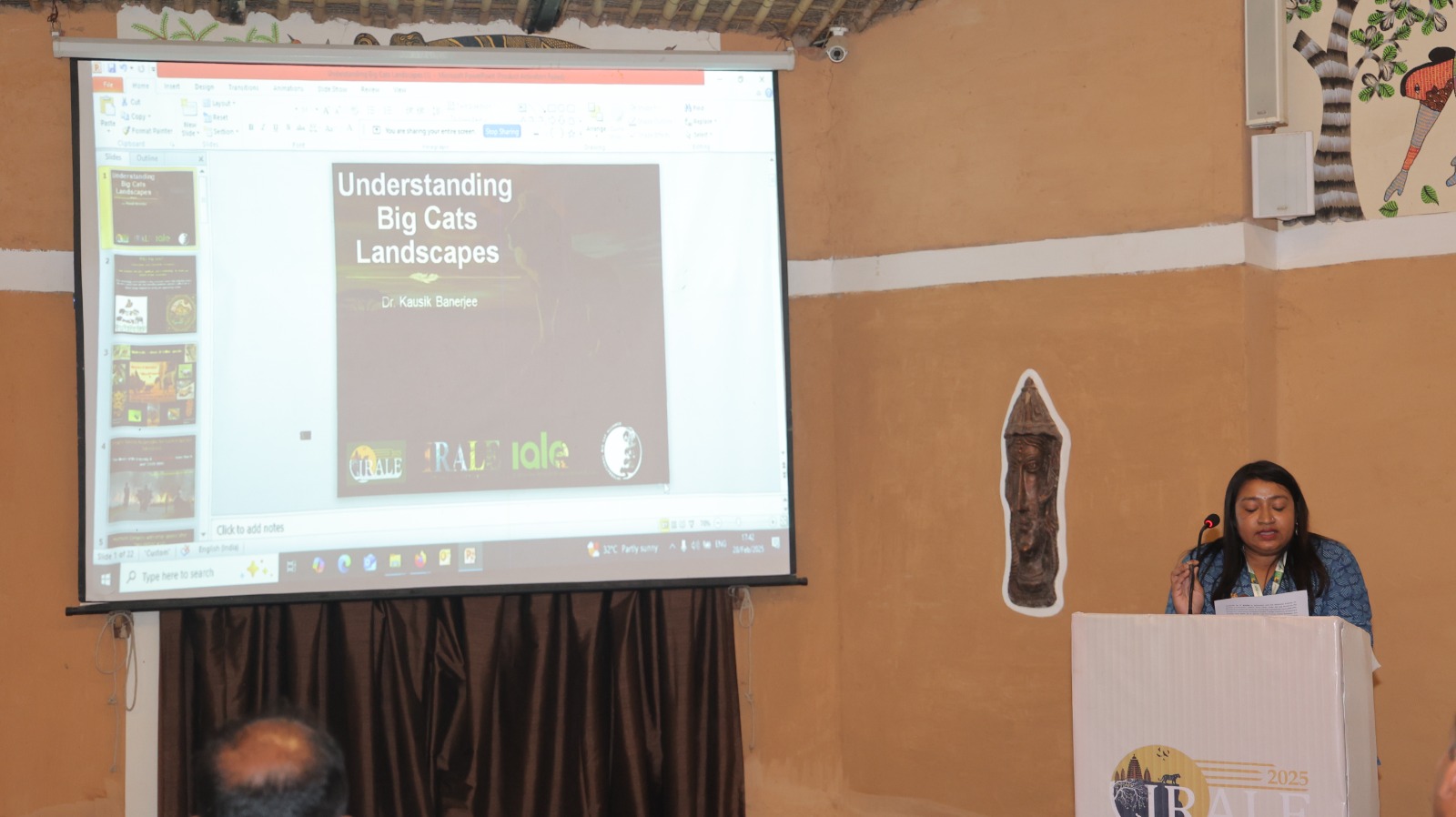
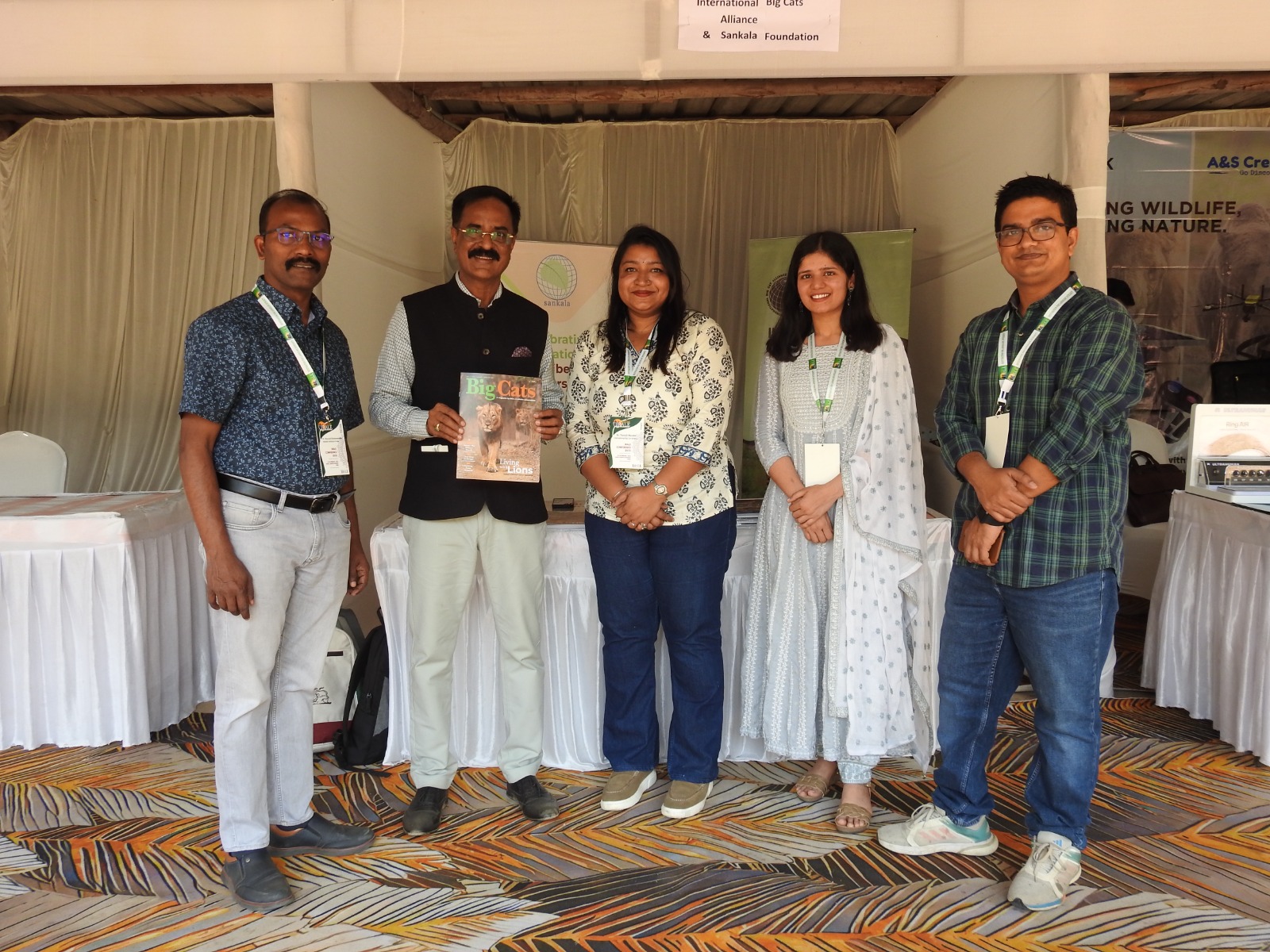
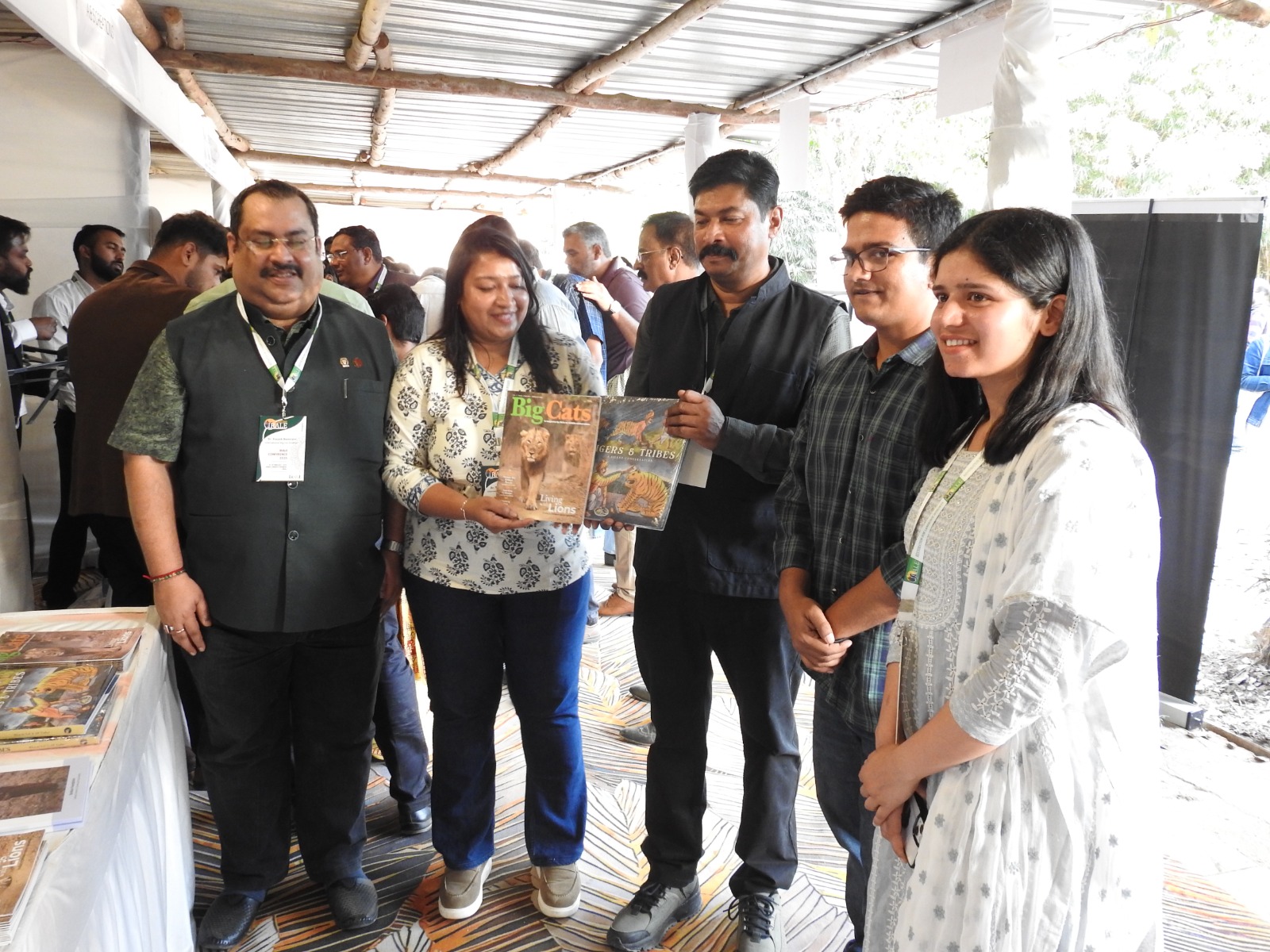
IBCA co-hosted a special session on Big Cats Landscape Conservation at IRALE 2025. The session was moderated by Dr. Tamali Mondal from IBCA.
In the opening talk of the session, Dr. Kausik Banerjee from IBCA highlighted the status and threats of seven major big cats across the globe. He emphasized that Landscape management is a key component in big cat conservation strategies.
Dr. K. Sankar, Former Director, SACON, provided an overview of emergence and history of active big cat management in India with special reference to tigers in Sariska and Panna Tiger Reserves.
Mr. Uttam Sharma, Field Director, Kuno National Park, shared exclusive insights on India’s Cheetah Introduction Program - the challenges, the wins, and what’s next for this milestone project.
Dr. Yashveer Bhatnagar, Country Representative, IUCN and Dr. Dennis Ikanda (African Lion Specialist, IBCA) & Wildlife Expert, WWF-Tanzania shared insights on India's successful big cat conservation initiatives. They emphasized the need for collaborative efforts and support for small-scale conservation projects, highlighting IBCA’s key role in capacity building for big cat protection.
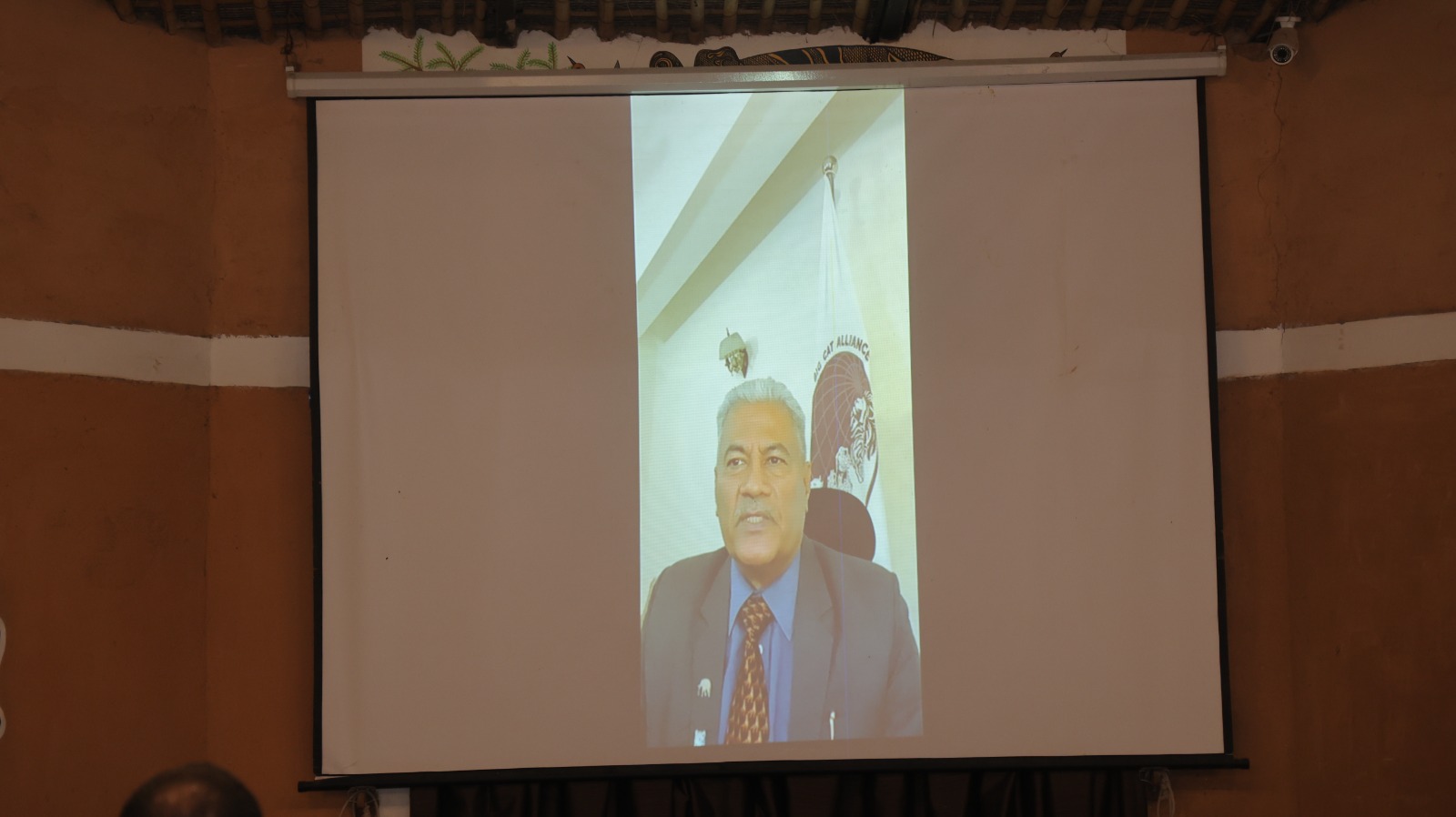
The session concluded with closing remark (virtual mode) by Interim Head, IBCA wherein he emphasized that Big Cats are synonymous with Big Opportunities. Conservation efforts for big cats can create vast opportunities, including the preservation of biodiversity, provision of countless ecosystem services, mitigation of climate change, promotion of sustainable eco-tourism, securing livelihood economy, preservation of natural heritage for future generations and thus, overall benefits for humankind.
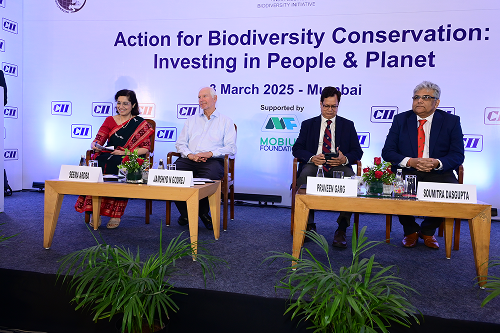
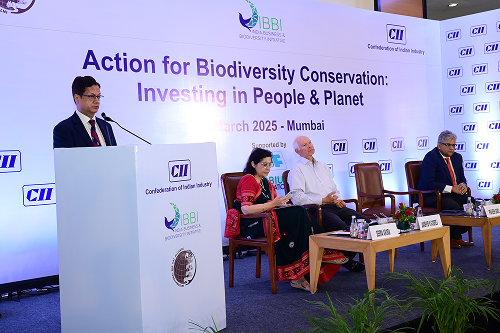
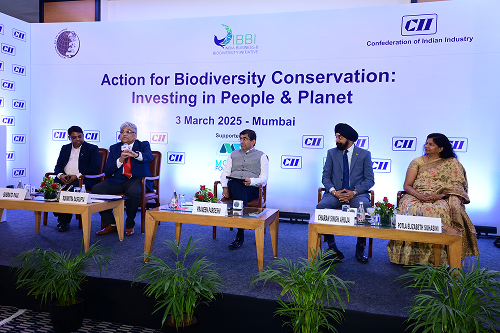
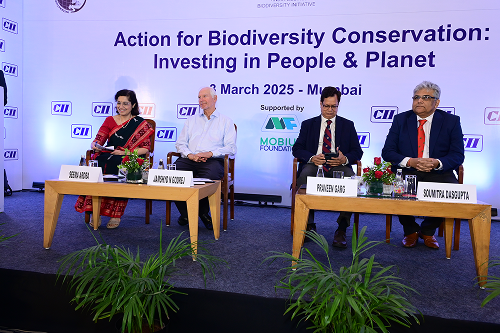
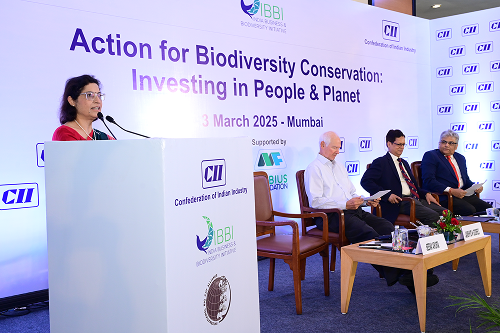
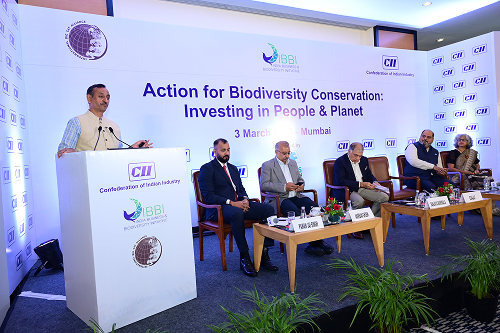
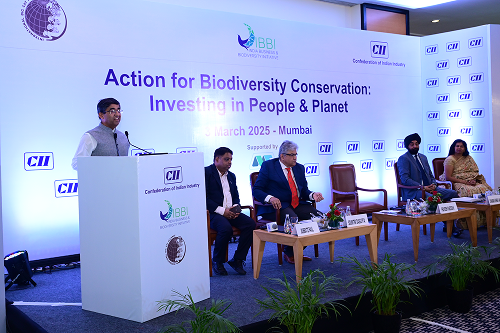
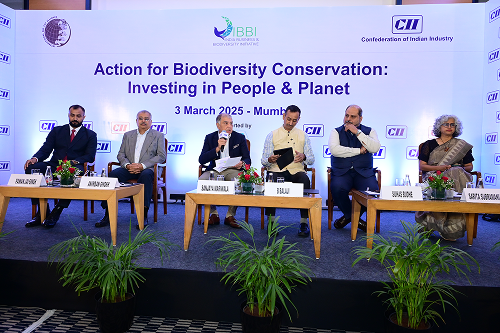
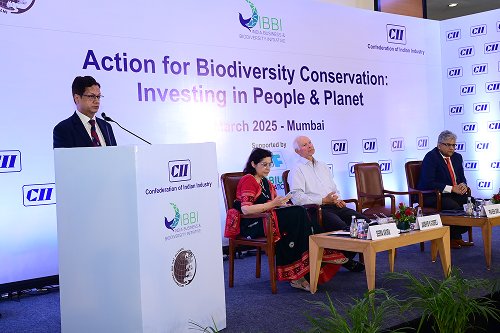
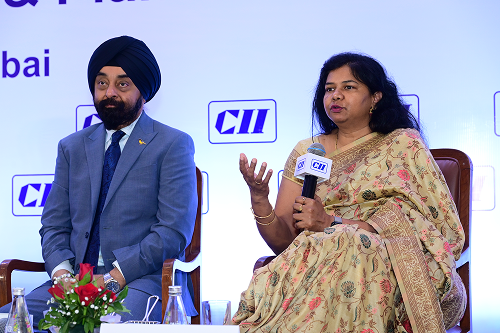
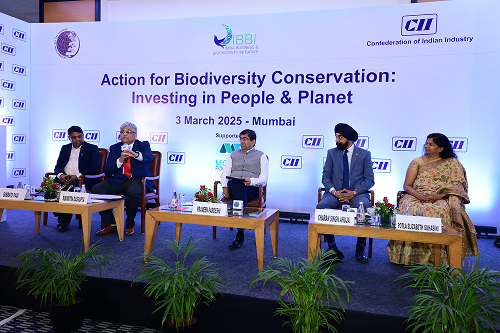
Conference on Action for Biodiversity Conservation: Investing in People & Planet
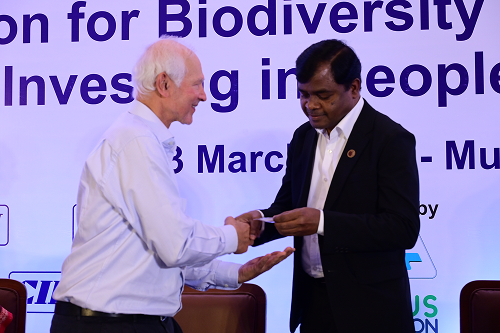
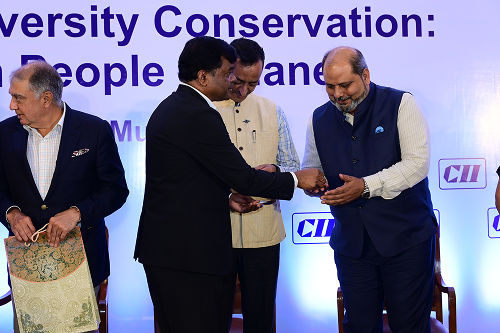
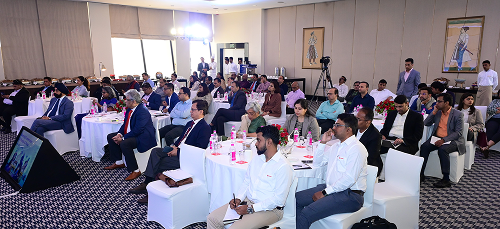
International Big Cat Alliance (IBCA), in collaboration with Confederation of Indian Industry (CII), organized a conference on ‘Action for Biodiversity Conservation: Investing in People & Planet’ on March 3, 2025, at Mumbai.
Participants
The conference was attended by a large section of Corporates, Public Sector Units, Government officials, and Civil society organizations.
Key Panel Discussions
- Wildlife Conservation Finance: Investing in People & Planet
- Integrating Biodiversity Conservation into Business Strategy
- Partnership for Conservation
Outcomes
The discussions were highly productive, leading to further collaborations between corporates and the International Big Cat Alliance.
IBCA looks forward to advancing corporate sustainability, biodiversity financing, and nature-based solutions to strengthen big cat conservation efforts.
78th CITES Standing Committee Meeting
Dr. S.P. Yadav, Interim Head IBCA, and Mr. Soumitra Dasgupta, Director Program at IBCA, represented the organization at the 78th CITES Standing Committee meeting in Geneva. Their participation reinforced global collaboration in big cat conservation, policy advocacy, and protection efforts worldwide.
Key Meetings & Discussions
On the sidelines of the meeting, Mr. Soumitra Dasgupta engaged in discussions with:
- Ms. Amy Fraenkel – Executive Secretary, Convention on Migratory Species (CMS), exploring potential collaboration.
- Ms. Shira Yashphe – Cheetah Conservation Fund (CCF), discussing big cat conservation strategies.
- Ms. Sarah Stoner – CatByte, planning collaborative conservation initiatives.
- Ms. Ottilie Dyckhoff – Go-Insight, strategizing upcoming side events.
Successful Side Event on Cheetah Conservation
IBCA and its partners hosted a side event focusing on cheetah conservation during the 78th Standing Committee meeting. Key discussions covered:
- India’s cheetah reintroduction project
- Challenges like poaching, illegal trade, and habitat loss
- Role of genetic analysis in conservation
- Importance of data-sharing and platforms like CatByte
The event attracted policymakers, conservationists, and key stakeholders, promoting collaborative approaches to big cat conservation.
Insights from Leadership
In his opening remarks, Dr. S.P. Yadav emphasized the opportunities that big cat conservation presents for biodiversity conservation. He highlighted the need for integrating data analysis to shape effective strategies. Discussions also revolved around transferring genetic samples for scientific research.
Mr. Soumitra Dasgupta elaborated on IBCA’s mission, describing it as a multi-country, multi-agency partnership committed to big cat protection, with participation from 27 countries.
Side Event on Collaborative Approaches
On February 6, 2025, IBCA and Go-Insight successfully hosted the side event "Collaborative Approaches to Big Cat Conservation: Strategies from IBCA and CatByte". Speakers from IBCA, Go-Insight, the International Union for Conservation of Nature (IUCN), and CatByte explored:
- IBCA’s leadership in global big cat conservation
- The role of technology in monitoring and protecting big cats
- Importance of data-driven solutions
- Collaborative conservation strategies
The event underscored the urgency of safeguarding big cats for future generations through bold, collective action.
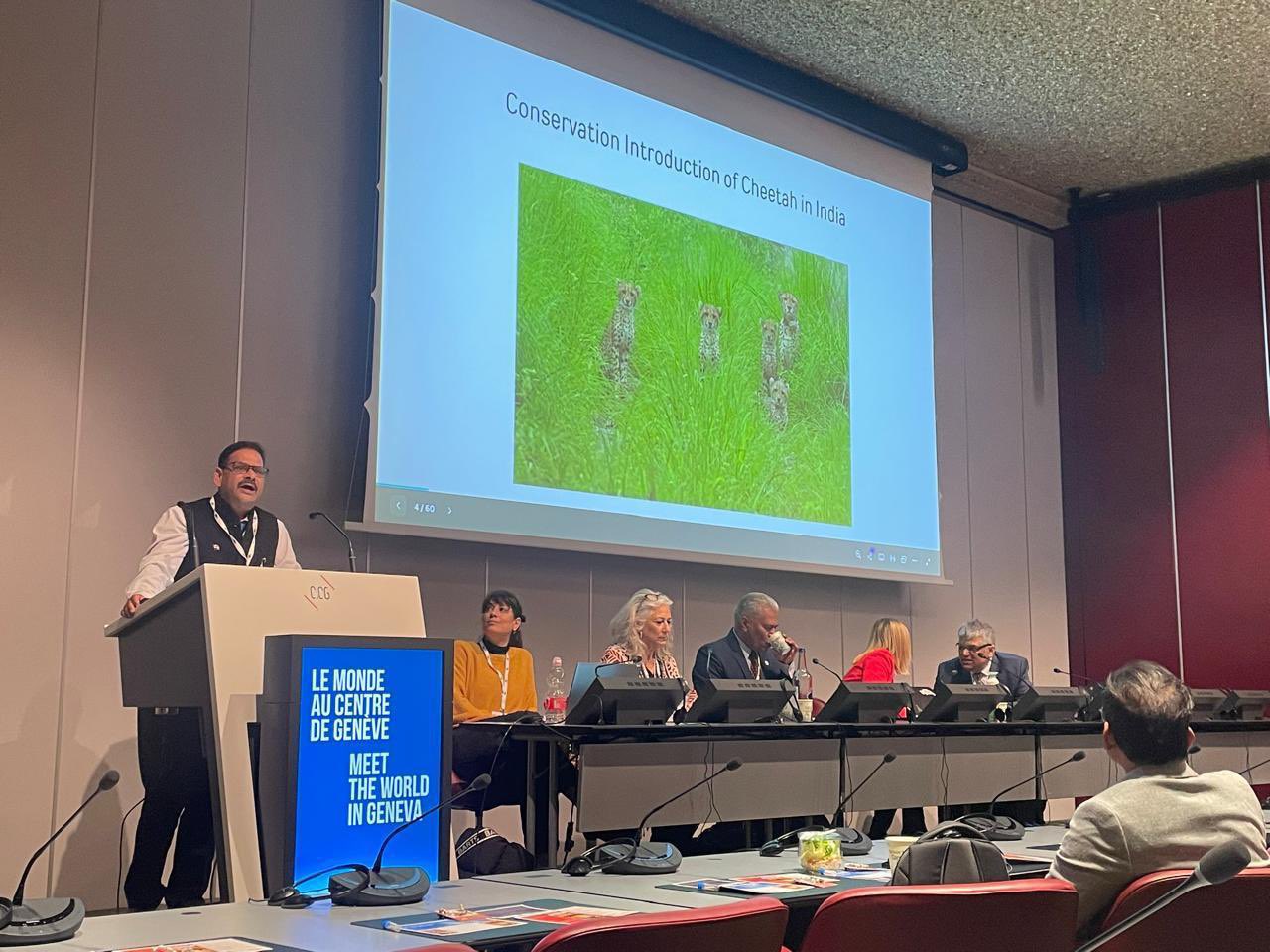
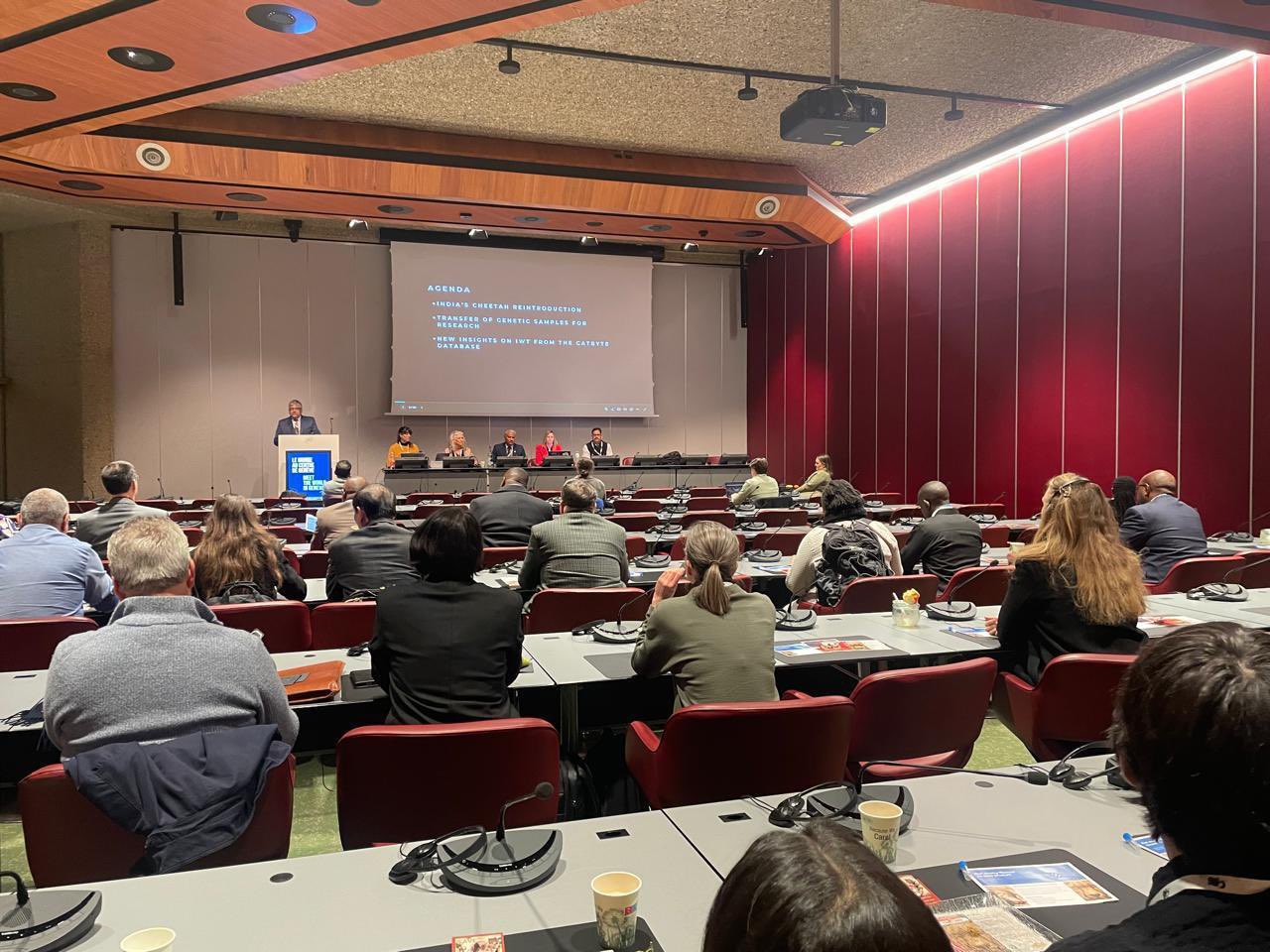
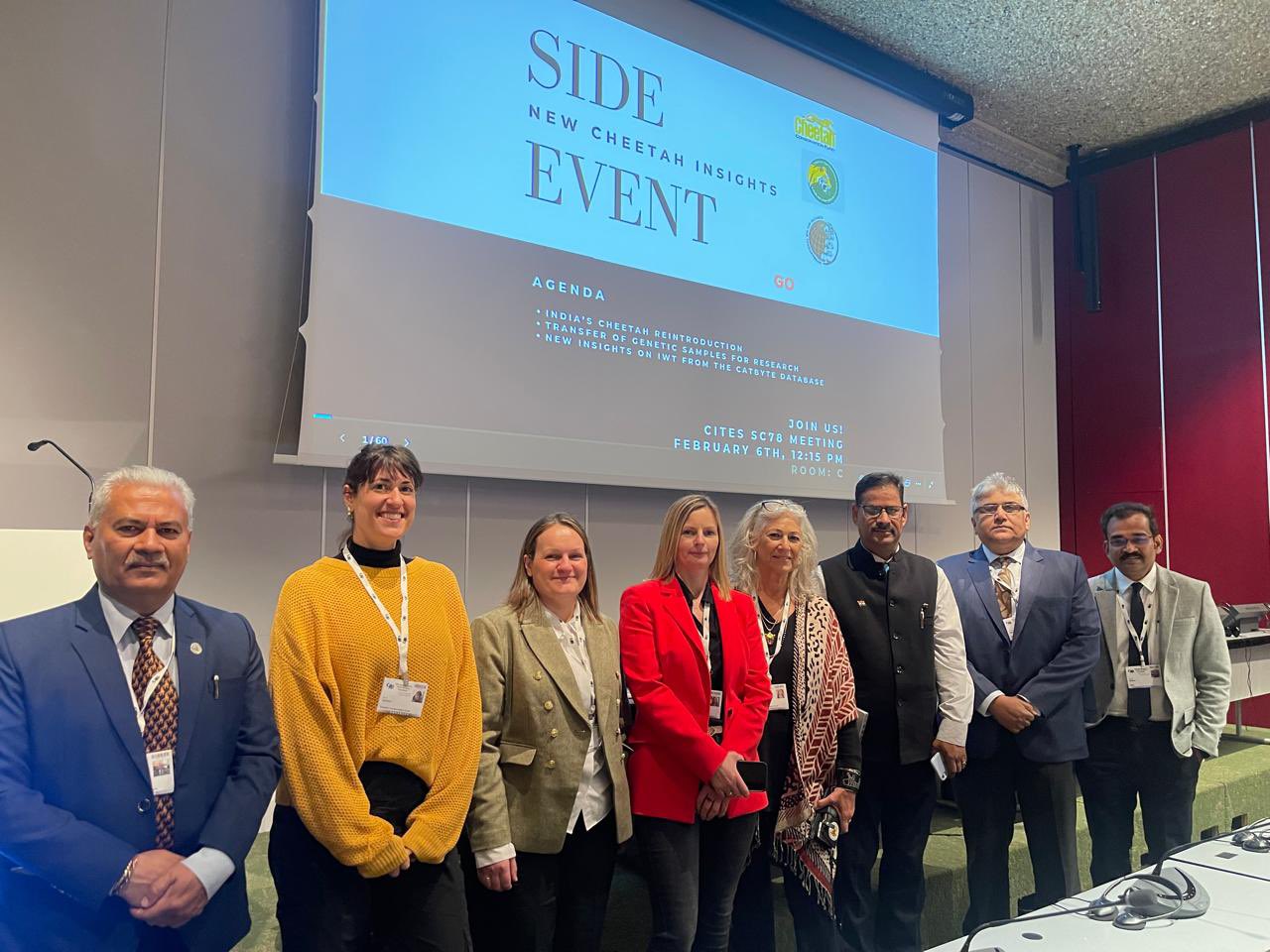
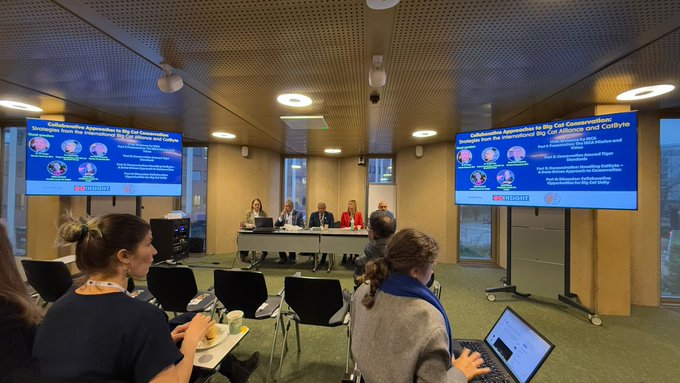
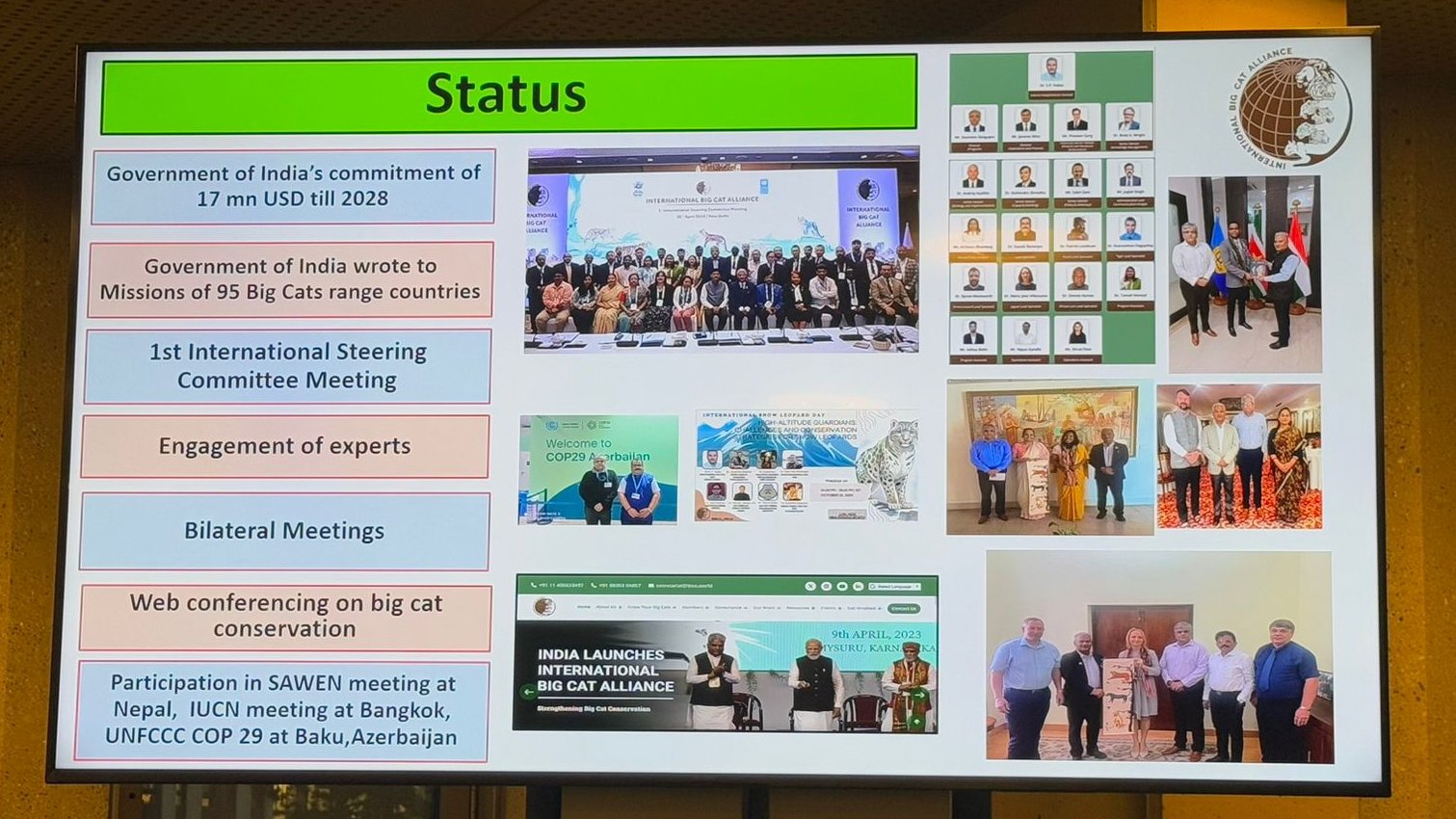
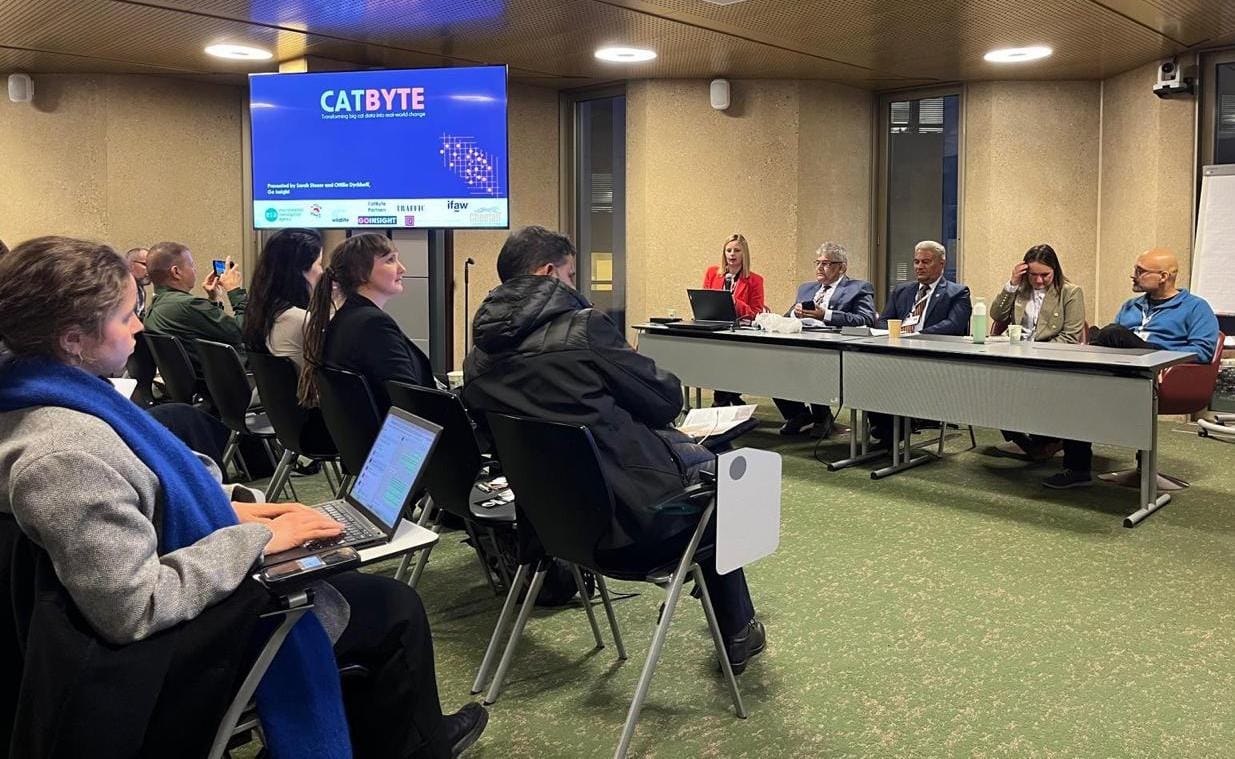
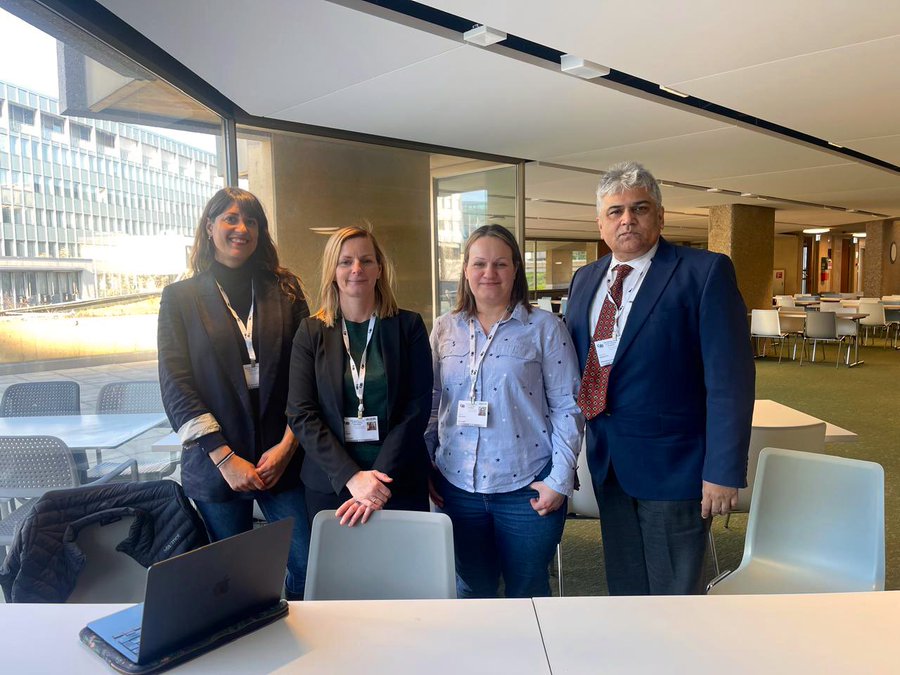
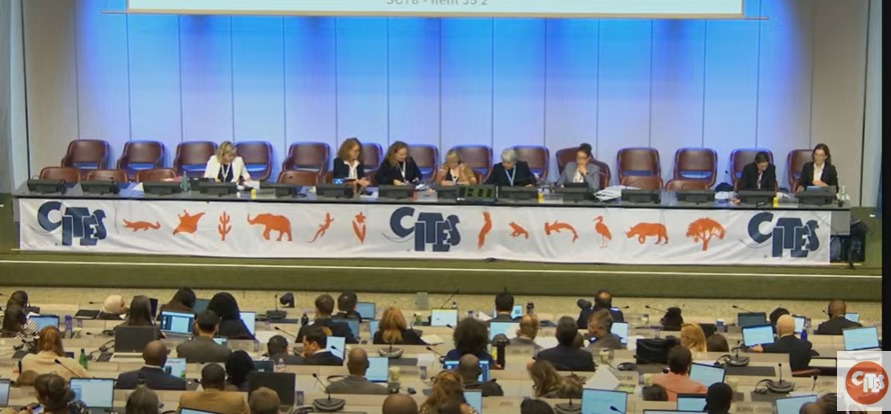
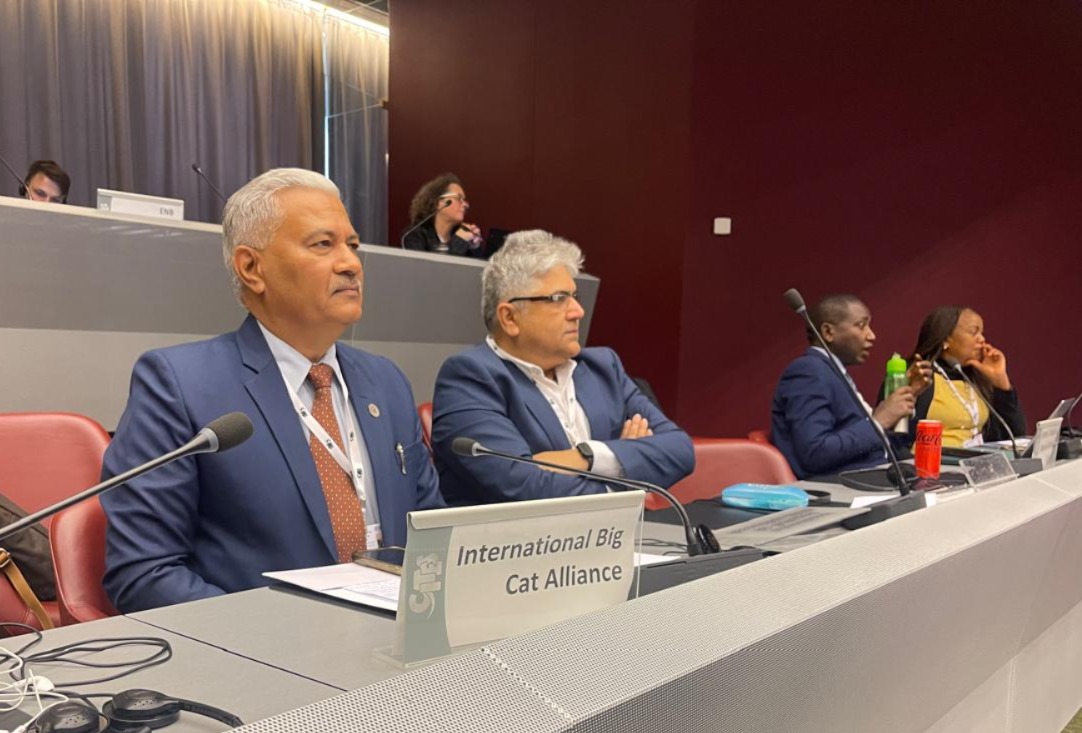
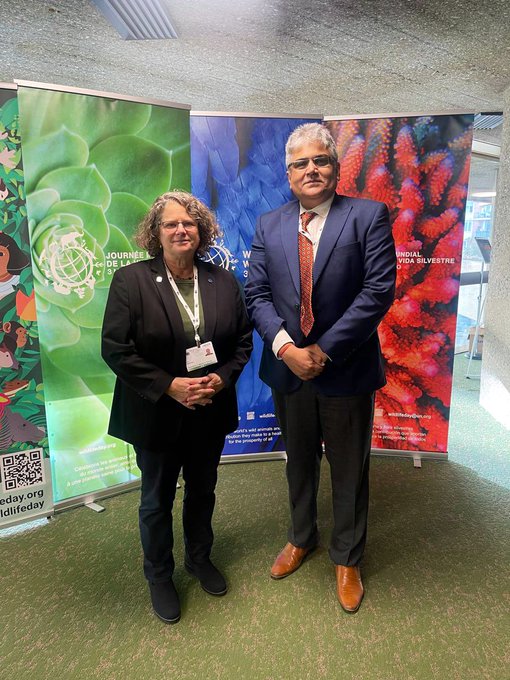
Collaborative meeting between IBCA and GZRRC on PRIME-CAT initiative for Capacity Building
A productive meeting was held on 15 January 2026 at the IBCA Headquarters, New Delhi, chaired by DG IBCA, Dr. S. P. Yadav, between IBCA officials and GZRRC on advancing collaboration. IBCA and GZRRC will jointly organise a one-week International Training and Capacity Building Programme (CBP) on Big Cat Health Management for wildlife managers and veterinary officers from across the globe.
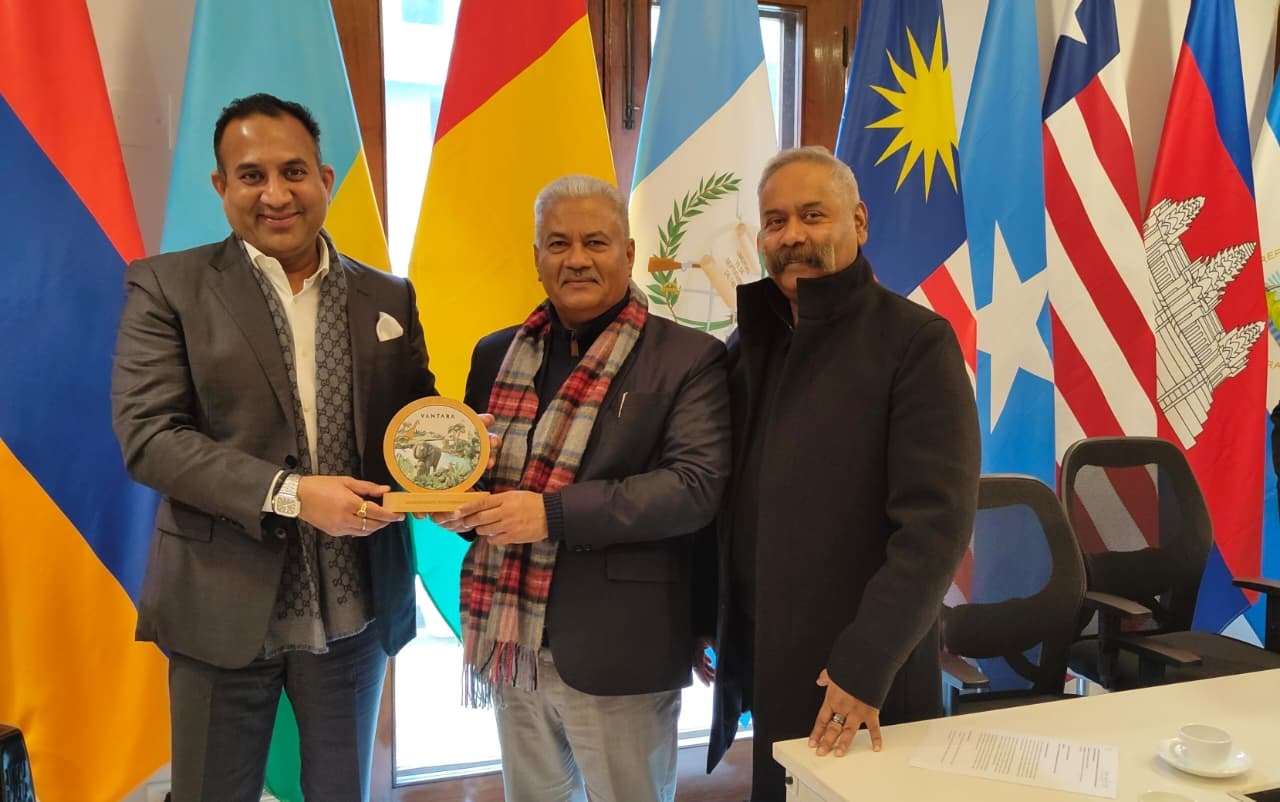
Vibrant Gujarat Summit
On the sidelines of the Vibrant Gujarat Regional Conference 2026, the State Forest Department of Gujarat and the International Big Cat Alliance (IBCA) jointly organized a conference on “Lion Landscape Restoration and Sustainability” on 12 January 2026 at Rajkot, Gujarat.
The conference brought together senior officials from the Government of Gujarat and the State Forest Department, representatives from corporates, IBCA, UNDP, civil society organizations, researchers, wildlife enthusiasts, and legal experts to deliberate on long-term strategies for lion conservation and sustainable landscape management. The event featured international lion conservation experts from Kenya and Tanzania, who shared insights on African lion conservation, alongside Indian experts who highlighted the successful recovery and management of the Asiatic lion. The discussions underscored India’s leadership in big cat conservation and the importance of global knowledge exchange in securing the future of lion landscapes.
The inaugural session of the conference was graced by Mr. Arjunbhai Modhwadia, Hon’ble Minister, Forests and Environment, Climate Change, Science and Technology, Government of Gujarat, whose presence underscored the State’s strong commitment to conservation and sustainability. Mr. B.P. Pati, PCCF (D&M), Gujarat, delivered the welcome address, setting the tone for the deliberations. Dr. A.P. Singh, PCCF & Head of Forest Force, Gujarat, in his keynote address highlighted the Government of Gujarat’s focused efforts towards achieving land degradation neutrality and promoting long-term sustainability. Dr. Vinod R. Rao, Principal Secretary, Forest and Environment Department, Government of Gujarat, emphasized the critical role of multi-stakeholder collaboration, including government agencies, communities, and partners, in advancing forest and wildlife conservation. Dr. S.P. Yadav, Director General, International Big Cat Alliance (IBCA), delivered the special address, outlining IBCA’s global mandate in big cat conservation and commending the Government of Gujarat for its proactive and impactful initiatives in conserving big cat landscapes. In his address, Mr. Arjunbhai Modhwadia, Hon’ble Minister, Govt. of Gujarat appreciated the dedicated efforts of the Forest Department in fostering people’s participation in forest and wildlife conservation. He also expressed the expectation that IBCA would extend its support to Gujarat’s initiatives on tiger and cheetah reintroduction, reinforcing conservation through inclusive and community-driven approaches. The session concluded with a vote of thanks by Shri R.K. Sugoor, PCCF, who expressed gratitude to the august gathering and sought continued cooperation from all stakeholders towards building a sustainable and resilient future.
During the technical session of the conference, panel discussion was held. Dr. Mohan Ram, Conservator of Forests, Junagadh Circle, delivered a comprehensive presentation on Asiatic lion conservation initiatives in the Gir landscape. He acknowledged IBCA for organising the International Lion conference at Gir National Park in 2025, which helped showcase India’s best practices in lion conservation at the global level. He also outlined the ongoing efforts being undertaken to achieve the objectives of Project Lion, launched by the Hon’ble Prime Minister of India, Shri Narendra Modi. Dr. Dennis Ikanda, Scientist, Tanzania Wildlife Research Institute (TAWIRI), Tanzania, through his online presentation, shared insights into African lion management perspectives, drawing upon Tanzania’s extensive experience in large carnivore conservation. Dr. Leela Hazzah, Executive Director and Co-founder, Lion Guardians, Kenya, presented online and highlighted the critical importance of community participation in lion conservation in Africa, emphasizing coexistence-based models and locally led stewardship. Mr. Sandeep Engineer, Chairman, Astral Pumps, underscored the need for habitat restoration and the strengthening of existing ecosystems and wildlife corridors to facilitate the movement of big cats and sustain viable populations of wildlife. Mr. Vimal Ambani, CEO, Toeroverseas Ltd., emphasized opportunities for engaging local communities in forest and wildlife conservation through regulated ecotourism, and highlighted the potential role of Corporate Social Responsibility (CSR) in supporting conservation initiatives. Mr. Devan Parikh, Senior Advocate, Supreme Court of India, reiterated the constructive role of corporates, the private sector, and institutions such as the Confederation of Indian Industry (CII) in wildlife and forest conservation, while highlighting the importance of responsible and standards-based CSR approaches. The session was moderated by Mr. Keshav Varma, Retired Senior IAS Officer, who guided the deliberations and highlighted the significant role of corporates in augmenting conservation initiatives for the long-term protection of big cats and their habitats.
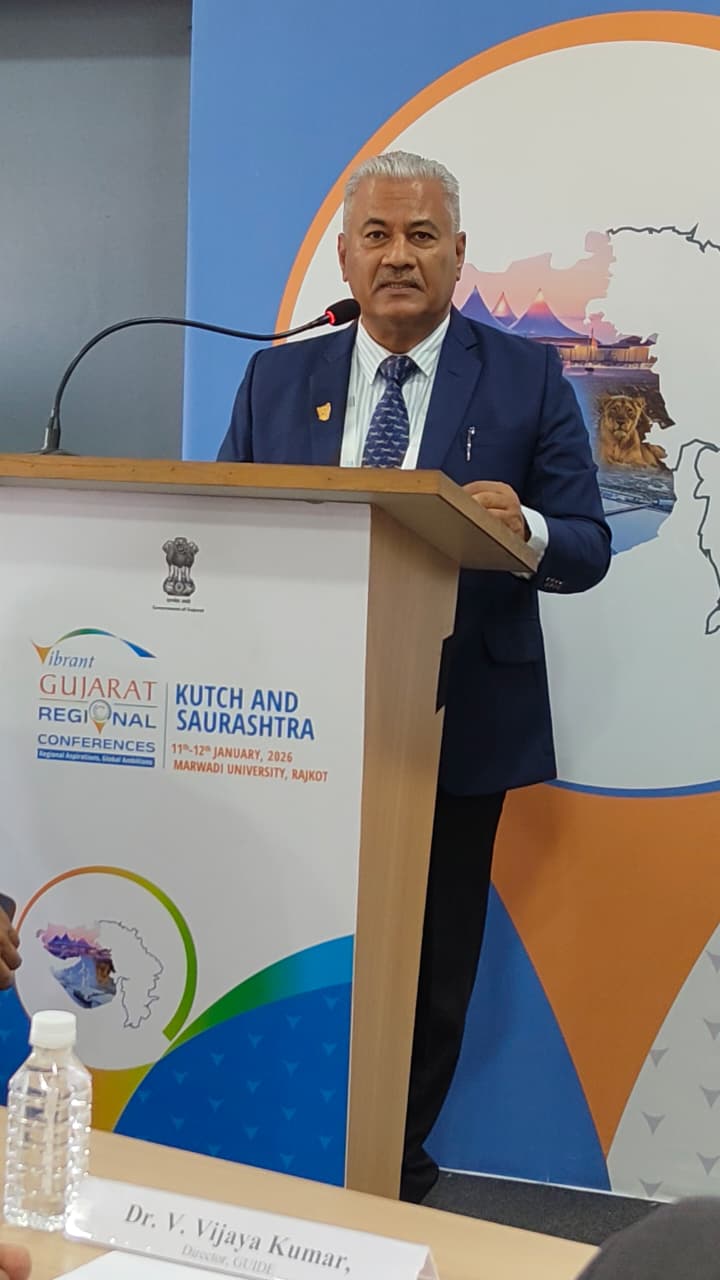
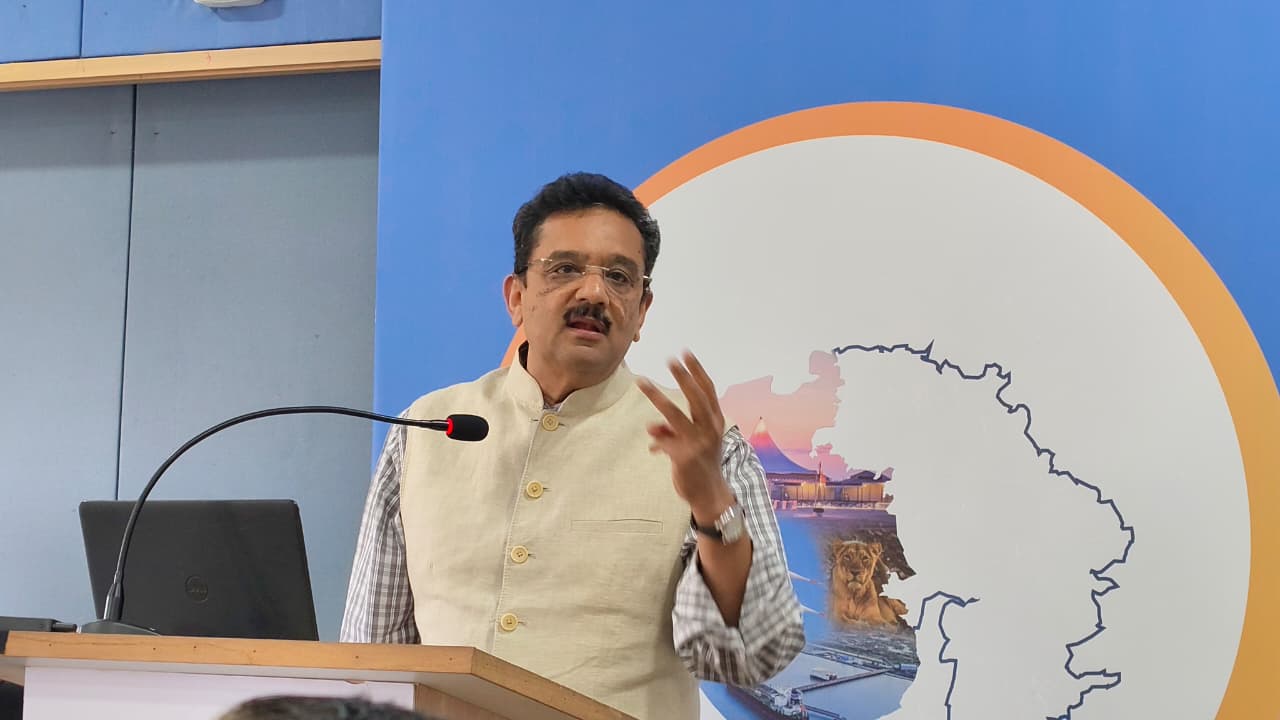
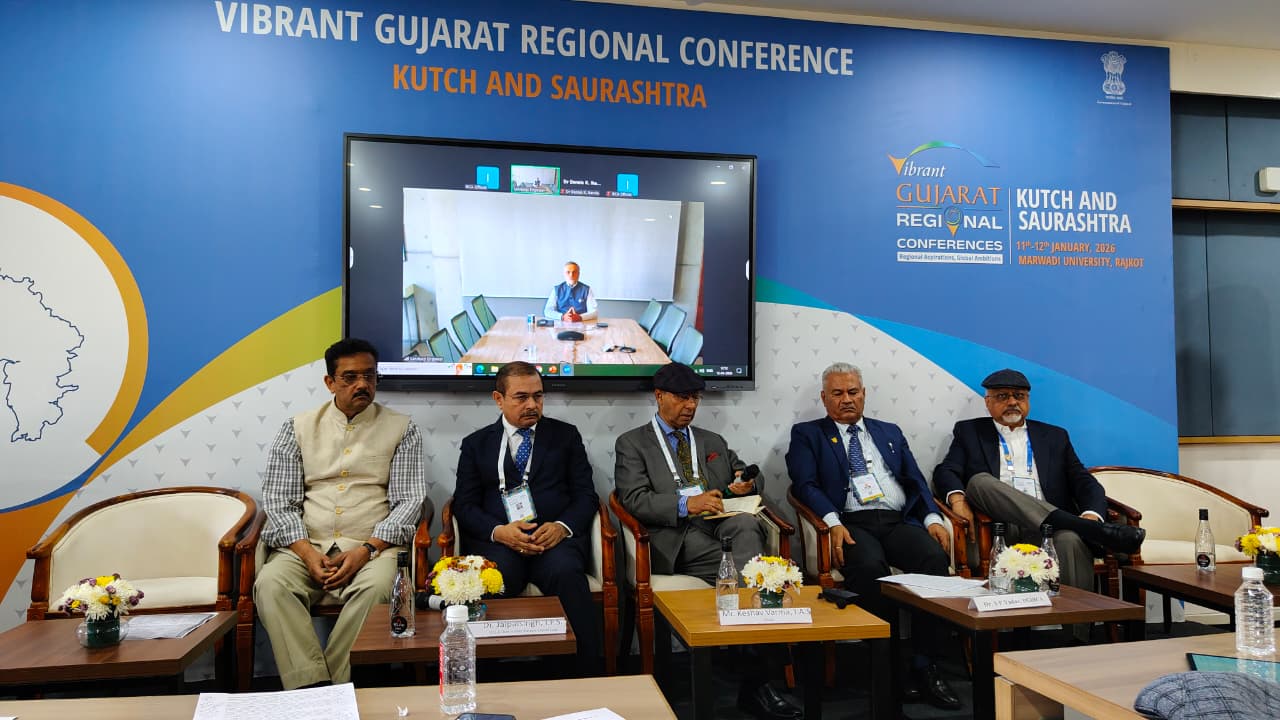
International Conference on ‘Study and Conservation of snow leopard in the World: Joining Efforts
IBCA participated in the International Conference on ‘Study and Conservation of snow leopard in the World: Joining Efforts’, organized by the Russian Federation & the Government of the Republic of Tatarstan at Kazan, Russia. IBCA's Interim Head, Dr. S. P. Yadav spoke on protocol of Snow Leopard assessment and role of IBCA in assisting range counties for conservation of Snow Leopard and other big cats. Dr. Yadav had a fruitful meeting with Mr. Rustam Minnikhanov, Hon'ble President of the Republic of Tatarstan, Russian Federation at Kazan and discussed the role of IBCA in conservation of Big Cats and possibility of cooperation on capacity building of frontline staff, researchers and conservationists.
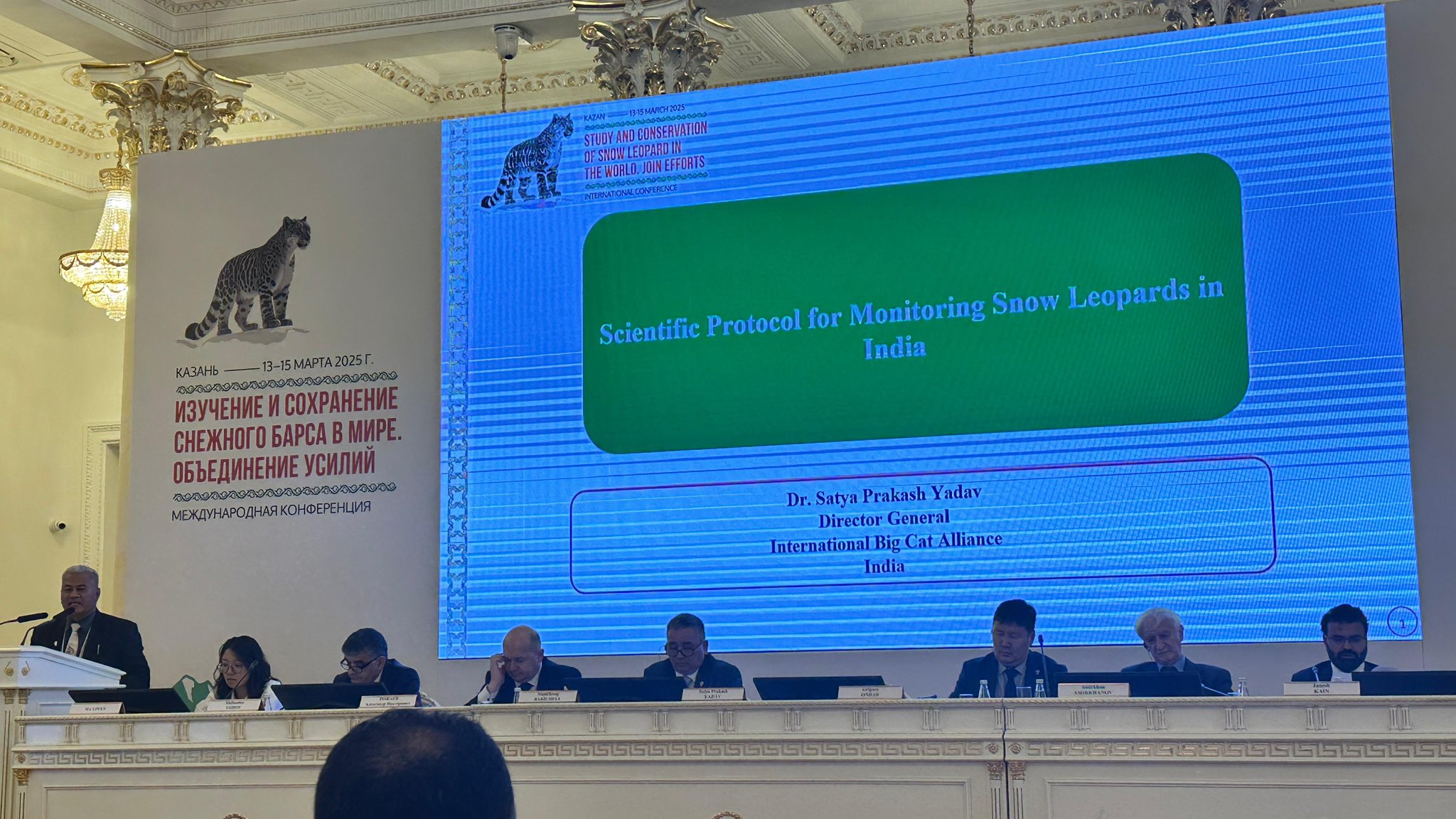
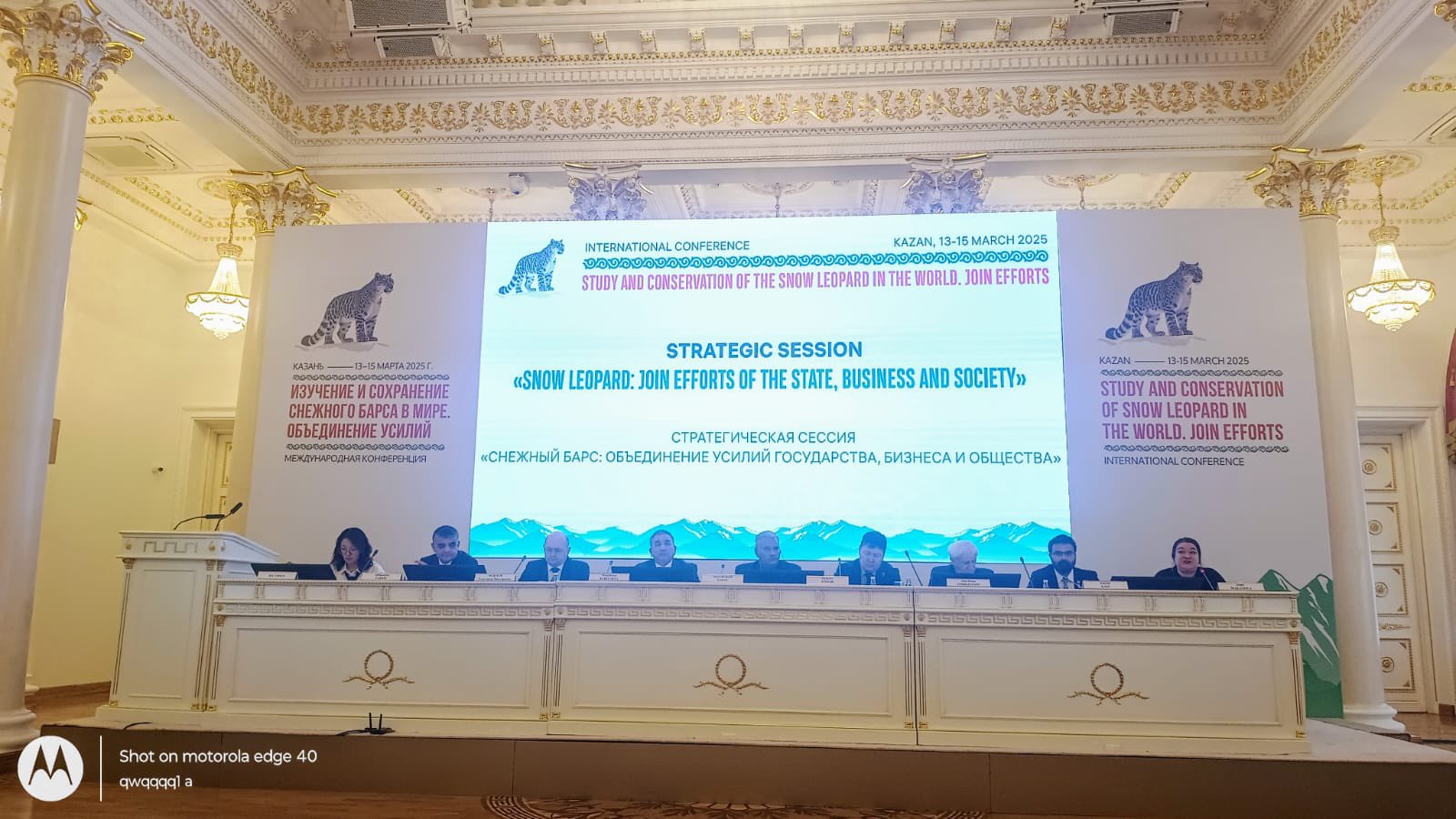
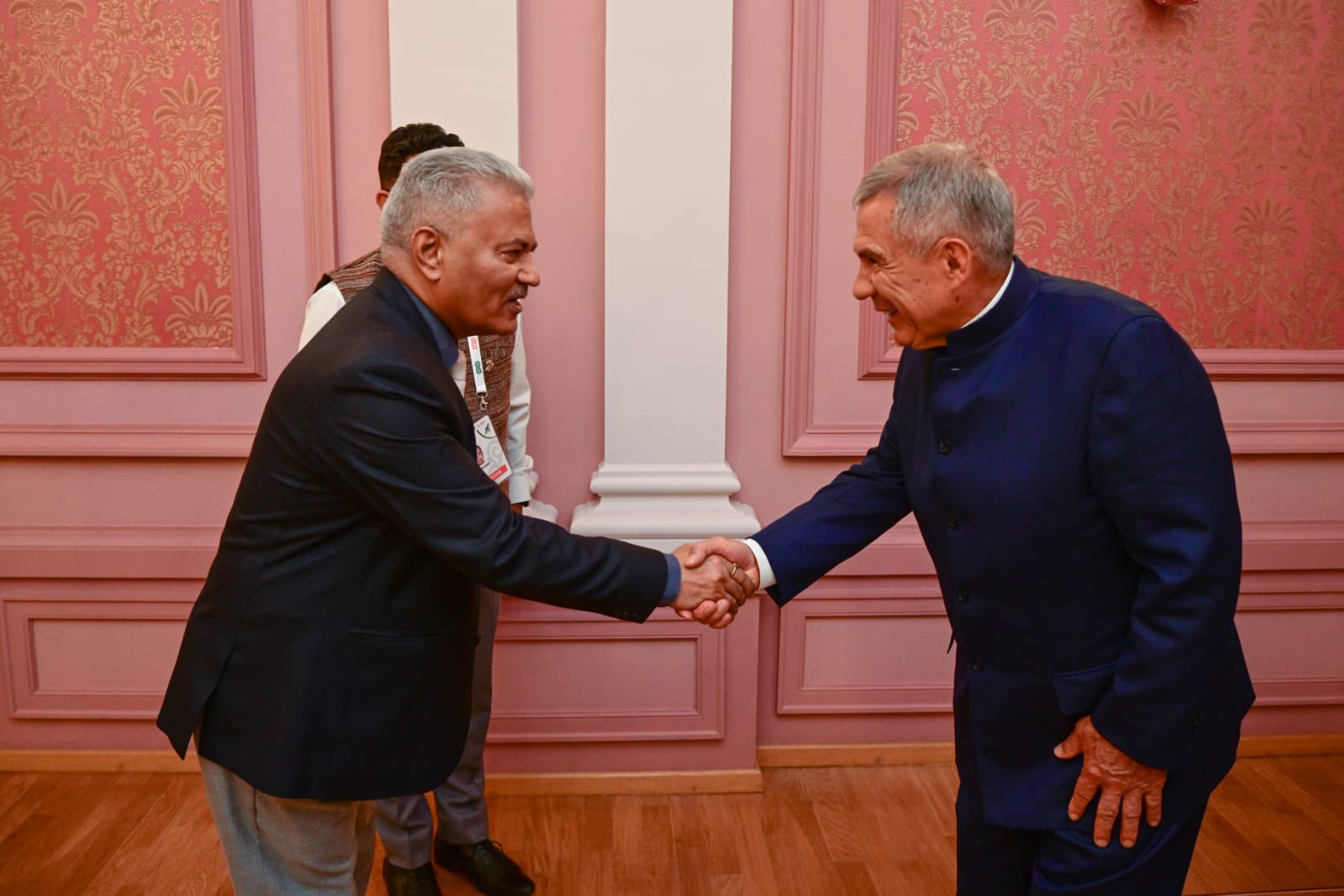
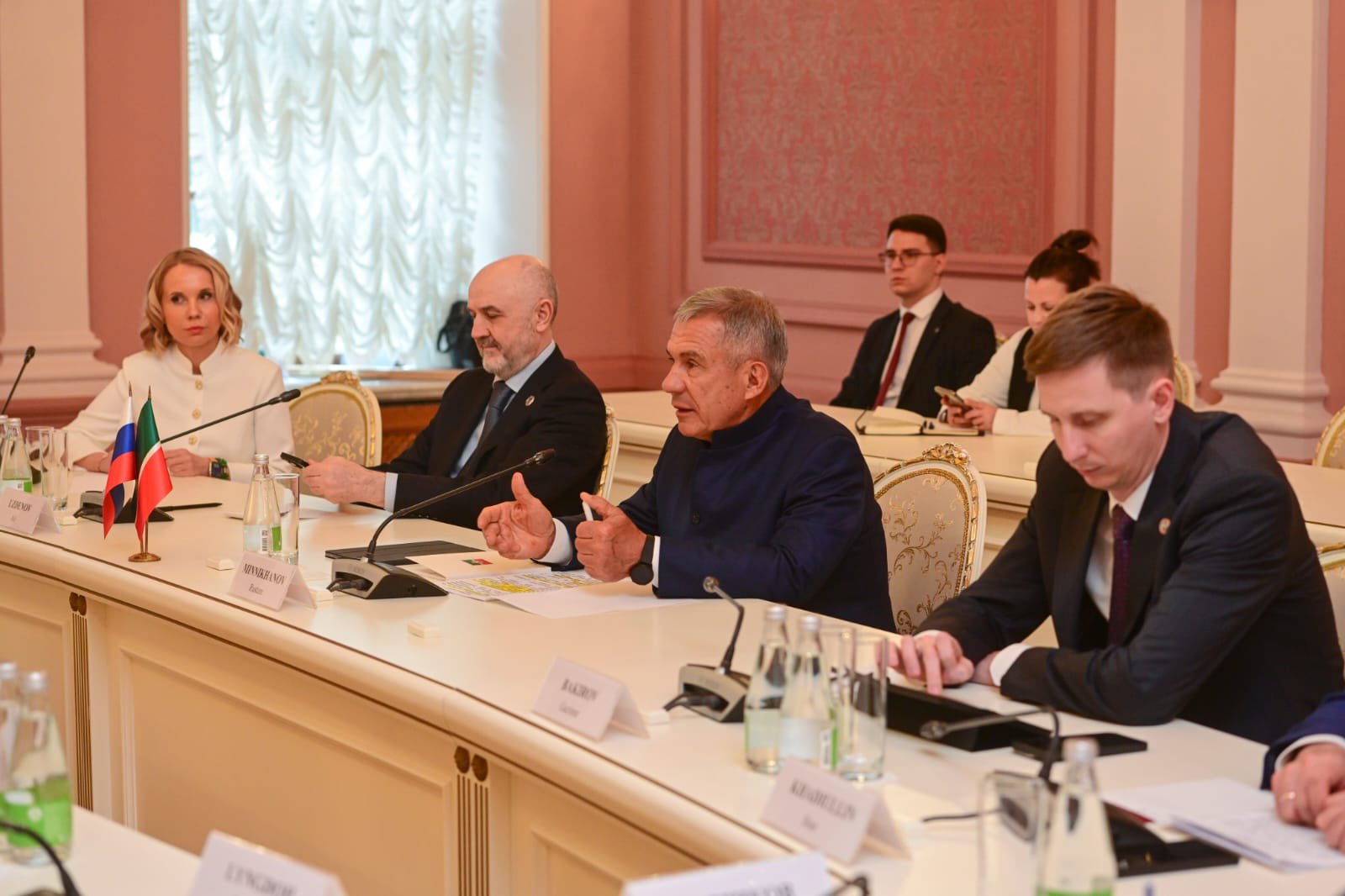
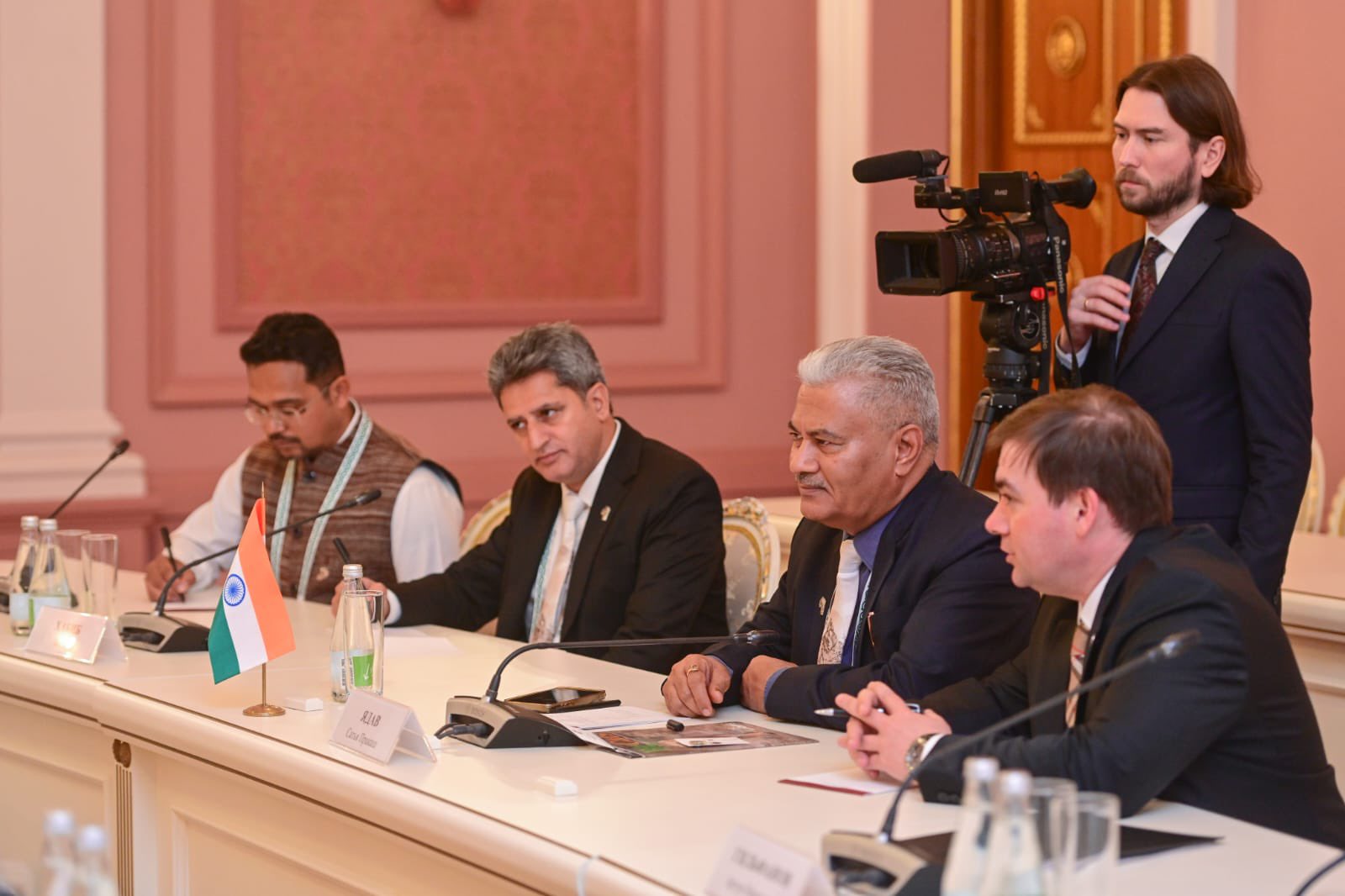
Webinar on International Leopard Day
The International Leopard Day webinar commenced with a welcome address by Dr Kausik Banerjee, Lead Specialist, IBCA who set the tone for the discussions ahead. He emphasized the significance of dedicating this day to leopards- International Leopard Day, observed annually on May 3, was officially established in March 2023 during the inaugural Global Leopard Conference.
In the webinar, Dr. Andrew Kittle, The Wilderness & Wildlife Conservation Trust, Sri Lanka highlighted efforts through Peak Ridge & Elbedda Ridge corridors—blending community, habitat, and predator conservation.
Dr Igor from Persian Leopard Group stressed urgent action on Persian leopard conservation as fewer than 2,500 mature individuals remain, with key recovery potential in the Caucasus & Zagros Mountains. Connectivity is critical and Only 30% of core habitats are occupied by Persian Leopards.
only 319 Javan leopards remain in the wild. Dr. Erwin Wilianto Sintas, Indonesia, in the International Leopard Day webinar, highlighted the urgent need for action: just 5 of 29 suitable landscapes can support viable populations. Surveys & shared strategies are key to saving this critically endangered. Only 40–70 Arabian leopards remain in the wild, with over 98% of their habitat lost. In the webinar, Dr. Gareth Mann from Panthera highlighted steps for recovery of leopards: captive breeding, new facilities, and reintroduction plans under Saudi Arabia’s initiative. Mr. Soumitra Dasgupta, Director, Program, IBCA expressed heartfelt gratitude to leopard conservationists worldwide for their tireless efforts. He reflected on the day’s rich discussions, which highlighted both the beauty and vulnerability of leopards, from the forests of Russia to the dry landscapes of Saudi Arabia and the tea gardens of Sri Lanka. Concluding with a powerful message, he said, ‘The leopard may not roar like other big cats, but its loss will echo across the wild.’
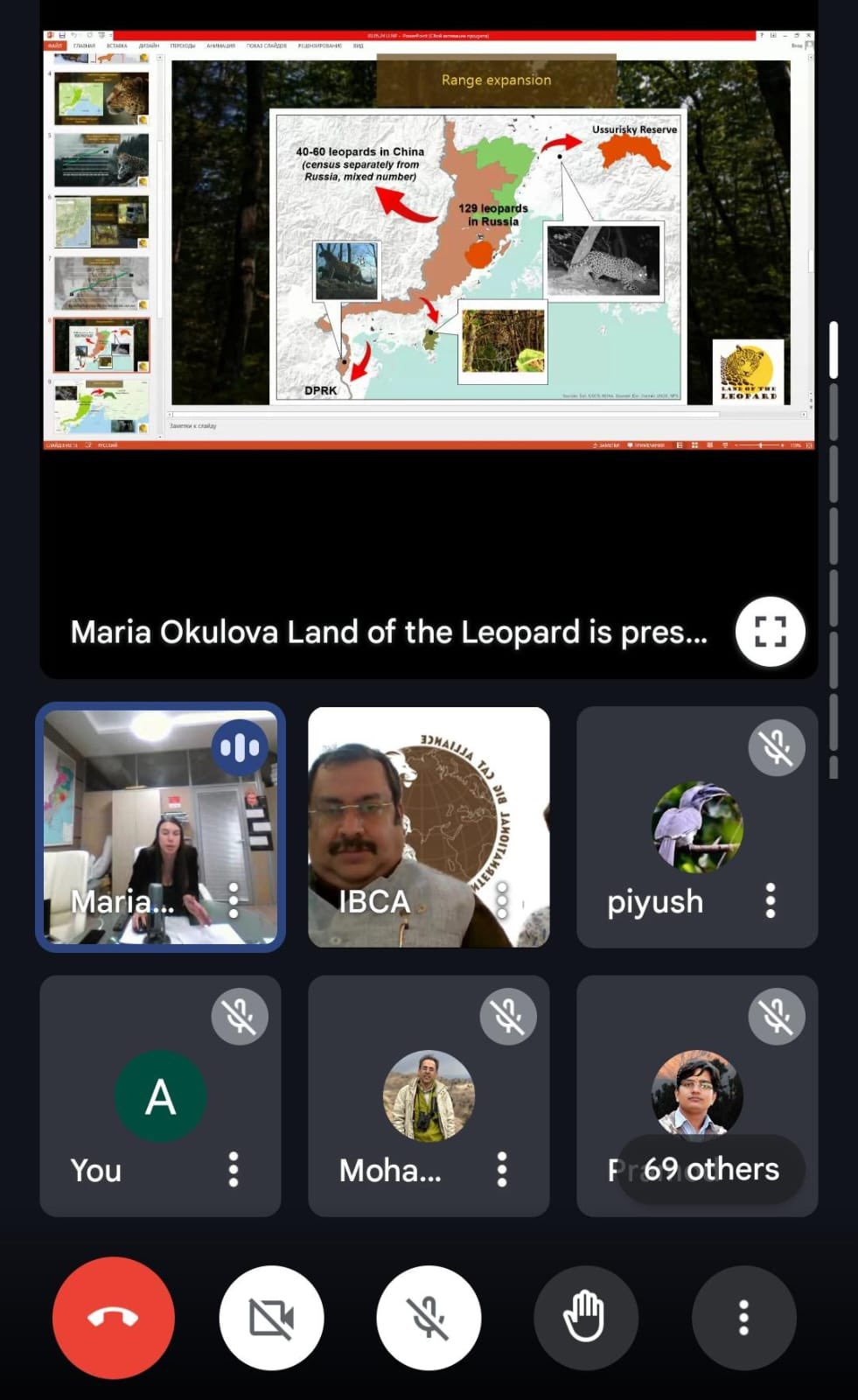
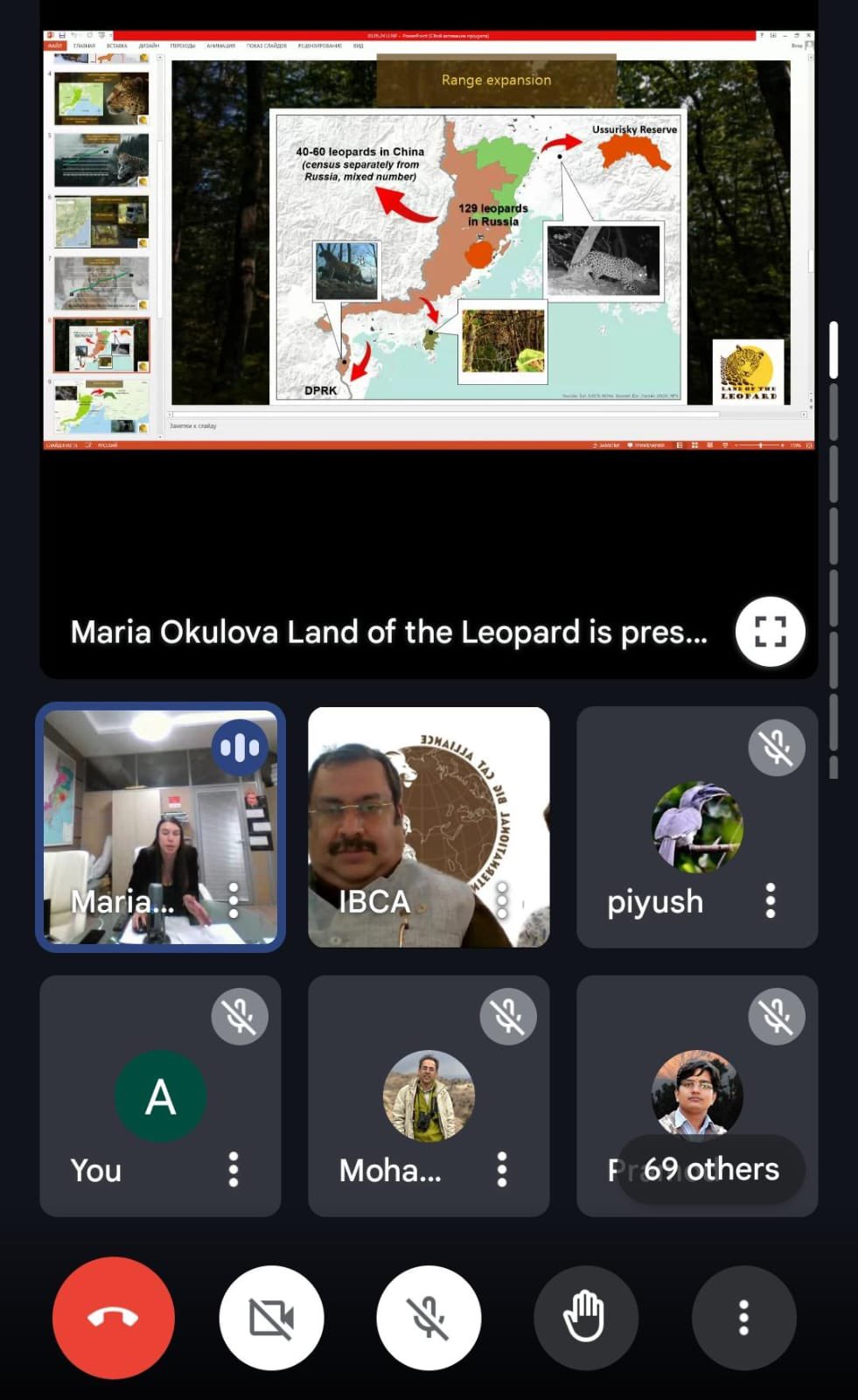
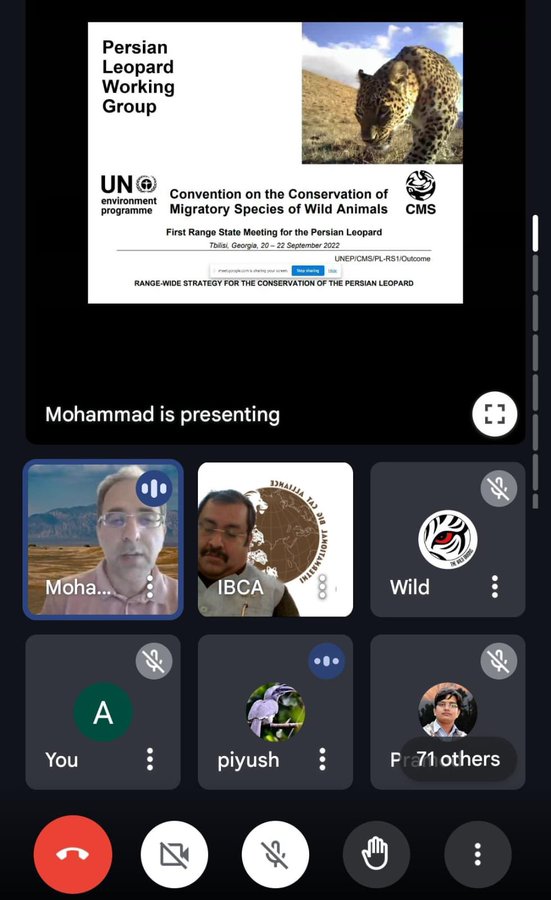
“Curtain Raiser” event IBCA for the upcoming International Conference of Big Cat Range Countries.
On 10th May, 2025, Hon’ble Minister, MoEFCC Shri Bhupender Yadav, graced the “Curtain Raiser” event IBCA for the upcoming International Conference of Big Cat Range Countries.
In his address, Hon’ble Minister underscored that the challenges facing big cat habitats cannot be addressed by any single entity alone, highlighting the imperative to build robust partnerships among governments, conservation organizations, local communities, and the private sector.
He reaffirmed the critical role of collaboration and innovation in advancing big cat conservation efforts and earnestly encouraged all Big Cat Range Countries and relevant stakeholders to actively engage in this important global initiative.
The event also witnessed the gracious presence of Excellencies and Representatives from Big Cat Range Countries, dignitaries and officials from International Conservation Organizations, as well as senior officials from the MoEFCC , MEA, NHRC, Partner Organizations, and other esteemed stakeholders.
Member countries of IBCA were also felicitated on the occasion.
The Hon’ble Minister extended his heartfelt appreciation to the member countries for their steadfast commitment to the shared vision of conservation and sustainability through their valued association with IBCA.
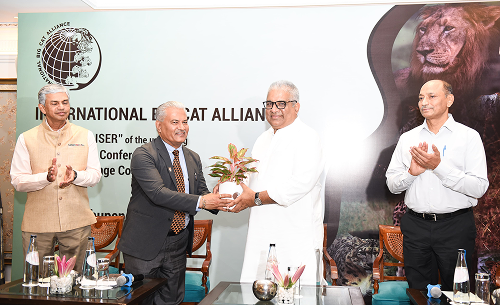
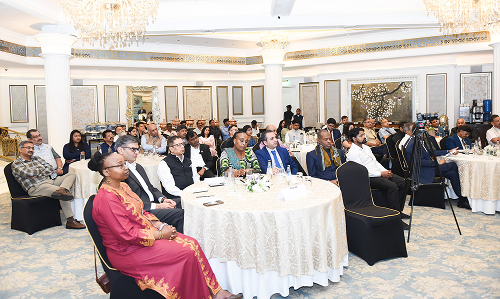
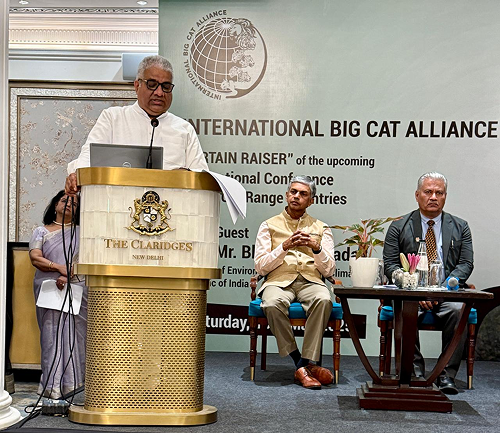
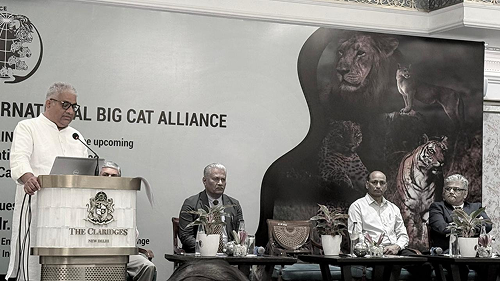
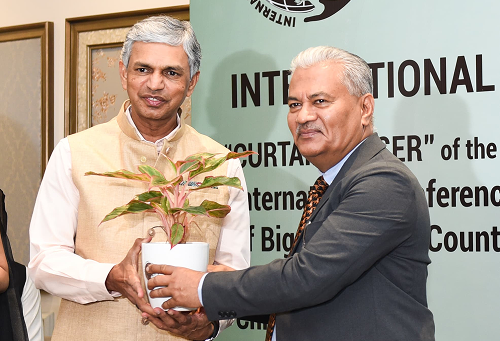
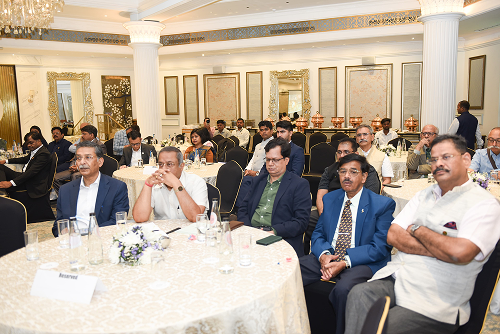
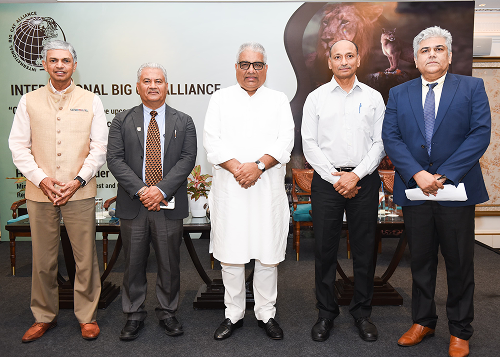
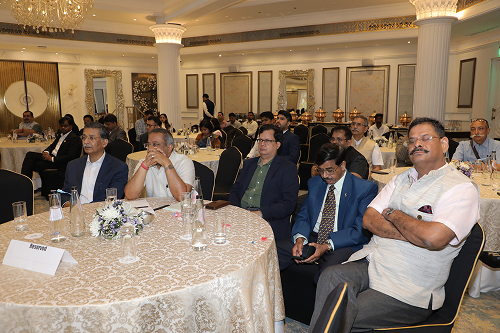
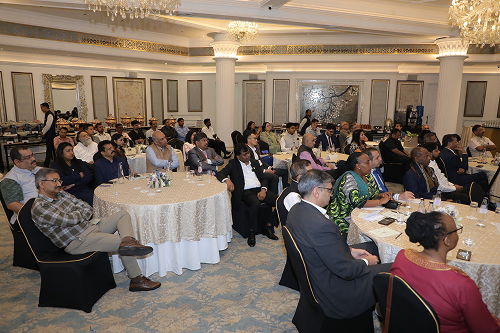
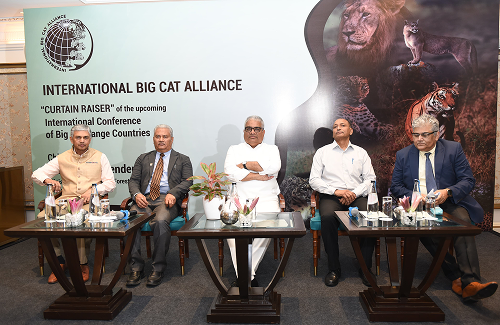
Meeting between IBCA and Environmental Investigation Agency
Dr. S.P. Yadav, Director General, International Big Cat Alliance (IBCA), held a meeting with Ms. Debbie Banks, Tiger & Wildlife Crime Campaign Leader, Environmental Investigation Agency (EIA), UK, at the IBCA Headquarters in New Delhi today.
The discussions focused on key challenges in big cat conservation, particularly illegal wildlife trade and wildlife trafficking.
The meeting also explored opportunities for enhanced collaboration between IBCA and EIA towards strengthening efforts for the protection and conservation of big cats globally.
High Level Ministerial Side Event, COP 30, Brazil
At the High-Level Ministerial Side Event organized by IBCA and MoEFCC during UNFCCC COP30 in Belém, Hon’ble Minister for Environment, Forest and Climate Change, Mr. Bhupender Yadav, called for renewed global cooperation to protect big cats and their habitats through integrated climate and biodiversity action. He underscored the significance of big cat landscapes as nature-based climate solutions and highlighted India’s major conservation achievements. The Minister also noted the expanding membership of the IBCA and reaffirmed India’s commitment to uniting all big cat range countries for coordinated conservation efforts. Further, he emphasized how IBCA can support range countries by linking big cat and landscape conservation efforts with global frameworks such as the Sustainable Development Goals, Nationally Determined Contributions, and the Global Biodiversity Framework. This would be enabled through technical assistance, standardized tools, capacity building, south–south cooperation, and knowledge sharing. The Minister also announced that India will host the Global Big Cats Summit in New Delhi in 2026 and invited nations to strengthen collaboration for a shared ecological future.
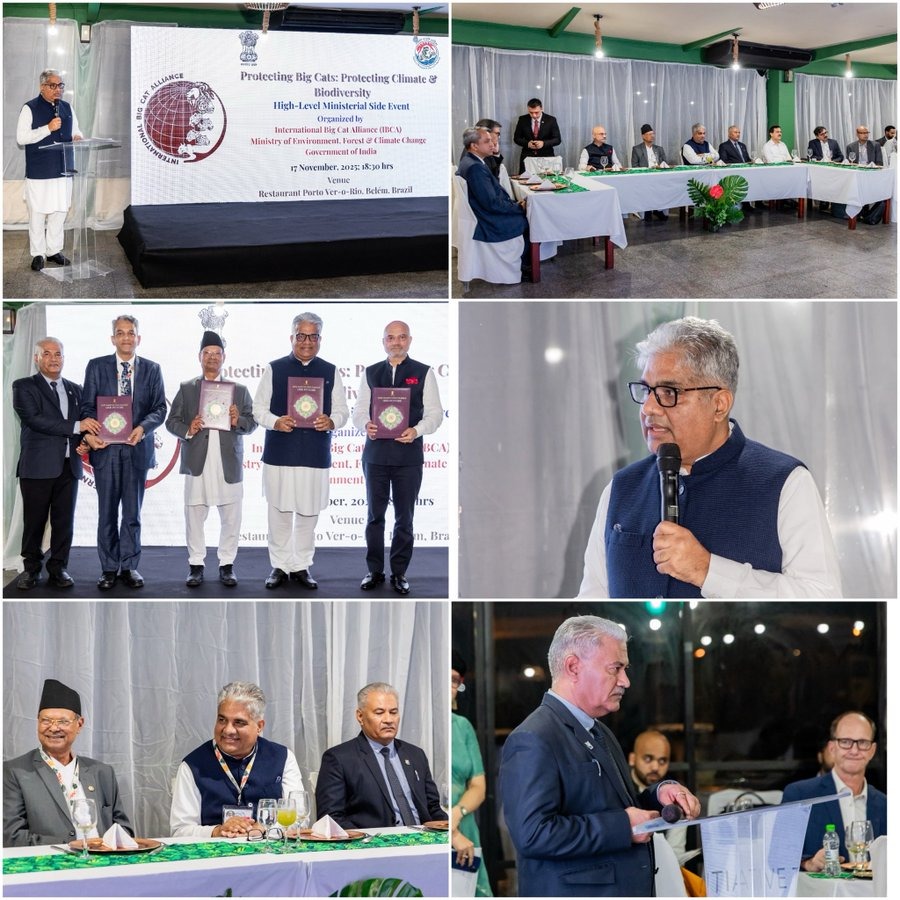
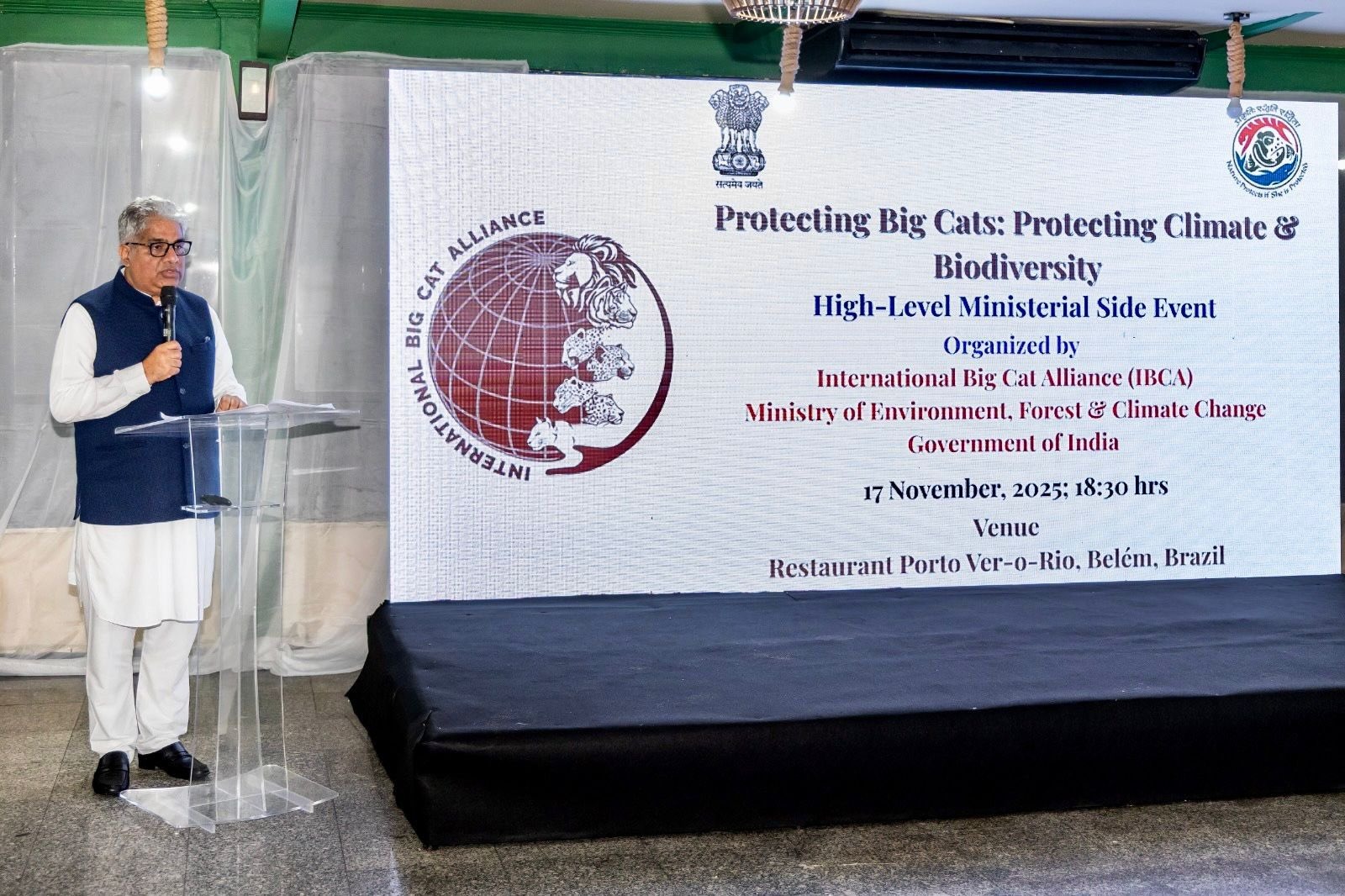
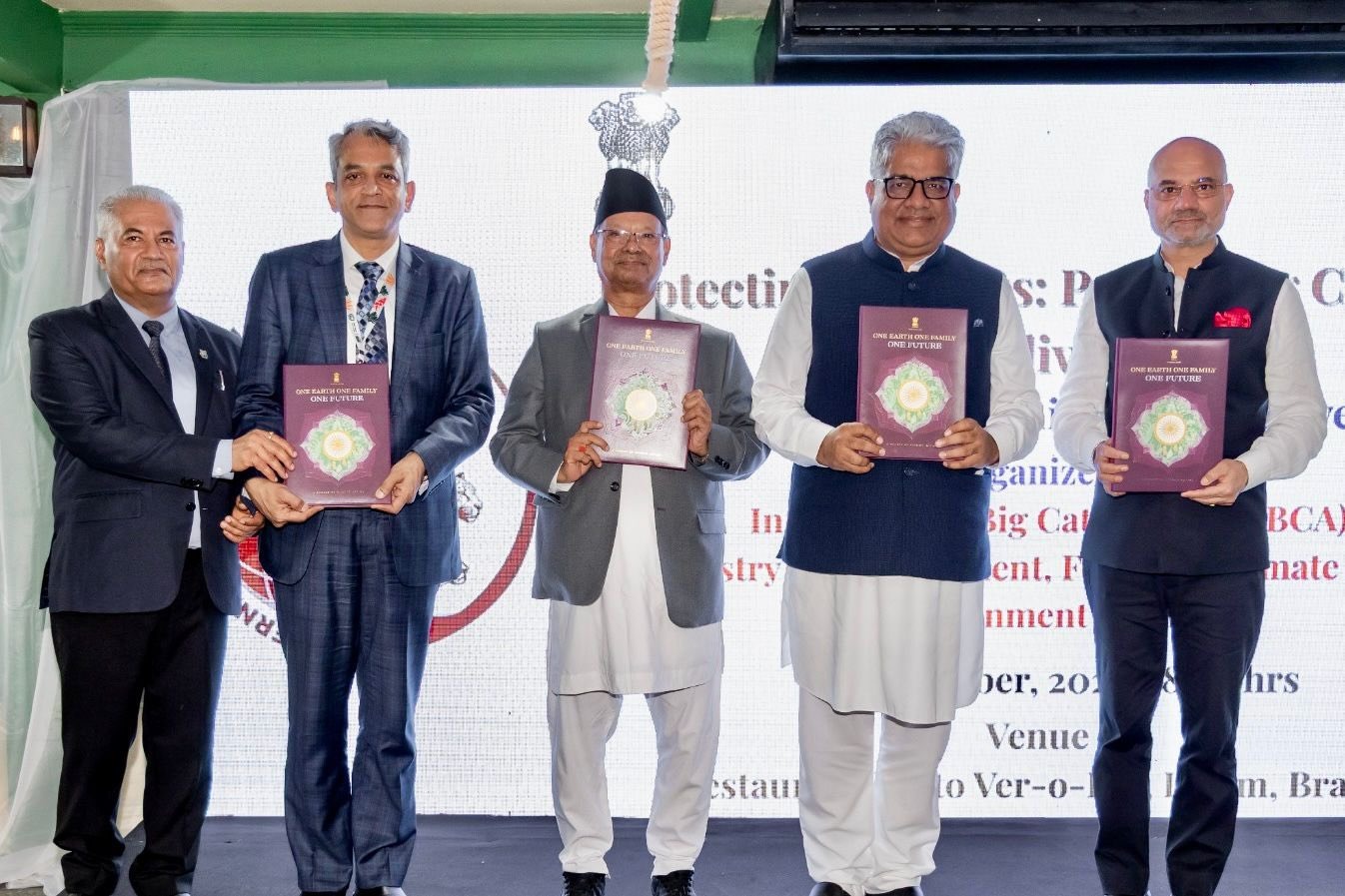
9th Indian Ocean Conference (IOC 2026) in Mauritius
At the 9th Indian Ocean Conference (IOC 2026), Dr. Amit Mallick, Director (International Cooperation), IBCA, highlighted the strong connection between forests and oceans through a “Ridge-to-Reef” approach.
He noted that protecting Big Cat habitats also helps conserve rivers, coastal ecosystems, and marine biodiversity. He emphasized the need for simple, cooperative, and community-based conservation efforts. His remarks underscored the importance of working together to build a sustainable and resilient Indian Ocean region. He also underscored the vision behind establishing an intergovernmental platform like IBCA and highlighted the pivotal role of Big Cat conservation in addressing global challenges such as climate change and global warming, thereby contributing to a sustainable and resilient future.
He further noted that India will host the IBCA Summit 2026 in June, envisioned as a global platform that will bring together leaders from across countries to advance collaborative efforts for big cat conservation.
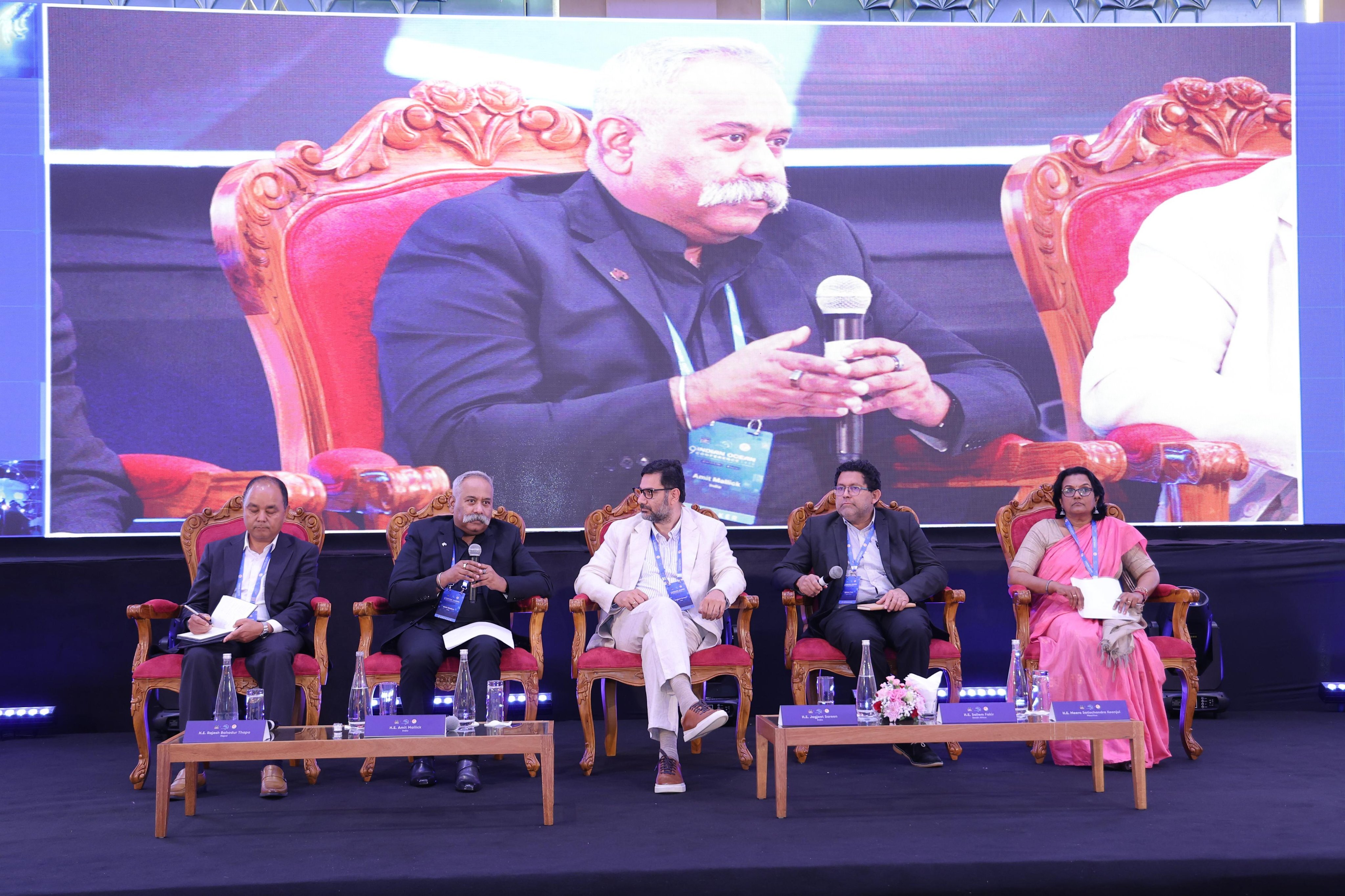
IBCA Reaffirms Support for Cambodia’s Tiger Recovery Efforts
Addressing the National Workshop on Cambodia’s Tiger Recovery Action Plan in Phnom Penh, Cambodia, Dr. S.P. Yadav, Director General, International Big Cat Alliance (IBCA), reaffirmed IBCA’s commitment to supporting Cambodia’s tiger recovery efforts through technical cooperation, capacity building and international partnerships
He announced IBCA’s support for the proposed translocation of tigers from India to Cambodia, marking an important step towards strengthening bilateral cooperation for tiger conservation.
The initiative underscores the shared commitment of India, Cambodia and IBCA to advancing science-based conservation, restoring tiger populations and strengthening international collaboration for the long-term conservation of big cats and their habitats.
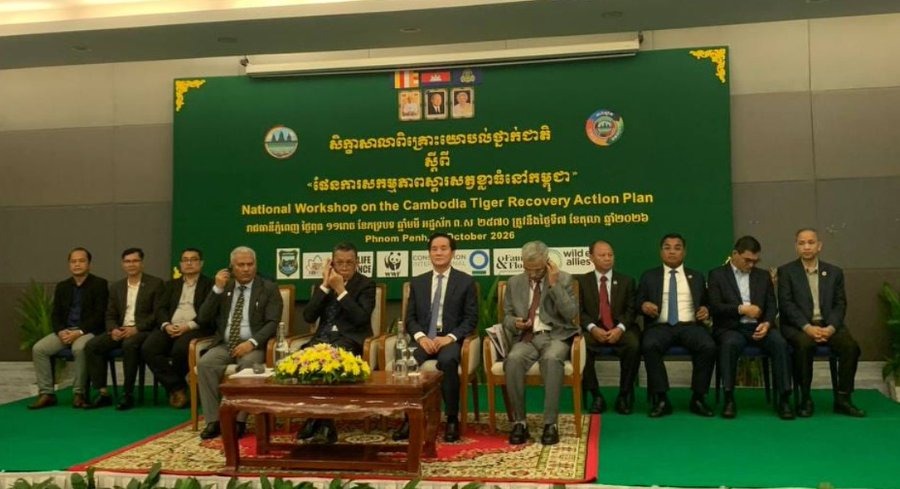

International Seminar on Lion Conservation
To commemorate World Lion Day 2025, “International Seminar on Lion Conservation” was jointly organized by Ministry of Environment, Forest & Climate Change, Government of India, International Big Cat Alliance (IBCA) and Government of Gujarat on 11th August, 2025 at Sasan-Gir, Gujarat. The Seminar was inaugurated in gracious presence of Mr. Mulubhai Bera, Hon’ble Minister for Forest & Environment, Gujarat, Shri Parimal Nathwani, Hon’ble Member of Parliament, and Senior officials from MoEFCC, Gujarat Forest Department, and IBCA. Hon’ble Minister applauded the International Big Cat Alliance, established under the visionary leadership of Mr. Narendra Modi, Hon’ble Prime Minister of India for its notable initiative in uniting experts from India and abroad to deliberate on the conservation of Asiatic and African lions.
The seminar also lauded the persistent conservation efforts of the Government of India and the Gujarat Forest Department for the protection of the Asiatic Lion, and appreciated the invaluable contribution of local communities whose active participation continues to play a vital role in safeguarding and sustaining lion populations.
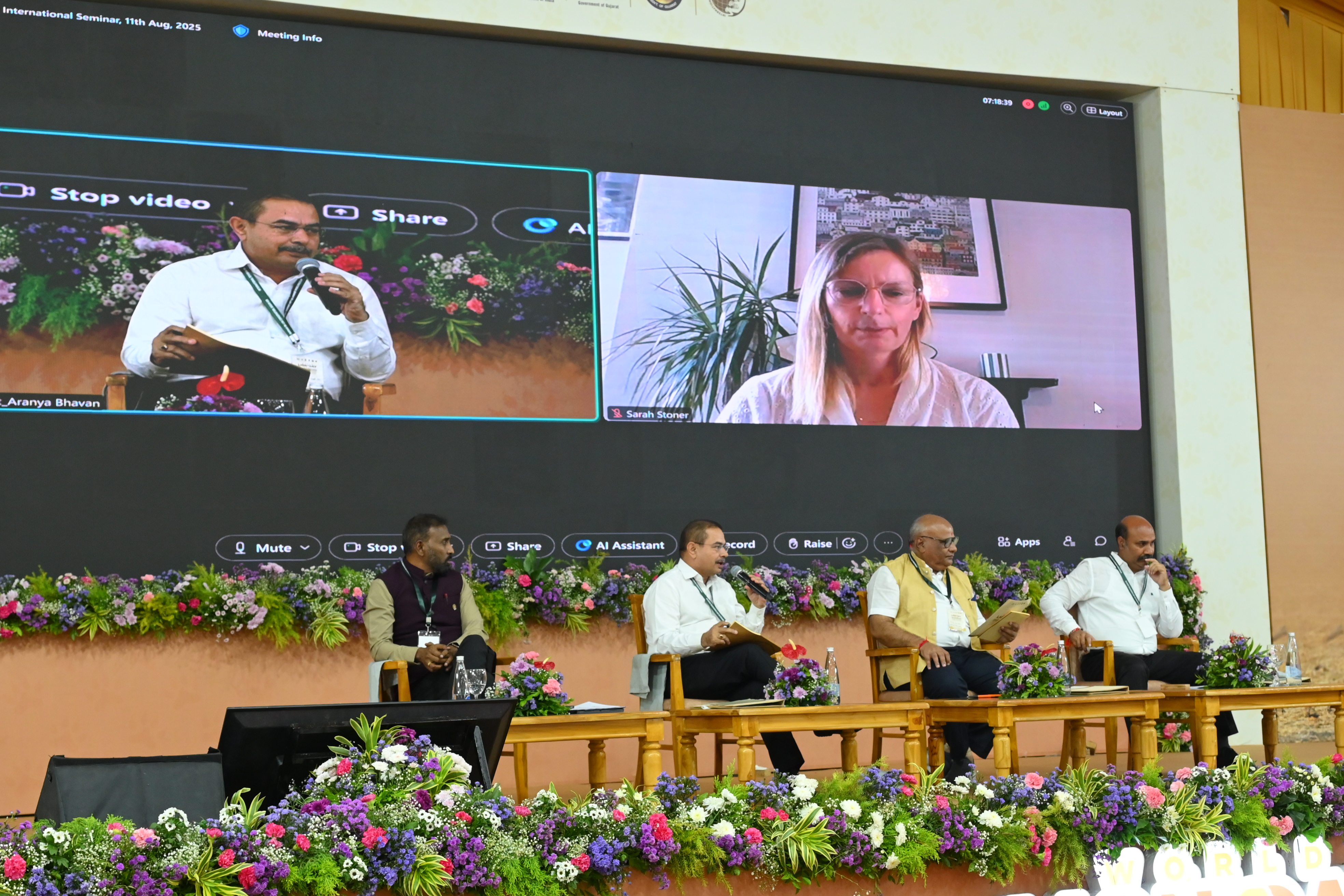
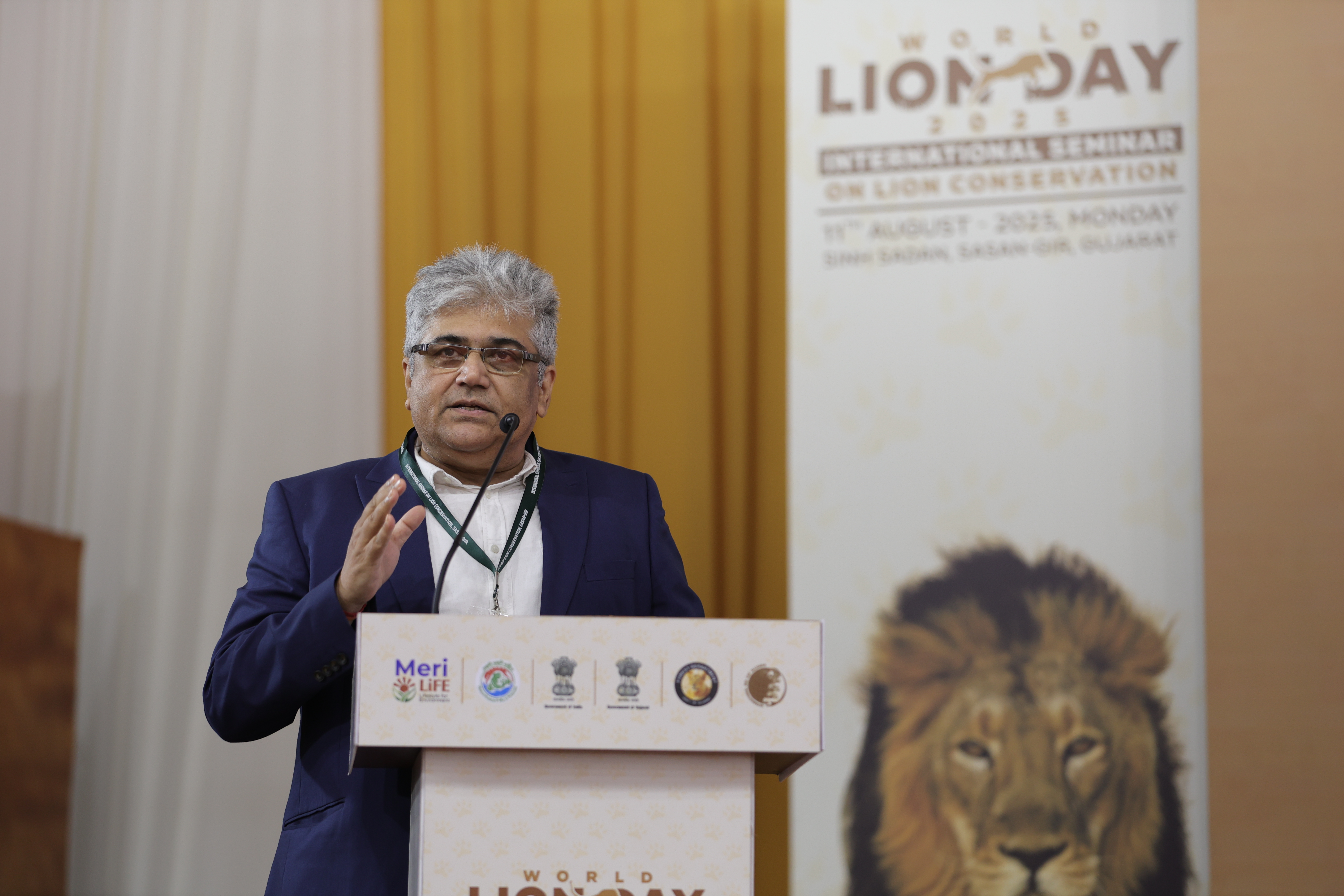
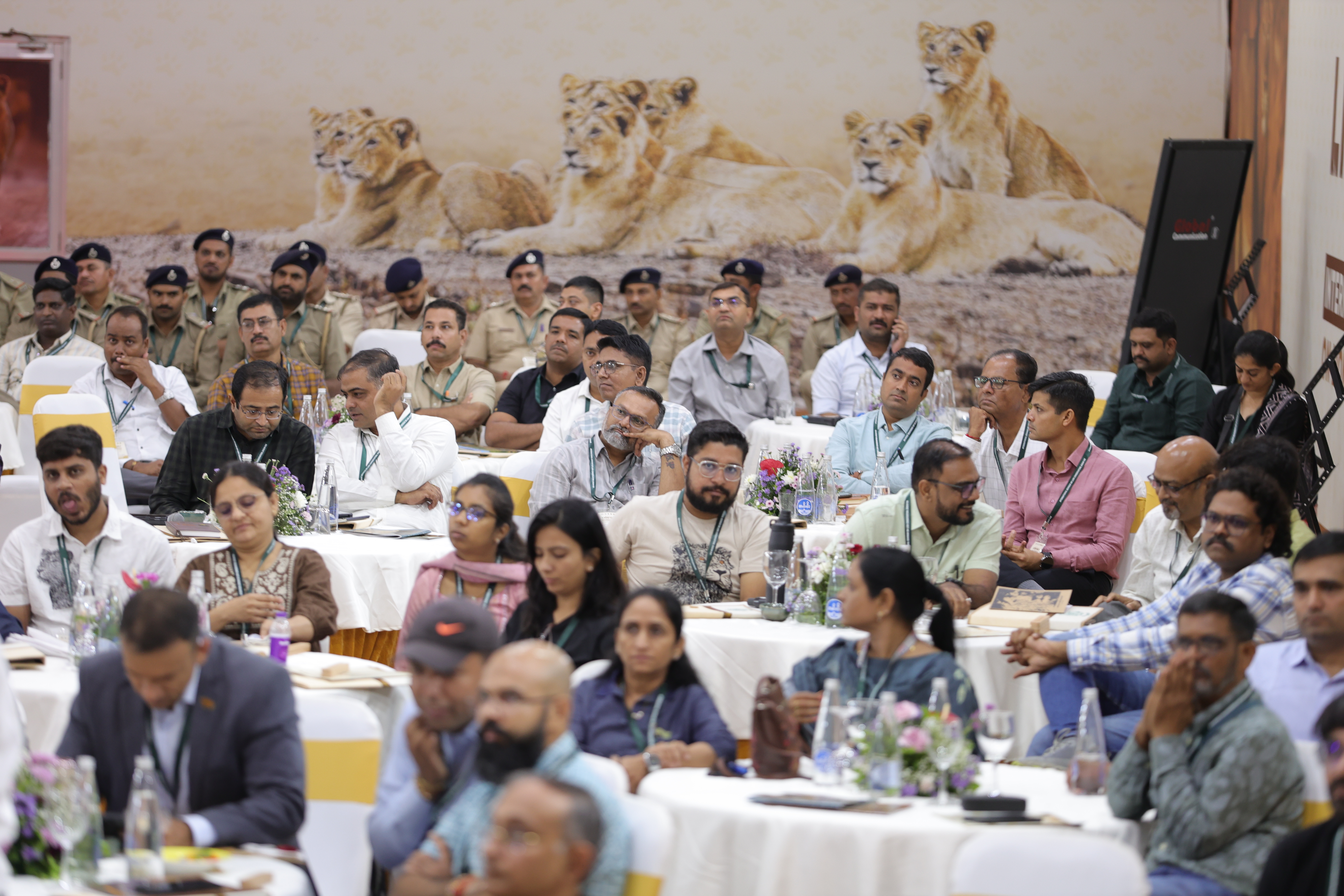
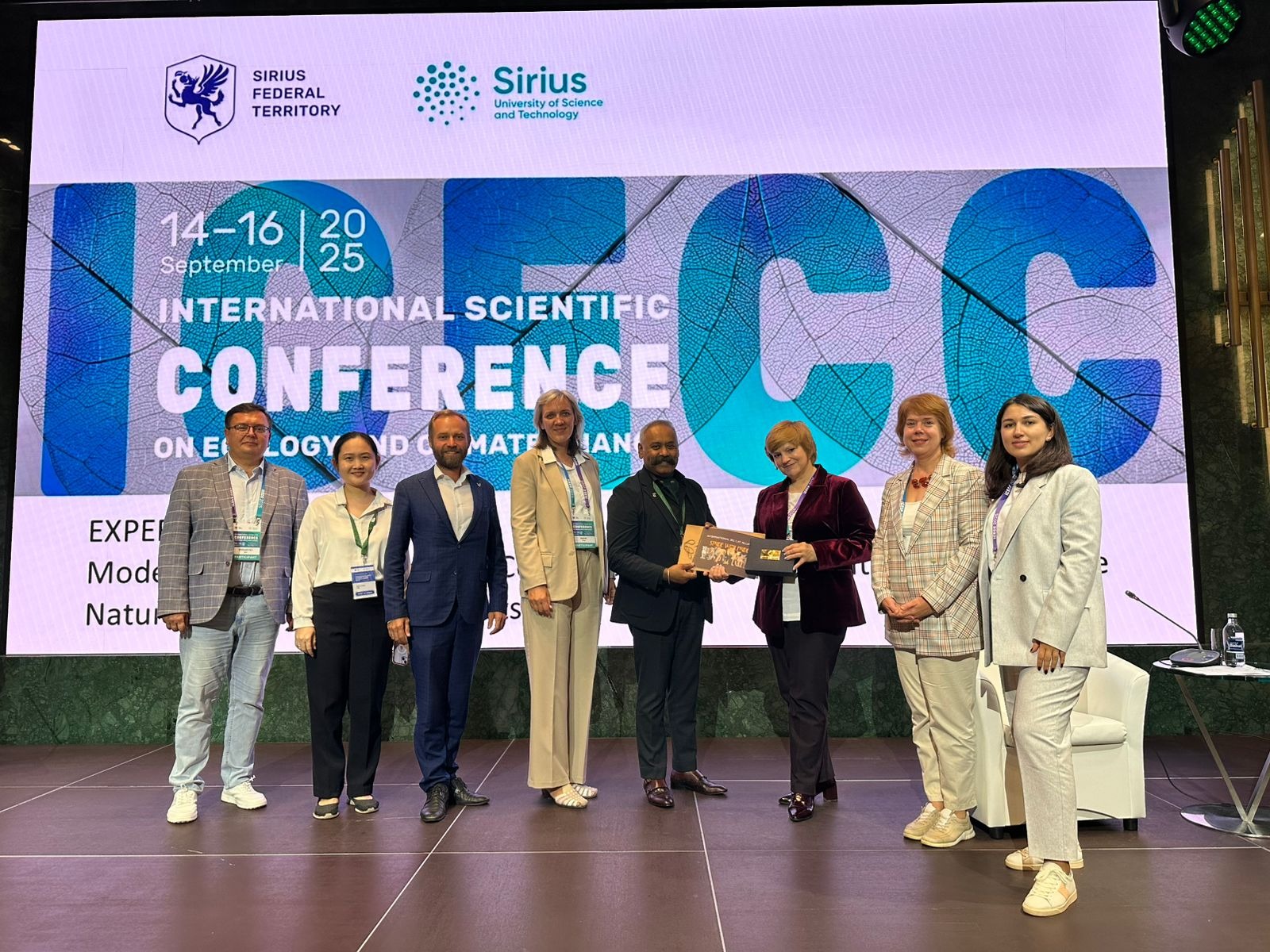

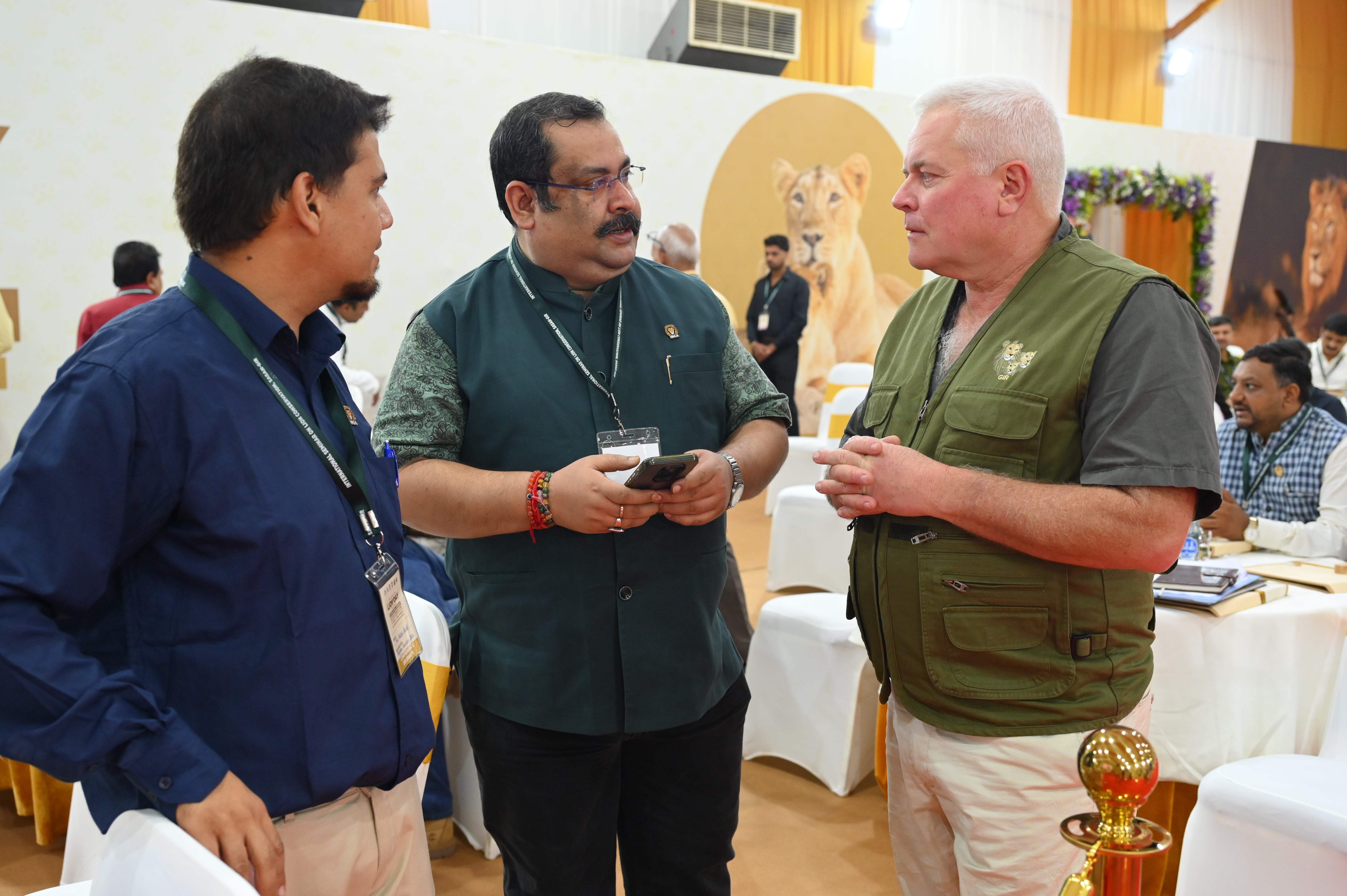
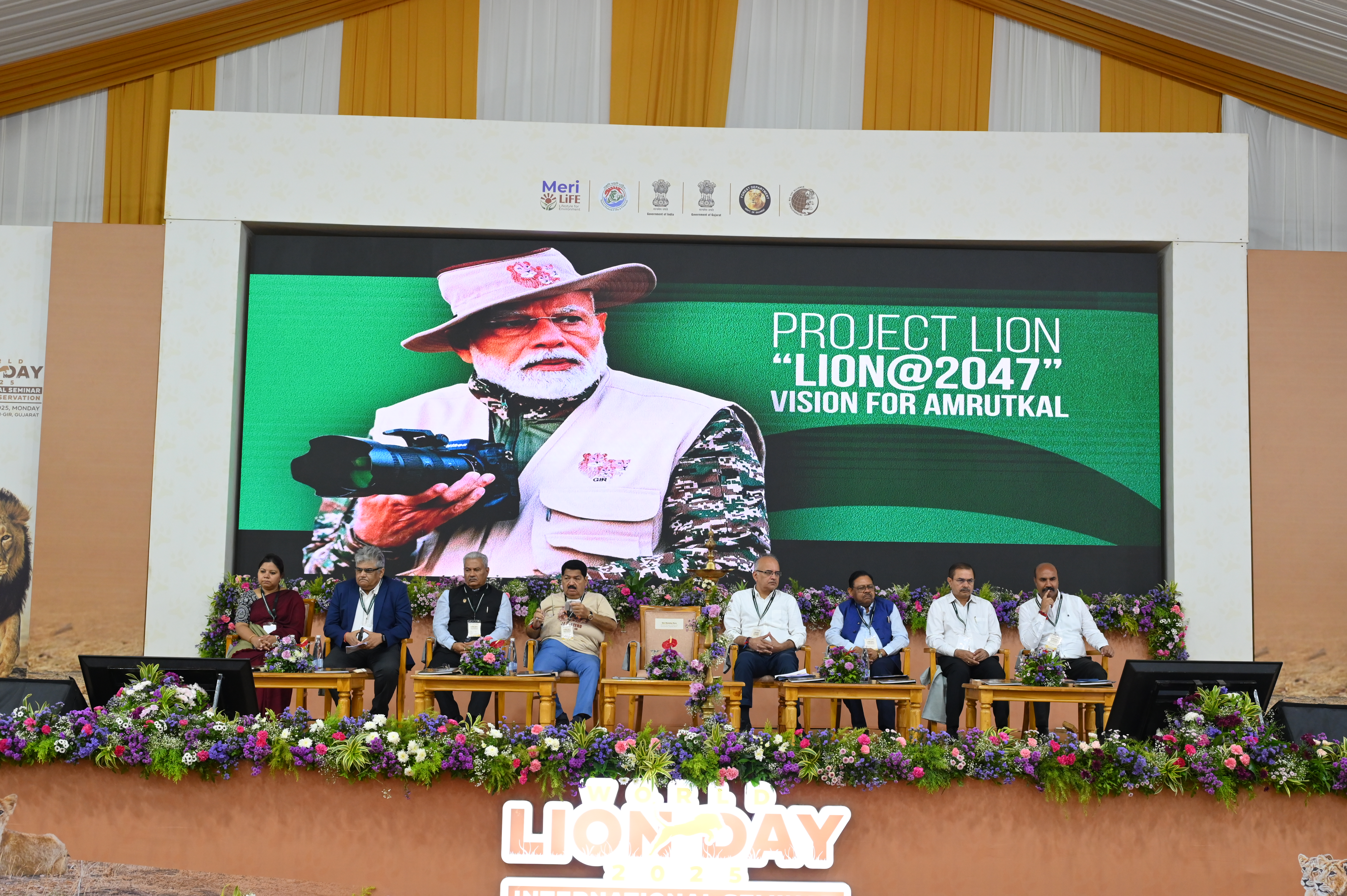
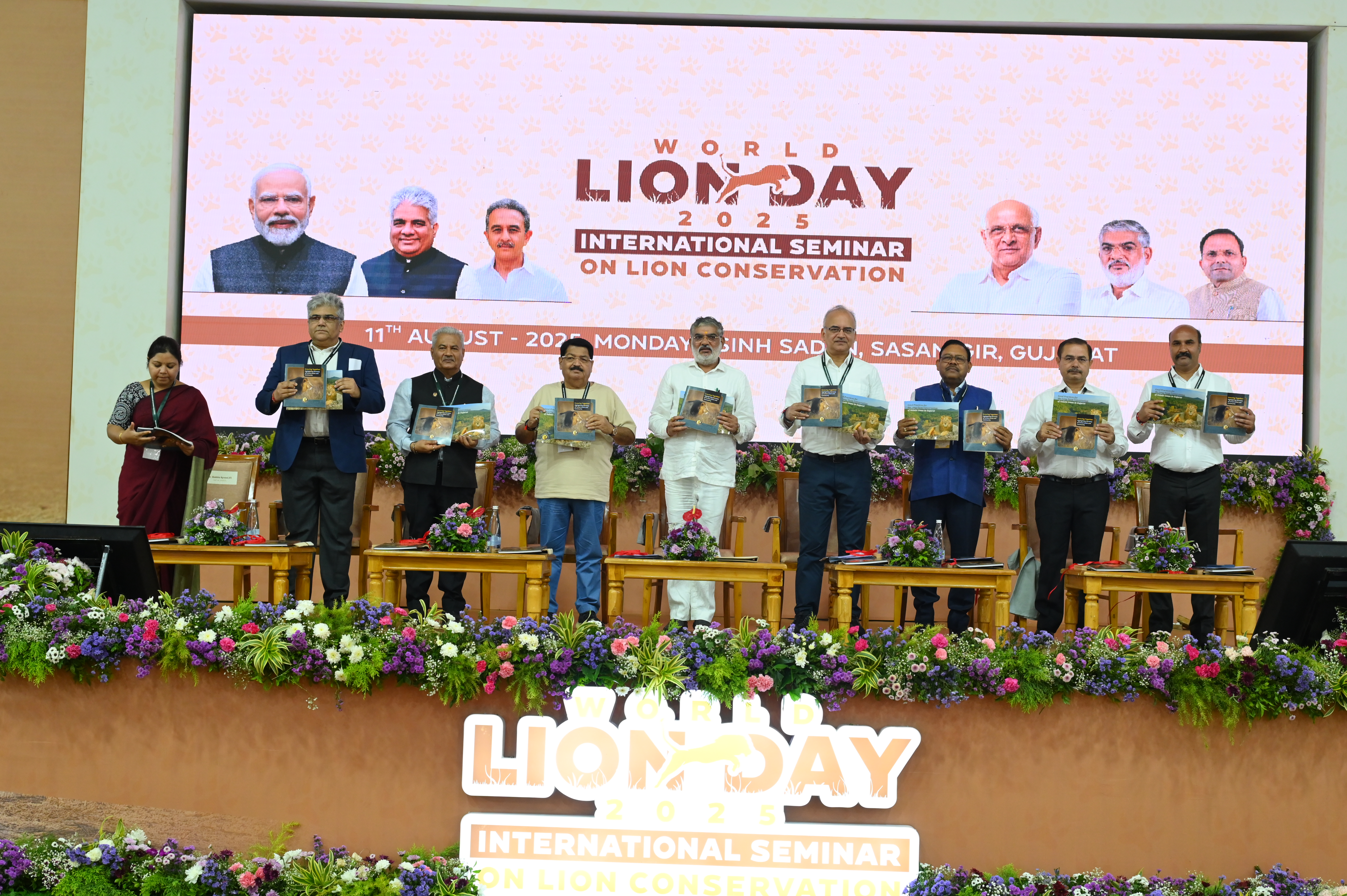
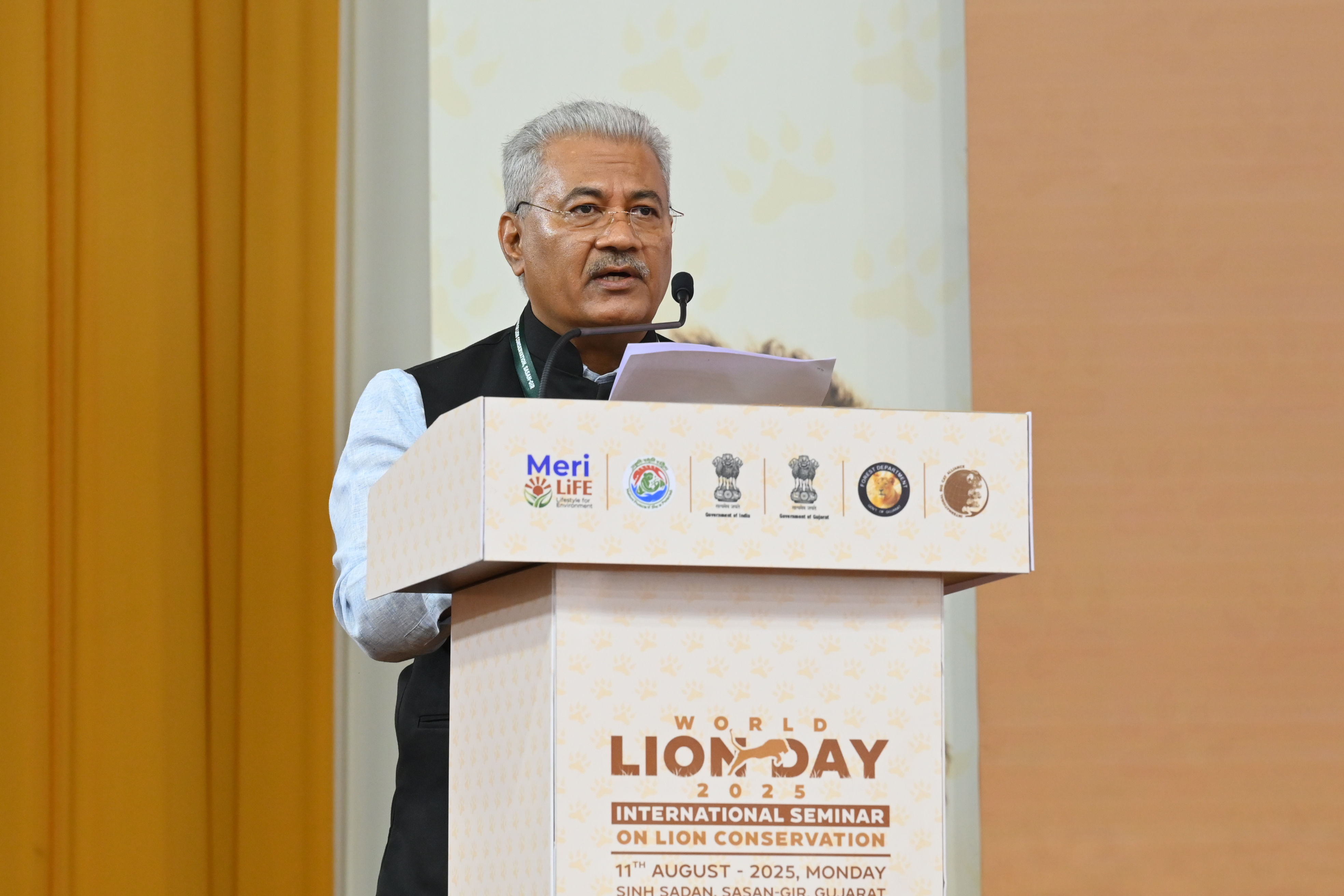
IRALE 2026 Conference, Periyar, Kerala
IBCA hosted a special session on Big Cat Conservation on 28 February 2026, bringing
together leading experts, researchers, and practitioners to discuss emerging priorities
and collaborative approaches.
The session opened with welcome remarks by Dr. Kausik Banerjee, Lead Specialist, IBCA,
followed by insights from Dr. Justus Joshua (Chair IRALE), Dr. P. V. Karunakaran
(President IRALE), and Dr. Ramesh Krishnamurthy (Founding Secretary IRALE).
A video message from Dr. S. P. Yadav, Director General, IBCA, emphasized the importance
of landscape-level conservation for the long-term survival of big cats, while Dr. Amit
Mallick, Director (International Cooperation), IBCA, presented the future vision of the
Alliance. The session was moderated by Dr. Tamali Mondal, Programme Associate, IBCA.
Technical Session 1 featured a keynote address by Dr. Sivananthan
Elagupillay, Tiger Lead Specialist, IBCA, focusing on collaborative approaches to big
cat conservation.
This was followed by student presentations by Dr. Priyamvada Bagariya, Ms. Harshita
Prajapati, and Mr. Vishal Patel on:
- Socially inclusive tiger corridor management in Central India
- Livelihood challenges and tiger recovery in the Sahyadri landscape
- Community attitudes toward leopards in the Greater Gir landscape
Technical Session 2 included a keynote address by Dr. Paul Funston,
Executive Director, African Lion Conservation, who shared insights on management
strategies for lions and other big cats in Africa.
A panel discussion on “Imperatives for Recovery and Conservation of Big Cats and
Institutionalising Conservation Standards” followed, moderated by Dr. Madhu
Verma with panellists:
- Dr. H. S. Negi
- Dr. P. Pugazhendi
- Dr. Sivananthan Elagupillay
- Dr. Paul Funston
- Dr. Ramesh Krishnamurthy
- Dr. Joydeep Bose
Among the student presentations, Mr. Vishal Patel received the Best Presentation
Award along with a cash prize from IBCA.
The main theme of the conference was “Social Inclusivity towards Landscape
Integrity and Resilience.”
The conference also focused on AI-powered conservation, ecosystem services valuation,
and community-based conservation initiatives, highlighting innovative and inclusive
approaches for safeguarding biodiversity and strengthening landscape resilience.
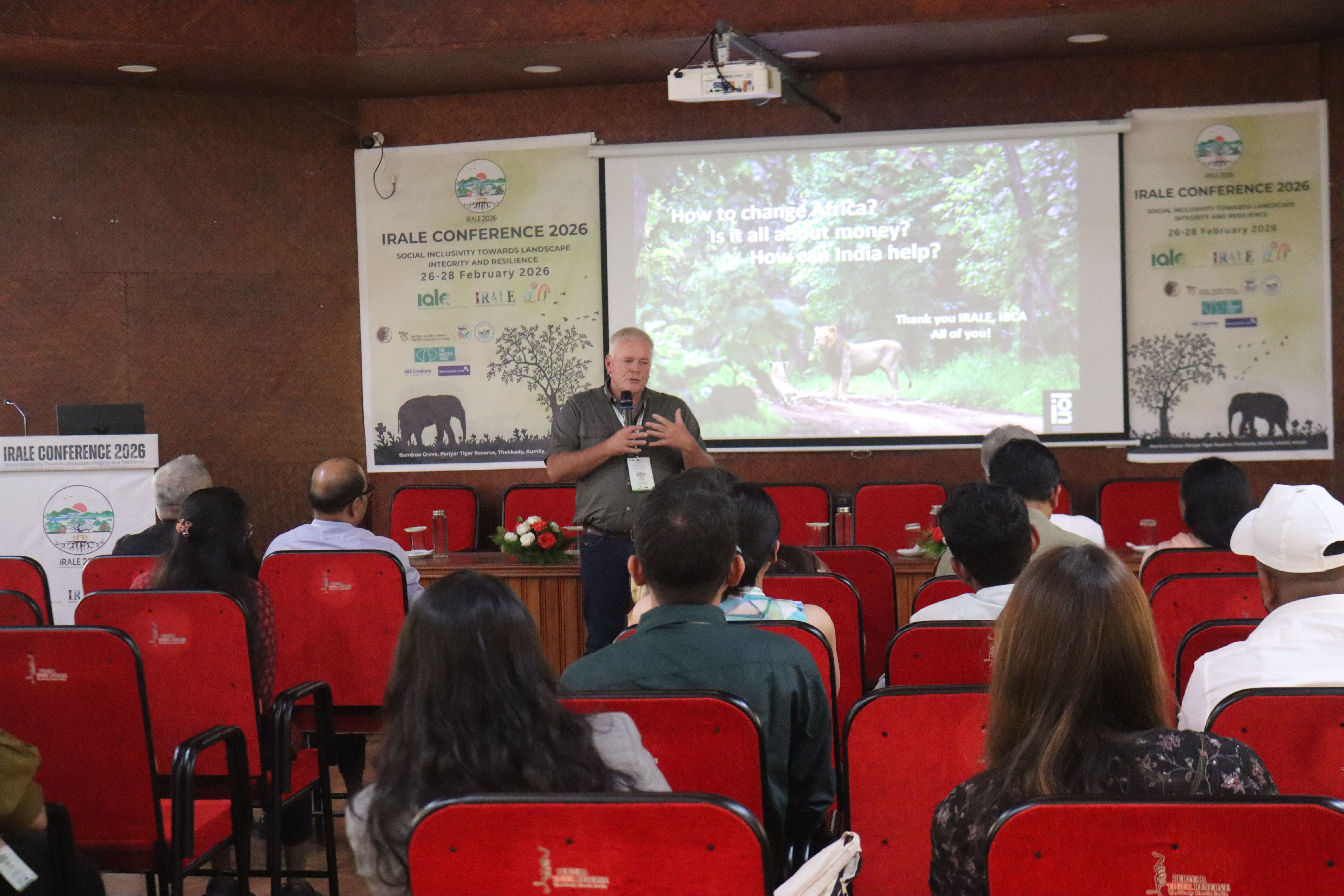
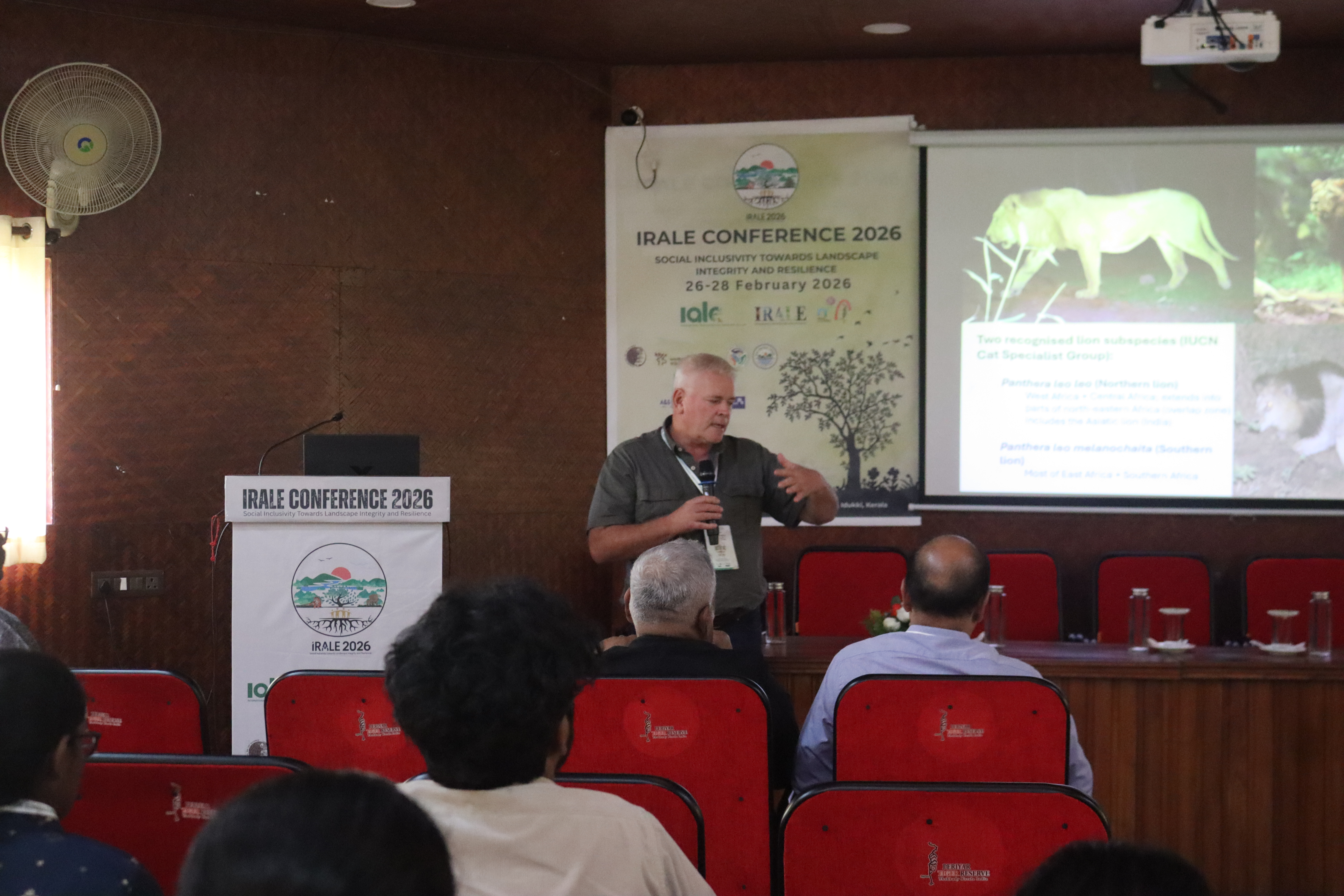
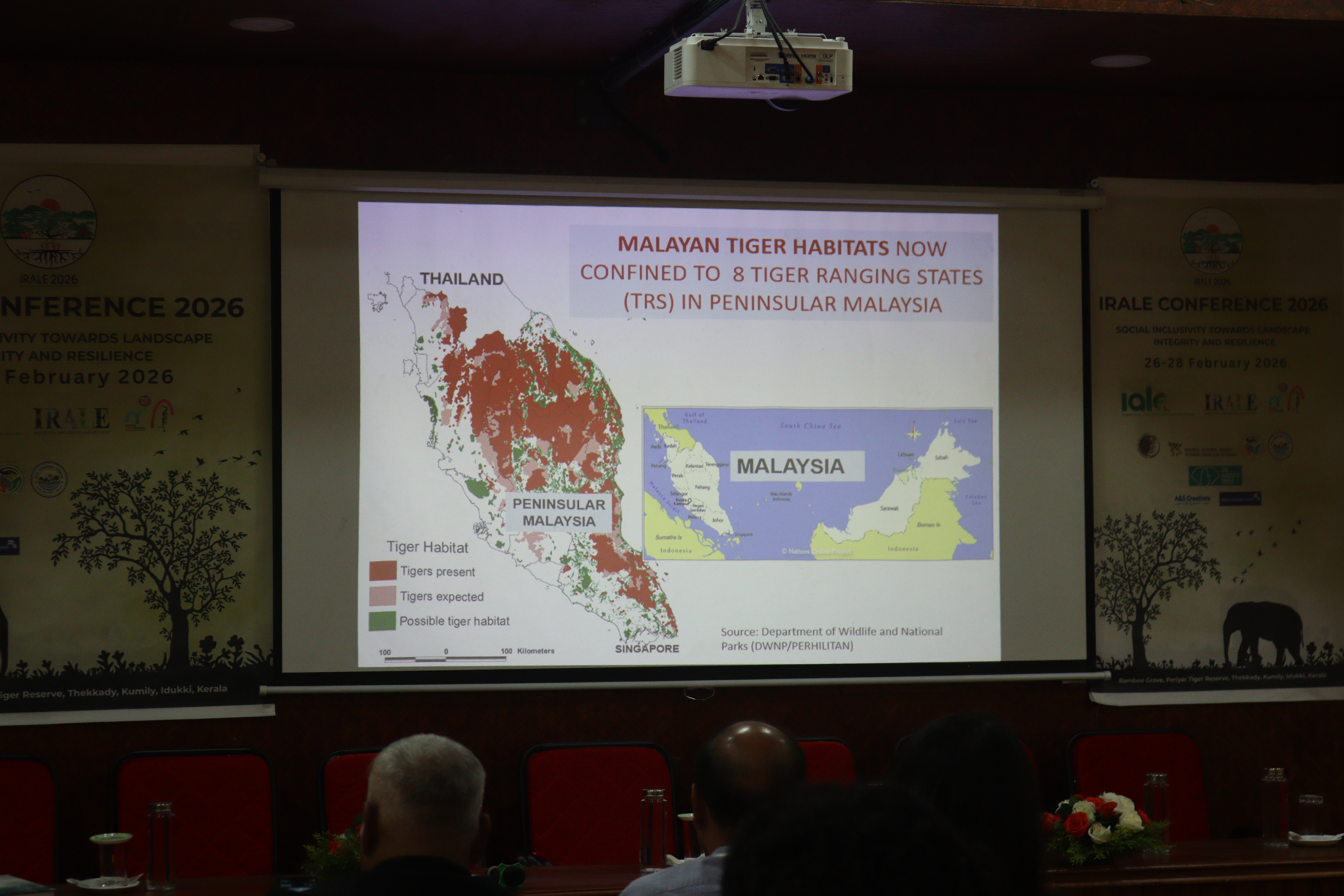
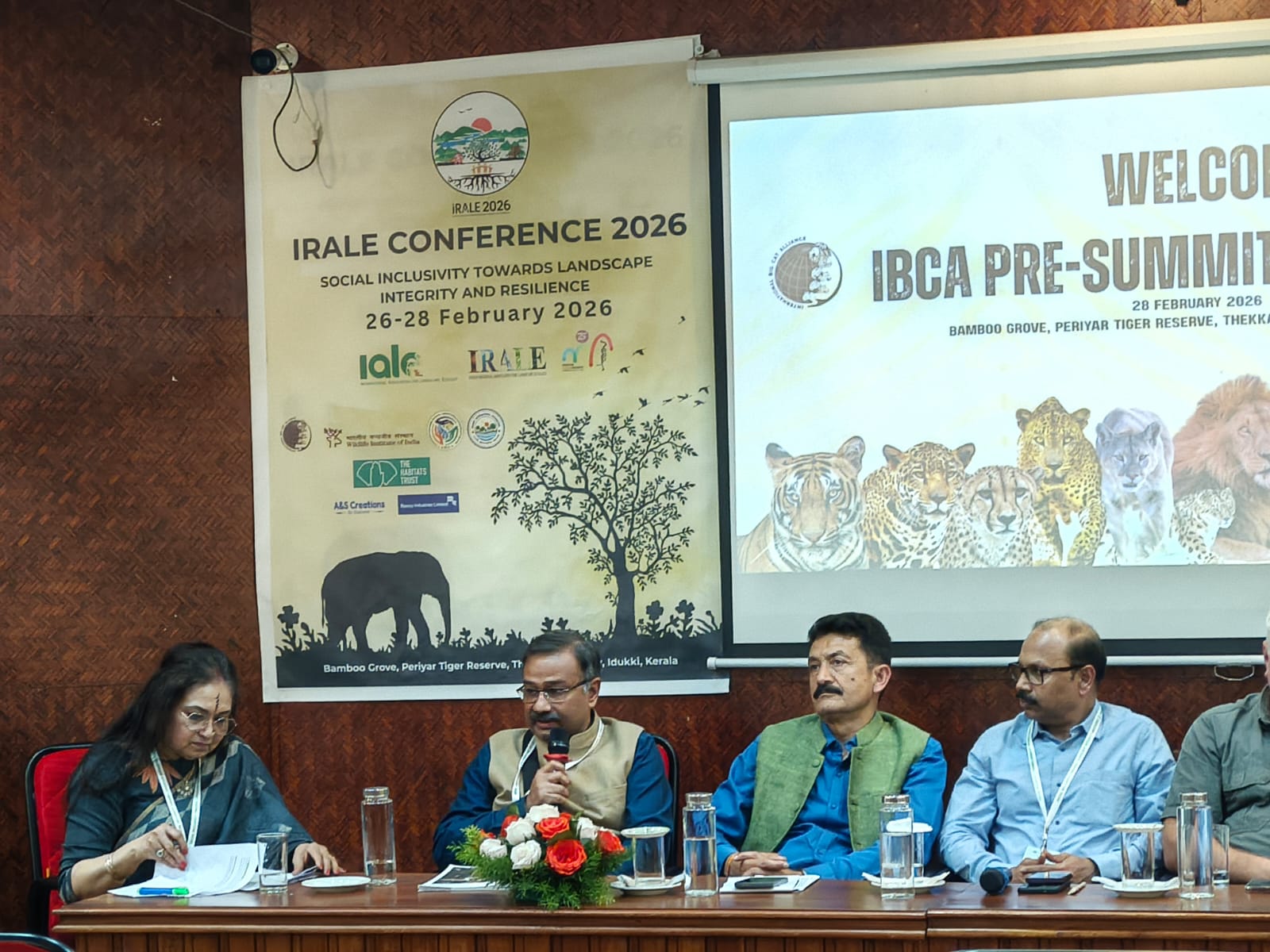
.jpeg)
.jpeg)
DG IBCA Meets Ambassador of India to Cambodia to Strengthen Cooperation on Big Cat Conservation
Dr. S.P. Yadav, Director General, International Big Cat Alliance (IBCA), accompanied by Mr. Sanjay Kumar, Member Secretary, National Tiger Conservation Authority (NTCA), and Mr. Jerome Minz, Director (Operations), IBCA, called on H.E. Mr. Vanlalvawna Bawitlung, Ambassador of India to Cambodia, in Phnom Penh.
The discussions focused on strengthening cooperation among India, IBCA and Cambodia in big cat conservation, with particular emphasis on capacity building, collaborative conservation initiatives, and knowledge exchange concerning tiger reintroduction and habitat management.
The interaction reaffirmed the shared commitment to fostering international partnerships and advancing collaborative efforts for the conservation of big cats and their habitats.


