Programme for Integrated Management &
Excellence in Big Cat Health (PRIME-CAT)
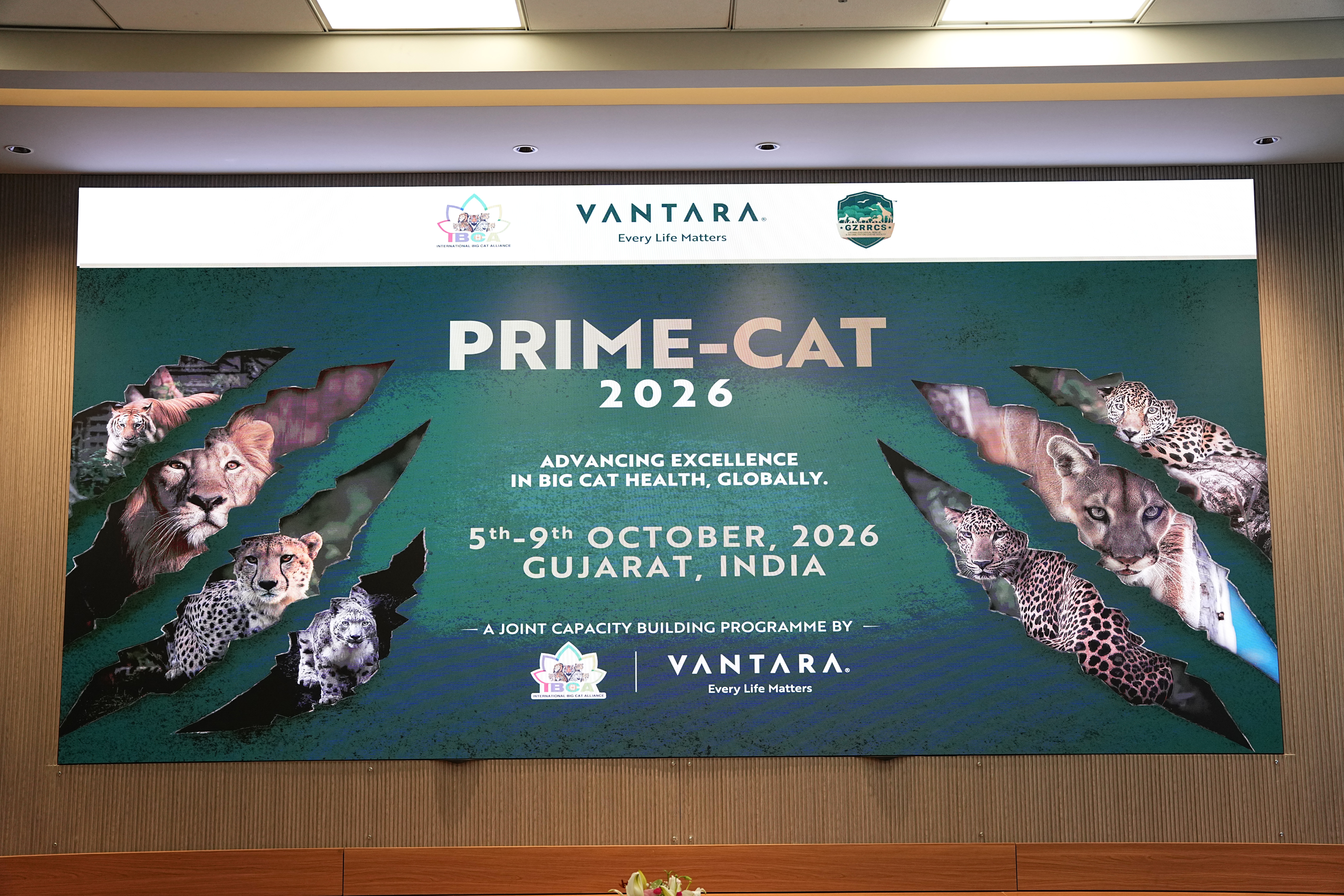
IBCA and GZRRC jointly organised PRIME-CAT
2026, bringing together veterinary professionals
and wildlife conservation practitioners from
20 countries.
Read More →
Programme for Integrated Management &
Excellence in Big Cat Health (PRIME-CAT)
The Programme for Integrated Management &
Excellence in Big Cat Health (PRIME-CAT) was
organised jointly by the International Big Cat
Alliance (IBCA) and the Greens Zoological Rescue
and Rehabilitation Centre (GZRRC) from 5th to
9th October 2026 in Jamnagar, Gujarat.
The programme brought together veterinary
professionals and wildlife conservation
practitioners from 20 countries to strengthen
technical knowledge, share experiences and
promote best practices in big cat health
management, welfare and conservation.
Ice-Breaking Session – 4 October 2026
The programme commenced with an ice-breaking
session on 4th October 2026, during which
Dr. S.P. Yadav, Director General, IBCA, and
officials from GZRRC welcomed the participants
and outlined the programme objectives and
learning journey. The session emphasised the
importance of collaboration and the One Health
approach in safeguarding the health and
welfare of big cats.
Day 1 – Inaugural Session
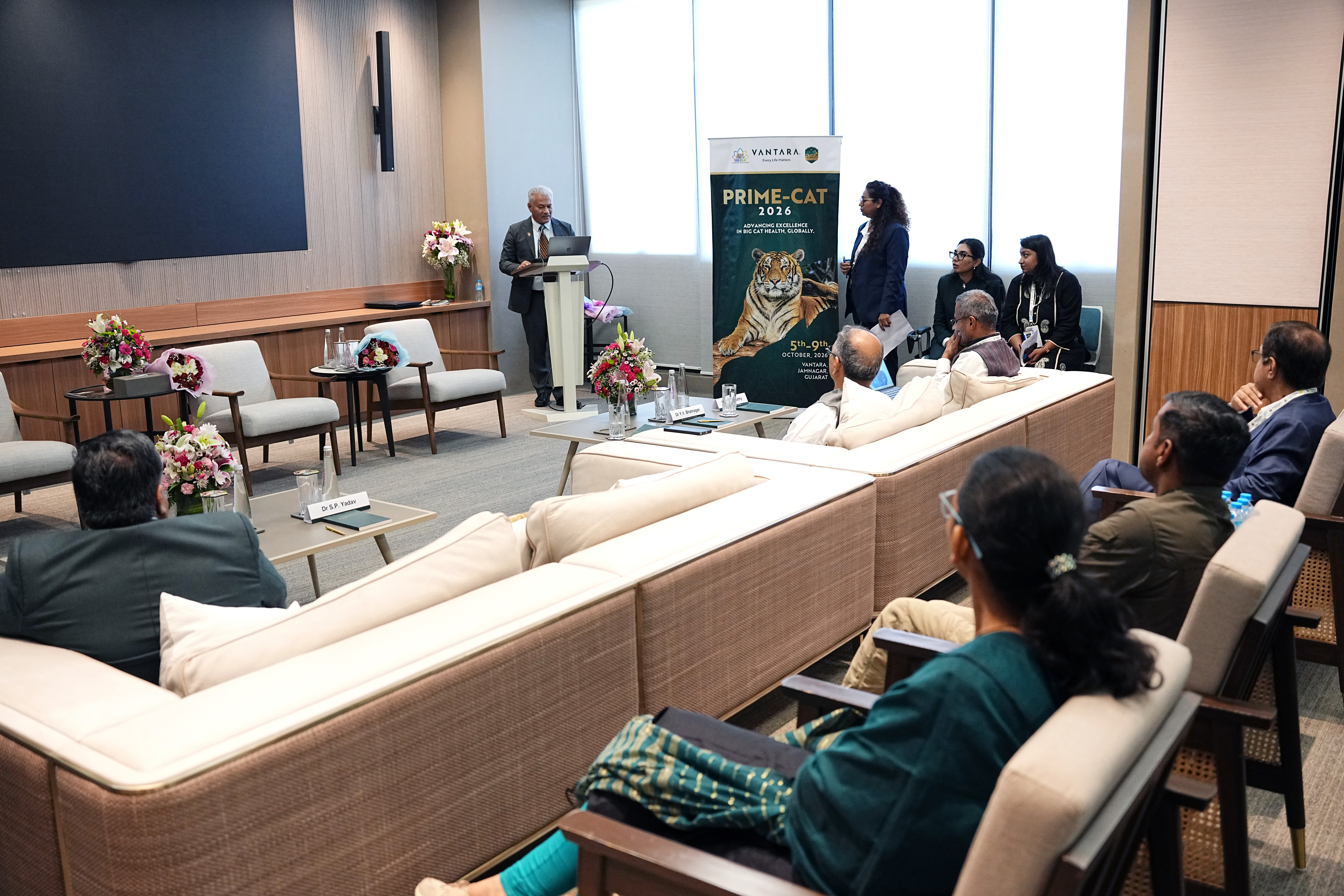
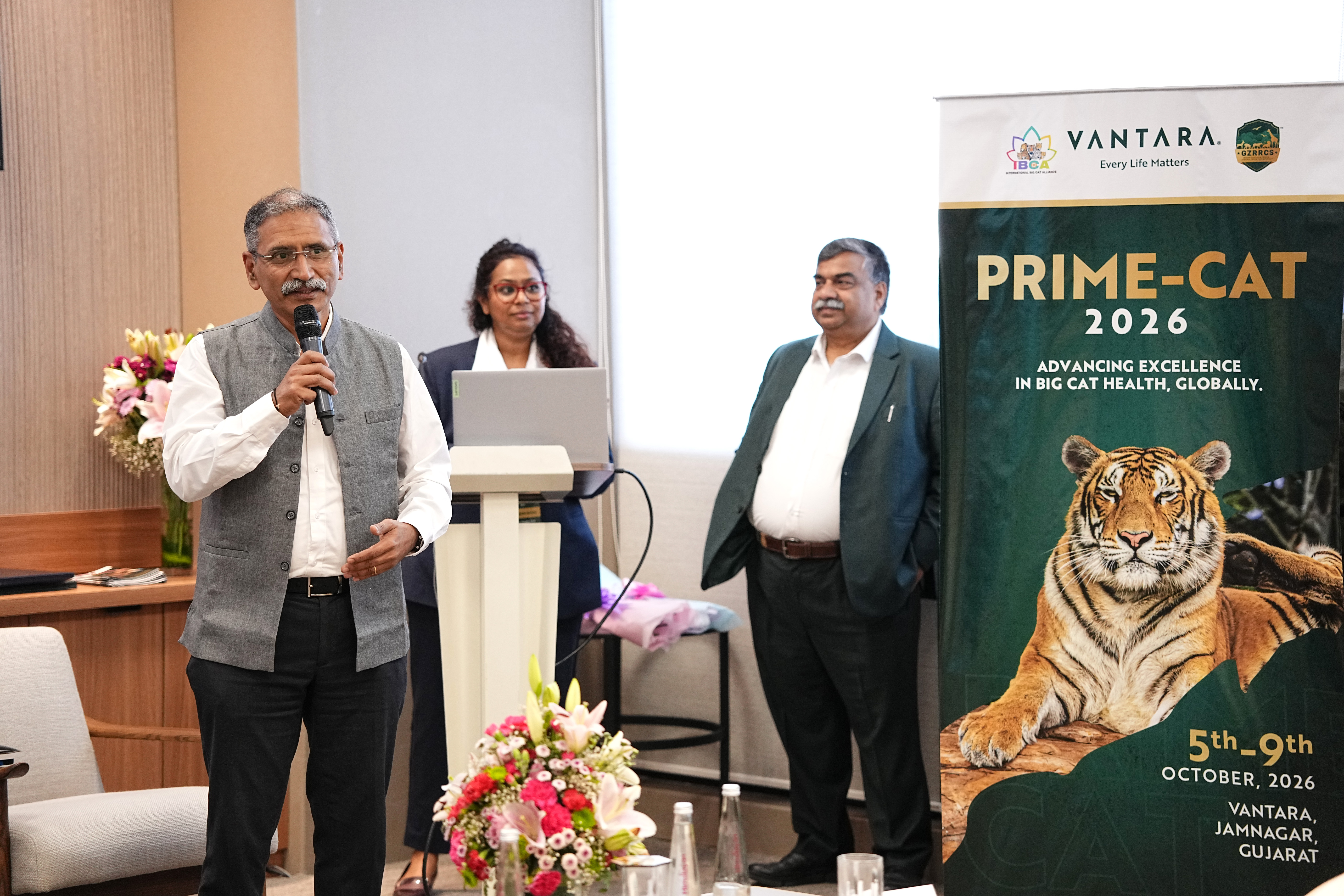
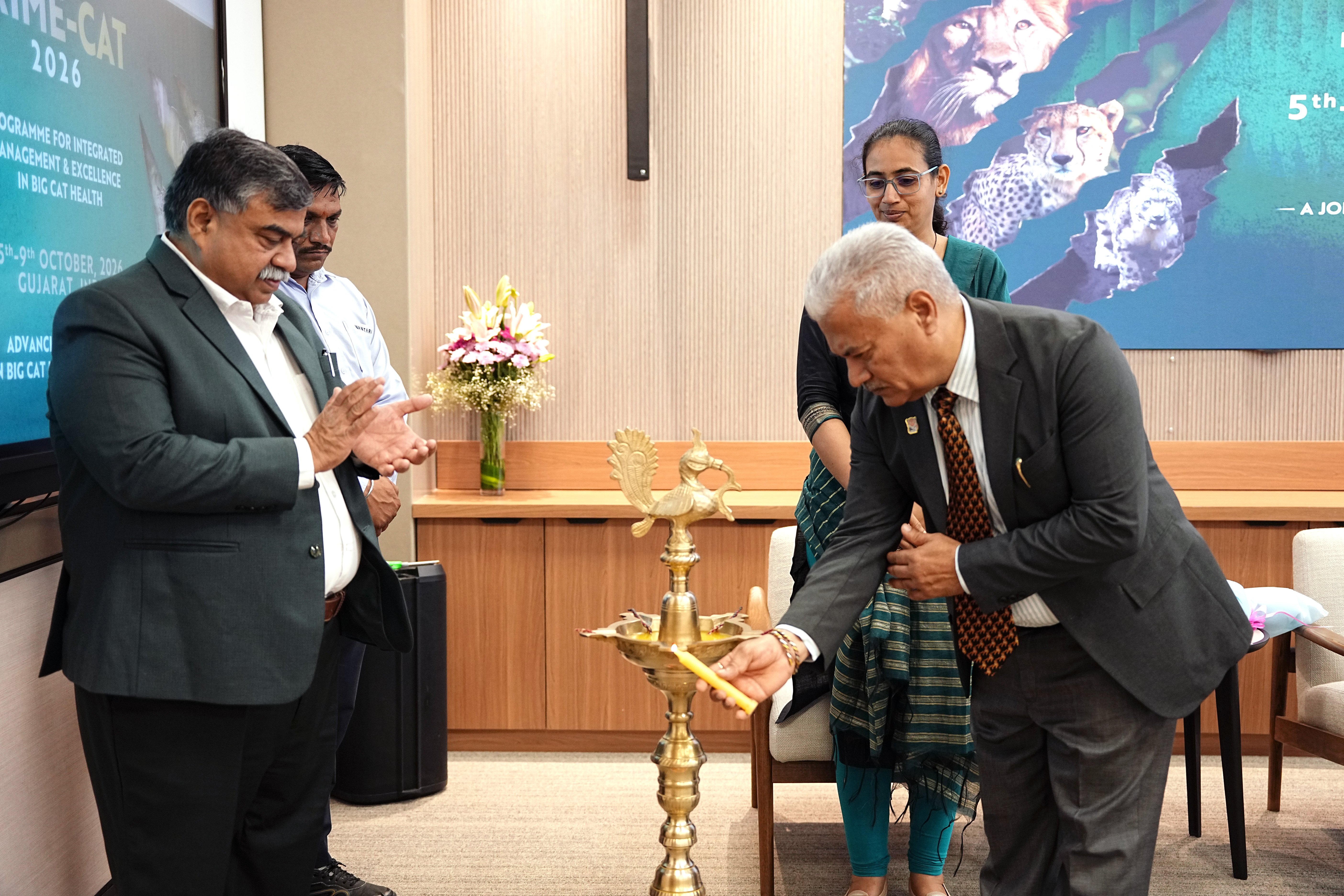
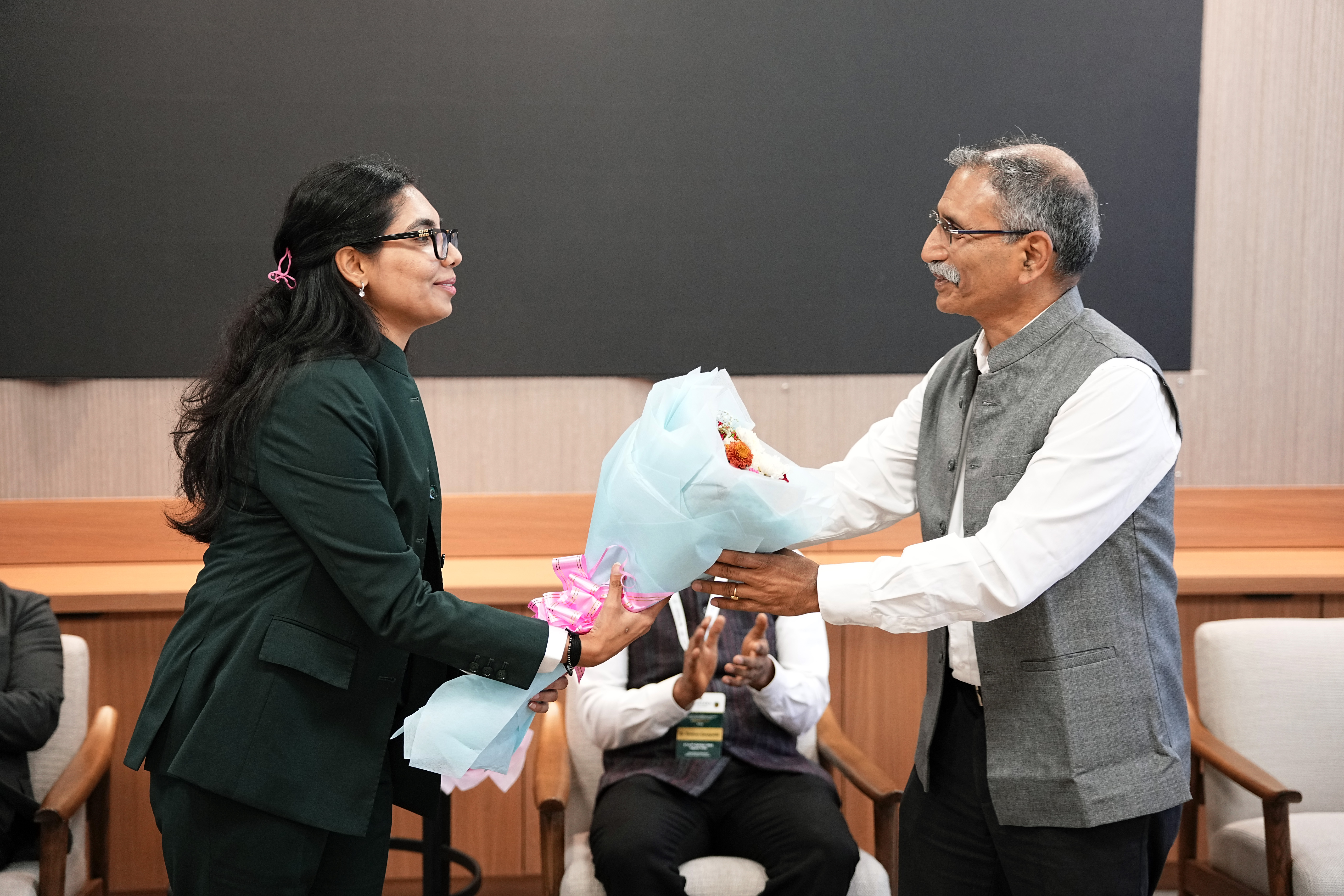
The inaugural session on 5th October began
with opening remarks by Dr. Brij Kishor Gupta,
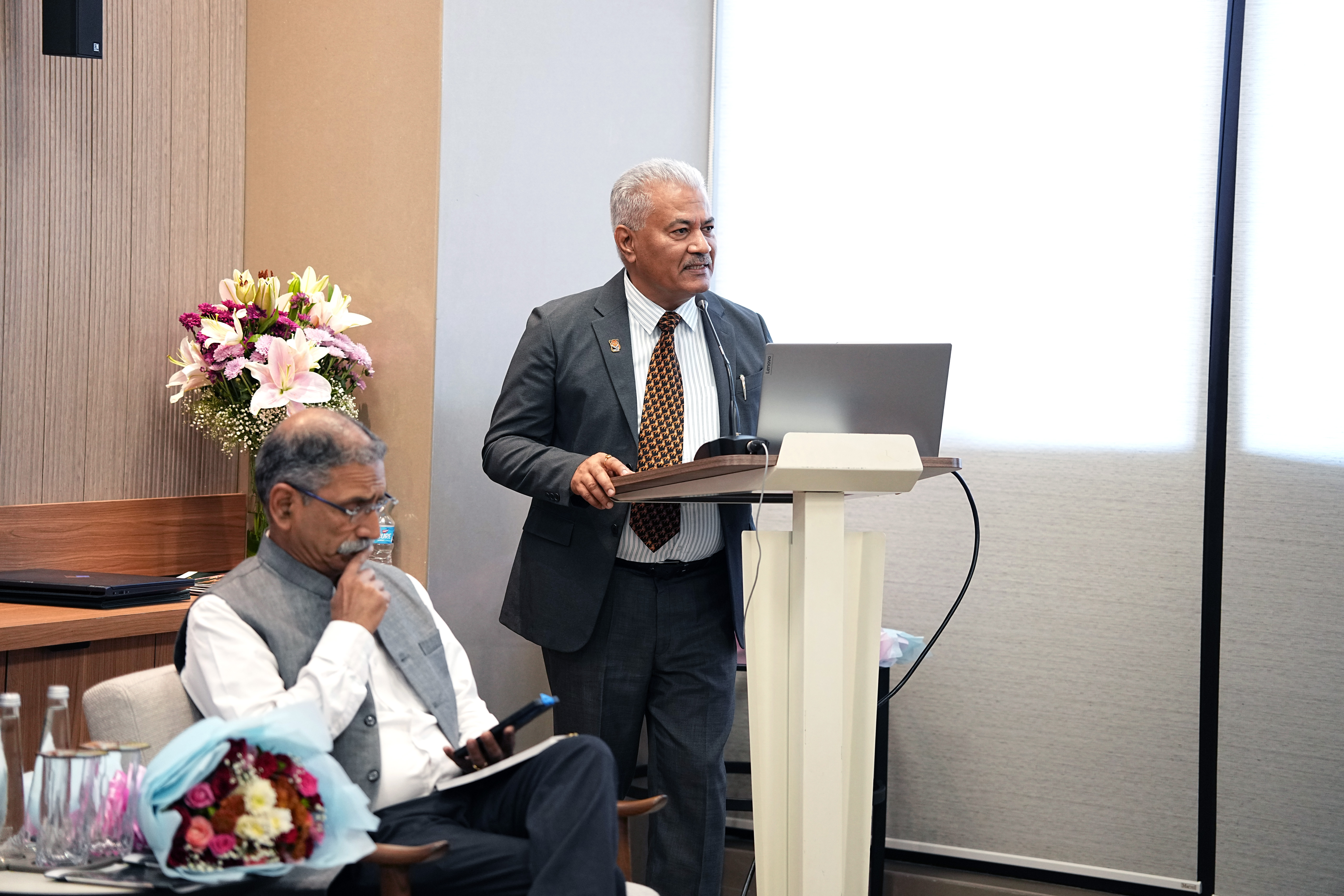
Director, GZRRC. Dr. S.P. Yadav, Director
General, IBCA, delivered the keynote address,
highlighting the vision and objectives of
PRIME-CAT. Ms. Radhika Parsana, Deputy
Conservator of Forests, Jamnagar, attended
as the invited guest.
The academic sessions included a presentation
by Dr. Yashveer Bhatnagar on snow leopard
conservation and a talk by Dr. Sindhura Ganpati,
Principal Scientific Advisor Fellow, Government
of India, on One Health and transboundary
disease risks.
Day 2 – Field Visit and Practical Exposure
Day 2 focused on practical exposure through
a field visit to the Rescue and Rehabilitation
Centre. Participants gained insights into
animal care, routine monitoring, nutrition
and diet management, and animal health and
welfare practices, highlighting the importance
of evidence-based approaches to wildlife care.
Day 3 – Big Cat Care and Technical Sessions
Day 3 combined field visits to Vantara's
Big Cat Care Facilities with technical
classroom sessions. The sessions covered
major infectious diseases, zoonoses and
biosecurity; clinical examination and
immobilisation protocols; safe transportation
of wild animals; advanced laboratory techniques
for big cat health surveillance; and
conservation-oriented wildlife management
practices. These engagements provided
participants with practical insights into
the clinical and operational dimensions of
big cat health management.
Day 4 – Diagnostics and Wildlife Rescue
Day 4 featured technical sessions on sample
collection, storage and transportation by
Dr. S. Bharathy; diagnostic tools in clinical
pathology and parasitology by Dr. Neha Pant
and Dr. Reshmi Raveendran; and digital
communication strategies for wildlife
conservation by Dr. Manilal V.
Participants also visited the Central
Laboratory and Animal Rescue Centre, gaining
further exposure to diagnostic facilities
and wildlife rescue operations.
Day 5 – Wildlife Emergencies and Conservation
Day 5 addressed the role of veterinary science
in responding to wildlife emergencies and
supporting conservation outcomes.
Dr. Ajay Deshmukh and Dr. Riyaz Kadivar
delivered a session on "From Conflict to
Conservation: The Veterinarian's Role in
Wild Large Feline Rescue," followed by
Dr. P.A. Kalaignan's session on rescue,
rehabilitation and release of big cats.
A panel discussion on "Big Cat Conservation
Challenges" provided a platform to deliberate
on policy, field management, veterinary
practice and international cooperation.
The programme also featured case studies
based on real-world scenarios, guided
problem-solving, participant presentations
and peer learning.
Programme Outcomes
Throughout the programme, PRIME-CAT integrated
classroom learning, field exposure, technical
demonstrations and professional exchange to
strengthen participants' understanding of
big cat health management. It also highlighted
the importance of disease surveillance,
diagnostic preparedness, animal welfare,
rescue and rehabilitation, and cooperation
among veterinary professionals and
conservation institutions.
Conclusion
PRIME-CAT 2026 represents an important step
towards strengthening professional capacity
and fostering international collaboration
in big cat conservation. The knowledge and
experience gained during the programme are
expected to support the application of
improved practices in participants' respective
countries and contribute to sustained
cooperation for the health, welfare and
long-term conservation of big cats and
their habitats.